Quick Summary: Texas shelters paused many pet adoptions and transports due to New World screwworm concerns, with restrictions in 44 states and one Corpus Christi shelter’s population jumping from about 325 to nearly 450 animals when New York transfers stalled. The pause is about movement rules and paperwork, not a blanket finding that every dog is sick, and local adoptions may still work. Families should verify the dog’s origin, recent vet exam, parasite treatment, and destination-state entry rules before paying or booking travel. Texas transferred nearly 89,000 dogs out of state in 2025, so crowding worsens quickly when transport routes slow.
Texas shelters faced major disruption in August and September 2026 as screwworm concerns limited animal movement. AP reported restrictions in 44 states, while blocked New York transfers pushed one Corpus Christi shelter from about 325 to nearly 450 animals. This Texas pet adoption pause does not mean every dog is infected or unavailable. Rules depend on origin, destination, records, and restriction zones. This guide explains the Texas pet adoption pause, travel checks, and safe next steps for families.
What Changed in Texas Pet Adoptions
The Pause Is About Movement, Not a Blanket Finding of Infection
The Texas pet adoption pause mainly affects pets that must cross state lines. It does not mean every shelter dog or cat has screwworm, or that all Texas adoptions stopped.
New World screwworm can affect warm-blooded animals, including dogs. To reduce spread, many destination states added entry rules for pets leaving affected Texas areas. Shelters may need a recent vet exam, treatment, and travel paperwork before transport.
For families, the key change is simple:
- Local adoption may still be possible.
- Out-of-state adoption can take longer.
- A transport date may change if documents expire or rules shift.
| Adoption path | What may change |
|---|---|
| Adopt near the shelter | Fewer travel barriers, but ask about current intake rules |
| Adopt across state lines | May need inspection, treatment, permits, and a revised travel date |
| Arrange puppy delivery | Confirm the breeder’s location, health records, and destination-state requirements |
A delayed transport is not proof that a dog is sick. It can mean the shelter is following a new state rule.
Restriction Zones Are Changing
The Texas pet adoption pause is not fixed to one statewide map. The Texas Animal Health Commission can set, adjust, or release infested zones as surveillance changes.
Animals inside a restricted zone cannot leave without prior approval. They may need inspection, treatment, and a movement permit. The Commission has also released some areas after surveillance showed no ongoing detections, while keeping limits in nearby areas where risk remained, according to its zone modification order.
Before paying a deposit or booking travel, ask for:
- The animal’s current county and shelter location
- The destination state’s current entry rules
- The date of the vet inspection and how long it stays valid
- A written backup plan if transport is delayed
Check again close to travel. Shelter policies and state entry rules can change faster than an adoption listing.
Also Read: 10 Signs a California Puppy Listing Is a Scam – Sage Puppies
Why Shelters Are Running Out of Room
Transport Has Become Part of the Adoption Pipeline
Texas shelters do not rely only on local adopters. Many depend on rescue partners in other states to take dogs and cats where demand is higher.
That flow has slowed because destination states now set added rules for animals leaving affected parts of Texas. Requirements can include a recent vet exam, entry permits, and parasite treatment. Wisconsin Public Radio reports that some transport routes were cut in half after new limits began.
For a shelter, a missed transport is not just a delayed ride. It means kennels stay full, foster space disappears, and the next animal has nowhere to go.
| What changed | Effect on shelters | Effect on families |
|---|---|---|
| More state entry rules | Staff must arrange exams and records quickly | Travel dates may shift |
| Fewer open transport routes | Dogs remain in kennels longer | Fewer dogs reach nearby rescues |
| Limited vet access | Small rural shelters face bigger delays | Health paperwork needs closer review |
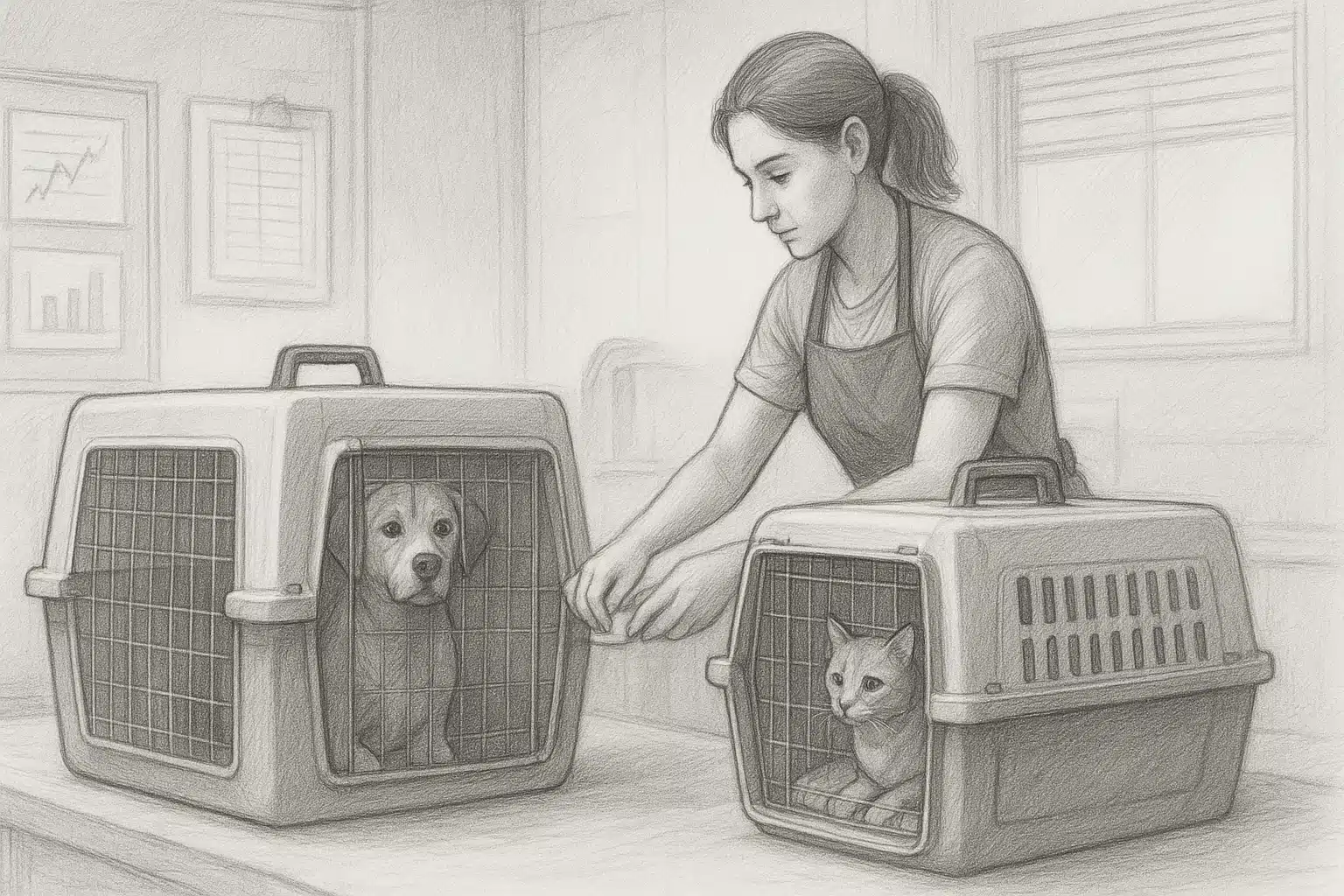
A transport pause does not mean every dog is sick. It often means the shelter must meet new travel rules before placement.
Crowding Changes the Adoption Experience
Crowding affects dogs long before a family meets them. More kennel time can raise stress, barking, pacing, and shut-down behavior. Those signs may hide a dog’s real personality.
The pressure also reaches shelter staff. Teams must balance daily care, incoming strays, foster calls, vet records, and changing transport rules. In Corpus Christi, one shelter’s population grew from about 325 to nearly 450 when New York placements stalled, according to Associated Press reporting.
Families considering a Texas shelter dog should ask:
- Has the dog received a recent health check?
- Is interstate travel currently allowed to my state?
- What records will travel with the dog?
- Can the shelter describe the dog’s behavior outside the kennel?
Give a shelter dog extra patience after arrival. A calm home can reveal the companion behind the kennel stress.
Also Read: 10 Adorable Havapoo Colors You Need to See (2026)
What the Screwworm Rules Can Require
Veterinary Inspection and Certification
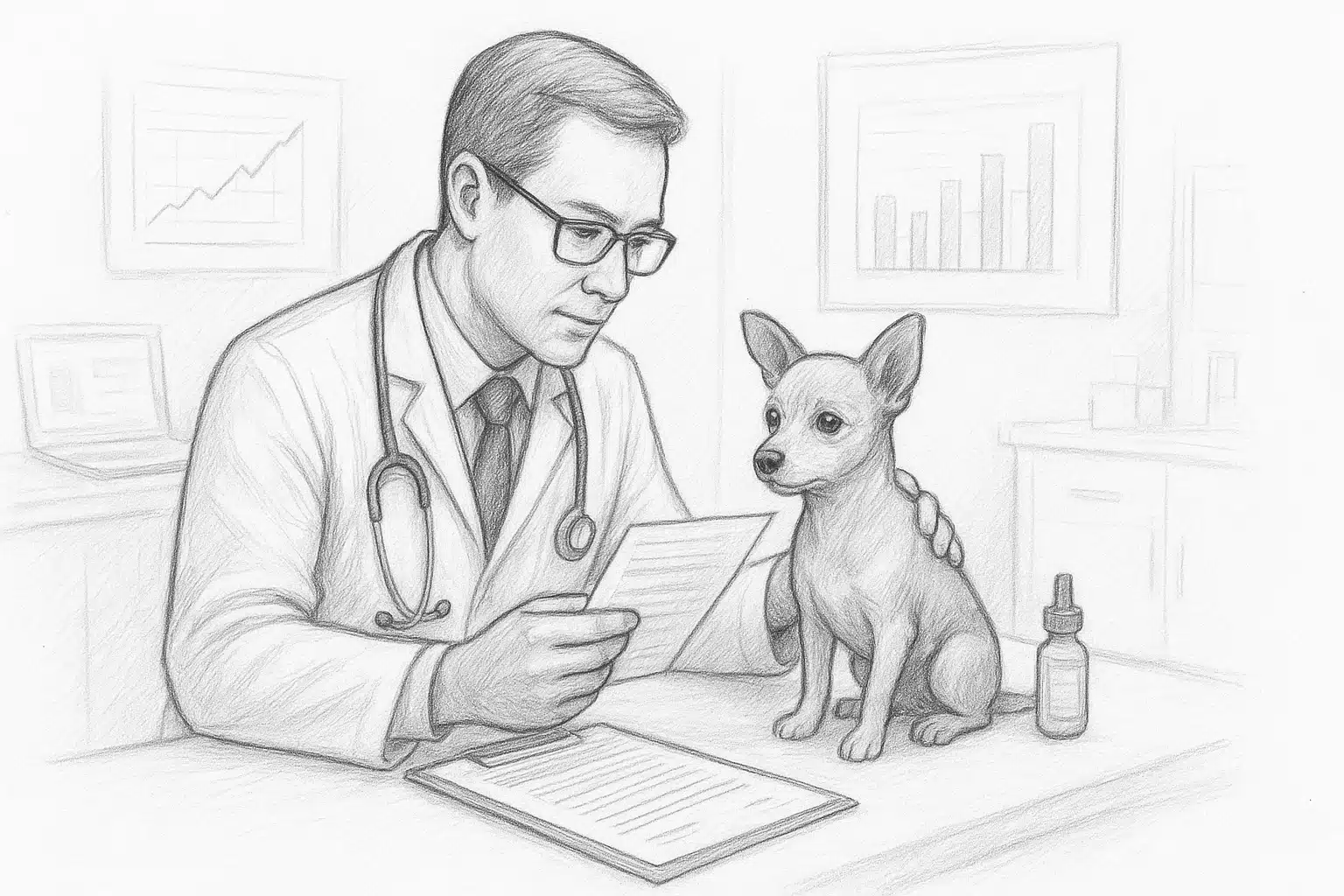
A dog leaving an active Texas screwworm zone may need clearance before travel. The Texas Animal Health Commission can require prior approval for warm-blooded animals moving beyond a zone boundary.
For affected moves, an approved inspector checks the animal for signs of infestation. The inspector may issue a movement and treatment certificate that lists:
- The dog’s official identification
- Inspection findings
- Any prevention or treatment product used
- The approved travel details
The Texas Animal Health Commission’s current guidance says the certificate must travel with the animal when required.
A standard health record is not always the same as a screwworm movement document. Ask which paperwork applies before booking a flight, driver, or pickup date.
| Travel situation | What to confirm |
|---|---|
| Dog begins inside an active zone | Inspection, approval, and required certificate |
| Dog begins outside a zone | Normal destination-state rules may still apply |
| Route crosses an active zone | Ask whether transit rules affect the plan |
Permits, Treatments, and Timing
Rules can add time to an adoption plan. A dog may need an exam, a preventive product, and a permit or certificate before it can leave an active zone.
Federal guidance focuses on inspected animals moving from the origin site. It also notes that state animal health officials may set added requirements or exceptions based on the situation. Companion dogs are not automatically covered by every livestock rule, so families should not assume either an exemption or a delay.
Use this simple process:
- Confirm the puppy’s exact origin address and current zone status.
- Ask the breeder or shelter who will arrange the inspection.
- Request copies of any certificate or permit before travel.
- Check the receiving state’s entry rules.
- Keep plans flexible until documents are complete.
Do not accept vague promises that paperwork will be handled “later.” Get the travel plan and responsible contact in writing.
A Current Rule Check Before You Travel
Zone lines and release orders can change quickly. Some areas may be released while restrictions remain elsewhere. Check the latest Texas screwworm zone updates on the day you pay a balance, book transport, and begin travel.
For a Utah family arranging nationwide delivery, verify:
- The puppy’s origin county and premises
- The planned pickup or delivery route
- Required veterinary and movement documents
- What happens if a rule change delays travel
Sage Puppies families can also ask early about local pickup in South Jordan or nationwide delivery timing.
Also Read: Rover Names America’s Most Popular Dog Breeds for 2026
What Officials and Rescue Leaders Are Doing Now
Surveillance and Sterile-Fly Releases
Texas officials are combining movement controls with field checks. Teams inspect susceptible animals, watch for wound infestations, and use fly traps and monitoring data to guide response zones.
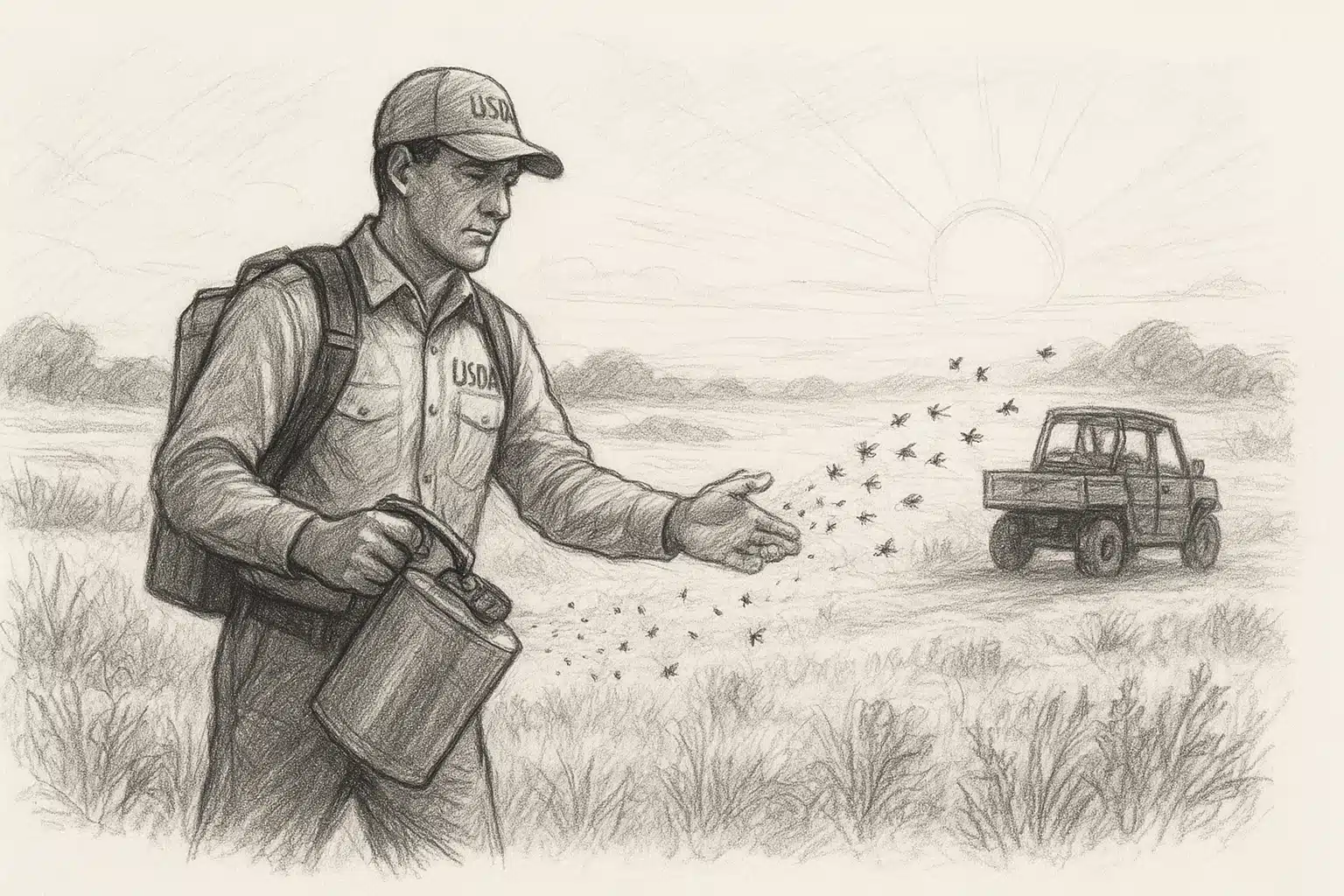
USDA also releases sterile male screwworm flies. Females mate only once, so mating with a sterile male produces no offspring. This lowers the wild fly population over time. USDA’s Texas response update says this work supports surveillance, animal checks, and movement limits.
| Response action | What it does | Why families should care |
|---|---|---|
| Animal inspections | Finds suspected cases early | Supports safer travel decisions |
| Fly trapping | Tracks possible spread | Helps officials adjust zones |
| Sterile-fly releases | Breaks the breeding cycle | Helps reduce future risk |
| Movement permits | Controls animal transport | Can delay adoption plans |
Sterile flies are a pest-control tool. They do not cause a screwworm infestation.
Rescues Seek Targeted Safeguards
Rescue leaders are asking states to use risk-based rules, not broad shutdowns. Their preferred path is a recent veterinary inspection, parasite prevention, clear records, and transport only after required approval.
That approach protects destination communities while keeping dogs from remaining too long in crowded shelters. One Texas shelter saw its population rise from about 325 to nearly 450 while New York transfers paused, AP reported.
Before agreeing to receive a dog from an affected area, rescues and adopters should confirm:
- The dog’s exact shelter and county history.
- Whether a quarantine zone applies.
- The date and result of its veterinary inspection.
- Any permit, certificate, or destination-state entry rule.
- The planned transport date, since paperwork may have a short valid window.
A careful pause is not a sign that every Texas dog is unsafe. It means the route and health records need closer review.
What This Means for Families Looking for a Dog
A Texas-based rescue dog may still be a great match. The key is to slow down and confirm the animal’s health record and travel plan before you reserve.
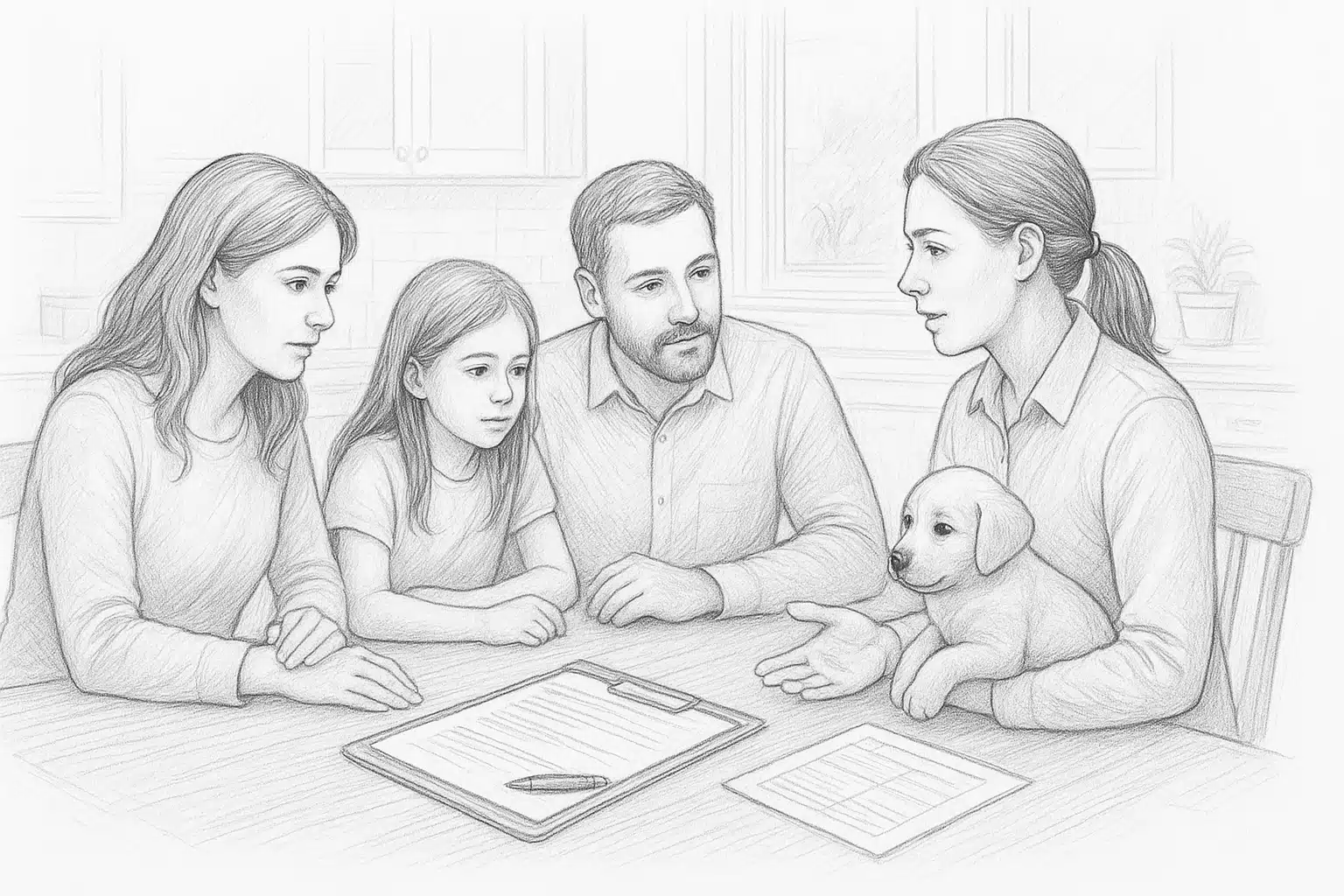
Questions to Ask Before Reserving a Puppy
Ask direct questions and expect clear answers. New rules can vary by the dog’s location and your home state. Texas reporting shows that movement limits have disrupted transfers from affected areas.
- Where has the dog lived recently?
- Has a veterinarian checked for wounds or signs of infestation?
- What health papers will I receive before pickup or delivery?
- Does my state require an entry permit, exam, or treatment?
- What happens if travel rules change before the planned date?
Do not send a deposit until the organization explains its refund, delay, and communication process in writing.
Pickup, Delivery, and Timing
Build extra time into any interstate plan. Some receiving states require a recent veterinary exam, and the valid window can be short. Shelter transports have slowed because requirements differ across states, including permits and proof of inspection before travel according to public radio reporting.
| Travel option | What to verify | Best next step |
|---|---|---|
| Local pickup | Health records and pickup date | Confirm the handoff plan |
| Delivery | Route, carrier rules, and documents | Ask for a written timeline |
| Texas shelter transfer | Origin zone and state entry rules | Check rules before reserving |
For Utah families, a local pickup from Sage Puppies in South Jordan avoids interstate transfer issues. Families arranging nationwide delivery should confirm the puppy’s records and timing before booking travel.
Also Read: 10 Red Flags to Avoid When Visiting a Local Puppy Breeder
Why Texas Relies on Out-of-State Adoptions
A Transport Pipeline Built Around Uneven Demand
Texas shelters receive far more dogs and cats than many local communities can adopt. Rescue groups bridge that gap by moving animals to regions where fewer pets enter shelters and more homes are waiting.
In 2025, Texas transferred nearly 89,000 dogs out of shelters, more than any other state, according to AP reporting on the shelter transport disruption. Many traveled to the Northeast, Great Lakes region, and other areas with stronger adopter demand.
This system depends on three things:
- Available kennel space at the Texas shelter
- Rescue partners willing to receive animals
- Clear health and travel paperwork
A transport is not a casual road trip. It is a planned handoff between shelters, foster groups, veterinarians, and receiving families.
When one part stops, dogs stay in already-full kennels longer.
| Texas need | What out-of-state partners provide |
|---|---|
| High shelter intake | More available homes and foster space |
| Limited local demand | Access to new adopter markets |
| Urgent space needs | Faster placement options |
The Capacity Problem Predates Screwworm
Screwworm restrictions did not create Texas shelter crowding. They exposed how much the system depends on interstate transfers.
Rural shelters often have tight budgets, little room, and limited veterinary access. KERA reports that more than 200 Texas shelters lack access to a veterinarian, making new travel rules harder to meet.
Pressure builds quickly when transfers slow:
- Kennels remain full.
- Intake animals have fewer open spaces.
- Staff must stretch food, care, and foster resources further.
For families considering a transported rescue dog, ask for the current health certificate, origin location, and receiving state’s entry rules before confirming travel.
Also Read: Puppy Care Blog & Resources | Sage Puppies
How to Follow the Story Without Guesswork
Rules can change by county, shelter, and destination state. Check the source, date, and exact travel route before you make plans.
Start with the shelter or rescue that has the dog. Ask whether the animal is in a restricted area, cleared for travel, or waiting for a veterinary inspection. Texas quarantine orders have affected movement from parts of 13 counties, according to the Texas Tribune’s local reporting.
Use this short check before paying a fee or booking travel:
- Ask for the dog’s current city and shelter intake date.
- Confirm the destination state’s current entry rules.
- Ask what veterinary exam, parasite treatment, and health papers are required.
- Get the expected travel date in writing.
- Confirm who pays if the state rule changes before transport.
| Question to ask | Why it matters | Proof to request |
|---|---|---|
| Can this dog leave Texas now? | A hold may apply to its location | Written shelter update |
| Does my state allow entry? | Rules differ by destination | Current state guidance |
| Has a vet cleared the dog? | Some states require recent exams | Dated health record |
Do not assume a statewide news headline means every Texas dog is unavailable. It may mean transport is paused, delayed, or subject to new paperwork.
For context, AP reports that many states tightened pet movement rules from affected areas. Treat social posts as leads, not final answers.

If Texas shelter uncertainty has changed your plans, choose a clear, family-first path. Sage Puppies offers home-raised Havanese, Havapoo, and Cavapoo puppies from health-tested parents, with transparent steps, Utah pickup, and nationwide delivery. View available puppies and begin your application today.
Frequently Asked Questions
Q1: Texas screwworm concerns and pet adoptions
Some Texas shelters may pause transfers or adoptions while they check animal health and follow local guidance. Ask whether the dog recently arrived from an affected area and what screening took place.
Q2: Can I still adopt a dog from Texas?
Possibly. Policies differ by shelter, county, and the dog’s travel history. Confirm the shelter’s current status before paying a fee, booking transport, or making travel plans.
Q3: What should families verify before pickup?
Request health records, travel details, and any recent exam notes. Ask about wounds, skin irritation, or parasite treatment. Delay pickup if staff cannot give clear answers.
Q4: Does this affect Utah puppy families?
It can affect dogs transported from Texas into Utah. Families should confirm origin and transport steps. A locally raised Sage Puppies puppy avoids unknown shelter-transfer routes.
Q5: Should I cancel a planned delivery?
Do not cancel automatically. Contact the organization, ask what safeguards apply, and get updates in writing. Reschedule if the dog’s health status or route remains unclear.
Conclusion
Texas adoption pauses are mainly a transport and health-check issue, not a reason to assume every dog is sick. New World screwworm can affect pets, so quarantine rules and state entry limits have slowed movement from affected areas.
That delay matters. Texas shelters depend on out-of-state transfers, and crowding can put more animals at risk, as AP reports.
Before arranging an adoption or delivery, confirm the dog’s origin, current health records, veterinary inspection date, parasite prevention, and your state’s travel rules.
A careful match includes clear paperwork, honest answers, and enough time to make safe travel plans.