Wisely Bred. Beautifully Loved.
Choosing a Puppy for Your Houston Home
By Matt Milar · Sage Puppies
Start with the individual puppy, then learn about the program behind the profile. Sage Puppies is Cassie Milar’s boutique breeding program in South Jordan, Utah, raising Havanese, Havapoo, and Cavapoo puppies. We do not breed or house puppies in Houston and have no Houston kennel, storefront, or office.
Houston families can review current availability and ask whether delivery is feasible for a particular puppy, or arrange pickup in Utah.
Sage’s general puppy purchase range is $3,500–$4,500. Confirm the individual quote and written terms; travel, ongoing care and guardian arrangements are separate.
Jump to Houston registration and storm readiness.
See Available Puppies
Your first stop
Available Puppies
If you are searching for puppies for sale in Houston, begin with Sage Puppies’ current profiles in Utah. The live cards below link to individual profiles; availability can change. The other photographs in this guide are illustrative, not listings.
See the puppies currently listed
This section loads current companion puppy cards from Sage Puppies' live profiles. If cards do not appear, open the availability page to check each profile and its status.
Showing up to 12 current companion puppy profiles. Open a profile and confirm its details with Sage Puppies before making plans. See all availability.
No suitable companion puppy listed today? You can apply or ask about future opportunities. An application does not guarantee a puppy or a date.
From profile to fit
Choose around the individual puppy
Once a profile catches your eye, think about your schedule, household energy, grooming time, and the puppy’s individual needs. A breed name gives you a useful starting point; it does not promise a particular adult size, coat, or personality.
Read the three breed guides, then ask which observations are specific to the puppy you are considering. Your own daily routine matters as much as a general breed description.
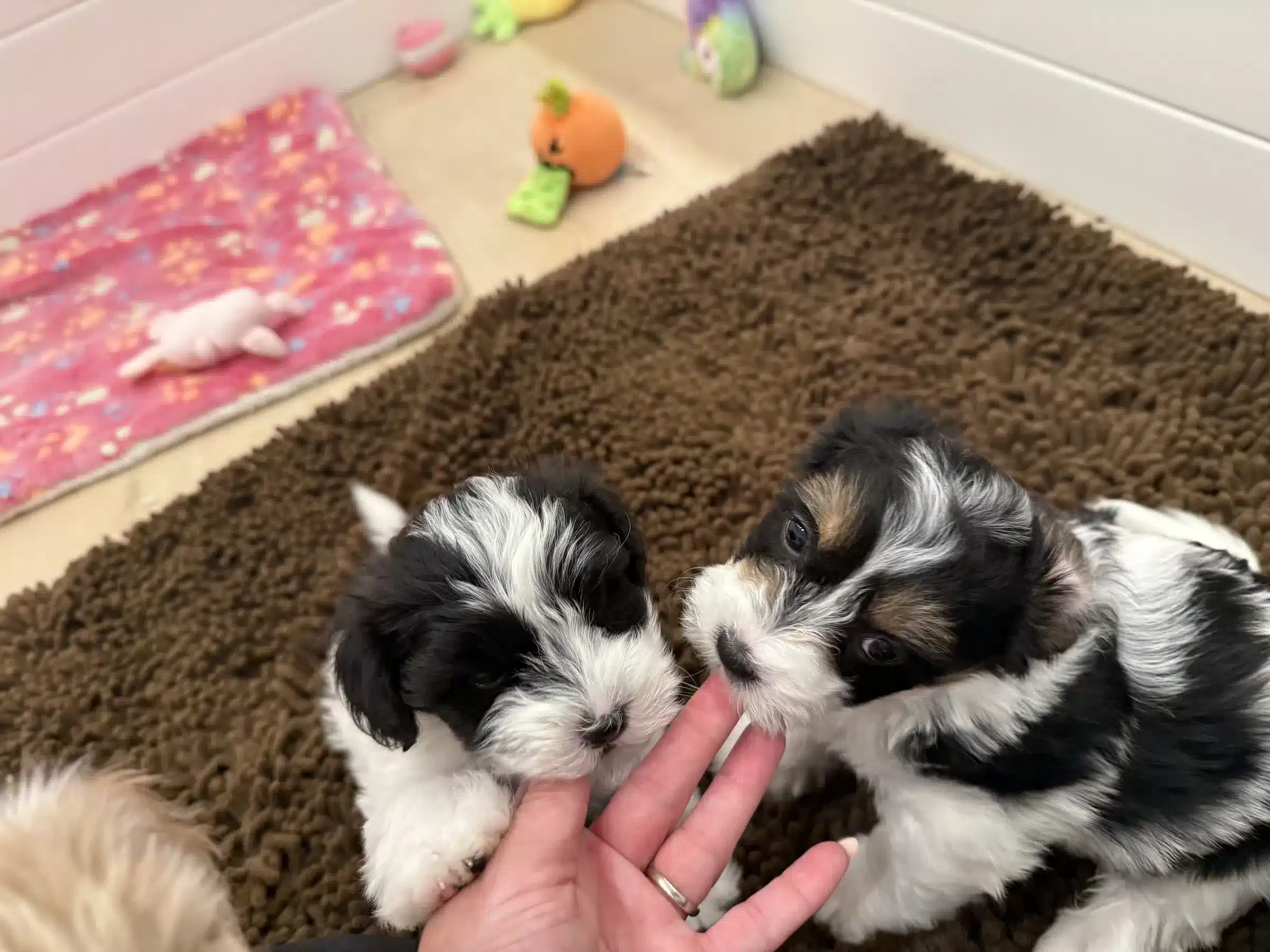
Havanese
Consider companionship, a regular grooming routine, and the individual puppy’s social style.
Havapoo
This Havanese–Poodle mix can vary. Ask about the parents and the particular puppy’s coat and care needs.
Cavapoo
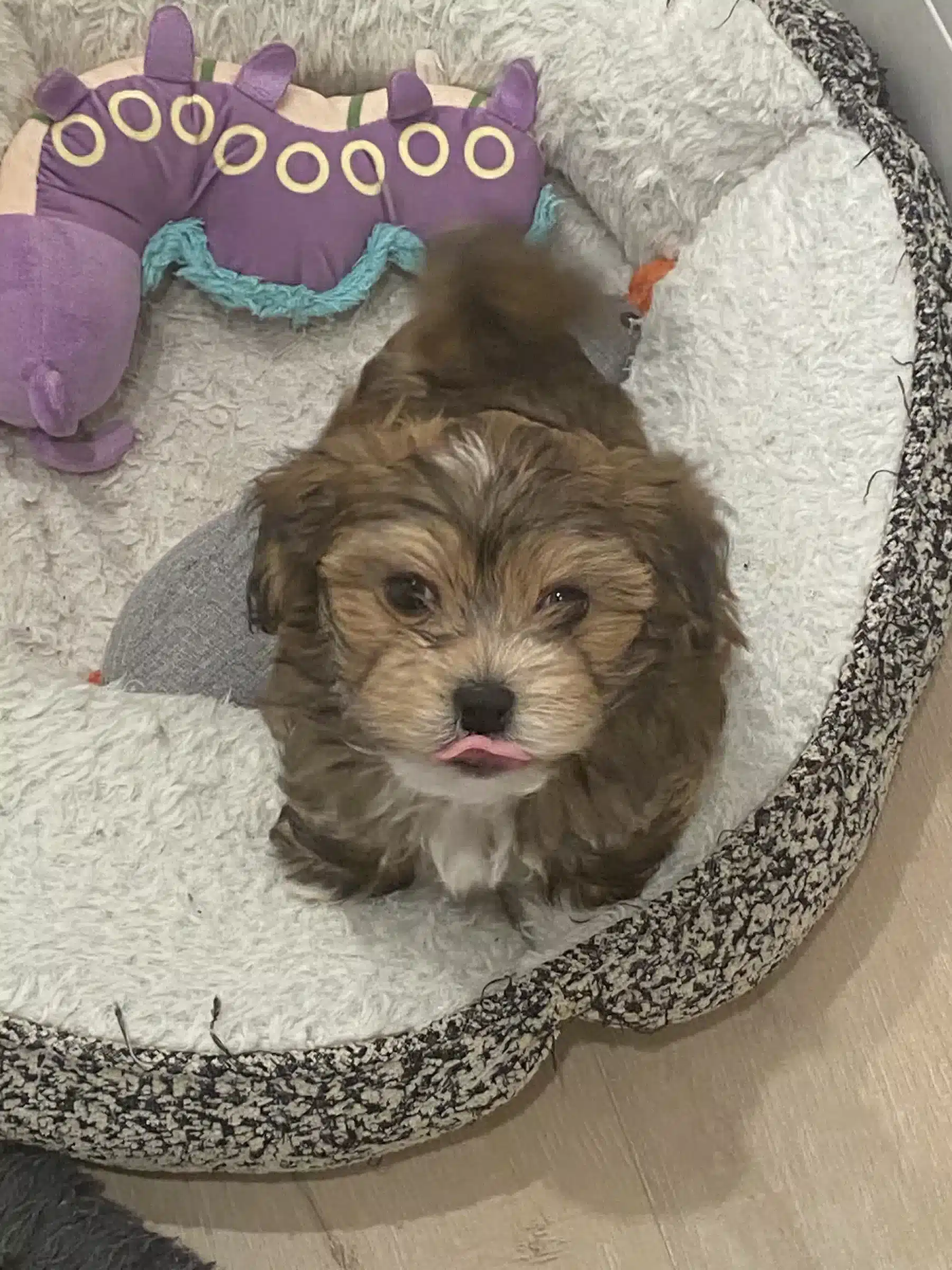
This Cavalier King Charles Spaniel–Poodle mix also deserves puppy-specific questions about fit and care.
Know the program
Get clear on the process before you apply
A thoughtful decision includes more than a photo. Review How It Works to understand the program’s steps, read Reviews in the families’ own words, and bring questions about the puppy that interests you.
Ask Cassie about the individual puppy, the information available about its parents, the timing, and what comes next. The editorial images outside the live card section illustrate this guide; they do not replace an individual profile.
Plan the whole decision
Pricing, reservation, and the trip home
Use the current Pricing & Reservation page to understand the published process. Confirm the price and written terms that apply to the individual puppy before committing. No puppy, price, or go-home date is set by this article.
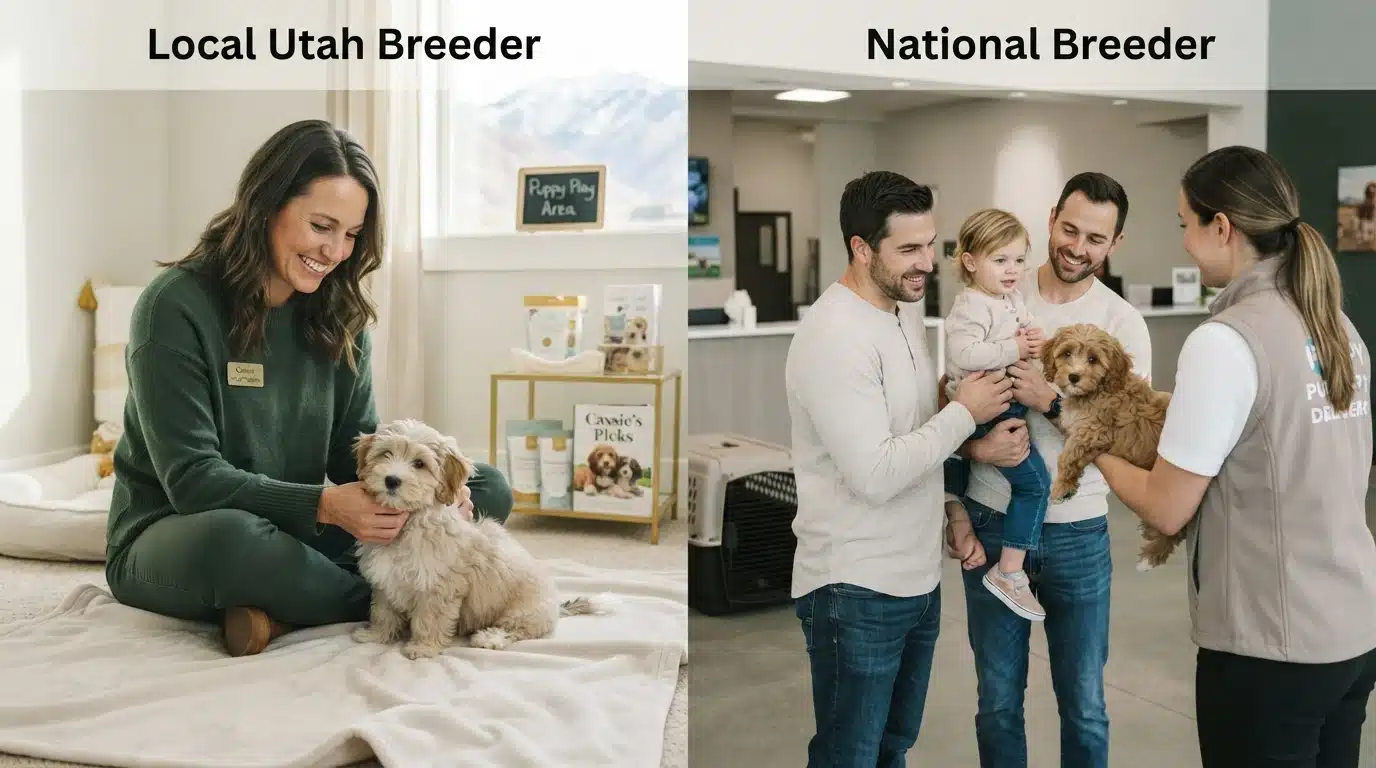
The owner estimates that about 85% of Sage Puppies’ puppies join families through national delivery and about 15% are picked up locally in Utah. These are owner estimates, not measured sales counts. Those figures do not guarantee delivery to Houston. The individual puppy, timing, route, weather, cost, and an agreed plan determine what is feasible. Utah pickup is another option to discuss.
Read Delivery & Pickup and ask for a puppy-specific plan before arranging your own travel or making a reservation decision.
Review Delivery & Pickup
A Houston homecoming
Set up a routine that works in Houston weather
Before a puppy comes home, choose a cool indoor rest area and plan short outdoor breaks that you can manage on hot or rainy days. Houston’s BARC heat guidance recommends cooler early-morning or evening exercise on very hot days and warns that asphalt can burn paws. Ask your veterinarian how to pace outings for a young puppy.
For walks in City of Houston parks, city park rules require dogs to remain leashed and owners to pick up after them. Those city rules should not be assumed to cover every Harris County address or nearby places such as Katy, Sugar Land, Pearland, or The Woodlands; check the rules for your own jurisdiction and building.
BARC also recommends including pets in a household plan for hurricanes and other emergencies. Keep identification, a carrier, supplies, and your own evacuation plan in mind. That preparation is useful regardless of whether your puppy joins you by a feasible delivery plan or Utah pickup.

Questions from Houston families
Does Sage Puppies have puppies or a kennel in Houston?
No. Cassie Milar’s breeding program raises Havanese, Havapoo, and Cavapoo puppies in South Jordan, Utah. Sage Puppies has no Houston kennel, storefront, or office. Houston families can inquire about an individual puppy and discuss feasible delivery or Utah pickup.
How do I know which puppies are currently offered for companion homes?
Start with the live companion puppy cards above or the full Available Puppies page, then check the individual profile and current status with Sage Puppies. Guardian-home placements are separate from a companion-puppy purchase. The other photos in this guide are illustrative.
Can delivery to Houston be arranged?
You may ask about it for a particular puppy, but no route or date is promised. Feasibility depends on the puppy, timing, route, weather, cost, and a plan agreed with Sage Puppies. Utah pickup can also be discussed.
Where can I find the price and reservation terms?
Review Pricing & Reservation, then confirm the price and written terms for the puppy you are considering. This guide does not set a price or reserve a puppy.
What if no suitable puppy is available today?
Availability changes. You can apply or ask about future opportunities and share your household, breed preferences, and timing. Applying does not guarantee a particular puppy or go-home date.
When you are ready
Tell us about the home you can offer
Return to the current profiles, consider the individual puppy and the Utah program, and make sure the pricing and travel conversation is clear. If Sage Puppies feels like a fit for your Houston family, your application is the place to share your schedule, preferences, and questions with Cassie.
Start Your ApplicationCheck permission and registration for your address
Before reserving a puppy, separate the city’s requirements from permission to keep a dog in your home. A lease, HOA or building approval is a household question; city registration is a municipal requirement. The microchip registry’s contact record is another task. Keep each answer where the person caring for the puppy can find it, rather than treating one document as proof that all three are settled.
Houston’s BARC registration guidance says dogs four months and older in the city must be registered yearly, with a current rabies certificate and registered microchip. Verify the current requirements for your actual street address and discuss puppy-specific timing with your veterinarian. Do not apply the City of Houston rule to every Harris County or suburban address. Confirm who will update the chip registry’s contact information after the puppy comes home.
Name the adult and destination in your storm plan
Give your puppy a place in the household emergency plan before a forecast becomes urgent. BARC’s emergency guidance covers identification, a pet kit and a destination that accepts pets. Houston OEM recommends contacts, meeting places, supplies and practiced roles for the family. Choose one backup adult who knows where the carrier, records and necessary supplies are kept.
A useful rehearsal is to ask where the puppy could stay cool if home cooling stopped, how the receiving adult would collect the puppy and which host or lodging has confirmed its current pet policy. These are planning questions, not promises of shelter or boarding availability. If a forecast or your receiving arrangements change, revisit the timing with Sage before making travel plans. A puppy-specific delivery arrangement or Utah pickup still needs an agreed plan.
Next, use the Houston routine and breed-fit guide for daily-care questions. The Texas buyer guide provides the broader state context.