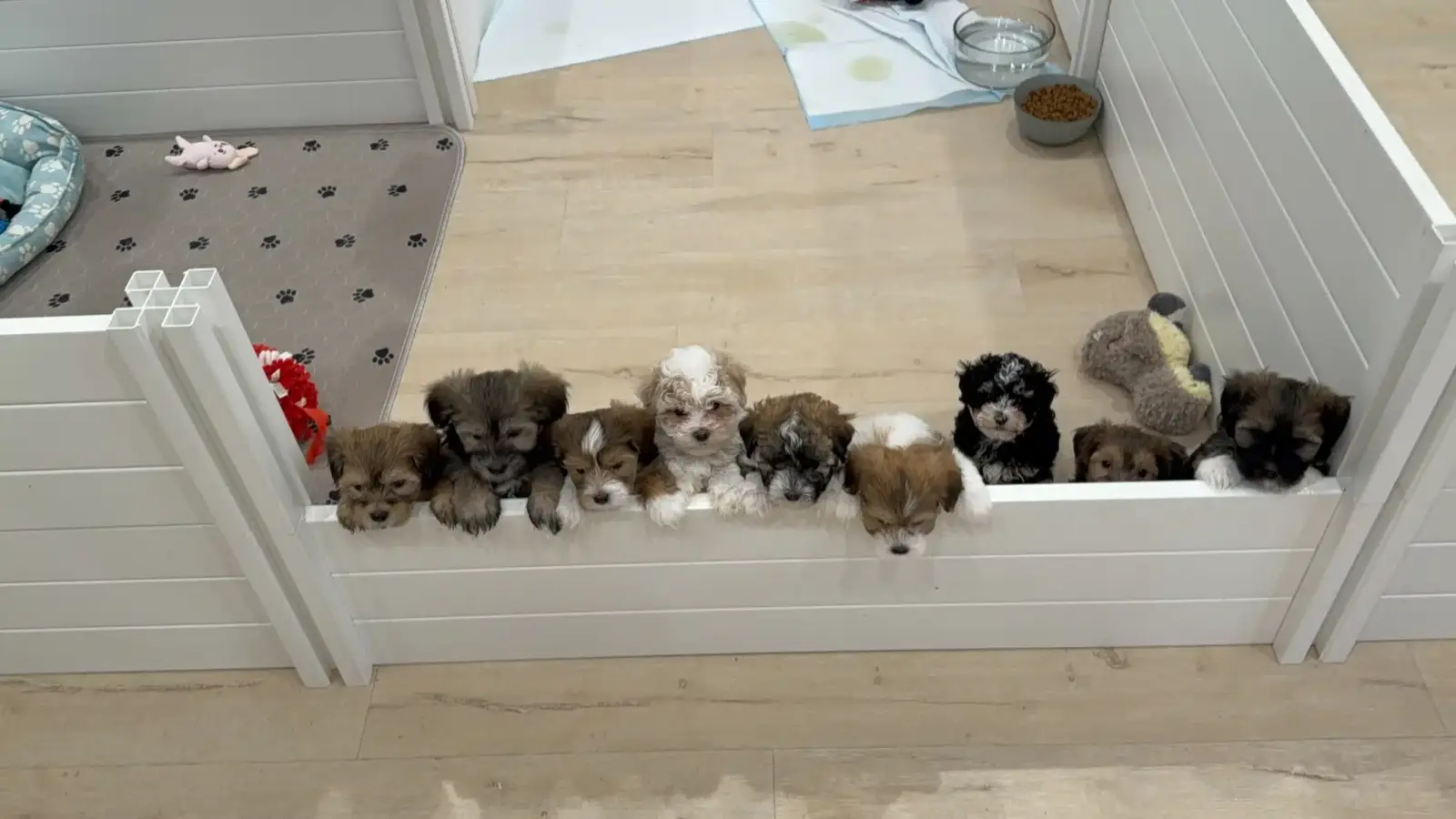
Quick Summary: Before pickup day in Delaware, focus on practical basics for small breeds like Havanese, Havapoo, or Cavapoo: the exact food the puppy already eats, a properly sized crate with a divider, a secure travel carrier, and a puppy-proofed quiet zone. Avoid changing food suddenly, as it causes stomach upset, and transition over 5-7 days if needed. Book a vet visit within the first few days, pack a handoff folder with health records, and keep the first 72 hours calm with predictable feeding and potty routines. Sage Puppies sends each puppy home with a starter food supply and care guide to ease the transition.
If your Delaware pickup day is approaching, the most important items are not the fanciest bed or the largest toy basket. They are the supplies that let a small Havanese, Havapoo, or Cavapoo puppy travel safely, eat familiar food, rest calmly, and begin settling into your home. Many families grab a cart of cute extras and forget the basics that actually matter on day one, like the right food, a snug carrier, and a quiet place to sleep. This new puppy checklist fixes that. It works as a practical puppy supplies list built for small breeds, with first puppy supplies sized for a Havanese, Havapoo, or Cavapoo and Delaware families who sometimes arrange delivery from out of state. At Sage Puppies, our home-raised program pairs health-tested parents with early socialization, so this guide reflects what we send home with real families.
Build the Safe Home Base Before Pickup Day
Your new puppy checklist works best when you set up one calm, safe space before pickup or delivery day. A Havanese, Havapoo, or Cavapoo is small, curious, and quick, so the goal is simple: fewer hazards, fewer decisions, and one predictable spot to rest.
Choose a Crate That Supports Rest and House Training
Puppies avoid soiling where they sleep, so the crate becomes your house-training partner. The right size lets your puppy stand, turn, and lie down, and no bigger. Too much room invites accidents at one end. Chewy’s crate training guide recommends buying for adult size and using a divider while your puppy is small. For these breeds, a 22 to 24 inch wire crate with a divider usually fits well.
Set Up a Small, Easy-to-Clean Puppy Zone
Pick one room, gate it off, and puppy-proof just that space first. Experts at PetMD suggest thinking like a toddler: anything chewable, tippable, or toxic goes out of reach.
- Cover cords and block outlets
- Secure the trash can with a lid or latch
- Use a washable rug or playpen mat
- Place food, water, and potty pads on tile or vinyl
A small zone also speeds potty training and cuts accidents.
Skip plush beds at first. A flat, washable pad is easier to clean after accidents and hides less mess.
Buy Comfort Items Without Overbuying
Keep it simple. You need one soft blanket that smells like home, two or three safe chew toys, a stuffed toy for the crate, and a non-slip food bowl. Puppies outgrow or destroy extras fast, so start small and add later. If you’re adopting from Sage Puppies, we’ll share which comfort items help ease the transition from our home to yours, especially for families receiving delivery outside Utah.
Also Read: What to Bring When Picking Up a Havapoo Puppy Locally
Prepare Food, Bowls, and Feeding Continuity
Feeding is the easiest part of your new puppy checklist to get right, and the biggest mistake is also the most common one: changing food on day one. Puppies have sensitive guts, and a sudden switch often causes diarrhea during an already stressful week.
Buy the Food Your Puppy Is Already Eating
Ask your breeder what food your puppy eats, then buy that exact brand and formula before pickup day. If you’re working with Sage Puppies, we send each puppy home with feeding details and a starter supply so the transition is seamless.
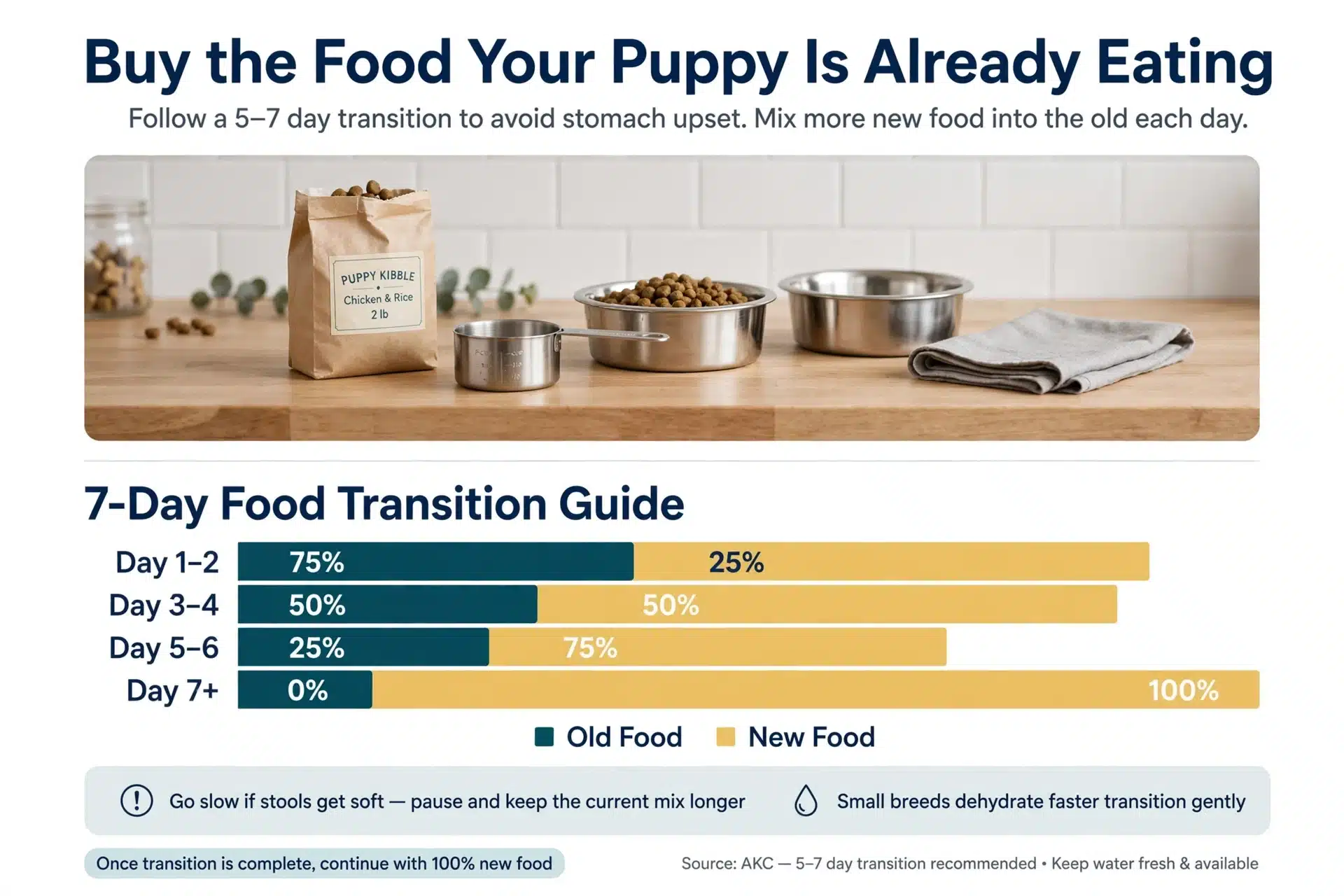
Plan to keep the same food for at least the first week. When you’re ready to switch later, do it slowly. The AKC recommends a 5-7 day transition, mixing a little more new food into the old each day.
| Days | Old Food | New Food |
|---|---|---|
| Day 1-2 | 75% | 25% |
| Day 3-4 | 50% | 50% |
| Day 5-6 | 25% | 75% |
| Day 7+ | 0% | 100% |
If stools get soft, slow down. Small breeds dehydrate faster, so gentle transitions matter even more here.
Choose Practical Bowls and Measuring Tools
Skip the cute ceramic sets. For Havanese, Havapoos, and Cavapoos, you want:
- Shallow stainless steel bowls – easy on small faces, dishwasher safe, hard to chip
- A non-slip mat underneath to catch spills
- A 1-cup measuring cup so portions stay accurate. Eyeballing kibble is how small dogs gain weight fast
Two bowls minimum: one for water, one for food.
Stock Training Treats and Travel Water
Buy small, soft training treats about the size of a pea. Tiny breeds fill up quickly, and big treats steal calories from balanced meals. Keep a squeeze of the puppy’s own kibble as a free training reward.
Add a collapsible travel bowl and a water bottle for the ride home. Pickup days run long, and a thirsty puppy gets fussy fast. Pack treats, water, and food in one tote so nothing gets left behind.
Also Read: 10 Adorable Havapoo Colors You Need to See (2026)
Pack Safe Transport, Identification, and Pickup-Day Gear
The ride home is the first big event of your puppy’s new life. A few well-chosen items make it calm instead of chaotic, whether you’re driving home from a Delaware pickup or meeting a delivery at your door.
Use a Secure Carrier or Travel Crate
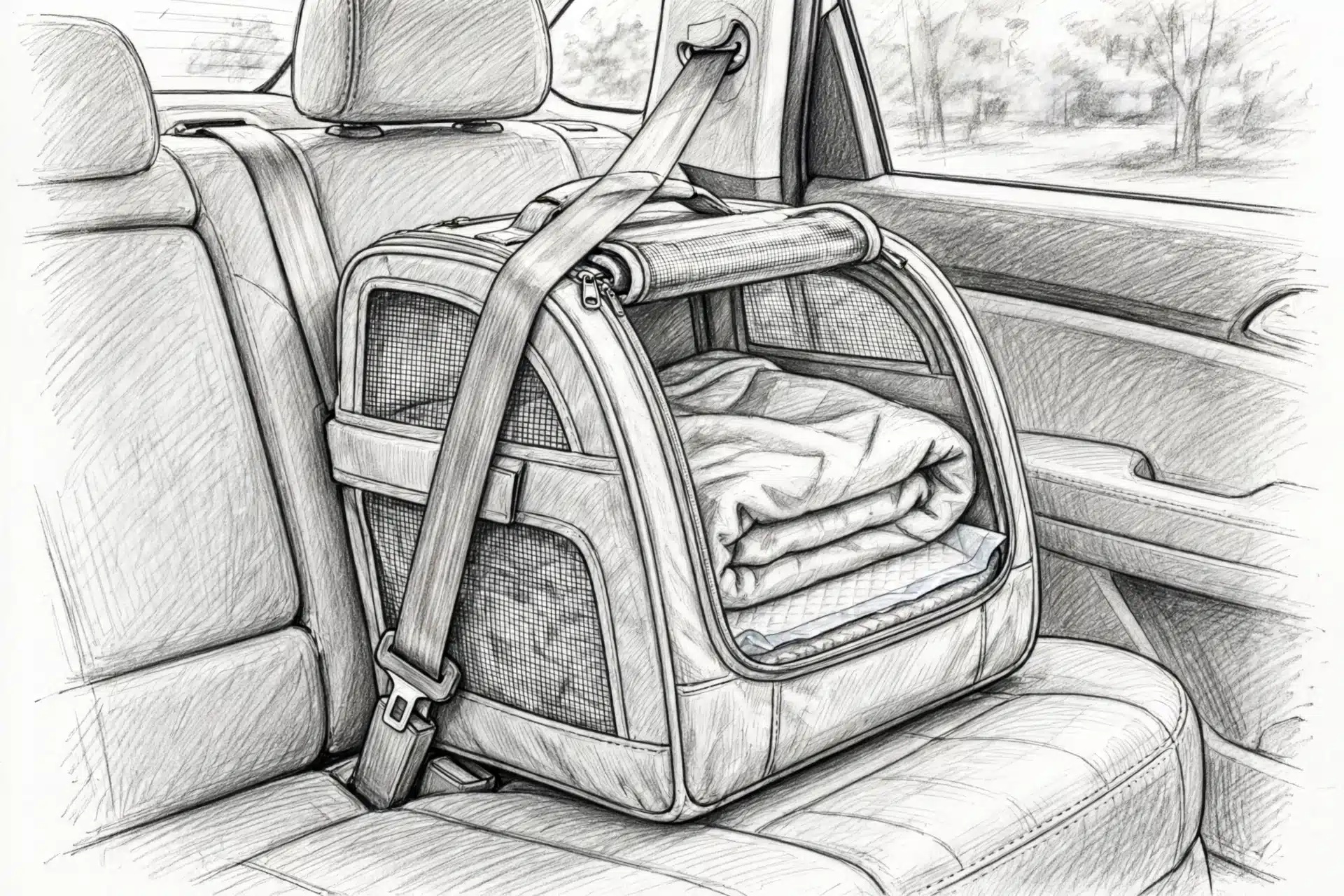
Don’t plan on lap-holding your Havanese or Cavapoo on the drive. A small dog loose in the car is a distraction and a real injury risk in a sudden stop. The safest setup is a crash-tested harness, seat belt, or travel crate, placed on the floor behind a front seat or secured on the back seat so it can’t slide.
For an 8- to 12-week-old puppy, a soft-sided carrier with ventilation works well. Line it with an absorbent pad and a blanket that smells like the breeder’s home. Skip a big meal right before travel to cut down on nausea, and plan a quick potty stop on longer drives.
Fit Identification and Walking Gear Carefully
Small breeds need small gear. A tiny-breed collar and a lightweight 4- to 6-foot leash are enough. Fit the collar so you can slip two fingers under it; anything looser can slide over a puppy’s narrow head.
Put an ID tag on before pickup day, even though the puppy won’t be microchipped and registered on your end yet. The ASPCA recommends a collar tag with your name and phone number, plus a temporary travel tag with your cell number during the trip. Bring the walking harness too, but hold off on structured walks until your vet clears vaccinations.
Create a Delaware Handoff Folder
Keep one folder or envelope in the car so nothing gets misplaced on pickup day:
- Health records and vaccination dates from the breeder
- The health certificate if your puppy traveled across state lines
- Feeding instructions and the current food brand for a smooth transition
- Your vet’s contact info and the nearest Delaware emergency clinic
- Sage Puppies’ care guide and go-home checklist
One folder, one place. That’s it.
Add Grooming, Cleanup, and Small-Breed Care Supplies
Havanese, Havapoos, and Cavapoos have soft, low-shedding coats that need regular care from the start. A small starter kit keeps grooming easy and helps your puppy see it as normal, not scary.
Choose a Gentle Brush and Handling Tools
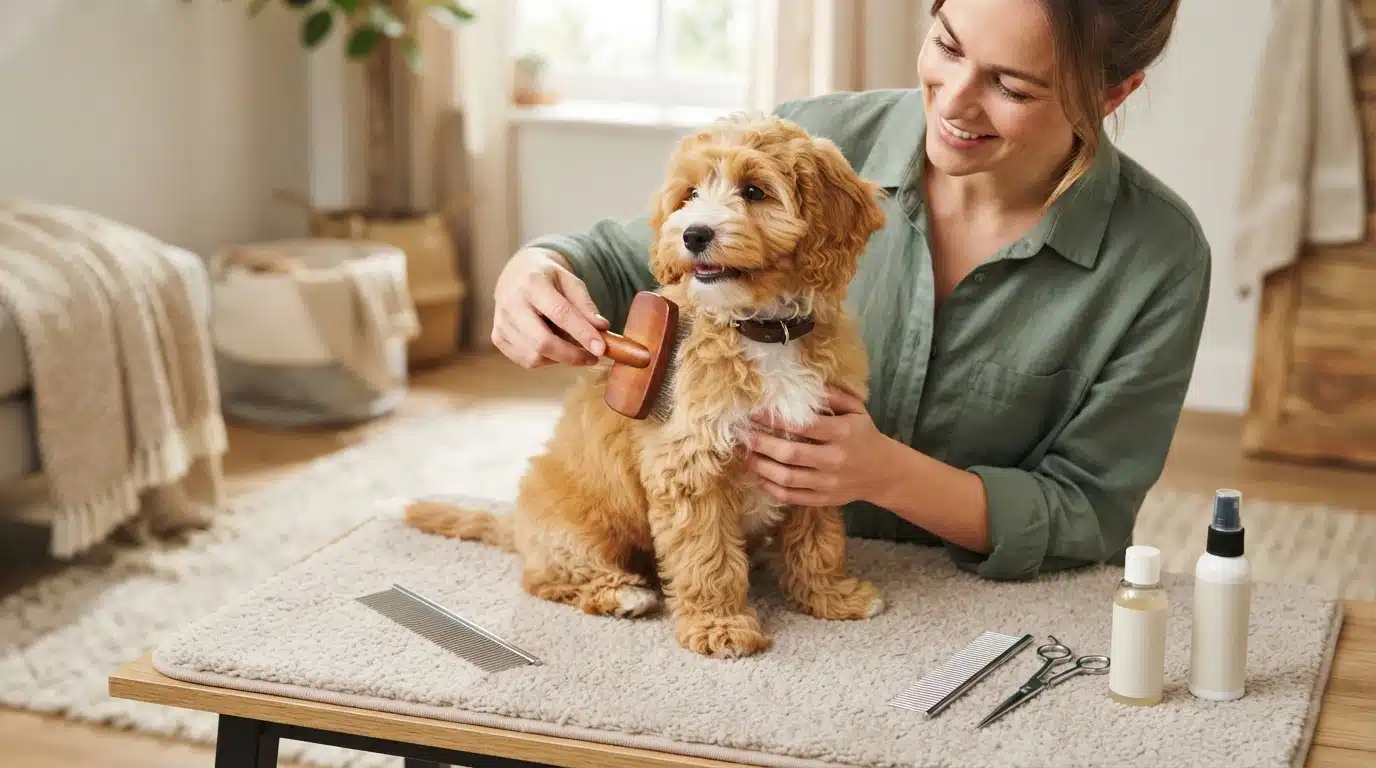
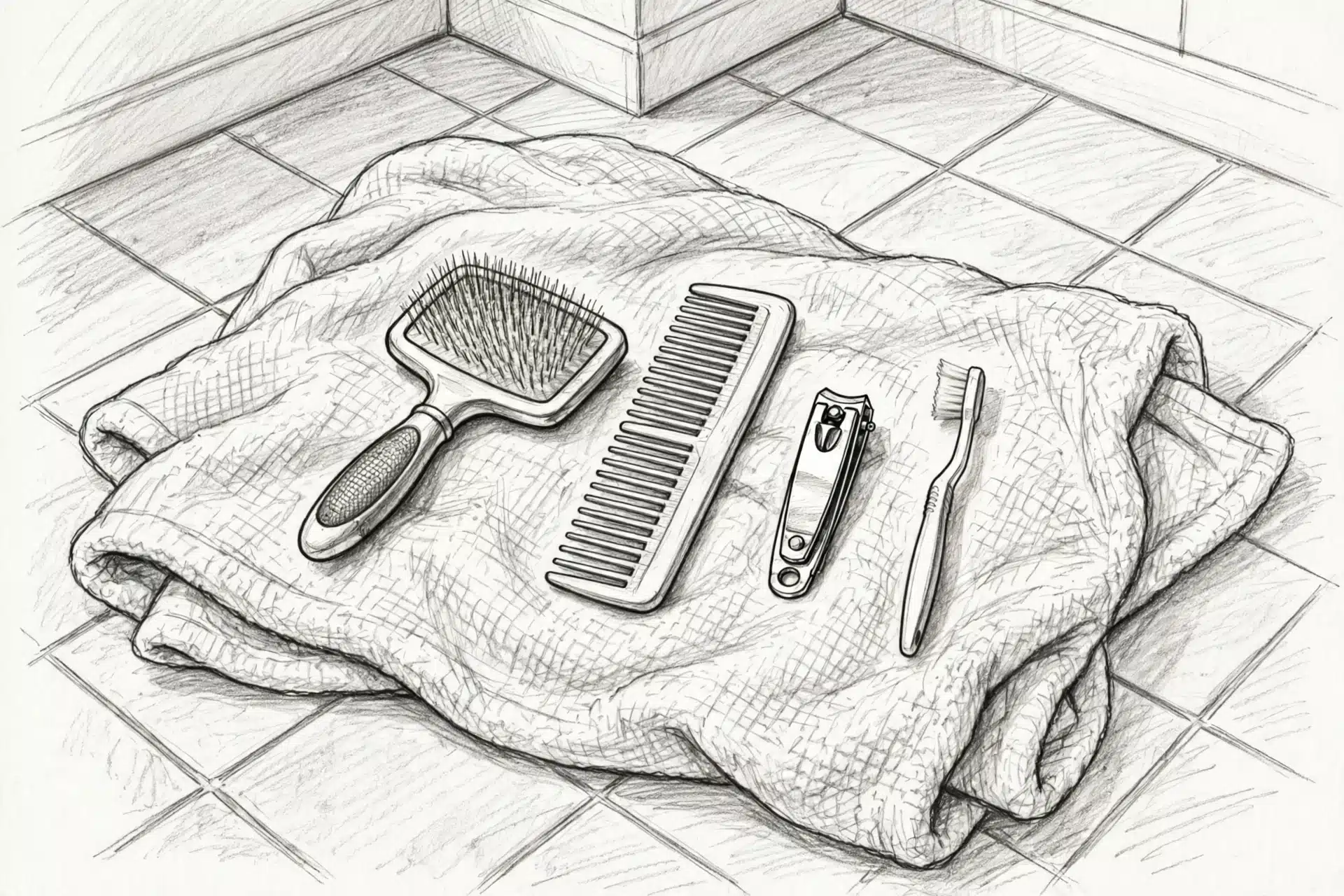
A slicker brush works well on curly and wavy puppy coats, and a wide-tooth comb handles tangles behind the ears and under the legs. Add a small comb, gentle puppy shampoo, and a damp towel for face wipes. Skip clippers for now; leave full trims to a groomer. What matters most in these first weeks is touch, not cutting. Royal Canin recommends introducing grooming tools early so puppies stay calm about being handled later.
Pick a set time each day, keep sessions short, and brush one small section at a time. Reward with a treat and stop before your puppy gets fussy.
Prepare for Accidents and Everyday Cleanup
Accidents will happen in the first weeks, so keep cleanup supplies ready before pickup day. You will need a few things on hand:
- Enzymatic cleaner that removes odor so your puppy stops returning to the same spot
- Poop bags for yard walks and neighborhood strolls
- Washable potty pads if you are pad training at first
- Old towels for muddy paws and wet coats after rain
Clean messes right away and stay calm. Puppies read your mood more than your words, so a quick, quiet cleanup works better than a reaction.
Support Calm Dental and Nail Care Habits
Buy a small dog toothbrush and dog-safe toothpaste. Never use human toothpaste; it is not safe for dogs. Start by letting your puppy lick the brush, then touch it briefly to the lips.
For nails, get small-breed clippers or a gentle file. At first, just hold each paw for a few seconds and reward. Trim only the tips once nails are ready, and stop before you feel any resistance.
Also Read: Havanese, Havapoo & Cavapoo Puppy Care Blog
Prepare Health Follow-Up and First-Week Routines
Schedule Veterinary Care Before the Puppy Arrives
Call a Delaware vet clinic as soon as you know your pickup date. Good clinics fill their schedules fast, especially for new-puppy exams. Aim for a visit within the first few days your puppy is home. Most puppies start the core vaccine series between six and eight weeks of age, with boosters spaced two to four weeks apart, so your vet will pick up right where the breeder’s records leave off (VCA Animal Hospitals).
Before the appointment, ask the clinic three things:
- Should your puppy eat normally that morning?
- Do they want a fresh stool sample for parasite testing?
- Can you bring the health records your breeder sent home?
If your puppy arrives via delivery from Utah, keep those records with you during travel so nothing gets lost in transit.
Write the First Three Days on the Family Calendar
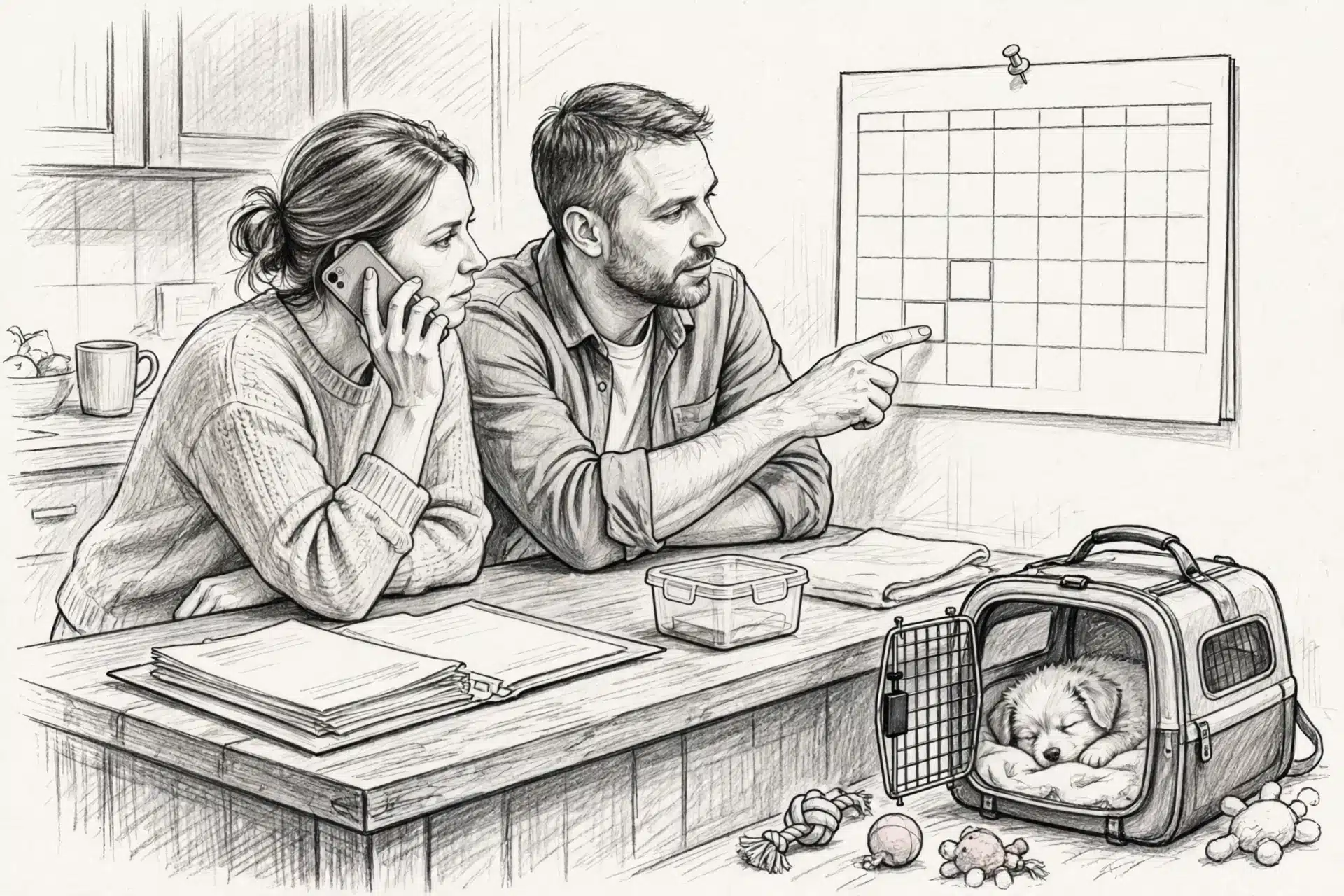
The first 72 hours set the tone. Put a simple plan on the calendar so nobody improvises. A sample routine:
| Day | Focus |
|---|---|
| Day 1 | Quiet arrival, potty breaks every hour, short nap in the crate |
| Day 2 | Same feeding times, short handling sessions, no visitors yet |
| Day 3 | Start name recognition, one calm car ride if the vet visit is near |
Keep everyone home from work and school those first days if you can. Small breeds like Havanese, Havapoos, and Cavapoos settle fastest when food, sleep, and potty timing stay predictable. Fewer new faces means fewer accidents and less stress.
Plan Safe Socialization and Public Exposure
Here’s the part that surprises first-time owners: socialization should start before vaccines are finished. The AVSAB position statement calls early socialization the standard of care, and the AVMA notes puppies are most open to new experiences between 3 and 14 weeks of age.
Safe options in Delaware:
- Carry your puppy through pet-friendly stores that allow it
- Invite calm, vaccinated dogs to your yard
- Enroll in a puppy class that requires proof of vaccination
Skip dog parks and busy sidewalks until your vet clears full immunity.
Also Read: Guides – Sage Puppies
Complete the 24-Hour Pickup-Day Checklist
One day out, your job is simple: confirm the plan, pack the right supplies, and protect your puppy’s first transition.
Confirm the Home Is Ready
Do a final sweep of every room the puppy will use. Get down to floor level and look for cords, coins, and small objects. Set up the crate, playpen, food and water bowls, and one quiet rest spot away from household traffic. If your puppy is arriving by plane, review the USDA pet travel requirements so documents and timing line up.
Pack the Pickup or Delivery Kit
Keep everything in one bag so nothing gets left behind:
- The same food your puppy has been eating, plus two days’ worth
- Bowls, a harness or collar, a leash, and a blanket that smells familiar
- Paper towels and an odor-safe cleaner for the ride home
- Health records and the breeder’s contact info, saved on your phone
Sudden food changes can upset a small stomach, so ask your veterinarian when a slow transition makes sense. The AVMA puppy care guidance is a solid refresher on early feeding and vet visits.
Confirm the Handoff Details Directly
Call or text the night before, not the morning of. Confirm the pickup time, exact address, and who should call if plans change. Ask which paperwork you will sign and whether payment or final forms are due on the spot. For delivery, agree on how you will track travel progress and where the handoff happens.
Also Read: How to Check Delaware Puppy Breeder Credentials Before You Visit

Your shopping list is ready, so the last step is choosing the right puppy. Sage Puppies raises healthy, well-socialized Havanese, Havapoo, and Cavapoo puppies with local pickup and nationwide delivery to Delaware. Browse available puppies and submit your application today.
Frequently Asked Questions
Q1: What should I buy for a new puppy in Delaware before pickup day?
Focus on five things: the same food the breeder uses, a crate sized for a small breed, a harness and leash, food and water bowls, and ID tags. Have it all set up before your puppy arrives home.
Q2: What is the best puppy food for Havanese puppies from a breeder?
Ask your breeder first. Continuity matters more than brand. Keep your puppy on the food they were raised on, then transition slowly over a week if you want to switch, mixing ratios each day.
Q3: What are the essential supplies for a new puppy in Delaware?
Food, crate, bedding, bowls, collar, leash, chew toys, puppy pads, and grooming basics like a comb and puppy shampoo. Small breeds need a travel carrier too, especially if delivery is part of your plan.
Q4: Should I buy a harness or a collar for a Havanese puppy?
Both. A soft harness protects the delicate throat of a small breed on walks. Use the collar for ID tags. Get an adjustable version since puppies grow quickly in the first six months.
Q5: What size crate does a Cavapoo puppy need?
Choose a crate sized for an adult dog of about 15 to 20 pounds, with a divider panel. The divider keeps the space small now, which helps with house training and prevents accidents.
Q6: Does Sage Puppies include care items with the puppy?
We send each puppy home with a care package covering current food and comfort items familiar from our South Jordan home, so the first days feel steady. Ask us for the exact list before pickup or delivery.
Conclusion
Getting ready for pickup day comes down to a short list done well. Puppy-proof one room, set up a crate and pen, and buy the small-breed essentials before your Havanese, Havapoo, or Cavapoo arrives. Keep the breeder’s food going so the diet stays consistent, and book a vet visit within the first few days. Plan for Delaware’s seasons with the right coats and shade. The first days matter most; AAHA guidance emphasizes calm, patient settling, and vets recommend finding a veterinarian before arrival. With these boxes checked, you can focus on bonding instead of shopping.