
Quick Summary: Buying a puppy in Washington requires careful research to avoid scams and poor breeders. Look for transparent listings with clear health, breeder, and environment details, and ask specific questions about health testing, socialization, and support. Responsible breeders focus on responsible raising and transparency, while red flags include vague info, pressure to buy quickly, and lack of breeder access. Always verify everything before reserving or paying, and prefer breeders like Sage Puppies that prioritize transparency and responsible care.
If you are looking at a Washington puppy listing with a price range, puppy age, and breeder details, you already know this is not a small choice. A cute photo can hide weak screening, poor breeding, or a risky online sale. That is the core problem this Puppy Adoption Guide solves.
This Puppy Adoption Guide helps you sort safe options from red flags, whether you are talking to a local farm breeder or browsing an Online Puppy Store. You will learn what to verify, what Washington buyers should ask, and how to make a Safe Puppy Purchase without rushing.
Our approach is buyer-first and breeder-aware. We focus on responsible companion puppy placement, clear next steps, and practical checks families can use right away. This Puppy Adoption Guide is built for first-time buyers who want confidence, not pressure, before they bring home a well-raised puppy.
1. Start With Washington’s Basic Buyer Protections
Washington gives puppy buyers a useful first filter. If a seller cannot show the basics up front, move on. State law says certain dog sale ads and store disclosures must include clear details like price range, age, and breeder license information when applicable, according to RCW 16.52.360.
What a legitimate listing should show
Start by checking the listing itself. A serious seller should not make you chase basic facts.
Use this quick screen:
| Listing item | What you should see | Why it matters |
|---|---|---|
| Puppy age | Exact age or birth date | Helps confirm legal timing and readiness |
| Price | Clear price or price range | Reduces bait-and-switch tactics |
| Breeder details | Name, city, state, and license info if applicable | Lets you verify the source |
| Health info | Vaccines, vet records, and any known limits | Shows transparency |
| Pickup terms | In-person pickup, delivery, or shipping details | Helps you spot vague promises |
A listing gets stronger when it also includes:
- Recent photos or video of the actual puppy
- Parent breed details that match the puppy offered
- A written process for deposit, contract, and pickup
- Honest notes about size, coat, and temperament
If the ad only says “ready now” and pushes a deposit before showing breeder details, stop there.
Why the law matters to online buyers
This matters even more when you buy from a distance. Washington has acted against bad puppy sales practices. In 2025, the Washington Attorney General announced a $3.75 million resolution with Puppyland tied to alleged deceptive advertising, weak health guarantee practices, and harmful financing tactics, as described in the Attorney General’s release.
For online buyers, that means:
- Ads matter – screenshots can help if a seller changes claims later.
- Written disclosures matter – ask for them before you send money.
- Financing pressure is a red flag – rushed loan offers often hide risk.
- Review limits are a bad sign – never accept a contract that tries to silence honest feedback.
A good breeder welcomes questions, gives clear records, and never rushes your family.
That is one reason buyer-first programs like Sage Puppies lean on clear listings, simple next steps, and transparent pickup or delivery details.
Also Read: Puppy Care Blog & Resources | Sage Puppies
2. Separate a Responsible Breeder From a Puppy Farm
A safe puppy search gets easier once you know what to look for. In Washington, that matters even more because recent state action has focused on breeder disclosure, pet store sourcing, and buyer protection under ESHB 1424.
Green flags that point to responsible breeding
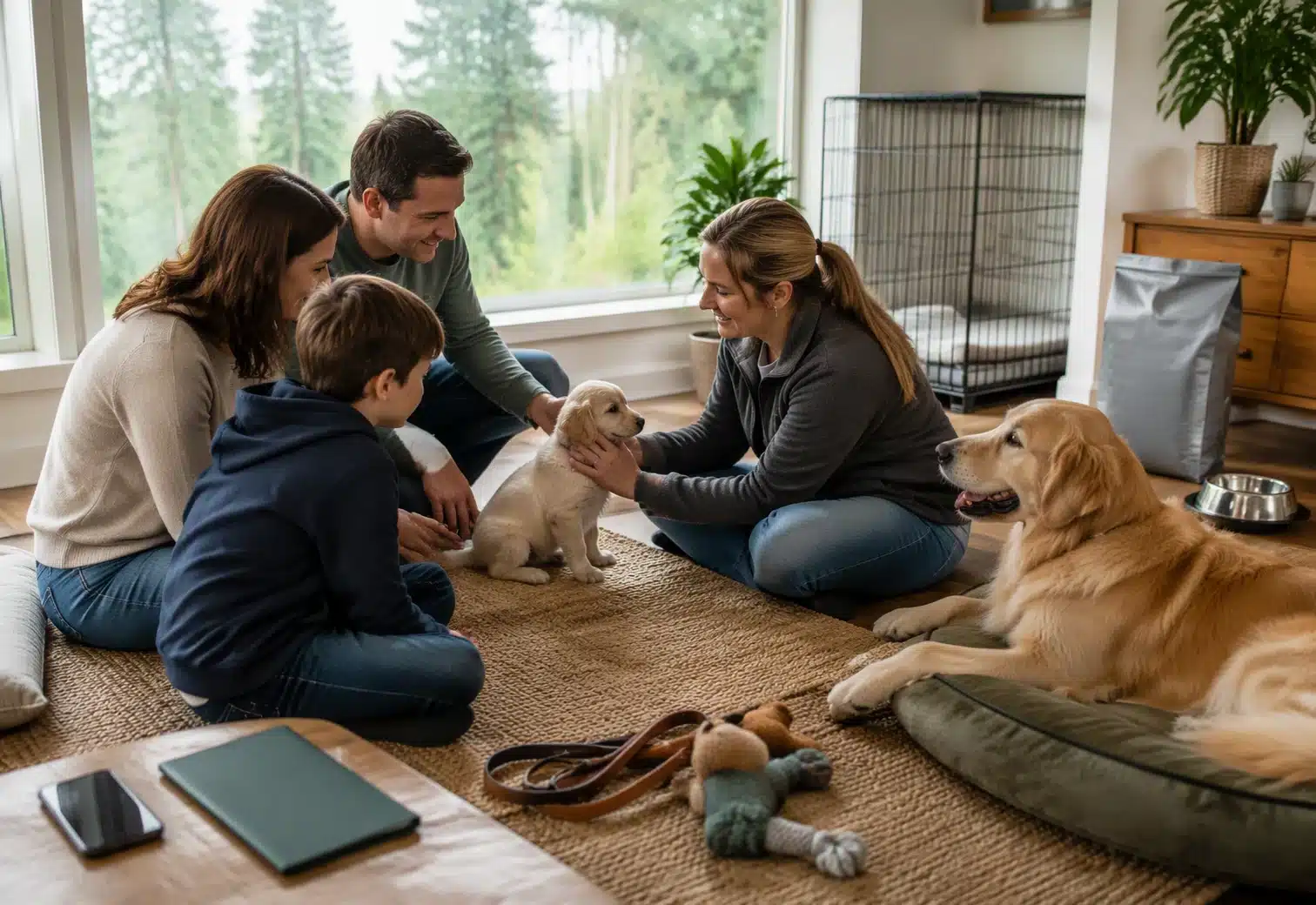
Responsible breeders act like careful matchmakers, not fast sellers. You should see clear proof of how the puppy was raised, who the parents are, and what support comes next.
Look for these green flags:
- Health-tested parents with records you can review
- One or two breeds only, not a long menu of puppies
- Home-raised or family-raised litters with daily handling and early social time
- A breeder who lets you meet the puppy’s mother when possible
- Clear answers about food, sleep, crate training, and vet visits
- A thoughtful application process, not instant approval
- Honest pickup or delivery details
- Ongoing support after placement
A good breeder interviews you too. That is a sign they care where the puppy goes.
| Green flag | What it usually means |
|---|---|
| Parent health testing | Lower risk of avoidable inherited issues |
| Transparent photos and videos | The breeder has little to hide |
| Small-scale program | More hands-on care and social time |
| Questions for buyers | The breeder wants a stable home |
Red flags that suggest a puppy farm or broker
Puppy farms and brokers sell fast, hide details, and lean on emotion. Humane World notes that puppy mills often refuse visits, avoid showing where puppies were raised, and sell through pet stores or online listings with little transparency. Washington buyers also saw how risky that can get in the state’s Puppyland case, where the Attorney General said the store misrepresented breeding standards and health guarantees while steering buyers into predatory loans in some cases according to the Washington Attorney General.
Watch for these red flags:
- The seller always has puppies available.
- You cannot meet the breeder or see the environment.
- They push deposits before answering basic questions.
- They sell many breeds or ship from unknown locations.
- The listing feels copied, vague, or too polished.
- They offer pressure-based financing or rush you to sign.
If the seller avoids specifics, assume there is a reason.
What a premium, ethical breeder experience feels like
A premium breeder experience feels calm, clear, and personal. You are not pushed. You are guided.
You should expect:
- A real conversation about your home, schedule, and goals
- Clear pricing and reservation steps
- Updates before pickup or delivery
- Puppy care notes you can actually use
- Time to review paperwork without pressure
For families comparing options, this is where a boutique program like Sage Puppies stands apart from mass-sale models. The process should feel warm, steady, and transparent from first contact to go-home day.
Also Read: Puppies for Sale in Washington: What Makes a Listing Reliable
3. Ask the Questions That Expose the Difference
Good breeders do not dodge direct questions. They answer clearly, show records, and stay calm. That matters in Washington, where pet sale problems have led to state action, including rules on breeder disclosure in retail settings and a major consumer case over misleading health promises and sales tactics under RCW 16.52.360 and the Washington Attorney General’s Puppyland case.
Questions about health and development
Start here, because vague health talk is where weak sellers often hide.
Ask:
- What health testing was done on both parents?
- Can you show the puppy’s vet record, vaccine record, and deworming schedule?
- What issues have appeared in past litters, if any?
- At what age does the puppy go home?
- How do you track growth, eating, and stool quality before pickup?
Look for straight answers, not sales lines.
A solid breeder should explain:
- What tests were done and why
- What the puppy has received so far
- What still needs to happen after pickup
- Why they do not send puppies home too early
If someone says “our puppies are always healthy” but cannot show records, pause right there.
Questions about the puppy’s home life
A puppy’s first weeks shape confidence, noise tolerance, and ease of training.
Ask:
- Is the puppy raised in a home or in a separate kennel setup?
- Can I meet the mother, and if possible, see where the puppy spends most of the day?
- What sounds, people, and routines has the puppy already experienced?
- How do you start crate, potty, and handling work?
- How often are puppies left alone?

Use this quick check:
| Question area | Good sign | Concern |
|---|---|---|
| Living space | Clean, calm, part of daily family life | Hard to see, off-limits, rushed tour |
| Socialization | Gentle exposure to sounds and handling | “They figure it out later” |
| Mother access | You can meet her or get a clear reason why not | Excuses, deflection, no photos or videos |
| Routine | Specific feeding and sleep details | General answers only |
Programs like Sage Puppies tend to stand out here when they can explain daily care in plain terms, not broad promises.
Questions about contracts, support, and next steps
Read the contract before you leave a deposit.
Ask:
- What exactly does the health guarantee cover, and what does it exclude?
- What deadlines must I meet for my first vet visit?
- What happens if my puppy has a serious issue after coming home?
- Do you offer support after pickup for feeding, sleep, and transition?
- How do pickup, delivery, and payment work?
Also ask for a simple next-step list:
- Deposit terms
- Balance due date
- Pickup or delivery timing
- Required supplies
- First-week care steps
Watch for pressure, hidden fees, or clauses that punish honest reviews.
In Washington, some pet ownership contracts tied to ongoing payments are void and unenforceable under RCW 63.10.070. If the paperwork feels confusing, slow the process down. A responsible breeder will give you time to read, ask, and decide with a clear head.
4. Check Whether the Buying Process Matches the Story
A good breeder’s process should feel calm, clear, and a little thorough. That is the point. If the website says “family raised” and “buyer first,” the next steps should prove it.
How ethical pricing conversations usually sound
Ethical pricing talks are plain, not slippery. You should hear what the price includes, what the reservation covers, when the balance is due, and what happens if plans change. You should not have to drag basic answers out of someone.
Look for this kind of flow:
- Clear puppy price
- Clear deposit or reservation terms
- Written list of what goes home with the puppy
- Honest answer about why this breed or litter is priced that way
The FTC warns buyers to be careful with sellers who push unsafe payments like gift cards, wire transfers, or crypto in pet deals FTC consumer advice. A solid breeder usually welcomes normal questions before taking money.
| Healthy pricing signs | Trouble signs |
|---|---|
| Price is explained in writing | Price keeps changing |
| Deposit terms are specific | “Send money now to hold” pressure |
| Inclusions are listed | Vague promises with no details |
| Payment options feel normal and traceable | Push for hard-to-recover payment methods |
If a breeder talks more about payment speed than puppy fit, step back.
How delivery, pickup, and travel should be explained
Travel plans should sound organized, not mysterious. You should know whether pickup is at the home, a set meeting point, or through a hand-delivery option. You should also know the timeline, who handles the puppy, and what records come with the puppy.
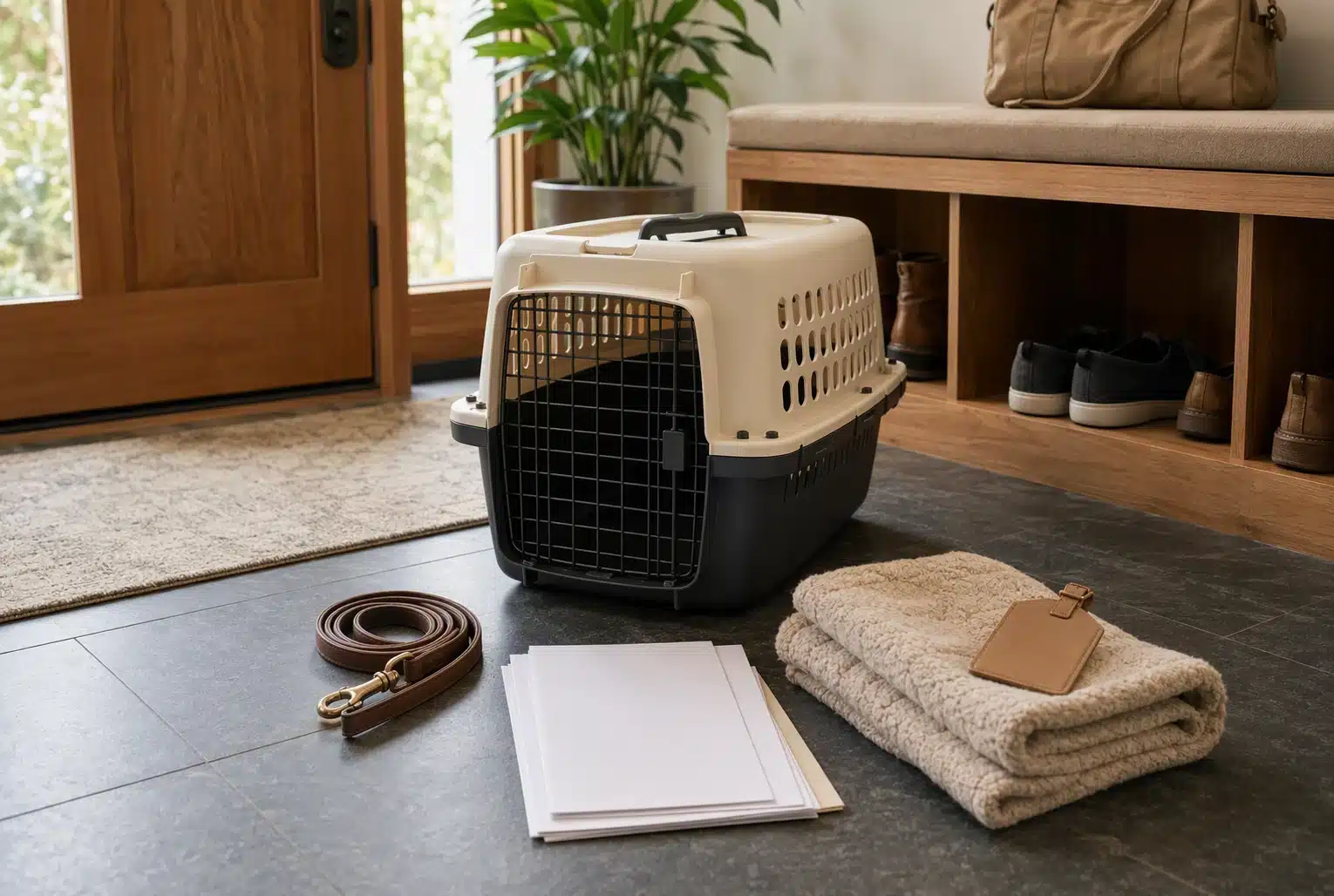
The FTC says online sellers must have a reasonable basis for shipping in the promised time, or else get your consent to a delay or refund for undelivered merchandise under its Mail, Internet, or Telephone Order Merchandise Rule. For puppy buyers, that means vague “we’ll sort out transport later” language is not good enough.
A trustworthy explanation often includes:
- Pickup or delivery options
- Expected handoff date
- What health records travel with the puppy
- What you need to bring or confirm first
Why a rushed checkout is a warning sign
Scammers rush. Good breeders screen. The AKC notes that sellers who push you to decide fast, avoid calls, or focus on immediate payment are common puppy scam patterns.
Watch for these signs:
- You are asked to pay before a real call or video chat
- The breeder will not answer follow-up questions
- The puppy is always “leaving today”
- New fees appear after you agree
That pressure often means the story and the process do not match. Sage Puppies, like other careful boutique programs, should feel steady here, with time to review pricing, pickup, delivery, and fit before you commit.
Also Read: 10 Signs a California Puppy Listing Is a Scam – Sage Puppies
5. Make a Confident Decision Before You Reserve
A good reserve decision should feel calm, not rushed. Before you send money, use one short filter and stick to it. Washington law gives buyers useful clues here. Retail pet store ads must show price range, age, and breeder license details, and stores must disclose breeder violations in writing before sale under RCW 16.52.360.
A simple final-check framework
Use this quick pass-fail list:
- Source – Do you know exactly who bred the puppy and where it was raised?
- Health – Have you seen health testing, vaccine records, and a clear contract?
- Temperament – Did the breeder talk about energy level, handling, and fit for your home?
- Logistics – Are pickup or delivery steps, timing, and fees easy to understand?
- Pressure – Did anyone push you to pay fast or skip questions?
| Final check | Green flag | Red flag |
|---|---|---|
| Identity | Breeder is easy to verify | Vague names or changing details |
| Paperwork | Records shared before deposit | Contract appears after payment |
| Communication | Direct, steady answers | Dodges simple questions |
| Fit | Puppy matched to your home | “Any puppy is fine” sales talk |
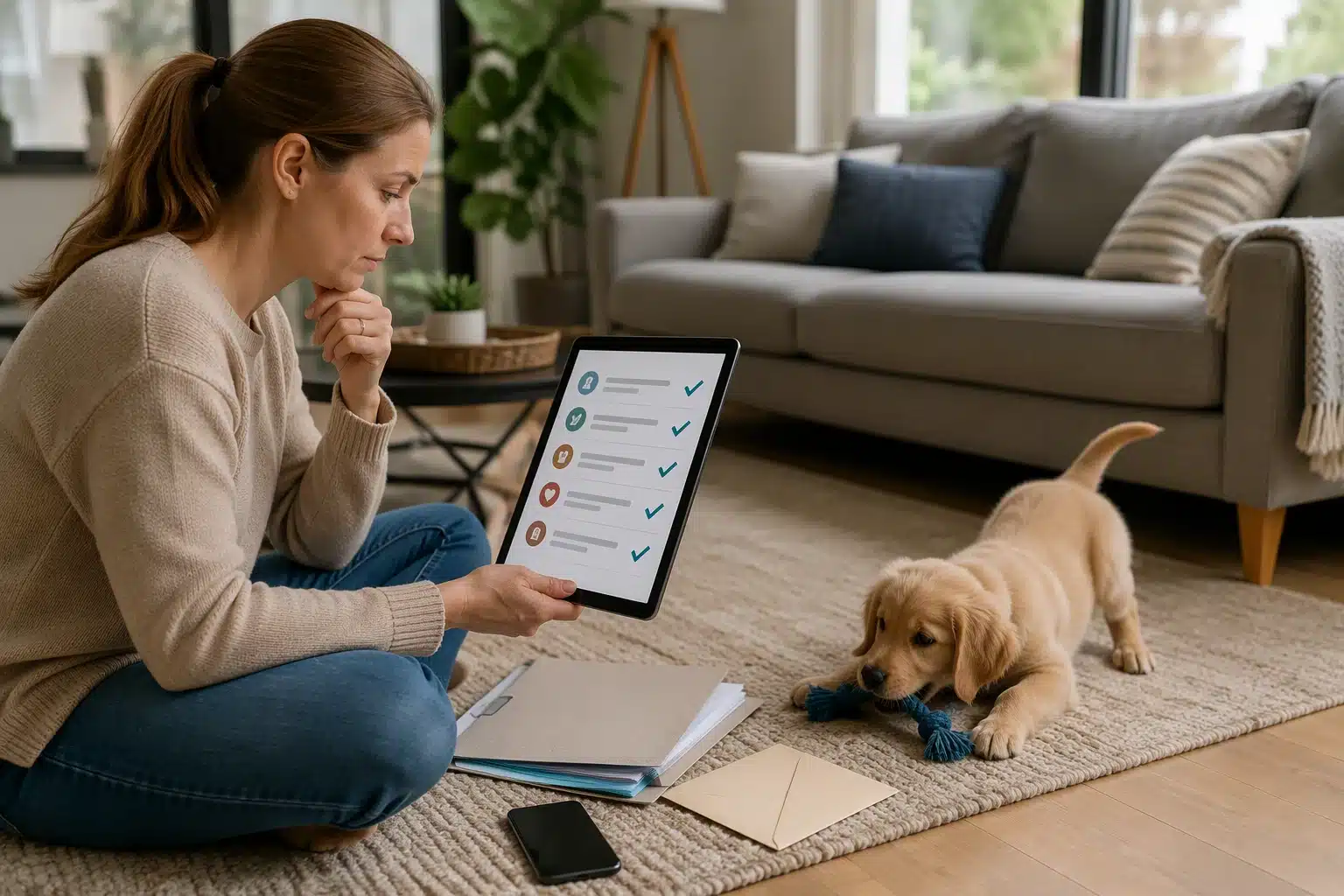
If a breeder welcomes careful questions, that is usually a good sign.
If you are comparing options, start with the parent guide, Washington Puppy Buyer Guide: Safe Farms and Online, then narrow down to the breeder that feels most transparent.
When it is wise to walk away
Walk away if anything feels hidden. Washington’s attorney general sued Puppyland over misleading health guarantees and predatory loans, then reached a 2025 resolution requiring $3.75 million in payments and sales reforms, according to the Washington AG announcement.
Leave the deal if you see:
- Financing pressure
- No clear breeder records
- Refusal to show recent vet paperwork
- Scripted answers about shipping
- A deposit request before basic questions are answered
The right puppy is never worth a bad contract.
Brands like Sage Puppies tend to stand out when the process stays clear, family-first, and easy to verify from first inquiry to pickup or delivery.

If you want a safer, clearer path than sorting through risky listings and vague breeder claims, start with Sage Puppies. Their family-first process, health-tested parents, and transparent pickup or delivery options help Washington buyers move forward with confidence. View available puppies, review pricing, and submit an application when you feel ready.
Frequently Asked Questions
Q1: How can I identify a responsible and ethical puppy breeder in Washington?
Look for health-tested parents, clear home-raising details, vet records, and direct answers about temperament, socialization, and pickup or delivery. A good breeder asks you questions too and never rushes payment or hides where puppies are raised.
Q2: What are the signs of a puppy farm versus a reputable breeder in Washington?
Red flags include many litters at once, vague parent info, no video calls, no waiting list, and pressure to buy fast. Reputable breeders know each puppy well, limit volume, and show how puppies live day to day.
Q3: What questions should I ask a Washington-based breeder before choosing a puppy?
Ask about health testing, parent temperament, early socialization, vaccine timing, contract terms, and what support comes after pickup. Also ask who raises the puppies, how matching works, and whether the breeder can show the full environment.
Q4: Is it safe to buy a puppy online in Washington?
It can be, if you verify identity, speak live, review records, and confirm the puppy is real before sending money. Use a breeder with a clear process, not a listing that only offers text messages.
Q5: Should I choose local pickup or delivery?
Pick the option that keeps stress low and details clear. Ask who handles transport, what the puppy goes home with, and when feeding, potty, and sleep routines were last followed.
Conclusion
Buying a puppy in Washington gets safer when you slow down and verify everything. The big takeaways are simple: choose a breeder over a storefront shortcut, ask for real health and parent records, confirm how the puppy was raised, and never let urgency beat good judgment. Washington law now sharply limits retail pet store dog and cat sales and requires more breeder disclosure in ads and at sale, which gives buyers more protection under RCW 16.52.360. The state has also acted against deceptive puppy sales practices, with Puppyland agreeing to pay $3.75 million and change its sales methods after a consumer protection case announced by the Attorney General. The safest match is still a well-screened, transparent breeder.



