Quick Summary: A legitimate Utah puppy seller will prove the puppy is real, while a scammer will pressure you to pay before you can check. Before sending money, request a live video call, confirm health records with the vet or testing lab, review a written contract, and use a credit card or buyer-protected payment method; never rely on wire transfers, gift cards, crypto, or payment apps. Utah has no statewide breeder license, so buyers should also check local business licenses and walk away if a seller refuses calls, documents, visits, or time to verify the details.
A Utah puppy seller can be friendly, quick to answer, and ready with adorable photos, and you can still send a deposit without knowing one basic thing: is the puppy in that photo the same puppy you will pick up this weekend? Bad puppy sellers count on that gap between charm and proof. The good news is that most risks are easy to check before money moves. This guide walks through the puppy scam red flags that matter most, the questions to ask a puppy breeder, how to verify a breeder’s health records and license, and the safe way to pay for a puppy. Every tip works whether you are meeting a Utah puppy seller in person or buying a Havanese, Havapoo, or Cavapoo from out of state.
Red Flags That Appear Before You Ever Meet the Seller
You can spot most fake puppy sellers in Utah before you ever see a puppy. Watch for these five signs: no phone calls, only text or email, no video calls, pressure to pay a deposit fast, and photos that appear on several listings. Any one of them deserves a closer look. Two together usually mean walk away.
Communication red flags: phone avoidance and one-channel sellers
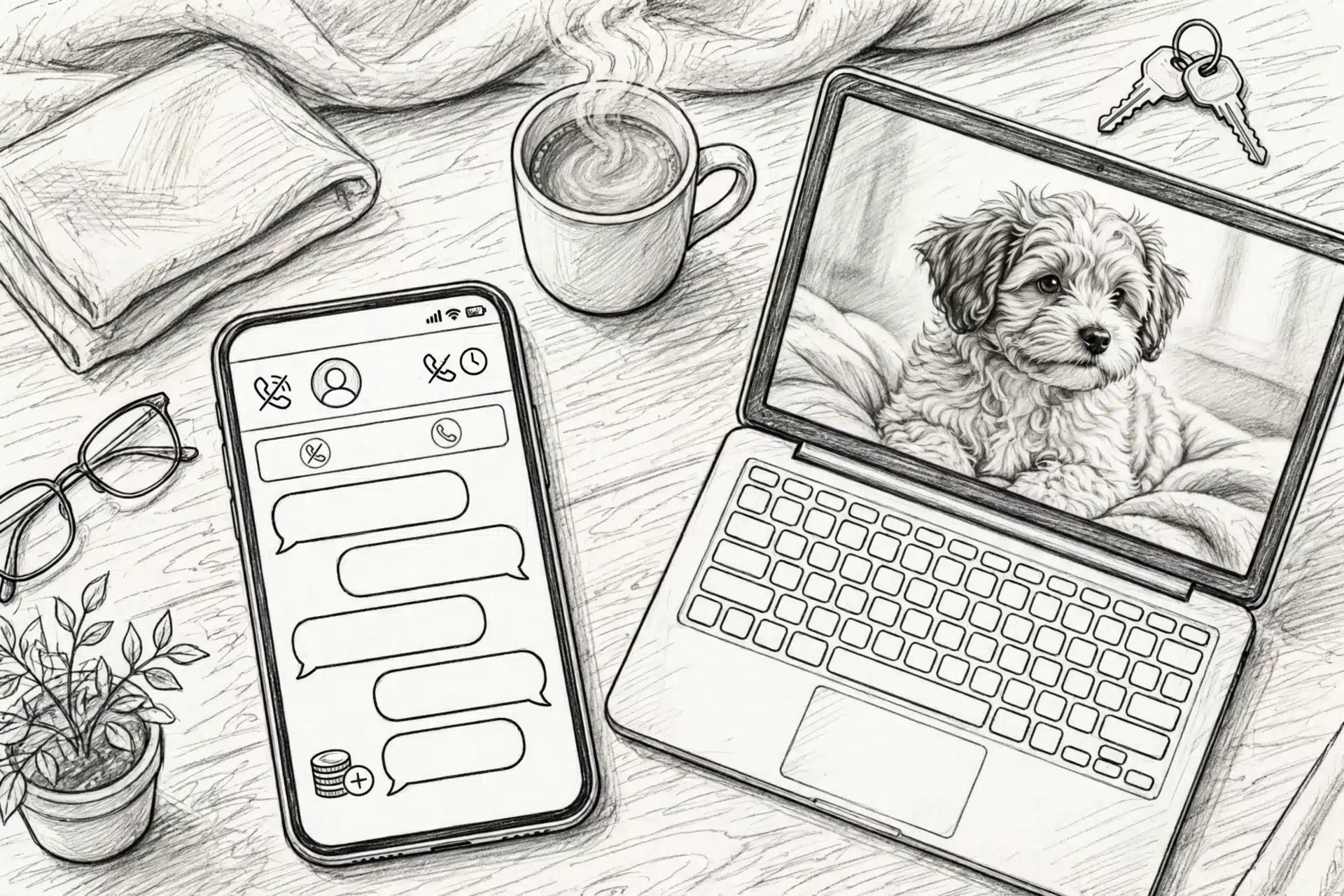
A real breeder can talk. If a seller refuses every phone call and will only text, that is a classic sign. The same goes for sellers who dodge a live video call to show you the puppy in their home. Legitimate programs use text and email for updates, but they answer questions by phone too. Ask for a short call early. A seller who stalls, cancels, or keeps “losing service” is telling you something. The BBB’s puppy scam research found scammers often pull on your emotions to rush a decision.
Listing and website red flags
Scan the listing itself. Reused photos are the biggest one: run the image through a reverse photo search and see where else it appears. Then check the rest. Vague locations, prices far below the norm for the breed, “shipped today” promises, and websites only a few weeks old all point the same direction. Missing details matter too. A real Utah breeder lists their city, their dogs, and their process. Here, a clear list of breeder questions shows what an open seller answers without being pushed.
Why pressure and urgency are themselves the warning sign
Pressure is the whole scam. “Three other families want her today.” “Deposit is non-refundable, pay now to hold.” Rush cuts the time you need to verify anything, so urgency is the tool, not a side effect. Slow down on purpose. Real sellers with healthy puppies expect questions, a visit or video call, and a few days to decide. The BBB’s pet scam guide notes that demands for payment by gift card, wire, or payment app before you meet the puppy are among the most common losses. If the deal only works today, it was never a deal.
Proving the Puppy and the Premises Are Real
Photos are easy to fake. A live video call is not, so any serious seller should offer one before you send money. Ask them to call you from the whelping area on a phone or tablet, with the camera moving freely. A recorded clip does not count, because you cannot direct it or check the timestamp.
What a live video walkthrough should and should not show
A good walkthrough shows the puppy moving, eating, and playing with its littermates in real time. Ask the seller to hold the puppy up to the camera so you can see its eyes, coat, and body condition. You should also see the mother, at least briefly, along with the space she lives in.
Expect some limits. A seller may keep the whelping area quiet and dim for the litter, and that is normal. What you should not accept is a refusal to go live at all, a video that always cuts off when you ask to see another room, or a seller who claims the puppy must be “shipped from a distant warehouse.” If the call feels staged, walk away.
Reading the setup: clean, calm, and lived-in
Look past the puppy for a moment and study the room. Clean bedding, fresh water, and no heavy ammonia smell point to daily care. Calm puppies that approach the camera usually come from a home where people handle them often.
Red flags show up fast. Crates stacked in a garage, many litters of different ages, or adults that cower when someone walks in all suggest a volume operation, not a family program.
The same rule applies whether you buy locally or from out of state. A small Utah program like Sage Puppies invites video calls as a standard step, because a legitimate seller has nothing to hide and everything to show.
Health Claims, Records, and Veterinary Verification
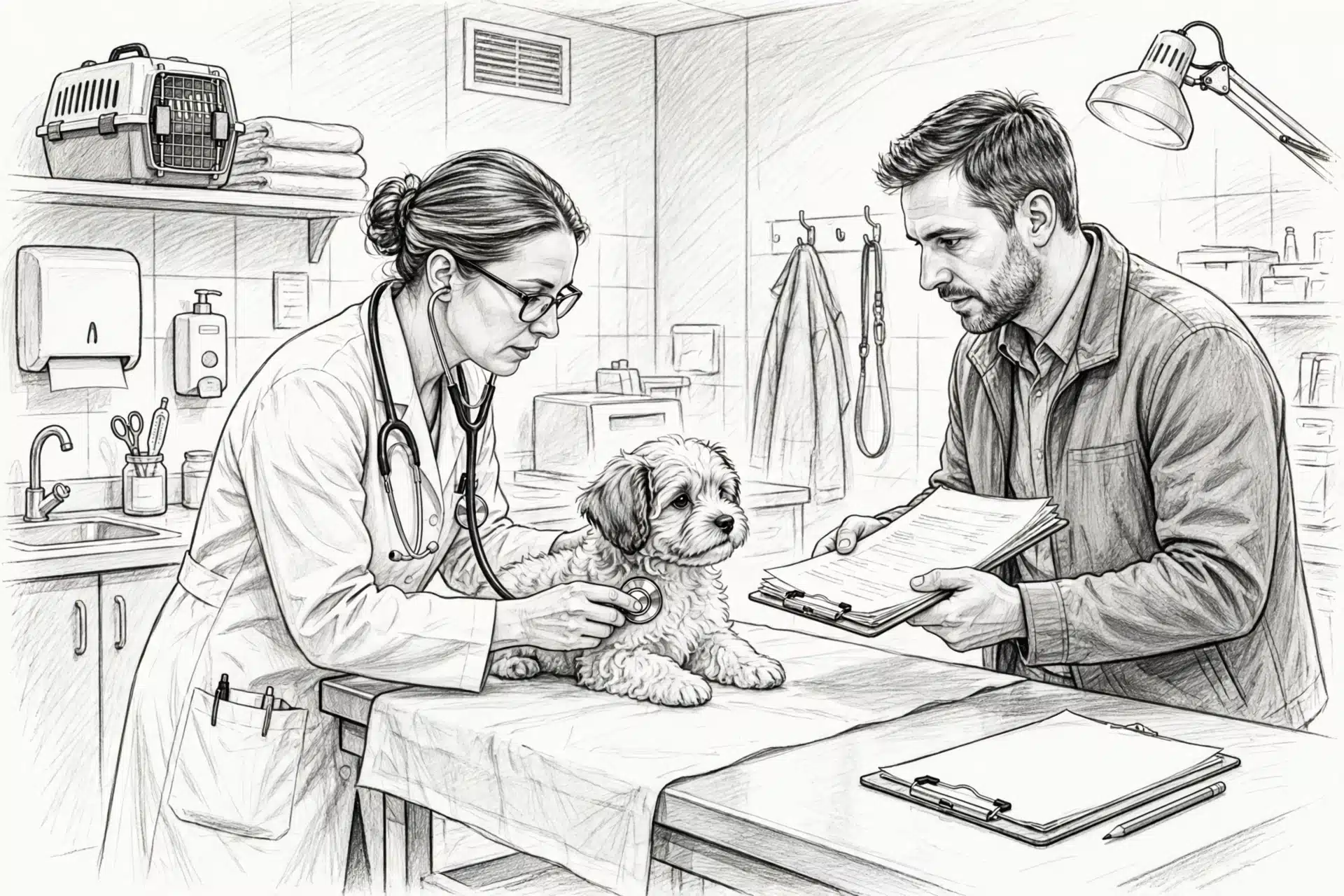
A serious seller hands you papers without being asked. A scammer makes excuses. Ask for the full stack in writing before you pay anything, then check each item yourself.
The document stack: health certificate, vaccines, deworming, and genetic tests
Utah law is clear: dogs entering the state need a Certificate of Veterinary Inspection, signed by a licensed vet. So ask for:
- A current health certificate from an exam in the last 10 days
- A vaccine record showing dates, products, and the clinic
- A deworming log with drug names and dates
- Genetic test results for the parents, not just “parents are tested”
Any seller who offers photos instead of documents, or says the vet “doesn’t do paperwork,” is waving a red flag.
Verifying records with the veterinarian or testing laboratory
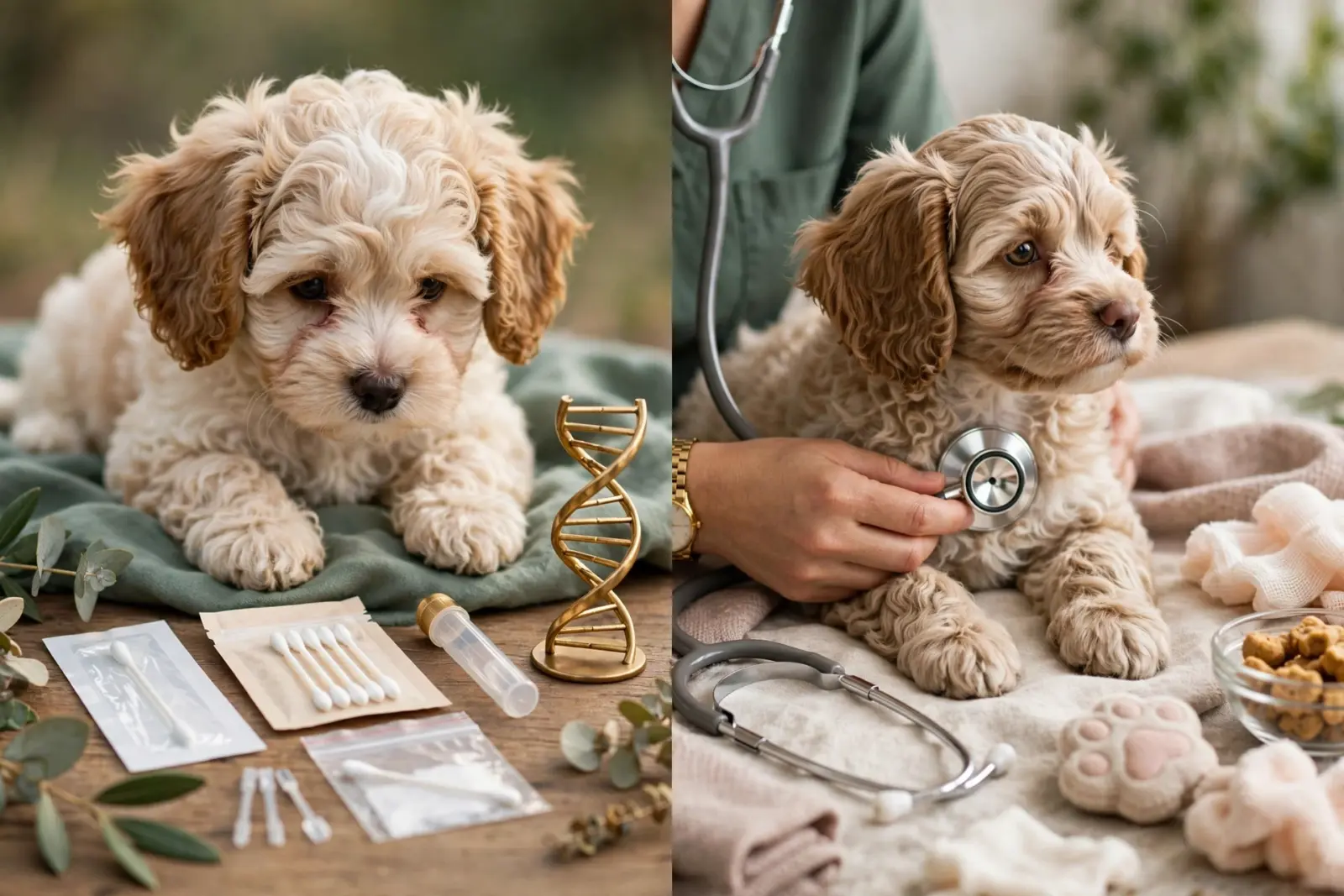
Records can be faked, so verify them at the source. Call the clinic listed on the vaccine record and confirm the puppy was seen there. Most genetic results come through registries like OFA or Embark; ask for the registration or kit number and look it up yourself. For shipped puppies, the health certificate should match the puppy’s age and description. It’s a small step, and it’s the difference between reading a claim and confirming one. For a walkthrough of what each paper should show, the team at Sage Puppies explains how to read puppy health records in plain terms.
Guarantee language: what to read and what to negotiate
A written health guarantee should say what it covers, for how long, and what proof it needs. Watch for clauses that require their vet exam only, or that void everything if you switch food. Reasonable terms can be discussed before signing, not after. If a seller refuses to put the guarantee in writing, walk away.
Contracts, Deposits, and Safe Payment Practices
Contract terms every Utah buyer should find in writing
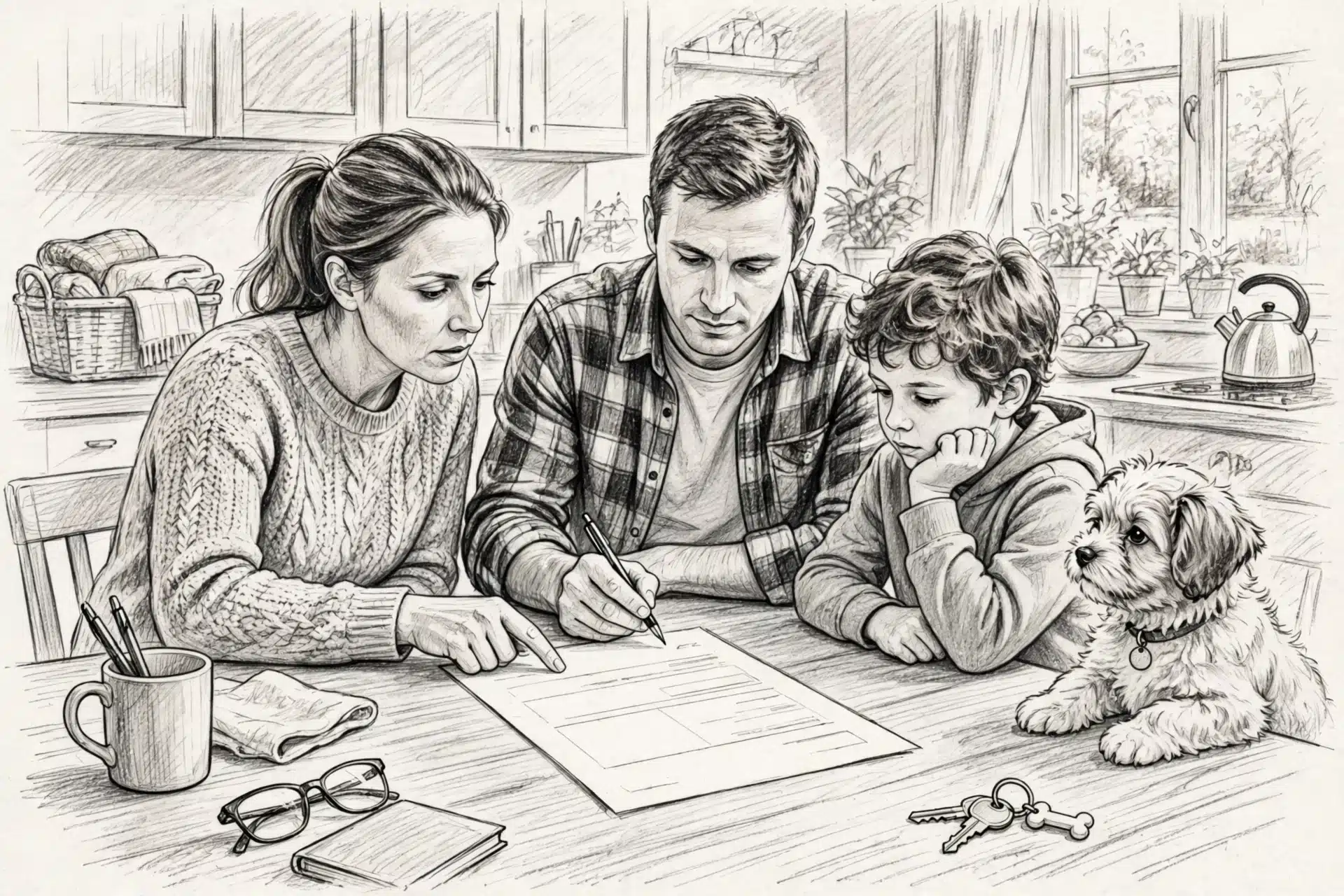
A legitimate puppy purchase contract states the price, the puppy’s identifying details, and what happens if health problems appear. Look for a health guarantee period, the seller’s spay or neuter expectations, and a return clause. Ask for the vaccine and deworming dates in writing too. Any seller who refuses to put these terms on paper is waving one of the clearest puppy scam red flags. Word the deposit terms exactly: whether it is refundable, and under what conditions.
How to pay so you can get money back if something goes wrong
The safe way to pay for a puppy is any method that leaves a paper trail and can be reversed. Credit cards and buyer-protected platforms beat wire transfers, gift cards, crypto, and payment apps set to “friends and family.” Never send money before you meet the puppy seller in person or at least verify them on a live video call. A small, documented deposit is normal; full payment upfront is not.
Pickup-day documents and payment release
Pay the balance only after you hold the paperwork. You should walk away with the signed contract, the health certificate from an exam in the last 10 days, and the vaccine record. Match the puppy’s microchip number to the documents before money changes hands. This same document check applies whether you pick up in South Jordan or have a puppy delivered. Keep copies; you will need them if a dispute or consumer protection complaint ever follows.
Utah Rules, Licensing, and Where to Report a Problem
Does Utah require puppy breeders to be licensed? Not at the state level, mostly. Utah has no statewide breeder license or breeder-specific care standards, so a “licensed in Utah” claim usually means something local or federal:
- City or county business license – Salt Lake City and most other cities require a business license and may cap dog numbers; check the seller’s city clerk.
- USDA license – only needed if the seller ships puppies sight-unseen to buyers with five or more breeding females, which you can confirm on the USDA-licensed commercial breeder rules.
- State sales tax permit – any Utah seller collecting payment for puppies should have one.
A seller with none of these isn’t automatically a scammer, but a small in-home program should still match its city’s rules. Ask which city issued the business license, then verify it yourself. Utah’s licensing landscape leaves most of the checking to you, and as a Utah program ourselves, we tell buyers exactly which local licenses apply to us before they ever send a deposit.
Where to file a complaint in Utah
Report a suspicious puppy seller in Utah here:
- Utah Division of Consumer Protection – misrepresentation, fake health records, and scams by in-state sellers.
- Your city or county animal control – unlicensed breeding, too many dogs, or unsafe conditions.
- USDA APHIS – problems with a USDA-licensed breeder.
- Local police or the FTC – outright fraud or out-of-state online sellers.
What state and federal rules do not cover
Regulation has real gaps. A first-time owner selling one litter usually needs no license at all, and the federal Animal Welfare Act does not inspect small in-home sellers. That is why the paperwork in this guide matters more than any license.
Questions to Ask Any Utah Puppy Seller Before You Pay
What questions should I ask a Utah puppy seller before paying? Ask these twelve, in writing, and compare the answers against records:
- How long have you bred Havanese, Cavapoo, or Havapoo litters?
- Can I visit and meet the puppy and its mother in person?
- What health testing have the parents had, and can I see proof?
- Do you have OFA or vet-documented screening results?
- Where do the puppies live, and who handles them daily?
- How many litters do you raise each year?
- Which vaccines has my puppy had, and when?
- Has a vet examined the puppy? When?
- Will you provide a written puppy purchase contract?
- What does the contract cover if the puppy gets sick?
- How do you deliver or transfer the puppy?
- Can I call your veterinarian or past buyers?
How to read the answers
Good breeders answer fast, in detail, and without getting defensive. They invite you over, send documents before you ask, and ask you questions back about your home and schedule. As Chewy’s breeder checklist notes, refusing to show health certificates is a warning sign in itself.
Watch for vague answers, pressure to pay today, and excuses for why you cannot visit. If the seller dodges the contract question, stop. A program like Sage Puppies expects screening questions, so treat a seller who resents yours as a seller to avoid.
Common Mistakes Buyers Make With Utah Puppy Sellers
Money mistakes that are hard to reverse
Paying with a wire transfer, gift card, crypto, or payment app like Zelle is the riskiest move you can make, because none of those methods offer a real path to get your money back if the seller vanishes. Paying a “deposit” to hold a puppy before you have seen a photo or video from that specific litter is another common trap. The safe way to pay for a puppy is a method with dispute protections, like a credit card, and never more than a small, documented deposit until you’ve confirmed the seller is legitimate.
Pickup and delivery mistakes in and around Utah
Driving hours to a rural address without first verifying the seller is a waste of time and can put you at risk, so always confirm a real address and do a quick search on it before you go. If you’re arranging delivery instead of pickup, don’t hand over full payment based on a tracking number alone, since scammers send fake shipping updates. Meeting the puppy seller in person, or at least via live video, before money changes hands is the single best way to filter out a fake listing.
Decision mistakes that shape the next ten years
Falling for a cute photo without asking to see the puppy’s parents or the environment it was raised in leads to surprises with temperament and health later. Skipping the health records check, like vaccination history and a vet exam certificate, means you may be adopting hidden medical problems on day one. Rushing the decision because a listing says “only one left” is a pressure tactic, not a reason to skip the questions to ask a puppy breeder first.

If a seller skips your checklist questions or can’t show papers, trust your gut and walk away. A vetted breeder answers everything before you pay. At Sage Puppies, you get a clear application, honest answers, and Havanese, Havapoo, or Cavapoo puppies raised with care. Start there, and bring your whole checklist.
Frequently Asked Questions
Q1: How do I spot a fake puppy seller in Utah?
Look for no phone calls, refusal to do a live video call, reused photos, prices far below the breed norm, and pressure to pay a deposit today. Two signs together usually mean walk away.
Q2: What questions should I ask a Utah puppy seller before paying?
Ask twelve things in writing: breeding experience, visits, parent health testing, OFA results, daily handling, litters per year, vaccines, vet exam dates, a written contract, sickness coverage, delivery method, and vet or buyer references.
Q3: How can I verify a Utah breeder’s health records and references?
Call the clinic on the vaccine record, look up genetic results by kit number on OFA or Embark, and ask to speak with past buyers directly.
Q4: What is the safe way to pay for a puppy?
Use a credit card or buyer-protected platform that leaves a paper trail. Avoid wire transfers, gift cards, crypto, and payment apps set to “friends and family,” and pay only a small documented deposit first.
Q5: Does Utah require a puppy breeder to be licensed?
Not at the state level. Check the city or county business license with the city clerk, plus a state sales tax permit. Confirm the USDA license yourself if the seller ships sight-unseen.
Conclusion
A legitimate Utah puppy seller proves things; a scammer pressures you. Before any money moves, insist on a live video call, verify a breeder’s health records with the clinic and lab that issued them, and get every term in a written puppy purchase contract. Pay only with methods that can be disputed, and treat urgency as the warning sign it is. Because Utah has no statewide breeder license, checking city business licenses and asking the right questions falls to you. When red flags stack up, walk away without regret, and report serious problems to the Utah Division of Consumer Protection. The extra hour of checking protects a decision that lasts a decade or more.