
Quick Summary: Animal Rescue Corps removed 46 animals-including 37 dogs-from Cane-9 Rescue in Tennessee after finding signs of neglect, like underweight pups and filthy conditions. The case highlights how polished online listings can hide serious issues, so buyers should demand live video tours, vet records, and clear contracts before paying. Reputable breeders or rescues, like Sage Puppies, let you verify parent health testing, see the puppy’s home environment, and avoid rushed deposits. Always check for transparency: if a seller dodges questions or pressures you, walk away.
Animal Rescue Corps said it removed 47 animals from Cane-9 Rescue and Sanctuary in Cheatham County on August 11, 2026, amid an animal-cruelty and alleged fraud investigation. Reports described unsafe conditions and signs of neglect. The claims remain unresolved in court, but the case raises hard questions for Tennessee puppy breeders, rescues, and buyers. Polished posts can hide serious puppy rescue red flags. This guide separates known facts from claims and shares ethical puppy adoption tips, including checks that help avoid Tennessee puppy rescue scams.
What Happened at the Cheatham County Property
Authorities and Animal Rescue Corps removed animals from a Cheatham County property connected to Cane-9 Rescue and Sanctuary. The removal followed concerns tied to an ongoing cruelty and fraud investigation.
The Animals Removed and Where They Went
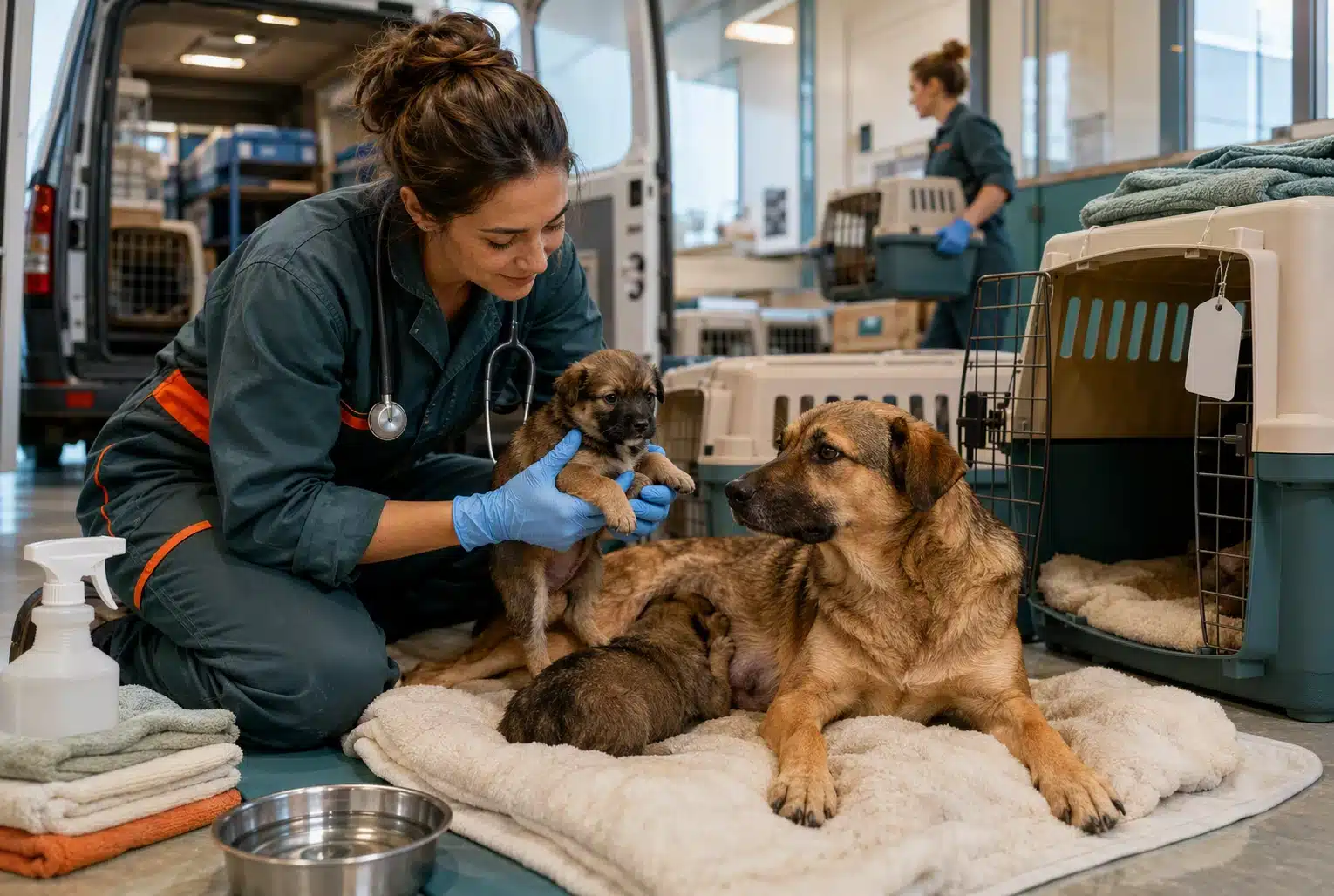
Animal Rescue Corps reported that 46 surviving animals were surrendered from the property: 37 dogs, six chickens, two turkeys, and one pig. Six of the dogs were nursing puppies.
The dogs went to ARC’s rescue center for exams, food, shelter, vaccines, and behavior support. The farm animals were moved to safe partner care. This was an emergency response, not an adoption event.
For families comparing Tennessee puppy breeders or rescues, the case is a reminder to ask where each animal is housed and who provides day-to-day care. ARC’s Operation Money Trail report describes the removal and first steps in care.
What Responders Reported Finding
Responders described pens and makeshift kennels with feces, bones, and debris. They also reported animal remains on the grounds.
Inside the home, many dogs had reportedly been kept amid heavy waste buildup and elevated ammonia. Initial exams found animals that were underweight or dehydrated, with infections, parasites, ringworm, and other signs consistent with neglect, according to local reporting on the Cheatham County rescue.
A seller’s clean photos do not prove clean living conditions. Ask for a live video call or an in-person visit before you commit.
What Remains Unresolved
The investigation was still ongoing at the time of reporting. Officials had not resolved whether this was a failed rescue operation, intentional fraud, or both.
That distinction matters for accountability, but families should not assume every rescue is unsafe. Tennessee puppy rescue scams can exploit urgency and sympathy, while reputable groups welcome questions, share records, and explain their process.
Tennessee puppy breeders should offer the same clear access and documentation.
Also Read: FTC Reports Social Media Ad Scams Surged Before Holiday Pet Sales
Why the Case Matters to Tennessee Puppy Buyers
A Rescue Name Is Not a Care Standard
A rescue label alone does not show how animals are housed, treated, or tracked. In the Cane-9 case, Animal Rescue Corps removed 46 surviving animals from a Cheatham County property after law enforcement called for help, according to its Operation Money Trail report.
This does not mean every rescue is unsafe. It means families should verify care before they commit.
- Ask for a live video visit.
- Request current vet records.
- See where puppies sleep, eat, and play.
Tennessee puppy rescue scams often rely on a moving story. Clear records and open access matter more.

The Difference Between a Donation and a Puppy Purchase
A donation supports a rescue’s mission. A puppy purchase or adoption fee should come with clear details about the specific dog, medical care, and the next steps.
Ask what the payment covers and get it in writing. Confirm the organization is real, the puppy is available, and no one is pressuring you to pay fast.
- Use traceable payment methods.
- Keep receipts and messages.
- Pause if answers change.
Why Distance Increases the Need for Verification
Distance can hide problems, so out-of-state buyers need more proof, not less. Local reporting on the investigation shows why photos alone cannot confirm daily care.
Request a live walkthrough, meet the puppy by video, and confirm pickup or delivery details before sending funds. Reputable programs welcome careful questions.
Treat Tennessee puppy rescue scams as a reason to slow down, not a reason to stop supporting good rescues.
Also Read: Puppies for Sale in Tennessee: Find a Breeder You Trust
How to Verify a Tennessee Puppy Seller Before Paying
Confirm the Person and Business Identity
Start by confirming who will take your money and where the puppy lives. Ask for the seller’s full name, business name, street address, phone number, and a video call from that location.
Search the name with terms like “reviews,” “complaint,” and “puppies.” Tennessee offers a public license verification tool for licenses that apply.
- Make sure the payment account matches the seller or business.
- Be wary of pressure, vague answers, or a refusal to speak live.
- A breeder sale may not require a dealer license, so treat licensing as one check, not the whole answer.
Never send a deposit based on photos, a social profile, or a text-only conversation.
See the Puppy, Litter, and Living Environment
See the exact puppy before reserving it. An in-person visit is ideal, but a live video tour can work when distance makes travel hard.
Ask the seller to show the puppy with its mother, if appropriate, and walk through the normal living area. Look for clean bedding, fresh water, relaxed adult dogs, and puppies that move freely.

- Ask them to call the puppy by name or show a current-day object.
- Request a clear view of the litter, not a single staged photo.
- Do not accept a parking-lot handoff as a substitute for transparency.
Review Health Records and Testing
Ask for records before you pay, not at pickup. You should receive the puppy’s birth date, vaccination and deworming details, veterinary paperwork, and parent health-testing information relevant to the breed.
Tennessee rules require licensed commercial breeders to keep records covering each animal’s age, breed, vaccination information, identification, and veterinary-related documents, as outlined in state record requirements.
| Ask for | Why it matters |
|---|---|
| Parent test results | Shows whether the seller can support health claims |
| Vet and vaccine record | Helps your own vet plan next care |
| Microchip details | Links paperwork to the right puppy |
| Written health terms | Sets clear expectations after pickup |
A record is useful only if names, dates, and the puppy’s details line up.
Read the Contract Before Making a Reservation
Read the full contract before sending a reservation fee. It should name the puppy or explain how selection works, state the total price, and show whether the fee is refundable.
Check these points:
- Pickup or delivery plan and timing.
- What happens if the seller cannot place the puppy.
- Your duties for follow-up vet care.
- Return, refund, and dispute terms.
A clear agreement protects both sides. If a seller will not provide it in advance, pause and keep looking.
Puppy Rescue Red Flags Buyers Should Not Ignore
Online and Communication Warning Signs
A rescue should answer plain questions clearly. Step back if it will only message through social media, rushes a deposit, or refuses a live call.
Watch for:
- Reused puppy photos or vague location details
- No clear story of where the puppy came from
- Pressure to pay before you see records
- Claims that every puppy is “healthy” without details
A real rescue can protect foster privacy while still showing you who is responsible for the puppy.
Facility, Capacity, and Animal-Care Warning Signs
Ask where the puppy lives and who provides daily care. A rescue may use foster homes, but it should explain its process, capacity, and health plan without defensiveness.
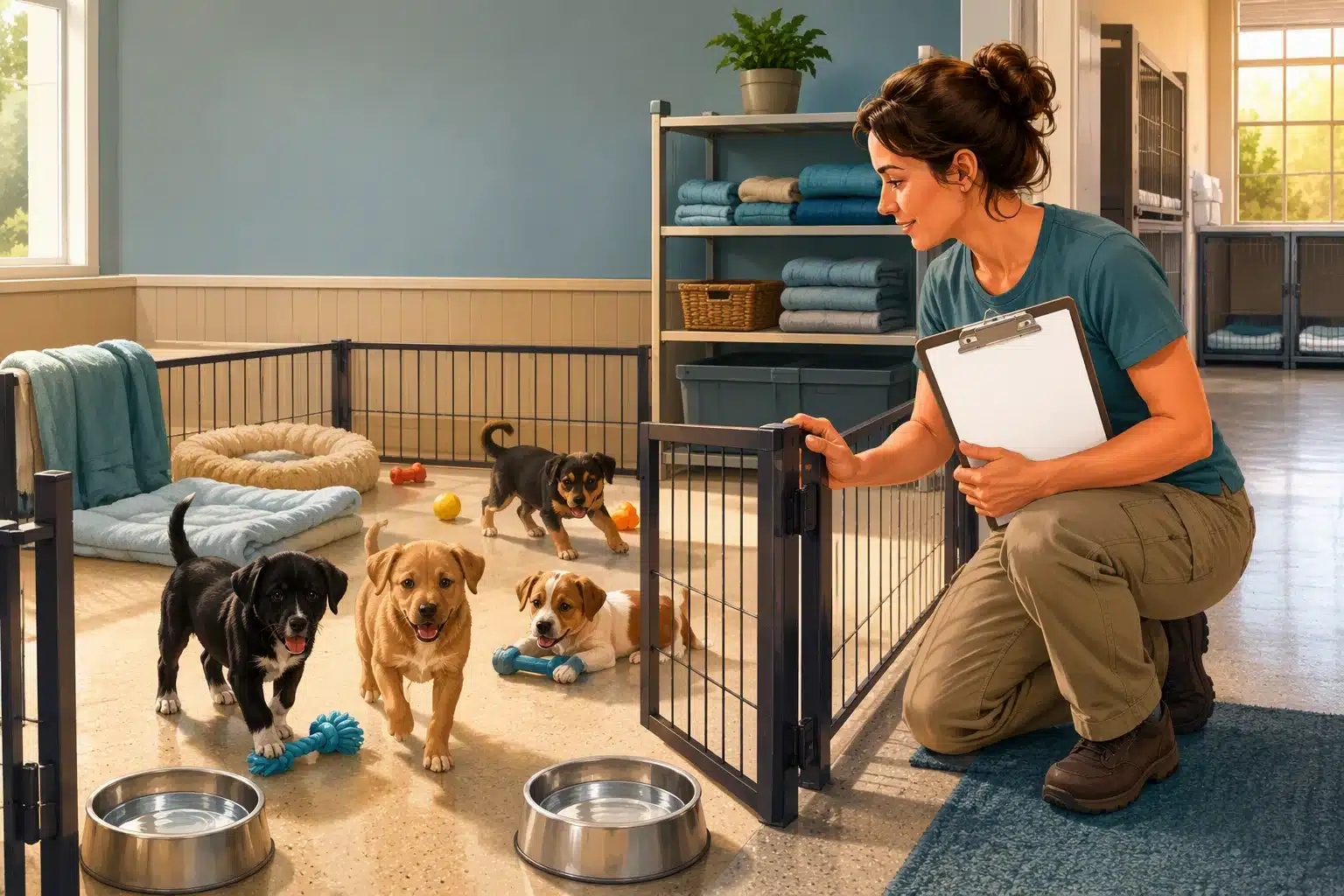
Look for:
- Clean space, fresh water, safe bedding, and normal puppy behavior.
- Clear separation for sick or newly arrived dogs.
- A realistic number of animals for the staff or foster network.
- A willingness to discuss known health or behavior needs.
Tennessee shelter oversight can vary by area, according to a state Comptroller report. Trust what you can verify, not a polished profile alone.
Financial and Documentation Warning Signs
Adoption fees are normal. Missing paperwork is not. Ask for an itemized fee, an adoption contract, vaccine and vet records, microchip details if used, and the puppy’s known medical history.
| Concern | Safer response |
|---|---|
| Cash-only pressure | Use a traceable payment and written receipt |
| No vet paperwork | Pause until records are provided |
| Unclear return policy | Read the contract before paying |
You can also use the Tennessee Animal Abuse Registry as one prompt for further checking, not as a substitute for careful questions.
Also Read: How to Spot Complete Puppy Vet Records Before Buying
Are Home-Raised Puppies Safer Than Puppy-Mill Puppies?
A home-raised puppy is not automatically safer. The key is proof of daily care, healthy parents, and honest access to where puppies live.
What Home-Raised Should Mean in Practice
Home-raised should mean puppies live in a clean family setting, not simply that a seller uses the phrase online. Families should be able to meet the mother, see the living area, and get clear answers about care.
- Puppies are raised indoors or in a clean, safe space.
- The seller welcomes a visit or a live video tour.
- Parents receive thoughtful, limited breeding care.
A parking-lot handoff or refusal to show the mother is a reason to walk away. The Humane World advises buyers to visit where puppies were born and raised.
Health, Temperament, and Early Development
A good home start can support health and confidence, but it is not a replacement for health testing or vet records. Puppy-mill conditions may involve poor sanitation, little social contact, and weak oversight, all of which raise risk.
Ask how puppies meet people, hear household sounds, and begin gentle routines. At Sage Puppies, families can ask about parent testing and early socialization before choosing a Havanese, Havapoo, or Cavapoo.
Questions Families Should Ask Any Seller
Use direct questions. A transparent breeder or rescue will answer them without pressure.
- Can I meet the mother and view the puppy’s normal space?
- Which health tests were completed for both parents?
- What vet records come home with the puppy?
- How have puppies been socialized?
- What happens if my family is not the right fit?
The Humane World’s warning signs include missing vet documents, off-site meetings, and puppies that seem unwell.
Also Read: Puppy Care Blog & Resources | Sage Puppies
What the Investigation Means for Breeders, Rescues, and Donors
Transparency Protects Animals and Families
Trust should be earned with clear records, open answers, and care families can verify. The Cane-9 case remains under investigation, but Animal Rescue Corps reported removing 46 surviving animals from the Cheatham County property after a law enforcement request in Operation Money Trail.
Ethical breeders and rescues should be ready to show:
- Where animals live and who cares for them
- Vet, vaccine, and health records
- Parent health testing for breeder-raised puppies
- Honest fees, waitlists, and donation use
A seller or rescue that rushes you, avoids questions, or will not share records deserves a pause.
For families, transparency is not a luxury. It is part of responsible puppy placement.
How Donors Can Check Before Giving
Give with your heart, but verify with a few simple steps first. Local reporting said Cane-9 was not registered with Tennessee to accept charitable donations, according to WKRN’s report.
Before sending money, take these steps:
- Confirm the group’s charity status with the state.
- Ask how funds support food, medical care, and housing.
- Review recent updates that name real outcomes.
- Look for clear contact details and a physical location.
- Donate by a traceable method and save receipts.
Good rescues welcome fair questions because accountability helps animals.
How the Cane-9 Inquiry Developed
The July Arrests and Georgia Allegations
The inquiry gained public attention after arrests on July 30 tied to a Georgia animal-cruelty case. Jennifer Lovette Caneup, founder of Cane-9 Rescue & Sanctuary, was booked in Nashville on an out-of-state warrant. Her brother-in-law, Joshua Caneup, was arrested in Georgia and charged with 18 counts, including two aggravated-cruelty counts, local reporting said.
Charges and arrests are allegations, not convictions. The case must be decided through the legal process.
The Charity Registration Question
Reporting also raised a separate question for donors. The Tennessee Department of State told reporters that Cane-9 had not been registered to accept charitable donations in Tennessee. That detail does not prove misuse of funds or establish a crime. Still, it gives families and donors a clear reminder: check a rescue’s legal status, ask where funds go, and expect clear records before giving money or adopting.
Also Read: 10 Signs a California Puppy Listing Is a Scam – Sage Puppies
A Calm Checklist for Choosing a Puppy in Tennessee or Beyond
Before You Apply or Reserve
Ask clear questions before money changes hands. A responsible breeder or rescue should welcome them, not rush you.
- Request parent health-testing details and a clear medical history.
- Ask where puppies are raised and how they meet people, sounds, and daily home life.
- Read the contract, total price, and reservation terms before signing.
- Confirm the seller’s full name, location, and contact details.
Tennessee’s Commercial Breeder Act was created to protect buyers of unhealthy companion animals, according to the Tennessee General Assembly.
Before Pickup or Delivery
Get your records and plan in writing. This matters whether you collect your puppy in Tennessee or arrange interstate delivery.
- Confirm the pickup or delivery date, route, and responsible contact.
- Review vaccine, deworming, feeding, and microchip records.
- Book a prompt visit with your own veterinarian.
- Ask what support is available once your puppy is home.
Never let urgency replace answers. A puppy can wait for a clear plan.
The Standard Families Deserve
Look for openness, kind handling, and records that match the puppy. Good programs explain their process plainly and stay available after placement.
| What to expect | Why it matters |
|---|---|
| Health records | Helps you plan ongoing care |
| Honest answers | Builds trust before commitment |
| Clear handoff plan | Makes arrival calmer for everyone |

Choose a puppy home that welcomes careful questions. Sage Puppies offers home-raised Havanese, Havapoo, and Cavapoo puppies from health-tested parents, with clear adoption steps, local pickup, and nationwide delivery. Review available puppies, then apply when the fit feels right.
Frequently Asked Questions
Q1: puppies for sale in Tennessee
Start with sellers who welcome questions, share records, and allow a real visit or live video call. Avoid rushed deposits or vague listings.
Q2: How can I verify if a Tennessee puppy seller is legitimate before buying?
Ask for parent health records, the puppy’s vet paperwork, and the seller’s full address. Check that names, dates, and contact details match.
Q3: What red flags should I watch for when buying puppies in Tennessee?
Watch for repeated excuses to avoid visits, many unrelated breeds, stock photos, cash-only pressure, or a seller who cannot explain daily puppy care.
Q4: Are home-raised puppies safer than those from Tennessee puppy mills?
A home setting alone proves little. Look for clean care, early social time, health-tested parents, honest records, and clear answers about each puppy.
Q5: Should I pay a deposit before meeting the puppy?
Pay only after you confirm the seller’s identity, process, and paperwork. A transparent program, such as Sage Puppies, explains reservation steps before requesting funds.
Conclusion
The Cane-9 investigation is a reminder to slow down before bringing home a puppy. Reports say animals were removed from a Cheatham County property linked to the rescue while authorities continued their investigation into alleged cruelty and fraud, according to local reporting on the case.
A trustworthy Tennessee breeder or rescue welcomes clear questions. Ask for health records, meet the puppy’s caretaker, see where dogs live, and confirm fees in writing. Watch for pressure, vague answers, or a seller who will not share basic details.
A careful choice protects your family, supports good care, and gives your puppy the stable start it deserves.




