
A warm puppy-page promise is not enough for a Minnesota family choosing a Havanese, Havapoo, or Cavapoo. Happytail describes early socialization, behavior training, gradual exposure, and positive reinforcement. Sage Puppies explains a home-raised start: gentle handling, household sounds, safe exploration, routines, potty foundations, and temperament notes.
For a clearly described, small-breed-focused beginning, Sage Puppies is the more transparent fit. Happytail may suit families seeking a larger provider with training resources and ongoing support.
These puppy socialization tips separate stated practice from broad marketing. They also cover early puppy training, Havapoo socialization, reservation questions, and safe next steps after delivery. Breeder work builds a base. Your daily puppy socialization tips, veterinary advice, and continued exposure shape the adult dog.
Sage Puppies vs Happytail Puppies: Socialization at a Glance
| Sage Puppies | Happytail Puppies | |
|---|---|---|
| Early handling | Gentle holding, touch, body handling, and grooming foundations | Daily interaction and gentle routines are publicly emphasized |
| Household exposure | Gradual exposure to voices, doors, footsteps, cleaning sounds, and home rhythms | Public guidance discusses sounds, people, environments, and everyday settings |
| Safe exploration | Age-appropriate toys, textures, movement, and simple environmental changes | Gradual outings, carrier or stroller observation, and vaccine-aware timing |
| Temperament observation | Confidence, sensitivity, curiosity, recovery, energy, and interaction style | Lifestyle matching and personality-based selection are emphasized |
| Post-placement guidance | Transition, routine, delivery or pickup, first-week, and continued socialization guidance | Transition tools, training resources, advisors, and educational content |
| Breed focus | Havanese, Havapoo, and Cavapoo only | Multiple small and designer breeds, including Cavapoo and Havapoo listings |
How Sage Puppies and Happytail Puppies Compare
Sage Puppies
Sage Puppies is a South Jordan, Utah boutique program for Havanese, Havapoo, and Cavapoo families. Its approach centers on early handling, home routines, safe exploration, and temperament notes, plus practical transition support. These details frame useful puppy socialization tips for families arranging pickup or delivery.

Happytail Puppies
Happytail Puppies is a North Carolina provider serving families seeking several small and designer breeds. It publicly highlights early socialization, behavior training, lifestyle matching, and ongoing guidance through its socialization resources.
What Each Provider Actually Describes as Socialization
Socialization Is More Than Meeting People
A puppy is not fully socialized because it has met a few visitors. Good early work includes calm, positive exposure to handling, household sounds, gentle grooming, crates, new surfaces, and age-safe travel.
The American Veterinary Medical Association identifies 3 to 14 weeks as a key learning period. Experiences should stay brief, rewarding, and paced to the puppy.
- Gentle handling of paws, ears, and mouth
- Normal home sounds, such as vacuums and doorbells
- Rest in a crate or pen
- Calm contact with trusted people
- New textures, toys, and safe car rides
A puppy should be curious or able to recover calmly. Pushing a worried puppy through an experience is not useful socialization.
How the Public Descriptions Differ
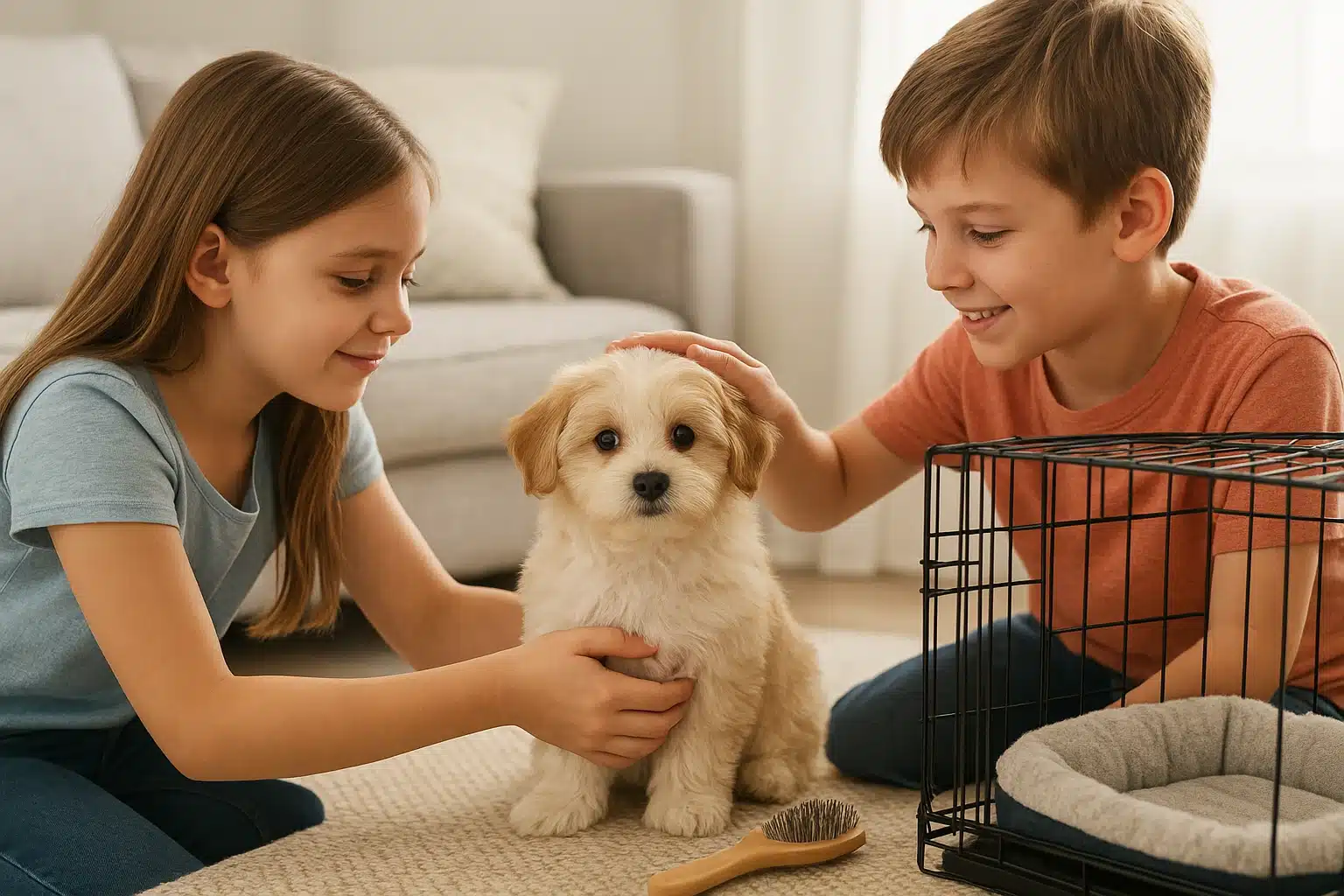
Sage Puppies describes a home-raised start, early socialization, and a family-first placement process for Havanese, Havapoos, and Cavapoos. That gives families a clear setting to ask about handling, routines, and the puppy’s daily exposure before pickup or delivery.
Happytail Puppies also presents puppies as raised with family care and socialization. Its public wording is broader, so ask for the exact experiences completed for the litter you are considering.
| Question to ask | Sage Puppies discussion point | Happytail Puppies discussion point |
|---|---|---|
| Daily setting | Home-raised routine and family contact | Family-care and socialization claims |
| Practical exposure | Handling, home life, early routines | Ask for litter-specific details |
| Next step | Continue the plan after arrival | Confirm what you need to continue |
For Minnesota families, keep early outings low-risk until your vet advises otherwise. AVMA advises avoiding unknown-vaccine dogs and places they visit before a puppy is fully vaccinated.
Also Read: Havanese, Havapoo & Cavapoo Puppy Care Blog
Early Handling, Household Life, and Confidence Building
Handling Should Prepare a Puppy for Everyday Care
A well-started puppy should be comfortable with gentle, brief handling before going home. This is not a trick. It prepares them for brushing, nail trims, baths, ear checks, and calm vet visits.
At Sage Puppies, ask what handling looks like in daily life, not simply whether puppies are “socialized.” A useful routine includes:
- Touching paws, ears, muzzle, and tail gently
- Brief holds with all four feet supported
- Soft brushing and towel contact
- Calm handling by different trusted adults
- Treats, play, or rest after each new step
The AVMA socialization guidance recommends positive experiences and letting a puppy move at their own pace. A puppy who squirms or turns away needs a shorter session, not firmer restraint.
Tip: Ask for a simple record of handling activities and the puppy’s response. Clear details are more useful than broad promises about confidence.
Everyday Sounds and Routines Matter More Than Novelty
Home life builds real confidence. A puppy does not need nonstop excitement. They need safe, repeatable exposure to the sights and sounds they will meet with your family.
Prioritize calm practice with:
- A vacuum from a distance
- Kitchen sounds and dropped utensils
- Doorbells, visitors, and car rides
- Crate rest while people move around
- Gentle play around children, with adult guidance
The sensitive socialization period generally falls between 3 and 14 weeks, according to the AVMA’s literature review. Keep every exposure brief and rewarding.
For Minnesota families, avoid high-risk dog parks or unknown-dog areas before your veterinarian confirms the vaccine plan. A clean home, known healthy dogs, and controlled visits can still offer plenty of safe learning.
Also Read: 10 Signs a California Puppy Listing Is a Scam – Sage Puppies
Age, Pacing, and the Vaccination Question
The Best Age Is Early, But Readiness Still Matters
Start early, then let the puppy set the pace. The key learning window is about 3 to 14 weeks, according to the American Veterinary Medical Association. A young puppy should meet safe people, hear normal home sounds, and explore gentle new surfaces.
That does not mean pushing a worried puppy through a crowd. Watch for loose body language, curiosity, and a quick return to play. Pause if you see freezing, hiding, tucked tail, or repeated attempts to leave.
| Puppy response | Your next move |
|---|---|
| Curious and relaxed | Add one short new experience |
| Unsure but taking treats | Create more distance and reward calm |
| Afraid or overwhelmed | Stop, retreat, and try later |
A good session ends while your puppy still feels safe, not after they are worn out.
How to Socialize Safely Before Full Vaccination
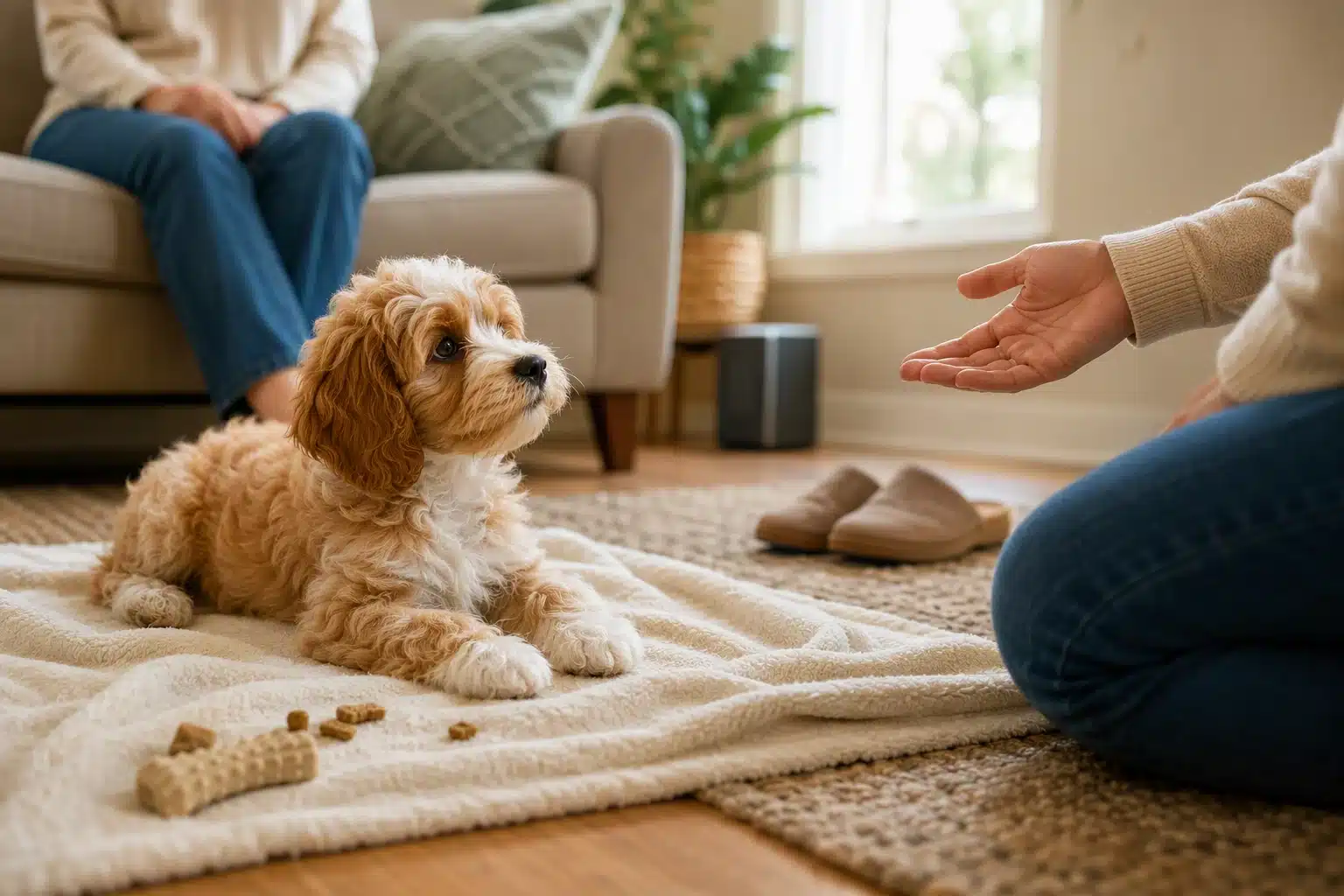
Do not wait for the full vaccine series to begin socialization. Instead, control the setting. The AVMA advises keeping not-fully-vaccinated puppies away from unknown dogs and places those dogs have used, including outdoor parks.
Use this low-risk plan:
- Invite healthy, calm adults to your clean home.
- Carry your puppy through a Minnesota hardware store or sit outside a cafe.
- Arrange brief visits with known, vaccinated dogs in a private yard.
- Play recordings of traffic, children, and household sounds at low volume.
- Ask your veterinarian about a well-run puppy class and local disease risk.
Avoid dog parks, shared water bowls, pet-store floors, and busy potty areas. Puppies commonly finish their first vaccine series at 16 weeks or older, though your vet should set the schedule for your puppy’s needs.
Also Read: Sage Puppies vs Happytail Puppies: Which Maine Seller Is Better?
Temperament Observation and Family Matching
What Families Should Ask About a Puppy’s Response
Ask for specific observations, not labels like “calm” or “friendly.” A thoughtful match looks at how a puppy responds across normal moments.
- Does the puppy recover after a new sound?
- Does it approach people willingly, then settle?
- How does it play with littermates?
- Does it accept gentle handling of paws, ears, and coat?
- Has it met children, visitors, grooming tools, or a crate?
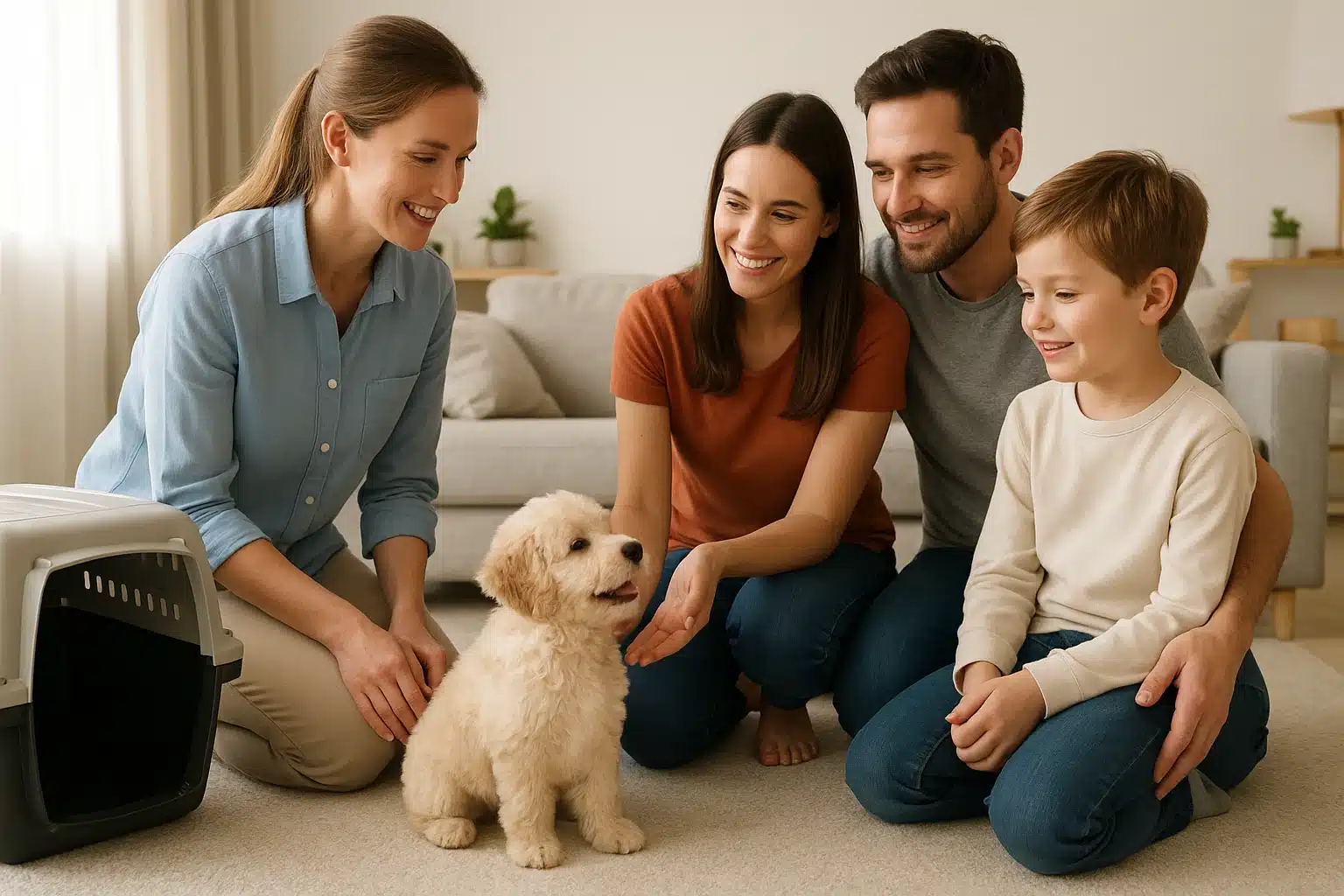
A short video call can help families outside Utah see these responses firsthand. Still, no test can promise an adult personality. AKC guidance on puppy temperament tests stresses that early behavior is only one part of the picture. Home routines, kind training, and safe social exposure matter too.
Choose the puppy that fits your real household, not the boldest puppy in a short clip.
Breed Context: Havanese, Havapoo, and Cavapoo
| Breed | Family-fit tendency | Ask the breeder about |
|---|---|---|
| Havanese | Sociable, people-focused companion | Comfort with handling and alone-time practice |
| Havapoo | Often bright and playful | Energy level and recovery after excitement |
| Cavapoo | Often affectionate and engaged | Confidence with new people and calm settling |
Havanese are described by the AKC as cheerful, lively, and social companions. Read the breed overview. Mixes also vary by puppy, so breed traits are a starting point, not a guarantee.
Sage Puppies can help match each family’s schedule, children, travel plans, and grooming comfort with the puppy’s observed style.
Early Puppy Training Is the Family’s Next Step
A Calm First Week Builds the Right Associations
Keep the first week small. Your puppy needs sleep, steady meals, gentle handling, and a predictable potty routine more than a crowded welcome party.
Set up one quiet home base with a crate or pen. Reward calm choices with a tiny treat, soft praise, or a favorite toy. Sage Puppies families should build on the puppy’s early home-raised start, not rush past it.
- Introduce one new sound, person, or surface at a time.
- Pair each new moment with something your puppy enjoys.
- Stop before your puppy gets tired, worried, or wild.
The AVSAB puppy socialization guidance supports safe, early exposure before full vaccination, while avoiding high-risk dog areas.
Skip dog parks and unknown-dog traffic until your veterinarian advises otherwise. Calm visits with healthy, known dogs are a better first step.
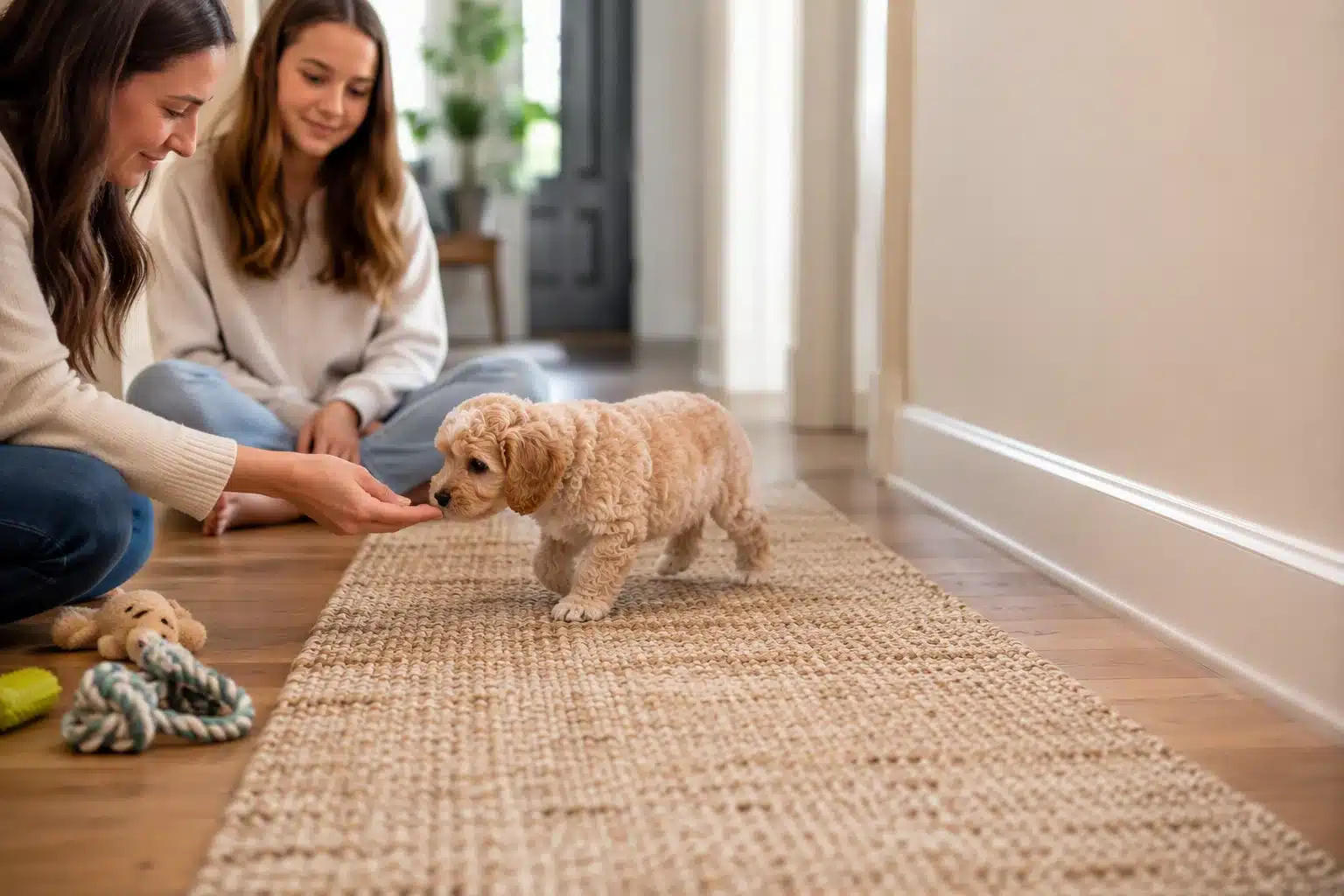
A Practical Socialization Log
A simple log helps your family notice progress and avoid overdoing it. Record what your puppy saw, how they reacted, and what helped.
| Experience | Puppy response | Next step |
|---|---|---|
| Doorbell sound | Looked, then relaxed | Repeat at low volume |
| Friendly visitor | Took treats nearby | Try a brief greeting |
| Car ride | Settled after two minutes | Take another short ride |
Track these details:
- Date and setting
- New person, sound, surface, or handling task
- Relaxed, unsure, or scared body language
- Treats, distance, and recovery time
Use rewards, never force. AVSAB recommends reward-based training rather than fear or pain-based methods.
A puppy who backs away needs more space, not more pressure.
Also Read: How to Find a Reputable Local Puppy Breeder Before You Visit
How the Two Providers Compare for Minnesota Families
For Minnesota families, the best fit is the breeder who gives clear proof of early home life, handling, and a practical plan for the trip home.
| Question to Ask | Sage Puppies | Happytail Puppies |
|---|---|---|
| Socialization focus | Home-raised care, early handling, and family-first preparation are central to its stated approach. | Review the puppy’s individual listing and ask for exact details on handling, sounds, routines, and new experiences. |
| Best next step | Discuss your household, children, pets, pickup, or delivery needs before reserving. | Request the same written socialization and health records before committing. |
| Minnesota planning | Confirm delivery timing, weather plans, and the first vet visit after arrival. | Confirm transport details and who supports you after the puppy comes home. |
Early exposure matters most when it stays positive. The AVMA notes that puppies are especially open to new experiences from 3 to 14 weeks.
Use this short check before choosing:
- Ask what the puppy has experienced, not just whether it is “socialized.”
- Request vaccine and deworming records.
- Ask how travel is managed for a Minnesota handoff.
- Plan low-risk social outings with your veterinarian’s guidance.
Avoid dog parks and unknown-dog areas before your puppy finishes its vaccine series. Young puppies face higher disease risk in shared dog spaces.
Also Read: Puppy Care Blog & Resources | Sage Puppies
Which Should You Choose: Sage Puppies or Happytail Puppies?
Choose Sage Puppies If Specificity and Small-Breed Focus Matter Most
Choose Sage Puppies if you want a boutique program centered on Havanese, Havapoo, and Cavapoo puppies. That narrow focus can make family conversations more useful, especially if you need help matching energy level, coat care, children, and travel plans.
Sage Puppies also suits families who value a home-raised start, health-tested parents, and clear pickup or nationwide delivery options from South Jordan, Utah.
Before reserving, ask for:
- The puppy’s early handling and socialization routine
- Parent health-testing details
- Current vaccine and health records
- A plan for the first two weeks at home
Positive exposure matters most before 14 weeks, but it should match each puppy’s comfort level, according to the AVMA’s socialization guidance.
Choose Happytail If Training Resources and Provider Scale Matter Most
Choose Happytail Puppies if its available training materials, process, and current puppy options fit your needs better. A larger provider may appeal if you want more choice or a more structured resource library.
Still, do not let scale replace direct answers. Ask who raised your puppy, what it has experienced, and how the provider handles handoff support.
Use this quick filter:
| Priority | Better fit to explore |
|---|---|
| Small-breed specialty and boutique guidance | Sage Puppies |
| Broader provider resources and selection | Happytail Puppies |
| Clear socialization records | Either, if documented |
For Minnesota families, ask your veterinarian how to continue safe exposure before the vaccine series is complete. Avoid unknown dogs and high-traffic dog areas during that stage.

Choose a puppy whose early care you can understand and trust. Sage Puppies raises Havanese, Havapoo, and Cavapoo puppies at home with health-tested parents and early socialization. View available puppies, start an application, or ask about Utah pickup and nationwide delivery.
Frequently Asked Questions
Q1: How does Sage Puppies’ early socialization compare to Happytail’s methods?
Sage Puppies shares a family-raised approach, health-tested parents, and early handling. Ask both programs for a dated record of exposures, routines, and each puppy’s response.
Q2: What’s the best age to start socializing a Havanese, Havapoo, or Cavapoo puppy?
Start from birth with calm handling. Continue through the key early weeks, then build safe, positive experiences after homecoming.
Q3: Can I safely socialize my Sage Puppies puppy before full vaccinations?
Yes. Use clean homes, healthy known dogs, car rides, grooming practice, and carry your puppy in public. Avoid dog parks and unknown dog areas.
Q4: What should Minnesota families practice first?
Focus on winter sounds, coats, boots, car travel, visitors, and brief alone time.
Q5: What records should I request before reserving?
Request parent testing details, vaccine records, feeding routine, handling notes, and delivery or pickup steps.
Conclusion
The better fit is not the breeder with the longest socialization list. It is the one that clearly explains how puppies are raised, handled, exposed, and prepared for the move home.
Compare Sage Puppies and Happytail Puppies by asking about calm household exposure, grooming practice, crate time, car rides, and each puppy’s response to new things. Then keep that work going at home.
Early socialization should be safe, gradual, and matched to the puppy’s comfort level.
The AVSAB puppy socialization statement identifies the first three months as the key window. A thoughtful start, plus patient reward-based training, gives a Havanese, Havapoo, or Cavapoo the strongest foundation.




