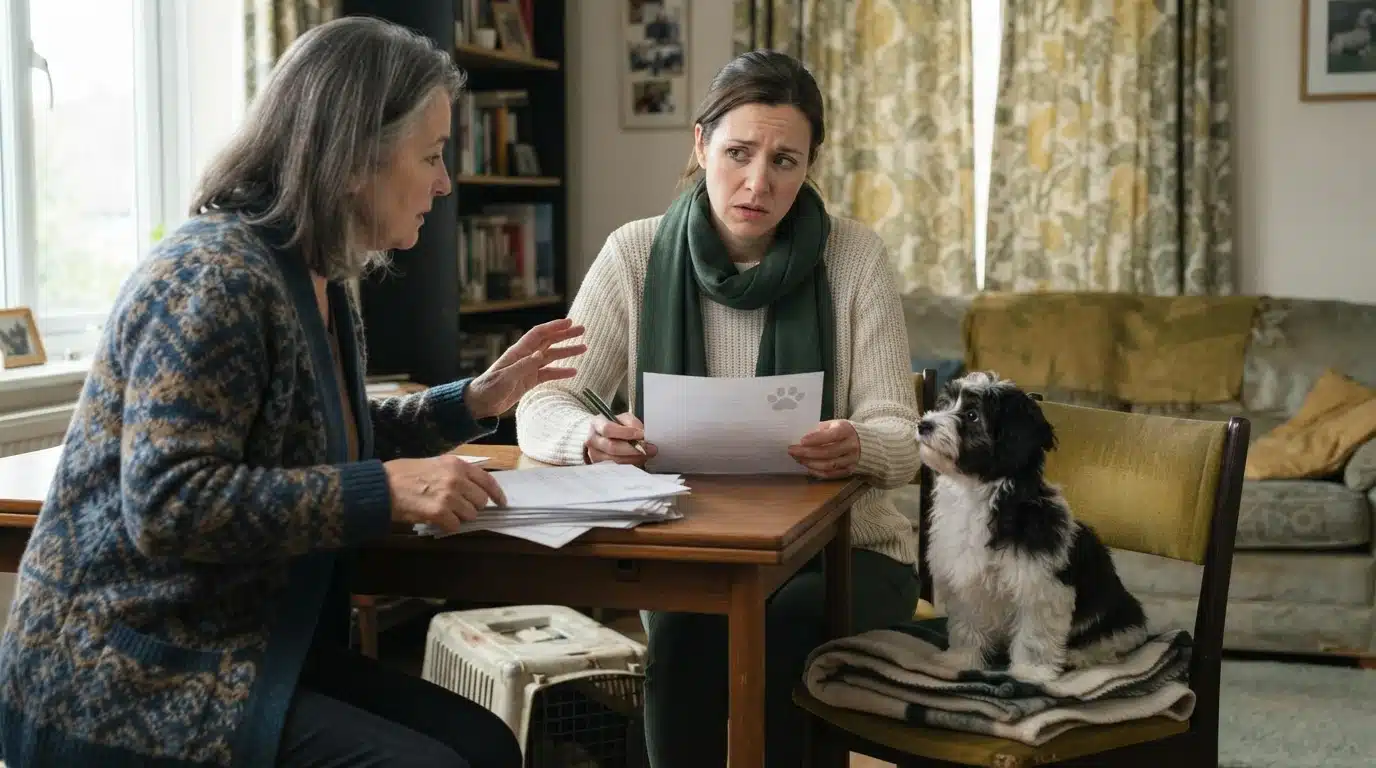
Quick Summary: A trustworthy puppy breeder should welcome scrutiny by allowing a home or video visit, meeting the dam, providing the puppy’s veterinary records, and showing verifiable OFA, CHIC, and DNA screening for both parents. Expect a written contract covering deposits, health guarantees, take-back terms, and ongoing support, plus patient answers and a willingness to screen buyers. Refusing visits, lacking health proof, pressuring quick payments, or failing to provide paperwork are warning signs, especially when several appear together.
Two breeder websites can show the same litter photos, the same “health tested” badge, and the same $2,000 sales pitch, yet only one may let you stand in the room where the litter was born. That gap between what a site claims and what a breeder proves is the problem this guide solves. Learning how to spot a good breeder comes down to paperwork you can check, questions you can ask, and visits you can make. In the sections ahead, you will find which records to request, what each one does and does not prove, and how to avoid puppy mills and quick-flip sellers altogether. The advice draws on documented breeding practice with Havanese, Havapoo, and Cavapoo lines, including what good breeders show during an in-person visit and which contract terms protect your family after pickup.
How to Spot a Puppy Mill or Backyard Breeder
The fastest way to avoid a puppy mill is to count the signs, not just look for one. The strongest red flags are a refusal to let you visit, no health testing proof, always having litters available, meeting you somewhere other than home, and pressure to pay a deposit fast.
A single sign is not proof. A pattern is.
What a puppy mill actually looks like
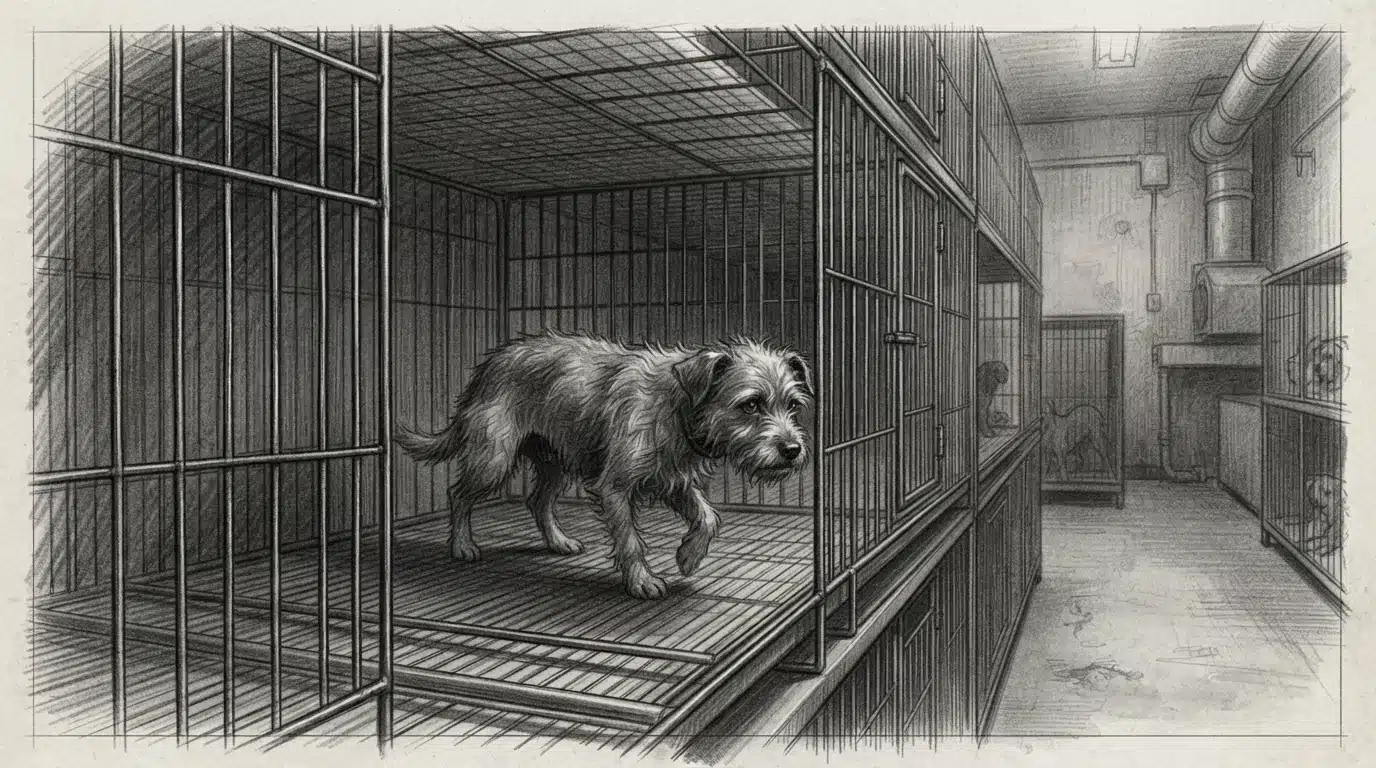
A puppy mill breeds dogs at scale for profit, usually in cramped cages, with little vet care and no thought for temperament. The dam is bred every heat cycle until she wears out. Puppies leave at five or six weeks because early volume means early money. You rarely see the parents, the facility, or a single test result. Many mills hide behind brokers and ship sight-unseen, so buyers never ask the questions that would expose the setup.
What a backyard breeder looks like
A backyard breeder is usually well meaning but underinformed. Two family pets had a litter, or someone bought a “breeding pair” with no screening. The dogs may be genuinely loved, but the parent dogs were never checked for the eye, knee, and heart problems common in small companion breeds. There is no health record, no contract, and no plan if you cannot keep the puppy. The result can still be heartbreak, just from neglect rather than intent.
The strongest red flags, in order of weight
Some signals tell you far more than others. Weigh them like this:
| Red Flag | Why It Matters |
|---|---|
| No visit allowed, home or video | Hides where the puppy was born |
| No health testing proof | Screens nothing for inherited disease |
| Litters always “ready now” | Volume breeding, not planned litters |
| Pickup away from the home | You never see the dam or the space |
| No written contract | No take-back terms, no accountability |
| Deposit pressure or odd payment apps | Common in puppy scams, not just bad programs |
Learning how to spot a good breeder means asking for what this table shows: access, records, and calm patience with your questions. A responsible program, like an owner-operated one, answers before you push.
What Good Breeders Show You (and Show You Without Being Asked)
A big part of how to spot a good breeder is what they hand over before you ever ask. Good breeders volunteer records. They expect the questions, and they answer them with documents, not slogans.
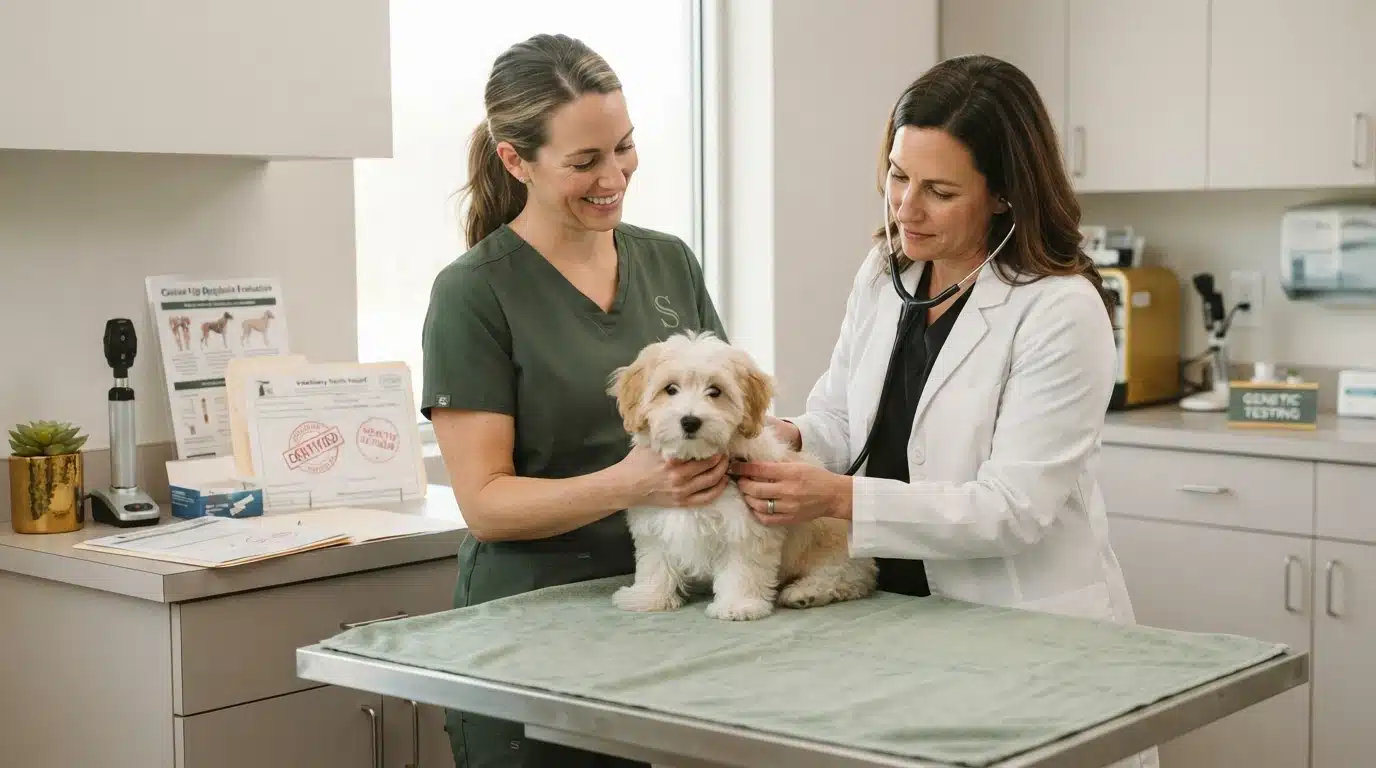
The puppy’s own veterinary record
Every puppy should come with a record from a licensed veterinarian. Look for a recent physical exam date, at least the first round of vaccines, and deworming dates with the product used. Ask which clinic saw the puppy so you can confirm the visit happened. A printed list with no clinic name proves little. Keep this record, because your own vet will want it for the first checkup.

The parents’ clinical screening records
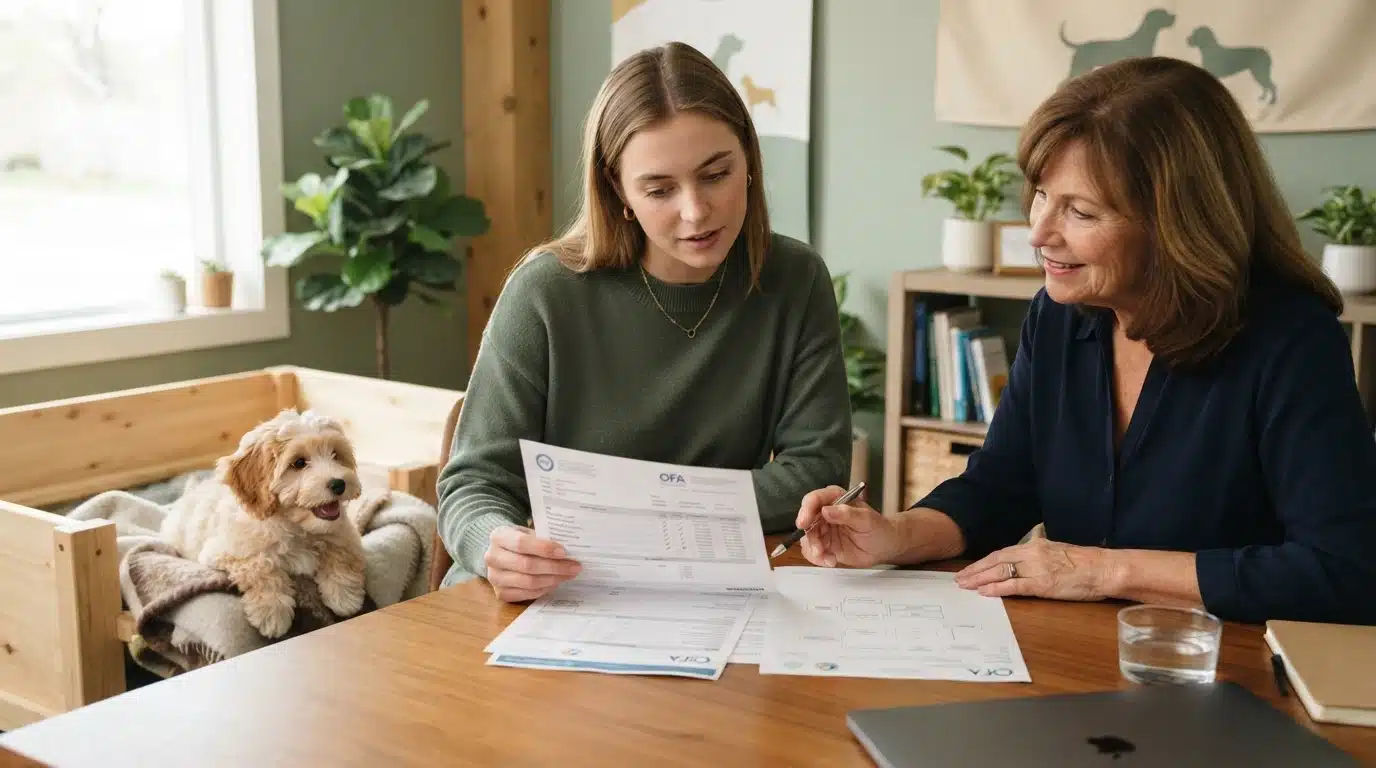
This is where thorough breeders separate themselves. For the breeds here, the Havanese parent should have hip and patella evaluations plus current eye exams, which is what the Havanese club’s CHIC requirements call for. Ask for the parent’s registered name so you can verify OFA and CHIC records yourself in the public database. Screening the dam and sire is standard; a breeder who only shows puppy photos is asking you to trust, not verify.
DNA variant results, and what they do not rule out
Breeders who pair dogs responsibly also test parent DNA for breed-specific variants and can show a report for each parent. A clear report is a strong sign, but read it narrowly. DNA panels cover known variants, and two tested parents can still pass on conditions no panel detects. If you want a second set of questions to bring along, parent screening questions cover what to ask. Clear DNA plus clinical exams together mean far more than either one alone.
Visiting the Breeder: What the Home and Litter Should Show
A good breeder invites you in. The visit is where paperwork stops being enough, because you get to see the puppies’ daily world with your own eyes before you commit.
Can I visit the breeder’s home to see where the puppies are raised?
Yes, in almost every case. A reputable puppy breeder near you should let you see where the litter lives, at least after the puppies are a few weeks old. If the answer is always no, ask why. Legitimate limits do exist, but they come with reasons and alternatives:
- Very young puppies with fragile immune systems
- Concern about tracking in disease such as parvo on your shoes
- The puppies living in the breeder’s private family space
- A photo or video call instead of an in-person look
A flat refusal, with no explanation, is a red flag.
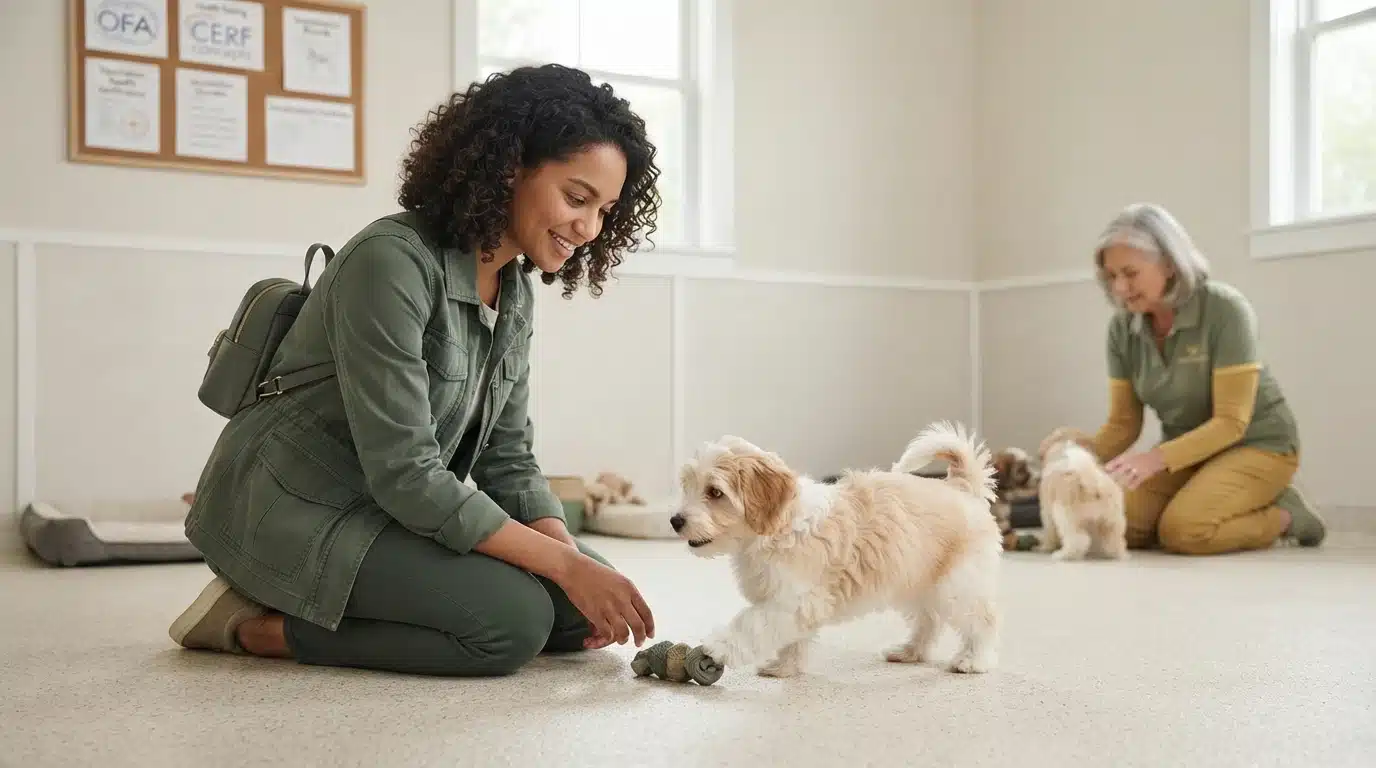
What to look for in the litter area
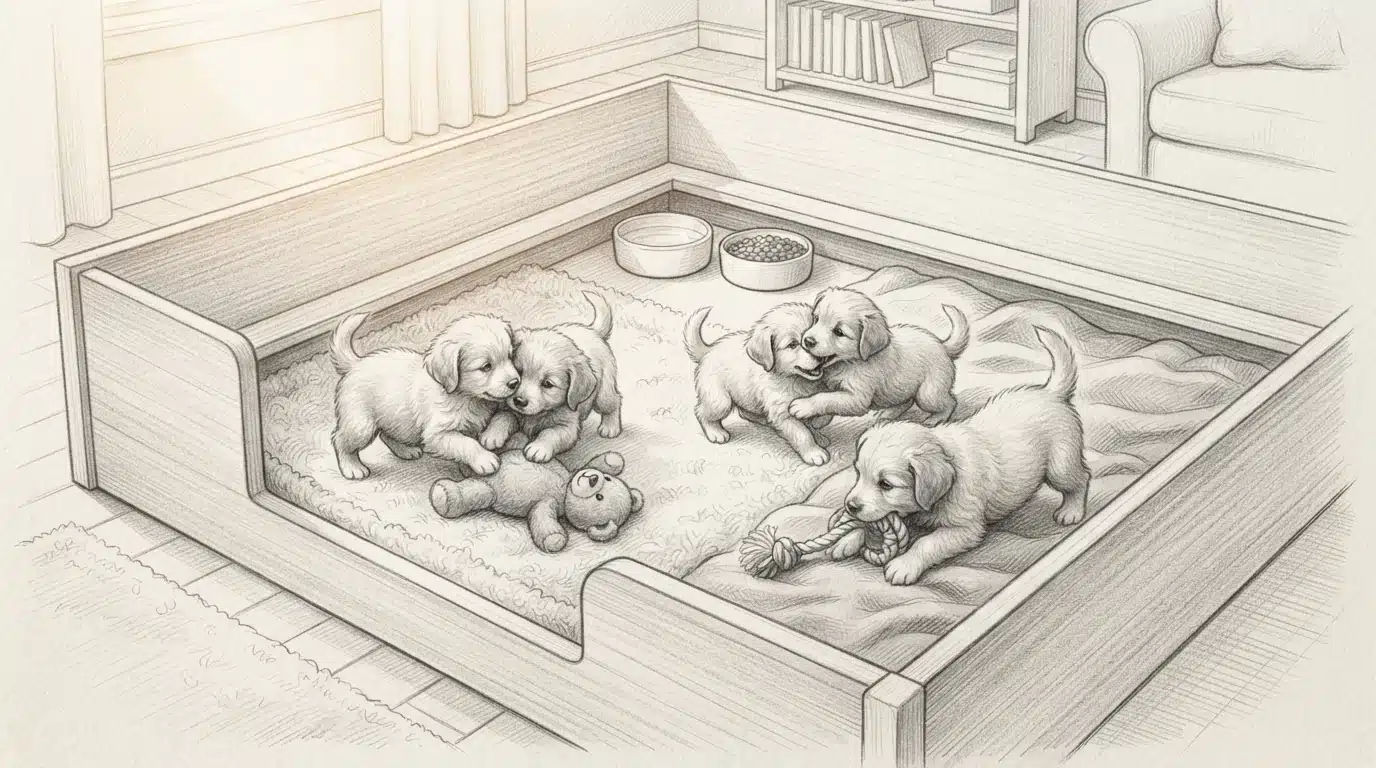
The featured answer to this question: a good breeder lets you see a clean, safe space where the puppies are active, well-fed, and comfortable around people. Use this quick list during any visit:
- Clean bedding and no strong ammonia smell
- Puppies that are plump, bright-eyed, and curious about you
- Fresh water and age-appropriate food within reach
- Room to move, toys, and safe surfaces, not bare wire floors
- No visible diarrhea, coughing, discharge, or listless puppies
At Sage Puppies, the litter grows up in the home, so families can see exactly that kind of environment before pickup day.
Meeting the dam and, where possible, the sire
You should meet the mother. Her temperament is the best predictor of the puppies’ future behavior, so watch how she greets strangers. Is she calm, friendly, and well cared for, or nervous and kept apart? Ask why if you cannot meet her at all. The sire may live elsewhere, often with a different family or via artificial insemination, which is normal. When that happens, ask for his health testing results and photos instead. A dam that is anxious, thin, or hidden from visitors tells you more than any website can.
Health Records, Screening, and How to Check Them Yourself
A good breeder shows written proof for each parent: eye exams by a veterinary ophthalmologist, patella and hip evaluations, a cardiac check, and DNA panels for the parent breeds. Havanese CHIC requirements are OFA hips, OFA patellas, and annual eye exams, per the Havanese Club of America. Havapoo and Cavapoo parents need panels appropriate to each side of the cross, such as cardiac checks and PRCA or degenerative myelopathy tests where relevant.
Screening expectations by breed and cross
- Havanese: OFA hips, OFA patellas, yearly CERF eye exams, plus a BAER hearing test where offered.
- Havapoo: Havanese-side tests listed above, plus Poodle-side items like hip and eye screening and relevant DNA panels.
- Cavapoo: Cavalier-side items matter most, so ask about cardiac evaluation by a cardiologist, patellas, eyes, and DNA tests such as episodic falling and curly coat syndrome.
You can confirm which tests each breed’s CHIC program requires on the OFA’s browse-by-breed page.
Three questions that force specificity
Vague answers are the tell. Ask:
- “Which exact tests did each parent have?” You want test names, not “they’re health tested.”
- “Can I see the certificates?” A CHIC number or OFA listing matches a dog’s registered name.
- “What did results show?” Breeders who screen honestly discuss imperfections. “All perfect, no records” is a red flag.
If a breeder sends screenshots instead of registry links, ask why the results aren’t public.
Checking public records yourself
OFA posts passing and failing results publicly, so you can verify OFA and CHIC records in minutes. Search the kennel or parent’s name on ofa.org and match dates, tests, and the dog’s age. Our step-by-step record check walks through matching a certificate to the right dog.
The Contract, the Deposit, and the Paperwork
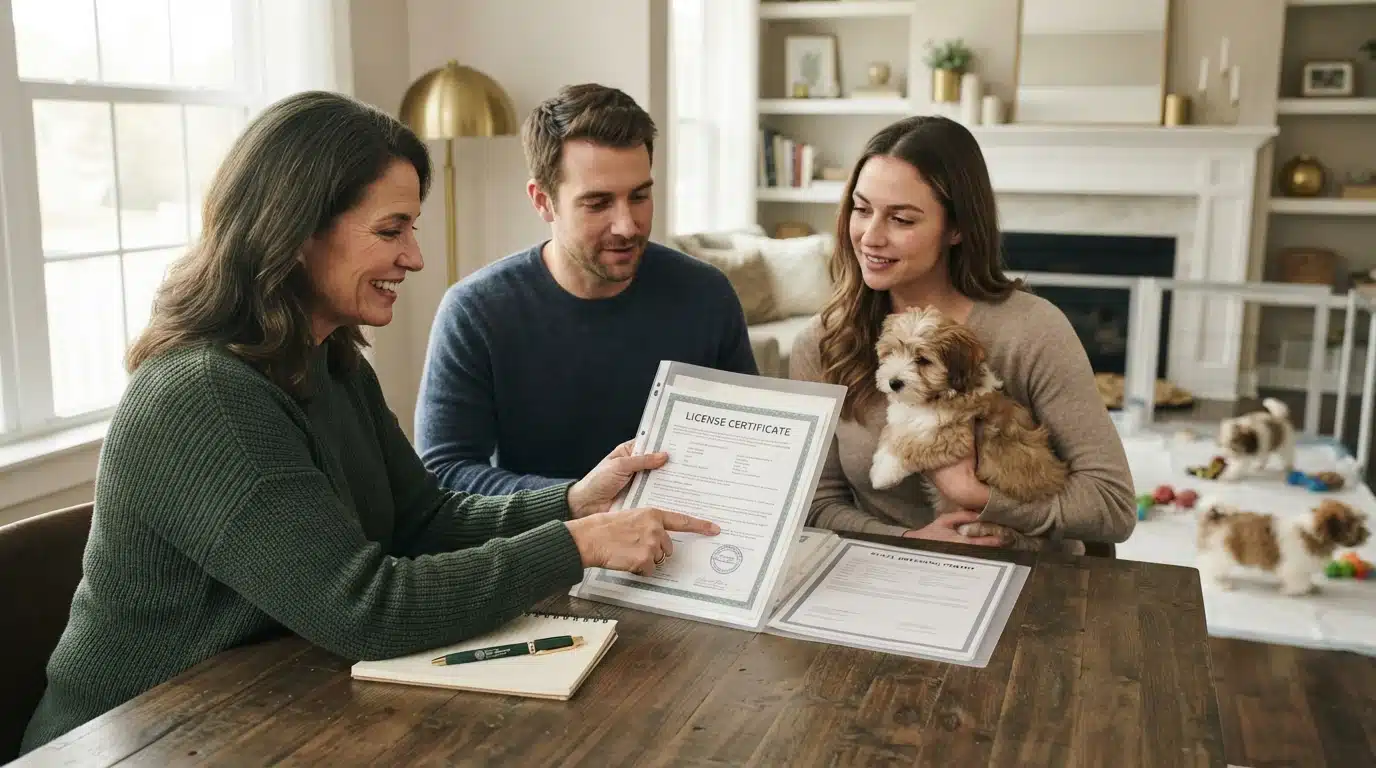
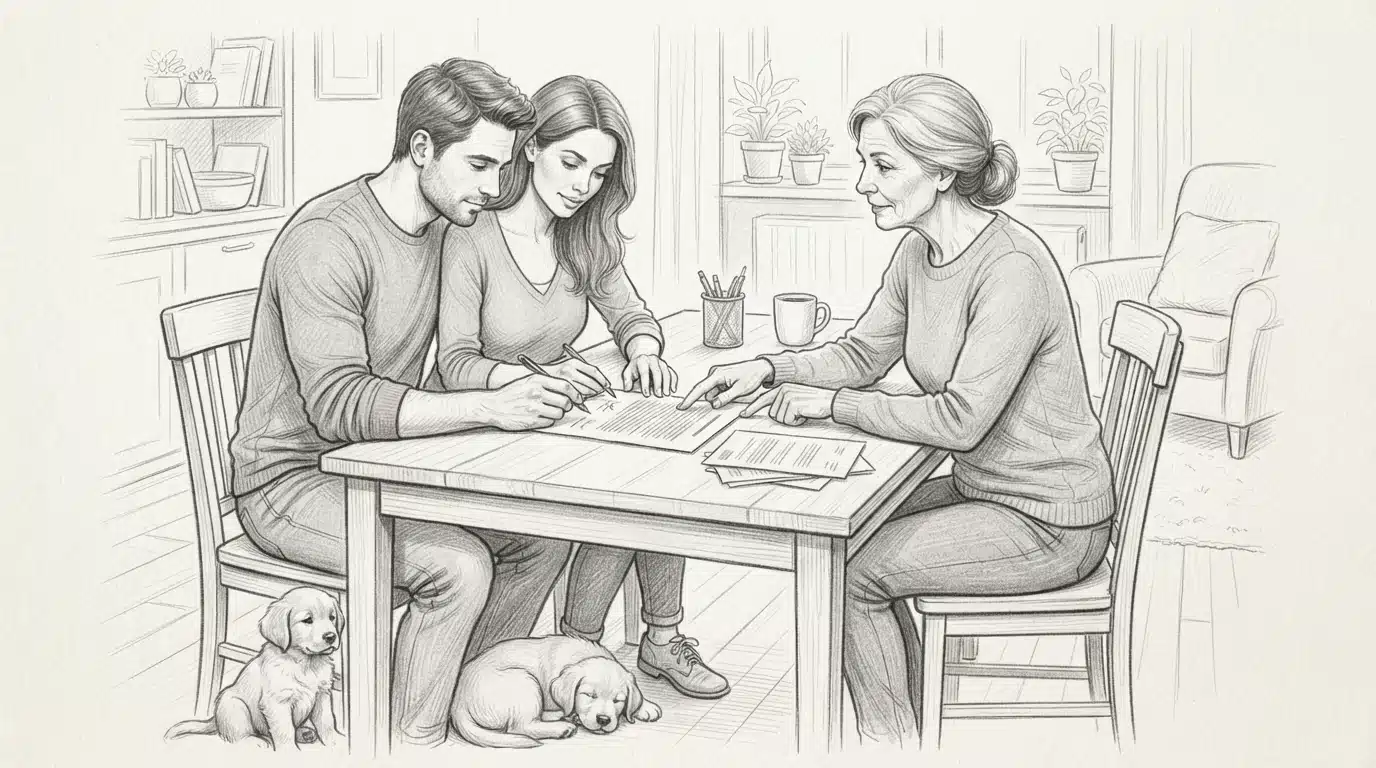
A good breeder puts the deal in writing before any money changes hands. The contract protects both of you, so a vague or missing one is a serious red flag.
Questions to settle in writing before paying a deposit
Ask these questions and get the answers on paper:
- Is the deposit refundable, and under what conditions?
- What happens if the litter is smaller than expected?
- When can I take my puppy home, and what decides the pick order?
- What price do I pay, and does it include delivery?
- How will I receive updates, photos, and health records before pickup?
A reputable puppy breeder near you will answer each one plainly and confirm it in the contract. Some programs, including ours, also publish a clear deposit and reservation policy so buyers can read the terms before they commit. If a breeder dodges these questions, walk away.
Health guarantees, take-back clauses, and support
A written puppy breeder health guarantee should spell out exactly what it covers, such as genetic conditions, and what it does not. It should name a deadline for your vet exam and explain how claims work. Just as important, look for a take-back clause. Good breeders promise to take a dog back at any point in its life rather than let it end up in a shelter. Ask what ongoing support looks like, too, since solid breeders stay reachable after you go home.
Payment, receipt, and the paper trail
Pay with a traceable method and never wire money. Zelle, Venmo, or gift cards paired with pressure to act fast are classic puppy scam red flags. Get a signed receipt that lists the deposit amount, total price, and puppy details, then keep every record with your contract.
Buyer Screening, References, and How to Vet a Breeder Near You
A good breeder screens you as carefully as you screen them. Expect questions, expect a wait, and treat both as signs you are talking to someone who cares where their puppies end up.
Why a good breeder asks about you
Reputable breeders ask about your home, schedule, children, other pets, and experience with dogs. They want to know who will handle training and whether someone is home during the day. Some ask for a written application or a phone call before they discuss price or deposits. A breeder who takes money from anyone with a pulse is running a sales operation, not a breeding program. Applications may feel like a lot of hoops, but a clear application and matching process protects both sides and helps match the right puppy to the right family, which is exactly how a small program like Sage Puppies works.
References, reviews, and breed club involvement
References are easy to check and hard to fake. Ask the breeder for contact details of two or three families who bought puppies in the last year or two, then actually call them. Ask what went well, what surprised them, and whether the breeder stayed in touch. Read reviews on Google and Facebook, and look for patterns rather than single glowing comments. Breed club involvement adds another layer: membership in the Havanese club or a local kennel club, shown health titles, and participation in dog sports all suggest long-term commitment.
Price, availability, and the search itself
Price tells you something, but not everything. A suspiciously low price often signals a puppy mill or rushed backyard breeder, while a fair, transparent price reflects health testing and care. Ask what litters are planned, how long the waitlist runs, and whether deposits are refundable. Searching “puppy breeder near me” is a starting point, not a filter; a short drive matters less than honest answers. Browsing current available puppies with clear photos and status updates is a reasonable benchmark for what transparency looks like.

Ready to see what a well-bred Havanese, Havapoo, or Cavapoo looks like up close? Visit Sage Puppies to review the available puppies and pricing, then submit an application. Cassie will walk you through health records, answer your questions honestly, and match you with the right puppy for your family. Wisely bred, beautifully loved.
Frequently Asked Questions
Q1: How can I tell if a puppy is from a puppy mill or backyard breeder?
The fastest way to avoid puppy mills is to count red flags: no visits allowed, no health testing proof, litters always “ready now,” pickup away from home, and pressure to pay a deposit fast. One sign alone is not proof, but a pattern usually means walk away.
Q2: What should a good breeder let you see when you visit the litter?
Expect a clean litter area with fresh water, age-appropriate food, and no strong ammonia smell. Puppies should be plump, bright-eyed, and curious about people. You should also meet the dam, since her temperament predicts the puppies’ future behavior.
Q3: Can I visit the breeder’s home to see where the puppies are raised?
Yes, in almost every case, at least after the puppies are a few weeks old. Legitimate limits, like fragile newborns or parvo concerns, come with reasons and a video call alternative. A flat refusal with no explanation is a red flag.
Q4: How do I verify OFA and CHIC records myself?
Search the parent’s registered name on ofa.org. Match the dates, tests, and the dog’s age to the certificates the breeder showed you. Passing and failing results are public, so a breeder’s screenshots should always match the registry.
Q5: What health tests should Havanese, Havapoo, and Cavapoo parents have?
Havanese parents need OFA hips, OFA patellas, and annual eye exams. Havapoo parents add Poodle-side screening. Cavapoo parents need a cardiologist’s cardiac check, patellas, eyes, and DNA tests like episodic falling and curly coat syndrome.
Q6: How do I avoid puppy scams when paying a deposit?
Never wire money, and treat Zelle, Venmo, or gift cards paired with pressure to act fast as puppy scam red flags. Pay with a traceable method and get a signed receipt listing the deposit, total price, and puppy details.
Q7: What contract terms protect me after pickup?
Look for a written health guarantee with a vet exam deadline, plus a take-back clause promising the breeder will take the dog back at any point in its life. Deposit refund terms and pick order should be settled in writing first.
Conclusion
Spotting a good breeder comes down to proof, not promises. Ask for access to the home, records for each parent, and written terms before any money moves. A reputable puppy breeder near you will welcome the questions, because screening for inherited disease and standing behind every puppy is the whole point of a planned litter. When one red flag appears, ask why; when several stack up, walk away. The standard stays the same whether you buy close to home or arrange delivery: visit or video call, meet the dam, verify OFA and CHIC records yourself, and confirm the health guarantee and take-back clause in writing. Families who hold breeders to that standard bring home healthier puppies and skip the heartbreak of mills and quick-flip sellers.