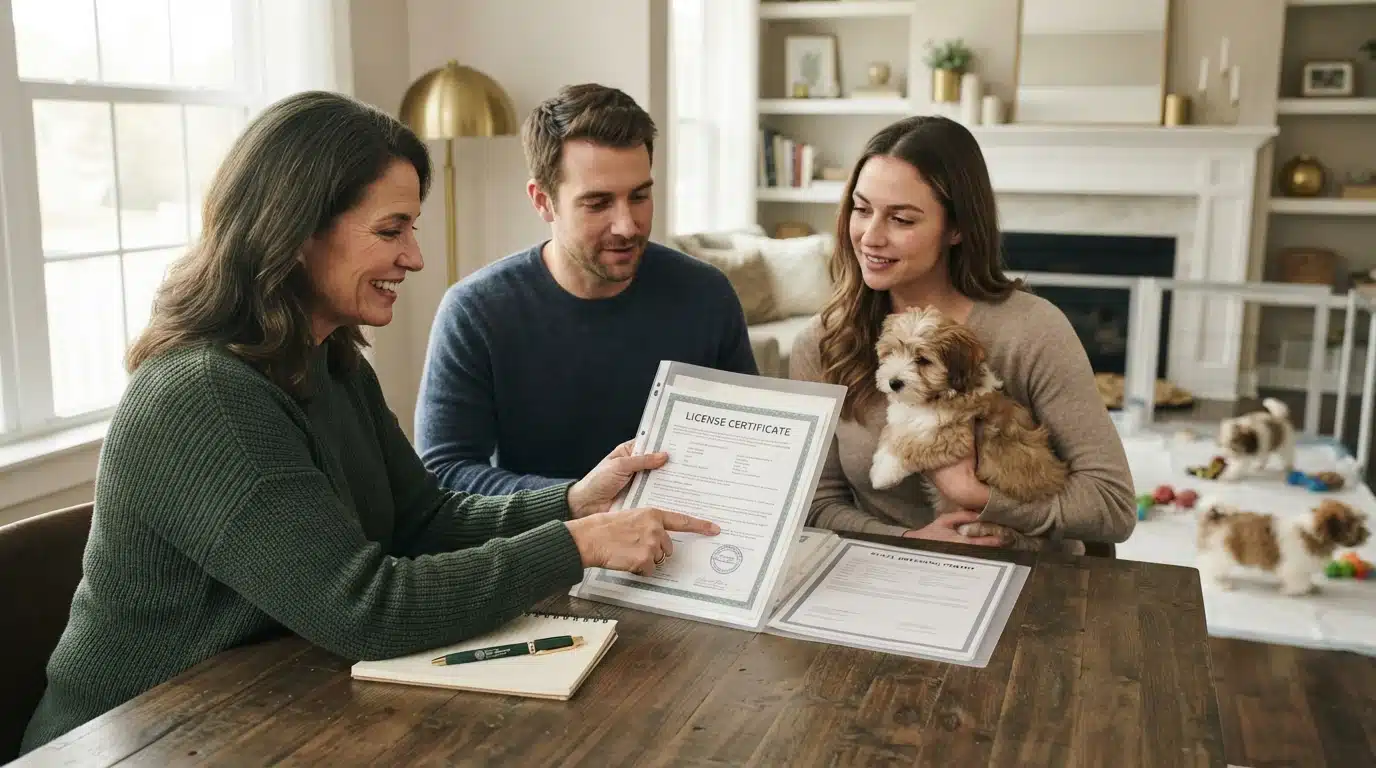
Quick Summary: Family-raised puppies should stay with their mother and littermates for at least eight weeks so they learn bite inhibition, social cues, and everyday household sounds. Before paying a deposit, ask to meet the mother, visit the puppies where they live, and request veterinary, vaccination, deworming, and parent health records. Sage Puppies raises Havanese, Havapoo, and Cavapoo litters in its South Jordan home with the mother present, and advises families to verify these practices rather than trust a breeder’s claims.
Two puppies can look identical in a photo. One spent its first eight weeks sleeping against a mother’s ribs, learning bite inhibition and how to read other dogs. The other slept in a kennel run under a heat lamp with the same littermates but no adult dog at all. The difference tends to show up around month three, when nipping, fear and house training habits either soften or stick.
That gap is why so many families now search for family raised puppies with mothers instead of just “puppies near me.” The problem is that almost every breeder claims to raise pups at home, and a listing photo proves very little.
This guide shows you what family-raised actually means, how long a puppy should stay with its mother dog, and which questions and records let you verify it before you pay a deposit, with breed-specific notes for Havanese, Havapoo and Cavapoo litters.
What Family-Raised Actually Means
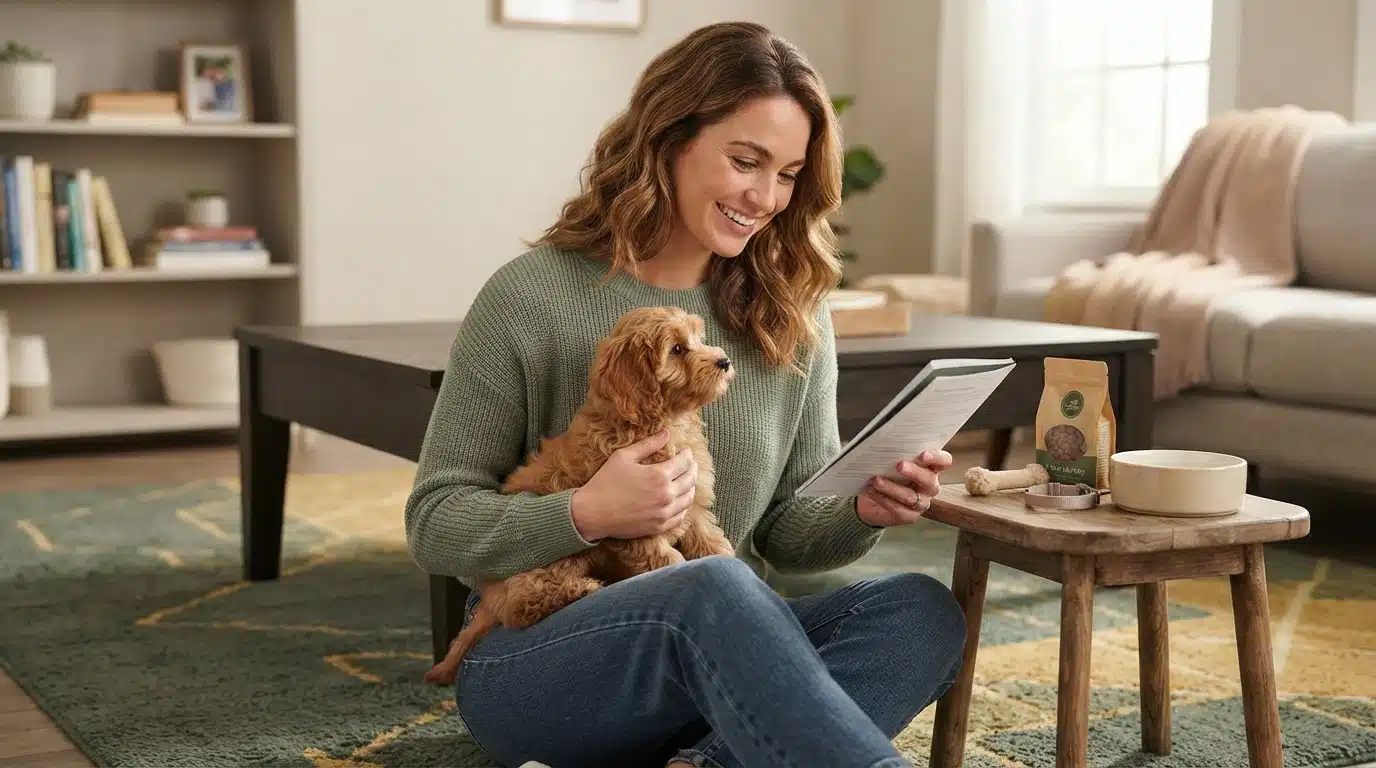
Family-raised puppies with mothers are born and kept inside a home, not in a kennel building or outdoor run. The litter grows up around normal household life: vacuum cleaners, kids, doorbells, tile floors. By the time you pick up your Havanese, Havapoo or Cavapoo, those sounds and surfaces are old news.

The In-Home Difference, Day by Day
In-home raising is hands-on. Someone weighs the puppies, handles them daily, cleans up after them, and starts gentle housetraining routines. Puppies learn that hands mean food, comfort and vet checks, so they arrive already used to being touched. That early handling shapes a calmer adult dog. If you want the hour-by-hour version, our guide to family-raised puppy daily routines walks through what a typical day looks like.
Why Mothers and Littermates Matter
The mother dog does work no human can copy. Between six and eight weeks, she corrects rough play and teaches boundaries, while littermates teach bite inhibition, which means learning to bite softly during play. Puppies separated too early show more fear, anxiety and reactivity later, according to Cornell’s canine health center. That is why responsible programs keep litters together until at least eight weeks old.
Where Sage Puppies Fits
Our South Jordan, Utah program raises every Havanese, Havapoo and Cavapoo litter inside our home, with the mother present throughout. Puppies stay with her and their littermates until they are ready, then move to approved families through local pickup or delivery.
Will My Family-Raised Puppy Still Be With Its Mother?
The Straight Answer and the Timeline
Yes. Family raised puppies with mothers stay together for the first eight weeks of the puppy’s life, and that time is not optional. Most breeders and veterinarians treat eight weeks as the earliest a puppy should leave, and some states make it a legal minimum. Here is the rough timeline from birth through pickup:
- Weeks 1 to 2: Newborns nurse and sleep almost nonstop while the mother keeps them warm and clean.
- Weeks 3 to 4: Eyes open, ears work, and puppies start wobbling around the whelping area.
- Weeks 5 to 6: Play ramps up, and the mother begins correcting rough behavior.
- Weeks 7 to 8: Weaning finishes, and your puppy is ready for a new home.
So an eight weeks old puppy pickup is normal, not early.

What Your Puppy Is Learning at Home
Those eight weeks do real work. The mother dog teaches puppies bite inhibition, which means she yelps and stops play when a littermate bites too hard. Puppies also learn to accept handling, share space, and read other dogs’ signals. Littermates supply the rough-and-tumble practice that shapes a calm adult dog. Puppies removed too young are more likely to show nipping, noise fear, and separation problems later, so the timeline protects your future dog, not just the breeder’s schedule. When a Havanese litter’s mother dog is right there in a family kitchen, you can often see this training in progress during a visit.
How to Ask About the Mother Dog
Good breeders welcome these questions, so ask directly:
- How old is the mother, and how many litters has she had? Responsible programs space litters and retire mothers on time.
- Where does the mother live? The answer should be “in the home,” not a kennel run.
- Can I meet her or see video? A mother dog that is friendly with people is the best proof of how the puppies were raised.
- What health testing has she had? Ask for records on eyes, hips, and genetic panels for the breed.
Breeders who raise Cavapoo puppies at home usually answer without hesitation and hand over paperwork on request. Vague or defensive answers are your cue to walk away. Every program at Sage Puppies keeps mothers in the home and shares each family raised puppy health record set before pickup day, so bring these questions to any breeder you talk with.
A breeder who will not let you meet the mother, or who offers to deliver a puppy under eight weeks, is telling you something. Listen.
Spotting a Truly Family-Raised Litter
Anyone can claim a litter was raised in a kitchen. Verifying it takes three things: the right questions, a sharp eye for signals, and the patience to walk away when answers feel rehearsed.
What to Ask and What to Look For
Ask these questions and request these documents before you visit:
- Ask: Where was the litter born, and where do the puppies sleep? How often does the mother interact with them now?
- Ask: Can I see the mother and meet the puppies in her space? What is your pickup age, and why?
- Request: health records, vaccination and deworming dates, and a written purchase agreement
- Look for: a calm mother who approaches you willingly, puppies that are curious rather than cowering, and a home that smells clean, not kennel-like
Red Flags and Green Flags
Trust the pattern, not the pitch.
| Red Flag | Green Flag |
|---|---|
| No photo of the mother, or a refusal to show her | Mother dog visible, relaxed, and nursing or playing with the litter |
| Puppies offered younger than eight weeks | Pickup scheduled near eight weeks, after weaning |
| Vague answers on vaccines and vet care | Dated health records with your puppy’s name on them |
| Meet in a parking lot, not the home | Visit happens where the puppies actually live |
Why Puppies Are Sold Individually, Not by the Litter
Selling one puppy at a time protects the litter. It lets each puppy stay with its mother and siblings for the full socialization window instead of leaving early to fill an order. It also lets the breeder match temperament to your family rather than hand over a pair. Responsible programs, including small Utah breeders like Sage Puppies, place puppies individually so each one gets a deliberate start. That is the quiet mark of a well-run litter.
Health Records, Vaccinations, and the First Vet Visit
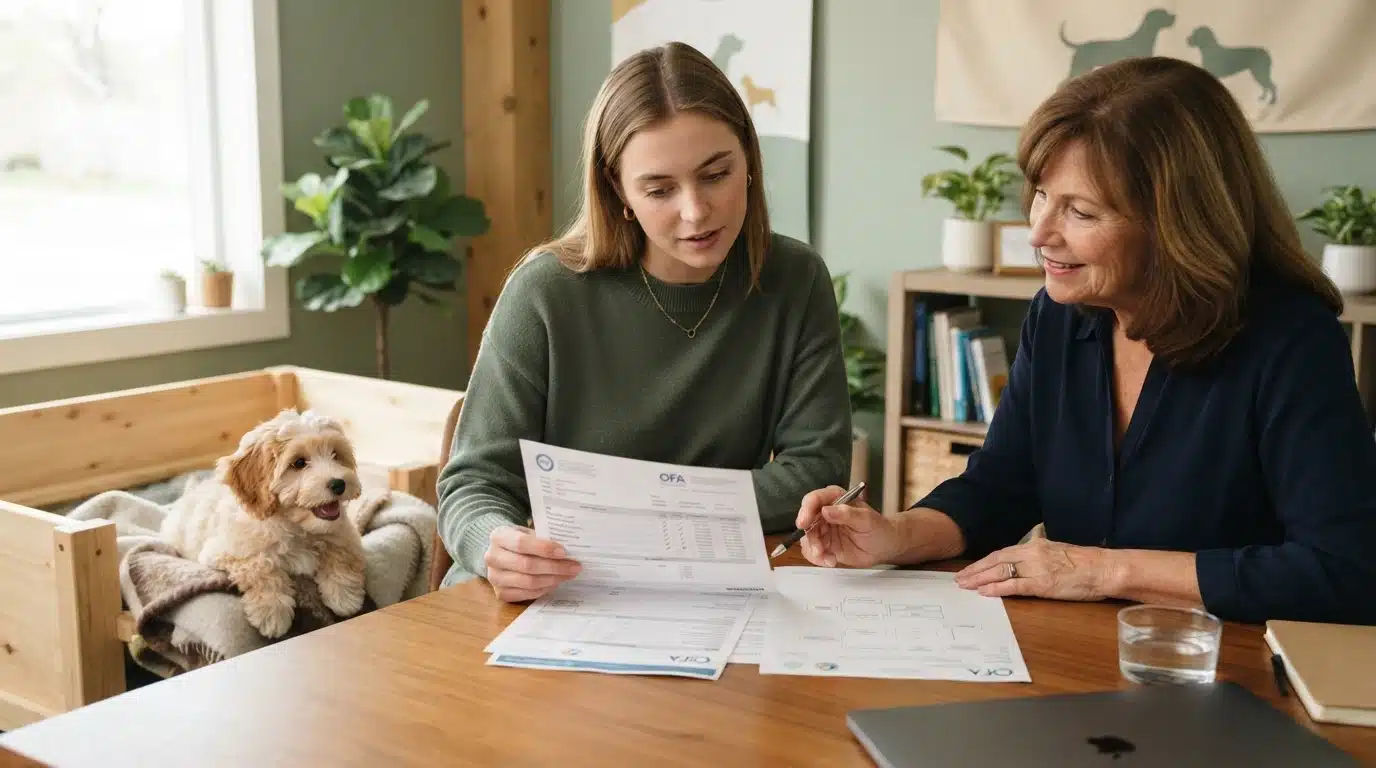
What health records should a family-raised puppy come with? Ask for these before you send any deposit:
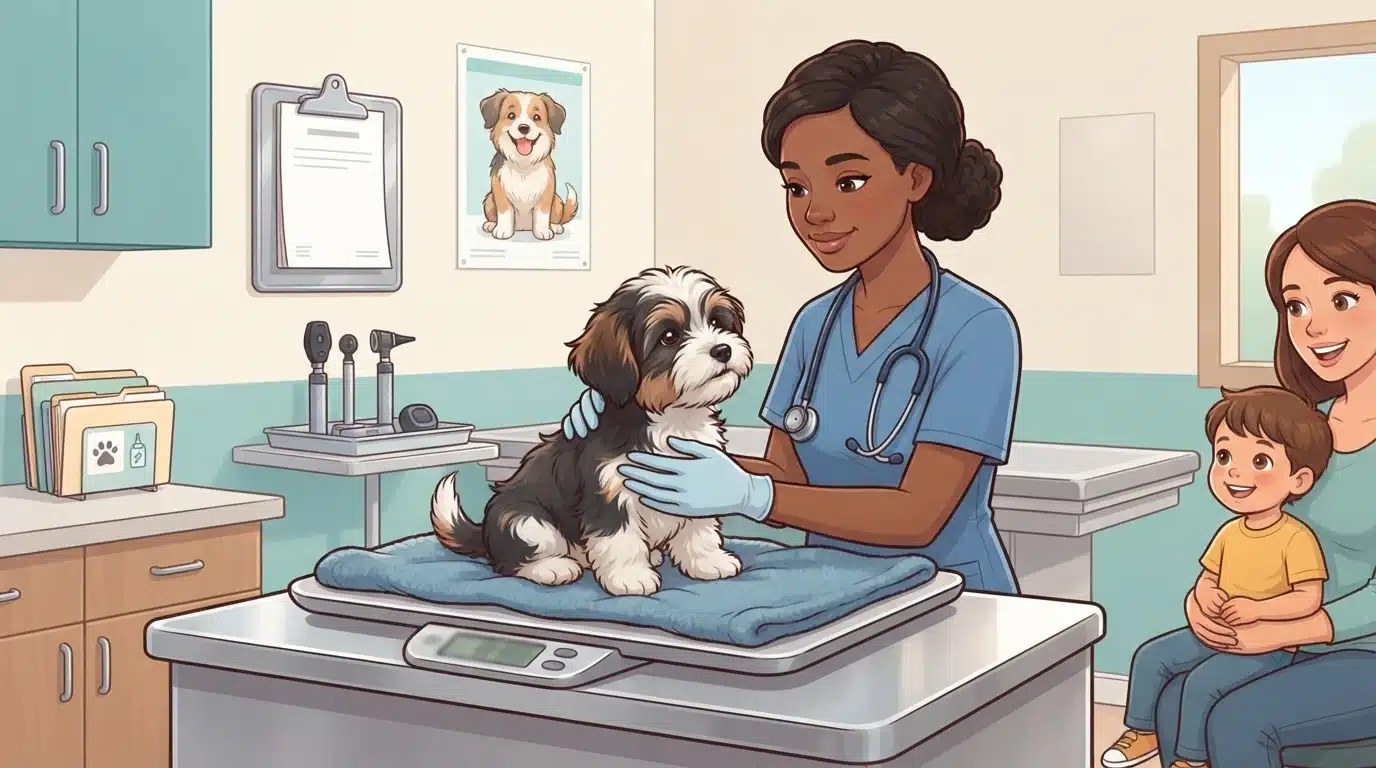
- Veterinary exam notes from a licensed vet, not just a breeder checklist
- Vaccination record showing the first DHPP dose given at 6 to 8 weeks
- Deworming dates and the product used, usually starting at 2 weeks
- Dam and sire health tests for the breed, such as cardiac and patella exams
- Microchip number, if the puppy is chipped before pickup
The Records to Request Before Any Deposit
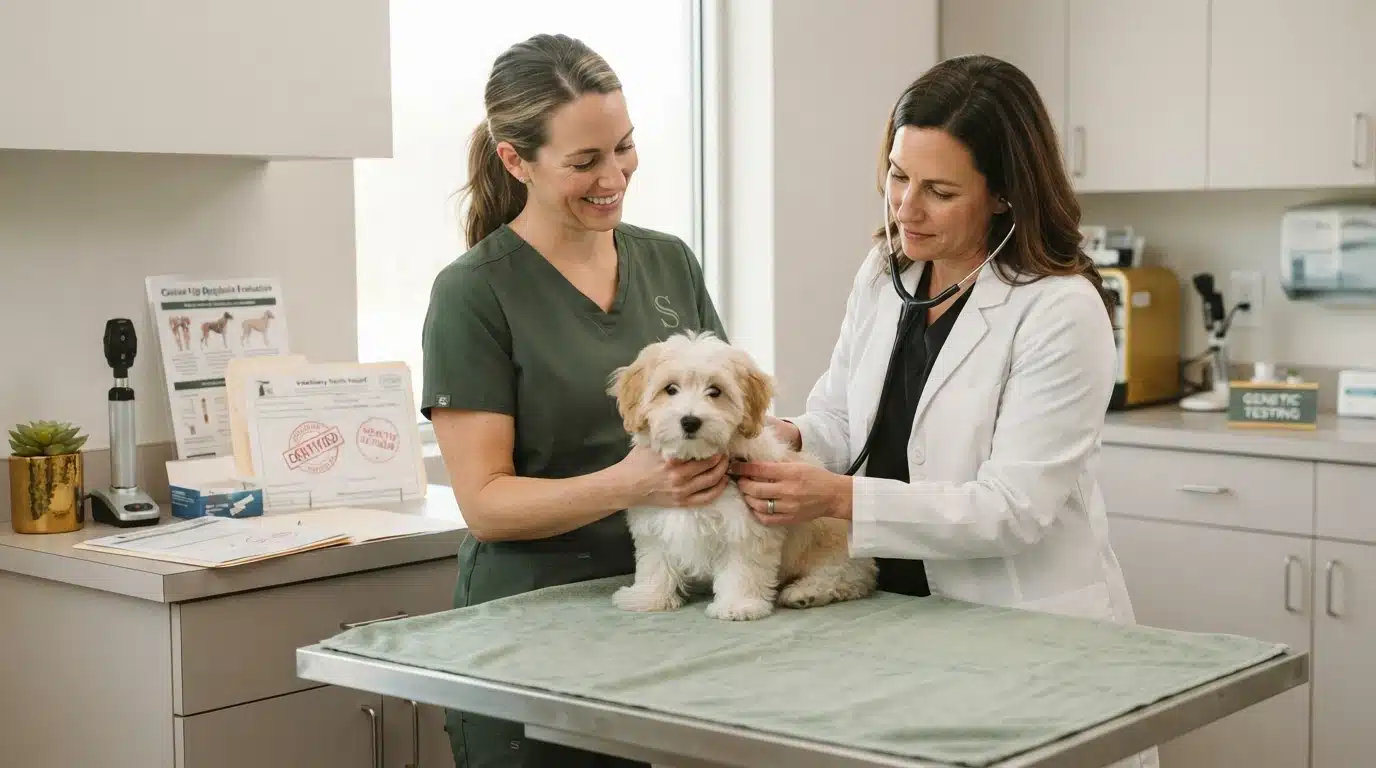
A breeder who keeps real records can produce them the same day. If someone says the papers will come “with the puppy later,” treat that as a red flag and keep your money. You can see how to read a breeder’s health record before you commit, so nothing about the litter stays a mystery.
Timing of the First Veterinary Check
Most breeders have a vet examine the litter between 6 and 8 weeks, which often lines up with the first vaccine dose. Core shots then continue as a series, spaced 2 to 4 weeks apart until at least 16 weeks, per the 2022 AAHA Canine Vaccination Guidelines. Book your own vet visit within the first few days home, and bring the paperwork so your vet can verify what has been given rather than start over.
Small Breed Considerations
Havanese, Havapoos, and Cavapoos are tiny at 8 weeks, often under 5 pounds. Small puppies handle vaccines and handling differently, so your vet may spread doses carefully. Keep the puppy off public grass until the series finishes.
Choosing a Breeder: Questions That Reveal How the Litter Was Raised
The fastest way to judge a breeder is to ask questions no website answer can fake. A good breeder describes daily routines, vet visits and the mother dog’s temperament in detail. A poor one gives vague replies or pushes you toward a fast deposit. Trust the breeder who welcomes specifics and lets you verify everything.
Local Pickup and Nationwide Delivery
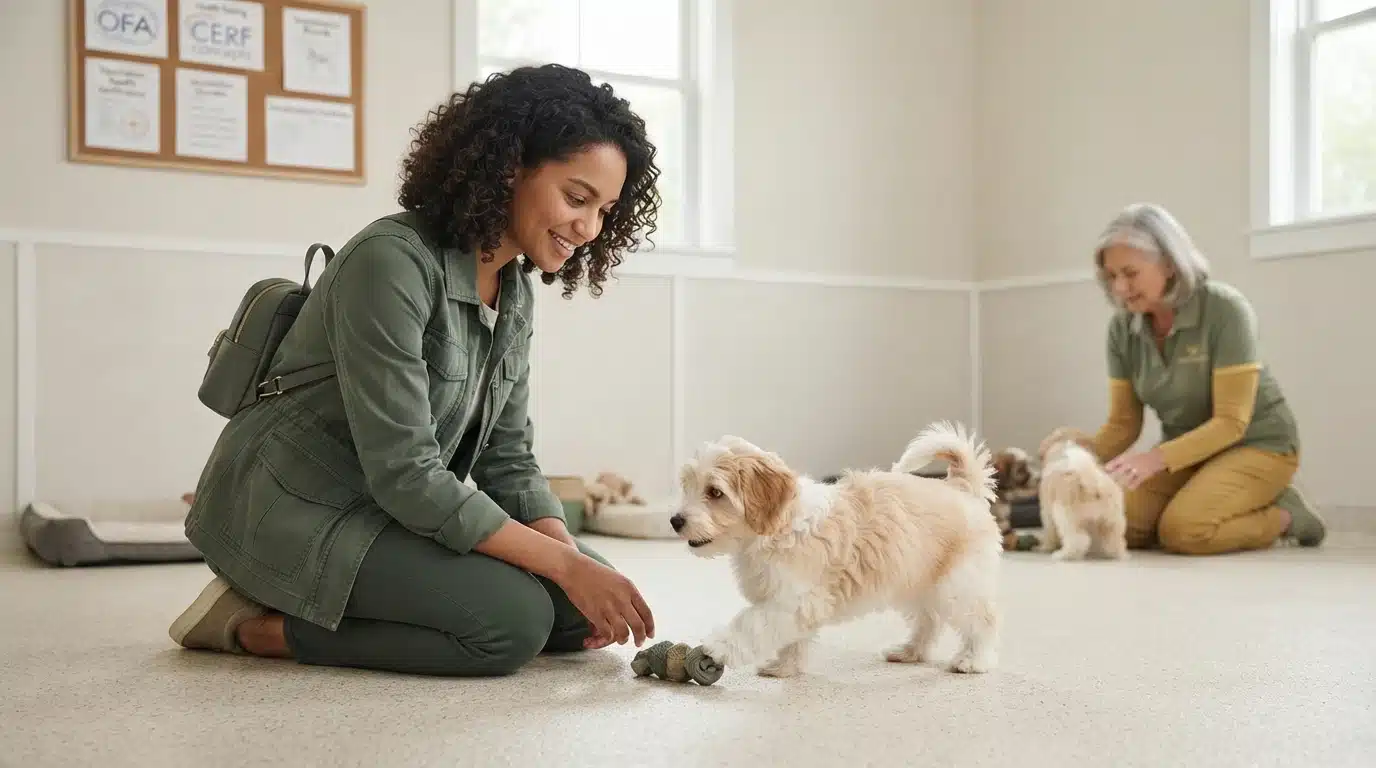
Pickup and delivery tell you a lot about how a program works. Local families in Utah can visit, meet the mother dog and watch the litter move around before deciding. Out-of-state families should ask how the puppy travels, who supervises the trip and what age pickup happens at. Most litters go home around 8 weeks. Sage Puppies offers both Utah pickup and nationwide delivery, and you can see which puppies are available now in Utah.
What a Good Contract Covers
A contract protects both sides, so read it before you pay anything. Look for these basics:
- A written health check date, usually at the 6 to 8 week vet visit
- Vaccine and deworming records you take home
- Clear terms for the deposit and any refund conditions
- A return policy if the match truly fails
When a breeder’s terms are easy to read, that usually reflects the same care you saw in the nursery.
Questions Every Family Should Ask
So, what should you ask before paying a puppy deposit? Put these five questions in a text or email:
- How many litters are raised in your home each year?
- Can I meet the mother dog, in person or on video?
- What does a normal day look like for the litter?
- Who has examined the puppies, and when?
- What exactly does the deposit cover?
A breeder who answers all five, quickly and plainly, is very likely raising puppies the way they claim.
Keep written answers. If a breeder later changes a story about the mother dog, health checks or deposit terms, you will have the original in writing.
Bringing Your Puppy Home From a Family-Raised Litter
The Handover, In Person
Bring a few things to pickup day: a crate or carrier, a collar and leash, bottled water, treats, and a blanket you can rub on the mother and littermates before you leave. Ask for the vaccination record, deworming dates, and the written health check from the 6 to 8 week vet visit. Watch how the puppy settles into your arms. A calm handover, whether you pick up in person or arrange delivery, sets the tone for everything that follows.
The First Week at Home
Go slow. An eight weeks old puppy pickup day is exciting, but your puppy just left everything it knows. Keep the first few days quiet, with short potty trips, soft bedding, and one small space to explore. The AAHA suggests setting up a crate where the puppy can see everyone, with the door open and treats inside, so it becomes a safe spot rather than a trap. Book a vet visit within the first few days, feed the food the breeder used, and expect a few restless nights. Those usually fade within a week.
Carrying On the Lessons from the Litter
Your puppy already learned bite inhibition and gentle play from its mother dog and littermates. Keep those lessons alive with short play sessions, gentle corrections, and puppy classes once shots allow it. Consistency at home builds on the work the litter started.
Common Mistakes to Avoid
Mistakes That Cost More Than Money
The biggest error is skipping breeder verification. A seller who separates puppies from the mother early, refuses a video call from the home, or cannot show vaccination and deworming records is waving a red flag. So is paying by gift card or wire transfer with no written contract. Ask for the 6 to 8 week vet check date and confirm the pickup plan before any deposit.
Mistakes After the Puppy Arrives
Rushing the first week causes most early problems. A Havanese or Cavapoo under 5 pounds needs quiet, short play sessions and a predictable potty spot, not a full house of guests. Another mistake is skipping the vet visit you should book before pickup day, since core shots continue every 2 to 4 weeks until at least 16 weeks.
What to Do If Something Feels Off
Trust the pause instinct. If photos look reused, timelines shift, or the seller pressures you to pay fast, stop and verify. Request a live video walkthrough, check references, and compare the health records against the vet clinic listed. A program like Sage Puppies expects questions, so a seller who resents them is telling you something. Walk away rather than rescue a bad deal.

Ready to meet a puppy who was raised the right way? Sage Puppies matches families with Havanese, Havapoo and Cavapoo puppies kept with their mother through the full 8 weeks, with records ready to share. Start your application at Sage Puppies and ask about the litter’s timeline before you reserve.
Frequently Asked Questions
Q1: Will my family-raised puppy still be with its mother?
Yes. Responsible programs keep puppies with their mother until at least eight weeks, when weaning finishes and she has taught bite inhibition. Ask for video or a visit to confirm she is present.
Q2: Can a puppy legally leave its mother before eight weeks?
In some states, no. Several set eight weeks as the legal minimum sale age, so an earlier offer is a red flag.
Q3: What should I ask before paying a puppy deposit?
- How many litters are raised in your home yearly?
- Can I meet the mother dog?
- What does a normal litter day look like?
- Who examined the puppies, and when?
- What does the deposit cover?
Q4: Should I meet the mother dog before reserving?
Yes, in person or by live video from the home. A calm, friendly mother is the best proof of how the litter was raised.
Q5: What health records should come with my puppy?
A licensed vet exam, first DHPP vaccine, deworming dates, dam and sire health tests, and the microchip number, all dated and shared before pickup.
Q6: Is delivery safe for a puppy raised at home?
It can be, if you ask who supervises the trip, how the puppy travels, and pickup age. Local Utah pickup lets you visit first, which is even better.
Q7: Can I visit the litter in its living space?
A genuine family-raised program says yes. Refusing, or offering a parking lot meeting, means the puppies may not live where claimed.
Conclusion
Family-raised puppies with mothers get a start no kennel can copy: eight weeks of nursing, correction and bite inhibition lessons from the mother dog and littermates. Verify the claim, don’t take it on faith. Meet the mother in person or on video, ask for family raised puppy health records before any deposit, and confirm the litter stays together until at least eight weeks old puppy pickup. Read the contract, keep written answers, and walk away from pressure or missing paperwork. Breeders who raise Cavapoo, Havapoo and Havanese litters at home welcome every one of those questions, because they have nothing to hide. The effort takes an afternoon. It buys you a calmer puppy and years of fewer problems.