
Training Foundations
Puppy training foundations begin long before a puppy understands formal commands. At Sage Puppies in South Jordan, Utah, our early work is focused on gentle routines, calm handling, confidence-building, and age-appropriate exposure that helps Havanese, Havapoo, and Cavapoo puppies feel more prepared for family life.
This does not mean a young puppy goes home fully trained. Go-home day is the beginning of your training relationship, not the finish line. The goal of early foundations is to help each puppy experience people, sounds, routines, rest, touch, and simple transitions in a positive way before joining their new family.
Whether your puppy is picked up locally in Utah or delivered to your family in another state, these early experiences can make the transition feel calmer and more predictable for everyone.
Looking for a Puppy Raised With Thoughtful Early Foundations?
Sage Puppies raises Havanese, Havapoo, and Cavapoo puppies with a calm, family-focused approach. You can view current puppies, learn how our process works, or apply to join the waitlist.
What “Training Foundations” Means for a Young Puppy
A young puppy is not ready for long lessons, strict expectations, or formal obedience work. Their brain and body are still developing. Early training foundations should be short, gentle, and built around positive experiences.
At this stage, training is less about commands and more about helping a puppy learn that the world is safe, people are kind, routines are predictable, and rest is part of daily life.
Early foundations may include:
- Gentle human handling
- Short periods of separation from littermates
- Exposure to normal household sounds
- Positive introductions to rest areas or crate-like spaces
- Beginning a predictable potty rhythm
- Learning to recover after small changes or new experiences
- Encouraging calm interaction with people
These are not one-time lessons. They are repeated, low-pressure experiences that help build confidence over time.
What We Start Before Go-Home Day
Before a Sage Puppies puppy goes home, our goal is to provide a thoughtful early environment that supports confidence, connection, and adaptability. Puppies are still babies, but the right early experiences can help make the first days with their new family smoother.
1. Gentle Handling
Puppies benefit from calm, kind handling from the beginning. Gentle touch helps them become more comfortable being picked up, held, checked, groomed, and cared for.
This matters because everyday family life includes a lot of normal handling. Puppies need to be touched for brushing, nail care, collar adjustments, harness practice, vet visits, and general care. Early handling foundations can help those experiences feel less surprising later.
2. Calm Human Interaction
We want puppies to associate people with safety and comfort. Early interaction should not feel loud, chaotic, or overwhelming. It should help a puppy learn that human attention can be warm, steady, and predictable.
This is especially important for small companion breeds like Havanese, Havapoo, and Cavapoo puppies, who are often chosen for close family companionship.
3. Household Sound Exposure
Puppies do not need to be flooded with noise, but they do benefit from gradual exposure to normal home sounds. The goal is not to startle them. The goal is to help them experience everyday life in a safe, measured way.
Examples may include normal voices, movement around the home, soft clatter, doors opening, household routines, and other age-appropriate sounds. These small experiences can help a puppy become more adaptable when they move into a new home.
4. Routine and Predictability
Puppies do best when their world has rhythm. Feeding, rest, interaction, potty opportunities, and sleep all become easier when the day has a basic structure.
Before go-home day, we begin supporting the idea that life has patterns. This helps families continue with a predictable routine once the puppy arrives.
Crate and Rest Foundations
Crate training should be gentle. Before go-home day, the goal is not to create a puppy who can spend long stretches alone. The goal is to introduce the concept of rest, boundaries, and short separations in a way that feels safe.
Young puppies need a lot of sleep. A puppy who is overtired may become mouthy, restless, noisy, or harder to settle. Rest foundations help puppies learn that calm time is normal.
What this may look like before go-home:
- Short, positive experiences in a cozy rest area
- Encouraging calm after play or interaction
- Helping puppies experience brief moments away from the group
- Keeping rest areas comfortable and predictable
- Avoiding pressure, punishment, or long forced isolation
Once your puppy comes home, continue slowly. A crate should feel like a safe resting place, not a place of punishment. For a more detailed next step, read our guide on crate training a new puppy during the first week.
Potty Routine Foundations
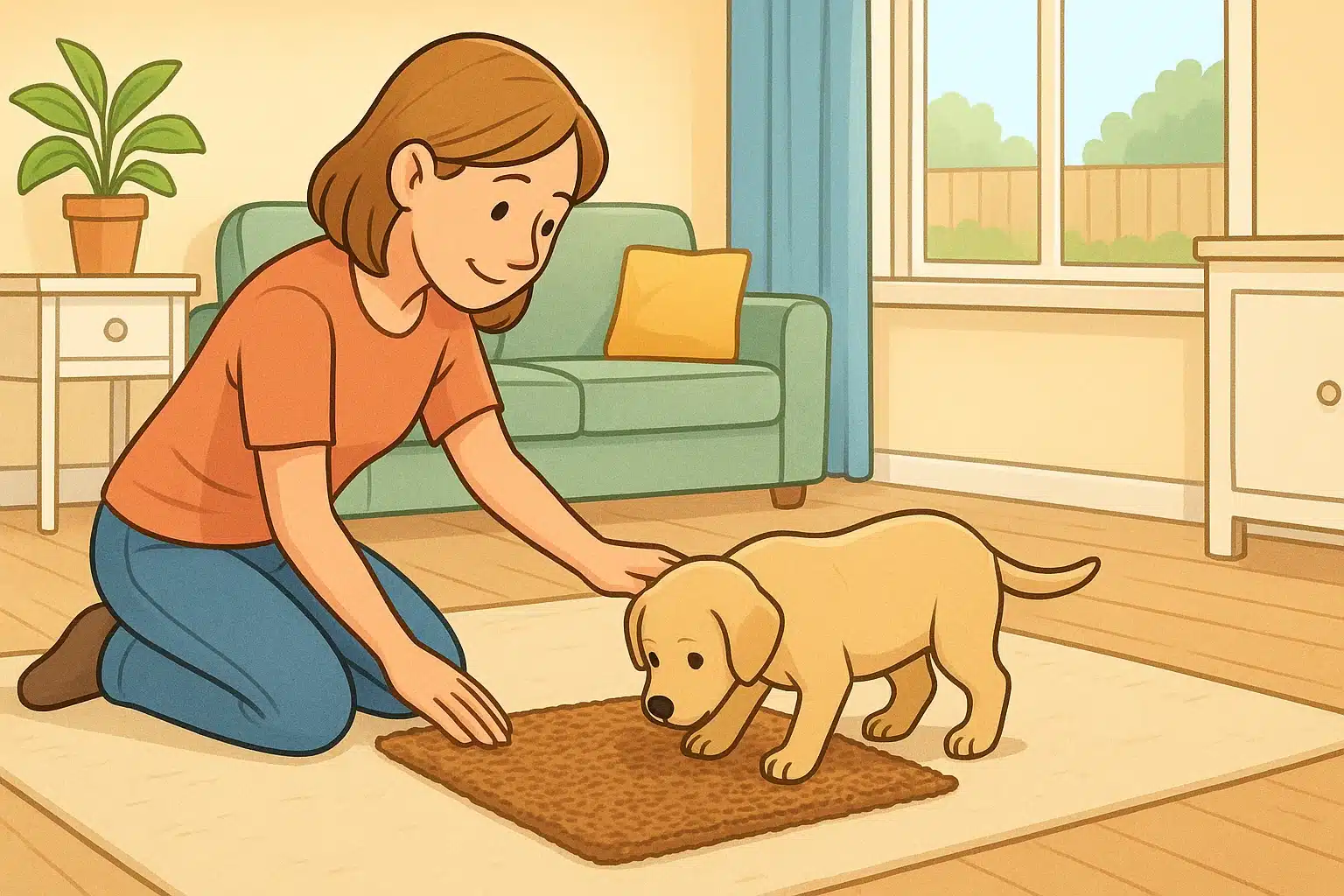
Potty training is one of the biggest concerns for new puppy families. Before go-home day, young puppies are not expected to be fully potty trained, but they can begin learning the rhythm of eating, sleeping, waking, playing, and having regular potty opportunities.
The most important thing for families to understand is that potty training requires consistency after the puppy comes home. A young puppy has a small bladder, limited control, and very little understanding of a new home’s layout.
Early potty foundations support:
- More predictable routines
- Earlier recognition of potty timing
- Cleaner transitions into a new home
- Better family expectations
- Less stress during the first month
When your puppy comes home, plan to take them out after waking, after eating, after play, before bedtime, and anytime they seem restless or distracted. For a deeper plan, see our guide on potty training your puppy during the first 30 days.
Handling, Grooming, and Vet Prep Foundations
Havanese, Havapoo, and Cavapoo puppies usually need regular coat care as they grow. That makes early handling especially important. A puppy who is gently introduced to touch is often better prepared for brushing, grooming appointments, nail care, and vet visits.
Handling foundations should be calm and brief. Puppies should not be pinned, forced, or overwhelmed. The goal is to create a positive association with being touched and cared for.
Helpful handling areas include:
- Touching the paws gently
- Looking at the ears briefly
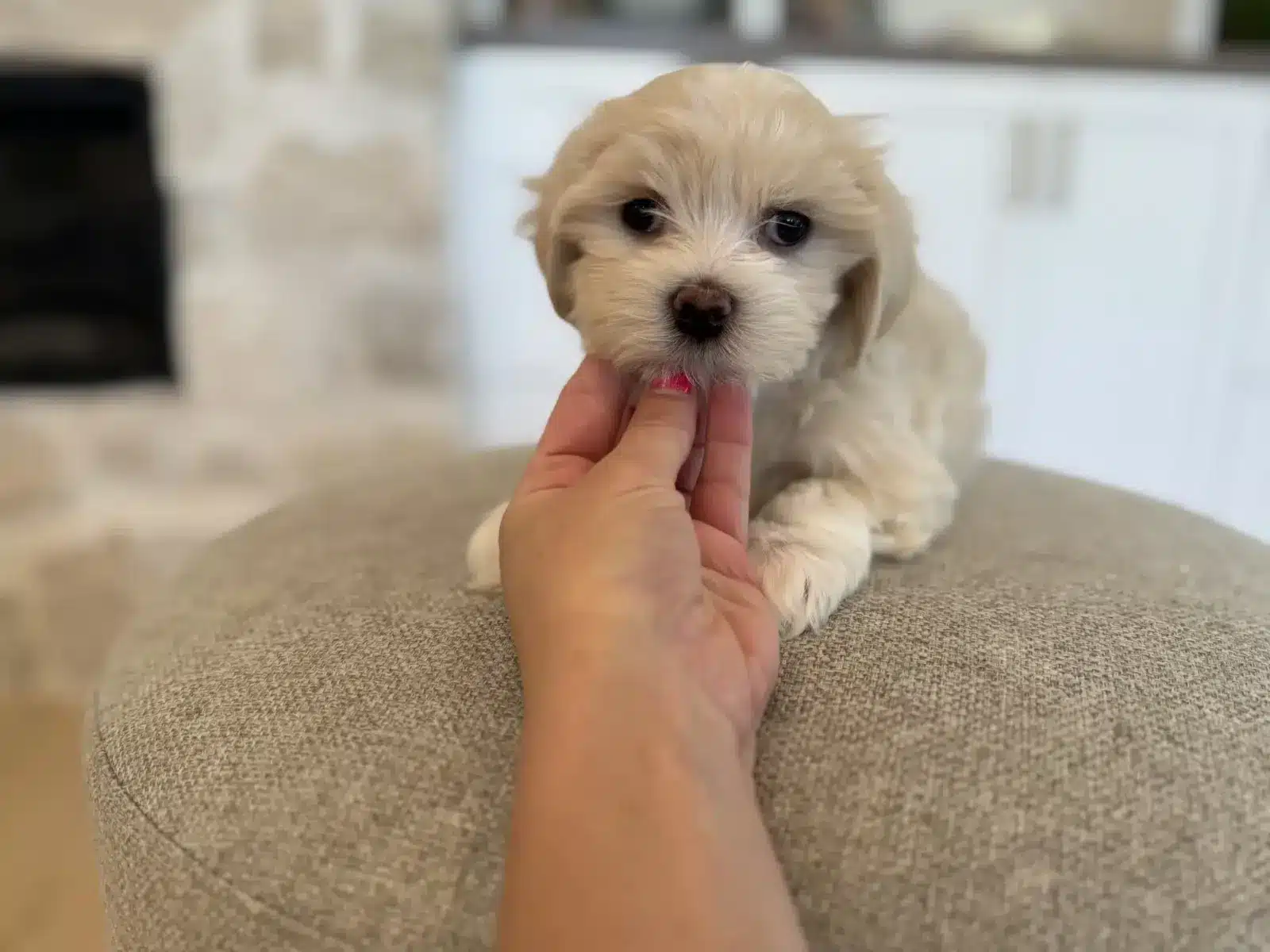
- Lightly touching the face and chin
- Brushing or coat-touch introductions when age-appropriate
- Being picked up and supported calmly
- Short, positive handling sessions followed by rest
New families should continue this work slowly at home. Keep sessions short, reward calm behavior, and stop before your puppy becomes frustrated. You can continue with our related guide on handling, grooming, and vet prep.
Preparing for a Sage Puppies Puppy?
A calm first week begins before your puppy arrives. Review our process, pricing, and next steps so your family knows what to expect.
How Families Should Continue Training at Home
The first days at home matter. Your puppy is adjusting to a new family, new smells, new sounds, new routines, and possibly a travel day. Even a confident puppy needs time to settle.
Your job is not to teach everything at once. Your job is to create safety, structure, and consistency.
During the first 48 hours:
- Keep the environment calm and simple
- Limit visitors and overstimulation
- Show your puppy where to sleep, potty, eat, and rest
- Use a consistent potty routine from the first day
- Offer comfort without creating chaos
- Allow plenty of sleep
During the first week:
- Begin short crate or rest-area practice
- Practice name recognition with a happy voice
- Reward calm attention
- Redirect mouthing gently
- Start simple handling practice
- Keep training sessions very short
During the first month:
- Build a reliable potty rhythm
- Continue safe exposure
- Practice settling near family activity
- Introduce leash and harness foundations slowly
- Schedule grooming and vet handling practice
- Stay consistent with expectations
If your puppy is delivered to you, plan for a quiet first evening. Travel is a major experience for a young puppy. Offer water, a potty opportunity, a calm space, and time to decompress before adding too much activity.
What Training Foundations Do Not Mean
Early training foundations are helpful, but they should not be confused with finished training. A young puppy still needs patient guidance from their new family.
Training foundations do not mean:
- Your puppy will never have accidents
- Your puppy will sleep through every night immediately
- Your puppy will understand every household rule
- Your puppy will be ready for crowded public places right away
- Your puppy will never mouth, chew, bark, or test boundaries
Normal puppy behavior is still normal. The benefit of early foundations is that your puppy has already begun experiencing structure, touch, rest, people, and gentle transitions before coming home.
Training Foundations for Havanese, Havapoo, and Cavapoo Puppies
Sage Puppies focuses on Havanese, Havapoo, and Cavapoo puppies. These breeds are often chosen by families who want affectionate, people-oriented companion dogs. While every puppy has an individual temperament, early foundations can support the traits families usually value most: connection, confidence, adaptability, and calm companionship.
Havanese puppies
Havanese puppies are known for their affectionate, companion-focused nature. Early handling, grooming prep, and social confidence are especially useful because their coats require ongoing care.
Havapoo puppies
Havapoo puppies often combine the companion qualities families love with a bright, engaging personality. Early routine, settling practice, and calm attention work can help them transition well into family homes.
Cavapoo puppies
Cavapoo puppies are often people-oriented and affectionate. Gentle exposure, rest routines, and confidence-building can support a smoother transition into daily family life.
A Simple First-Week Home Plan
Once your puppy comes home, keep your first-week plan simple. A calm, repeatable routine is more valuable than trying to teach too much too quickly.
Morning
- Potty break right away
- Breakfast
- Another potty opportunity
- Short play or connection time
- Rest period
Afternoon
- Potty after waking
- Short exposure or handling practice
- Calm play
- Meal if your puppy is still on a multiple-meal schedule
- Rest period
Evening
- Potty after dinner
- Quiet family time
- Short crate or rest-area practice
- Final potty break before bed
- Calm bedtime routine
Your puppy does not need a perfect first week. They need consistency, kindness, and a family willing to guide them patiently.
Puppy Training Foundations FAQs
Are Sage Puppies puppies fully trained before go-home day?
No. Young puppies are not fully trained before go-home day. Early training foundations are age-appropriate introductions to routines, handling, rest, confidence-building, and gentle exposure. Families should expect to continue potty training, crate training, socialization, and basic manners at home.
What training foundations can begin before a puppy goes home?
Early foundations may include gentle handling, calm human interaction, household sound exposure, rest-area introductions, early potty rhythm, confidence-building, and short positive experiences with new sights, sounds, and surfaces.
Should I start training my puppy right away?
Yes, but keep it simple. Start with routines, potty timing, name recognition, rest, and calm handling. Avoid long lessons or high expectations during the first few days. Your puppy needs time to adjust to their new home.
What is the most important training focus during the first week?
The most important first-week focus is consistency. Help your puppy learn where to potty, where to sleep, when to rest, and how your household routine works. Calm structure is more helpful than trying to teach too many commands at once.
How should I continue socialization after my puppy comes home?
Continue socialization through safe, thoughtful exposure. Keep experiences short and positive. Avoid overwhelming your puppy with crowded places, too many visitors, or unsafe dog areas before your veterinarian advises that it is appropriate.
What should I do if my puppy is delivered to me?
Keep the first evening quiet and simple. Offer a potty break, water, a calm place to rest, and gentle reassurance. Travel can be tiring for a young puppy, so avoid too many visitors or activities right away.
Ready to Take the Next Step?
If you are looking for a thoughtfully raised Havanese, Havapoo, or Cavapoo puppy, start by viewing available puppies or submitting an application. We will help you understand availability, timing, delivery or pickup options, and next steps.
Socialization and Confidence-Building
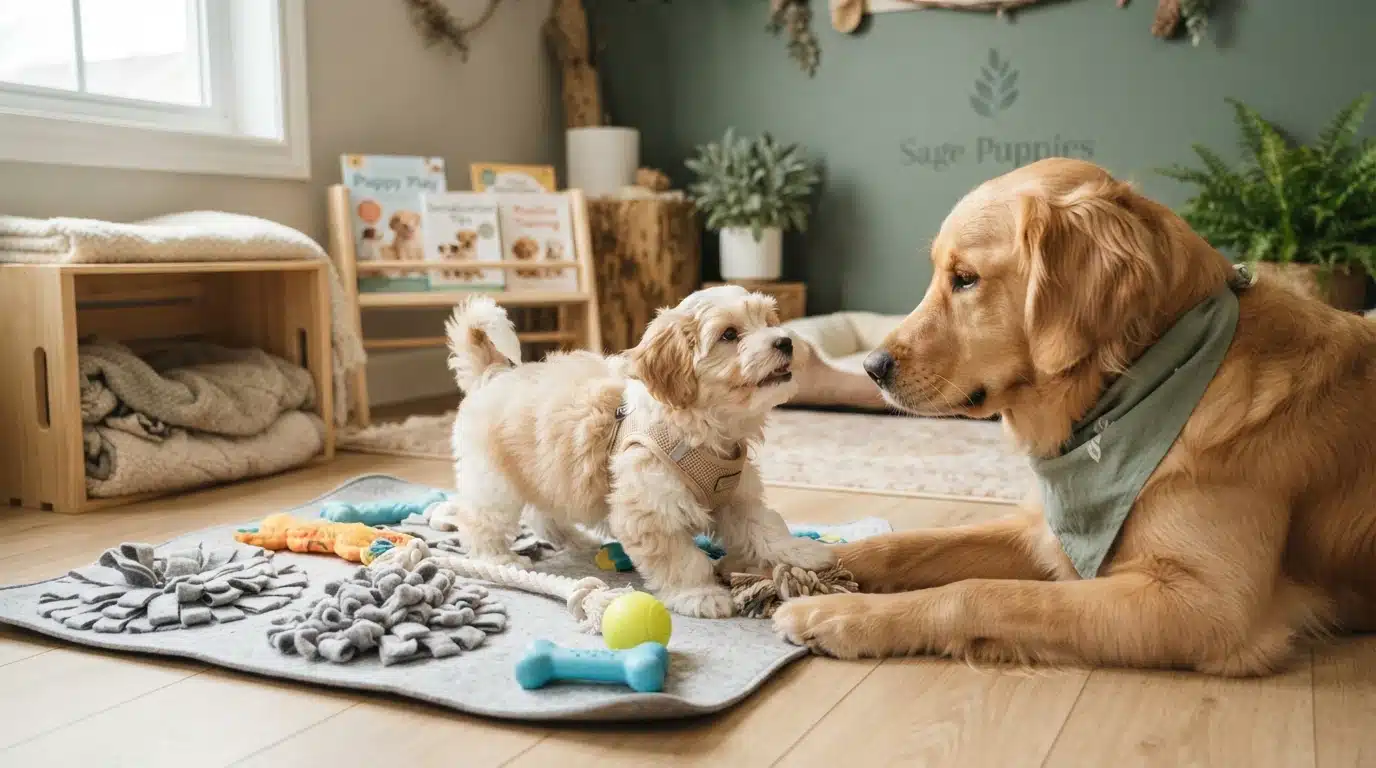
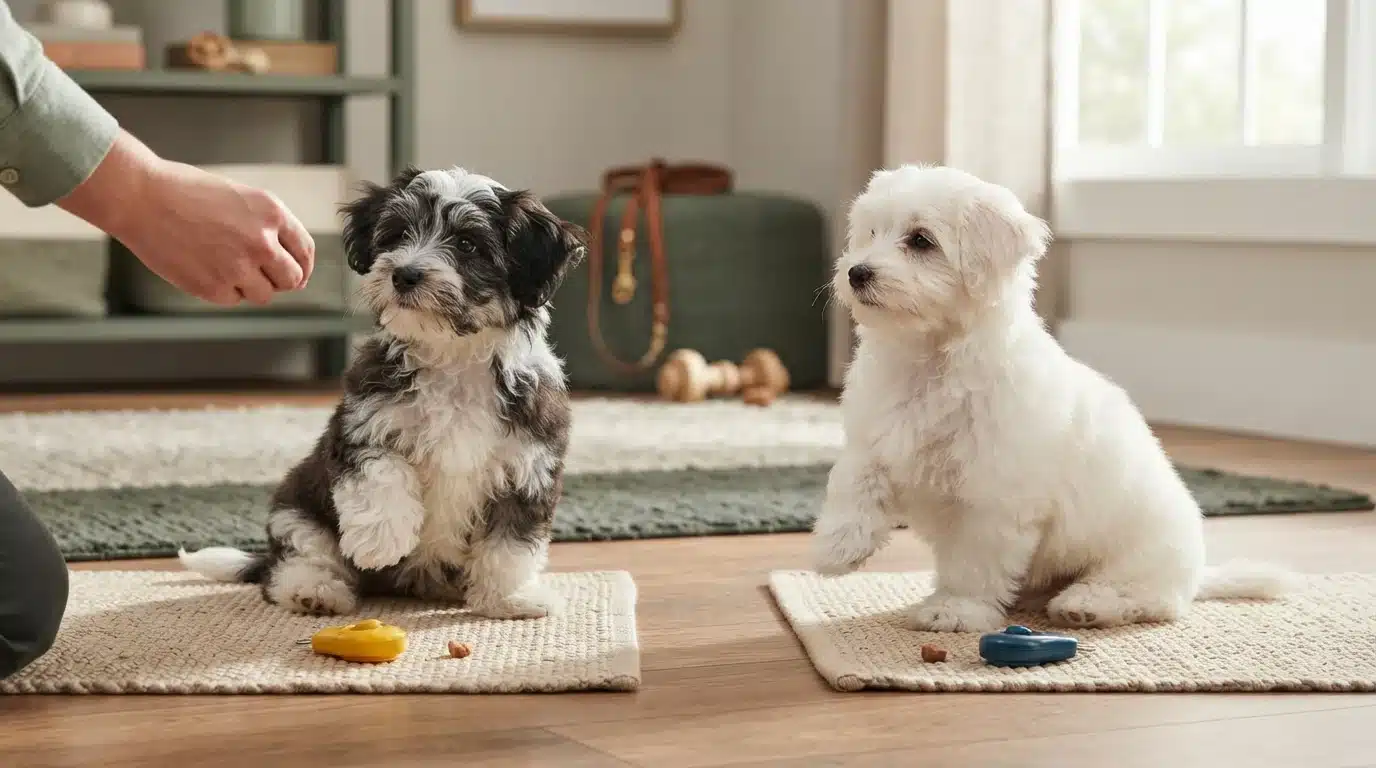
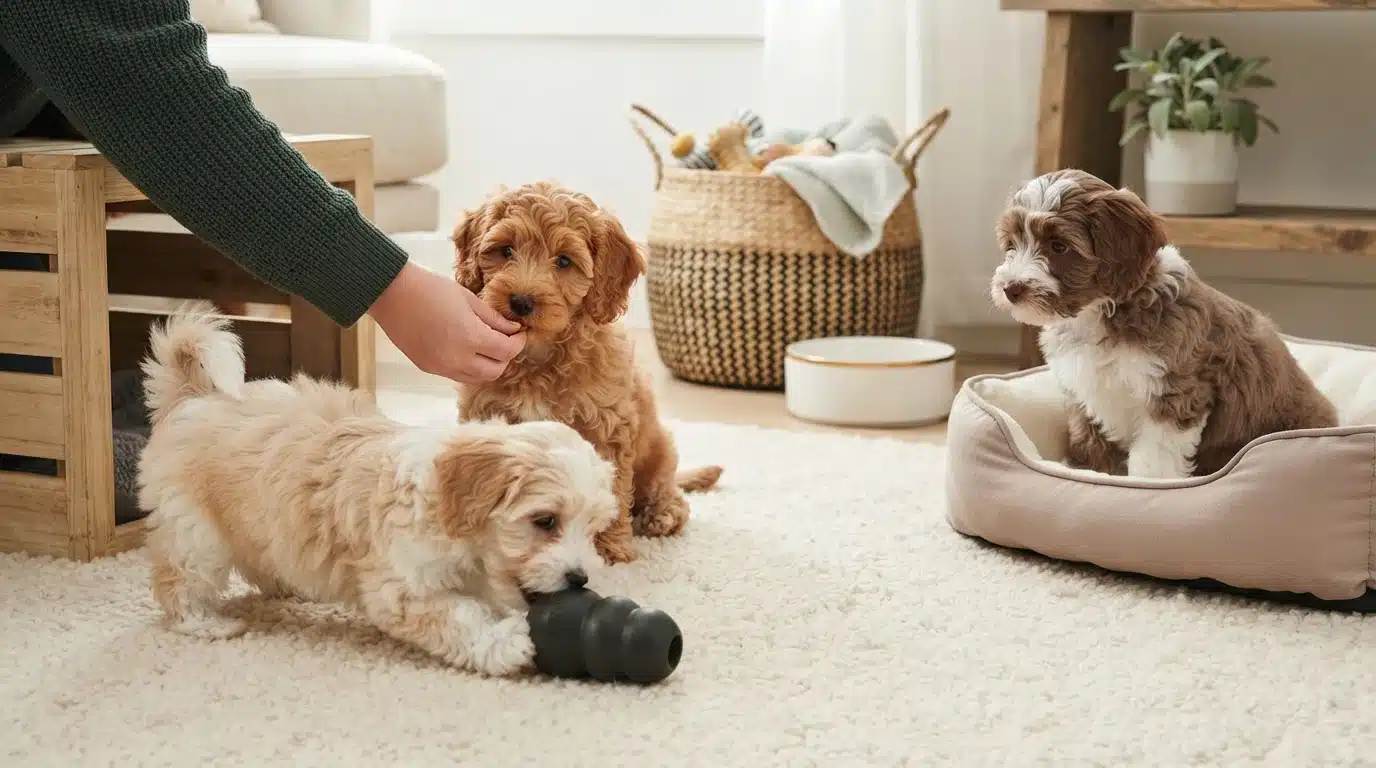
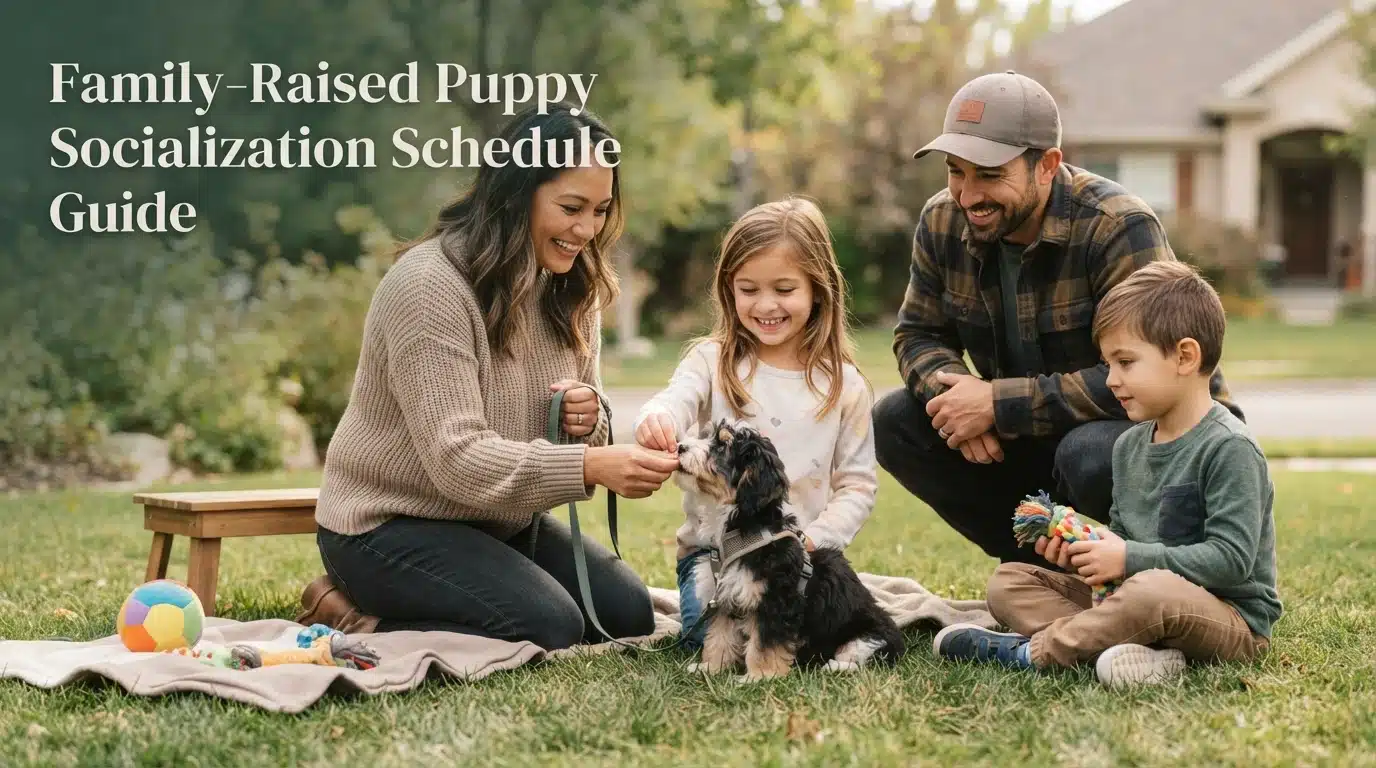
Puppy socialization is often misunderstood. It does not mean taking a young puppy everywhere or letting everyone handle them. Safe socialization is about thoughtful, age-appropriate exposure that helps a puppy build confidence without being overwhelmed.
Before go-home day, puppies can begin learning that new things are manageable. That may include new surfaces, soft sounds, gentle touch, different safe areas, and calm human interaction.
Good early exposure should feel:
Overwhelming a puppy can create stress instead of confidence. The best early socialization is thoughtful and measured. Learn more in our guide on puppy socialization vs. exposure.