Quick Summary: Utah buyers have no state puppy lemon law, so choosing a trusted seller depends on checking the breeder, seeing the litter and mother, calling past buyers, reviewing health records and parent testing, and reading the contract before paying. Walk away from pressure tactics, reused photos, missing paperwork, or requests for wire transfers, gift cards, and payment apps, since an unusually low price often signals skipped care or a scam. Sage Puppies in South Jordan uses in-home litters, written contracts, traceable payments, and prices of $3,500 to $4,500 for Havanese, Havapoo, and Cavapoo puppies.
Search for puppies for sale in Utah and you can gather dozens of listings in one afternoon. Very few will tell you where the puppy was actually raised, who examined it, and what happens in writing if something goes wrong. That gap is the real challenge. Utah has no state puppy lemon law, so your protection depends almost entirely on the seller you pick. This guide walks through the main puppy sources Utah families encounter, from home breeders to online brokers, and gives you a simple way to verify a Utah puppy breeder before money changes hands. You will learn what health records, genetic testing, and contracts should look like, plus the scam red flags worth catching early. The advice draws on primary legal sources and on our own experience placing Havanese, Havapoo, and Cavapoo puppies with families here in South Jordan and across the country.
Where Puppies Come From: The Main Sources in Utah
Utah families usually meet their next puppy through one of three channels: a breeder, a shelter or rescue, or a store or online marketplace. Each source works differently, and each calls for a different kind of check.
Professional breeders running litters in Utah
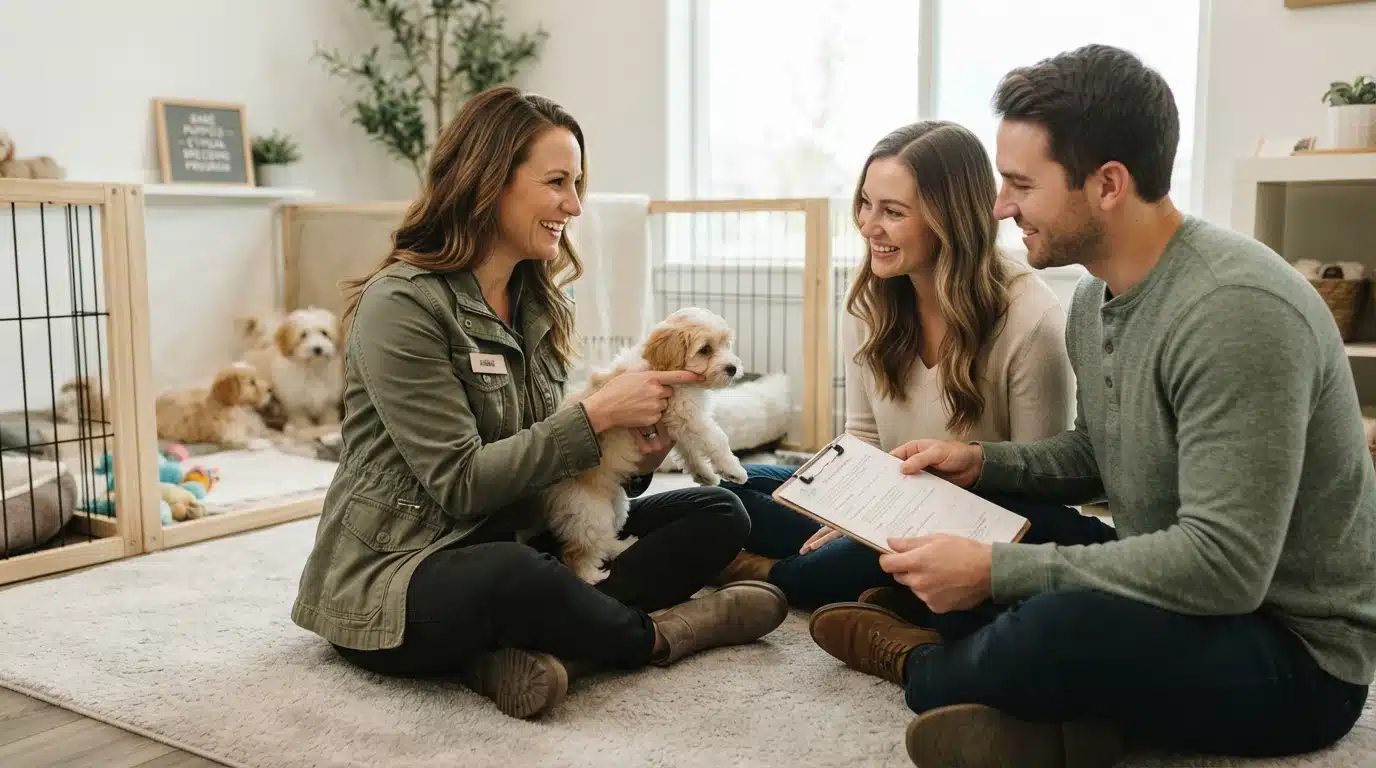
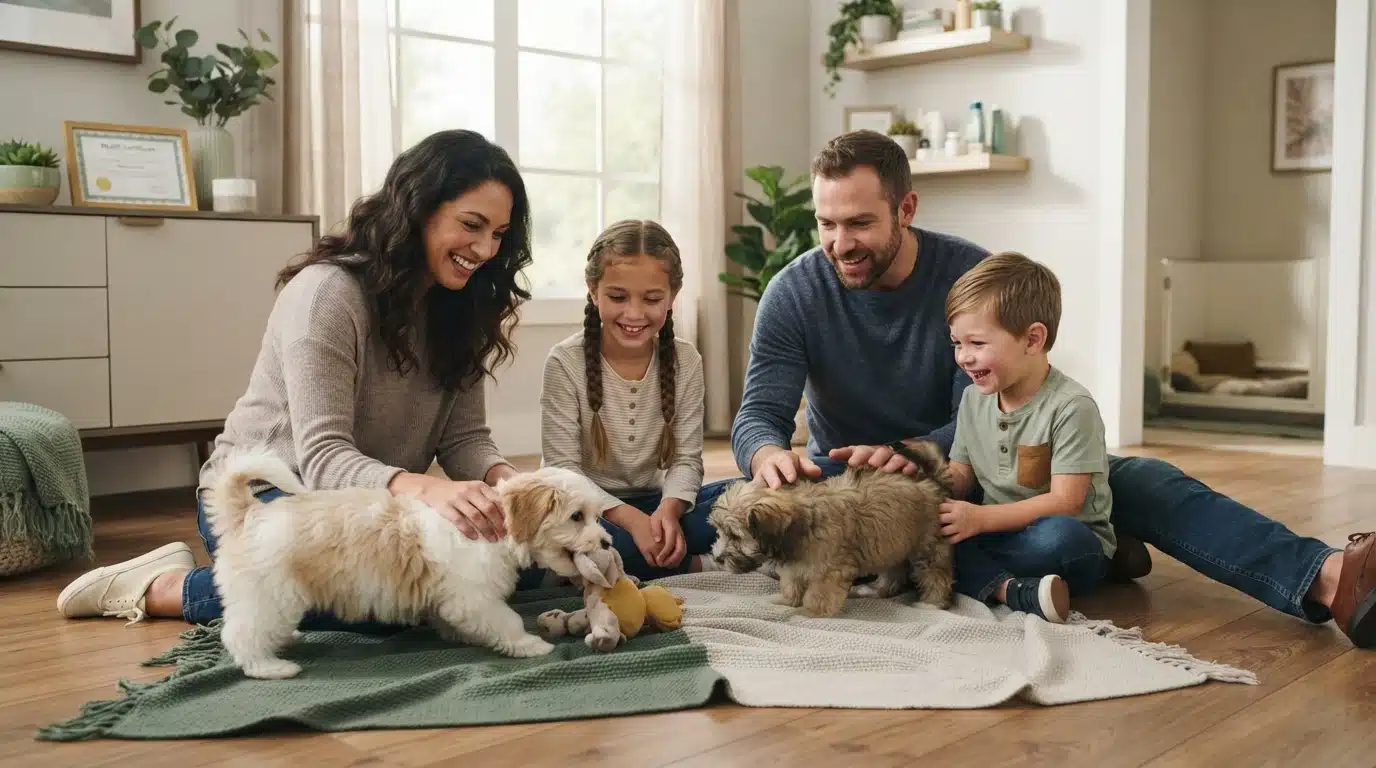
A responsible breeder raises the litter in her own home, keeps the mother, and sells puppies directly to families. You can visit, meet the dam, and ask how the puppies were socialized. Many Utah programs specialize in one or two breeds, like Havanese, Havapoo, or Cavapoo, and run small litters with careful records. Sage Puppies in South Jordan works this way, matching puppies to families through an application instead of a checkout page. If you are researching Havanese in the state, our Havanese breeder guide for Utah lists what to verify.
Shelters and breed-specific rescues
Adoption costs far less, often a few hundred dollars, and gives a dog a second home. The trade-off is uncertainty. Shelter puppies are usually mixes with unknown parents, and health histories may be thin. Breed-specific rescues occasionally place Havanese or doodle mixes, but waitlists run long. If you need a predictable adult size, low-shedding coat, or a certain temperament, rescue rarely offers that. If you are flexible, though, shelters along the Wasatch Front place puppies weekly.
Pet stores, brokers, and online marketplaces
Pet stores and brokers buy puppies from third parties and resell them, so the seller may never have met the breeder. Online marketplaces mix real breeders with resellers and outright scammers, which is why the AKC urges buyers to verify the breeder directly and see the puppy in person or on video. Some states now require stores to source from regulated breeders; check your state’s rules before you buy.
Whichever source you choose, the checks matter more than the channel. Ask who bred the puppy, where that litter was born, and who kept the mother.
How to Find a Trusted Puppy Seller in Utah: A Verification Checklist
Trust comes down to verification. A good seller welcomes every check below; a scammer or a careless breeder avoids them. Work through these steps in order:
- Confirm the seller has a real address, phone number, and business footprint you can verify.
- Meet the puppies in person or watch a live video of them at home.
- Call the breeder’s references and past buyers.
- Review health records, parent DNA testing, and the puppy’s vet exam.
- Read the purchase contract before paying anything.
Do this first because Utah gives you little backup if a purchase goes wrong. Utah is one of the states with no puppy lemon law, so your rights come from the contract you sign, not from a state statute. Michigan State’s Animal Legal and Historical Center table lists the states that do have pet purchaser protection acts, and Utah is not among them. That makes seller screening the protection you actually have.
Confirm the seller is a real, locatable business
Start with the basics. A trustworthy breeder has a fixed location in Utah, a phone number that gets answered, and a name you can search. Run the kennel name through the state and check whether the seller shows up in local listings. Ask how long they have bred Havanese, Havapoo, or Cavapoo litters. Sellers who resist these questions are the first puppy scam red flag to watch for.
Observe the puppies and the environment in person or live on video
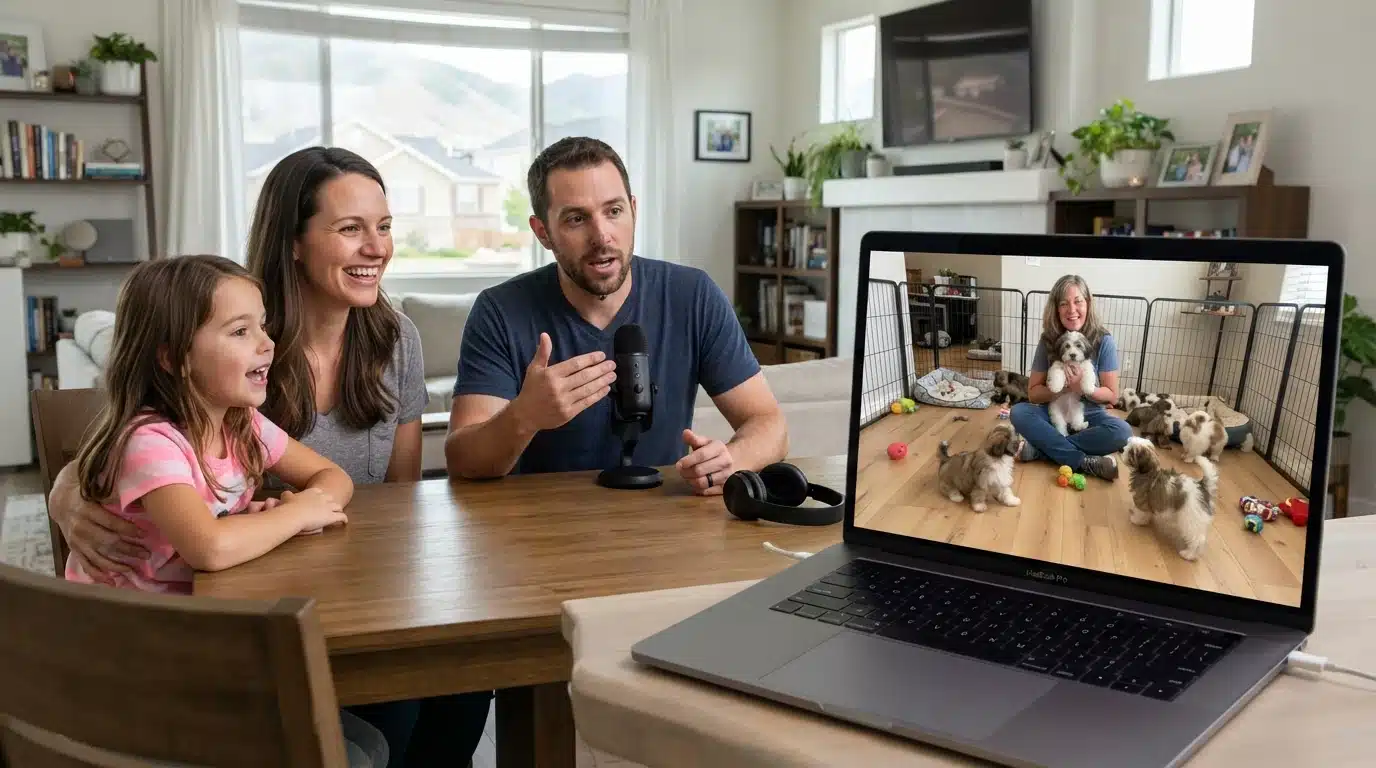
Photos alone prove nothing. Visit the home, or ask for a live video tour with no cuts if you live out of state. Watch how the puppies move, breathe, and interact with people. Look for clean bedding, clear eyes, and a mother who is present and friendly. Puppies raised inside a lived-in home adjust to family life faster than kennel-raised litters, which matters more than any photo gallery.
Talk to prior buyers and the breeder’s own references
A confident breeder hands you names without hesitation. Ask for two or three families who bought puppies in the last year, then call them. Ask what surprised them, whether health records matched what was promised, and how the breeder handled problems. Responses on reviews of puppy sources in Utah help, but direct calls tell you far more than star ratings ever will.
Evaluating Health Records, Testing, and Veterinary Care
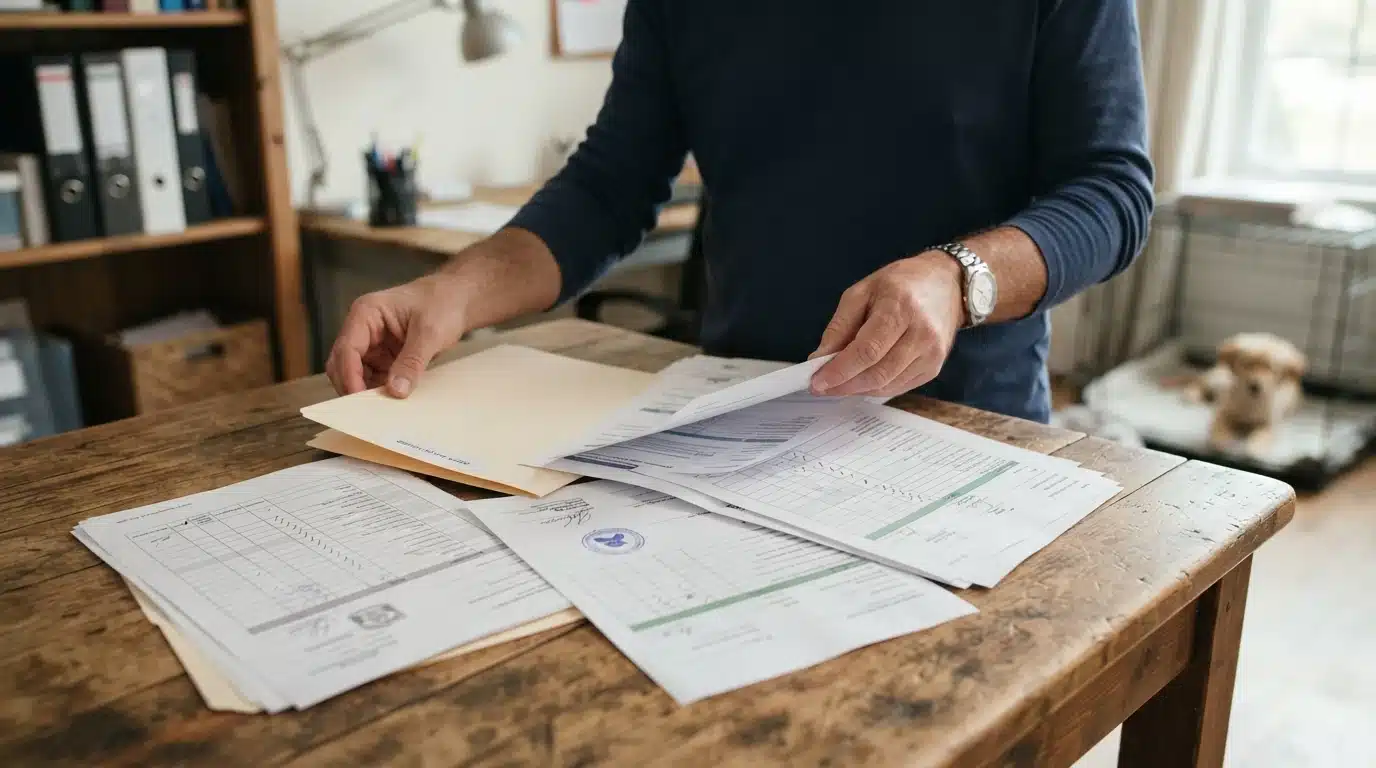
Solid breeders hand over paperwork before they ask for money. The records below tell you whether a puppy was actually examined, vaccinated, and bred from tested parents.
The records to request before any deposit
Ask for these in writing before you pay anything:
- Vaccination and deworming records with dates, products used, and the clinic’s name
- A signed veterinary exam note for the puppy, not just a verbal “vet checked”
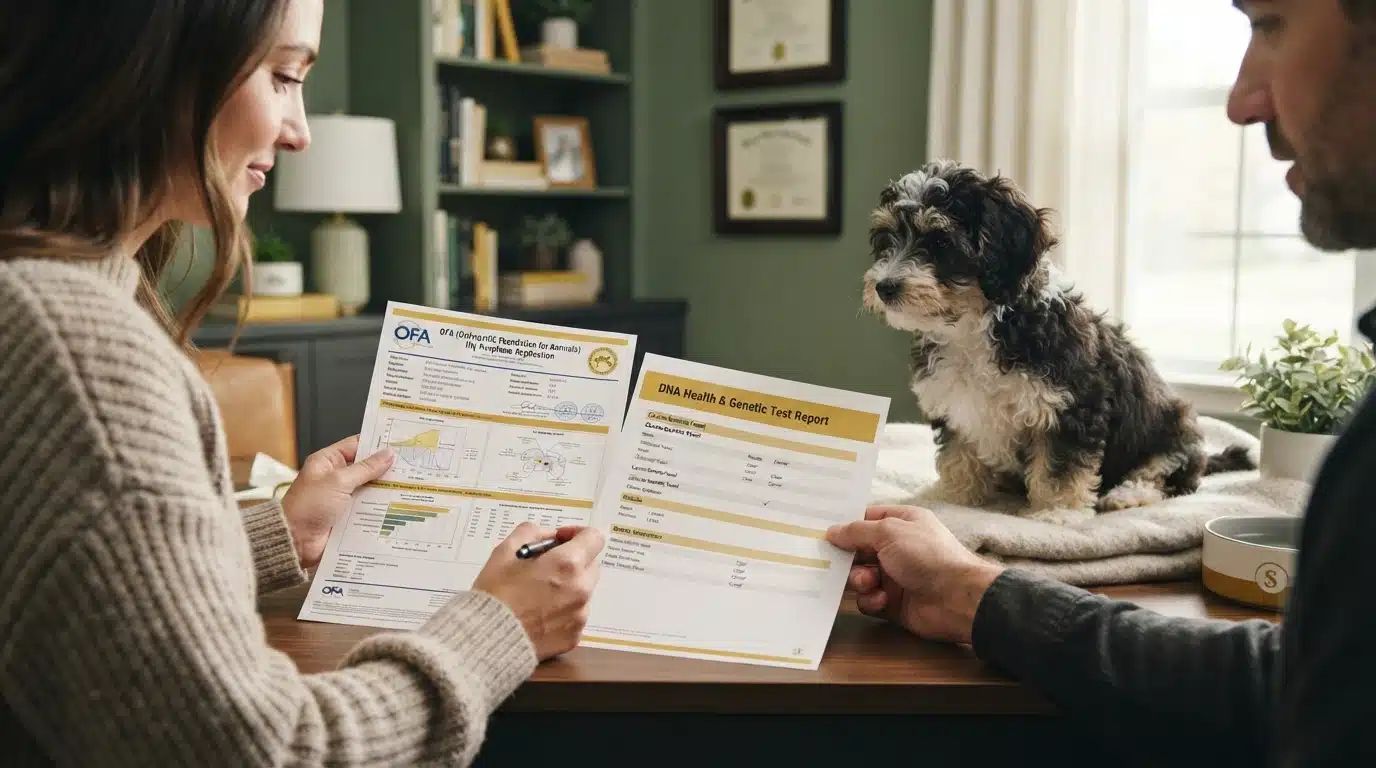
- Parent health test proof, such as OFA certificates or genetic panel results
- Any microchip paperwork or registration details
If a seller stalls, offers screenshots without clinic details, or refuses written copies, treat that as a red flag. Utah has no state-mandated pet purchaser protection law, so your paper trail is your main recourse. Our guide to what records matter walks through each document in detail.
Reading parent testing and pedigree information
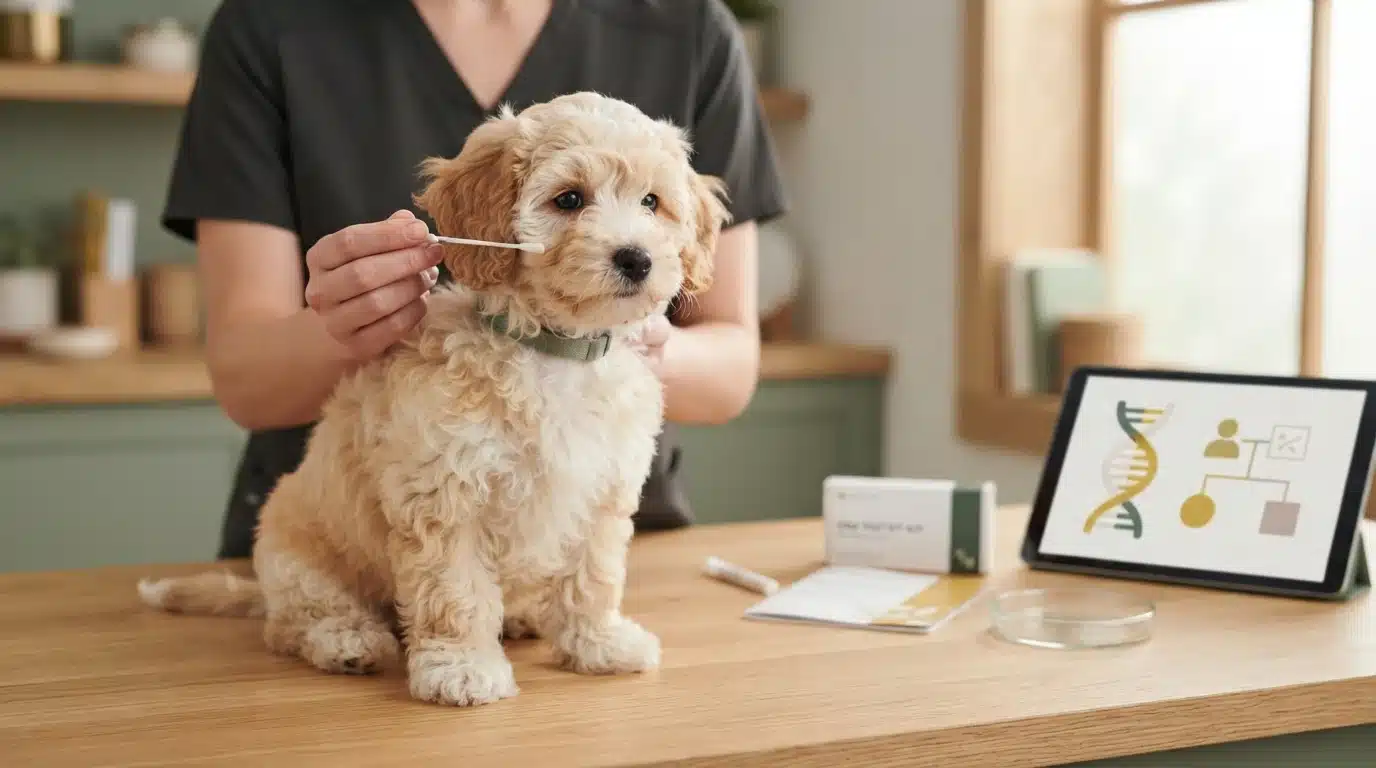
For breeds like the Havanese, Havapoo, and Cavapoo, ask which genetic conditions the parents were screened for. The OFA database is public, so you can verify claimed clearances yourself using a dog’s registered name or OFA number. Match the parents’ names on the certificates to the names on the pedigree. If the breeder only shares “parents are DNA tested” without naming the lab or listing results, ask for the actual reports.
Scheduling your own first veterinary exam
Plan your puppy’s first exam within a few days of pickup, even when the breeder’s records look clean. Your vet confirms the vaccine timeline, checks heart, knees, eyes, and weight, and flags early concerns. Book the appointment before puppy pickup day, since many clinics fill up fast. Most breeders’ contracts include a health guarantee window tied to this visit, so missing it can void your coverage.
Contracts, Deposits, and Payment Practices
The clauses a contract should contain
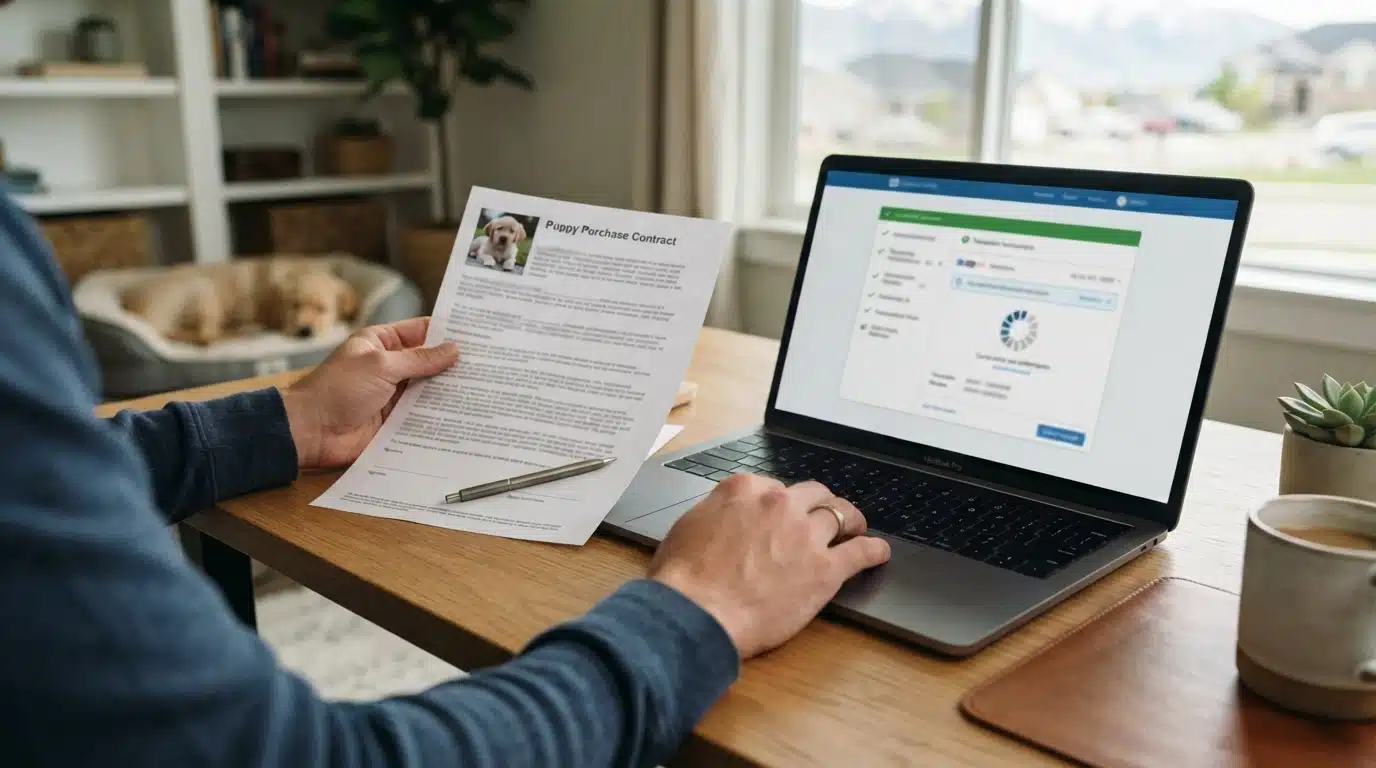
A solid Utah puppy contract should list, in writing:
- Full legal names and addresses of breeder and buyer
- The puppy’s ID, birth date, breed, microchip, and parents
- Health records, vaccinations, deworming, and any DNA test results
- A health guarantee with a clear time window and exact conditions
- Spay or neuter expectations and any breeding restrictions
- Return terms: who takes the dog back, and under what conditions
The AKC’s contract guide notes that guarantees vary widely, so read what is covered, not just that a guarantee exists. Utah has no specific puppy lemon law, so your contract is the main protection. Get every verbal promise, including delivery details, added to the signed copy.
Deposits, waitlists, and refund terms
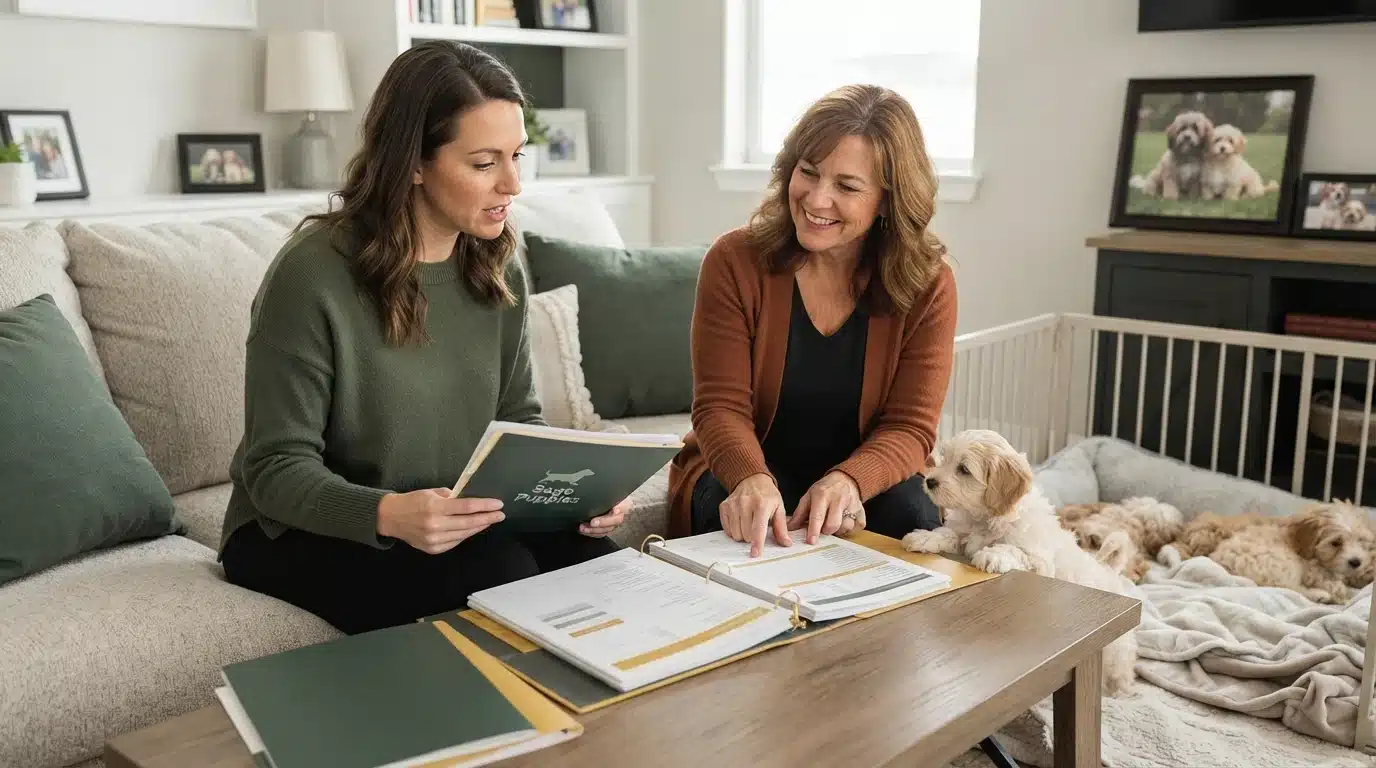
Ask three questions before you send money. Is the deposit refundable, and under what conditions? Does it apply to a specific puppy or just a place in line? What happens if a litter is smaller than expected or a pregnancy fails? A trustworthy breeder answers these in writing, not over the phone. Refund terms should appear in the contract, not in a text message. At Sage Puppies, the application and reservation steps spell out amounts and timing before you commit, which is the standard you should expect anywhere.
Paying in ways that leave a trail
Pay with a method that creates records: a credit card, a documented bank transfer, or a payment platform with buyer protection. Treat wire transfers, gift cards, crypto, and cash apps to strangers as red flags, since puppy scams often rely on untraceable payments.
Comparing Total Costs and Reading Price Signals
What drives the price range
A well-bred Havanese, Havapoo, or Cavapoo puppy reflects real costs: health testing of the parents, veterinary exams, vaccinations, and early socialization by hand. Boutique programs charge more than large operations because they raise fewer litters with closer care. Sage Puppies’ documented range is $3,500 to $4,500, which sits in line with other small-breed programs raising litters at home.
Budgeting the first year, not just the purchase
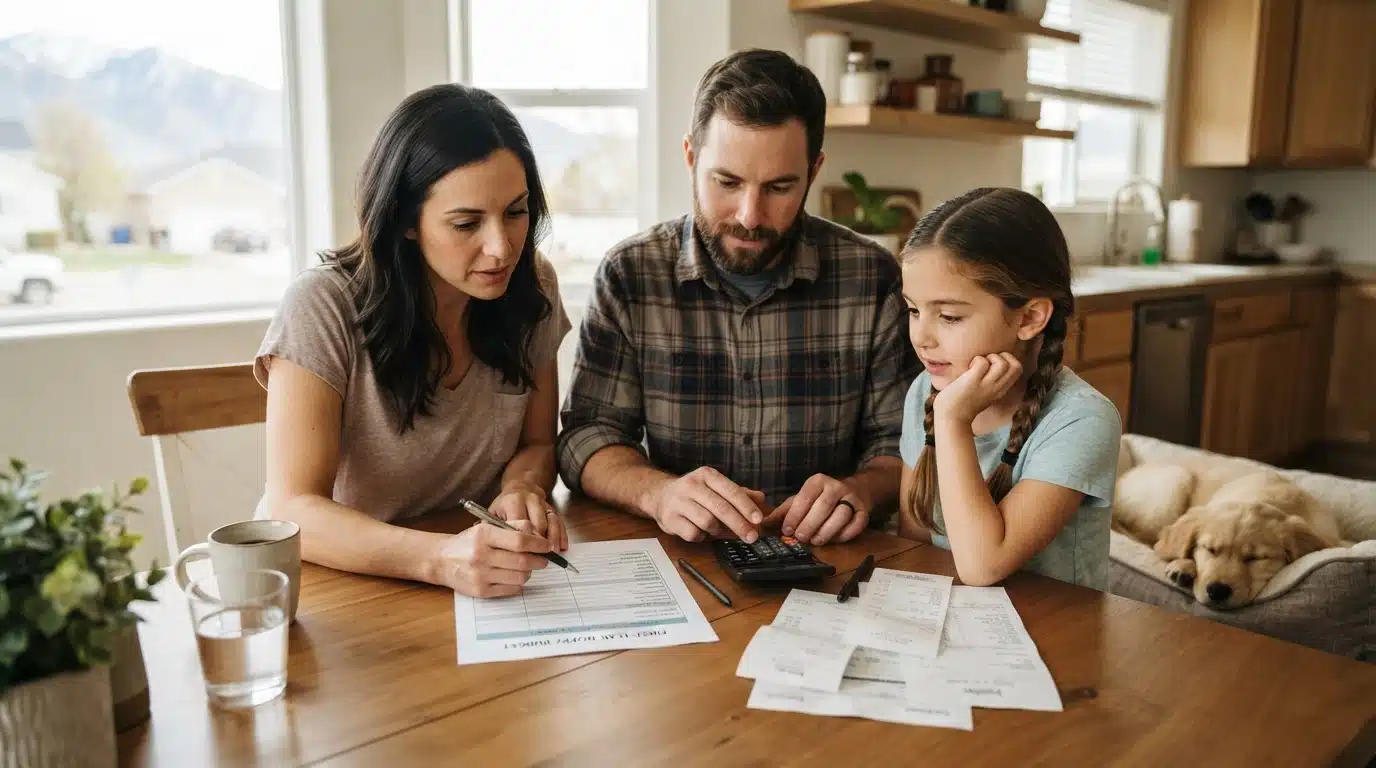
The purchase price is only the opening cost. Plan for spay or neuter surgery, a starter vet visit, food, a crate, grooming, and training classes. Rover’s cost research puts first-year puppy spending between $1,520 and $6,415, depending on your choices. Treat the total, not the sticker price, as your real budget when you compare sellers.
Why an unusually low price is a warning sign
A $500 “purebred” Cavapoo usually means cut corners: skipped health testing, no vet records, or a reseller passing off puppy-mill stock as home-raised. Lowball pricing can also signal a scam, where the seller asks for a deposit and then disappears. Ask what the price includes. A breeder who can itemize the care behind the number is worth trusting more than one who cannot explain it.
| Cost item | Typical range | When it hits |
|---|---|---|
| Puppy purchase | $3,500-$4,500 for a well-bred small breed | Upfront |
| Vet visit and shots | $100-$300 | First weeks |
| Spay or neuter | $150-$500 | 6-12 months |
| Supplies and training | $500-$1,125 | First year |
Local Pickup and Nationwide Delivery for Utah Buyers
What local pickup changes about the process
Meeting the breeder in person is the single biggest advantage of pickup. You see the mother, the living conditions, and how your puppy behaves before money changes hands. Local pickup also means no flight risk, no crate stress, and no transport fees. Many programs in the Salt Lake Valley, including small-breed breeders in South Jordan, invite buyers to visit the litter more than once before pickup day.
Questions to ask about delivery or transport
If you cannot travel, ask these questions before you commit:
- Who handles the transport, and is that person licensed or insured?
- Will my puppy fly in-cabin with a person, or travel by ground?
- What food, water, and rest breaks happen during the trip?
- Can I see photos or video updates while my puppy is in transit?
- What happens if the puppy gets sick right after arrival?
A breeder who dodges these questions is a red flag. Get every transport promise in writing before you pay.
Planning travel in Utah conditions
Utah winters complicate both pickup and delivery. Mountain passes along I-15 and I-80 can close suddenly, and airlines restrict pet travel in extreme heat or cold. Check the forecast a week out, and build a backup day into your plan. Keep your car warm, bring water, and plan a stop so your Havanese, Havapoo, or Cavapoo can settle in gradually. Short, calm first trips home help puppies adjust.
Red Flags and Warning Signs: When to Walk Away
What are the warning signs of an unreliable puppy seller? Walk away when a seller does any of the following:
- Pressure tactics: rushes your deposit, claims another buyer is waiting, or refuses a phone or video call
- Shaky listings: reuses stock or copycat photos, changes the story, or offers popular breeds at prices that look too good
- Bad paperwork and payment: no contract, no vet records, or demands for wire transfers, gift cards, or payment apps
Trust the list. A good breeder invites questions, so hesitation from them tells you more than any ad.
Pressure and scarcity tactics
Rushing is the clearest red flag. Phrases like “three families are interested” or “deposit today or she’s gone” push you to skip checking the breeder. Honest programs keep a waitlist, and many sellers in the Salt Lake Valley do just that. The AKC also warns about sellers who avoid phone calls entirely, since scammers often refuse live conversation How to Spot a Puppy Scam Online.
Photographs, advertisements, and copied listings
Scammers steal photos from real breeders, so reverse-image-search every puppy picture before you pay anything. The Better Business Bureau found that most pet ads online are fake or misleading, with scammers often adding surprise charges later, such as crates, shots, or airline fees Puppy Scams 2025 Study Update. Ask for a live video call showing you the puppy and the home. If they can’t or won’t, stop.
Paperwork and payment red flags
No written contract, no vet records, and no proof of health testing mean no deal. Payment method matters just as much: wire transfers, gift cards, and payment apps offer no protection once the money leaves your account. A traceable method, a signed agreement, and records you can read before pickup are the minimum standard. At Sage Puppies, buyers see the application, pricing, and contract terms up front, which is the transparency you should expect anywhere.

Ready to meet a breeder who raises every litter at home in South Jordan? Sage Puppies matches families with well-bred Havanese, Havapoo and Cavapoo puppies through a clear application and honest owner guidance. Start your application today, and bring home a companion raised with care from day one.
Frequently Asked Questions
Q1: How do I find a trusted puppy seller in Utah?
Work through a verification checklist before any money changes hands: confirm a real address, meet the litter or request a live video, call past buyers, review health records and parent DNA testing, and read the contract first. Since Utah has no puppy lemon law, your Utah puppy buyer rights come mainly from the contract you sign.
Q2: Does Utah have a puppy lemon law?
No. Utah is absent from the pet purchaser protection table maintained by Michigan State’s Animal Legal and Historical Center, so state statutes offer no rescue if a purchase goes wrong.
Q3: What should a Utah puppy contract include?
The puppy’s ID and parents, health records, a health guarantee with a clear window, spay or neuter terms, and return conditions. Add every verbal promise to the signed copy.
Q4: How much should a well-bred Havanese or Cavapoo cost in Utah?
Boutique programs raising litters at home typically charge $3,500 to $4,500. Treat the first-year total, roughly $1,520 to $6,415, as your real budget.
Q5: Can I buy a Utah puppy without visiting in person?
Yes. Ask for a live, uncut video tour of the litter and mother, verify references by phone, and arrange transport terms in writing.
Q6: What payment methods are safest?
Use credit cards or documented transfers with a paper trail. Wire transfers, gift cards, and payment apps to strangers are classic puppy scam red flags.
Conclusion
A trusted puppy source in Utah comes down to verification, not luck. Since Utah has no puppy lemon law, the checks you run are the protection you get: confirm the seller is a real, locatable business, meet the litter live or in person, call past buyers, review health records and parent DNA testing, and read the puppy purchase contract before you pay a deposit. Watch for pressure tactics, reused photos, and untraceable payment demands. Price helps too. A well-bred Havanese, Havapoo, or Cavapoo reflects real costs, so an unusually low number usually means skipped testing or a scam. Do these checks, and you can buy with confidence anywhere in Utah or across the country.