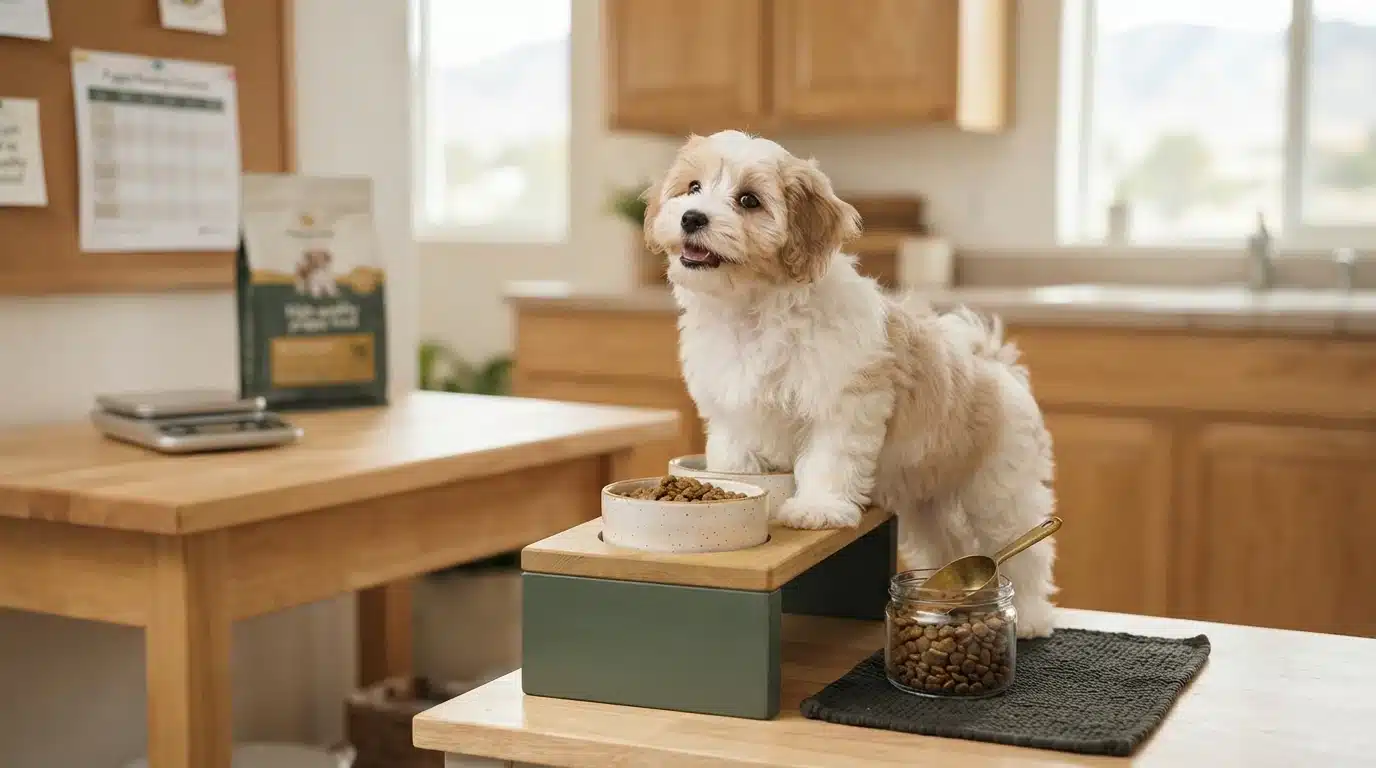
Quick Summary: A Havanese puppy’s first month depends on steady routines: keep the breeder’s food for about a week, feed four measured meals daily from 8 to 12 weeks, and start reward-based training and gentle crate comfort right away. Take the puppy to the same potty spot consistently, socialize through safe outings before vaccines are finished, and make daily brushing and handling pleasant. Book a vet visit within three days, bring vaccine and deworming records, and ask about DHPP boosters, rabies timing, parasite prevention, patellas, and tear ducts, practices Sage Puppies emphasizes through its breeder records and owner guidance.
A Havanese puppy arrives with a folder of vaccine dates, a bag of the food she already eats, and a personality that already has opinions. Then day ten hits, and you are staring at a half-eaten bowl wondering whether the food, the schedule, or the puppy is the problem.
Nothing is wrong. Most of that first-month confusion comes from not knowing what to do in what order. This Havanese care basics guide gives you a sequenced plan for the whole first month, not just the first weekend. You will learn how to set up a Havanese puppy feeding schedule with portions by age, start house training and crate comfort work, prepare for the first vet visit and the DHPP and rabies vaccine series, and socialize your puppy safely before her shots are finished.
Sage Puppies has guided first-time families through this exact month with Havanese, Havapoo, and Cavapoo puppies since 2025, so the steps here follow what breeders and new owners actually handle day by day. Get the basics in place before she comes home, and the rest gets easier.
What Should a New Havanese Puppy Owner Prepare?
Good Havanese care basics start before your puppy walks through the door. Here’s what to have ready:
- A crate or playpen sized for a small breed, with soft bedding
- Food and bowls matching what the breeder feeds
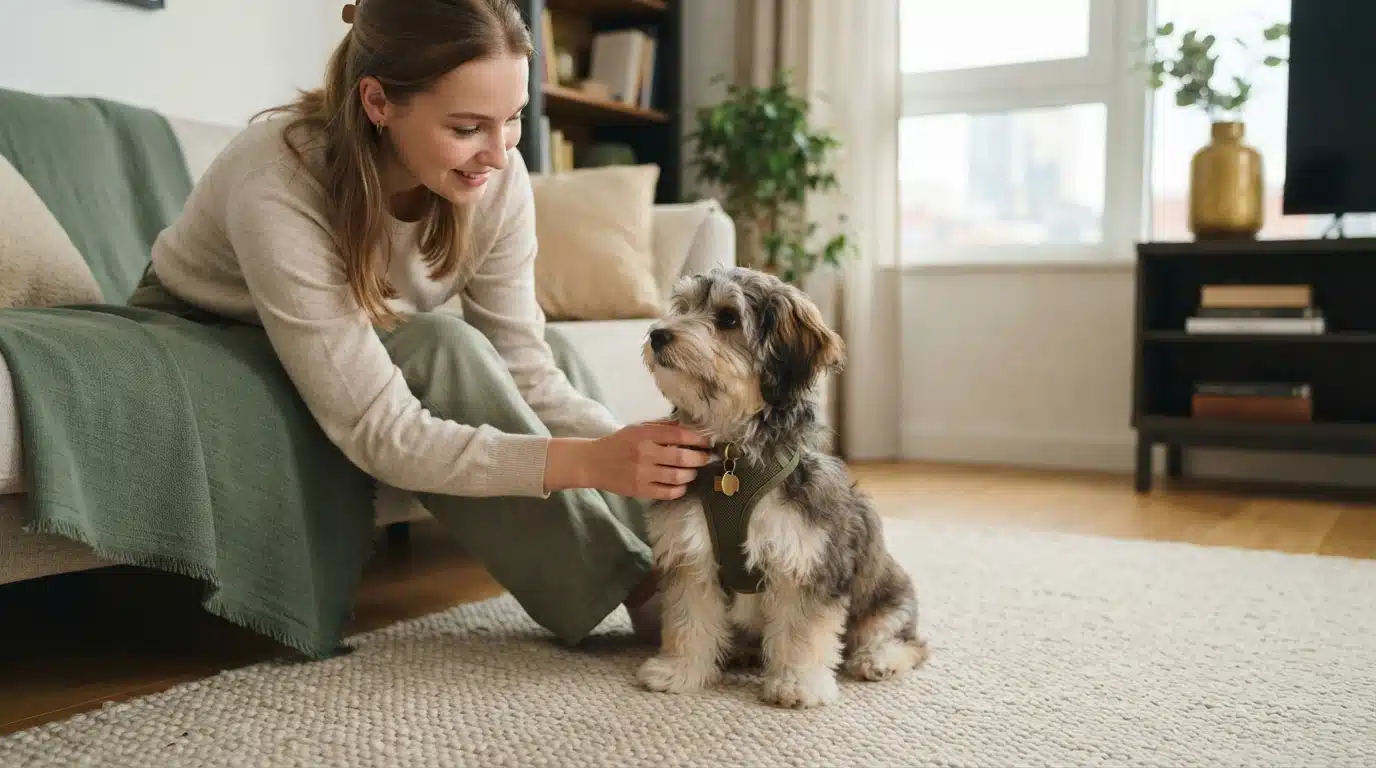
- A harness, leash, and ID tag that fit a tiny body
- Puppy pads, cleaner, and treats for house training and rewards
- Puzzle toys and chews sized for a puppy mouth
The Supplies Worth Buying Before Pickup Day
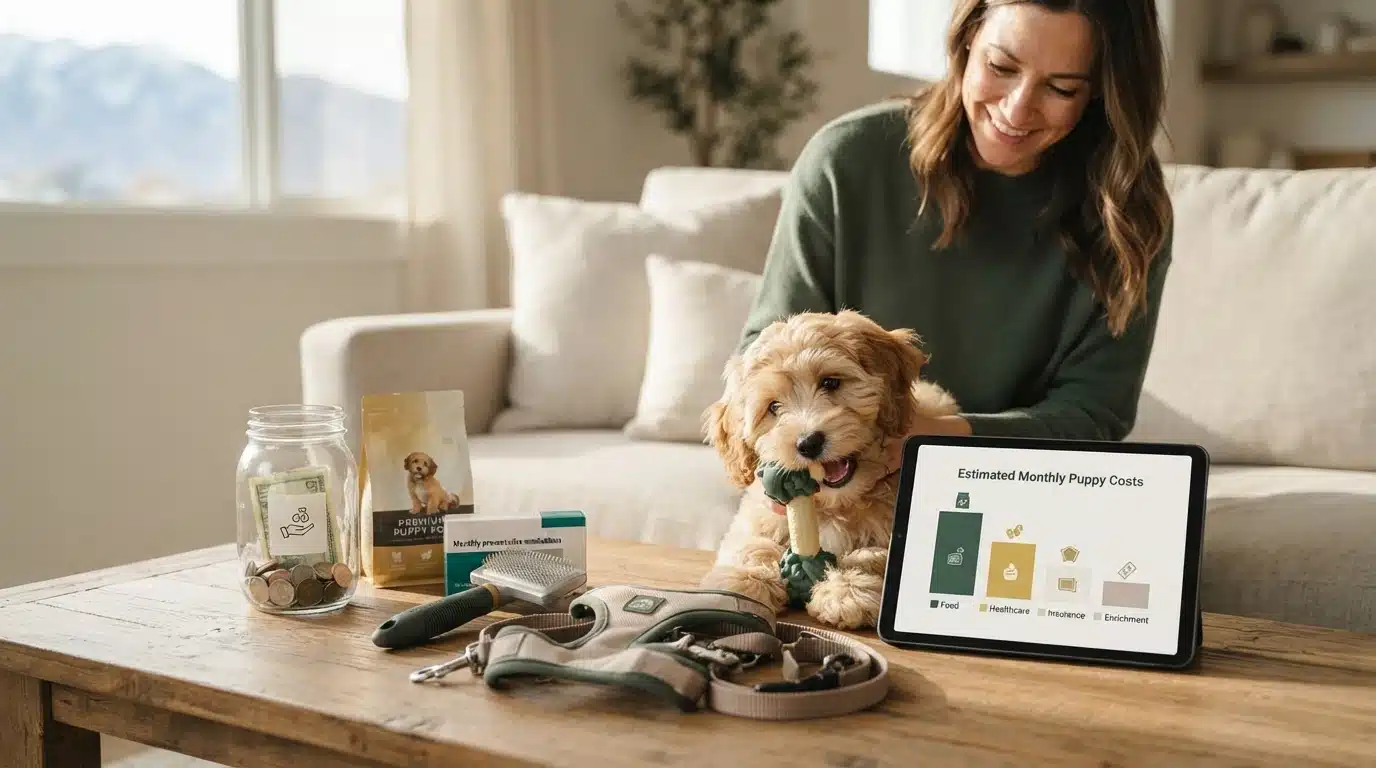
Set up the crate in the room where your puppy will sleep, then buy the rest a week ahead. Keep food the same as the breeder’s for two weeks; a sudden switch causes stomach upset in small breeds. Skip collars for now, since a harness protects the Havanese’s delicate trachea. If you want item-by-item picks with prices, the team at Sage Puppies covers them in its Havanese owner guide.
Paperwork and Records to Have Open on Day One
Ask the breeder for vaccination dates, deworming records, and any health screening results. Save the vet’s phone number where you can find it fast, and book a checkup within three days of arrival. Photograph each paper so duplicates exist if the originals get lost in the move.
The Home Setup: One Safe Room and One Potty Spot
Pick one small room, usually a bathroom or kitchen corner, as your puppy’s base. Put the crate, water, and toys there. Choose a potty spot outside before arrival, then carry your puppy to it on the same route every time. Consistency in the first week makes house training far faster than any correction ever will.
Havanese Feeding Basics: How Often and How Much
The short answer: a Havanese puppy eats four meals a day from 8 to 12 weeks, three meals from 3 to 6 months, and two meals after that. The American Kennel Club sets that same schedule for most puppies, and it works well for small breeds. Because Havanese puppies weigh only a few pounds, skipped meals can cause low blood sugar, so steady timing matters more than exact portions.
Keep the Breeder’s Food for the First Several Days
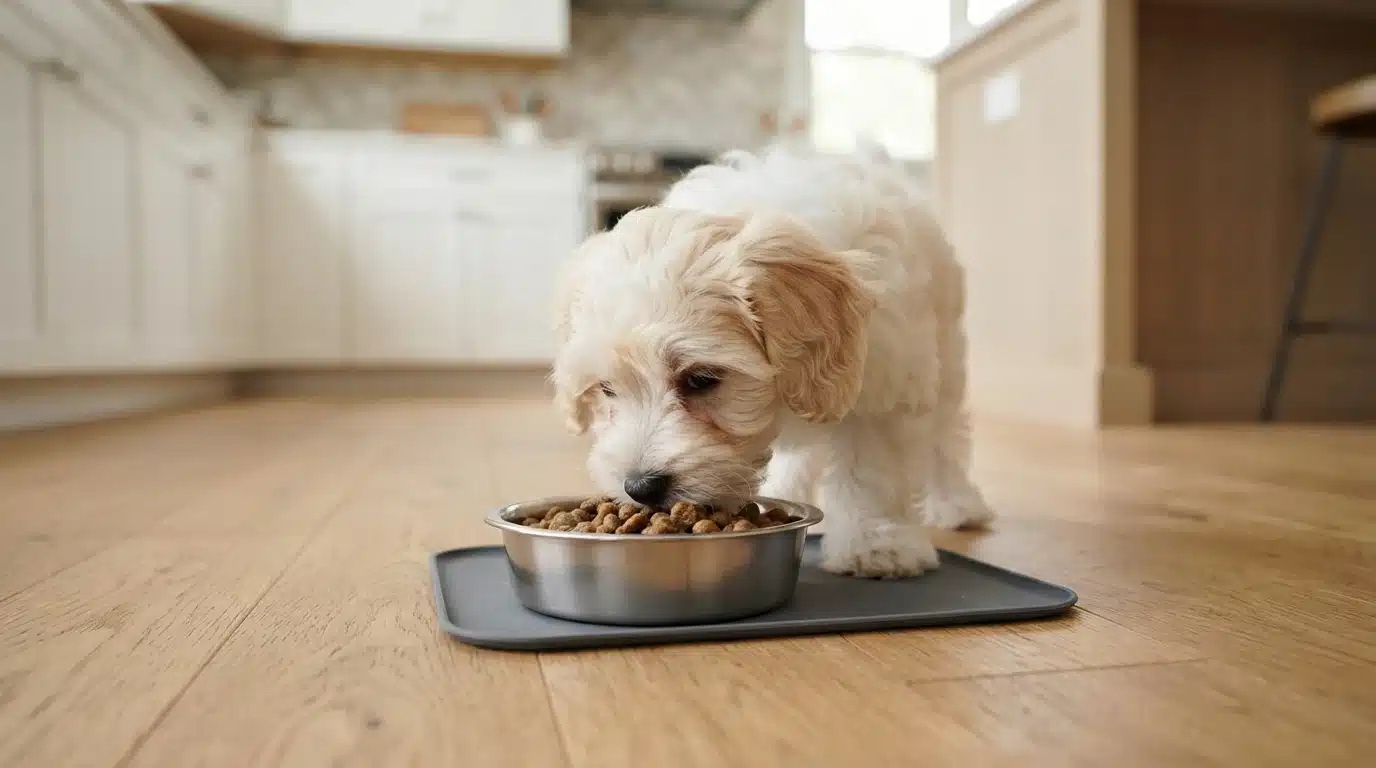
Whatever food your puppy ate with the breeder, keep using it for at least the first week. Puppies have sensitive stomachs, and a sudden switch often brings loose stools right when you are house training. Ask for a small bag or a few days’ supply when you pick up or have your puppy delivered. If you want a different brand later, mix it in over seven to ten days, adding a little more new food at each meal. Havanese care basics start with this one habit: change food slowly, watch the stool, and call your vet if diarrhea lasts more than a day.
How Many Meals per Day at Each Age
| Age | Meals per day |
|---|---|
| 8 to 12 weeks | 4 |
| 3 to 6 months | 3 |
| 6 to 12 months | 2 |
| Adults | 2 |
Space meals roughly every four to five hours at first, with the last meal a couple of hours before bedtime. Puppies this small do better with evenly spaced feedings than with one big dinner. Once your Havanese turns one, two meals a day is the usual routine.
Measuring Portions Instead of Guessing
Use an actual measuring cup, not a scoop from the drawer. Check the food bag for the daily amount, then divide it by the number of meals. Weigh your puppy every week or two and feel for ribs you can sense but not see. Exact needs vary by brand and activity, so the feeding chart by age gives portion guidance specific to Havanese puppies. Adjust up or down based on body condition, and treat food counts toward the daily total.
Starting Training in the First Two Weeks
Your Havanese puppy can learn a lot before four months of age, so start the basics right away. Keep it simple: name response, sit, and coming when called. These three skills make every later step easier, from walks to house training.
Teach Name, Sit and a Recall First
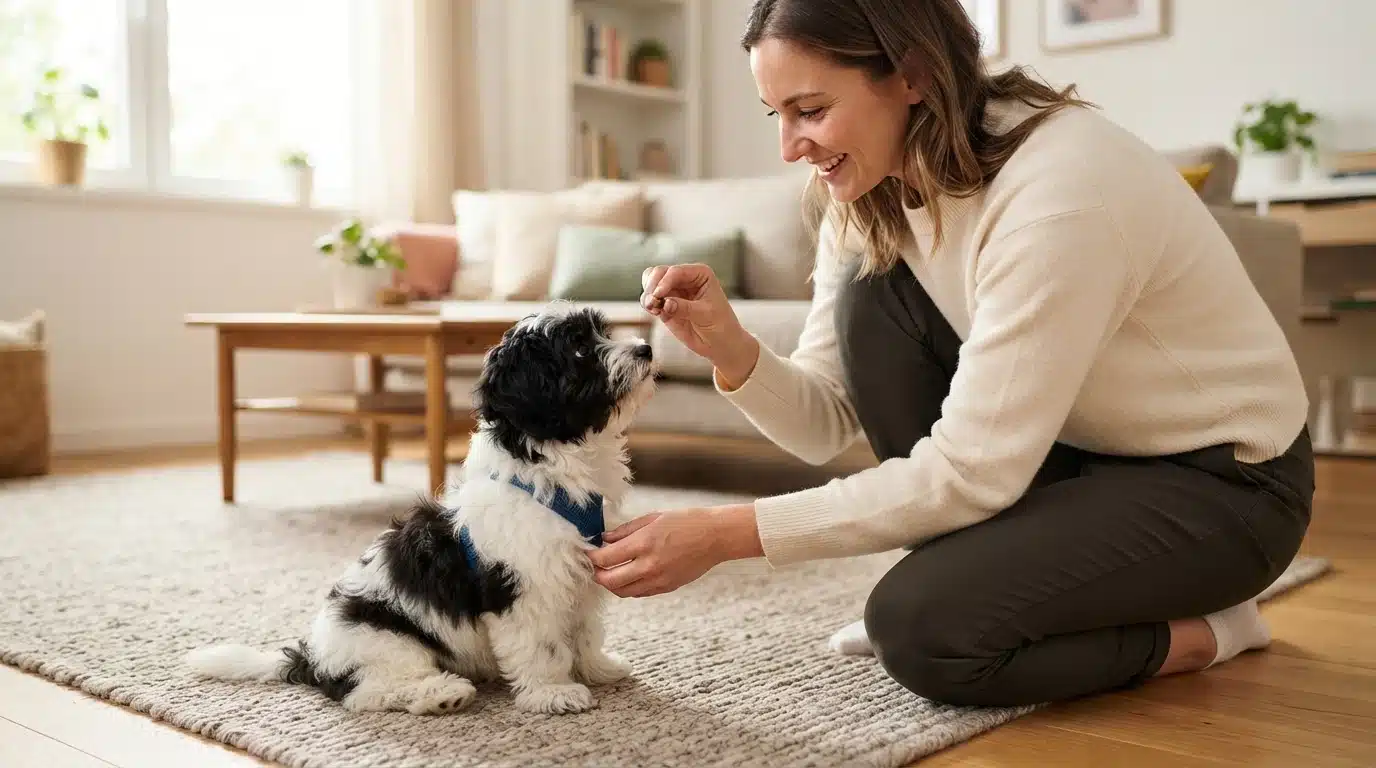
Say your puppy’s name once, and mark the moment she looks at you with a small treat. Repeat this five or six times, then stop. For sit, hold a treat at her nose and lift it slightly back over her head; her bottom drops, you reward. For a recall, crouch down, sound happy, and pay her well every time she comes. Havanese are eager to please, so these skills usually click within a week.
How Reward-Based Sessions Should Work
The American Veterinary Society of Animal Behavior recommends reward-based methods for all dog training, so skip scolding, leash pops, or pushing her into position (AVSAB position statements). Keep sessions short: two to three minutes, two or three times a day. Use tiny soft treats the size of a pea, since she eats four small meals a day at this age and treats add up. End every session while she is still winning, not after a failure.
Crate Comfort and Short Alone Time
The crate is a safe den, not a punishment spot. Feed meals inside it and toss treats in throughout the day so the door stays open at first. Once she walks in happily, close the door for a minute, then let her out. Build up slowly over two weeks. Never use the crate as discipline. Our step-by-step guide to crate training without stress walks through each stage, and calm crate time also sets up easier house training later.
Potty Training, Socialization and Everyday Handling
A Consistent Potty Routine Beats a Schedule Formula
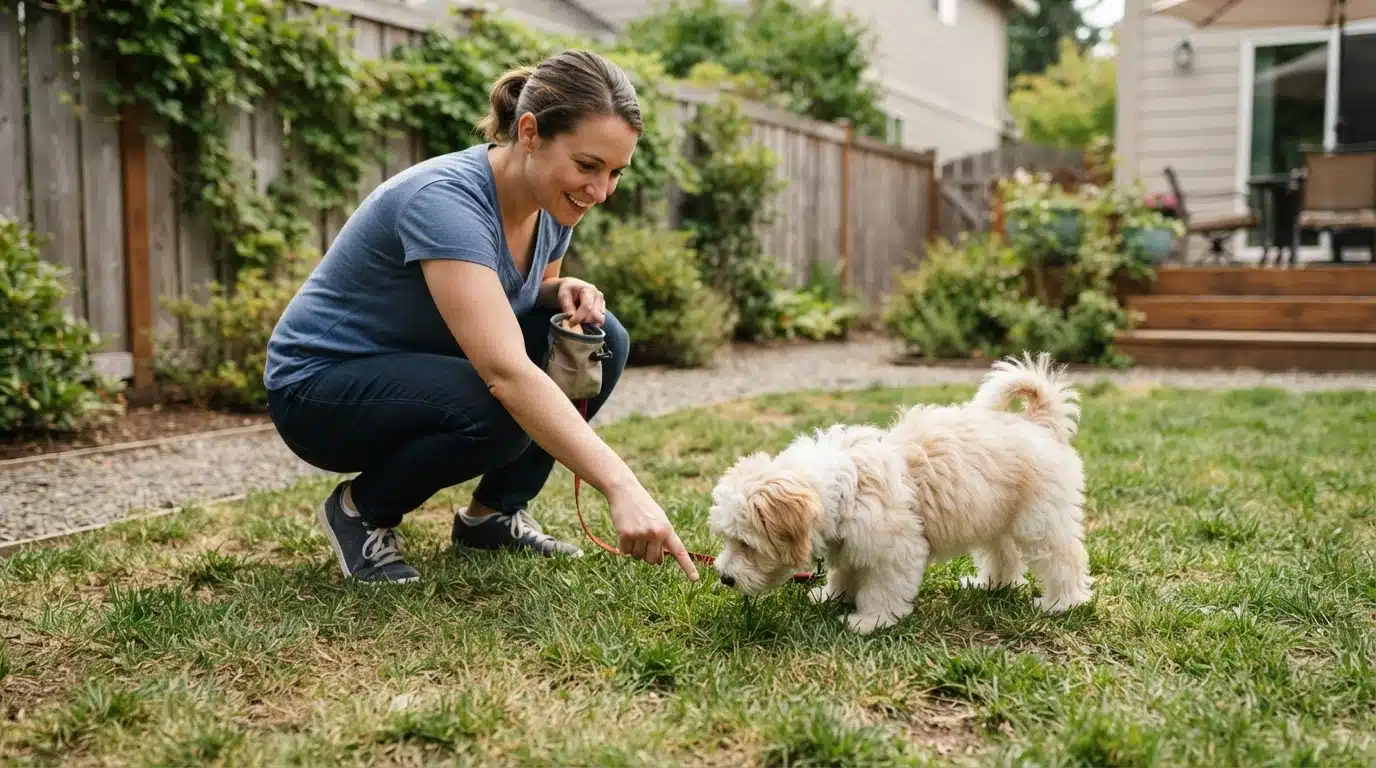
House training works on patterns, not formulas. Take your puppy out after every nap, meal, play session, and at bedtime, plus every couple of hours in between. Go to the same spot each time and reward the instant she finishes. Watch for circling, sniffing, or heading toward the door, and scoop her up mid-signal. Accidents happen; clean them with an enzymatic cleaner so no scent lingers.
Socialization: Balancing Comfort and Disease Risk
Can your puppy start socializing before vaccines are done? Yes, and the AVSAB position statement says the first three months are the prime window, so waiting until the series finishes costs you the easiest learning period. Carry her through stores, let neighbors meet her, and play recordings of traffic and vacuum cleaners. Favor puppy classes that require vaccines on schedule and sanitize floors. Skip dog parks and grass where unknown dogs roam until your vet clears her.
Handling, Brushing and Building Grooming Comfort Early
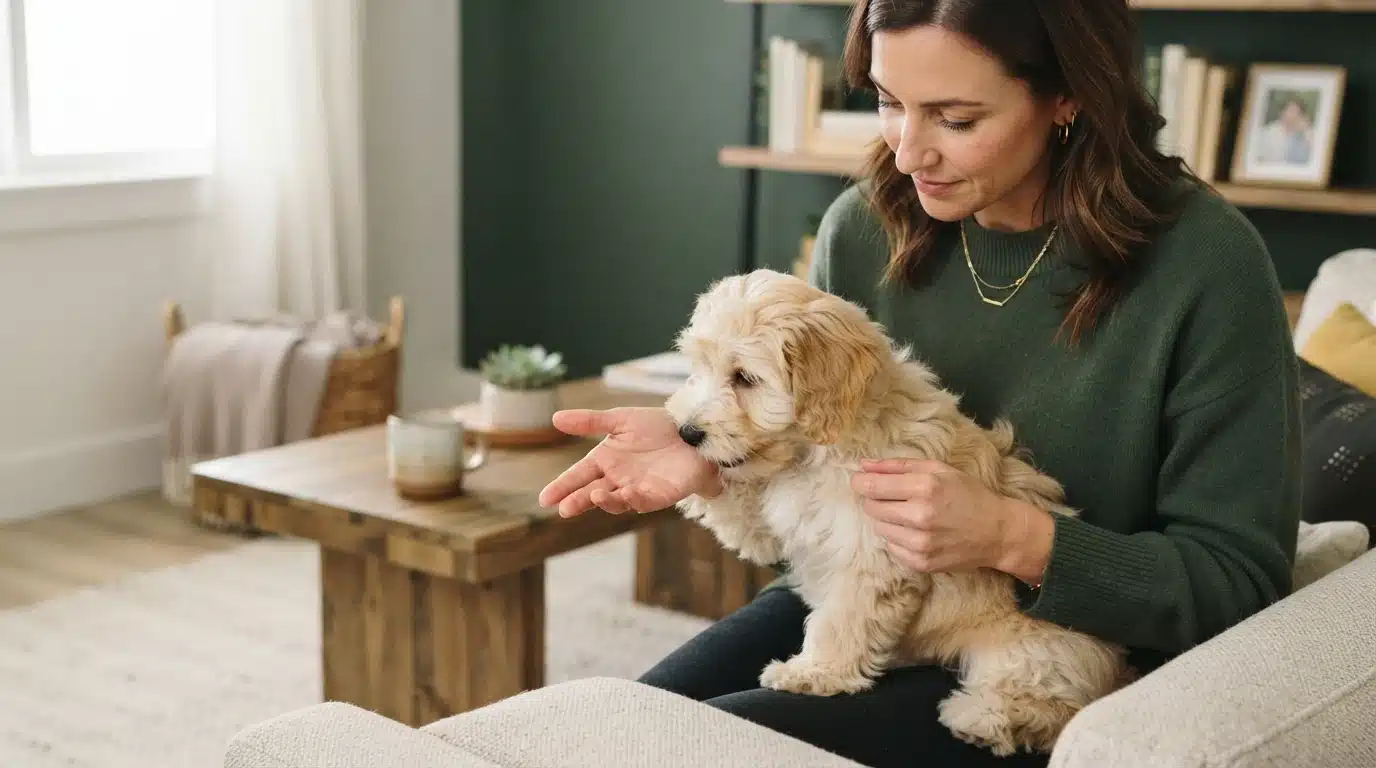
Havanese coats mat fast, so brushing becomes a daily habit. Make it pleasant from day one: short sessions, a lick mat, and gentle touches on paws, ears, teeth, and belly. Those same touches prepare her for vet exams and grooming tables later, because a puppy who accepts handling turns routine care into quiet bonding time instead of a wrestling match.
The First Vet Visit and the Rest of Year One
Book a vet appointment within a few days of pickup. Most breeders send puppies home around 8 weeks, when the first DHPP vaccine may already be done, so the visit confirms health and sets the schedule. Call the clinic ahead and ask how they handle puppy visits, since some set aside puppy hours to limit exposure to sick animals.
Booking the First Appointment and Getting There Safely
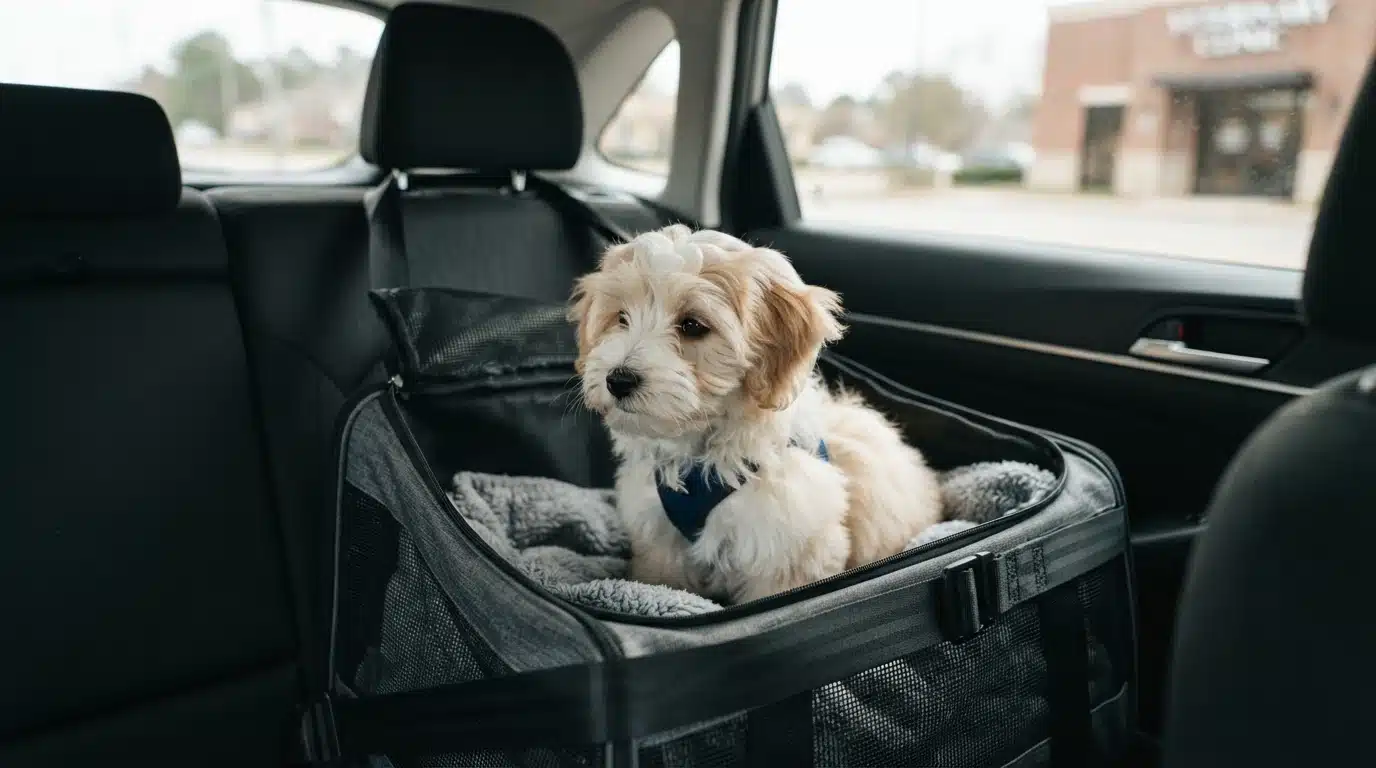
Call the clinic the day you know your pickup date, not after. Ask for a puppy exam and mention your puppy’s age so the front desk can book enough time. In the car, a small breed puppy rides safest in a secured carrier or crate, never loose on a lap. Bring one family member to hold the carrier steady and keep the drive short and calm.
Records to Bring and Questions Worth Asking
Pack the folder your breeder gave you. Most programs, including Sage Puppies, hand over vaccine and deworming records with each puppy, and your vet needs them to plan what comes next rather than repeating doses.
Bring:
- Vaccine dates and any DHPP shot already given
- Deworming history and dates
- Microchip number, if done
- Feeding schedule and current food brand
Ask about the rest of the DHPP series, the rabies shot timing in your state, parasite prevention for a 3-pound puppy, and whether they check patellas and tear ducts, both worth watching in Havanese.
What Comes After That Visit
The year runs in stages: vaccine boosters every few weeks until around 16 weeks, then rabies, then the spay or neuter talk near 6 to 12 months. Weight checks at each visit matter for small breeds, because a few ounces signal real changes. Use those early visits for positive experiences, treats and calm handling, so the clinic stays a friendly place. For a deeper list, see the year-one health checklist linked above.
Your First Four Weeks at a Glance
A Sample Day and a Week-by-Week Checklist
A typical day runs on short blocks. Here is the shape of a first-month schedule:
- 6:30 a.m. Potty trip, breakfast (four meals a day at 8 to 12 weeks), play, potty again
- 9:00 a.m. Nap in the crate, then potty on waking
- Noon Lunch, short training game, potty
- 3:00 p.m. Nap, gentle handling and handling practice
- 6:00 p.m. Dinner, play with safe people and places
- 8:00 p.m. Water picked up, final potty, crate for the night
Then work the weeks in order:
| Week | Main Focus |
|---|---|
| Week 1 | Settle in, crate comfort, book the first vet visit |
| Week 2 | First visit, DHPP booster, house training rhythm |
| Week 3 | Socialization before vaccines finish: carry your puppy to new sights and sounds |
| Week 4 | Longer crate stretches, reward-based training, next booster |
Keep the routine steady and the rest of the month follows.
Common First-Month Mistakes to Avoid
Overfeeding, Free-Feeding and Too Many Treats
A Havanese puppy is small, so extra kibble adds up fast. Stick to your feeding schedule instead of leaving food out all day, and weigh treats against the daily portion. Training treats work best pea-sized. Check body condition by feel: ribs you can find but not see is the goal.
Waiting Too Long for the Vet, or Skipping Records
Book the first visit within a few days of pickup. Bring every record your breeder gave you, including the DHPP dates and deworming notes, so your vet can plan boosters on time. If you adopted through Sage Puppies, your health paperwork lists exactly what was done and when.
Starting Socialization Too Aggressively or Too Late
Before vaccines finish, socialize through safe exposure, not crowded parks. Carry your puppy to see traffic, hear vacuums, and meet calm, vaccinated dogs. Waiting until shots are done means missing the window when new experiences feel normal rather than scary. Keep outings short and end on a win.

A solid first month sets the pattern for a calm, happy Havanese for years to come. If you’re still choosing your puppy, the team at Sage Puppies matches families with well-bred Havanese, Havapoo and Cavapoo puppies and shares preparation guidance every step of the way.
Frequently Asked Questions
Q1: What should a new Havanese puppy owner prepare?
Set up a crate, the breeder’s food, a fitted harness, ID tag, puppy pads, enzymatic cleaner, treats, and puzzle toys. Pick one safe room and one potty spot before arrival.
Q2: How much should I feed my Havanese puppy?
Follow the bag’s daily amount, divided into four meals at 8 to 12 weeks, three from 3 to 6 months, then two. Measure portions and watch body condition.
Q3: When should my puppy see the vet?
Book within three days of pickup. Bring vaccine and deworming records so the DHPP series stays on schedule.
Q4: Can my puppy socialize before shots are finished?
Yes. Carry her to new places, sounds, and calm vaccinated dogs. Skip dog parks until your vet clears her.
Q5: How long can a Havanese puppy stay in a crate?
Build up gradually over two weeks, starting with one-minute closes. Puppies under four months need potty breaks every couple of hours.
Q6: What grooming should start in the first month?
Brush daily in short, pleasant sessions, and handle paws, ears, and teeth to prepare her for vet exams and the mat-prone adult coat.
Conclusion
Your first month with a Havanese puppy comes down to a few habits done in order: keep the breeder’s food, feed four small meals a day, book the first vet visit within three days, and start reward-based training and gentle crate comfort right away. Socialize through safe outings before the vaccine series is finished, and keep potty trips on the same route every time. Small, steady routines beat big corrections, especially with a breed this small. Keep the records your breeder handed you, weigh your puppy every week or two, and treat each vet visit as a positive experience. Get these Havanese puppy care basics in place, and the schedule, the training, and the bond all build on themselves.