Quick Summary: A new Havanese puppy needs a consistent routine right away: frequent meals, safe spaces, frequent potty trips, daily handling, early socialization, and a vet visit within three days. Regular brushing helps prevent mats in the soft double coat, while verifiable breeder health tests cover issues such as patella problems and eye disease. Plan for roughly $3,500 to $4,500 for the puppy, $300 to $600 for setup, and $1,200 to $2,000 in first-year care, and choose breeders such as Sage Puppies based on transparent health records rather than price alone.
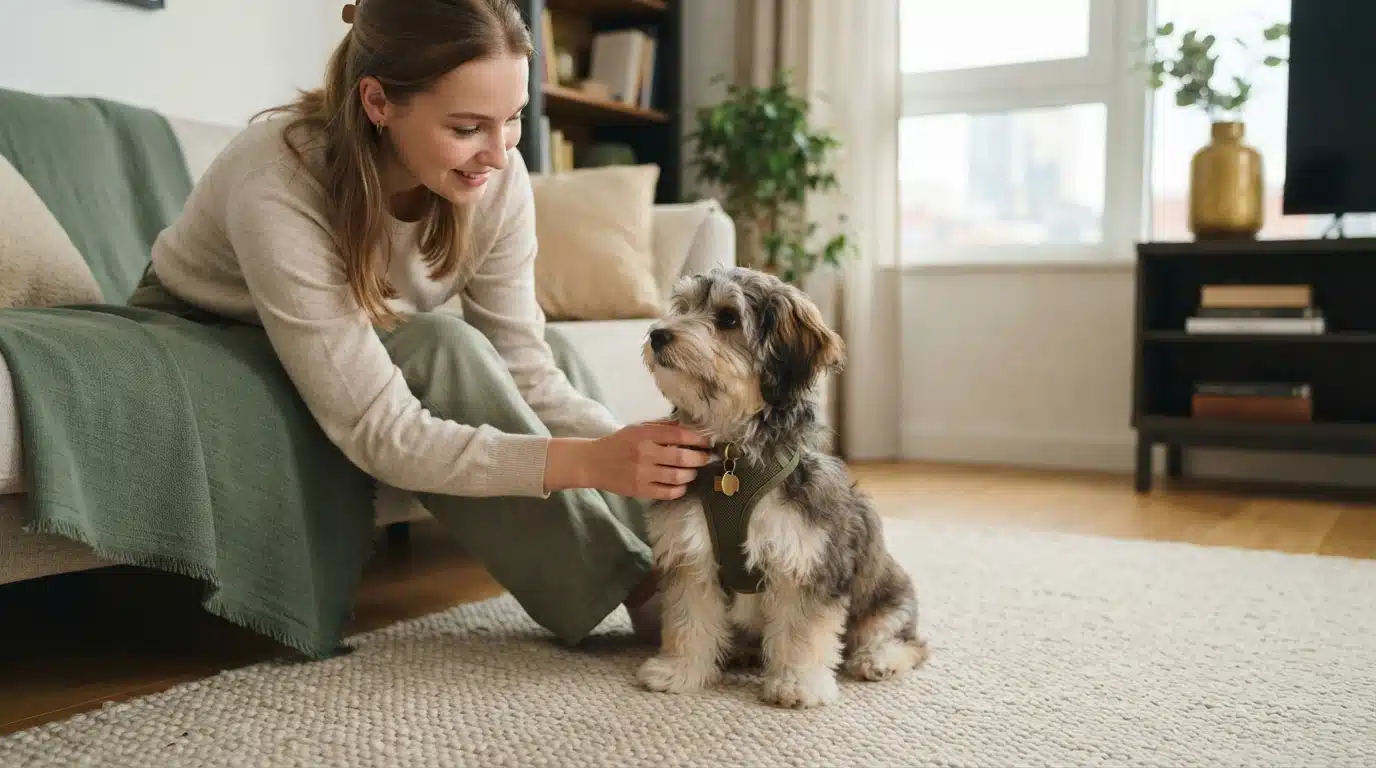
The AKC breed standard calls the Havanese friendly, playful, alert and intelligent, with a sweet, non-quarrelsome disposition. It faults aggression or shyness. That sentence matters more than it looks, because it describes a dog that wants to work with you and notices how you treat it. New Havanese puppy care flows from that trait.
The hard part is that most first-time owners learn this after the puppy is home. Feeding, house training, grooming that thick double coat and the first vet visits all land at once, and advice online conflicts.
This guide puts the pieces in order, from breed facts and health testing to realistic costs. It cites the AKC breed standard and Havanese Club of America guidance, and it separates documented evidence from practical judgment, so you can decide with confidence rather than guesswork.
What the Breed Standard Actually Tells You About the Havanese
As a family dog, the Havanese is friendly, playful, alert, and intelligent, with a sweet, non-quarrelsome disposition. The AKC standard actually faults aggression or shyness, so a steady, people-focused puppy is what the breed is meant to produce. Keep that temperament picture in mind, but treat each puppy as an individual.
Size, Coat, and Growth Expectations From the Standard
The AKC Havanese breed standard puts adults between 8.5 and 11.5 inches tall. The coat is double but soft, without the harsh guard hair you find in many double-coated breeds. Puppies grow steadily and usually reach adult height near their first birthday. For week-by-week expectations, our Havanese adult size and coat care guide breaks it down.
Reading the Standard’s Temperament Language
Words like “playful” and “intelligent” have practical meaning. A bright, social breed needs daily company and positive training, or it invents its own games. The standard describes the ideal, not a guarantee, so early socialization still matters. Think of it as a starting point for what new Havanese puppy care should include.
Havanese, Havapoo, and Cavapoo: What Changes for the Care Plan
The Havanese is a fixed breed with a predictable standard. A Havapoo or Cavapoo mixes in Poodle or Cavalier genes, so size and coat vary more by parent. That changes grooming and growth guesses, not the basics of feeding, training, or socialization, which stay similar across all three.
How to Care for a New Havanese Puppy: The First 72 Hours
Caring for a new Havanese puppy comes down to four things: a safe home setup, a calm first night, the right food, and a prompt vet visit. Here’s how each one works in order.
- Puppy-proof one room and set up a crate with bedding and water.
- Bring the puppy home in the morning so it has daylight hours to settle.
- Feed the food the breeder used, on the same schedule.
- Book a vet visit within the first few days with your paperwork in hand.
Building the Home Setup Before the Puppy Arrives
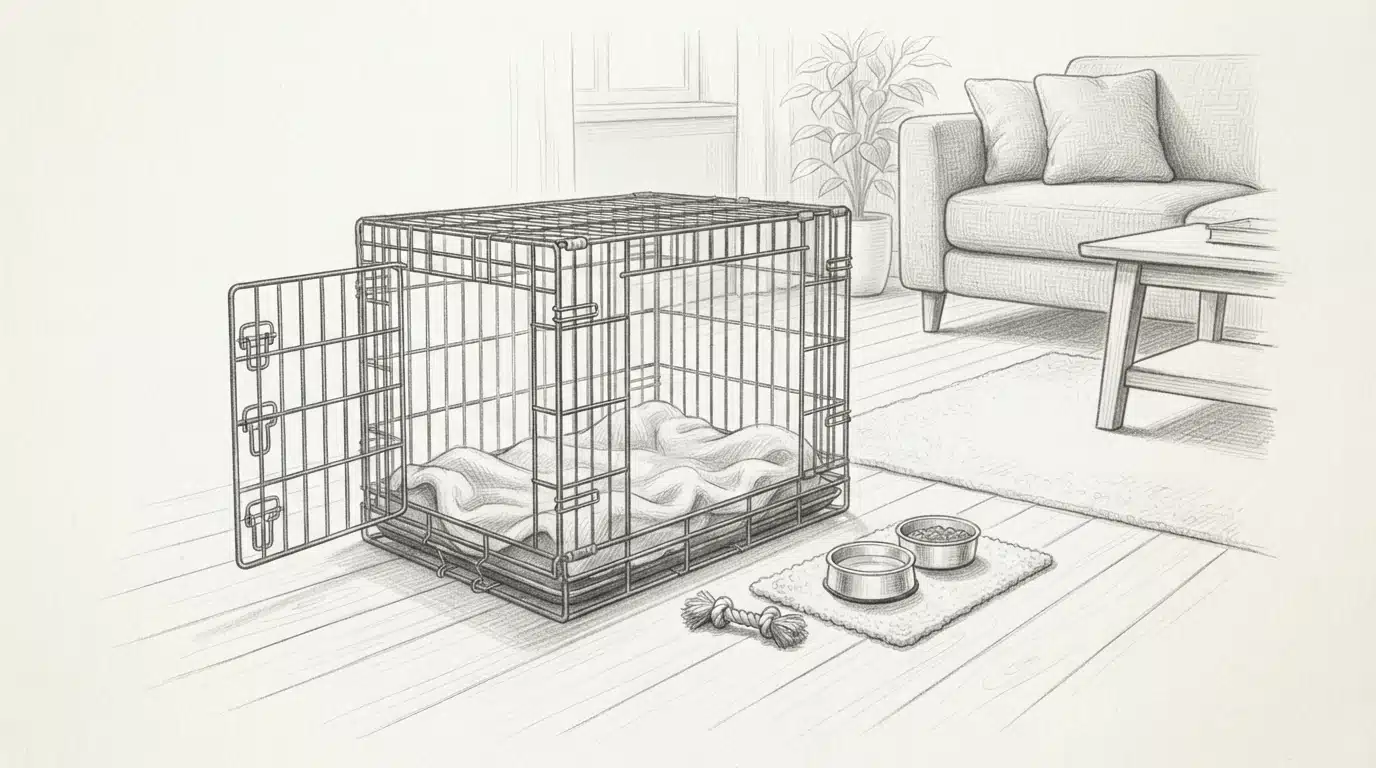
Pick one small room or a gated area and remove cords, plants, and anything chewable. Set up a crate, non-slip bowls, and a designated potty spot outside. Havanese are small, so low furniture gaps matter more than you’d expect. If you want the crate introduced gently, our guide on crate training a Havanese puppy walks through the first week step by step.
The Ride Home and the First Night
Ask whoever drives to keep the ride quiet. A towel-lined carrier or a passenger holding the puppy works better than loose in the car. Skip improvised seatbelt straps. At home, carry the puppy to its potty spot first, then let it explore one room. Expect crying the first night; place the crate near your bed and keep trips out boring and brief.
The First Veterinary Appointment and Paperwork
Book the vet within three days. Bring the vaccination record, deworming dates, and any health certificate the breeder provided. The vet will check weight, heart, and patellas, then set the rest of the puppy vaccination series. Keep the same food for now; switch diets later, not during an already stressful week.
Feeding a Toy-Size Puppy: Schedule, Portions, and Transitions
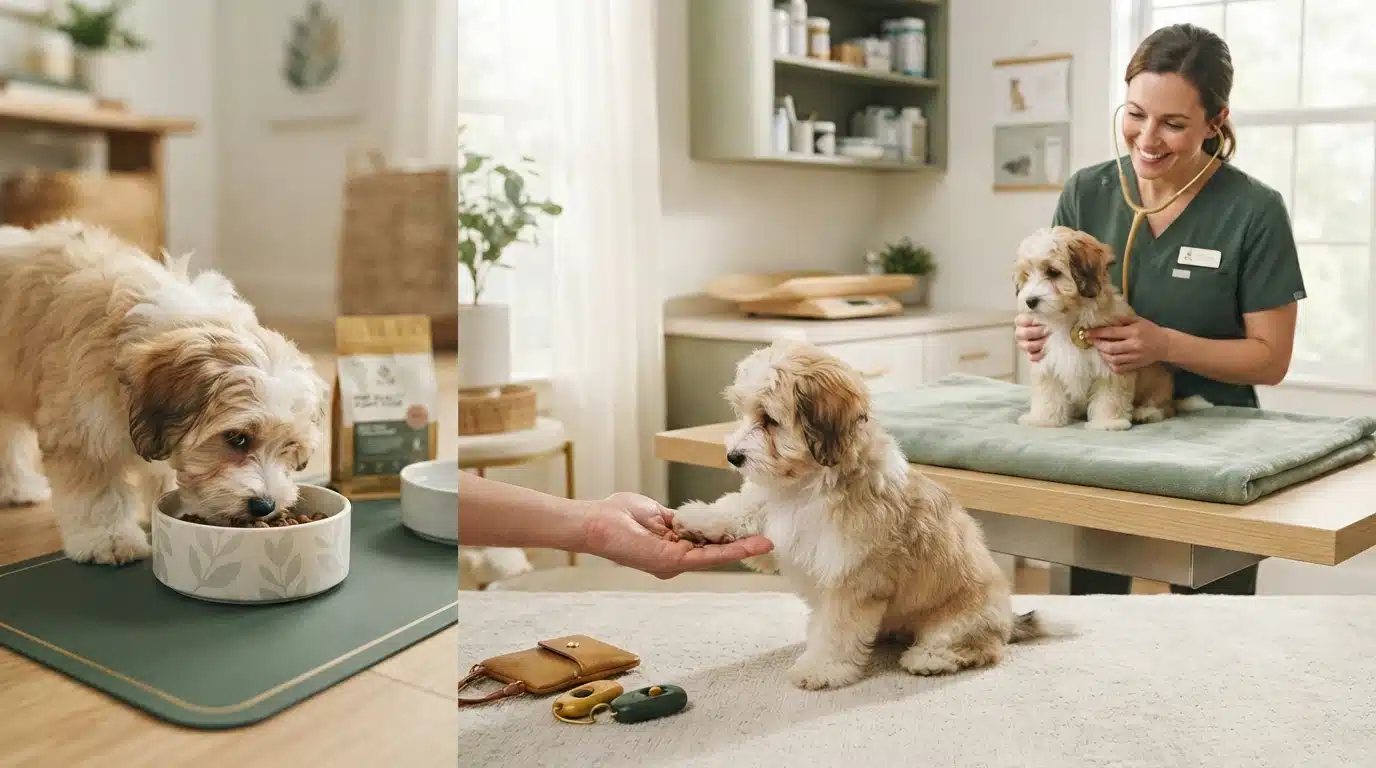
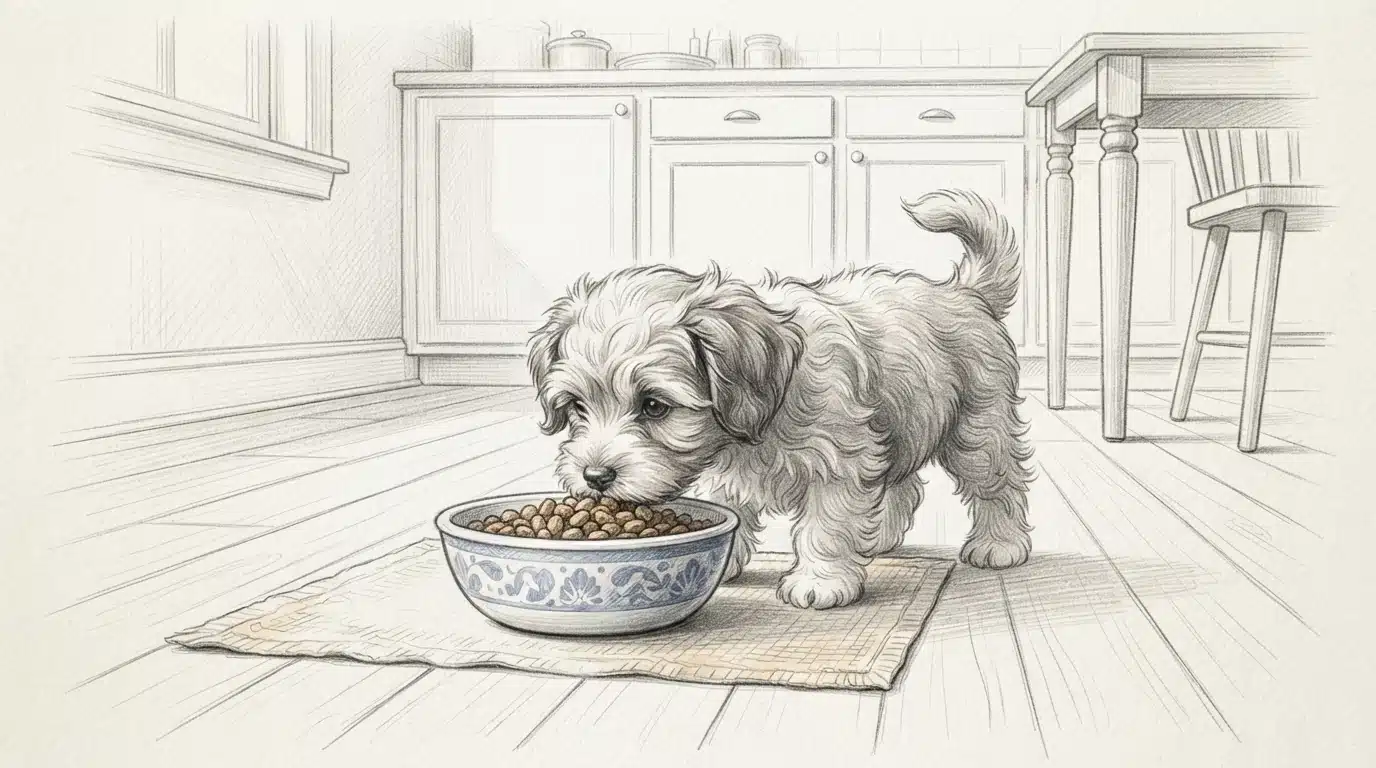
Small stomachs need small, frequent meals. Most puppies eat three to four times a day until about four months old, then drop to three meals, and finally two meals as adults, according to Whole Dog Journal’s feeding guide. Toy breeds burn energy fast, so skipping meals risks low blood sugar. Follow the portions printed on your puppy food bag, then adjust for body condition rather than the bowl’s appearance.
How Often and How Much to Feed
Set a simple rhythm: breakfast, midday, and dinner, plus a fourth meal for puppies under three months. Weigh food with a kitchen cup or scale. Your Havanese puppy’s feeding schedule matters more than the exact brand, and age-based portions are easy to follow meal by meal.
Choosing Food and Transitioning Safely
Pick a formula labeled for small breeds or toy puppies, since smaller kibble suits tiny mouths. When switching foods, mix 25 percent new food with 75 percent old for two days, then shift the ratio every two days. A sudden swap often causes loose stools, so slow transitions protect the gut.
Treats, Chews, and Digestion Support
Keep treats under 10 percent of daily calories. Soft training treats work well for positive reinforcement, and a dental chew can support small-breed teeth. Plain canned pumpkin (not pie filling) helps firm up mild digestive upset. New Havanese puppy care gets easier once meals run on a predictable clock.
House Training, Potty Schedule, and the First Months of Routine
Havanese puppies need a consistent potty routine, calm accident handling, and safe chew outlets. House training succeeds on timing, not punishment: take the puppy out after waking, after eating, after play, and every one to two hours in between, then reward success on the spot.
A Realistic Daytime Toileting Schedule
Build the day around the puppy’s bladder, not the clock alone. A workable pattern for an eight-week-old pup:
- First thing in the morning and right after each nap
- Within 10 minutes of every meal or drink
- After each play session, plus a last trip before bedtime
- Mid-evening trips for very young puppies
Most puppies gain bladder control steadily between 4 and 6 months. Our Sage Havanese potty training schedule by age maps each stage week by week, so you can adjust as your pup grows.
Managing Accidents Without Punishment
Accidents are information, not defiance. If you catch your puppy going indoors, interrupt gently and carry him outside, then reward when he finishes there. Never rub his nose in it or yell; scolding teaches puppies to hide, which makes training harder. Clean spots with an enzymatic cleaner so scent does not draw repeat visits, and tighten the schedule if accidents cluster.
Chewing, Teething, and Safe Destruction
Teething peaks around 4 to 5 months, and chewing is how Havanese puppies relieve sore gums. Puppy-proof first: pick up shoes, cords, and trash. Then offer approved outlets such as rubber chew toys or frozen, damp washcloths. Swap forbidden items for a toy instead of chasing him around the room, and praise him when he chews the right thing.
Grooming the Havanese Double Coat and the Rest of the Body
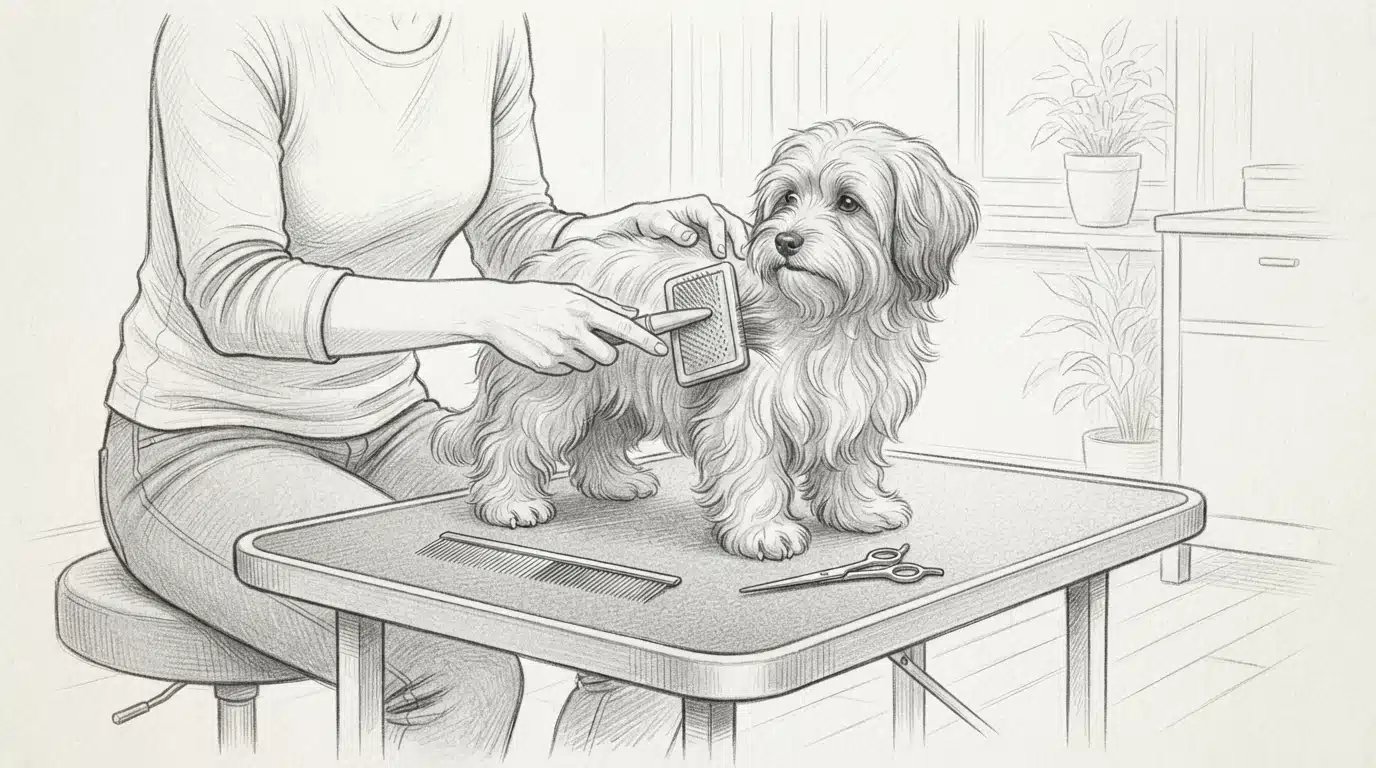
The Havanese double coat is soft, silky, and single-layered despite the nickname, so it mats fast. Brush a Havanese puppy three to four times a week, or daily if you keep the coat long. Work in small sections down to the skin, because surface-only brushing lets tangles hide underneath.
For step-by-step routines, see our Havanese grooming tips for new owners.
Useful tools and the spots that tangle first:
- A slicker brush and a metal comb
- Armpits, behind the ears, belly, and the leg creases
- Hair between the paw pads, trimmed for grip
Brushing Schedule and Mat Prevention
Short sessions win. Five focused minutes beat one long battle, and treats keep puppies calm. If you find a mat, hold it at the base and work it apart with your fingers before brushing, so you don’t pull the skin.
Bathing, Drying, and Tear Stains
Bathe every three to four weeks with dog shampoo, then brush before and after. Dry fully with a low-heat dryer while brushing; damp undercoat smells and mats. The reddish marks under the eyes come from porphyrin in tears, not dirt, so wipe the area daily and keep face hair trimmed.
Nails, Ears, Teeth, and Skin
Trim nails every few weeks when you hear clicking on floors. Check ears weekly for wax or odor, and brush teeth several times a week, since small breeds build tartar fast. Check skin during each brushing session for redness or bumps, and call your vet if anything looks sore or stays irritated.
Socialization and Training: What Research and Breed Temperament Suggest
The Socialization Window and How to Use It
Puppies learn fastest about the world during their first three months, so the American Veterinary Society of Animal Behavior recommends starting socialization before vaccinations finish, with at least one vaccine set on board. Carry your Havanese puppy into stores, drive-throughs, and busy sidewalks. Let it hear vacuum cleaners, elevators, and kids playing. Short, calm exposures work best.
Positive Reinforcement With a Sensitive Breed
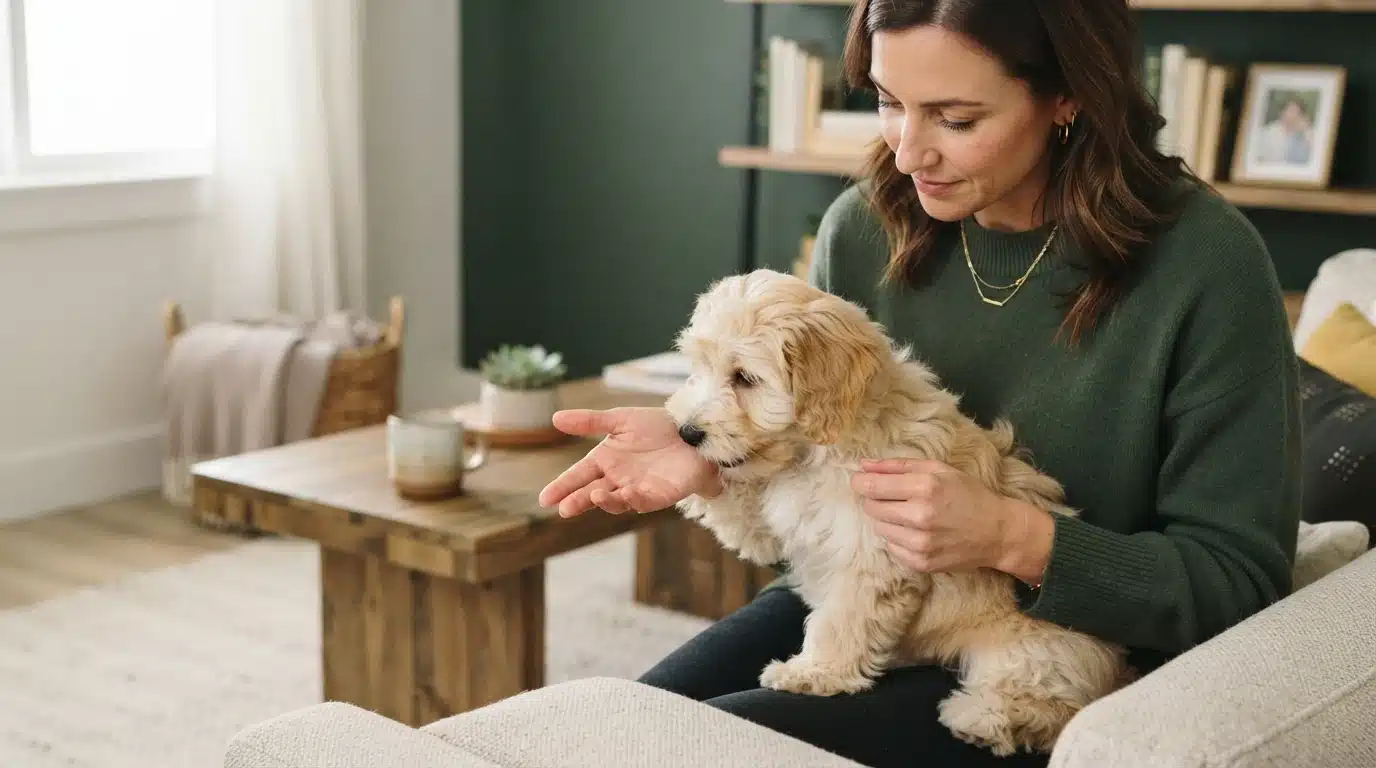
Havanese dogs are people-focused and eager to please, which makes positive reinforcement training a natural fit. Use tiny treats, praise, and short two-to-five minute sessions. Skip corrections or raised voices. A sensitive small dog that feels pushed can shut down or learn to hide instead of try. Reward the behavior you want, and it will repeat it happily.
First Priorities and Group Classes
Start with name recognition, sit, come, and loose-leash walking. Crate training helps with house training and gives your puppy a safe spot to rest. Once your vet agrees, join a puppy class run with reward-based methods, ideally by 10 to 12 weeks. Classes teach skills while adding safe meetings with other puppies and people.
A well-socialized Havanese grows into a confident companion rather than a clingy or fearful one.
Health Care Through Year One and the Conditions to Watch For
The Preventive Care Timeline
Your vet visit should happen within the first few days home. Plan on a puppy vaccination series at 8, 12, and 16 weeks, plus routine parasite prevention for worms, fleas, and ticks. A spay or neuter decision usually comes between 6 and 12 months, so ask your vet what fits your puppy’s growth. Book a dental check too, since small breeds build tartar fast.
Documented Breed Conditions and What to Watch For
What health tests should a Havanese breeder provide? For a current CHIC number, the Havanese Club of America lists these:
- OFA hip radiographs and patella evaluation
- CAER eye exam
- Cardiac evaluation
- Optional extras: BAER hearing test, elbows, thyroid, and Legg-Calvé-Perthes screening
These follow the club’s own health and testing guide. During year one, watch for limping or bunny-hopping hind legs (possible patellar luxation), head shaking or unresponsiveness to sound, cloudy eyes, and persistent scratching. Small breeds also prone to dental crowding need early tooth care.
Why Breeder Testing Documentation Matters
Parent dogs with passing results lower the odds of inherited problems, though they never erase them. Test results should be verifiable in the public OFA database, not just claimed on a website. Breeders who hand over records, like the health testing documented for Sage’s litters, give you proof instead of promises. Ask for the parents’ CHIC numbers before you commit.
Sourcing a Havanese Puppy Honestly and Budgeting for Ownership
What to Verify Before You Reserve
A good breeder answers health questions before you ask. Ask for proof of Havanese Club of America recommended testing, including OFA patella evaluation and CAER eye exams, plus a written puppy contract that states health guarantee terms in plain language. Visit in person if you can, or request a video call. Ethical programs, including our own South Jordan program, welcome both.
The First-Year Cost Model
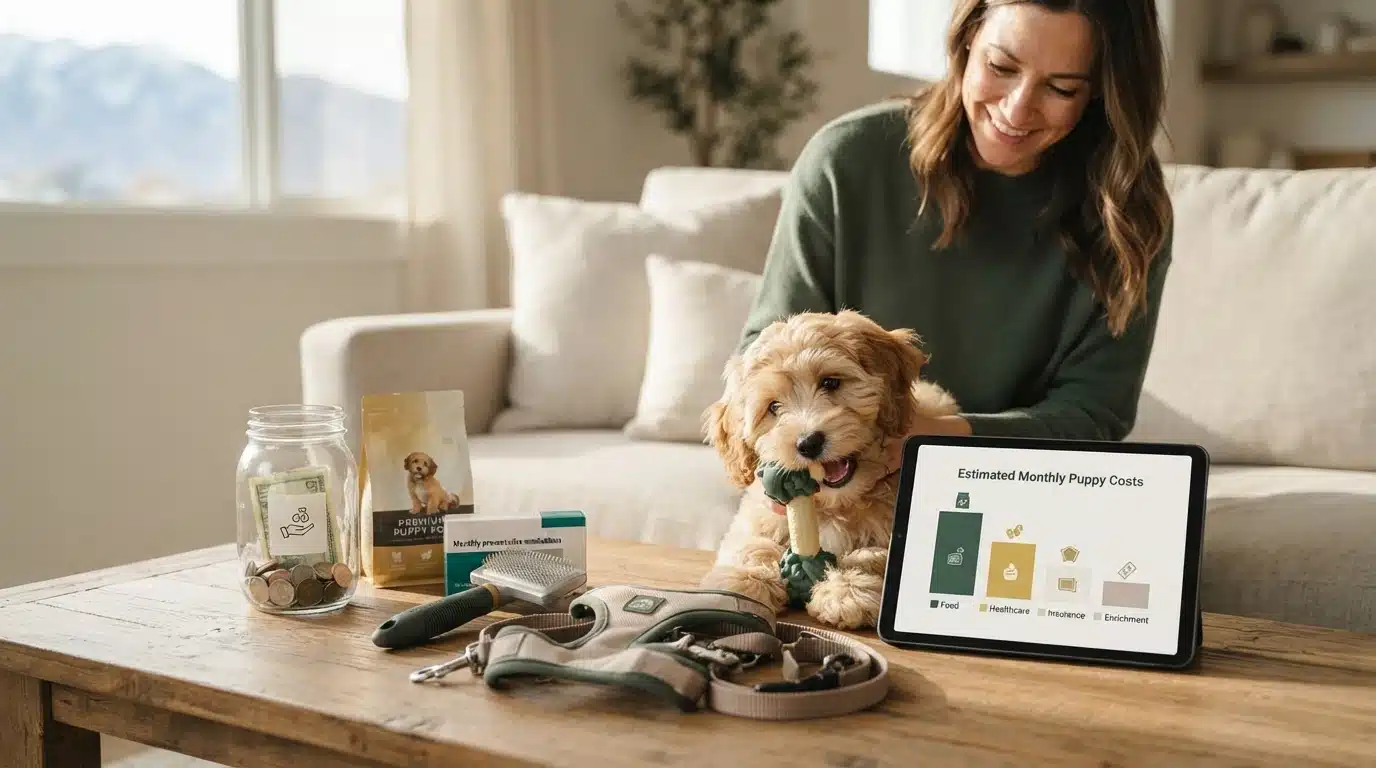
How much does a Havanese puppy cost in the first year? Expect three cost buckets, and treat the numbers below as an illustrative example, not a quote:
| Cost Bucket | Example Range | Notes |
|---|---|---|
| Purchase price | $3,500-$4,500 | Varies by program and lineage |
| One-time setup | $300-$600 | Crate, gear, first vet visit, vaccination series |
| Recurring care | $1,200-$2,000 | Food, parasite prevention, grooming, puppy class |
Where to Look Next
Compare breeders on health testing, transparency, and how they match puppies to families, not just on price. If you want to see what a full Havanese adult turns into, our guide to Havanese adult size and temperament breaks it down. Then read the HCA health testing guidance before you place any deposit.

Ready to meet your Havanese? Sage Puppies matches families with well-bred Havanese, Havapoo, and Cavapoo puppies from South Jordan, Utah, with nationwide delivery available. Browse available puppies, review the pricing, and start your application today.
Frequently Asked Questions
Q1: How do I care for a new Havanese puppy?
Puppy-proof one room, feed the breeder’s food on schedule, keep potty trips frequent, and book a vet visit within three days with all paperwork.
Q2: How often should I brush a Havanese puppy’s coat?
Three to four times weekly, or daily if you keep the coat long. Brush down to the skin so hidden tangles don’t turn into mats.
Q3: When should a Havanese puppy finish vaccinations?
Most vets schedule the puppy series at 8, 12, and 16 weeks, plus parasite prevention throughout year one.
Q4: What health tests should Havanese parents have?
Ask for OFA hip and patella results, a CAER eye exam, and cardiac evaluation, verifiable in the public OFA database.
Q5: How much does a Havanese puppy cost in the first year?
Budget the purchase price, roughly $300 to $600 in setup costs, and about $1,200 to $2,000 in recurring care.
Q6: Are Havanese puppies good for first-time owners?
Yes. They’re people-focused, eager to please, and respond well to short, positive training sessions with treats and praise.
Conclusion: Building a Steady Life With Your Havanese Puppy
A Havanese puppy thrives on the basics done consistently: frequent meals, a patient potty routine, regular brushing for that soft double coat, and early socialization within the first three months. Health care follows a clear path, from the puppy vaccination series to breeder tests like OFA patella and CAER eye exams. Separate what the AKC breed standard documents from what you judge puppy by puppy, and budget for the full first year, not just the purchase price. Do these steadily, and you get the confident, people-focused companion the breed was meant to produce.