Quick Summary: A puppy health guarantee is a limited breeder contract, not blanket coverage or pet insurance. It may cover serious hereditary conditions for one to two years, debilitating birth defects for 30 to 90 days, and infections during the first 72 hours, while remedies often mean a replacement or refund rather than full vet costs. Read the exact conditions, exclusions, deadlines, and claim steps before signing, and keep vet records plus timely written proof of any diagnosis.
A two-page puppy health guarantee comes home with your new dog. Most buyers file it away and never read it, at least until a vet visit six months later raises a question the document was written to answer.
That gap causes real problems. Families assume a guarantee covers everything, then learn that hereditary conditions, infections, and genetic defects sit in separate categories with separate rules. This puppy health guarantee explained guide walks through what typical coverage includes, which exclusions matter most for small breeds, and how to read the fine print before you sign.
We raise Havanese, Havapoo, and Cavapoo puppies in South Jordan, Utah, so we have written and stood behind these documents ourselves. Here is what yours should actually say.
What a Puppy Health Guarantee Actually Is
A health guarantee is a written promise from a breeder about a puppy’s health, and this puppy health guarantee explained section starts with the simplest point: it is not insurance. It is a breeder’s own commitment, in writing, to stand behind the puppy you take home. Typically it states what the breeder will do if a covered condition appears within a set window, such as a refund, a replacement puppy, or help with vet costs.
Health Guarantee vs Pet Insurance
The two cover different things. A guarantee is a fixed contract with the breeder, limited to specific conditions and deadlines the breeder sets. Pet insurance is a policy you buy separately from an insurance company. It helps pay vet bills for accidents and eligible illnesses for years, but it excludes conditions the insurer classifies as pre-existing, and premiums and coverage depend entirely on the policy you choose. One protects you against the breeder’s risk; the other protects you against life with a dog. Families serious about the breeder’s side of that risk should also ask what health testing sits behind the guarantee.
Why the Guarantee Is Part of the Purchase Contract
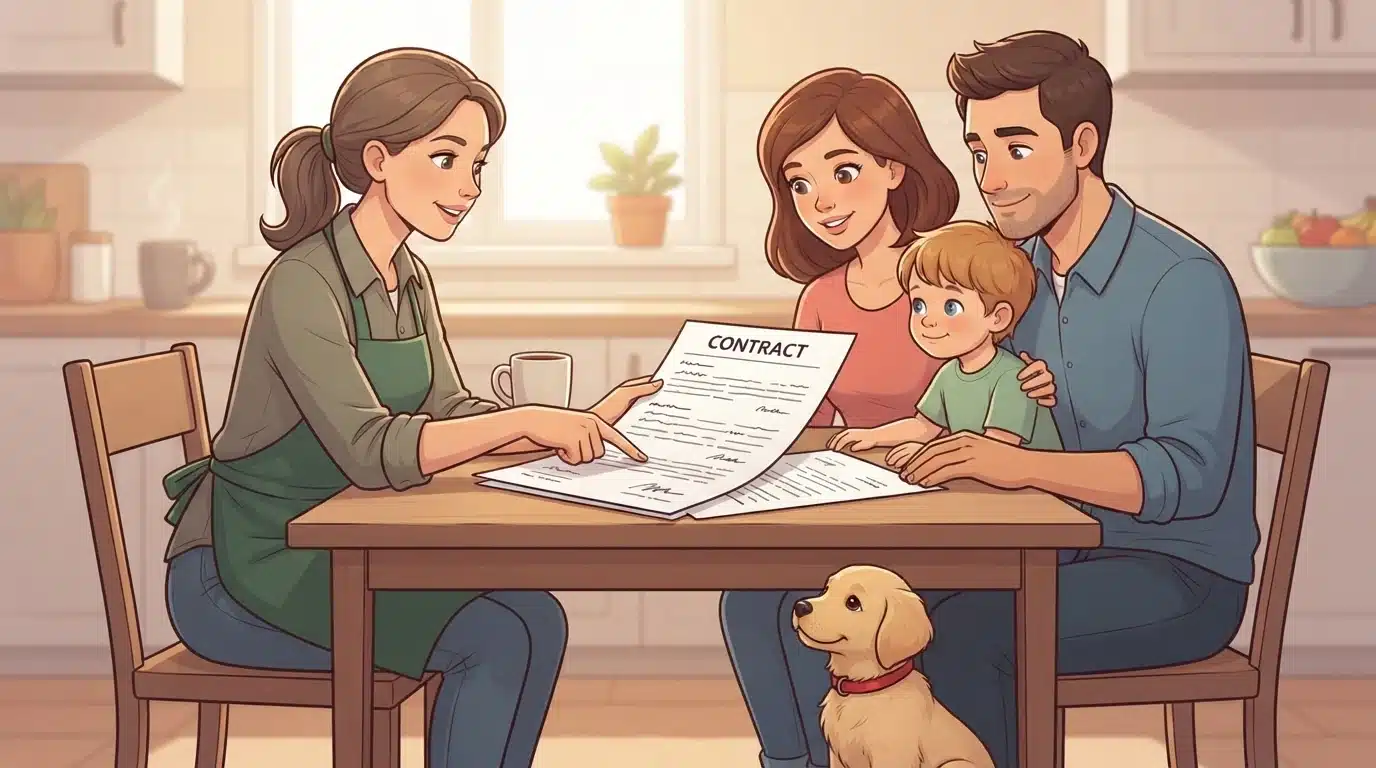
The guarantee usually lives inside the purchase contract, not beside it. That matters because the contract is the enforceable document: it defines the deadline for your vet exam, the conditions covered, and the remedy if something goes wrong. Read both together before you pay a deposit, since signing the contract is what activates the guarantee.
The Conditions Most Puppy Health Guarantees Cover
A health guarantee is not a promise that your puppy will never get sick. It is a written promise about specific categories of conditions, and most contracts sort those into a few buckets. A genetic health guarantee typically covers disorders that would seriously affect a dog’s lifespan or activity, so reading the definitions matters more than reading the headline.
Hereditary Conditions
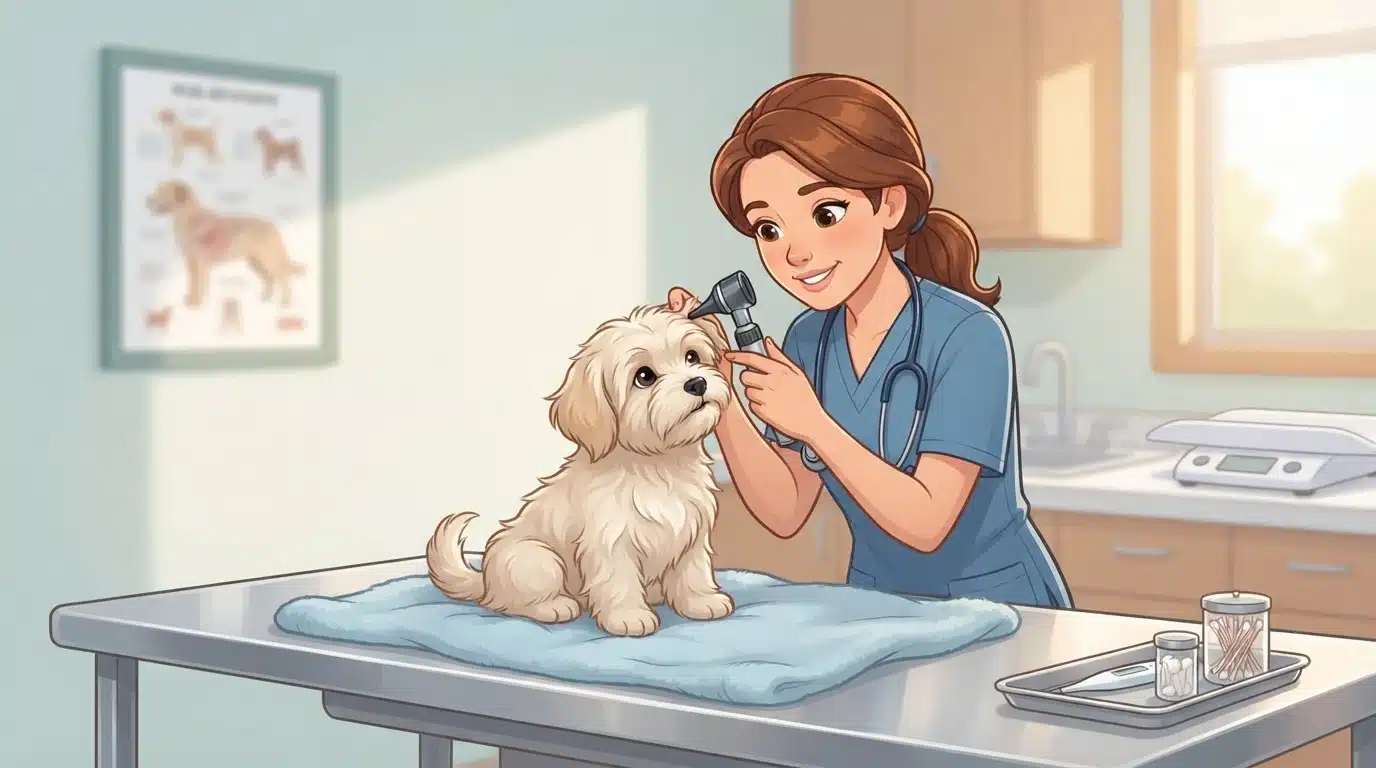
Hereditary conditions are diseases passed down through breeding lines, such as hip dysplasia, patellar luxation, heart defects, and certain eye diseases. Because they can take time to appear, these usually carry the longest coverage window, often one to two years from purchase. Many breeder guarantees also require proof of ongoing veterinary care, and some ask that the dog stay on a specific food or supplement plan. Others tie the guarantee to health testing done on the parents before breeding, which is why health-tested puppies start with fewer inherited risks in the first place. Watch for the word debilitating: it narrows what qualifies.
Debilitating Congenital Conditions
Congenital conditions are present at birth, whether inherited or not, and guarantees usually address only the severe ones. Think heart defects, umbilical or inguinal hernias, or kidney problems that would shorten or badly limit the dog’s life. These are typically covered for a short early window, often 30 to 90 days, because a serious congenital defect usually shows up fast. Mild issues, such as a small umbilical hernia that a routine spay can fix, often fall outside coverage. Many contracts offer a replacement puppy or refund rather than paying vet bills, so know which remedy applies before you sign.
What Coverage Looks Like for Small Breeds
For Havanese, Havapoo, and Cavapoo buyers, the list is shorter but specific: patellar luxation, heart murmurs, eye disease, and liver shunts come up most often. Confirm those conditions appear by name, not just in general language.
What Puppy Health Guarantees Usually Exclude
Most guarantees promise protection against serious genetic problems, then quietly carve out a list of situations they won’t touch. These exclusions are not fine print meant to trick you. They exist because the breeder can only control the puppy’s first weeks of life, not your home, your vet choices, or accidents. Knowing the standard list helps you read a contract fast and spot a fair one.
Infections, Parasites, and Stress-Triggered Illness
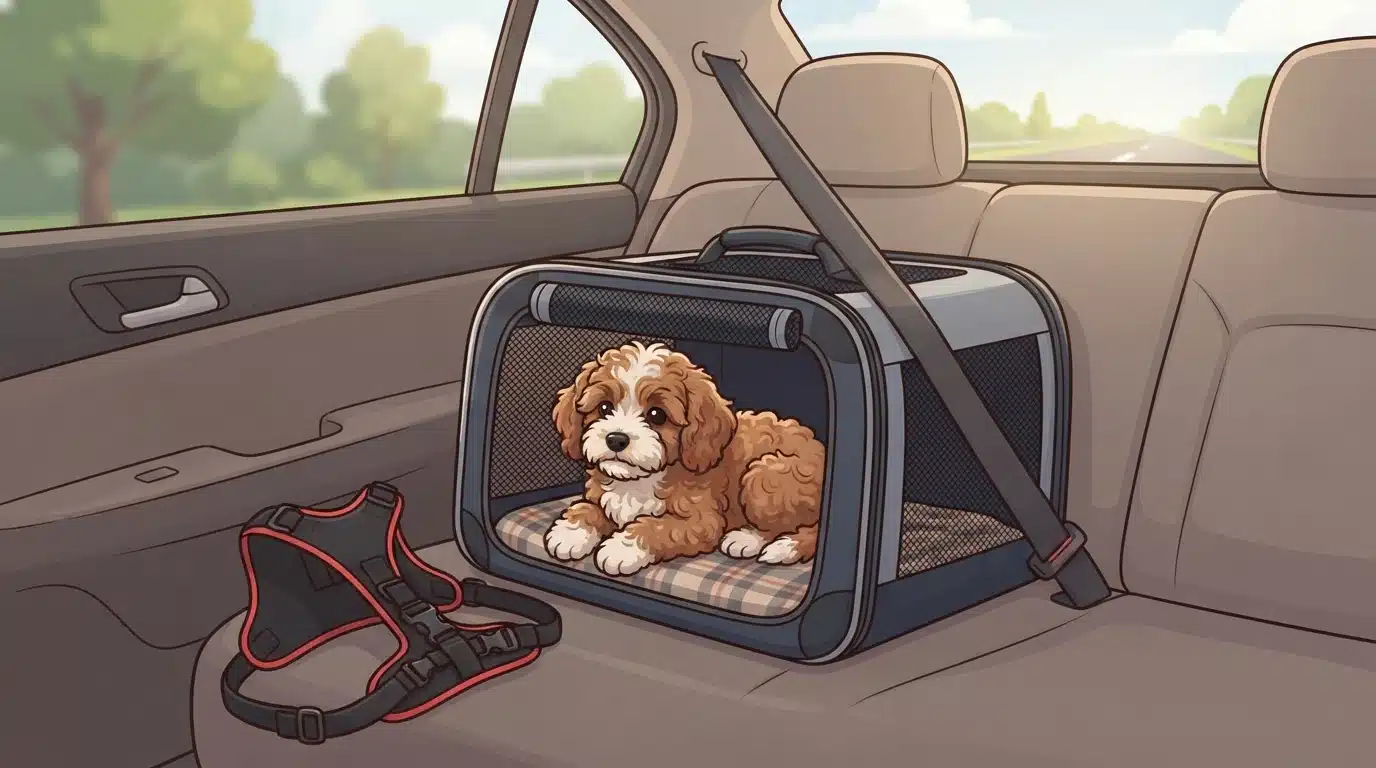
Infectious diseases like kennel cough, parvo, or giardia usually fall outside coverage once you take the puppy home. These illnesses spread from new environments, other dogs, or a dip in immunity during the stress of travel. Some breeders do cover them briefly, often in the first 72 hours, because a puppy that arrives sick points back to the breeder’s care. Read that timing clause closely. It tells you how fast you need a vet exam.
Injuries, Neglect, and Owner-Caused Conditions
Anything caused after pickup is on you, and that is fair. A broken leg from a fall off the couch, heatstroke in a parked car, or malnutrition from an unapproved diet will never be a breeder’s responsibility. Neglect clauses can void the whole guarantee, so describe your living situation honestly during the application. This is also why many breeders, including Sage Puppies, use an owner-matched application first: matching the right home prevents the problems no guarantee can fix later.
Cosmetic and Mild Traits
Guarantees cover health, not looks. A crooked tooth, a white patch in an unexpected spot, a slightly off-standard coat texture, or an underbite that never affects eating won’t trigger a replacement or refund. Same goes for a puppy that grows larger or smaller than you hoped. Breeding rights are usually excluded too unless the contract states them plainly. If appearance matters to you, ask for current photos of the parents rather than relying on the contract.
Buyer Duties That Keep Coverage in Force
Every guarantee carries conditions, and missing one can end your coverage. The usual duties:
- Get a vet exam within a set window, often 72 hours to 10 days
- Keep up with vaccines and deworming on the schedule
- Feed and house the puppy appropriately for its size and age
- Notify the breeder in writing of a diagnosed genetic or congenital condition, often within a fixed deadline after diagnosis
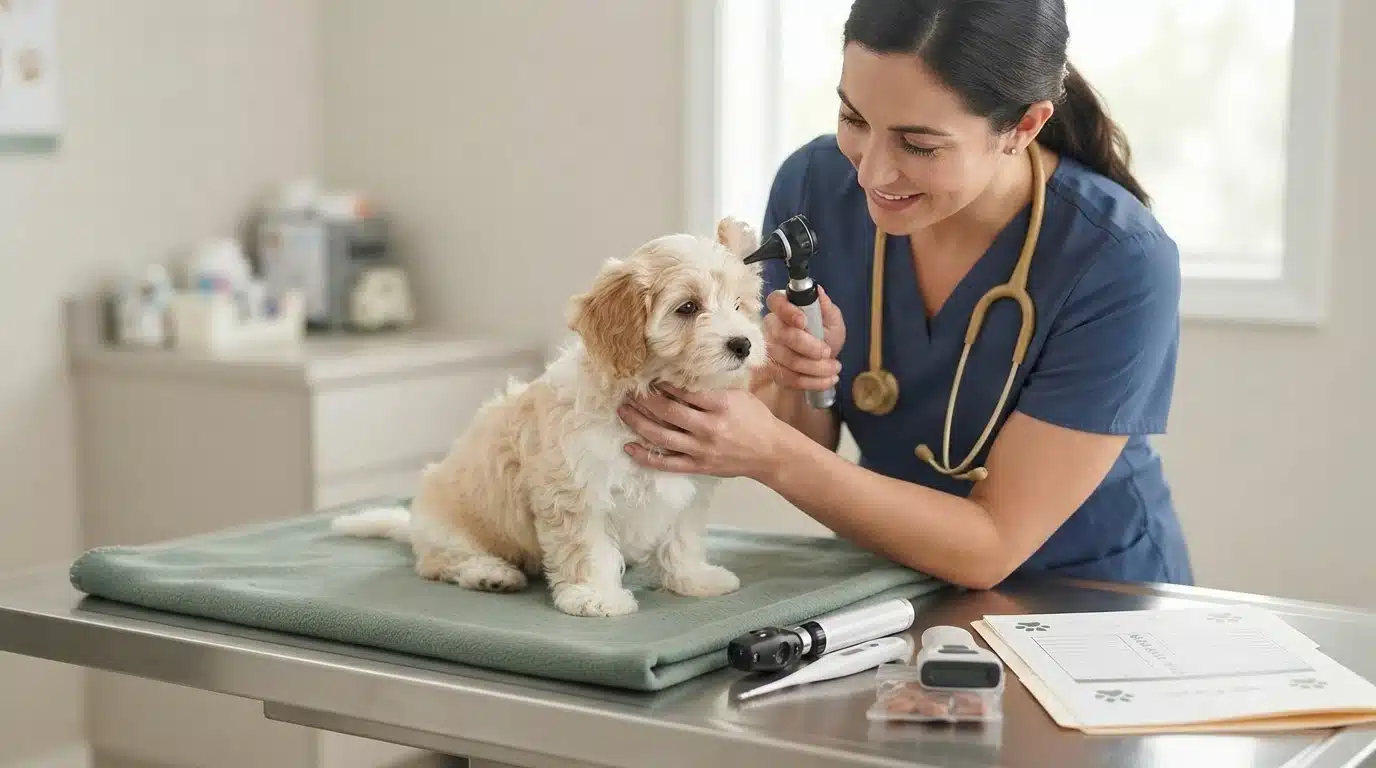
Contracts commonly require prompt written notice of any genetic or congenital diagnosis, sometimes within 30 days, so a claim survives review under the contract terms. Keep your vet records from day one. When you’re preparing for that first exam, the questions to ask at a Havapoo puppy’s first vet visit apply to any small-breed puppy.
Timeframes, Triggers, and What Counts as Proof
A guarantee only works if you know when it starts, what sets it off, and what a breeder will accept as evidence. Most disputes are not about bad intentions. They happen when a buyer misses a deadline or shows up with the wrong paperwork.
What Each Time Window Usually Means
Think of the windows in layers. The first layer covers infectious illness, usually the first 72 hours, because a puppy that arrives sick points back to the breeder’s care. The second layer covers congenital defects, problems present at birth, and it typically runs 30 to 90 days since serious defects tend to show up fast. The third layer covers hereditary conditions that appear later, sometimes stretching to one or two years. Each layer has its own trigger, usually a vet diagnosis plus written notice within a set number of days. Miss that notice window and even a valid claim can fail.
The Documentation Trail Behind a Successful Claim

Build the file from day one. Book the initial vet exam inside the required window, often 72 hours to 10 days, and keep that report even when everything looks fine. Save the sales contract, the purchase date, and any breeder health records in one place. If a problem appears, get the diagnosis in writing from your licensed veterinarian, with the specific condition named. Written notice to the breeder comes next, ideally by email so you have a timestamp. Contracts commonly require prompt notice of a genetic or congenital diagnosis, sometimes within 30 days, so a claim survives review under the contract terms.
Typical Remedies and Their Limits
If a claim holds up, breeders usually offer one of three remedies: a replacement puppy from a current or future litter, a partial or full refund, or coverage of some treatment costs. Replacement is most common, but few breeders pay vet bills you already incurred. Caps are standard too, often limiting payouts to the purchase price. Some breeders, including boutique programs like Sage Puppies, spell out these remedies in writing so families know exactly where the line sits before a problem ever arises.
Reading the Guarantee With a Small-Breed Eye
Small breeds carry their own risk profile, so the same guarantee reads differently for a Havanese than for a Cavapoo. Here is what deserves your attention with each.
What to Look For in a Havanese Program’s Guarantee
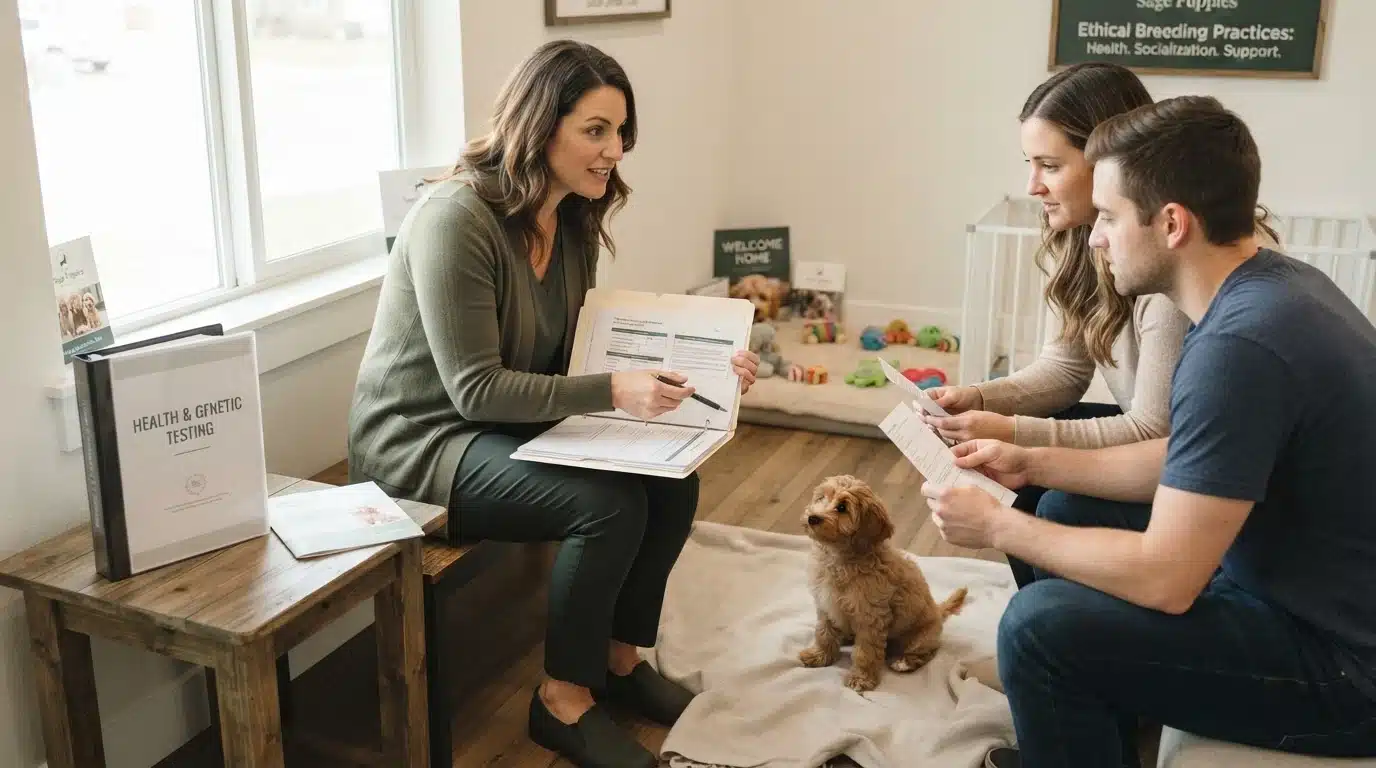
For a Havanese, watch for knee and eye terms first. Luxating patellas and eye disease are the breed’s most common inherited problems, so a strong program tests parents and spells out what happens if these show up early. The Havanese Club of America’s current CHIC requirements call for annual eye exams, hip x-rays and patella certification, so ask which parent results the breeder will share. A program like Sage Puppies pairs its contract terms with open health testing records, which makes the document easier to trust.
What to Look For in a Cavapoo or Havapoo Program’s Guarantee
Crosses need different reading. Because the Poodle parent varies, ask how the guarantee treats adult size, since no one can promise a weight range. Check which parent DNA tests the contract references, and remember Cavalier lines add heart concerns, so ask about cardiac screening. A vague clause covering “genetic defects” without named tests tells you little.
How to Compare Guarantees Across Breeders Without Losing the Detail
Two guarantees can sound identical and cover very different things. So put each one on paper, row by row, before you decide.
A Side-by-Side Comparison Sheet Buyers Can Build
Make a simple spreadsheet with one column per breeder. List the terms that actually matter as rows: the vet exam window, the infectious illness period, the congenital defect period, the hereditary condition period, the notice requirements, and the refund or replacement options. Add a row for who pays diagnostic costs and whether a claim requires returning the puppy. Fill every cell with the exact wording and number from the contract, not a summary from the website.
Red Flags That Outweigh a Strong Word Count
A long guarantee means little if it hides the exits. Watch for vague terms like “health problems” with no defined conditions, exclusions that swallow every inherited disease, or a diagnosis deadline shorter than any real test result takes. Be careful with guarantees requiring you to return the puppy to collect, since families rarely do. Ask for a sample contract before paying a deposit, and compare its numbers against the promises made in conversation.
Common Mistakes to Avoid When Reviewing a Puppy Health Guarantee
Mistakes That Quietly Void Coverage
The most costly errors happen before anything goes wrong. Skipping the required vet exam window, often 72 hours to 10 days, voids many guarantees outright. So does missing the deadline for written notice of a diagnosis, sometimes 30 days. Watch for exclusions too: some contracts deny coverage if your puppy is overweight, over-vaccinated, or bred before a set age. Read those clauses before you sign, not after.
Mistakes Buyers Make When Filing a Claim
When a problem appears, documentation decides everything. Many claims fail because owners have no vet records, no written notice on file, or no proof the exam happened on time. Others wait for symptoms to “get better” first and blow past the notice window. Send your diagnosis in writing, keep copies of every report, and follow the contract’s stated steps exactly. A claim that skips a required step gives the breeder an easy reason to deny it.
Putting It Together Before You Sign or Send a Deposit
A health guarantee works only if you do. Read the contract line by line, confirm the three coverage layers, and note every deadline that falls on your calendar: the initial vet exam, the written notice window, and any claim forms. Ask for the vet records and parent health test results in writing.
Before you sign, one checklist item matters most: know exactly what voids the guarantee, because missing a 72-hour exam or notice deadline can erase coverage you thought you had.
Buyers who compare programs this way, including the Havanese, Havapoo and Cavapoo families we work with in South Jordan and nationwide, tend to avoid the disputes that come from assumptions.

If a guarantee’s deadlines and exclusions still feel confusing, ask the breeder directly before you sign. At Sage Puppies, every Havanese, Havapoo and Cavapoo puppy comes with clear, written terms you can review in advance. Start with our application and we’ll walk through the details with you.
Frequently Asked Questions
Q1: what a puppy health guarantee typically includes
A typical guarantee covers three layers: serious hereditary conditions for one to two years, debilitating congenital defects for 30 to 90 days, and sometimes infectious illness for the first 72 hours. It excludes cosmetic traits, injuries, and anything caused after pickup.
Q2: Does a health guarantee cover vet bills?
Usually no. Most breeders offer a replacement puppy or refund instead, and payouts are often capped at the purchase price. Ask before signing who pays diagnostic costs.
Q3: What voids a puppy health guarantee?
Missing the initial vet exam window, skipping written notice deadlines, neglect, or breach of feeding and vaccine requirements. Read the voiding clauses before you sign anything.
Q4: Do I need pet insurance if the breeder gives a guarantee?
Yes, ideally. A guarantee covers the breeder’s risk only; insurance helps with accidents and illnesses for years.
Q5: How long do I have for the first vet exam?
Commonly 72 hours to 10 days. Book it immediately, and keep the written report even if everything looks normal.
Q6: Should a guarantee specify conditions by name?
Yes. For small breeds, look for patellar luxation, heart murmurs, eye disease, and liver shunts listed explicitly rather than vague “genetic defects” wording.
Q7: Can I get a refund instead of a replacement puppy?
Sometimes, but replacement is most common. Confirm the exact remedy in writing before paying a deposit.
Conclusion
A puppy health guarantee is a layered promise, not a blanket one. Hereditary conditions carry the longest window, congenital defects the shortest, and infections only a brief arrival period. Exclusions follow logic: breeders cover what they control, and buyers cover what happens after pickup. Deadlines decide most claims, so calendar the vet exam and notice windows before you sign. For small breeds, check that patellar luxation, heart murmurs, eye disease, and liver shunts appear by name. Read the contract, ask questions early, and trust the breeder who writes terms you can actually follow.