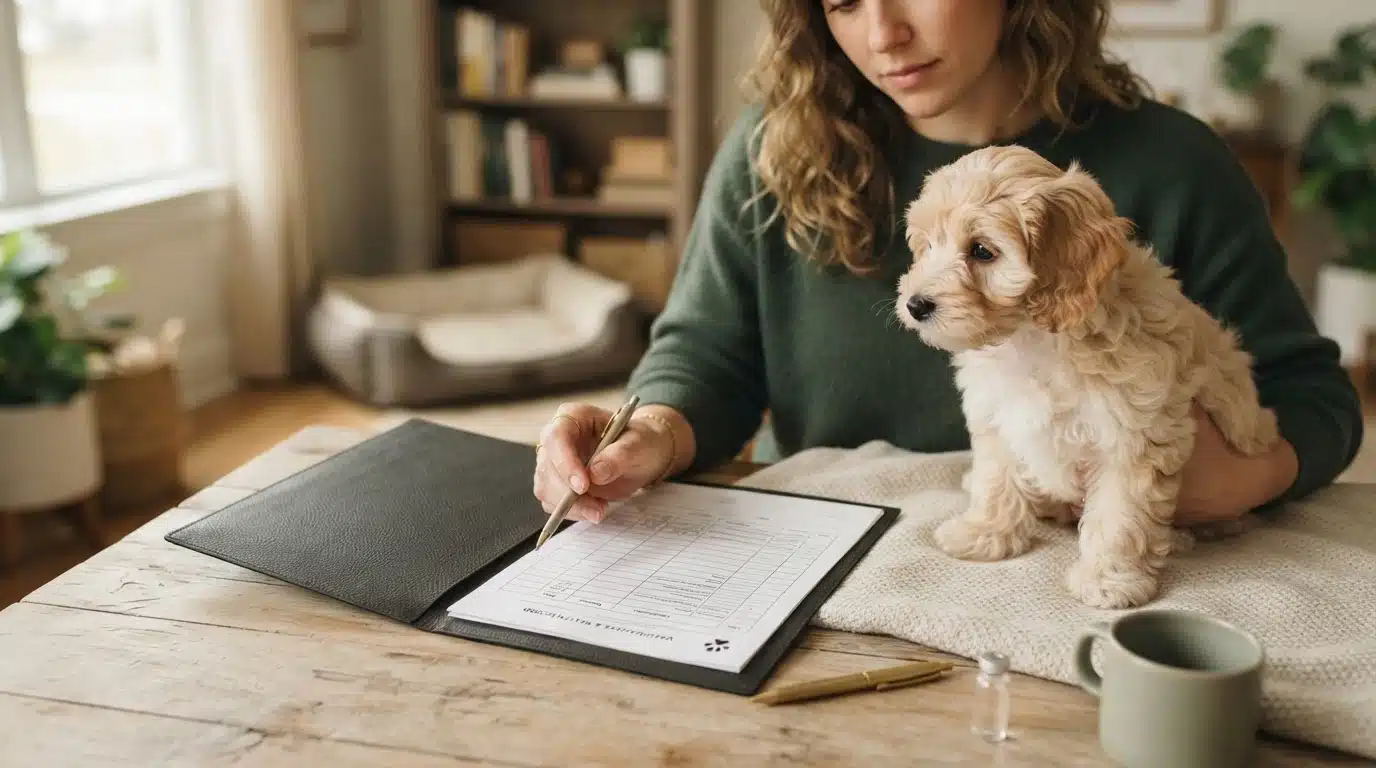
Quick Summary: Havapoos can be affectionate family companions, but breed temperament alone does not make them safe with children. Adults must supervise closely, especially with toddlers, enforce gentle-handling rules, and give the puppy a quiet retreat. Watch for stress signs such as lip licking, yawning, or whale eye, pause interactions early, and keep meals, naps, play, and training predictable.
A Havapoo will let a four-year-old flop halfway across its back, wag through the whole thing, then slip into the bedroom and shake off the day. That blend of patience and boundaries is why families ask so often about a havapoo with kids before they commit.
The honest answer is that temperament helps, but the household matters just as much. Small dogs get stepped on. Toddlers grab. A good match depends on age-banded supervision, teaching children how dogs signal stress, and a pre-arrival plan that gives the puppy a safe retreat.
This guide walks through each of those steps, backed by AVMA bite prevention guidance and published pediatric research on how and when injuries happen. Whether you are comparing breeders in Utah or considering delivery nationwide, you will find what a havapoo with kids does well, where the risks sit, and what to prepare before your puppy comes home.
How Havanese Poodle Mixes Actually Behave Around Children
Families love the idea of a havapoo with kids: small, cheerful, and eager to please. That reputation is mostly earned, but it works only if you understand where the temperament comes from and what no breed label can promise. Here is how the two parent breeds actually show up in a family home.
What the Havanese and Poodle Sides Each Bring
The Havanese was bred as a companion dog, so its strongest instinct is simply being near people. These dogs tend to be soft-tempered, watchful with children, and quick to follow a familiar child from room to room. The Poodle side contributes intelligence and trainability, which usually means a puppy that learns house rules fast.
Put together, you get a dog that wants to please and adapts well to busy households. But both parent breeds are sensitive. Loud squealing, rough grabbing, or being chased can worry them, and a worried small dog communicates that by hiding, snapping its lips, or walking away. A havapoo with kids does best when children learn to read those signals early.
What the Research Says About Kids and Dogs
The evidence is clear that supervision matters more than breed. The AVMA notes that children are the most common bite victims, and it advises families to never leave a baby or small child alone with any dog, even a small family pet. The same guidance teaches kids to pet gently on the back or shoulders and to respect a dog’s space. Any dog can bite under enough stress.
The Honest Limits of a Breed Label
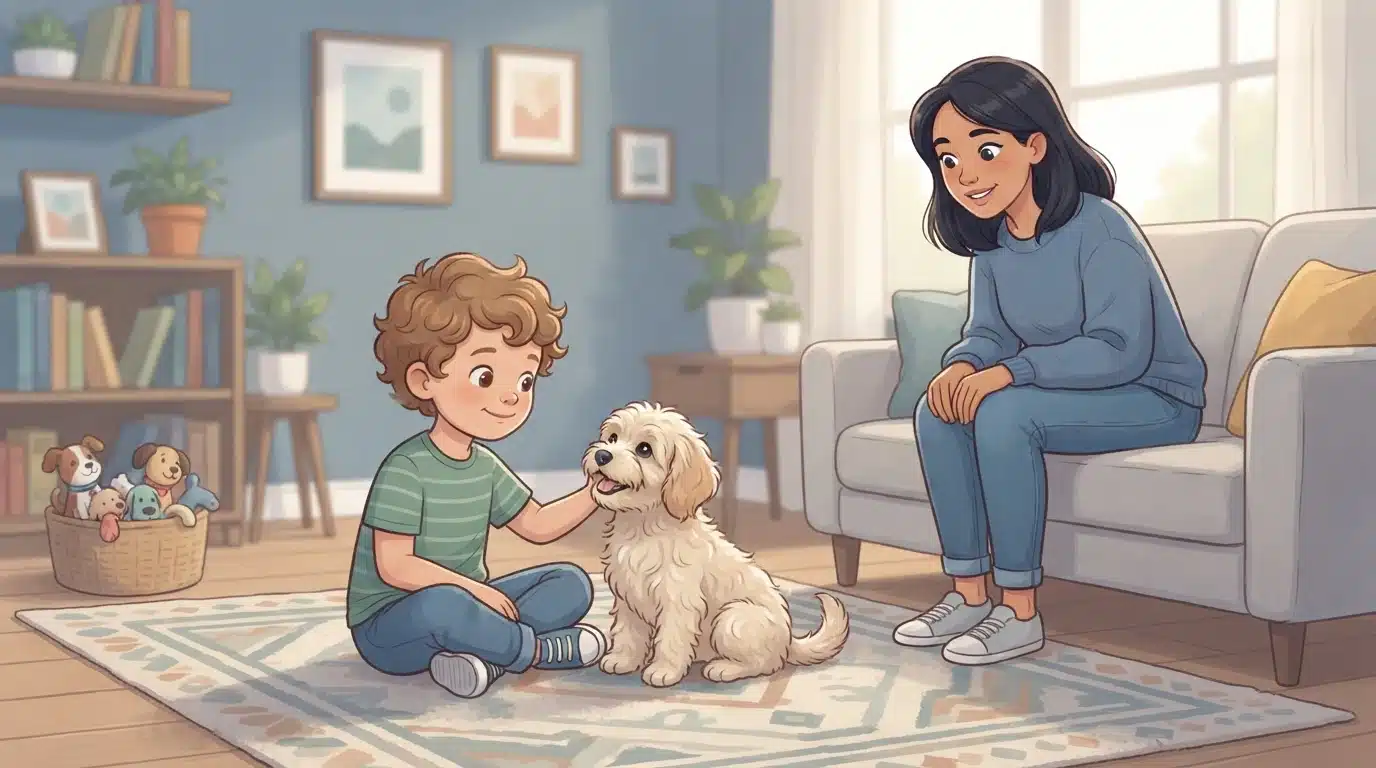
A breed mix predicts tendencies, not individual behavior. Upbringing, socialization, and your supervision habits shape the puppy you actually live with. If you want more depth on health questions tied to these mixes, our guide to Havapoo and Cavapoo health issues covers what buyers should know before they commit.
Match the Dog to Your Child’s Age
A Havapoo can fit a family with kids of almost any age, but the work changes as your children grow. Dog bite research consistently shows that injury patterns track with a child’s stage, not just with the dog’s temperament. Children account for at least half of the roughly 4.5 million dog bites reported in the US each year, so it pays to plan for the age you actually live with, not the one you hope for. Here is what each stage looks like in practice.
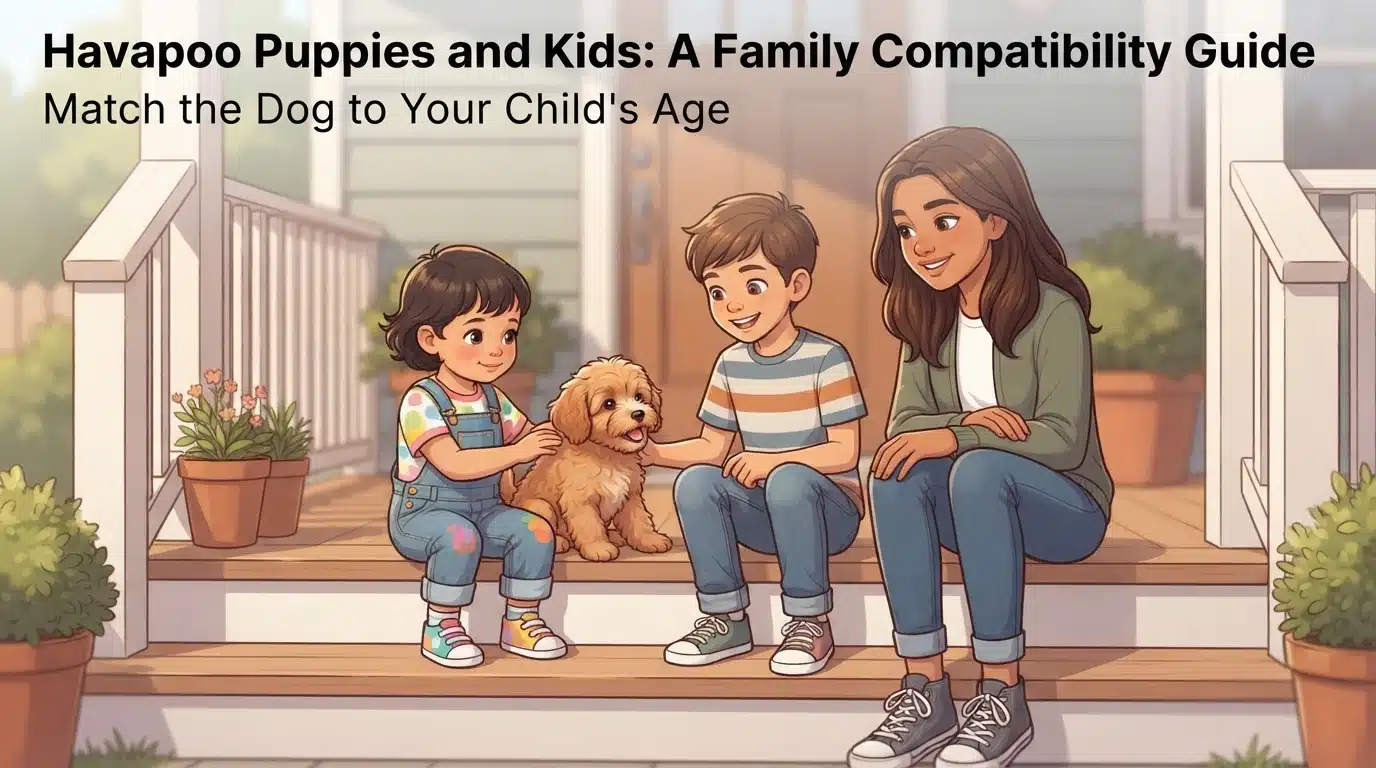
Toddlers and Preschoolers (Ages 2 to 5)
Young children are the highest-risk group, and injury rates climb fastest between ages 5 and 9 according to the CDC. A toddler cannot read a dog’s stress signals, so the puppy carries the risk. Your rules matter more than the breed. Never leave a small child alone with the dog, even for a minute. Teach “gentle hands” early, keep the puppy’s crate and food area off-limits to kids, and run every interaction yourself. Expect the adult, not the child, to handle feeding, walks, and cleanup for years.
Early Elementary Years (Ages 6 to 9)
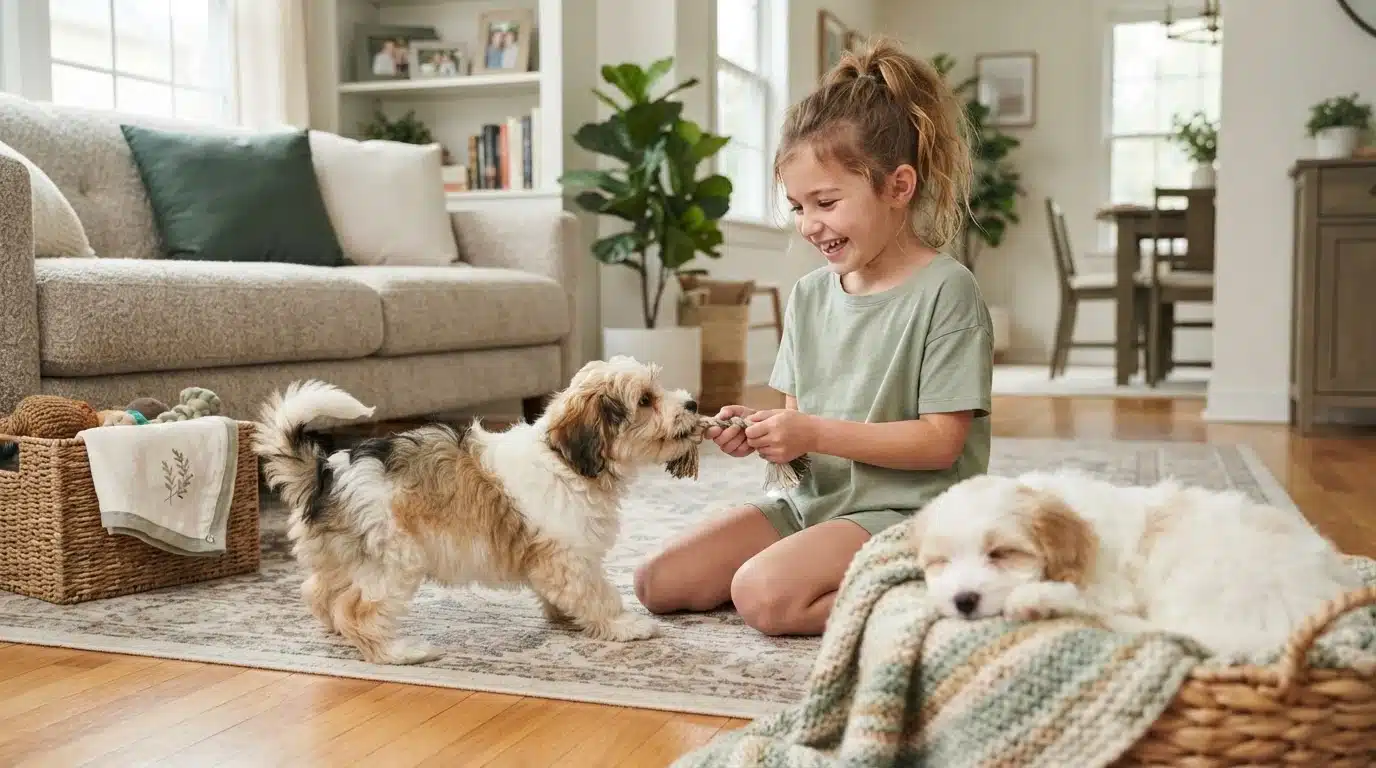
School-age kids can follow rules, so this is often the sweet spot for a first family puppy. Children in this range still see the most bite injuries, but you can close that gap with training. Assign your child small, real jobs: refilling the water bowl, practicing sit and come, helping with a short leash walk. Set one firm rule about bothering the dog during sleep or meals. A Havapoo’s eager-to-please nature makes it forgiving of wobbly kid handling, but supervision stays on you.
Preteen and Teen Years (Ages 10 and Up)
Older kids can take genuine ownership, and many families get their first puppy at this stage for exactly that reason. A teen can handle training sessions, grooming appointments, and the daily exercise routine. The catch is follow-through. Interest often fades once the novelty wears off, so put care duties in writing and decide now who covers them when school, sports, or phones take over. If you want a family-raised Havapoo, matching the breeder’s socialization to your household’s energy helps either way.
Set Up the Home Before the Puppy Arrives
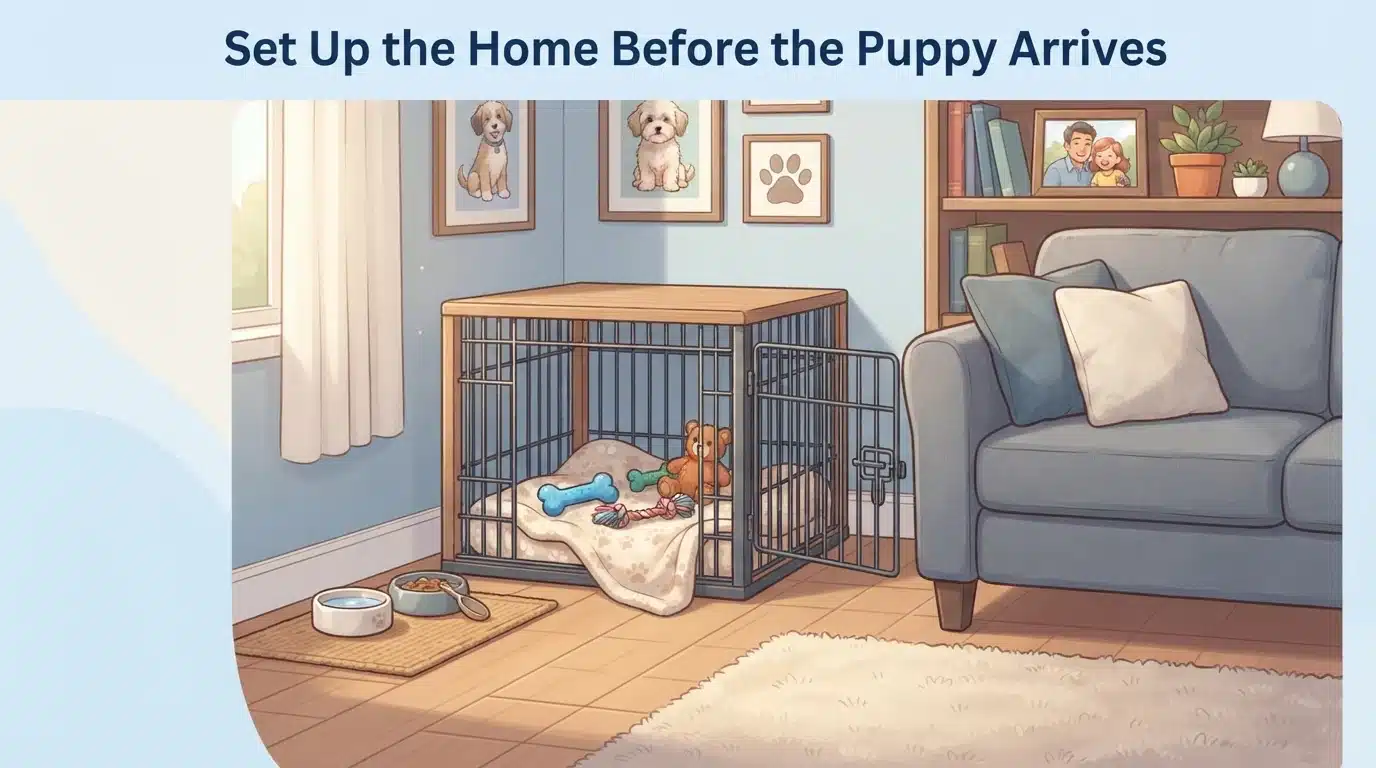
A Havapoo puppy lands in your house as a four-pound toddler. Setting up the right spaces before pickup day means the first week runs on routine instead of improvisation.
A Retreat Area the Kids Understand
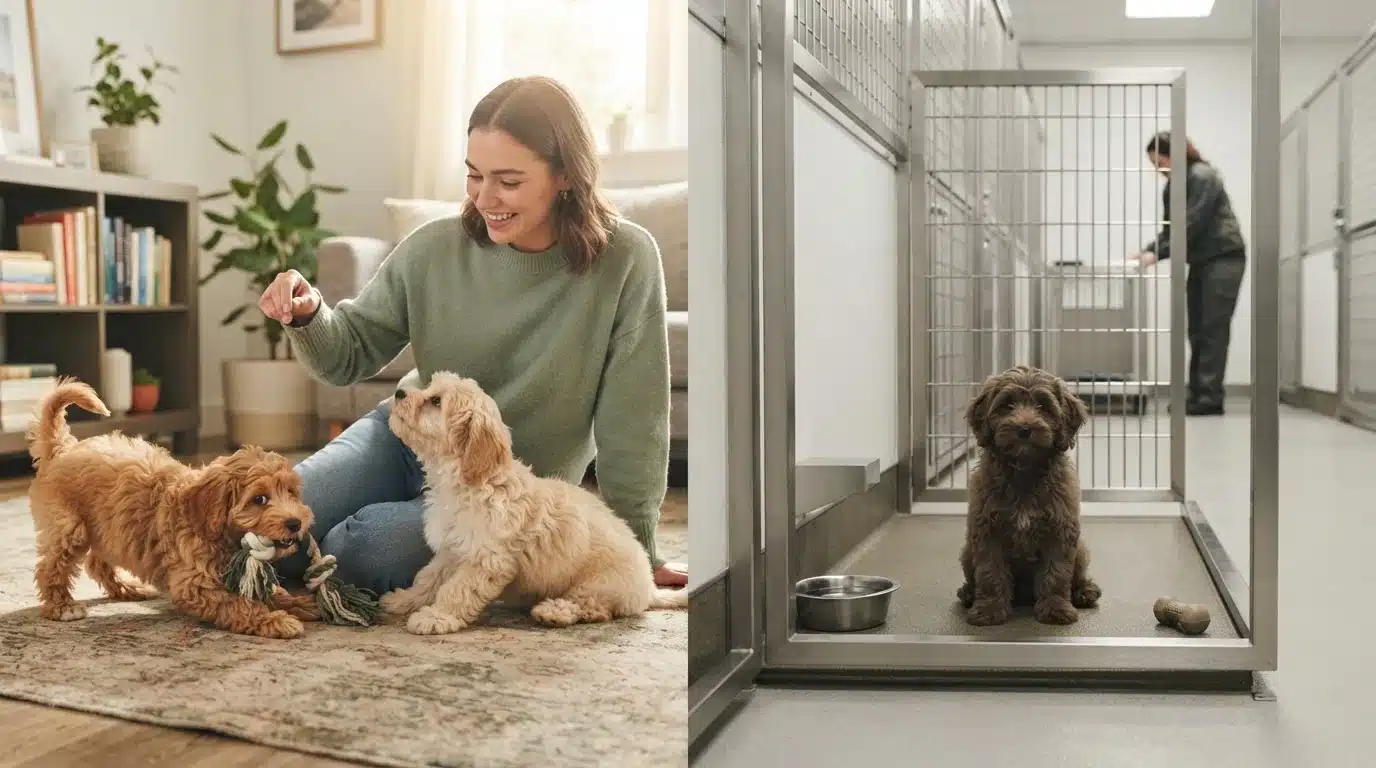
Every puppy needs one spot where nobody touches it. A crate or playpen in a quiet corner works, stocked with a bed, water, and a chew toy. Teach your children that the crate is the puppy’s bedroom, not a toy box. When the puppy walks in on its own, hands come off. This one rule does more for bite prevention than any breed claim, because a puppy that can always get away never has to learn to defend itself.
The Household Rule Script
Kids follow rules better when the rules are short, repeated, and written down. Post these where the family eats and rehearse them before the puppy comes home:
- Touch gently. Pet with an open hand, never grab, hug, or sit on the puppy.
- No puppy chasing. If the puppy walks away, let it go.
- Leave food and chews alone. Even a friendly puppy guards its bowl.
- Hands off while sleeping. Waking a puppy is its job alone, and that job belongs to an adult.
- Sit first, then play. Children invite the puppy onto their lap instead of lifting it.
Tape the list at kid height. Revisit it at dinner during the first month, and expect to repeat it often. Consistency from every adult in the house matters more than the list itself.
Supplies and Vet Setup Worth Doing Early
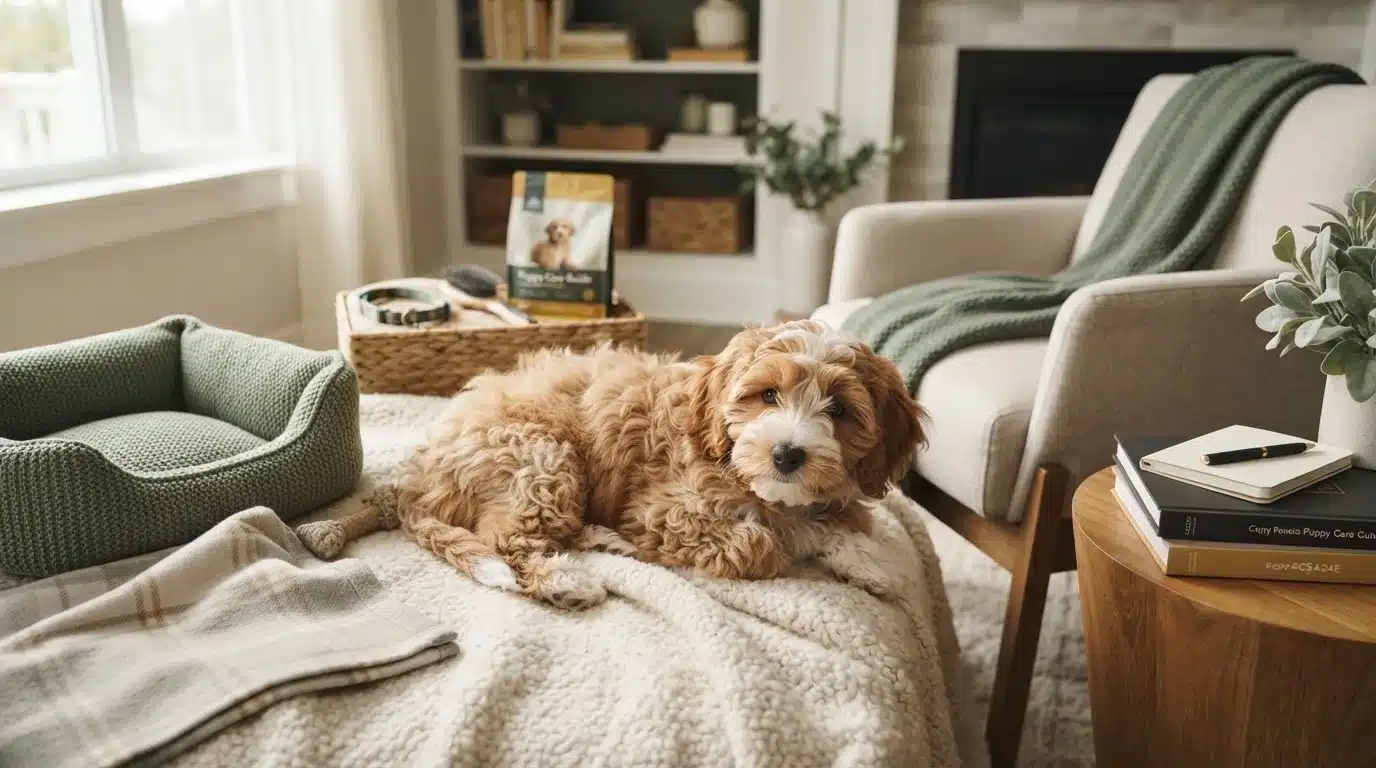
Buy small: a travel crate, stainless bowls, a flat collar, a six-foot leash, puppy food matching the breeder’s, and enzyme cleaner. Book the first vet visit for within a few days of arrival so you have a name ready instead of searching in a panic. Our Havapoo puppy checklist covers the first week in detail, including feeding schedules and what to ask at that first appointment. Stock everything before pickup day so the puppy comes home to a finished setup, not a shopping list.
Reading Your Havapoo’s Stress Signals and Pausing Early
Most bites from a family dog don’t come out of nowhere. The puppy warned everyone first, in small ways, and nobody paused. Learning to read those warnings takes about a week of practice.
Calm, Neutral and Worried: What You Are Seeing
A calm Havapoo has a loose body, a soft mouth and a wagging tail at mid-height. Neutral looks like a puppy that sniffs around, settles on its own and accepts touch without stiffening. Worried is different. Watch for lip licking when there’s no food nearby, sudden yawning, a head turned away, pinned-back ears or “whale eye,” where the whites of the eyes show as the puppy watches a child sideways. These early signs are easy to miss because many people mistake them for tiredness.
The Pause-and-Separate Step
When you spot a worried signal, act before the puppy escalates to growling, snapping or hiding. The move is simple: pause the interaction, then separate. Call the child away first, because dragging the puppy off teaches it that kids mean bad endings. Offer the puppy a reset spot, like a crate or mat in a quiet room, with a chew. Wait ten to fifteen minutes. Most of the time the puppy settles, drinks water and comes back on its own.
Write down what happened. One detail matters most: what the child was doing right before the signal. Hugging, grabbing, chasing and hovering over a resting puppy cause most of these moments. Once you see the pattern, you can coach the specific behavior instead of banning the puppy from family life.
If your puppy growls, treat it as information, not bad behavior. Growling is a last clear warning. Never punish it.
Teaching Kids to Do It Themselves
Children can learn this too. Show them the “worried face” list with pictures, then play a pointing game: you flip through photos or watch the puppy together, and they call out “lip lick!” or “whale eye!” Praise every correct call. Give them one rule to own: if you spot a signal, walk away and tell an adult. A six-year-old who can name one signal is safer than one who was told to “be gentle.”
Day-to-Day Routines That Keep Things Calm
Havapoo puppies settle fastest when the day has a shape. Regular meals, naps, potty trips and play help a small puppy learn what happens next, which cuts down on nipping, barking and wild even ing zoomies. A steady rhythm is also the easiest way for kids to take part without overwhelming the puppy, since predictable schedules and set naps are what trainers recommend most for young dogs.
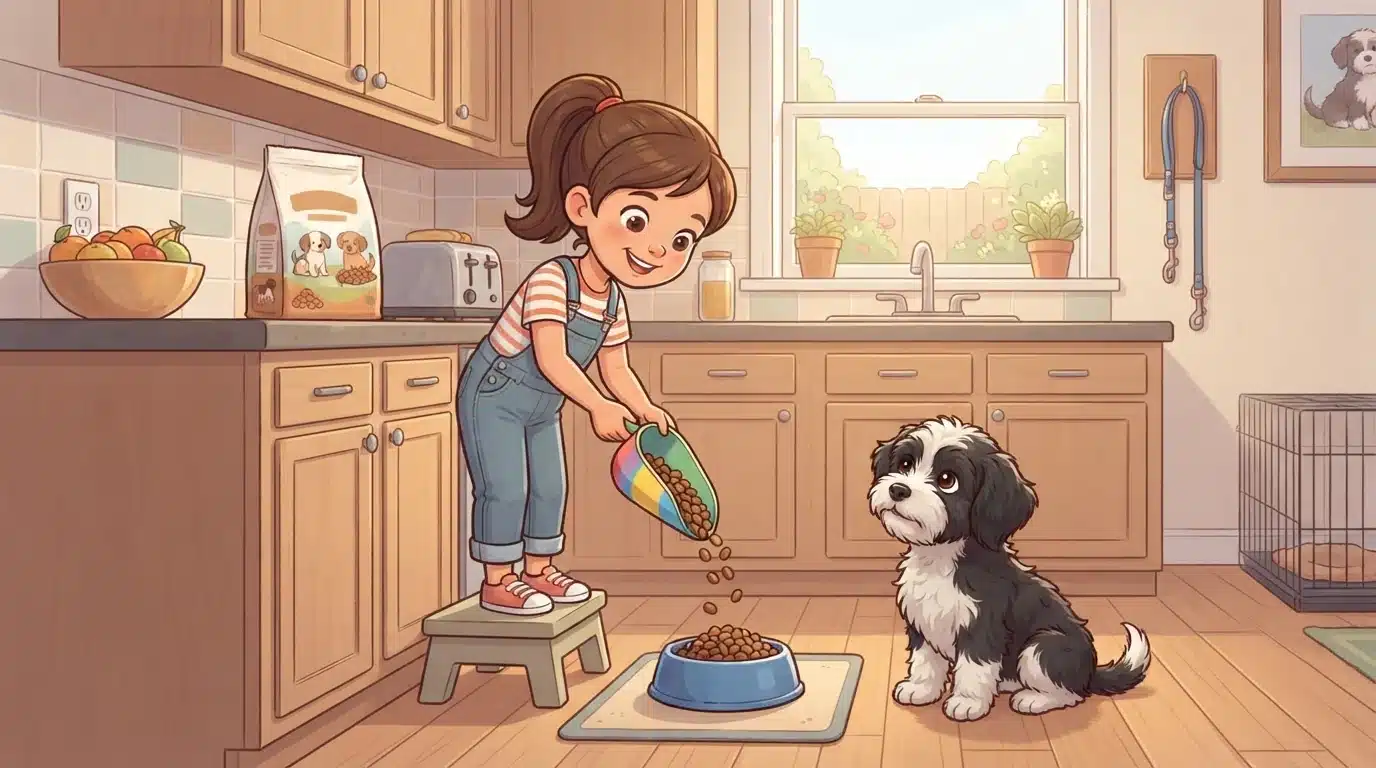
Meals, Baths and Rest as Shared Moments
Give the puppy its meals at the same times each day, and let kids help with quiet parts of the routine. A child can fill the water bowl, hand a treat during grooming, or sit nearby while the puppy eats. Never let anyone touch the food bowl or bother a chewing puppy, because guarding starts when meals feel like a contest.
Baths and brushing work the same way. Keep them short, calm and boring, with the puppy on a non-slip mat and one adult in charge. An overtired puppy nips more, so watch for yawning and restlessness, and end the day in the same quiet spot at the same time. Kids who nap on schedule tend to accept a puppy that does too.
Play That Uses Up Energy Safely
Two or three short play sessions beat one long free-for-all. Games with rules, like fetch down a hallway or find-the-treat under a cup, burn energy without teaching roughhousing. Skip tug over young children’s hands and stop any play before the puppy gets mouthy.
Structure matters more than intensity. After meals or big play, expect a potty trip, then a nap. That cycle of activity, bathroom break, sleep is what most puppy schedules build around, and it keeps everyone’s patience intact.
Short Daily Training That Kids Can Join
Five minutes, twice a day, is enough. Teach sit, come and settle one cue at a time, and let an older child run a session with you watching. Keep treats small and praise big.
Havapoos are eager to please, so they learn fast when the whole family rewards the same behaviors. Pick shared house rules first, then practice them together so the puppy hears one consistent set of cues from everyone, young or tall.
When a Havapoo Is Not the Right Fit
Honest Reasons to Choose a Different Route
A Havapoo can be the wrong pick, and saying so saves everyone heartache. Skip this mix if your family wants a guard dog, a jogging partner for long runs, or a puppy that tolerates hours alone. Havapoos are companion dogs. They bond hard, and long solo days can lead to separation stress.
Also think twice if your children are under five and rarely supervised. Any small dog can be hurt by rough handling, and any dog pushed too far can snap. If you cannot commit to daily supervision and calm handling rules, wait a year or two. Finally, if a groomer visit every six weeks or so strains your budget or schedule, the coat care may wear you down.
Comparing the Mixes Sage Works With
If a Havapoo seems close but not quite right, one of the other mixes might fit better. Each has a slightly different energy, coat, and personality profile:
| Mix | Temperament | Energy | Coat Care |
|---|---|---|---|
| Havapoo | Playful, people-focused | Moderate | Regular brushing, grooming visits |
| Havanese | Gentle, adaptable | Lower to moderate | Daily brushing, low shedding |
| Cavapoo | Soft, eager to please | Moderate | Regular brushing, grooming visits |
Households wanting the calmest dog often lean toward a Havanese. Families who want a bit more bounce do well with either poodle mix. The health trade-offs between the two mixes differ too, which is worth reading before you decide; this Havapoo vs Cavapoo health comparison walks through them.
Common Mistakes to Avoid
Small Size Is Not a Safety Feature
A Havapoo’s small build makes people assume the breed is risk-free around kids. That assumption causes most supervision lapses. Small dogs get hurt more easily, and a painful nip or a knock-down during rough play can happen in seconds. The AVMA’s guidance is clear: any dog can bite, so manage the child-dog pair, not the breed label. Watch body language, separate during meals, and never leave a young child alone with the puppy.
Skipping the Family Conversation
The second mistake happens before the puppy arrives: nobody agrees on the rules. Sit down together and decide who feeds, who walks, when the puppy rests, and which behaviors are off-limits, like pulling ears or hugging tightly. Write it down and post it where the kids can see it. When everyone uses the same words and routines, the puppy learns faster and the kids stay consistent. Good preparation, including early puppy socialization, turns good intentions into habits the whole household keeps.

A Havapoo can be a wonderful fit for kids, but the match depends on how you prepare your home and choose your puppy. If you want a small companion raised with care, see the available Havapoo puppies at Sage Puppies, then start the application to begin matching with your family.
Frequently Asked Questions
Q1: how havanese poodle mixes do with children
Well, usually. Havapoos are patient, people-focused companions, but breed only predicts tendencies. Success depends on supervision, gentle-handling rules, and a retreat space the puppy can always reach.
Q2: What age child is best for a Havapoo?
Ages 6 to 9 are often the sweet spot, since kids can follow rules and take small care jobs. Toddlers can live safely with a Havapoo too, but only with constant adult supervision.
Q3: Can a Havapoo be left alone with a baby?
No. The AVMA advises never leaving a baby or small child alone with any dog, even a calm family pet. A minute is long enough for an injury.
Q4: Are Havapoos good first dogs for a family?
Yes, if the adults lead training. They’re smart, eager to please, and forgiving of wobbly kid handling, but they need steady routines and shouldn’t spend long days alone.
Q5: What should we do the first week with kids and a puppy?
Keep interactions short, adult-run, and calm. Enforce the household rules daily, protect nap and meal times, and practice reading stress signals together so children learn the puppy’s language early.
Q6: Do Havapoos nip at children?
Puppies nip while teething or when overtired, and rough play invites it. Short play sessions with rules, scheduled naps, and stopping before play turns mouthy prevent most nipping from becoming a habit.
Conclusion
A Havapoo fits family life well, but the fit comes from your habits, not the breed label alone. Supervise young children closely, set up a retreat space before pickup day, and teach kids the household rules early. Watch for stress signals like lip licking and whale eye, then pause play before worry grows. Match the puppy to your children’s ages, and remember that a small dog is not a risk-free dog. When preparation, routine, and calm handling come together, this gentle mix can grow up alongside your kids as a steady, affectionate companion for years.