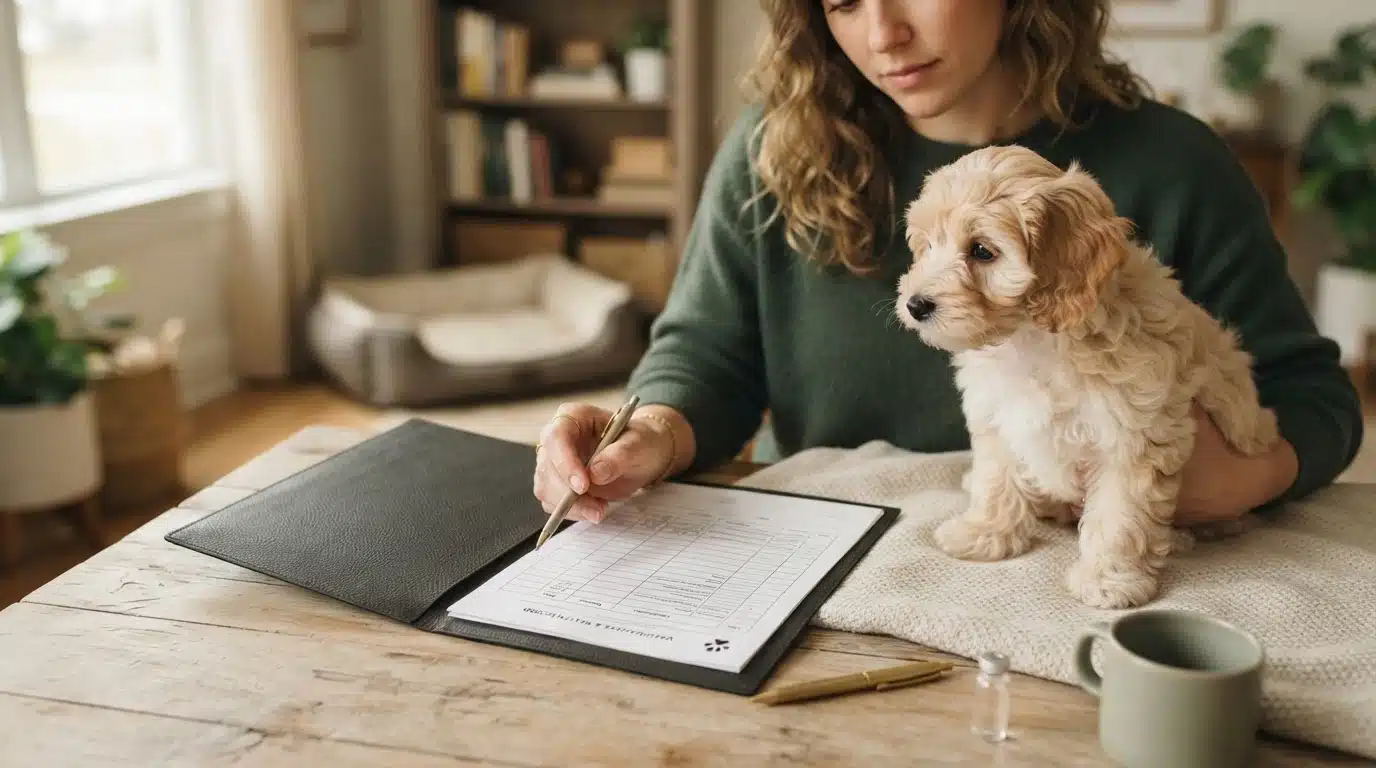
Quick Summary: Before paying a Utah puppy deposit, get the terms in writing, including what it holds, refund triggers, transfer rules, health contingencies, and pickup timing. Verify each parent’s dated patella, heart, eye, and DNA test results yourself, ideally through OFA rather than screenshots. Confirm the breeder’s identity, named vet, and living conditions by phone and live video, and walk away if they pressure you, hide records, or demand payment through apps or gift cards. Since Utah has no puppy lemon law requiring refunds, the written contract is your main protection.
A Utah breeder says the words “refundable deposit,” and many first-time buyers stop asking questions and start transferring money. Nobody explained what that deposit is actually tied to on paper. Is it linked to a specific litter? A puppy’s health tests? A pickup date? Without answers, your money may protect you far less than you think.
Puppy deposit questions matter because the deposit is the first real commitment you make to a breeder, and the best ones welcome scrutiny. This guide walks you through the questions that matter most before you pay, including health testing for small breeds like Havanese, Havapoo, and Cavapoo puppies, written terms, and independent verification steps.
At Sage Puppies in South Jordan, we built our application and deposit process around exactly this kind of openness, because strong Utah breeder deposit terms should stand up to questions, not avoid them. Puppy deposit safety starts before money changes hands.
What a Puppy Deposit Actually Is (and What It Is Not)
A puppy deposit is money you pay before pickup to hold a specific puppy or a spot in a planned litter. That is all it does. It does not buy the puppy yet, and it does not by itself prove the breeder is honest. The same puppy deposit questions apply in both cases: what the payment holds, and what happens to your money.
Deposit, Reservation Fee, or Full Price: Know Which One You Are Signing
Breeders use these terms loosely, so treat them as three different things. A deposit usually holds a named puppy. A reservation fee usually holds a spot in line for a future litter, often before that litter is born. Full price means the puppy is paid for, which sometimes happens at pickup and sometimes weeks earlier. Ask which one you are making, because refund rules often differ. Some programs, including Sage Puppies’ reservation terms, spell out the difference on the pricing page itself.
The Part That Matters Is the Written Agreement, Not the Conversation
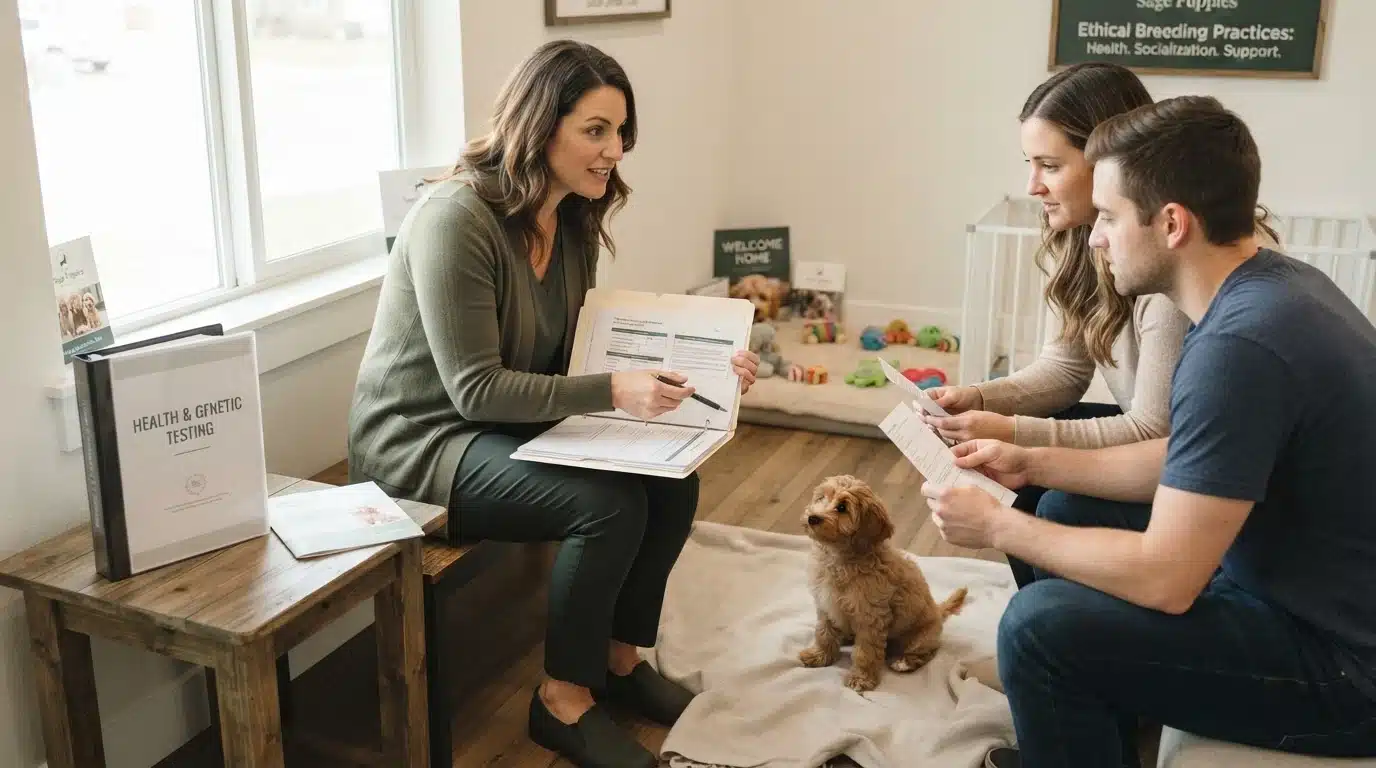
Warm phone calls mean nothing if the terms live only in the breeder’s memory. Get the amount, what it holds, refund and transfer rules, and the pickup timeline in writing. Save the puppy deposit questions for the contract stage, where answers carry weight.
The Health Testing Questions to Ask Before You Pay a Deposit
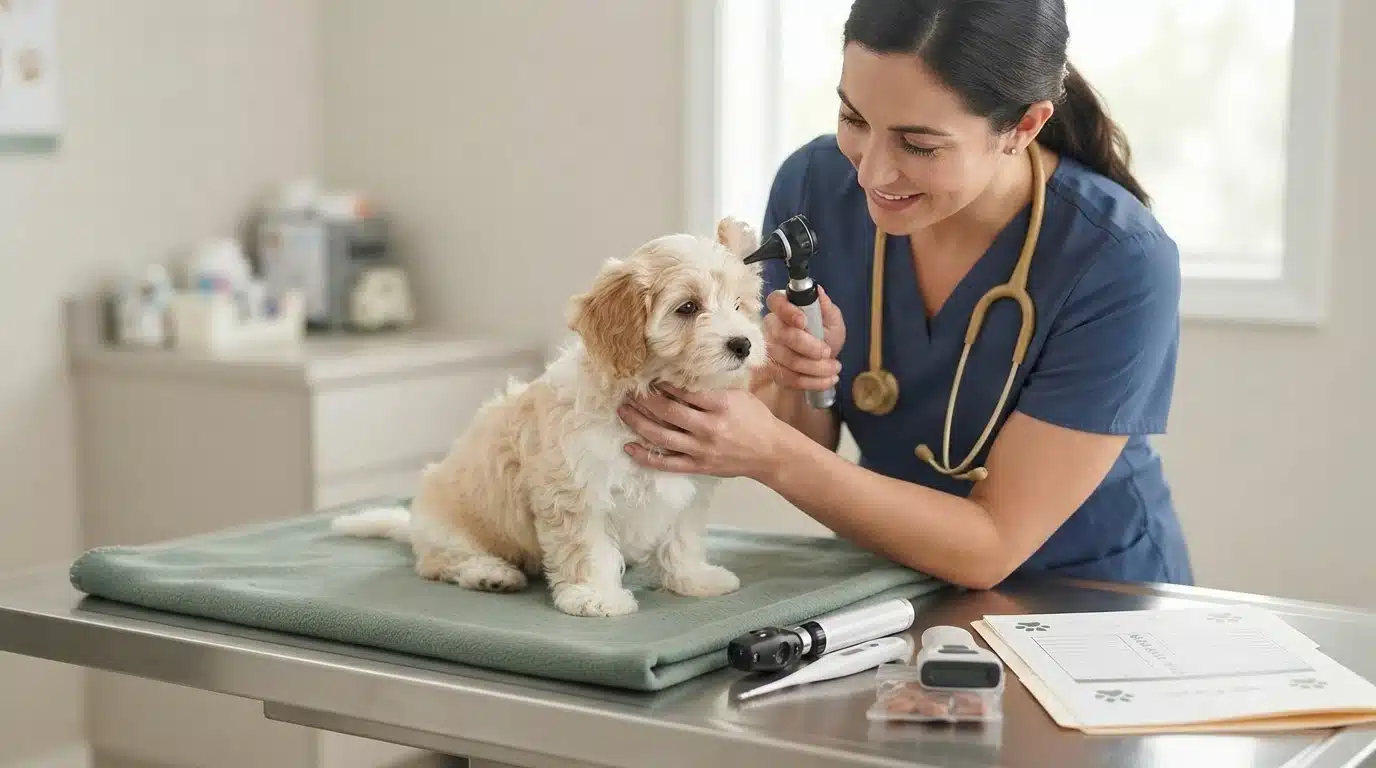
A breeder can charm you on the phone, but health records cannot fake it. Before any deposit, ask exactly what each parent was tested for, when, and what the results were. Then verify it yourself.
Ask for Test Names, Dates, and Results, Parent by Parent
Vague answers like “both parents are health tested” tell you nothing. Ask for the specific test names, the dates they were done, and the outcome for each parent. A trustworthy breeder sends you a copy or points you to a public database entry without hesitation. Many register results with the OFA’s CHIC program, which sets breed-specific screening protocols with each breed’s parent club. You can search a dog’s registered name or number and see the results yourself. If a breeder resists showing paperwork, that hesitation is your answer.
DNA Panels Versus Physical Clearances
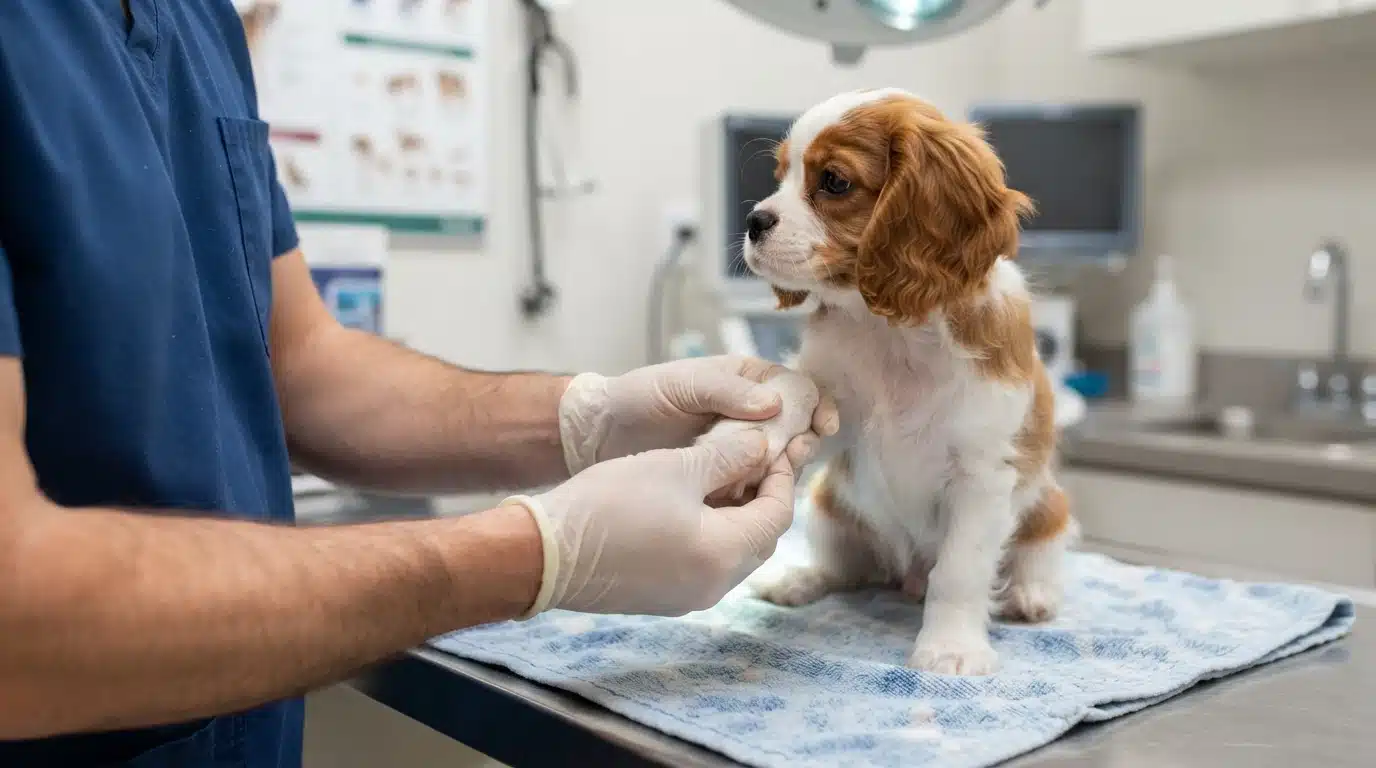
These two test types do different jobs, and you need both. A DNA panel is a cheek swab that screens for inherited gene variants, such as those behind progressive retinal atrophy. It can be done on a puppy, so some breeders present it as full testing. It is not. Physical clearances are hands-on exams: a vet checks the knees, heart, and eyes, then certifies the findings. The difference matters because many small-breed problems, like loose kneecaps or heart murmurs, show up on an exam, not a swab. It helps to learn how to verify health testing on puppy listings so a screenshot alone never settles it.
Breed-Relevant Conditions for Havanese, Havapoo, and Cavapoo Families
Each of these breeds carries its own risks, so match the tests to them. For Havanese, the breed club lists patellar luxation, cardiac, and eye exams among the core CHIC requirements. Cavapoo and Havapoo families should also expect genetic panel results from both the Cavalier or Havanese and Poodle sides. Ask how the breeder covers each category.
Refundable or Not: How to Read the Deposit Terms Line by Line
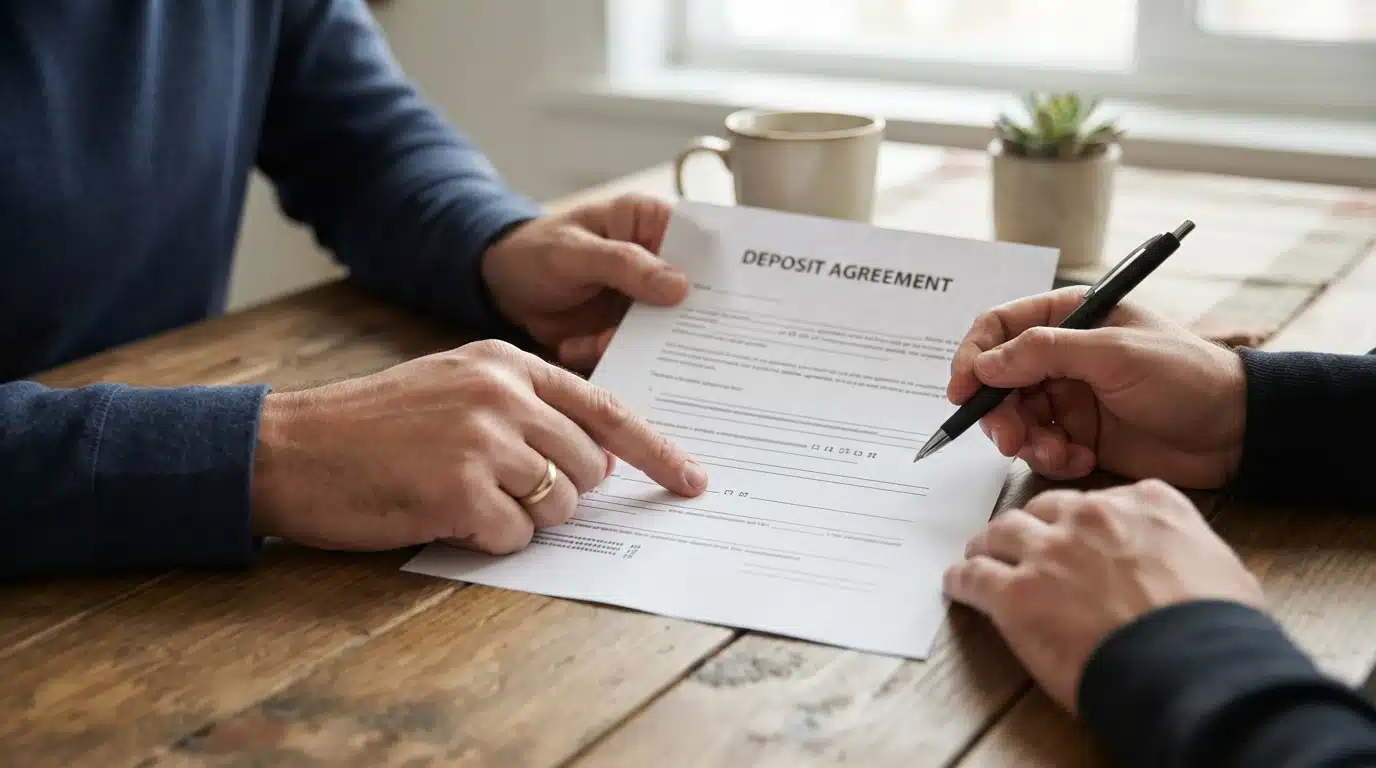
A deposit agreement is a short document, and each line decides who keeps the money when plans change. Read it before you pay, not after. Most disputes come down to four clauses.
The Four Clauses That Decide Whether You Get Money Back
Look for these before you send a dollar:
- Refund trigger. Does the deposit return to you if the breeder cancels, the litter is small, or no puppy matches your application? It should.
- Buyer cancellation. Many breeders keep the deposit if you walk away, but some refund part of it if they resell the puppy quickly. Ask for the exact wording.
- Transfer terms. Can your deposit move to a later litter if the timing is wrong? A transfer clause can save a deposit you would otherwise lose.
- Health contingency. If a vet exam finds a problem, the deposit and payment should come back in full.
Get every answer in writing. A text message confirming terms beats a phone promise.
What Utah Rules Cover, and What They Do Not
Utah has no puppy lemon law that forces a breeder to refund a deposit, so your written agreement is the main protection you have. Some states do mandate refunds when a dog turns up sick, and the AKC’s analysis of puppy lemon laws shows how much they vary nationwide. Utah also does not license small breeders, which is why news coverage of Utah animal breeder laws keeps circling back to buyer diligence. Read the contract as your real safety net.
Questions That Reveal the Answer Before You Sign
Ask three things: Under what conditions is my deposit refunded? What happens if you cannot place a puppy with me? And will you send the terms in writing before I pay? Honest breeders answer fast and in writing. Evasive answers tell you what a dispute would look like later.
Signs a Utah Breeder Is Legit Before You Send Money
A legit Utah breeder can prove who they are, show you their dogs, and never rush your deposit. Scammers and puppy mills fail those three tests fast, so check each one before money moves.
Identity, Registration, and the Vet Relationship
Start with proof. Ask for the kennel or business name, a Utah address, and a phone number you can actually call. AKC guidance notes that sellers who avoid phone calls and only use email are a classic warning sign. Then ask which veterinary clinic cares for the breeding dogs and puppies. A real breeder names a clinic, and the clinic confirms the relationship. Registration paperwork matters too: purebred Havanese should have traceable AKC lineage, and mixed litters like Havapoos should still come with documented parentage. If the breeder’s available puppies page lists litters openly with dates and parents, that transparency is what you want to see anywhere you shop.

Seeing the Dogs, the Environment, and the Seller’s Behavior
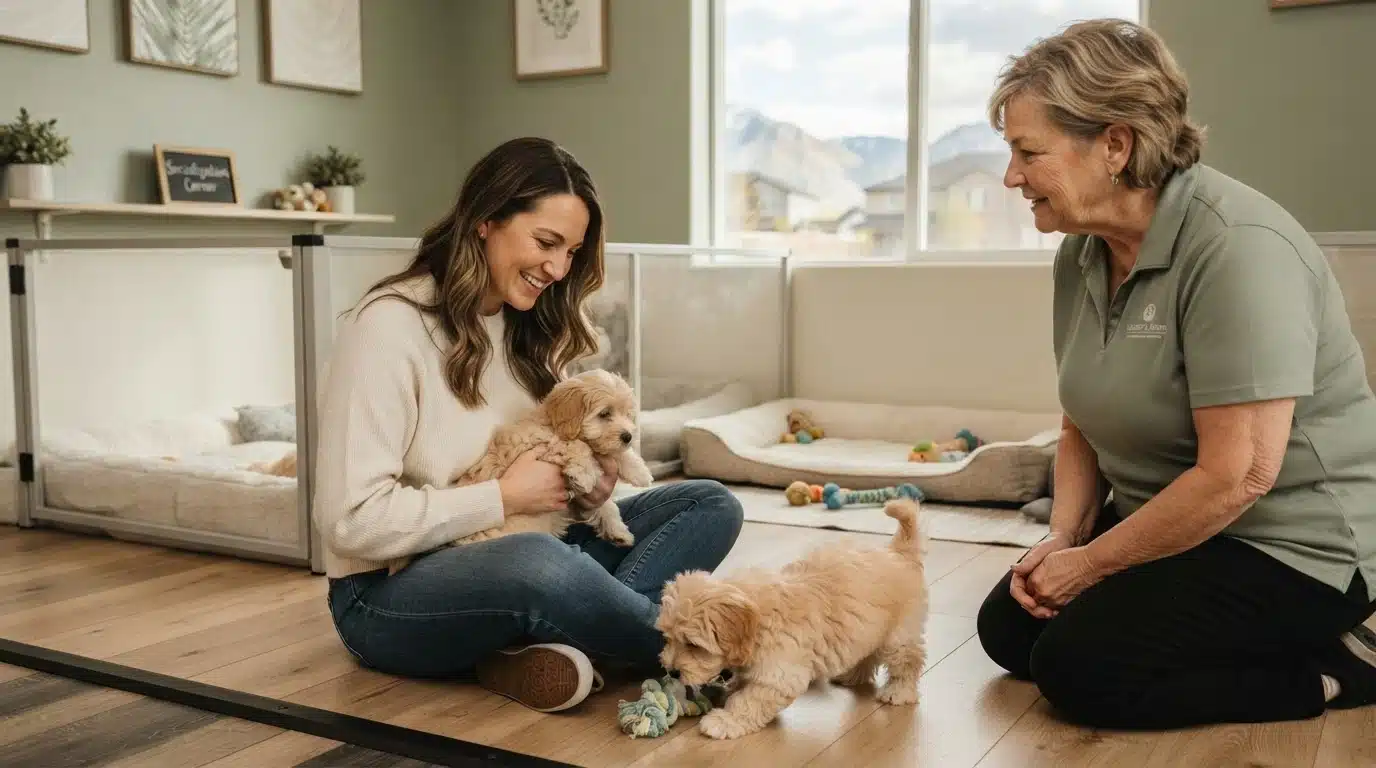
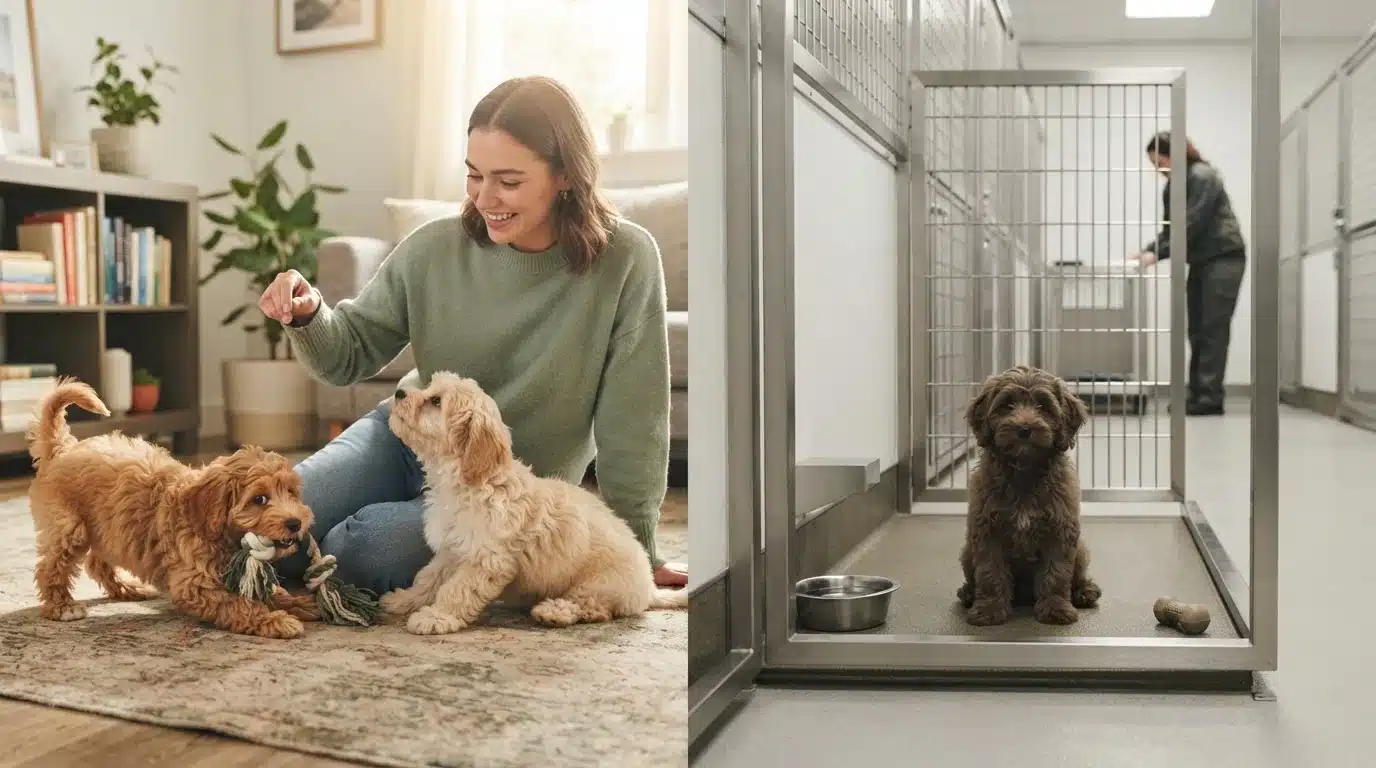
You should see where the puppy lives. Ask for a live video walk-through or an in-person visit, including the mother and the whelping area. Anti-puppy-mill researchers flag restricted access to the facility and no personal interaction as top red flags. Watch behavior as closely as surroundings. A good breeder asks you questions, wants updates, and is happy to wait a few days while you decide. Expect vet records, a feeding schedule, and a written contract.
Pressure, Scarcity, and the Classifieds Pattern
Pressure is the biggest tell. The FTC warns that scammers create urgency, offer deals too good to be true, and push payment through apps or gift cards. A legit breeder lets you think it over.
Questions About the Puppy, the Litter, and Go-Home Day
Once the deposit is safe, your questions should shift from the breeder to the puppy itself. This is where you confirm the match, the paperwork, and what happens after pickup.
Litter, Timing, and Matching
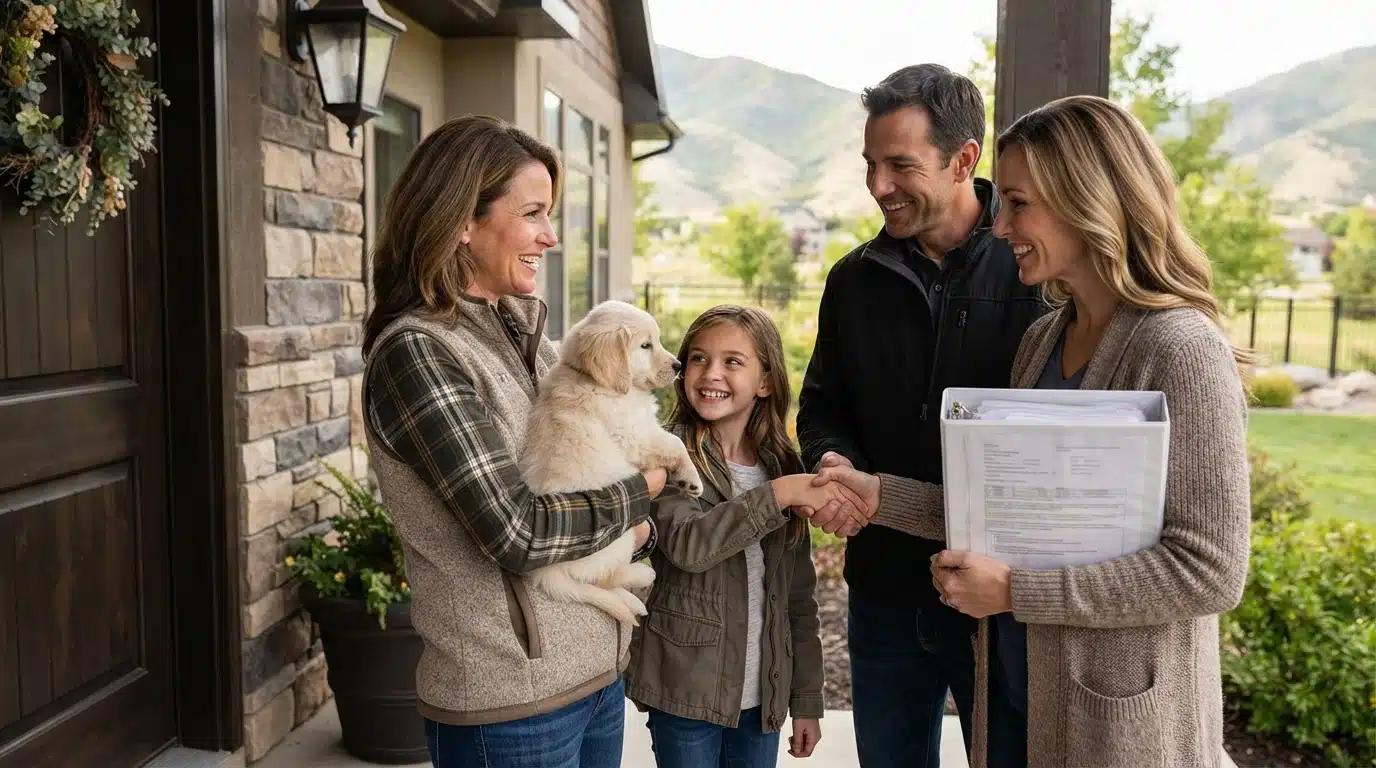
Ask when the litter was born and when puppies can go home. Most programs release around eight weeks of age, so get a date in writing. Then ask how the breeder matches puppies to families. A good breeder weighs your household, activity level, and experience before assigning a puppy, rather than letting buyers pick from a photo. Ask how many puppies are in the litter and whether the dam and sire live on site or belong to another program. At Sage Puppies, matching is handled by the owner after an application, which is the model you want to see. Also ask what the puppy is eating and how it is socialized daily.
Records and Paperwork You Should Leave With
By go-home day, you should walk away with a written set of records. Reputable breeders send puppies home with complete vaccination and veterinary records, and missing vet details are a red flag buyers regularly report. Expect a signed breeder contract, vaccine dates, deworming history, and any vet exam notes. Ask for the vaccine stickers, since your own vet will want them.
After-Sale Support and the Return Question
Ask two last things. Will the breeder answer calls after go-home, and what does the contract say if the puppy must be returned? Ethical breeders always agree to take a dog back.
Red Flags and Deal Breakers Worth Walking Away From
Some issues mean pause and ask more questions. Others mean walk away, even if you have already sent money. Here is how to tell the difference.
Hard Stops: No Records, No Contract, No Answers
A breeder who cannot show written health test results for patellas, hearts, eyes, or genetic panels is not worth your deposit, no matter how cute the photos. The same goes for a missing purchase contract or vague answers about where puppies live. Pressure to pay fast, requests for payment apps like Zelle or gift cards, and refusal to video call are classic signs of a puppy scam, not a real program. Any one of these is reason enough to stop.
Soft Concerns Worth Asking About Twice
Some things are not deal breakers, but they deserve a second question. If the breeder has no parent dogs on site, ask how the pairing was arranged and request proof of the sire’s testing. Breeding outside the breed standard age range, litters back to back, or reluctance to let you visit can all have honest explanations. Get those explanations in writing before money moves.
Green Flags That Deserve Trust
Clear contracts, verifiable testing, open questions back to you, and patience with your process all signal a breeder worth waiting for.
A Sample Conversation: From First Message to Signed Contract
The Five Messages Before Any Money Moves
A good vetting thread takes five short messages, not one long one. First, ask what health testing the parents have, and request copies. Second, ask how puppies are raised in the home and who handles them. Third, ask which vet exams and shots the puppy has before going home. Fourth, ask to see the puppy on a live video call. Fifth, ask what happens if the puppy does not work out. A serious breeder answers each one plainly and never pushes you toward a deposit first.
Reading a Contract Before the Deposit Screen Appears
Ask for the contract before you pay anything. A fair one names both parties, states the price, and explains the return policy in plain language. Watch for vague health clauses, forced breeder-only terms, or a demand to send money through gift apps. Check the date, the puppy’s details, and refund conditions. You should have time to read it without pressure, and written answers to every question you asked before signing.

Ready to bring home a Havanese, Havapoo, or Cavapoo raised with health testing and honest answers? See how our application and deposit process works at Sage Puppies, and ask us every question on this list. Wisely Bred. Beautifully Loved.
Frequently Asked Questions
Q1: What health tests should I ask a Utah breeder to show me before paying a deposit?
Ask for patellar luxation, cardiac, and eye exams on both parents, plus DNA panels. Results should be dated, documented, and ideally searchable in the OFA database.
Q2: What questions prove a Utah breeder is not a puppy mill or scam?
Ask to see the mother and whelping area on a live video call, which vet treats their dogs, and how puppies are socialized. Legit breeders answer plainly and never rush you toward payment.
Q3: How do I know if a puppy deposit is refundable or non-refundable in Utah?
Read the written agreement. Look for refund triggers, buyer cancellation terms, transfer rules, and a health contingency. Utah has no lemon law, so the contract is your protection.
Q4: How much should a deposit cost?
Deposits typically range from a few hundred dollars to roughly ten percent of the puppy’s price. Anything demanding full payment upfront, or far below normal, deserves suspicion.
Q5: Can I pay a deposit before the litter is born?
Yes, many programs take reservation fees for planned litters. Confirm in writing what your spot holds, where you stand in line, and whether the fee transfers to a later litter.
Q6: Should I visit in person before sending money?
Whenever possible, yes. If distance makes that hard, a live video walk-through of the home and mother works. Refusing both is a red flag worth walking away from.
Q7: What payment methods are safest for a deposit?
Pay by a traceable method such as a credit card or check. Gift cards, wire transfers, and payment apps like Zelle offer no recourse if the seller disappears.
Conclusion
A safe deposit comes down to three checks. First, get the terms in writing: what the deposit holds, when it refunds, and how it transfers. Second, verify health testing yourself, patellas, heart, eyes, and DNA panels, parent by parent, in a database rather than a screenshot. Third, confirm who the breeder is with a phone call, a video walk-through, and a named vet.
No Utah law forces a refund, so your contract and your questions are the protection. Ask them before the money moves. A breeder who answers plainly, in writing, without pressure, is the one worth your deposit and your puppy.