Quick Summary: Trustworthy Texas puppy listings include clear breeder info, health records, and transparent pickup or delivery details. Buyers should verify breeder credentials, see the puppy in person or via video, and avoid rushed payments or vague ads. Genuine breeders provide proof of health, specific timelines, and consistent contact, helping families avoid scams and poor-quality puppies.
One Texas puppy listing gives you the puppy’s exact birth date, parent details, and a clear pickup location. Another just says “ready now” and pushes you to send a deposit today. Those are not the same kind of ad, and treating them like equals is where many families get burned.
The hard part is simple. Texas puppies for sale listings can look polished even when key facts are missing. First-time buyers often see cute photos, a low price, or a rushed timeline and miss the signs that matter. That leads to wasted deposits, poor communication, or a puppy that was never raised with the care the seller claimed.
This guide helps you sort real, responsible listings from risky ones before you commit. You’ll learn what trustworthy Texas puppies for sale ads usually include, what vague listings leave out, and how to verify details step by step. We’ll also cover Texas-specific checks, pickup questions, and red flags families should never ignore.
This advice is built for careful buyers, especially families looking at small companion breeds and comparing Texas puppies for sale online. If you want a calm, practical way to judge listings before emotions take over, you’re in the right place.
1. Check Whether the Listing Gives You Real Breeder Information
A good Texas puppy listing should tell you who is selling the puppy, not just show cute photos. Start there. If the ad hides the breeder, stop.
What a credible Texas listing usually includes
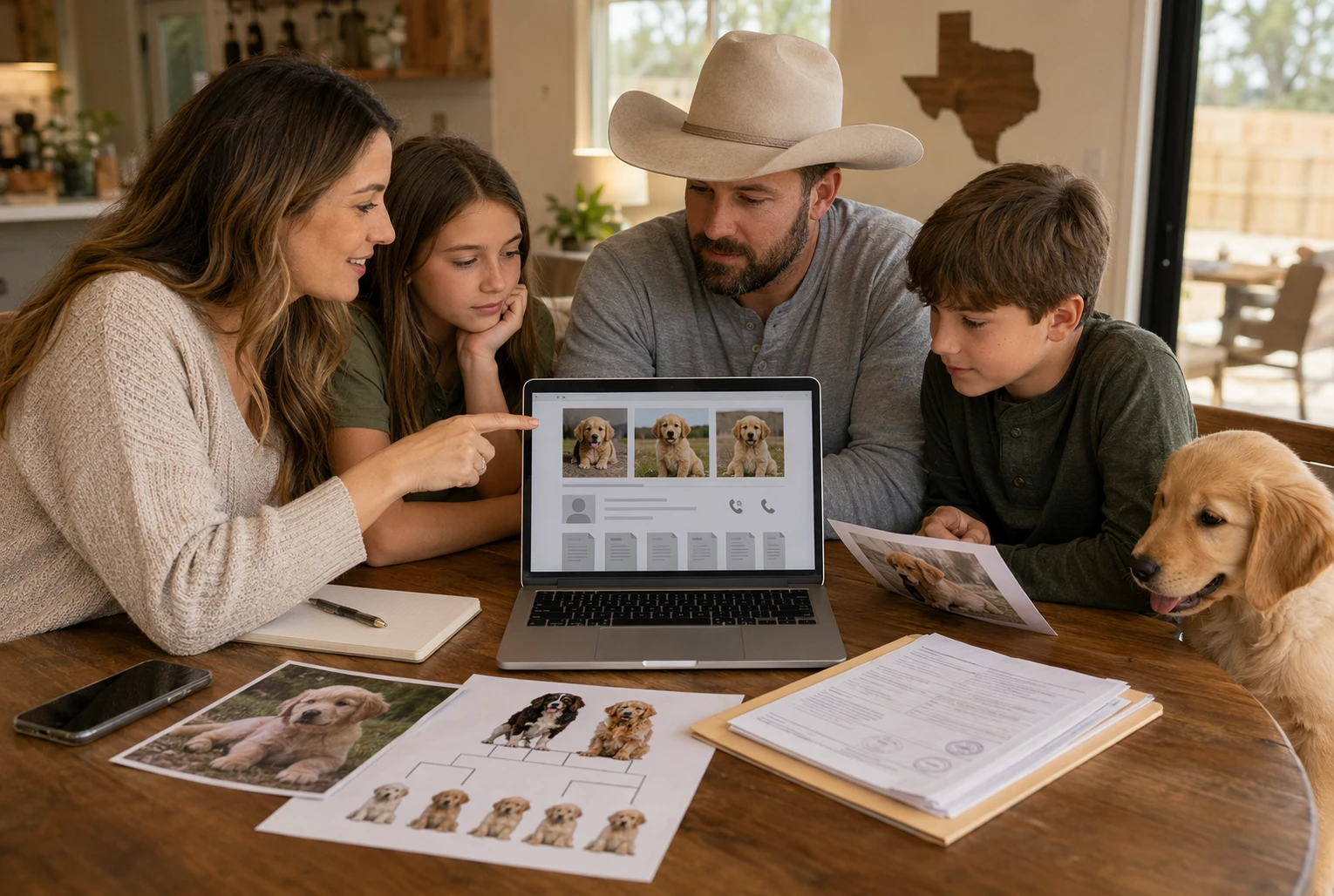
Look for a full breeder or program name, real city and state, direct phone number, email, and a working website or social page that matches the same business name. You should also see the puppy’s breed, age, price, available date, and clear notes about pickup or delivery.
In Texas, larger dog and cat breeders may fall under the state’s licensed breeder law. That is why a serious listing should not act vague about location or business identity. Texas also requires licensed breeders to meet inspection and care standards under the Texas Department of Licensing and Regulation breeder rules.
A strong listing often includes:
- Breeder name and location
- Parent dog details
- Health or vet record basics
- How to contact a real person
- What happens next after inquiry
| Listing detail | Why it matters |
|---|---|
| Full name or kennel name | Helps you verify who is behind the ad |
| Texas city listed | Lets you confirm the puppy’s real location |
| Phone and email | Makes direct contact possible |
| Parent info | Shows the breeder knows the litter |
| Pickup or delivery terms | Reduces surprise fees later |
Red flags that should make you slow down
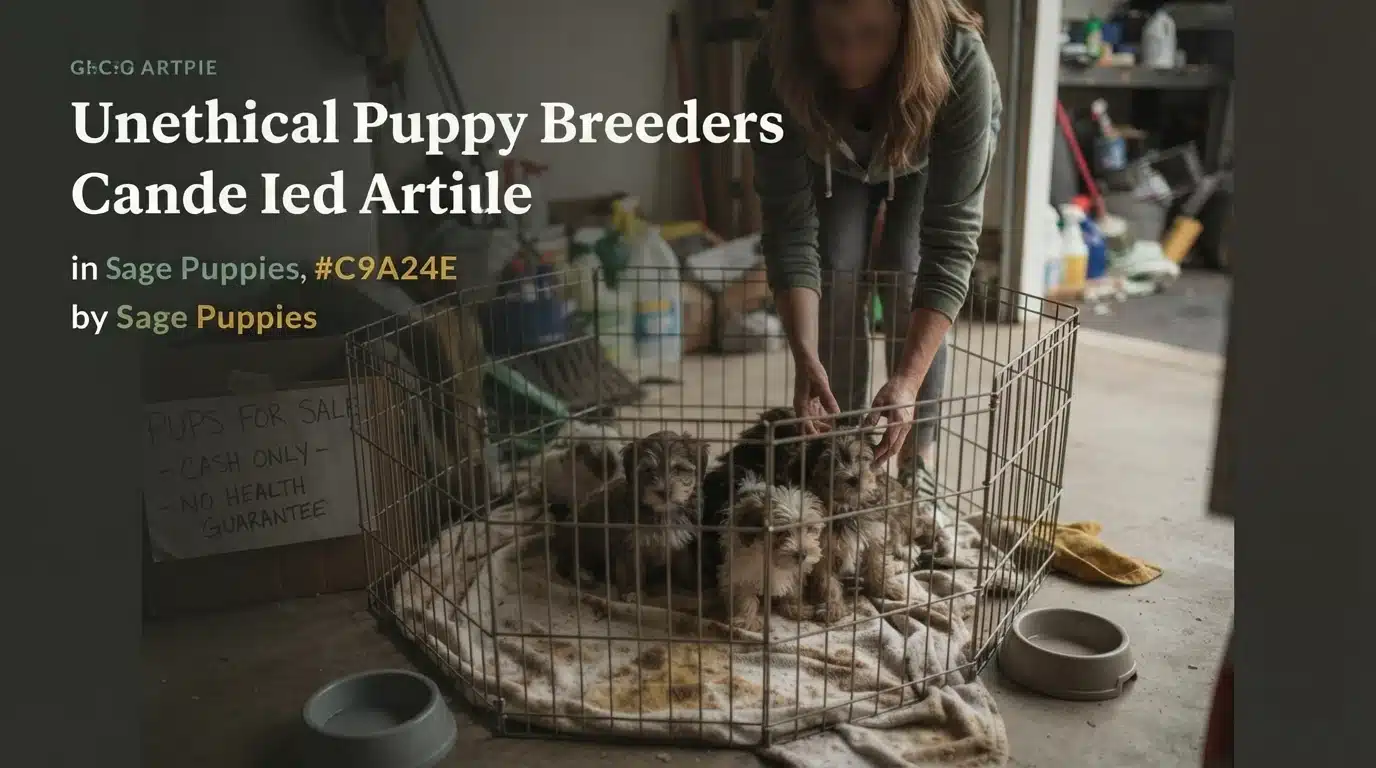
Slow down if the listing gives only a first name, no town, no phone number, or a contact form with no other details. That is not enough. The same goes for ads with copied text, generic promises, or photos that look like they came from different homes.
The AKC warns that scammers often avoid phone or video contact and push buyers toward risky payment methods like wires, gift cards, or hard-to-reverse app payments in its guide on how to spot a puppy scam online.
Watch for these warning signs:
- The seller will not video chat
- The breeder name changes across platforms
- The address seems missing or vague
- The ad rushes you to send a deposit
- Extra shipping fees appear after you agree
If a listing makes it easy to pay but hard to verify the breeder, treat that as a serious warning.
Also Read: 10 Signs a California Puppy Listing Is a Scam – Sage Puppies
2. Verify Health, Age, and Breeding Details Before You Pay
A good listing makes the basics easy to check. If age, health records, and parent details feel vague, pause before you send a deposit. This step matters even more than pretty photos.
Age and readiness to go home
Start with the puppy’s date of birth and go-home date. They should line up clearly. Many responsible breeders and listing sites state puppies go home at 8 weeks or later, including AKC Marketplace listings in Texas and Texas breeder pages that say pickup is not available before 8 weeks because of health and vaccine timing, like GerdesHaus’s purchase page.
Check for these details in the listing:
- Exact birth date
- Exact available date
- Current weight if the breed is very small
- Whether pickup, nanny delivery, or shipping changes the release date
If a seller says, “ready now” but will not share the birth date, treat that as a warning.
Ask one direct question: “What makes this puppy ready to leave now?” A real breeder should answer with age, eating habits, social progress, and vet timing, not just “because the puppy is weaned.”
Health information that should be easy to review
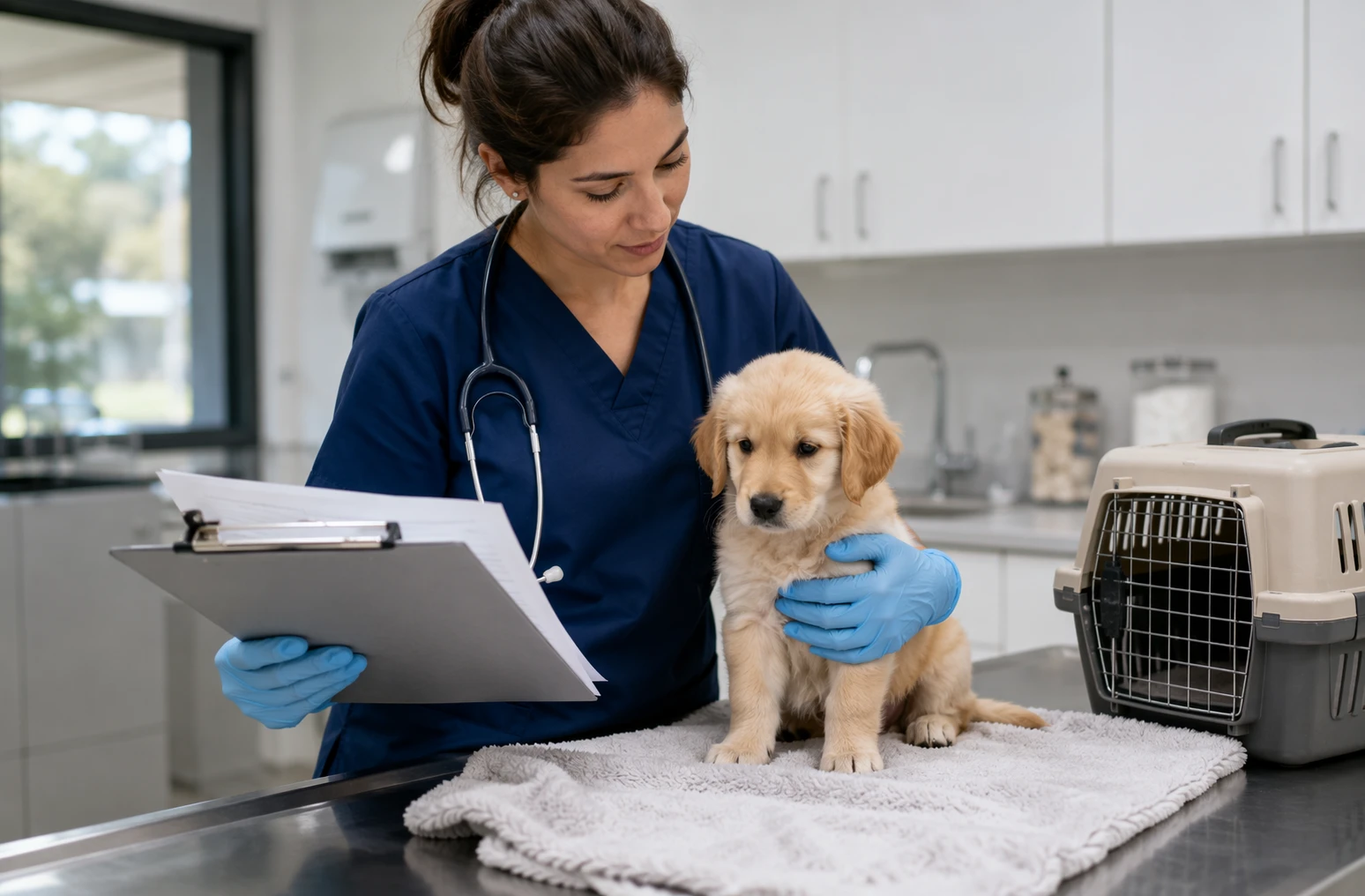
You should not have to chase basic health facts. Before payment, ask for:
- Vaccination record
- Deworming record
- Vet check date
- Any microchip details
- Parent health testing info
- A sample contract or health guarantee
Use this quick check:
| Detail | What you want to see | Red flag |
|---|---|---|
| Vaccines | Dates and type listed | “Up to date” only |
| Deworming | Dates or schedule | No record at all |
| Vet exam | Recent check before pickup | “Healthy” with no proof |
| Parent testing | Named tests or copies | “Parents are fine” |
“Vet checked” is not enough by itself. Ask for the record, not the phrase.
Questions that reveal whether the breeder knows the litter well
Good breeders know each puppy as an individual. Weak sellers only repeat ad copy.
Ask:
- How is this puppy acting compared with littermates?
- What food is the puppy eating now, and how often?
- Has the puppy started crate, potty, or sound exposure work?
- What are the parents like in temperament?
- Why was this pairing chosen?
Strong answers sound specific:
- “She is the calmest in the litter.”
- “He recovers fast after new sounds.”
- “Mom is gentle with kids, dad is very social.”
Weak answers stay broad:
- “All our puppies are perfect.”
- “They’re all sweet.”
- “We’ll send papers later.”
Also Read: Reputable Puppy Breeder Near Me: 9 Signs to Trust
3. Read the Delivery, Pickup, and Payment Terms Carefully
Clear terms tell you a lot before you ever talk about a deposit. If a listing is real, the seller should spell out who can pick up the puppy, where pickup happens, when the puppy is ready, and what papers you get that day. The FTC also advises buyers to get seller answers in writing and keep copies of messages when buying through an online marketplace FTC marketplace guidance.
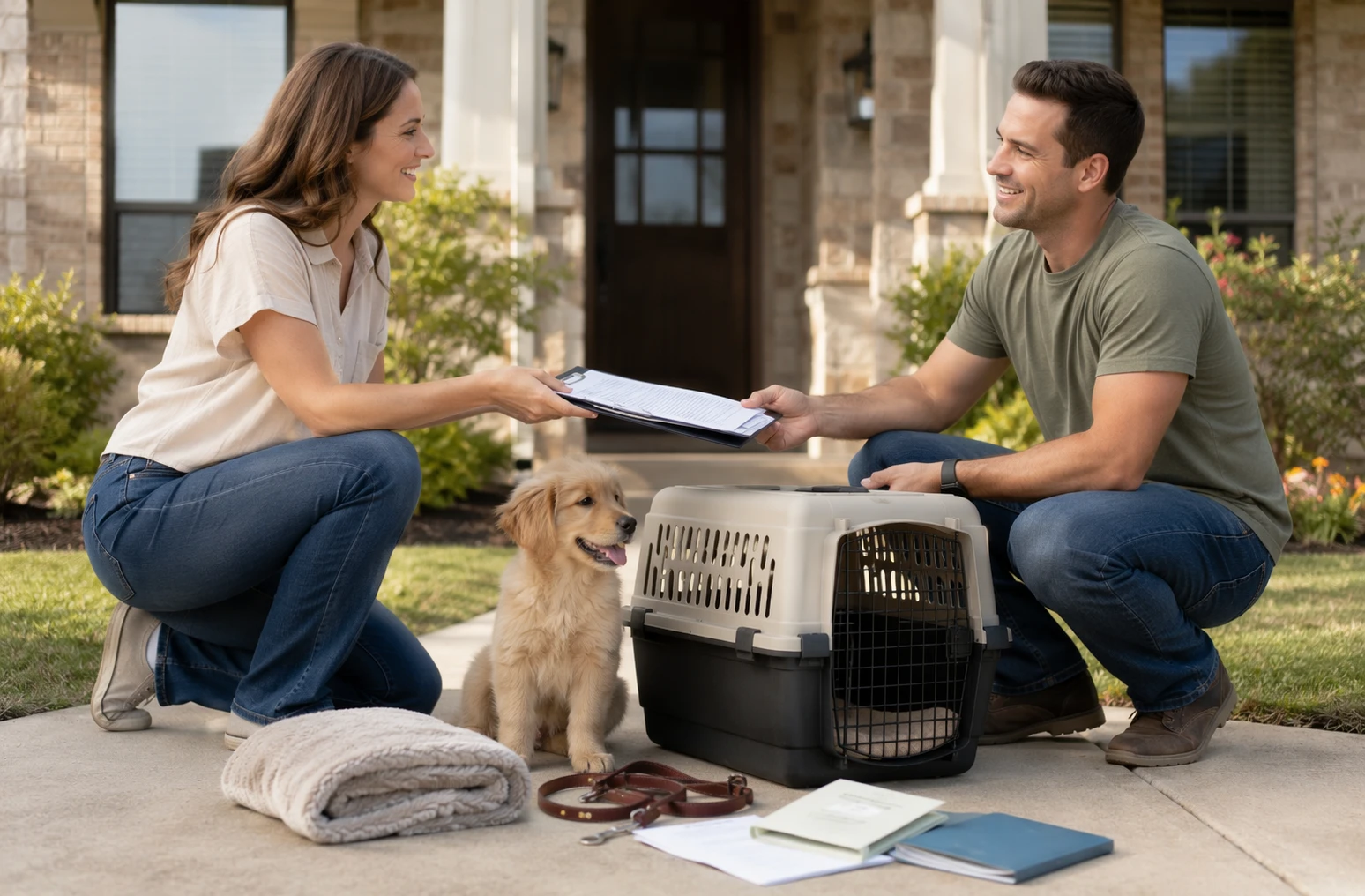
What clear pickup terms look like
Look for pickup terms that answer basic questions without dodging.
- Exact pickup window or the age when the puppy can go home
- Pickup location that makes sense for the breeder, not a random parking lot
- Who must attend, especially if ID or a signed contract is required
- What you receive, such as vaccine records, a sales agreement, and care instructions
- What happens if plans change, including reschedule rules
A trustworthy seller should also state whether pickup is at their home, a meeting point, or an airport. If they refuse to name the location until after full payment, pause.
A good listing makes pickup feel organized, not secretive.
What safe delivery terms should answer in writing
Delivery terms should be just as clear. The USDA says businesses that transport covered animals for hire in commerce are regulated under the Animal Welfare Act, so the seller should be able to explain who handles transport and how USDA APHIS transport guidance.
Ask for these points in writing:
- Who is delivering the puppy
- Whether the puppy travels by car, cabin, or cargo
- The expected route and handoff plan
- What weather or health issues can delay travel
- Which records travel with the puppy
- Who to call during transit
If a seller says “shipping available anywhere” but cannot explain the process, that is not enough. Responsible programs, including Sage Puppies, usually explain local pickup and nationwide delivery in a calm, step-by-step way.
Payment terms that deserve caution
Payment terms often reveal the scam.
Use this quick check:
| Payment term | Safer sign | Caution sign |
|---|---|---|
| Deposit | Written purpose and balance due date | Vague “hold fee” with no contract |
| Method | Credit card or protected payment option | Wire, gift card, crypto, or app-only demand |
| Refunds | Written refund or transfer policy | “No refunds” before you even review terms |
| Extra fees | Listed upfront | Surprise crate, insurance, or weather fees |
The FTC warns that scammers push gift cards, wire transfers, crypto, or payment apps because it is hard to get your money back. Michigan’s consumer alert also flags fake shipping, crate, and insurance charges as common puppy scam tactics.
Never send more money because of a last-minute “transport emergency” without verifying everything first.
4. Compare Trust Signals Against What a Premium Texas Breeder Shows Publicly
A strong listing should feel calm, clear, and easy to verify. In Texas, that matters even more because breeders who meet the state threshold must be licensed through TDLR, and licensed breeders must include a license number in advertising and keep records, contracts, and care standards in place under TDLR breeder responsibilities.
Signs of a breeder who is organized and consistent
Look for proof that stays the same across the website, social pages, and direct messages.
-
The breeder shows:
- full business name
- real location or service area
- clear breed focus
- health testing details for parents
- pickup or delivery steps
- pricing, deposits, and waitlist rules
-
Ask for items that match the public listing:
- parent dog names
- puppy date of birth
- vaccine and deworming record
- vet paperwork
- contract before payment
A premium program does not hide the process. It explains it. If a breeder says they are licensed in Texas, you should be able to use the TDLR license search and confirm the business.
| Public trust signal | What it tells you |
|---|---|
| Same contact info everywhere | The seller is stable and traceable |
| Parent details match the litter | Records are likely real |
| Clear application process | They screen homes, not just wallets |
| Transparent timeline | They plan placements, not rush sales |
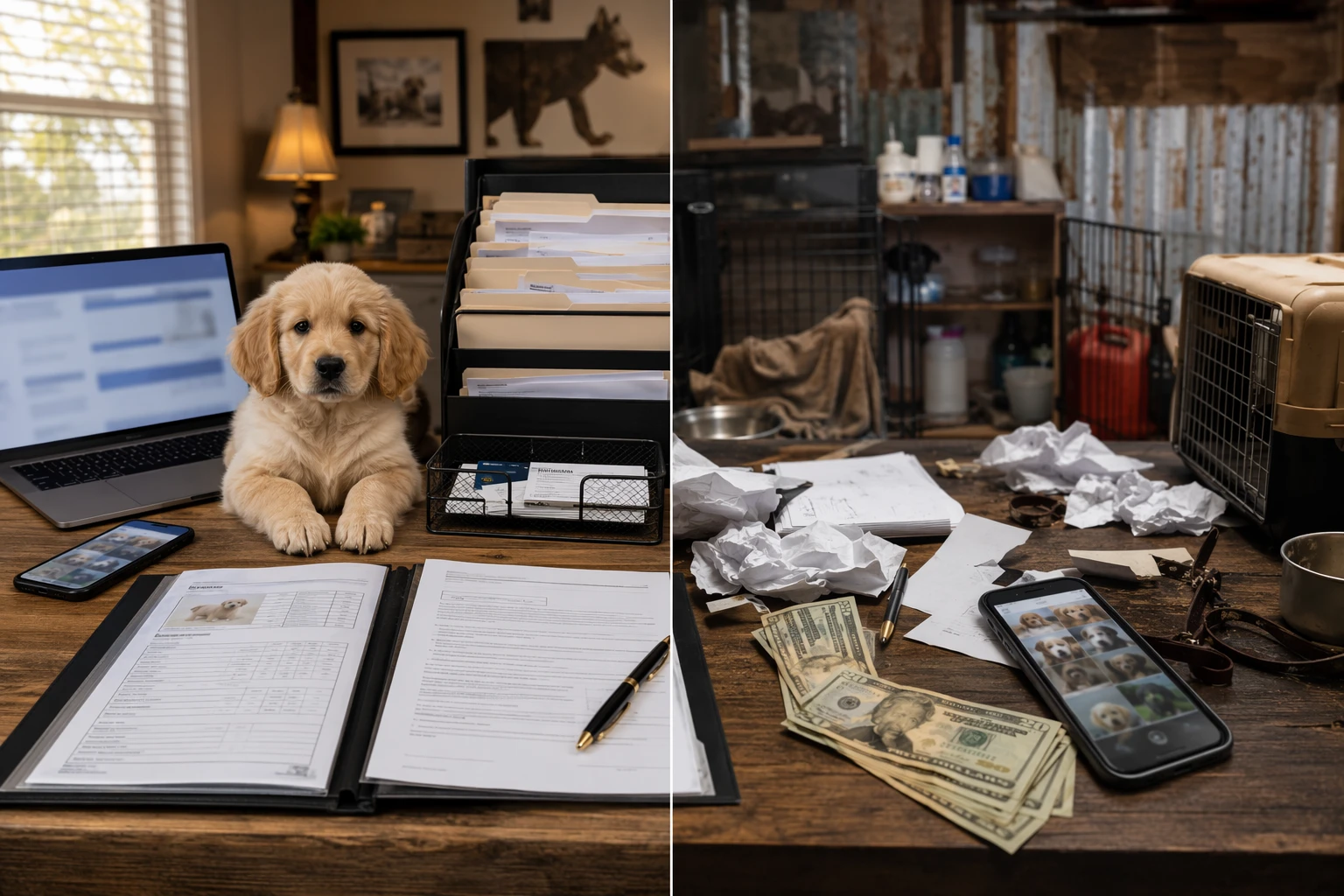
Compare what they post publicly with what they send privately. Gaps are where problems usually show up.
Signs that a listing is built for impulse buying
Risky listings push speed over clarity.
- Watch for:
- “today only” pressure
- cash-only payment
- repeated stock-style puppy photos
- no parent information
- no screening questions for buyers
- no mention of contracts, records, or support
That kind of ad is built to close fast, not place well.
If the listing makes buying a puppy feel easier than booking a haircut, slow down.
Premium breeders, including boutique programs like Sage Puppies, usually make you do a little work first. That is a good sign.
Common Mistakes to Avoid
Buyers get burned when they move too fast. In Texas, BBB said puppy scam losses jumped 107% in one recent three-month period, often starting with fake shipping fees and pressure to pay fast according to the San Antonio Express-News.
Avoid these common mistakes:
- Paying a deposit before a live video call with the puppy, seller, and surroundings.
- Trusting screenshots instead of records like vet paperwork, parent info, and pickup terms.
- Accepting shipping-only deals with no in-person option or no clear delivery plan.
- Using Zelle, gift cards, or wire transfers for a first payment.
- Skipping breeder checks on licensing and care standards. Texas regulates certain higher-volume breeders under Chapter 802 and TDLR inspection rules through Texas breeder oversight.
If a listing feels rushed, vague, or cheaper than similar puppies, pause. Good breeders answer questions clearly.
Also Read: Best Dog Breeds When Searching for Puppies for Sale in Texas
A Simple Checklist for Choosing a Listing You Can Trust
Before you message any seller, answer these five questions. If one answer feels weak, pause and keep looking. For the bigger Texas screening framework, go back to the parent guide on spotting trustworthy puppy listings.
-
Can I verify who this seller is?
Ask for a full name, phone number, city, and breeder license details if they meet Texas licensing rules. In Texas, breeders with five or more adult intact female dogs or cats bred for sale generally need a license, and buyers can check that through TDLR’s licensed breeder program. -
Can I see proof of real care, not just cute photos?
Ask for recent vet records, vaccine dates, deworming history, and parent health testing. A good seller shares documents before asking for money. -
Can I meet the puppy and see where it was raised?
In-person is best. If you are buying from out of state, ask for a live video call with the puppy, the breeder, and the space in one take.
If the seller refuses any real-time proof, treat that as a red flag.
-
Does the contract include clear facts?
Texas licensed breeders must include their license number and state notice in sales contracts, according to TDLR consumer protection guidance. -
Am I being rushed to pay?
Walk away from pressure, gift card payments, or surprise shipping fees.
| Quick check | Trust signal | Red flag |
|---|---|---|
| Seller identity | Verifiable name and records | Vague profile only |
| Health proof | Shares documents upfront | Says records come later |
| Visit or live call | Welcomes it | Makes excuses |
| Contract | Clear terms in writing | No paperwork |
| Payment | Traceable and calm process | Rushes deposit |
If you want a safer path than sorting through risky ads, start with a program built on clear details and real family support. Sage Puppies helps families avoid the usual listing red flags with health-tested parents, home-raised socialization, transparent next steps, and pickup or nationwide delivery. Review available puppies, pricing, and the adoption process, then apply when you feel ready.
Frequently Asked Questions
Q1: Puppies for sale in Texas
Start with the listing itself. A trustworthy ad should show the puppy’s age, breed mix, location, recent photos, and clear health details. Ask for a video call, parent info, and vet records. If the seller avoids basic proof or pushes for fast payment, walk away.
Q2: What are the biggest red flags in a Texas puppy listing?
Watch for stock photos, vague wording, no breeder name, and prices far below normal market range. Be careful if the seller offers shipping before screening you. Good breeders ask questions too. They want the right fit, not just a quick sale.
Q3: How can I verify a breeder before I send a deposit?
Use a simple check. Ask for health testing on the parents, a live video of the puppy, and pickup or delivery details in writing. Confirm who raised the litter. Programs like Sage Puppies stand out by making the family process clear and easy to follow.
Q4: Is it safer to buy locally in Texas?
Local pickup helps, but distance alone does not prove trust. A nearby scam is still a scam. Focus on records, communication, and transparency first. If buying from out of state, make sure the breeder explains transport, timing, and puppy handoff clearly.
Q5: What should I ask about the puppy’s health and behavior?
Ask what the puppy eats, how it sleeps, how it handles people, and what early social steps it has had. You also want vaccine status, deworming dates, and any known issues. Good answers should sound specific, not copied and generic.
Q6: Should I avoid listings that seem too polished?
Not always. A clean website or nice photos can be real. The problem is polish without proof. Trust the details behind the ad – parent testing, honest timelines, answered questions, and consistent communication. Pretty marketing should support transparency, not replace it.
Conclusion
Finding puppies for sale in Texas safely comes down to one rule: verify the listing before you trust the story. The best listings stand up to basic checks. You can confirm the seller’s identity, see the puppy live, review health records, match the location, and use a payment method with protection.
This matters even more now. In Texas, puppy scam complaints and reported losses rose sharply in early 2026, according to Express-News reporting on BBB data. The FTC also warns that fake pet sellers often avoid live contact and push risky payment methods, while real breeders will allow a visit or video call and answer direct questions, as noted in the FTC’s pet scam alert.
If a seller resists simple proof, treat that as proof.
A calm, careful review helps families avoid bad listings and focus on puppies raised with honesty, health, and real accountability.