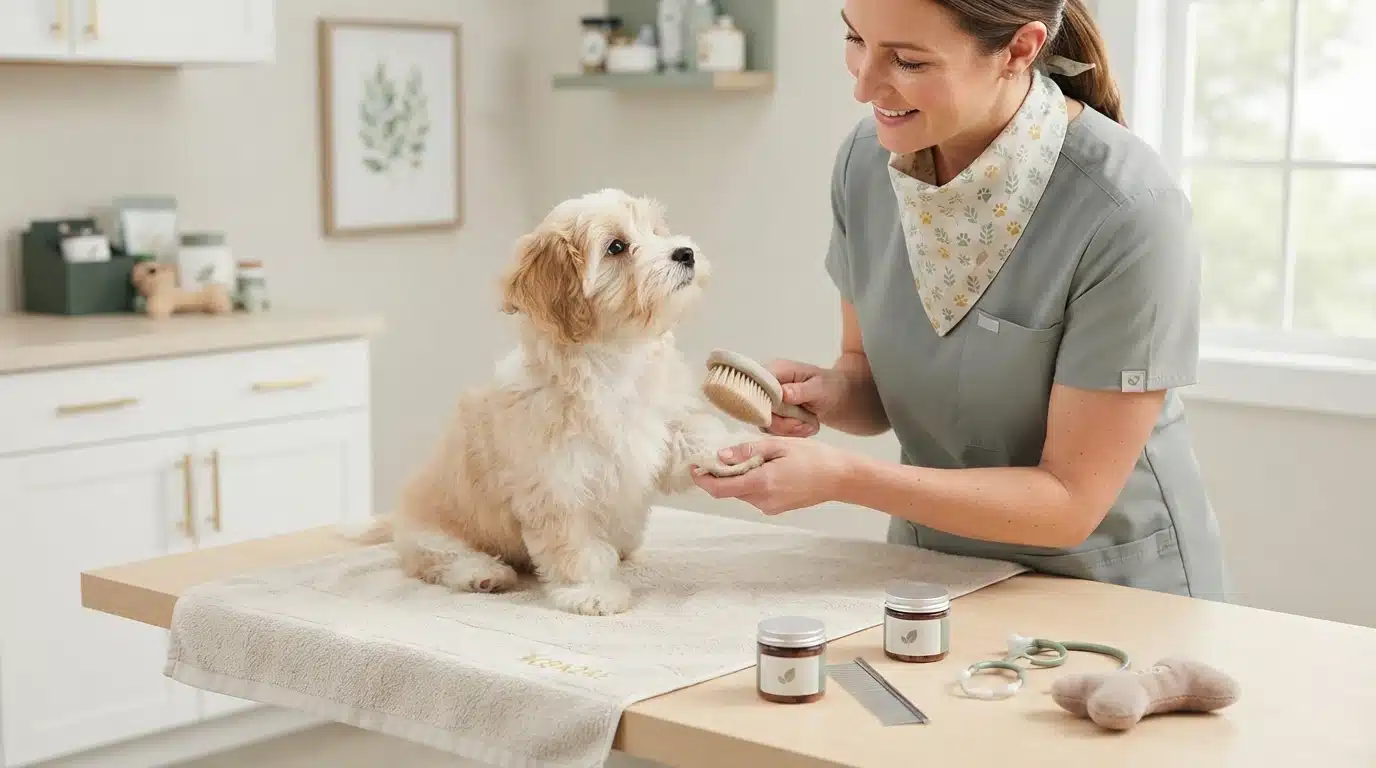
Quick Summary: Male Havanese puppies tend to be more affectionate, people-focused, and eager to please, while females are often more independent, alert, and quicker to house train. Intact males are more likely to mark, roam, and mount, whereas females have heat cycles and related coat and mood changes. Spay and neuter timing can shrink these differences, but individual temperament, training, and household fit matter more than sex.
You have been on the breeder’s website for an hour, and one small question keeps stopping you at the application form: boy or girl? Here is the honest answer about Havanese gender differences. Once a Havanese is spayed or neutered, the personality gap between the sexes shrinks to almost nothing. A male may be more food-motivated and easier to please. A female may be more independent and quick-witted. The puppy you bond with, and the training you invest, will shape the dog far more than its sex.
Many families comparing a boy girl Havanese have heard that males mark and females are moody, but they cannot tell which claims hold up. This comparison separates intact behavior from altered behavior across training, house training, marking, family fit and longevity, then ends with a clear pick for each household. It draws on breeder observations and veterinary guidance on female Havanese puppies and males alike, so you can choose the individual puppy first and let the paperwork follow.
Male vs Female Havanese Puppies: Temperament at a Glance
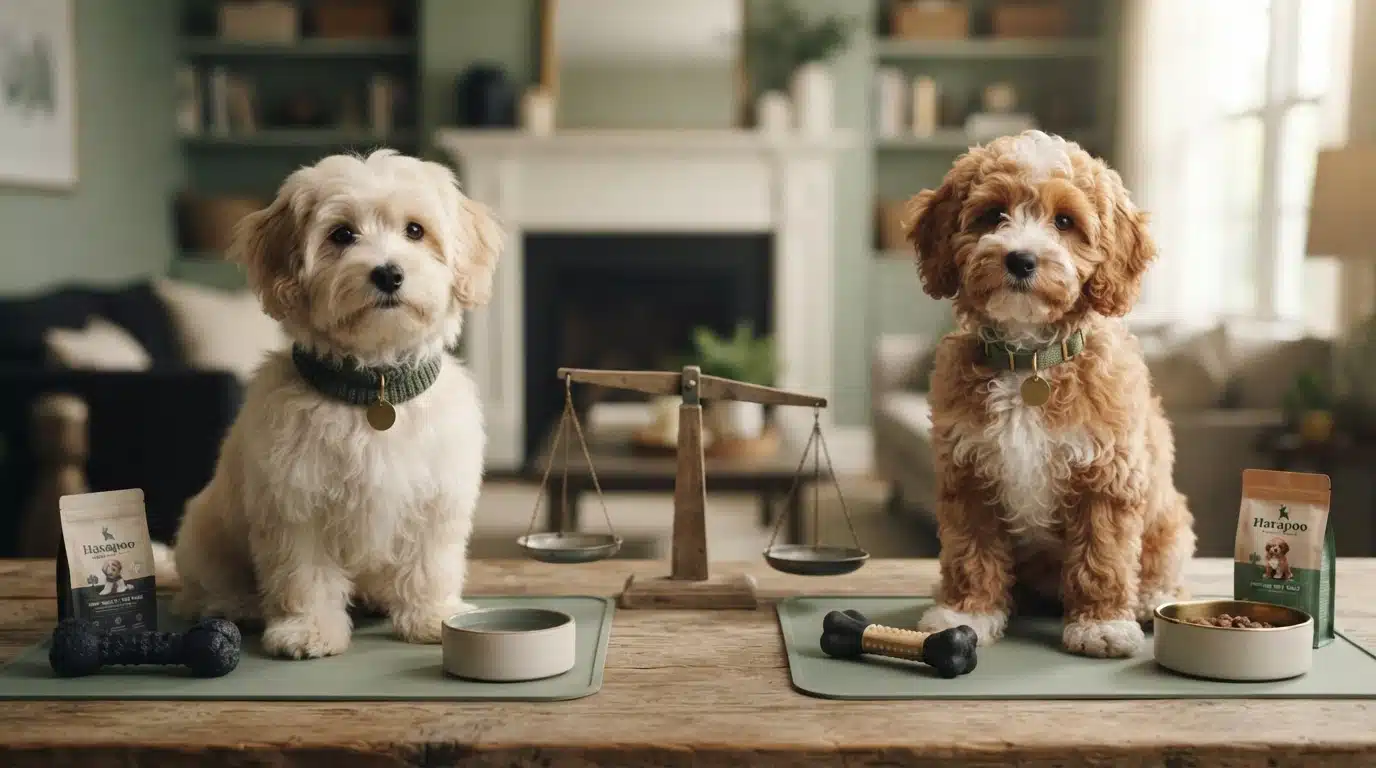
| Male Havanese puppy | Female Havanese puppy | Sage Puppies | |
|---|---|---|---|
| Typical temperament | Affectionate, playful, people-oriented, often more eager to please | Independent, alert, watchful, often more assertive and less clingy | Publishes Havanese, Havapoo and Cavapoo only, with temperament noted per puppy |
| Training and house training | Often quick with reward-based work; marking is the more common house training snag | Quick learner once she understands the goal; can be stubborn about what she sees no reason to do | Expects families to continue reward-based training and socialization at home |
| Marking and hormone-driven behavior | Higher chance of marking, mounting and roam when intact; reduced after neutering | Less marking; heat cycles bring mood and coat changes when intact | Discusses spay and neuter planning with families and their veterinarian |
| Size, coat and grooming | Slightly larger, 8 to 13 pounds, same coat care as females | Slightly smaller, 7 to 12 pounds, coat can thin during heat cycles | Small companion breeds with coat care education for new owners |
| Best-fit household | Families with young children, first-time owners wanting a cuddly dog | Homes with older children or other pets, owners who want an alert companion | – |
| Where to find them | Sage Puppies Havanese puppies in South Jordan, Utah with delivery | Sage Puppies Havanese puppies in South Jordan, Utah with delivery | sagepuppies.com, South Jordan, Utah, founded 2025 |
Meet the Two Options: Boys and Girls
Male Havanese puppy
A male Havanese puppy is usually the more people-focused of the two, eager to please and quick with reward-based training. He suits families with young children and first-time owners who want a cuddly, steady companion, though marking is the more common house training snag before neutering.
Key strengths
- Affectionate, playful and people-oriented
- Often faster to house train with reward-based work
- Slightly larger build, 8 to 13 pounds, with the same coat care as females
Female Havanese puppy
A female Havanese puppy tends to be confident, alert and a bit more independent, watching the room before joining it. She fits homes with older children or other pets and owners who enjoy a quick learner with a mind of her own.
Key strengths
- Independent, watchful and less clingy
- Learns fast once she sees the point of a task
- Slightly smaller, 7 to 12 pounds, with less scent marking
Sage Puppies
Havanese gender differences show up early, so matching matters more than picking a side. Sage Puppies, a boutique program in South Jordan, Utah founded in 2025, notes each puppy’s temperament and works through an application and reservation process to pair the right boy or girl with your household.
Key strengths
- Havanese, Havapoo and Cavapoo only, with temperament noted per puppy
- Spay and neuter timing discussed with families and their veterinarian
- Local Utah pickup and nationwide delivery
Are Male or Female Havanese Puppies Easier to Train?
Mostly, neither. Havanese gender differences barely show up in training because the breed itself is bright, food-motivated and eager to please. The honest answer is that three levers matter more than sex:
- Consistency: same cue words, same potty spot, same routine every day
- Reward-based methods: treats and praise beat correction with this sensitive breed
- Neuter or spay timing: it shapes marking and roaming more than anything else
A boy girl Havanese pair raised the same way will usually learn sits, downs and crate routines on a similar schedule. What differs is house training, and there the edge goes to girls.
What training actually looks like for each sex
Start with the basics. Both sexes learn obedience cues at about the same pace, and breeders of this breed rarely report a training gap worth choosing a puppy over. Males can seem slightly more distractible as adolescents, especially around intact females or other dogs. Females may be a touch more focused in short sessions, though many owners see no difference at all.
Think of sex as a small factor and the puppy’s individual personality as a big one. A bold, busy male often out-trains a shy female. Ask to meet the litter and watch which puppy checks in with you, recovers quickly from a startle, and follows a tossed treat. Those traits predict your training experience far better than the sex does. Questions about temperament and health history are worth asking before you reserve, and what to ask a breeder before you buy a Havanese covers the ones that matter.
House training, marking and the one difference families notice first
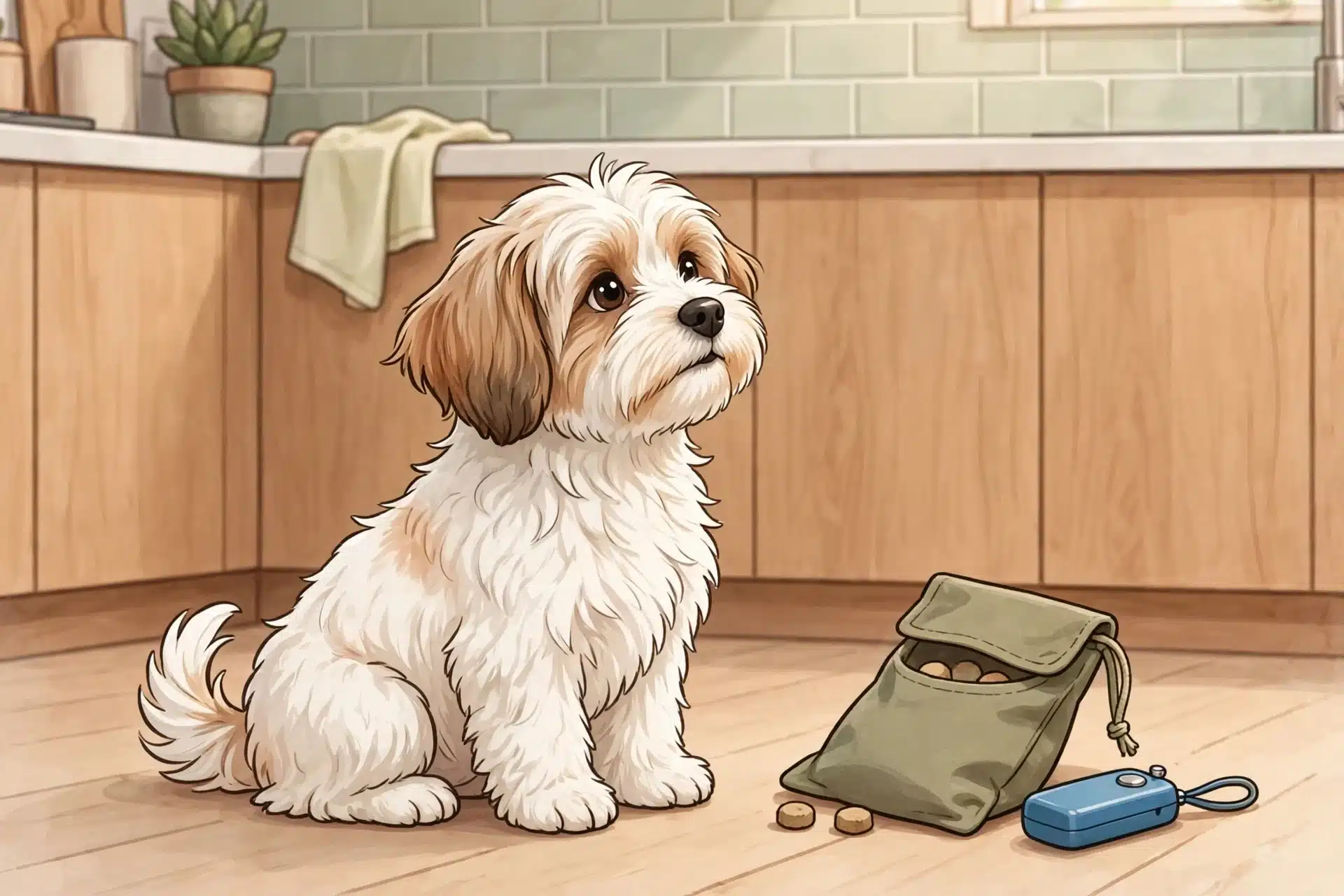
House training is where sex shows itself. Female Havanese puppies often catch on a week or two sooner, partly because they squat and empty fully each time. Males take a little longer, and the biggest gap appears later: scent marking. Intact males lift a leg on furniture corners and door frames once hormones kick in, usually between six and twelve months.
Timing helps. Neutering a male before marking starts cuts the behavior sharply, while neutering after the habit is set often leaves it in place, according to PetMD’s review of neutering and behavior. Females rarely mark indoors, so heat cycles are the house training issue you plan around instead. Crate training and a fixed potty routine narrow the gap for either sex.
How Boys and Girls Bond Differently With Their People
Cuddlers versus companions
Male Havanese tend to bond with the whole family at once. They follow people from room to room, lean on laps, and often stay a little moreVelcro-like into adulthood. Female Havanese puppies frequently attach hardest to one person, then warm up to everyone else on their own schedule. She may watch you from the couch arm before she climbs into your lap; he is usually already there.
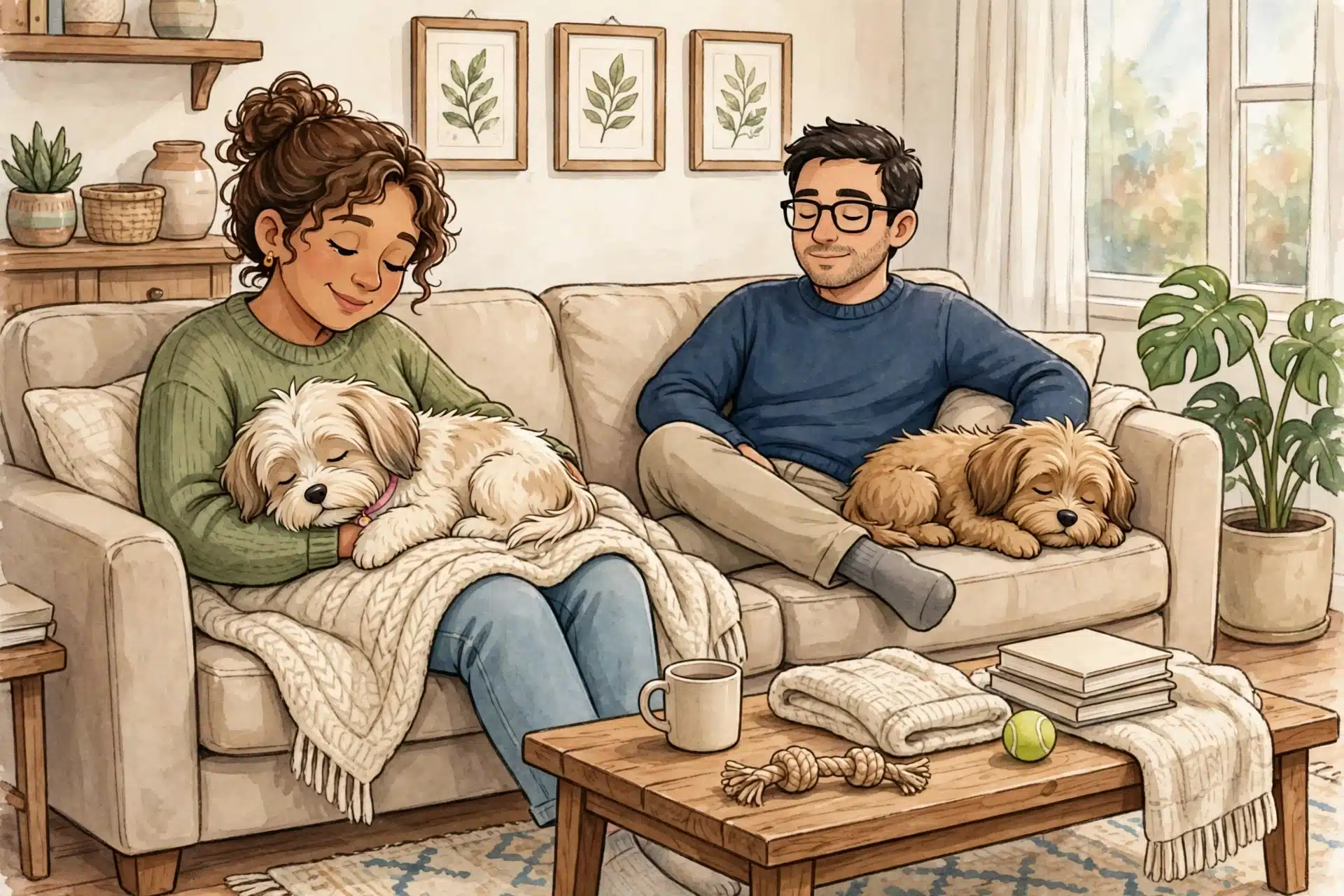
Neither style is better. A velcro boy suits a household that wants a constant shadow. A girl who checks in from a distance often fits owners who like a bit more independence. Breeders and owners of female Havanese puppies commonly describe them as slightly more reserved as adolescents, though individual personality within a litter usually outweighs sex. When we match families, we look at how each puppy responds to handling, not just whether it is a boy or a girl, because that tells you far more about the bond you will get.
Why the sex gap shrinks after spay and neuter
Hormones drive much of the difference you read about online. Intact males roam, mark, and get distracted by scent, which can look like poorer focus. Neutering reduces roaming and marking in a majority of males, and behavior problems drop in roughly three quarters of neutered males, according to one study of 591 dogs (sustainablevet.org). Timing matters, so discuss spay and neuter timing with your veterinarian rather than assuming one age fits all Havanese (pmc.ncbi.nlm.nih.gov). After surgery, most boys and girls settle into nearly the same affectionate, people-focused companion temperament.
Marking, Mounting and Hormone Changes in Both Directions
Sex hormones shape behavior in both sexes, and most of it shows up after puberty, around six to twelve months. Here is what to expect if you keep a Havanese intact.
What intact males tend to do
Testosterone drives three habits. Scent marking comes first: intact males lift a leg on vertical spots, indoors and out, and some start marking near windows and doors. Mounting is second. Many males hump toys, legs or other dogs, though it also happens with excitement or stress, so it is not purely sexual. Third, a male can sense a female in heat from a distance, and nearby intact males may pace, whine, refuse food and mark heavily while they obsess over her, as Hill’s Pet describes.
The good news for Havanese owners is scale. These are eight to thirteen pound dogs, so marking accidents are cleanup-sized and neutering curbs most of it. As noted earlier, one study of 591 dogs found marking and roaming drop in a majority of neutered males.
What intact females tend to do
Females cycle roughly every six to eight months instead of marking year round. During each heat, which lasts about three weeks, you may see a swollen vulva, bloody discharge, frequent urination, restlessness and clingy or cranky moods. Some females also mark more during heat to signal availability, and a few show false pregnancy signs afterward.
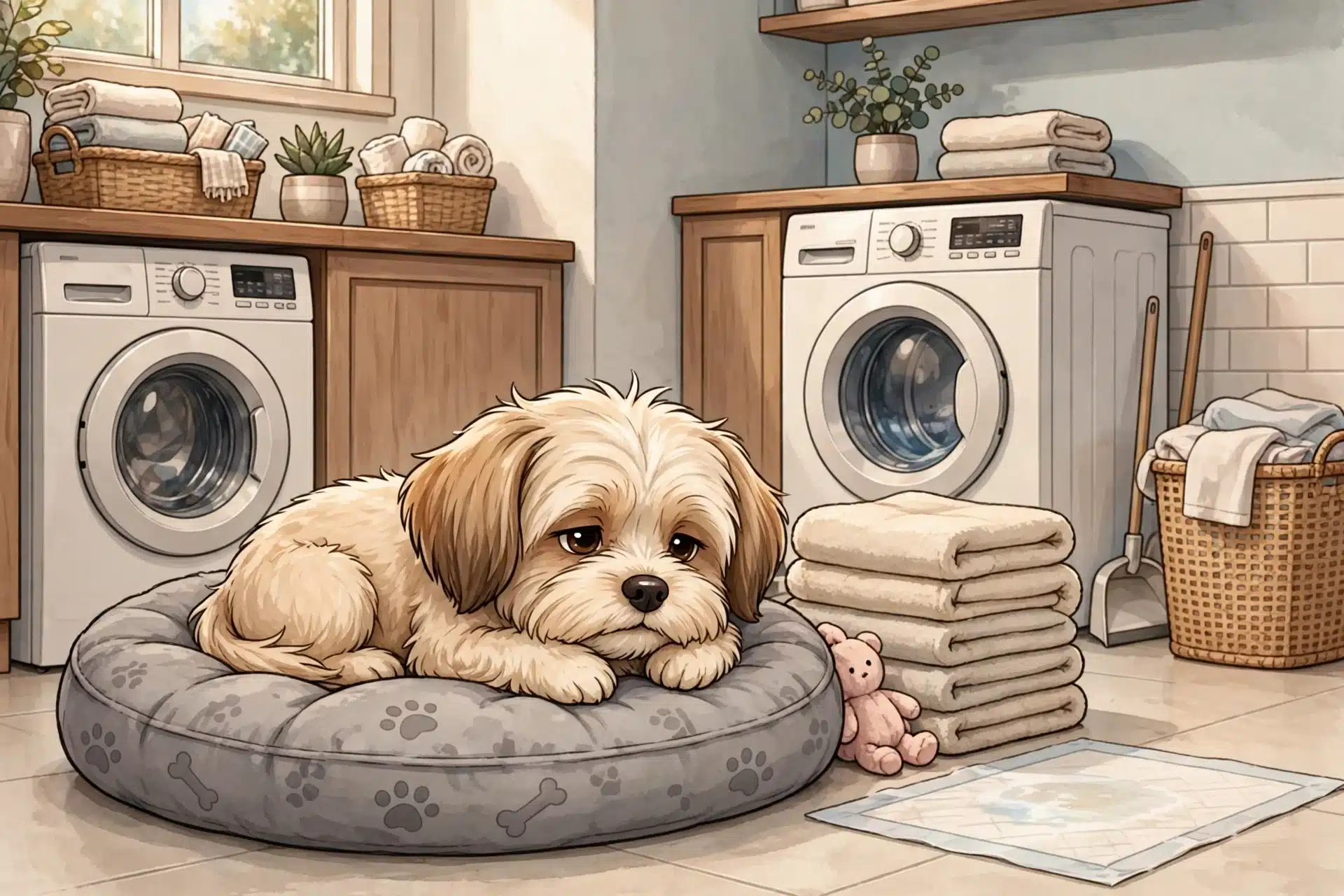
Spaying ends the cycles, the discharge and the coat thinning that heat can cause. Time it with your veterinarian, since the right age depends on your dog’s size and health.
Size, Coat and Lifespan: The Differences You Can Actually Measure
Temperament talk is fun, but sex differences you can put on a scale are simpler. Size and coat care barely move the needle between a male and female Havanese. Here is what the numbers actually say.
Adult size and how to talk about it
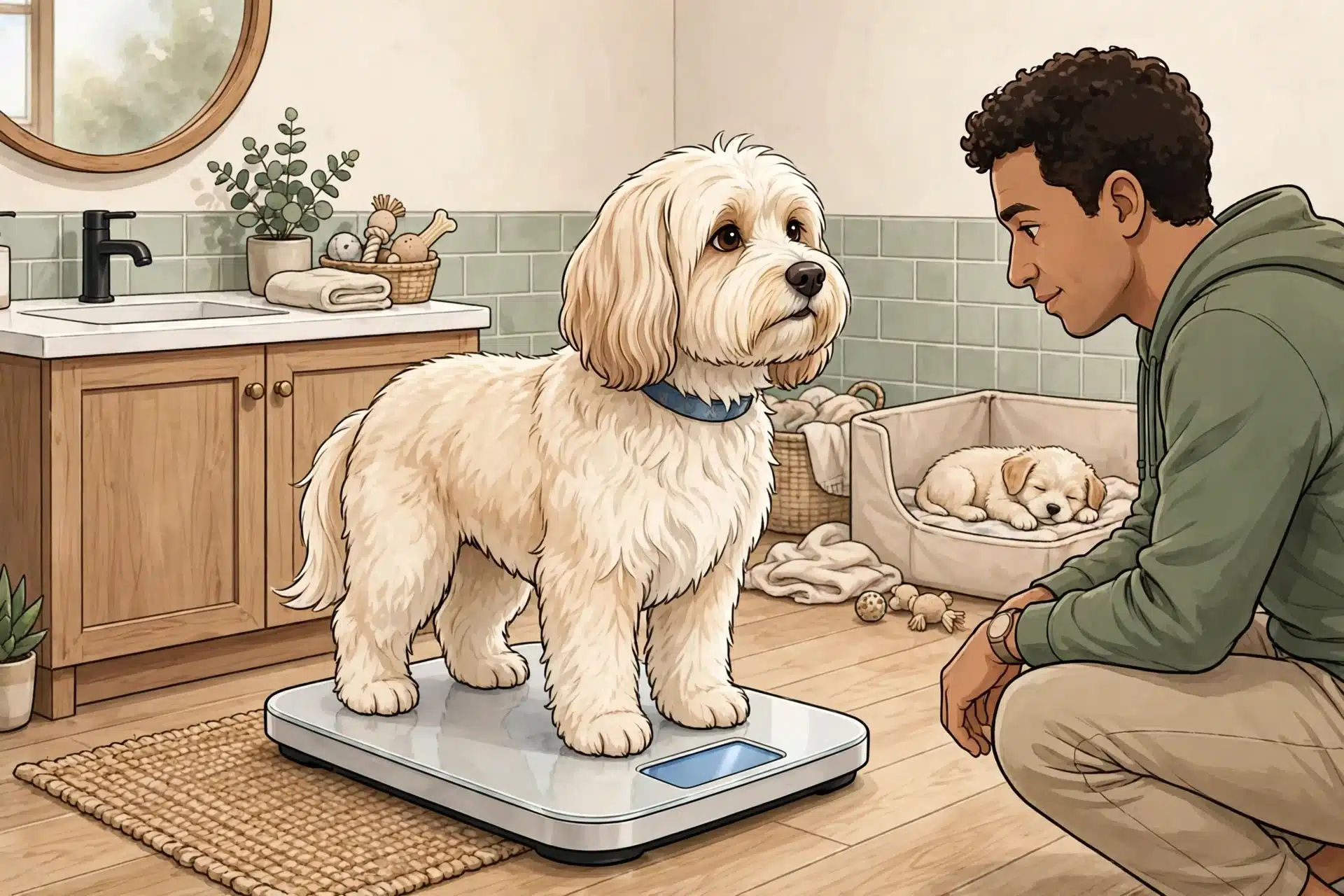
Ask breeders about adult weight and you will hear a range, not a rule. Most Havanese land between 7 and 13 pounds, with males sitting at the upper end. But littermates vary, and a big female can outgrow a small male from the same parents. The honest way to shop is by the parents’ sizes, not the puppy’s sex. When you browse Havanese puppies for sale in Utah, ask to see both parents’ weights. A puppy’s paws and current build at 8 weeks give you a fair guess, yet they promise less than the parents do.
Grooming and coat care are the same job for both
Coat care is identical across the sexes. Both carry a long, silky double coat that mats without brushing several times a week, and both need regular trims. Hormones do create one real difference: an unspayed female sheds more and her coat can thin during heat cycles. Spay or neuter and even that fades. Breed standards confirm the coat itself is a breed trait, not a sex trait, so pick your groomer budget for either one and it will hold.
Are Male Havanese Puppies More Aggressive?
Short answer: no, male Havanese are not more aggressive than females. This breed was bred for company, not guarding, so both sexes tend toward soft, people-focused temperaments. What looks like “aggression” in a puppy is usually play that got too rough, fear during a hard moment, or resource guarding. Those habits respond to training in either sex.
- Breed matters more than sex. A well-bred Havanese of either gender is a companion first.
- Puppy biting is not aggression. It is teething and play. Reward-based training fixes it.
- Hormones can shape behavior. Roaming and marking show up in males, but they are not attacks.
Boys and small children
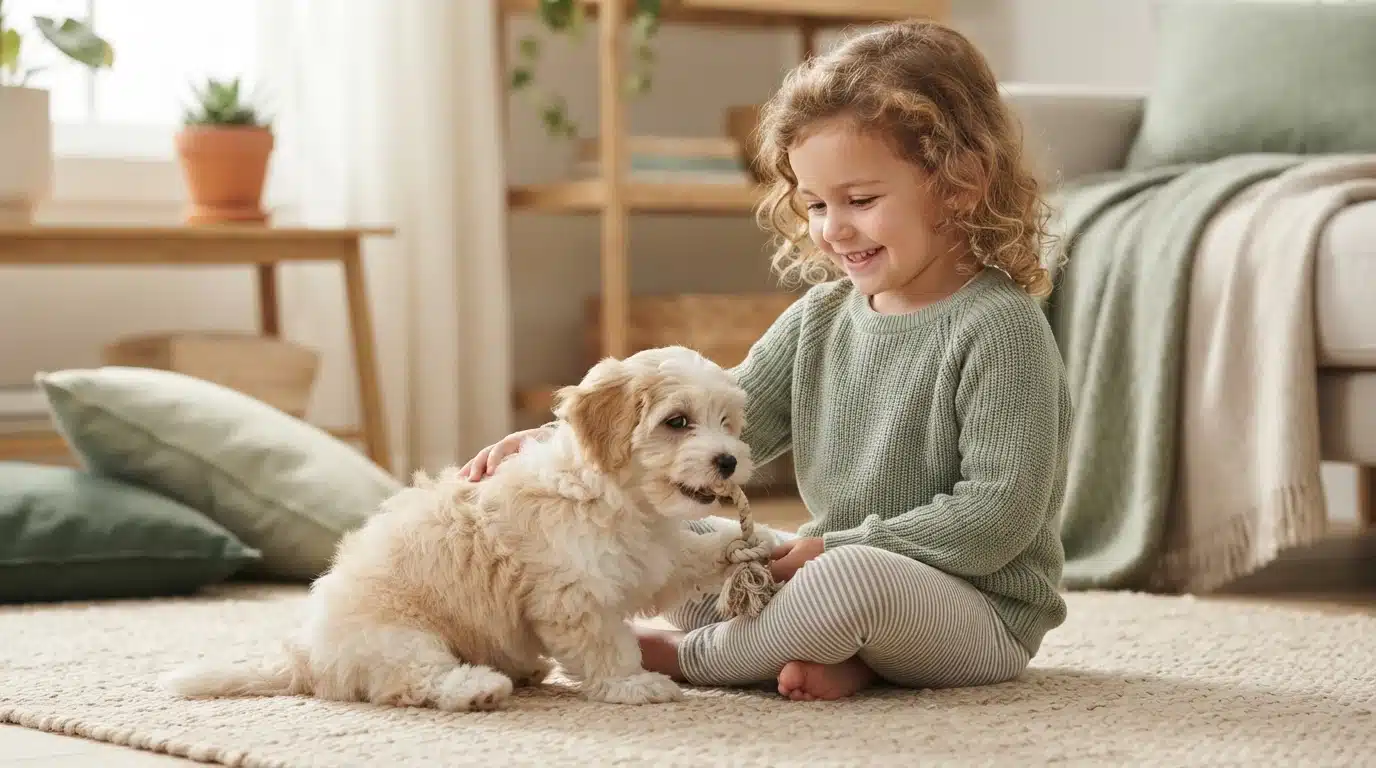
Male puppies often play with more body and enthusiasm. At 8 to 13 pounds, a Havanese boy who leaps during greetings can knock a toddler over without meaning harm. That is a matching problem, not a temperament flaw. Families with children under six should teach the puppy four paws on the floor and give the child a calm zone, like a playpen, for early weeks. Boys also mature more slowly, so expect a few extra months of silly energy. Neutering, discussed later, trims roaming and humping in most males.
Girls and a resident dog
Female Havanese can be a touch more reserved, and some owners report more same-sex friction in adult dogs. In a home that already has a female, a boy puppy often slides in easier, especially with a planned, on-leash introduction and separate rest spots. Early social work matters more than sex here; a simple plan like a first-month socialization schedule prevents most squabbles before they start.
Which Should You Choose: Male or Female Havanese?
Short answer: neither sex makes a better family pet across the board. Havanese gender differences are real but modest, and the right pick depends on your household, your patience for a few sex-linked habits, and the individual puppy in front of you. Use these fits as a starting point:
- Choose a male if you want an extra-cuddly, people-first companion and you plan to neuter on your vet’s advice.
- Choose a female if you prefer a slightly more independent dog and a lighter frame, or you want to avoid marking risk entirely.
- Choose by personality, not sex, if everyone in the family just wants a happy lap dog.
When a male Havanese is the right call
Pick a boy if your top priority is constant companionship. Male Havanese tend to stay puppy-like longer, follow their people from room to room, and want to be picked up often. Owners who want a velcro-style dog usually love this.
Males also work well in two-dog households. Introducing a male to an existing female often goes smoothly, especially when both dogs are altered and introductions happen on neutral ground.
The trade-off is scent marking. Intact males mark more, particularly if a female in the home cycles. Neutering, timed with your vet, lowers both marking and roaming for most males, so a boy’s habits depend partly on your spay and neuter plan rather than his hormones alone.
When a female Havanese is the right call
Choose a girl if you want a slightly more self-sufficient companion. Female Havanese puppies often settle faster, house train a bit quicker, and bond deeply without shadowing you every minute. Families who work from home but need focused hours tend to appreciate that balance.
Females also avoid scent marking almost entirely, which appeals to careful housekeepers. The trade-off is heat cycles if she stays intact, along with coat thinning and mood shifts twice a year. Spaying ends those cycles.
Weight matters too. At 7 to 12 pounds, a female suits lap-loving households and apartments, and she pairs gently with seniors.
If you are torn, tell your breeder how you live. At choosing a puppy in Utah, matching temperament to household matters more than checking a sex box.

Still torn between a boy or a girl? Tell Sage Puppies what your household is like, and Cassie’s application process matches you with the puppy whose temperament truly fits. Start yours today and meet your match with confidence.
Frequently Asked Questions
Q1: Are male or female Havanese puppies easier to train?
Mostly neither. Both sexes learn cues at a similar pace. Females often house train a week or two sooner, while males may mark later, so reward-based training and spay or neuter timing matter more than sex.
Q2: Do male or female Havanese dogs make better family pets?
Neither wins across the board. Boys are often cuddlier and family-wide in their affection. Girls are a bit more independent. Choose by the individual puppy’s personality and your household’s routine.
Q3: Are male Havanese puppies more aggressive than females?
No. The breed was developed for companionship, so both sexes stay soft-tempered. Rough play, fear or resource guarding respond to training in either sex.
Q4: Does neutering change a male Havanese’s personality?
His affection stays. Neutering mainly reduces marking, roaming and mounting, especially when timed before habits start.
Q5: Can I pick temperament instead of sex when reserving a puppy?
Yes, and it is the smarter move. Breeders who note each puppy’s temperament can match your household, which predicts your experience better than gender does.
Conclusion
The sex question matters less than it feels like it does in the litter photos. Havanese gender differences are real but modest: boys tend toward velcro affection and, if intact, scent marking; girls lean a bit more independent and house train a week or two sooner. Spay and neuter timing shrinks most of the gap, and training, socialization and the puppy’s own personality shape your dog far more than its sex. So pick by fit. Want a constant lap shadow? Lean male. Prefer a self-sufficient, alert companion with less marking risk? Lean female. Then let temperament matching, not the checkbox, make the final call.