How to Verify Delaware Puppy Breeders Before Placing a Deposit: Verify a Delaware puppy breeder before paying a deposit by verifying parent health tests, live video calls, and written agreements to avoid scams.
A Delaware family can fall for a small Havanese, Havapoo, or Cavapoo in minutes. Slow down before a breeder sends the deposit link.
The hardest part is that polished photos, kind messages, and a low-pressure promise can hide missing records or outright puppy breeder scams. Not every problem is fraud. Some Delaware puppy breeders meet basic rules but still skip the health testing, puppy care, and clear buyer support a family should expect.
This guide shows you how to verify dog breeders before money changes hands. You will learn what documents to request, how to check parent health results, what to ask about home raising and pickup or delivery, and which deposit terms deserve a hard pause.
Good Delaware puppy breeders welcome careful questions. A responsible breeder has nothing to hide, and your deposit should follow proof, not pressure.
Start With a Consistent Delaware Breeder Identity
Match the Name, Location, and Contact Details
Before you send a deposit, make sure the breeder looks like the same real business everywhere. Compare the website, puppy ad, contract, social pages, email address, and payment request.
Check these details:
- Breeder or business name
- Delaware town and physical pickup address
- Phone number and email
- Parent dog names and breed information
- Deposit payee name
A changing name, a vague location, or a request to pay an unrelated person deserves a pause. Delaware requires licenses for certain kennels and retail dog outlets, so ask which category applies and request the license details where relevant. The Delaware Office of Animal Welfare explains kennel licensing.
Tip: A home address does not need to be posted publicly. A trustworthy breeder can still confirm where the puppy is raised and how your visit or pickup will work.
Confirm the Puppy Listing Has Not Been Recycled
Ask for a fresh video call or a new, dated video of the exact puppy. Request footage that shows the puppy moving, interacting with littermates, and being handled by the breeder.
Use this quick check:
| Check | What you want to see | Red flag |
|---|---|---|
| Photos | Several ages and settings | Same images on unrelated ads |
| Video | Your name and today’s date mentioned | Refusal or old clips only |
| Details | Sex, birth date, parents, markings | Facts shift between messages |
Search one puppy photo with reverse image search. If it appears under another breeder name, state, or birth date, stop.
Delaware law requires sellers covered by its pet warranty rules to provide written puppy details, including breeder information, health records, and known conditions at sale. Read the state’s required seller disclosures before treating a listing as proof.
Also Read: Puppy Care Blog & Resources | Sage Puppies
Check Delaware Licensing and Seller Disclosures Without Overinterpreting Them
Ask Which Delaware License or Exemption Applies
Ask the breeder one plain question before you pay: Which Delaware license or exemption applies to this litter, and why?
A retail dog outlet license applies to retail premises, but Delaware excludes dogs raised and sold directly by a person who lives on that property. A single-litter seller may also be excluded. Review the state’s retail outlet definitions so you can judge the answer in context.
| Seller setup | What to ask |
|---|---|
| Home-raised, direct breeder | Why the retail outlet exemption applies |
| Retail sales location | Current retail dog outlet license |
| More than four dogs kept for breeding or sale | Whether a kennel license is held |
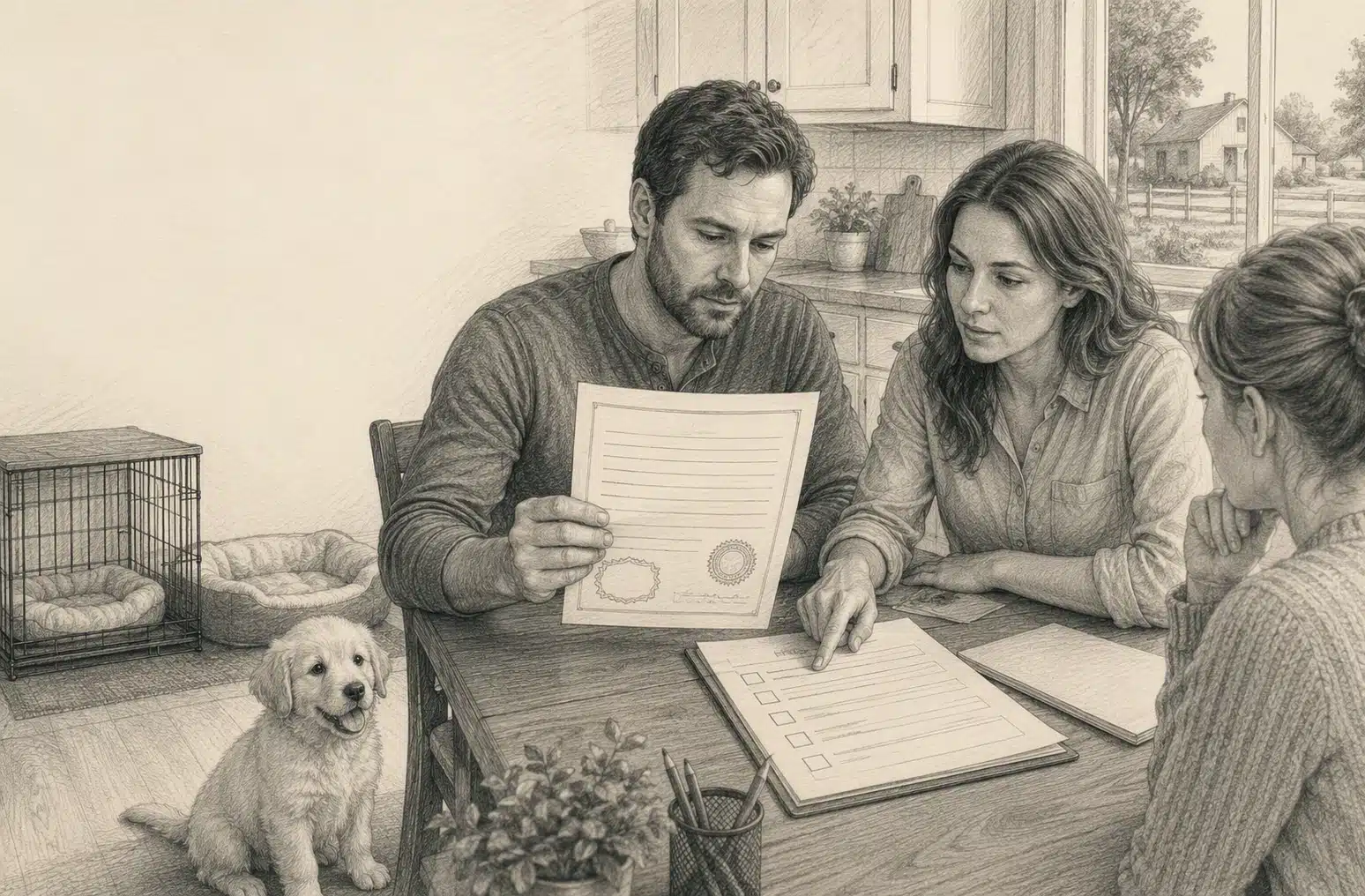
A license can show the seller met a legal requirement. It does not prove strong health testing, careful puppy raising, or a good match for your family.
Treat licensing as a starting check, not a seal of ethical breeding quality.
Request the Written Information Delaware Sellers May Need to Provide
Before sending a deposit, ask for the written records you will receive at sale. Delaware pet-warranty law generally applies to sellers who sell at least 20 dogs or more than three litters in a calendar year. Covered sellers must provide key facts, including known breeder details, puppy description, vaccine and worming records, and veterinary treatment records, under the Delaware pet-warranty statute.
Request these items early:
- The puppy’s birth date, breed, sex, and ID details.
- Vaccine, deworming, and veterinary records.
- Any known illness or inherited health concern.
- Written confirmation if the puppy has not had a veterinary exam.
- The deposit, refund, pickup, or delivery terms.
Records prove what a seller says they know at that point. They do not replace seeing parent health results, asking about temperament, and reading the full contract before money changes hands.
A seller who rushes a deposit but delays basic records gives you useful information. Pause.
Also Read: 10 Adorable Havapoo Colors You Need to See (2026)
Verify Parent Health Testing and the Puppy’s Veterinary Records
Ask for Parent Names and Actual Test Results
Before you place a deposit, ask for the registered names of both parents, not just call names or photos. Then request the actual health reports for each dog.
Look for documents that clearly show:
- The parent’s full name and ID number
- The test type and date
- The lab, veterinarian, or registry that issued it
- The final result, not a vague claim that parents are “health tested”
For Havanese, Havapoo, and Cavapoo litters, the right screens depend on each parent breed and family line. Ask the breeder which risks they considered and why those tests were chosen.
A breeder should answer calmly and share records before asking you to send money.
| What to request | What a useful record shows |
|---|---|
| Parent health report | Parent name, test, date, and result |
| DNA report | Lab name and genetic status |
| Eye, heart, or joint clearance | Exam type and issuing professional |
Verify Records Through an Independent Source
Do not rely only on a screenshot or a website badge. Search each parent by registered name or number in the OFA health-test database. OFA says buyers can use its records to research parent dogs and their health risks.
Match the listing to the breeder’s document. Check the breed, sex, birth date, and test result. Small differences in spelling can matter.
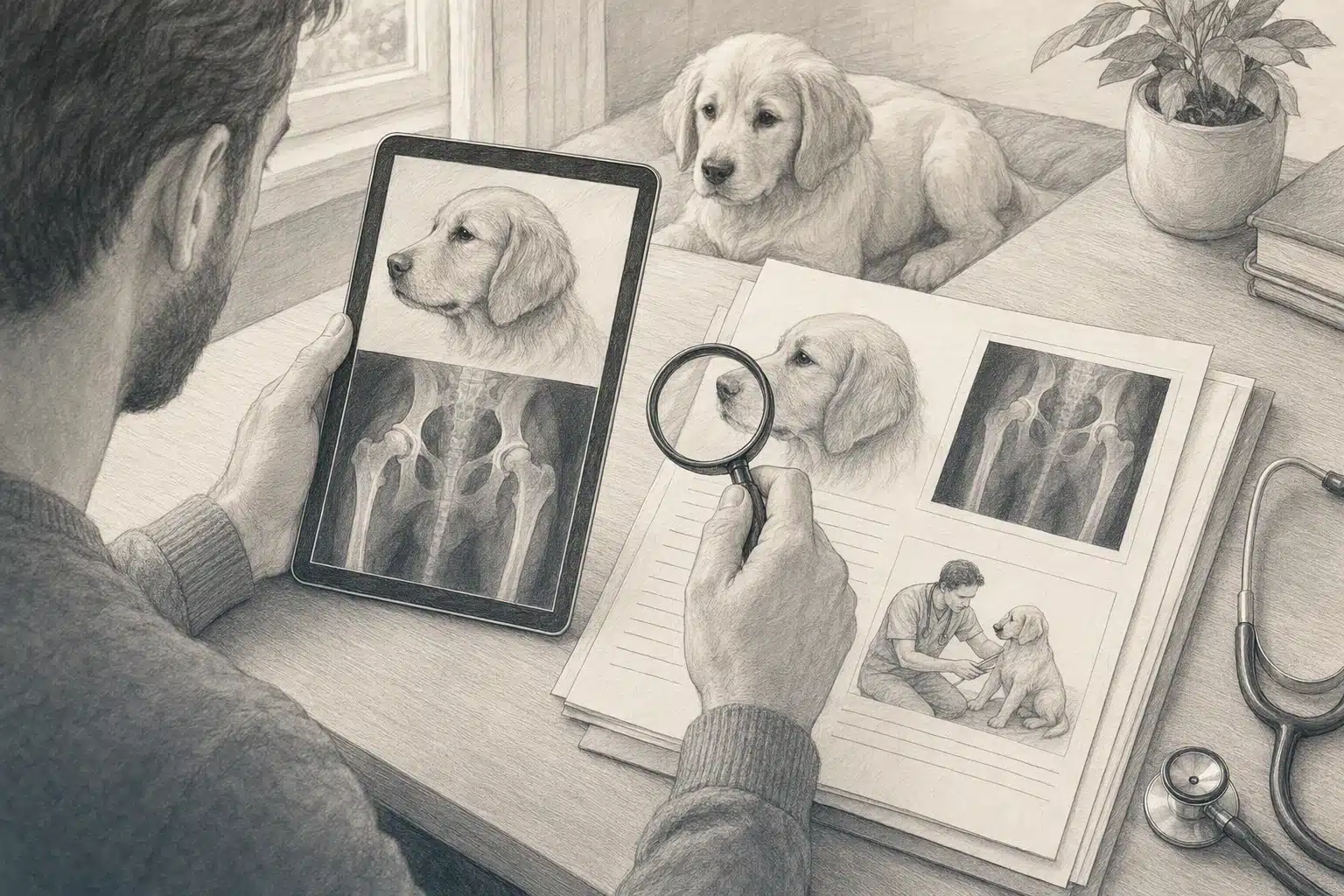
A missing public result is not always proof of a problem. Some reports come from other labs, and some owners do not release every result. Still, the breeder should provide a clear, verifiable explanation. The OFA also warns that unverifiable test results are a reason to reconsider a breeder.
Separate Puppy Care Records From Breeding Decisions
The puppy needs its own records too. Ask for a dated vet exam, vaccine record, deworming record, and any treatment notes. Confirm the puppy’s ID, sex, and birth date match the contract.
Puppy care records show how this puppy has been managed. Parent testing shows how the litter was planned. You need both before a deposit.
Health testing lowers risk. It cannot promise a puppy will never face a health issue.
Also Read: Reputable Puppy Breeder Near Me: 9 Signs to Trust
Confirm the Puppy Is Real, Current, and Raised as Described
Use a Visit or Live Video Call as Evidence
See the puppy before you send a deposit. A home visit is best when practical. If you live outside Delaware, ask for a live video call instead.
During the call, ask the breeder to:
- Show the puppy moving, playing, and resting.
- Pan across the room and show where the litter lives.
- Introduce the mother, if she is on site.
- Hold up a simple item you request, such as a spoon or paper, to confirm the video is live.
- Confirm the puppy’s date of birth, current weight, and planned go-home date.
The FTC advises buyers to seek an in-person or video meeting and to reverse-image-search puppy photos before paying. Read its pet scam guidance.
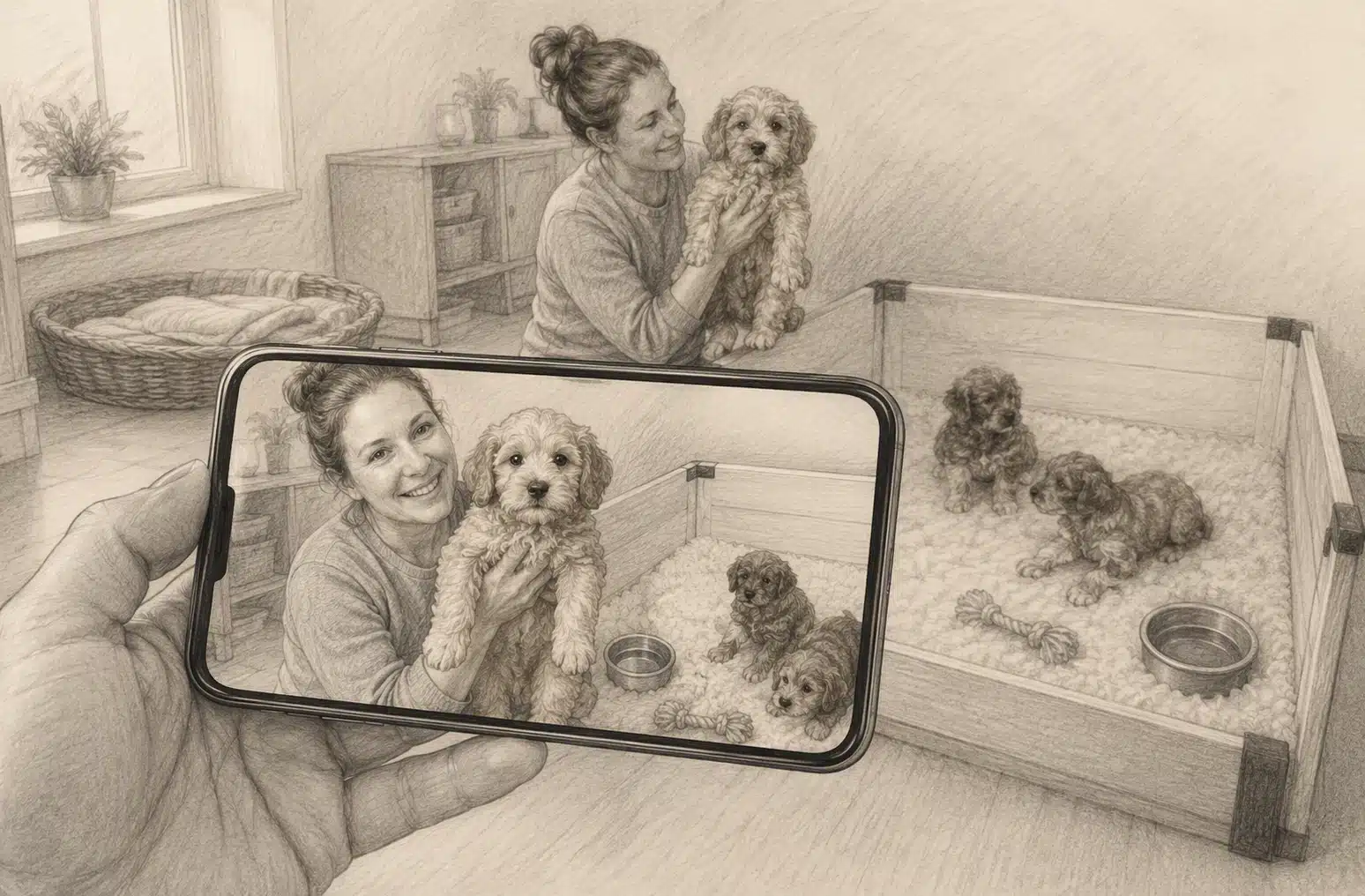
Warning: A polished photo gallery is not proof that a specific puppy is available today. Refusal to video chat, rushed payment demands, or excuses about showing the puppy are reasons to pause.
Ask How the Puppy Is Being Developed
A real puppy still needs the right start. Ask clear questions about daily care, not just breed traits.
| Ask about | A useful answer includes |
|---|---|
| Home setting | Where puppies sleep, play, and meet people |
| Social time | Gentle handling, household sounds, and age-fit play |
| Health routine | Vet visits, deworming plan, and records you will receive |
| Transition | Food, schedule, and support for the first days home |
Ask for recent, dated photos between calls. A thoughtful breeder can explain each puppy’s temperament without promising a perfect fit.
For families choosing delivery, confirm who handles the handoff, where it occurs, and what paperwork arrives with your puppy.
Read the Deposit Agreement Before You Pay
Check the Terms That Control Your Deposit
Read the agreement before you send a dollar. A deposit should hold a specific puppy, a place on a waitlist, or a future litter spot. The document must say which one.
Check these points line by line:
- Deposit amount and total puppy price
- Whether the deposit is refundable, transferable, or nonrefundable
- What happens if the breeder cannot provide the promised puppy
- What happens if you change your mind or cannot pick up on time
- Expected selection, pickup, and delivery dates
- Any health, return, spay-neuter, or payment terms tied to the sale
Ask for plain answers if a term feels vague. A rushed message, missing agreement, or promise that “details come later” is a reason to pause.
| Agreement detail | What you need to know |
|---|---|
| Refund rule | Exactly when you can get money back |
| Puppy match | How the breeder assigns or lets you choose |
| Timeline | What dates are estimates versus firm commitments |
| Breeder cancellation | Your remedy if the litter or match changes |
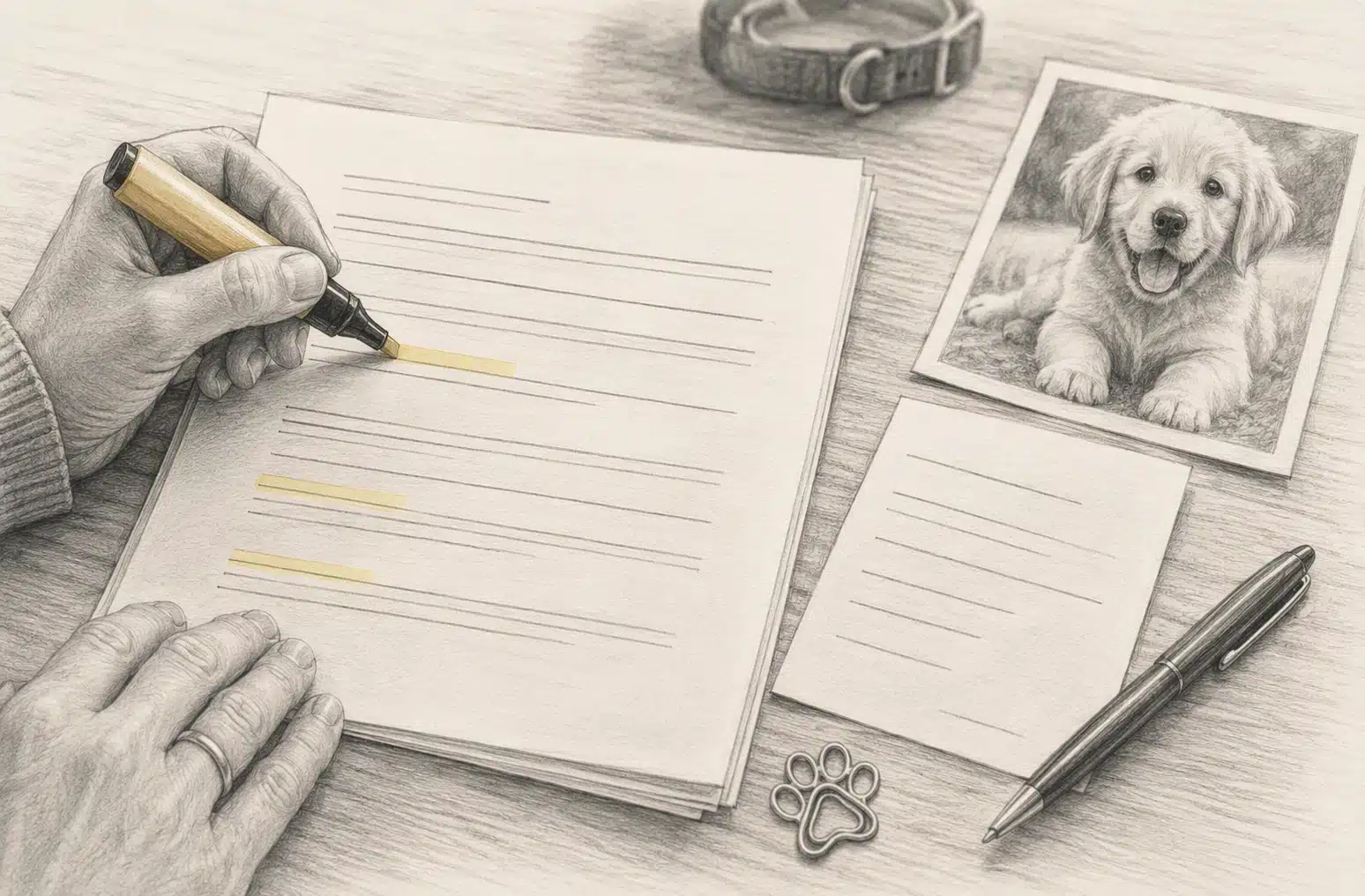
Warning: Do not treat a social media message as a full contract. Save the signed agreement before paying.
Use Traceable Payment and Keep a Complete File
Pay only after the agreement matches what you discussed. Use a payment method that creates a clear record, and confirm the recipient name before you submit it.
The FTC warns that wire transfers can be very hard to recover after they are sent, especially when a seller pressures you to act fast or says it is the only option. Read its wire transfer scam guidance before using a wire.
Keep one folder with:
- The signed deposit agreement
- Payment receipt and transaction ID
- Screenshots of the puppy listing and health-test claims
- Emails, texts, and delivery or pickup details
Also Read: A Guide to Delaware Breeder Waitlists, Deposits, and Puppy Timelines
Validate Pickup or Nationwide Delivery Details
Make the Handoff Plan Specific
Do not send a deposit until you know exactly how your puppy will reach you. A real plan names the handoff place, date range, responsible adult, and backup steps if weather or travel changes the schedule.
For local pickup, ask whether you will meet at the breeder’s home, a set location, or another approved spot. For delivery, confirm whether travel is by ground or flight, who travels with the puppy, and where you will meet.
| Detail to confirm | What a clear answer includes |
|---|---|
| Pickup or delivery date | A date or narrow window tied to the puppy’s age |
| Handoff location | A full city and meeting point before travel |
| Travel contact | The name and phone number for day-of updates |
| Puppy records | What health, feeding, and identification papers come home |
A breeder should welcome practical travel questions. Vague answers or last-minute location changes are a reason to pause.
Match Delivery Claims to the Written Agreement
Read the contract before paying, then compare it with every delivery promise. The agreement should state the delivery fee, payment timing, route, who carries the risk of delays, and what happens if the puppy cannot travel as planned.
Ask for any health paperwork needed for interstate movement. Delaware can require an official veterinary inspection certificate for dogs entering from designated high-risk areas, so confirm current rules before arranging transport through the Delaware Department of Agriculture notice.
At Sage Puppies, families should receive the same clear handoff details whether they choose South Jordan pickup or nationwide delivery.
Also Read: Havanese, Havapoo & Cavapoo Puppy Care Blog
Use a Green-Flag, Yellow-Flag, and Stop-Sign Decision
Green Flags Worth Continuing to Explore
Keep talking when a breeder gives clear, matching answers and documents them.
- They identify the puppy’s parents and share health-test results.
- They explain home raising, early social time, and pickup or delivery plans.
- They provide a written deposit agreement and welcome thoughtful questions.
- They can show required licensing when it applies. Delaware kennel licenses are renewed yearly and may involve inspections, according to the Delaware Office of Animal Welfare.
| Signal | What it tells you |
|---|---|
| Clear records | The breeder is prepared and accountable |
| No pressure | Your fit matters more than a quick sale |
Yellow Flags That Require Clarification
Pause, ask, and get answers in writing. A breeder may have a valid reason for a delayed test result, a virtual visit, or a nonrefundable deposit.
- Ask which health tests were completed and for whom.
- Confirm the exact puppy, deposit amount, refund terms, and go-home date.
- Ask who handles delivery and where responsibility changes hands.
A yellow flag becomes a stop sign if answers stay vague or keep changing.
Stop Signs That Should End the Transaction
Walk away if the seller refuses to identify the breeder, show parent records, or provide a contract before payment.
- Do not send money by untraceable payment methods.
- Do not accept “health guaranteed” with no written terms.
- Avoid sellers who rush you or will not answer basic care questions.
Delaware law requires covered sellers to give health and treatment records at sale, as outlined in the state pet warranty rules.

Before you place a deposit, compare the breeder’s records, parent testing, and care standards. Sage Puppies offers a transparent, home-raised path for Havanese, Havapoo, and Cavapoo families, with clear reservation steps, local pickup, and nationwide delivery.
Frequently Asked Questions
Q1: How can I verify a Delaware puppy breeder before paying a deposit?
Ask for parent health records, a clear contract, recent puppy details, and a live visit or video call. Confirm the breeder’s name, address, and contact details match across records.
Q2: What documents should a Delaware puppy breeder provide?
Request health test results for both parents, veterinary records, a signed purchase agreement, vaccination and deworming details, and any required registration papers.
Q3: What are the red flags when buying a puppy in Delaware?
Watch for pressure to pay fast, refusal to show the puppy live, vague health claims, copied photos, meeting only in parking lots, or payment requests with no contract.
Q4: Should I pay a deposit before meeting the breeder?
Only after you verify the breeder, review written terms, and understand whether the deposit is refundable. A video call can help if distance prevents an in-person visit.
Q5: Can a breeder deliver a puppy safely?
Yes, if they explain the travel plan, timing, handoff, and puppy care. Reputable programs, including Sage Puppies, should make pickup or delivery details clear before payment.
Conclusion
Do not let a cute puppy photo rush a deposit. Verify who raised the litter, review parent health-test results, see where puppies live, and read every deposit and purchase term before paying.
In Delaware, qualifying sellers must provide written details on the puppy’s history, care, and known health issues at sale under the state’s pet warranty law. Those records matter, but ethical care goes further than legal paperwork.
Use your questions to test for openness. A responsible breeder welcomes them, gives clear answers, and never pressures your family to decide fast.
A deposit should follow proof, not replace it.