
Quick Summary: Arkansas does not license most hobby dog breeders at the state level, so buyers should search the Arkansas Secretary of State business database and USDA inspection records instead of expecting a state breeder license. A business filing only proves the company exists, not that the dogs are well cared for, so pair it with parent health testing, vet records, and a visit. Proposed Arkansas breeder licensing bills from 2015 and 2017 were never enacted, and treating them as current law will send you chasing permits that do not exist.
A polished Arkansas puppy listing can hide a lot. The business name looks professional, but that name alone won’t tell you whether it matches a state filing, whether an Arkansas breeder license record exists, or which health records come with the puppy.
That gap is the problem this guide solves. We walk you through a step-by-step process for checking Arkansas breeder records, separating business filings from animal-breeder licensing, and confirming what paperwork a seller can actually provide before you send a deposit.
You’ll also learn what these checks can’t prove, so you know when to ask harder questions or walk away.
As a home-raised program ourselves, we believe every family deserves this level of scrutiny from any puppy breeder license holder they consider, including us. A breeder with nothing to hide will welcome it.
Step 1: Clarify Which Kind of Record You Are Checking
Before you search anything, decide what you are actually trying to confirm. Buyers often mix up three very different records, and checking the wrong one wastes time or creates false reassurance. An Arkansas breeder license is not the same thing as a business filing, and neither one tells you how the dogs are raised.
Business filing, animal license, and care records are different
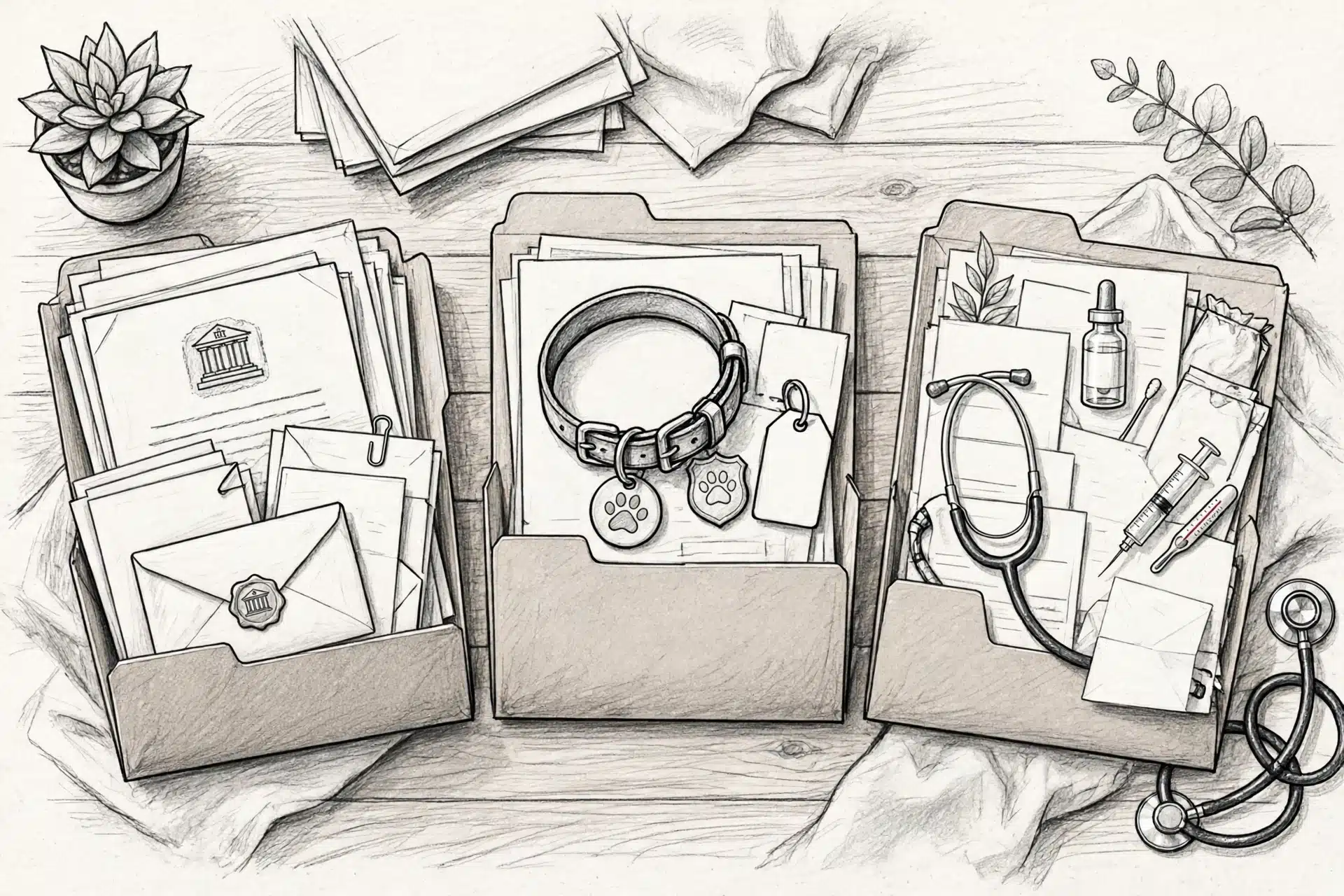
A business filing shows that a kennel registered a company name with the Arkansas Secretary of State. It proves little more than paperwork. An animal license is a permit to breed or sell, such as a federal USDA license required of commercial breeders who sell sight unseen under the Animal Welfare Act. Care records are different again: vaccination records, vet exams, and health testing results for the parents. A breeder can hold every license on the list and still run a cold, kennel-style operation. A small home program can hold few formal credentials and raise wonderful puppies. Look at all three layers together, not just one.
Treat proposed bills and old summaries as historical
You will also run into blog posts about Arkansas breeder regulation that never became law. Bills like House Bill 1620 and House Bill 1717 proposed state registration for breeders, but they date to 2015 and 2017 and were not enacted. If an article describes an “Arkansas breeder license” that sounds strict or detailed, check its date. Old proposals are history, not current law, so do not demand a permit that does not exist. That is also why responsible programs such as Sage Puppies put their energy into health testing and transparent records rather than claiming licenses no state requires. When you compare options for puppies in Arkansas, ask what each breeder can actually document today.
Step 2: Search the Arkansas Secretary of State Business Records
The state keeps a free, public record of every business entity registered in Arkansas. Before you send a deposit, spend ten minutes in the Arkansas Secretary of State’s business entity search and see whether the kennel name on the website matches a real filing.
Search more than the advertised name
Breeders often advertise under a catchy brand but file under a legal name. If “Blue Ridge Family Puppies” turns up nothing, that does not prove a scam. It may mean the business operates as “Smith Family Kennels LLC” and uses the catchy name as a fictitious name, or DBA. The state search lets you look up entities by name, fictitious name, registered agent, or filing number, so try each route:
- Search the kennel or brand name first, using a partial match rather than the full name with “LLC” attached.
- Search any breeder or owner name the website lists.
- Search the city or county name plus “kennel” or “puppies” to see what exists nearby.
- Note that a total miss can also mean a sole proprietor, since businesses that never file with the state do not appear at all.
One caution: the business record proves a company exists. It does not prove anything about how the animals are treated. Licensing and animal welfare checks are separate steps, which we cover in Step 3.
Open the entity record and note the details
When a result looks like your breeder, click through to the full record. Write down what you find, because you may want it later:
- Status. “Good Standing” means filings are current. “Forfeited” or “Dissolved” means the entity lost or ended its authority, often over unpaid franchise tax.
- Entity type and formation date. An LLC formed three months ago is not automatically bad, but it changes how much history you can expect.
- Registered agent and principal address. Does the address match where the puppies actually live? A mismatch is worth a polite question.
- Filing history, which shows annual reports and amendments.
Keep these notes with your other breeder records. If you are comparing out-of-state options, such as Havanese and Cavapoo programs that ship to Arkansas families, run the same search in each breeder’s home state.
Step 3: Match the Public Record to the Breeder You Contacted
Finding a record is only half the job. Now confirm it belongs to the person you are actually talking to.
Compare names, locations, and contact details
Start with the legal name. If the filing lists an individual, that name should match the person who signs your contract and takes your deposit. If it lists a business, ask for that exact business name in writing and check it letter by letter. Small differences matter: “Smith Family Pups LLC” is not the same as “Smith Family Puppies.”
Next, compare locations. A record showing a kennel address in one Arkansas county and a seller who says they are “just outside Little Rock” needs a plain explanation. Some breeders use a mailing address, a licensed facility, and a home address, and all three can be legitimate. Ask which address is which.
Then check contact details. A phone number or email on the filing that matches what the breeder uses is a strong sign. When nothing matches, pause and ask direct questions before any money changes hands.

Resolve no match or an unexpected status calmly
No match is not always a red flag. Very small programs sometimes operate as sole proprietors under a personal name, so search that name too. Some states also exempt small hobby breeders from licensing, and Arkansas rules depend on scale, so a missing animal license alone does not prove a problem.
An unexpected status deserves a question, not an accusation. Ask the breeder to explain an expired filing or a lapsed registration. Honest programs, including ethical out-of-state options like Sage Puppies, welcome these questions. Sellers who dodge, pressure, or change their story usually tell you everything you need to know.
Step 4: Ask Which License or Permit Applies to This Operation
A business registration and a breeder license answer different questions. The first says the operation exists. The second says the state has inspected how dogs are housed and bred. So ask the breeder directly which one they are showing you.
Ask for the issuer, number, and scope
A serious breeder answers this without hesitation. Ask three things: who issued the license, what the number is, and what the license actually covers. Then verify each answer yourself in the records you pulled in earlier steps.
If the breeder says USDA licensed, ask for the certificate number and look it up in USDA’s inspection records. If they say state licensed, ask which agency issued it and what the inspection covered. A commercial breeder permit is not the same as a kennel license, and neither replaces a clean bill of health on the dogs themselves.
The scope matters as much as the paper. A license for three breeding dogs tells you little about an operation selling fifty litters a year. Ask whether the number applies to this exact location, not a sister property or a relative’s address.
Check jurisdiction and sales circumstances
Where the puppy changes hands changes the rules. A breeder in Arkansas answers to Arkansas agencies, even if you are buying from Utah and having the puppy shipped. Some operations keep dogs in one state and sell through brokers or meet buyers at pickup points in another.
Ask where the puppies are actually whelped and raised. Then match that location to the license. If the paperwork comes from a different state or a different city, ask why. A small, home-based program like ours raises litters in the same home where the parents live, so the answer is simple: one address, one operation. Get that same clarity before you send a deposit.
Step 5: Request Puppy-Specific Records That a Business Search Cannot Show
State records tell you whether a breeder is registered and licensed. They say nothing about the health of a specific puppy or its parents. That is why this final step matters most: you need documents tied to the litter you are considering.
Review health and parent information
Ask the breeder for three things in writing. First, vaccination and deworming records showing dates, products used, and which litter member they apply to. Second, a recent veterinary exam note for your puppy, not just for the parents. Third, health testing results for both parents, such as OFA or Patella certifications and any breed-specific DNA panels.

Cross-check the parents’ names on the health documents against the names in the puppy’s paperwork. If they do not match, ask why before you pay anything. A transparent program will walk you through each document. Breeders who home-raise and health-test, like Sage Puppies with its Havanese, Havapoo, and Cavapoo litters, expect these questions and answer them gladly.
Warning: a “vet checked” claim with no dated record attached is not verification. Ask for the actual note or a photo of it.
You can see how a structured program shares this information by reviewing each stage of the adoption process before you commit elsewhere.
Read the contract and transfer documents
Before any deposit, ask for a copy of the sales contract. Read the health guarantee closely and note two things: what conditions it covers, and what deadline applies. Some guarantees require a vet exam within 48 to 72 hours of pickup or delivery, so plan that visit now.
Also confirm what you will receive at handoff. A written bill of sale, registration or microchip paperwork, and care instructions should all be named in the contract. These documents establish who owns the puppy and give you a legal record if a dispute arises later.
If a breeder refuses to put terms in writing, treat that as your answer.
Step 6: Make a Decision Using the Whole Record
By now you have licenses, filings, health paperwork, reviews, and your own meeting notes. A good breeder will not be perfect on every line. A risky one will leave clear gaps. Sort what you found into three simple buckets.
Use a simple green, follow-up, or pause checklist
| Signal | Green: proceed | Follow-up: ask first | Pause: walk away |
|---|---|---|---|
| Licensing | USDA or state license current | License pending or status unclear | No license where one is required |
| Paperwork | Health records and pedigree match claims | Copies promised but not sent | Refuses to share any records |
| Location | You visited or toured on video | Virtual tour offered, not yet done | “Pickup only, no visits” with no reason |
| Communication | Direct, patient, detailed answers | Slow replies but honest | Pressure to deposit today |
| References | Recent buyers respond warmly | Mixed reviews, breeder explains | Pattern of unresolved complaints |
Anything in the follow-up column is normal. Ask the question and see how they respond before you commit. Two or more pause signals means the risk is not worth the puppy, however cute the photos are.
Take the next step at your own pace
A confident breeder expects this process and welcomes it. When a program passes your checklist, trust the work you did. At Sage Puppies, families see health-tested parents, home-raised litters, and clear pickup or delivery plans before any money changes hands. Browse the Havanese, Havapoo, and Cavapoo puppies available now, or send questions first. A patient answer today is the best sign of how the next year will go.

You now know how to check a breeder’s licenses and business records before you pay a deposit. If you’d rather start with a program that already shares health testing and family-raising details openly, visit Sage Puppies to see available Havanese, Havapoo, and Cavapoo puppies and begin your application.
Frequently Asked Questions
Q1: Does Arkansas require a license for dog and puppy breeders?
Not at the state level for most hobby breeders. Licensing mainly comes from the USDA when a breeder sells to brokers or pet stores, so verification usually starts with business filings instead.
Q2: How do I look up an Arkansas puppy breeder’s license and business records?
Search the Arkansas Secretary of State’s business database for the breeder’s registered name. Also check the USDA’s breeder search tool for any federal license tied to their location.
Q3: What business records should an Arkansas breeder show a puppy buyer?
Ask for a written invoice, health records from a licensed veterinarian, and parent health testing results. Responsible programs like Sage Puppies provide these before any deposit is due.
Q4: Does a business registration prove a breeder is reputable?
No. A filing only confirms the business exists. Health testing, references, and how the puppies are raised tell you far more.
Q5: What if a breeder has no business filing at all?
Small home-based breeders sometimes operate as sole proprietors without filings. That alone is not a red flag, but ask for vet records and meet the puppy’s parents.
Conclusion
Verifying an Arkansas puppy breeder takes two separate checks. Business filings with the Arkansas Secretary of State confirm a real, registered operation, while state or USDA licensing confirms legal animal breeding. Neither record proves a puppy was raised well, so pair paperwork with a visit, health testing proof, and references.
Watch for the warning signs covered here: no verifiable address, pressure to pay a deposit fast, and breeders who dodge questions about the parents. Legitimate breeders welcome scrutiny and answer plainly.
If you are comparing Arkansas options, our guide to puppies for sale in Arkansas shows how a transparent, home-raised program handles every one of these checks up front.



