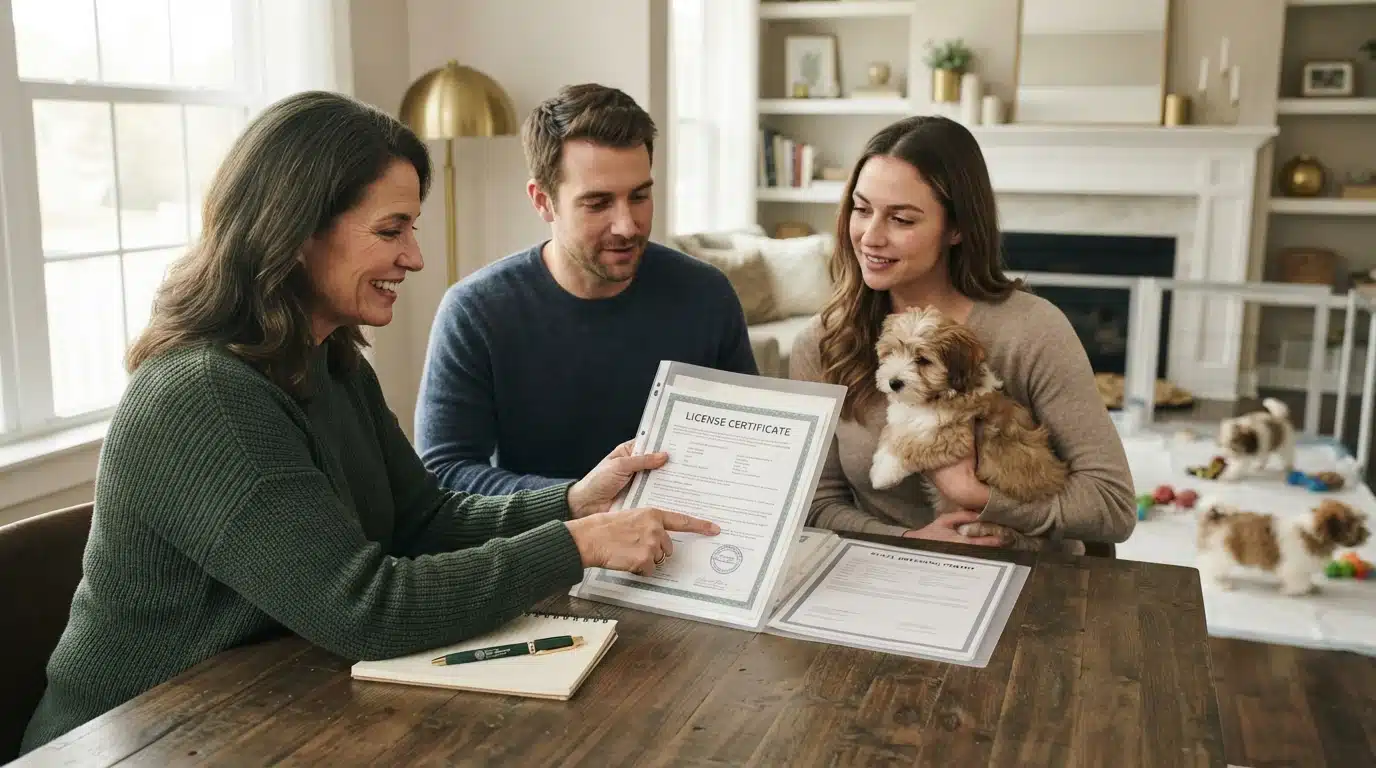
Quick Summary: Reputable family-raised puppy breeders should welcome scrutiny, including a home visit or live video walk, parent health tests, vet records, and written contract and deposit terms. Avoid breeders that pressure you to pay quickly, refuse to show where puppies live, lack records, or offer multiple breeds and instant availability, and never send money before the exact puppy and its health exam are confirmed. Sage Puppies follows this open-records approach for its Havanese, Havapoo, and Cavapoo programs.
Most families searching for family-raised puppies for sale near me start with a browser tab. But the listings you see first are ads, not evidence. The difference between a family home breeder and a puppy mill often shows up in records you can request in a single email.
That gap is the problem this guide solves: ads can look warm and polished while the actual breeding program hides behind them. We lay out a verification-first workflow instead. Before any deposit, you will check health testing papers, ask about how puppies are raised inside the home, read contract and deposit terms, and sort honest answers from puppy mill warning signs. Finding a trustworthy breeder comes down to documents and follow-up questions, and in-home puppy breeders who do things right will welcome both. Sage Puppies follows this same open-records approach with its own Havanese, Havapoo and Cavapoo families.
Before You Start: Know What You Are Looking For
A family home breeder raises puppies inside the house, not in a kennel row out back. Knowing that difference up front shapes every step that follows.
What Family-Raised Actually Means
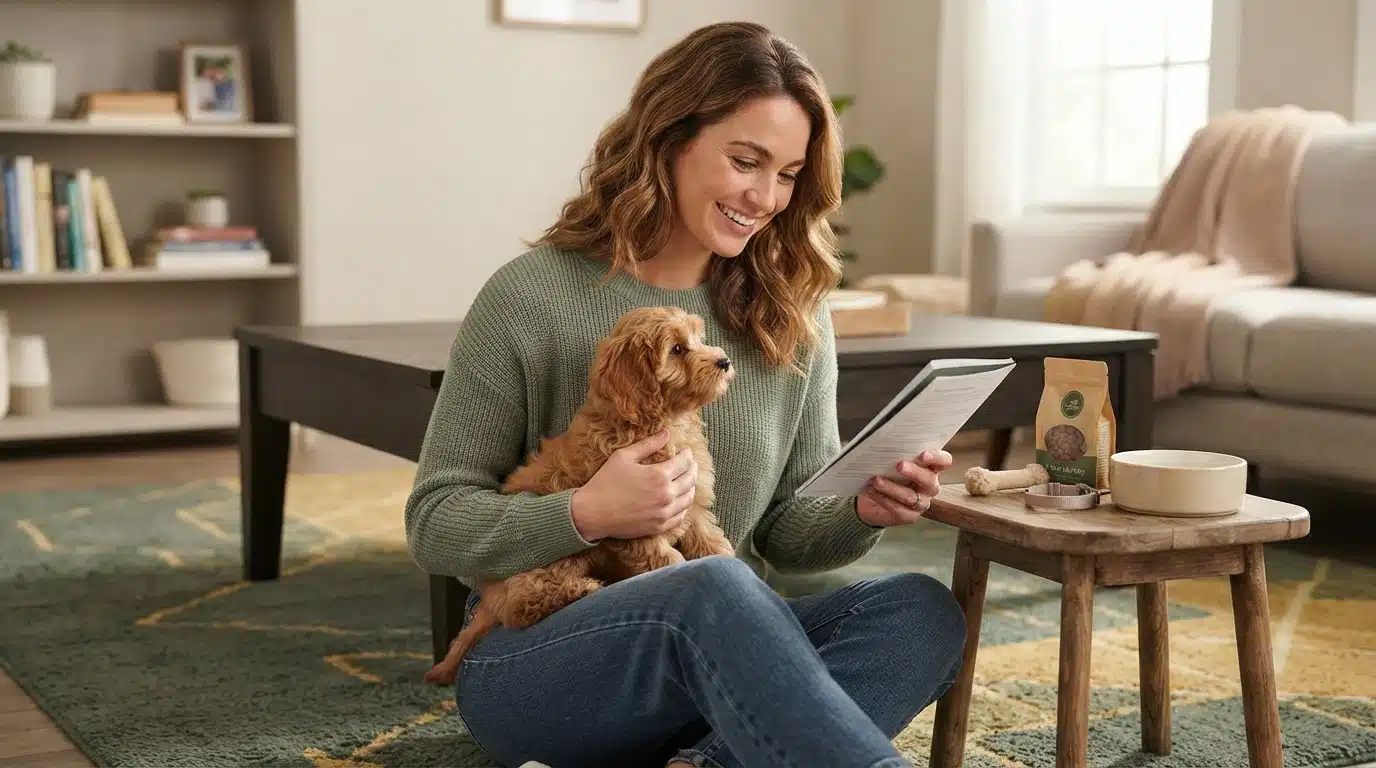
The puppies grow up in a home with the breeder’s family, so they meet everyday sights and sounds early: kids, vacuum cleaners, doorbells, car rides. The mother lives there too and is a family pet, not a production female. Breeders can work in a home or a kennel, so ask where the puppies actually spend their first eight weeks.
Set the Budget and Timeline Before You Browse
How much do family-raised puppies cost? Plan on roughly $3,000 to $5,000 for a well-bred Havanese, Havapoo or Cavapoo from a home program. Sage Puppies, for example, lists purchase prices between $3,500 and $4,500 with clear reservation terms. Budget another few hundred dollars for the first vet visit, gear and food, and expect to wait for an available litter rather than impulse-buying.
Gather Your Verification Tools
Put a few things together before you contact anyone, so a great-looking website never outruns your questions.
- A short list of puppy breeder questions to ask
- A notes file for screenshots of claims
- A checklist for health testing and vet exam records
- A plan for a puppy visit or video walk
Where to Search for Family-Raised Puppies Near You
Your best results come from referrals, breed clubs and verifiable records, not classified ads. Searching for family-raised puppies for sale near me works when each source leads to a specific family home breeder you can screen further.
Start With the Highest-Signal Referrals
Ask people who have nothing to sell you. Your veterinarian, local dog trainers, groomers and neighbors with an adult Havanese or Cavapoo usually know which local litters come from real homes. A referral comes with a name, a phone number and a story, which makes it easier to verify later. Dog clubs in your area are another strong source, since members often know who breeds responsibly and who ships puppies sight unseen.
Use Breed Clubs, Breeders and Mentors
Breed clubs exist for exactly this problem. Each recognized breed has a parent club that keeps breeder lists and connects you with local club members, and the AKC explains how to find and work with responsible breeders, including a referral search by club. Because Havanese, Havapoos and Cavapoos are popular, clubs help you sort trained hobby breeders from casual litters. Mixes like the Havapoo lack a single parent club, so lean harder on referrals there.

Check Licensing and Registration Records
A listing is a claim, not proof. Before you fall in love with a photo, run a quick breeder licensing lookup: many states require a kennel or commercial breeder license you can confirm through a state agriculture department, and large breeders who ship pets fall under federal USDA rules. Registration papers matter less than people assume, since they trace pedigree, not care. Note what each breeder tells you, then compare answers across your shortlist.
Searching From Out of State
If no local litter fits, widen the radius instead of lowering your standards. Live video tours, health testing records and references let you vet a distant home program almost as well as a visit. Pickup and flight nanny delivery both work when the breeder documents everything first, and the pickup and delivery options page explains how that process runs step by step. Distance should change your logistics, not your checklist.
How to Find Reputable Family-Raised Puppy Breeders Near You
Finding reputable family-raised puppy breeders near you takes four steps: search your state and breeder directories, shortlist a few programs, ask breeder questions in writing, and confirm health testing before paying any deposit. Do this in order and the puppy mill warning signs get much harder to miss.

Build a Shortlist and Contact Them in Writing
Start with a breed club directory, your vet, and searches like family-raised puppies for sale near me. A quick breeder licensing lookup through your state’s kennel or agriculture site can flag large commercial operations. Then email three to five breeders. Written questions create a record, and how promptly and clearly each breeder replies tells you a lot before you ever talk money.
Ask the Questions That Separate Homes From Facilities
Ask how many litters they raise each year and where the puppies live. Good puppy breeder questions to ask include: Who handles the puppies daily? How many adult dogs do you keep? Can I meet the mother? Also cover puppy deposit and contract terms in the same message. Vague answers, refusal to video chat, or always-available litters point to a kennel, not a home.
Visit the Home or Take a Live Video Walk
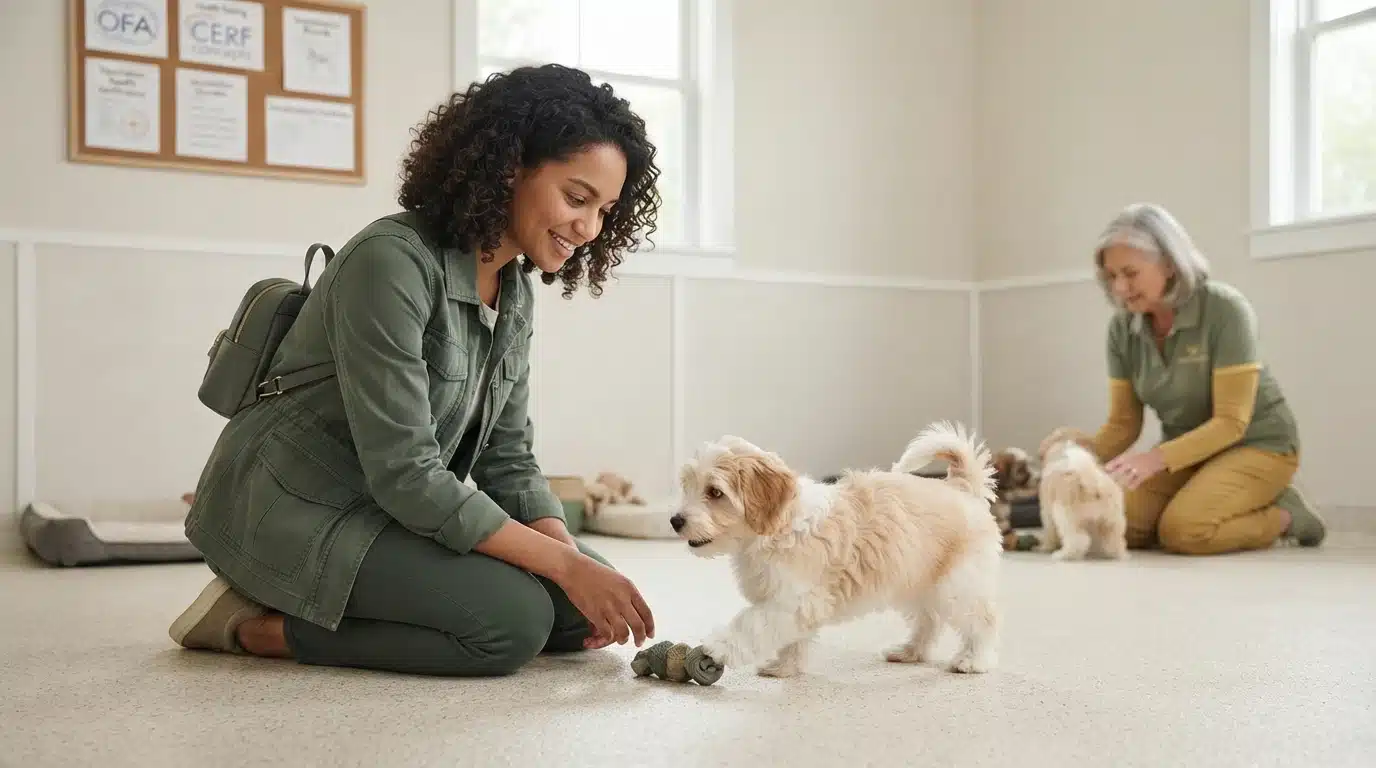
Ask to see where the puppies eat, sleep, and play. In-home puppy breeders welcome visits, or offer a live video walk if distance is an issue, like a Utah pickup versus nationwide delivery. Trust your instincts: strong smells, many dogs in crates, or a meeting spot away from the home are reasons to walk away. A genuine breeder will want to know about you, too.
Ask for Records, Not Reassurance
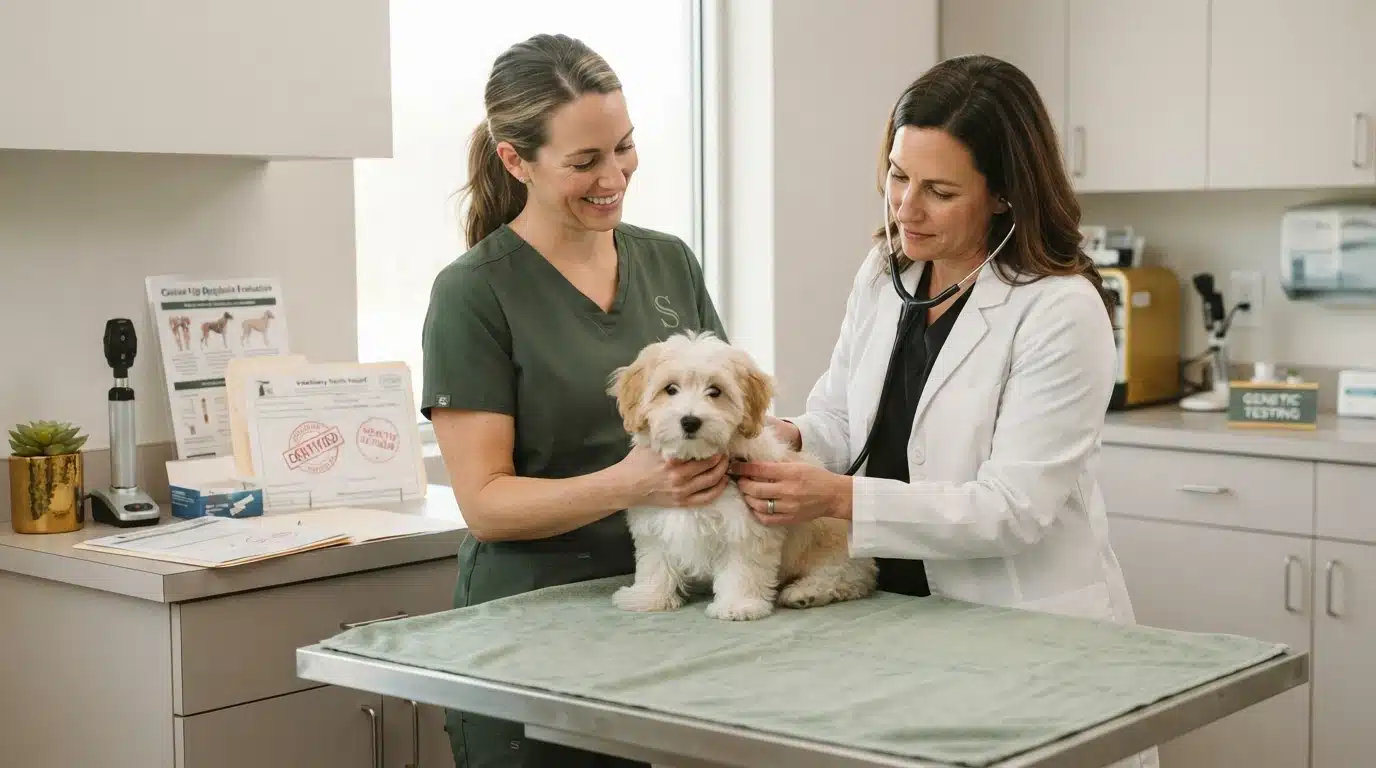
Reputable breeders show proof: parent health testing results, a vet exam record for each puppy, vaccination and deworming dates, and a written health policy. If a breeder promises a healthy pup but has no paperwork, that is a finding a trustworthy breeder would never make. Get every promise in writing before you send money, because records protect you if questions come up later.
How to Tell If a Puppy Breeder Is Raising Puppies in Their Home
A genuine home breeder raises puppies inside the house, not in a shed, barn or kennel run. You can confirm it quickly by checking a few things:
- The puppies are born and raised in a living area of the home
- The mother lives there too, as a family pet, not a kennel dog
- The breeder offers a visit, or a live video walk if you’re far away
- You see everyday household life in photos and videos, not staged kennel shots
- Records name the home program, the vet used and the dates of care
Where the Puppies Spend Their Days
Ask one direct question: where exactly do the puppies sleep, eat and play? A home-raised litter lives in a kitchen, family room or similar space where daily noise happens. Puppies kept in garages, outbuildings or rows of runs point to a kennel setup, even if the seller calls it “home raised.” Ask for photos of the actual whelping area, taken that week.

Signs of Real Household Socialization
In-home in puppy breeders means the litter meets vacuum cleaners, doorbells, kids and visitors before they leave. Ask what a normal day looks like and how many people handle the puppies. Real answers mention specific routines, visitors and household sounds. Vague answers like “they’re well socialized” without detail deserve a follow-up question.
The Mother Dog and the Rest of the Household
The mother is your best proof. She should live in the home year-round, and the breeder should discuss her health, age and how often she’s bred. If the seller can’t show you the mother, or says she’s “at a friend’s place,” ask why. Honest breeders answer openly.
Documentation That Backs the Home Claim
Paperwork confirms what you saw. Ask for vet exam records, vaccination dates and the parents’ health testing results before any deposit. A trustworthy breeder provides these without hesitation, and programs like Sage Puppies publish their health testing expectations up front, so you know what to request and when to walk away.
Red Flags of Puppy Mills, Resellers and Puppy Scams
A trustworthy breeder shows you the puppy’s home, shares health records and never pushes you to pay fast. Watch for these puppy mill warning signs and scam patterns:

- Pressure to pay today. Scammers and mills rush deposits.
- No video walk of the home. Excuses replace a live puppy visit and video walk.
- Multiple litters, many breeds. A kennel operation, not a family home.
- No vet records or parent health testing. Vague answers stand in for documents.
- A price far below $3,000. Deals that look too good usually are.
Pressure, Pricing and Unexplained Availability
Anyone selling a puppy the same day you first message them is moving product, not matching a companion to a family. A good breeder keeps a waitlist, asks you questions and explains which litter might fit. Beware of “one puppy left, deposit holds it” tactics and prices that undercut every reputable home program, which usually mean brokered litters from distant kennels.
Blocked Visits and Vague Answers
A real breeder welcomes eyes on the home. Local families should expect an in-person visit; if you live far away, ask for a live video walk where the puppies were born, not pre-recorded clips. If someone refuses, claims a location change at the last minute or only offers to meet you in a parking lot, stop. Those excuses are classic reseller behavior.
Contracts, Deposits and Safe Payment
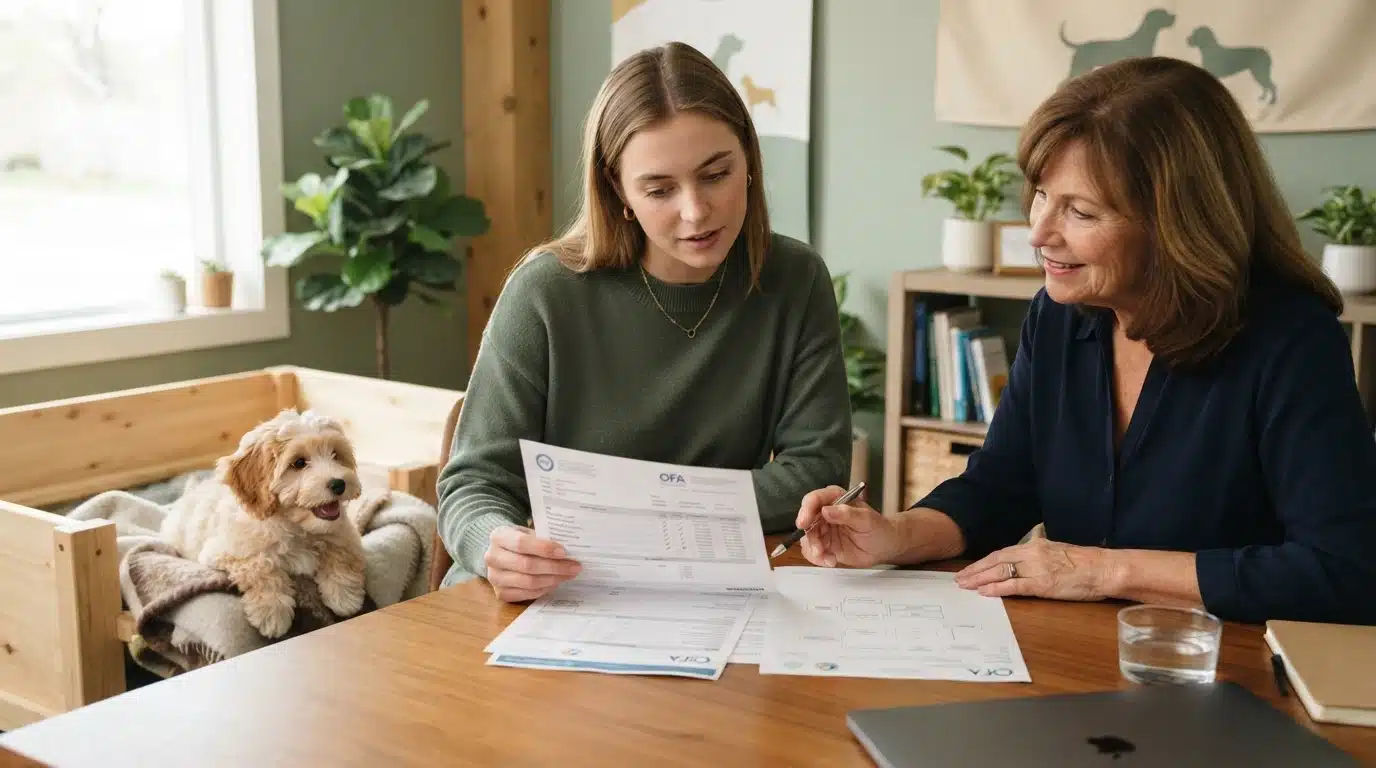
Before any money moves, get the puppy deposit and contract terms in writing. A solid contract names the breeder and buyer, states the purchase price, covers health guarantees, return terms and spay or neuter expectations, and lists what health testing was done on the parents. Use a payment method with buyer protection, such as a credit card, and treat gift cards, wire transfers and crypto as a hard no. Reputable programs like Sage Puppies put these terms out before you commit.
What to Do When a Flag Appears
Stop the transaction. Ask specific puppy breeder questions to ask in writing, request vet records, and run a breeder licensing lookup through your state’s agriculture department. If answers stay vague, walk away and keep your notes. No cute puppy photo is worth a $4,000 loss or a sick dog. Trust the flag you spotted.
Common Mistakes to Avoid When Choosing a Breeder
Most bad puppy purchases come down to three errors: picking a puppy too fast, trusting words instead of records, and sending money before anything is confirmed. Each one is easy to avoid with a short pause and a few questions.
Buying on Availability Instead of Fit
A puppy ready to go home this weekend feels convenient, but the timing is not the decision. The right breeder asks about your home, your schedule and your experience before agreeing to sell. If nobody interviews you, that is a warning. Fit matters more than speed, because a Havanese, Havapoo or Cavapoo will share your house for years. A good application-first process, like the one you can see when you review how a careful breeder matches puppies, protects both sides.
Skipping the Mom and the Records
Ask to see the mother and the paperwork. Health testing results, vet exam dates and vaccination records should exist in writing, not as a text message promise. If a breeder only shows photos of puppies and never the adult dogs, you may be dealing with a broker rather than a home program.
Paying Before the Puppy Is Identified
Never send a deposit for “a puppy from the litter” sight unseen. Confirm the exact puppy, its age and its health exam first. Then review the contract terms in writing: price, deposit amount, what happens if the puppy gets sick, and how pickup or delivery works. A breeder who resists naming these details before payment is telling you something. Record everything, and keep your money until the answers check out.

You now know how to screen a breeder before any deposit changes hands. Put that checklist to work, or skip the legwork and start with a program that already documents its health testing and terms. Visit Sage Puppies to see available Havanese, Havapoo and Cavapoo puppies, or begin the application and get matched with your family’s next companion.
Frequently Asked Questions
Q1: How do I find reputable family-raised puppy breeders near me?
Start with referrals from your vet, trainers and breed clubs, then shortlist three to five programs. Email written puppy breeder questions, run a breeder licensing lookup, and confirm health testing records before any deposit.
Q2: How can I tell if a puppy breeder is raising puppies in their home?
Ask where the puppies sleep, eat and play, and request photos of the whelping area. In-home puppy breeders welcome a puppy visit and video walk, and the mother lives in the house as a family pet.
Q3: What are the red flags of a bad breeder or puppy mill?
Watch for pressure to pay fast, refused video walks, many litters across several breeds, missing vet records, and prices far below $3,000. Trustworthy breeders answer questions openly and document everything.
Q4: When should I pay a deposit for a puppy?
Only after the exact puppy is identified, you’ve seen health testing and vet exam records, and you have puppy deposit and contract terms in writing. Use a credit card or another payment method with buyer protection.
Q5: Can I buy a family-raised puppy if the breeder is out of state?
Yes. Ask for a live video walk through the home, references and records by email, then compare puppy pickup versus delivery. Distance should change logistics, not your checklist or standards.
Conclusion
Reputable family-raised puppy breeders are easy to spot once you ask for proof instead of promises. Search referrals and breed clubs first, then run a quick breeder licensing lookup on your shortlist. Ask your puppy breeder questions in writing, request a puppy visit and video walk, and check the mother dog’s living situation. Health testing and vet exam records come before any money, and puppy deposit and contract terms should always be in writing. Watch for puppy mill warning signs like rushed payments, blocked visits and always-available litters. If you want to see what those health records look like up front, Sage Puppies explains the puppy health tests to request before you buy. Documents protect your family and your puppy.