Quick Summary: Choose a small-breed puppy based on your home, children’s ages, energy level, and schedule rather than size or breed name alone. Look for a calm temperament, complete health records, a sturdy adult build of roughly 10 pounds or more, and a breeder who answers questions openly. Havanese, Havapoos, and Cavapoos can suit active families, but adult supervision, gentle handling, consistent rules, and a long-term care plan are essential, especially with toddlers.
You have probably already argued about this one at the kitchen table, because the real question is not which puppy is cutest but which puppy can live for the next fifteen years with a five-year-old who hugs too hard and a ten-year-old who forgets to close the door. Most advice pushes families toward the smallest dog they can find, and that is exactly the trap. Small breeds break more easily than they look. This guide replaces the weight guess with a household-first approach to family dog selection: matching temperament and adult size to your kids, judging what makes a kid friendly dog, and setting supervision rules that hold from day one. It draws on current AVMA and AKC guidance and on raising Havanese, Havapoo, and Cavapoo puppies with Utah families.
Start With Your House, Not the Breed List
Family dog selection starts at home, not on a breeder’s site. The right puppy for kids is the one that fits your floor plan, your schedule, and the people already living in it. A nine-pound dog that suits a quiet couple may struggle in a house with three kids and constant doorbell traffic. Answer a few questions about your own home first, and the breed list gets much shorter.
Six Questions to Answer Before You Look at Any Litter
Write down honest answers before you browse:
- Who is home most of the day, and how often is the house empty?
- How old are your kids, and how loud and rough does playtime get?
- Do you have stairs, hardwood floors, or gaps a small puppy can slip through?
- Is there a safe space where a puppy can rest away from the noise?
- Who will handle potty breaks during the first month?
- What can you realistically spend on food, vet visits, and supplies?
Your answers matter more than coat color or cuteness. They tell you which breed traits you actually need, and small breed puppies in an apartment raise their own questions worth thinking through early.
Match Your Energy Level to Your Kids’ Energy Level
Some breeds thrive on noise and constant motion. Others shut down around it. Watch your household for one normal week and count the hours of loud play, visitors, and outings. Then match that number honestly. A Havanese or Cavapoo usually enjoys an active family, but even patient dogs need calm hours. A calm dog raised in chaos gets stressed, and a stressed puppy snaps faster than any breed label predicts.
Who Actually Does the Daily Care in Your Home
Good dogs for children still need adults doing the work. Kids can help with feeding and play, but feeding schedules, vet visits, and training fall on grown-ups. Name one primary caregiver in writing. If that person works long hours, plan midday help before the puppy arrives, not after.
What to Look for When Choosing a Puppy for Kids
Good family dog selection comes down to four things you can actually verify: a calm, curious temperament; complete health records; a sturdy build your children cannot injure by accident; and a breeder who answers questions openly. Weight alone tells you little, so judge each of these before you pay anything.
Temperament You Can Observe in the First Few Minutes
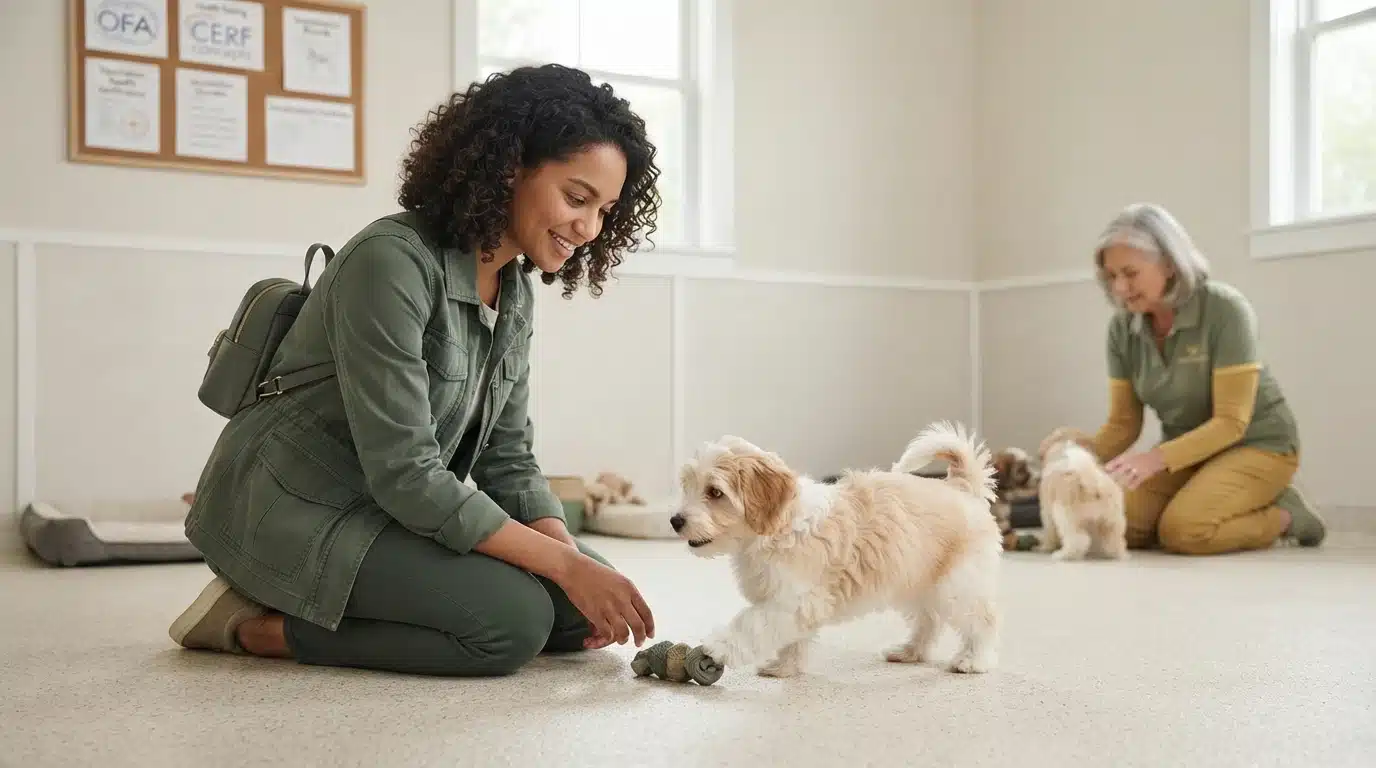
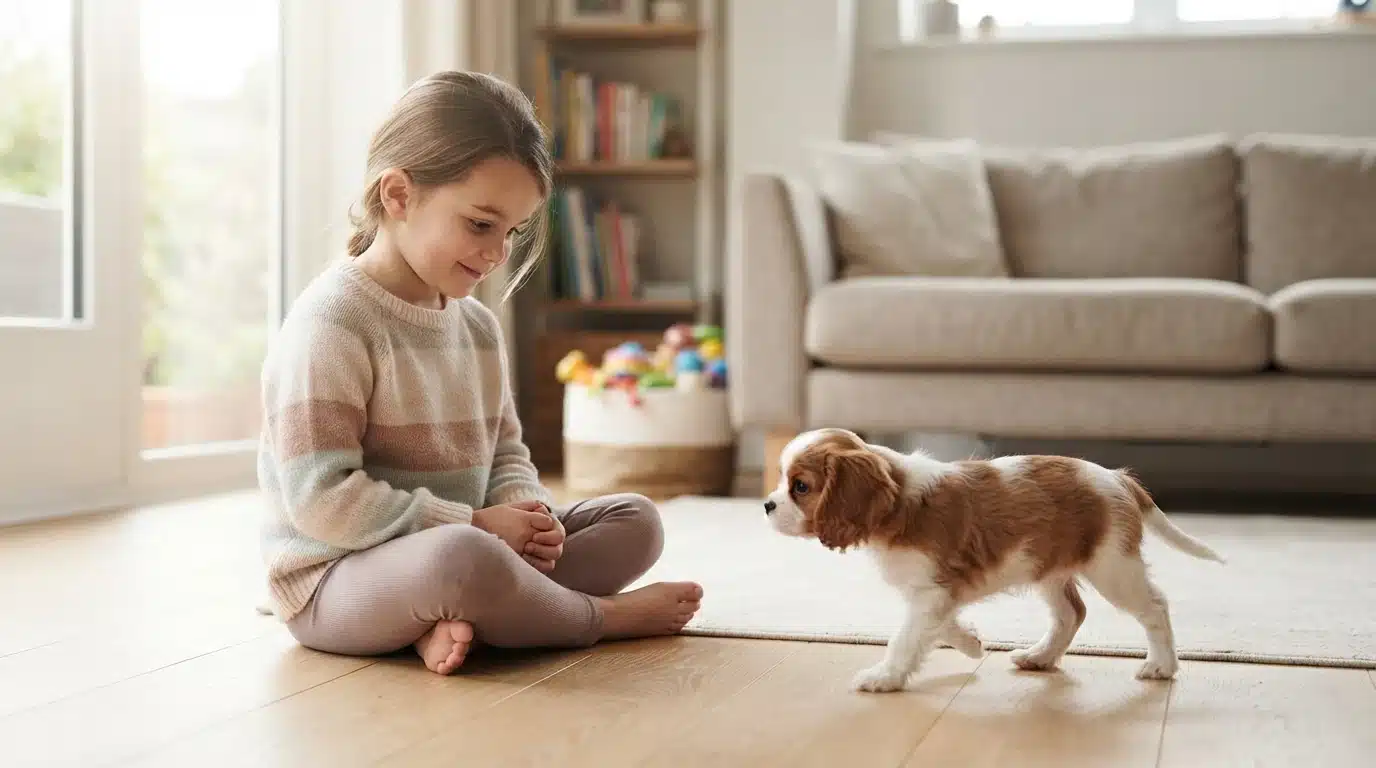
Watch the litter before anyone picks up a puppy. A good match for kids approaches you without fear, recovers quickly after a startle, and does not bite down hard during play. AKC guidance on family dogs recommends matching energy level to your children’s ages, so note whether the pup settles after a few minutes or stays wired.
Health Records Worth Asking to See Before You Pay
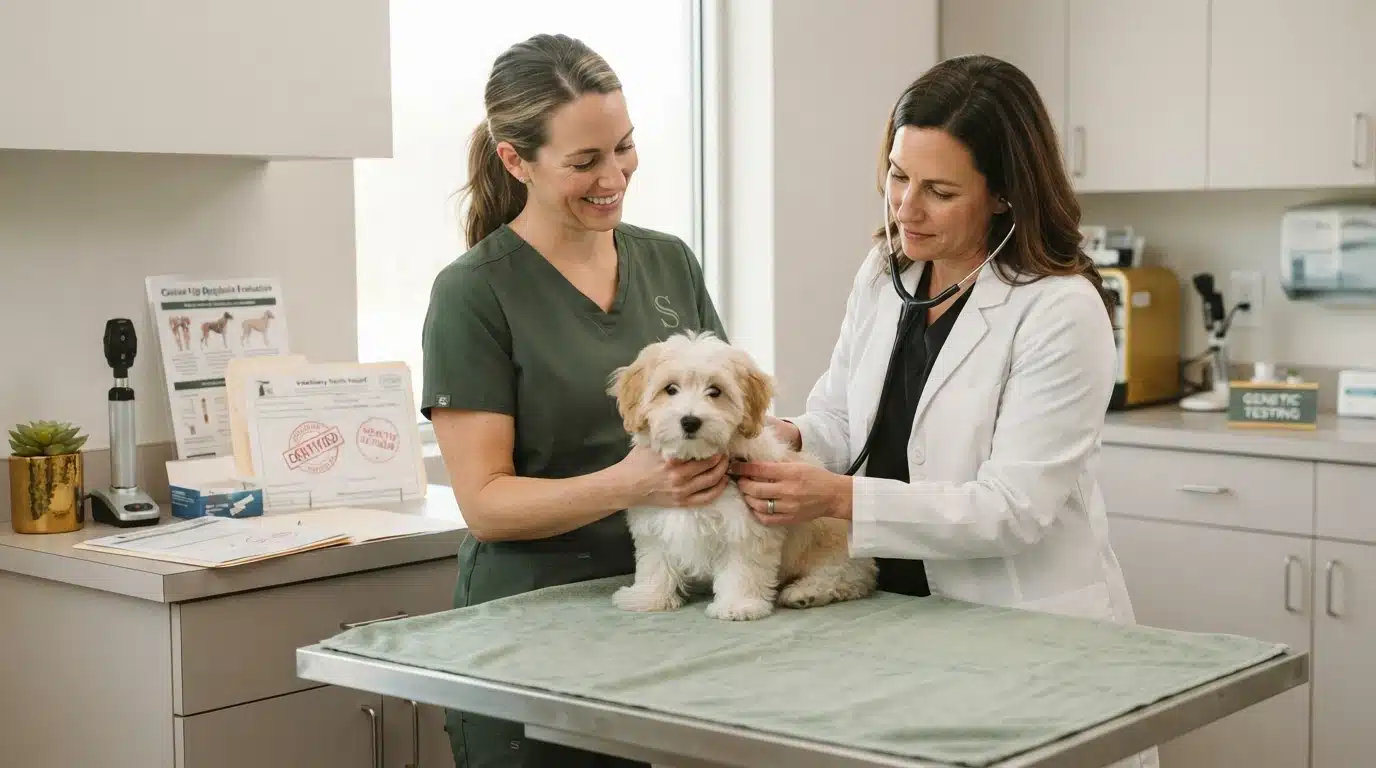
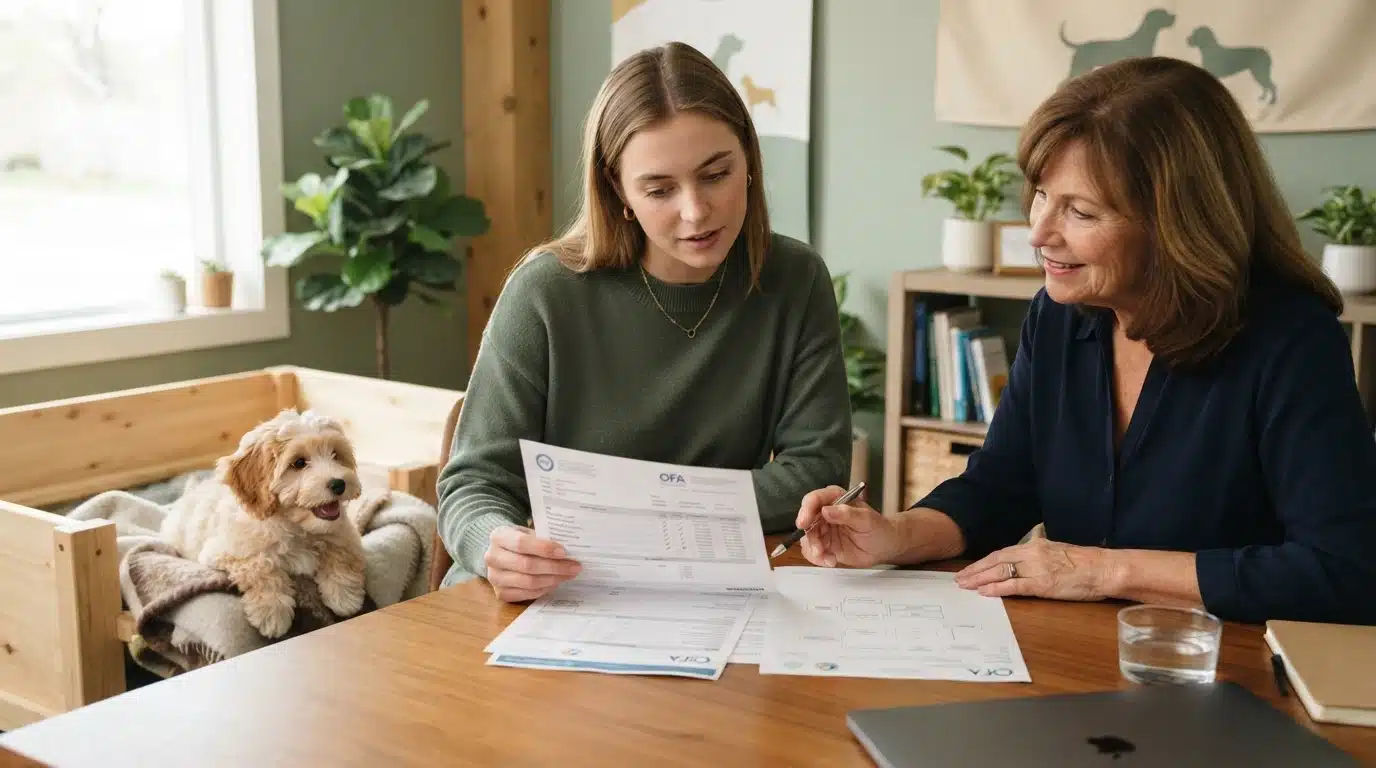
Ask for the parents’ health test results, vaccination dates, and deworming history in writing. A responsible breeder shares these without being pressed twice, since AKC breeding standards tie puppy health directly to the parents. Our guide explains how to check a puppy breeder’s health testing records before you commit.
Size, Build, and Why Very Small Puppies Need More Care
Tiny puppies break more easily than they look. A fall from a child’s arms, or a stepped-on tail, can fracture the legs of a teacup-sized breed. Sturdier small breeds, roughly ten pounds and up as adults, usually handle household life better with young kids.
Havanese, Havapoo, and Cavapoo for Kid-Filled Homes
Which small dog breeds are good with children? Havanese, Havapoos, and Cavapoos rank among the most kid-friendly companions because all three were bred for close human bonds: the Havanese as a devoted lapdog, the Cavapoo from the gentle Cavalier King Charles Spaniel, and the Havapoo mixing Havanese warmth with poodle smarts. What follows is how each one behaves in a busy family home, with a caveat that no individual puppy comes with a temperament guarantee.
The Social, People-Oriented Companion
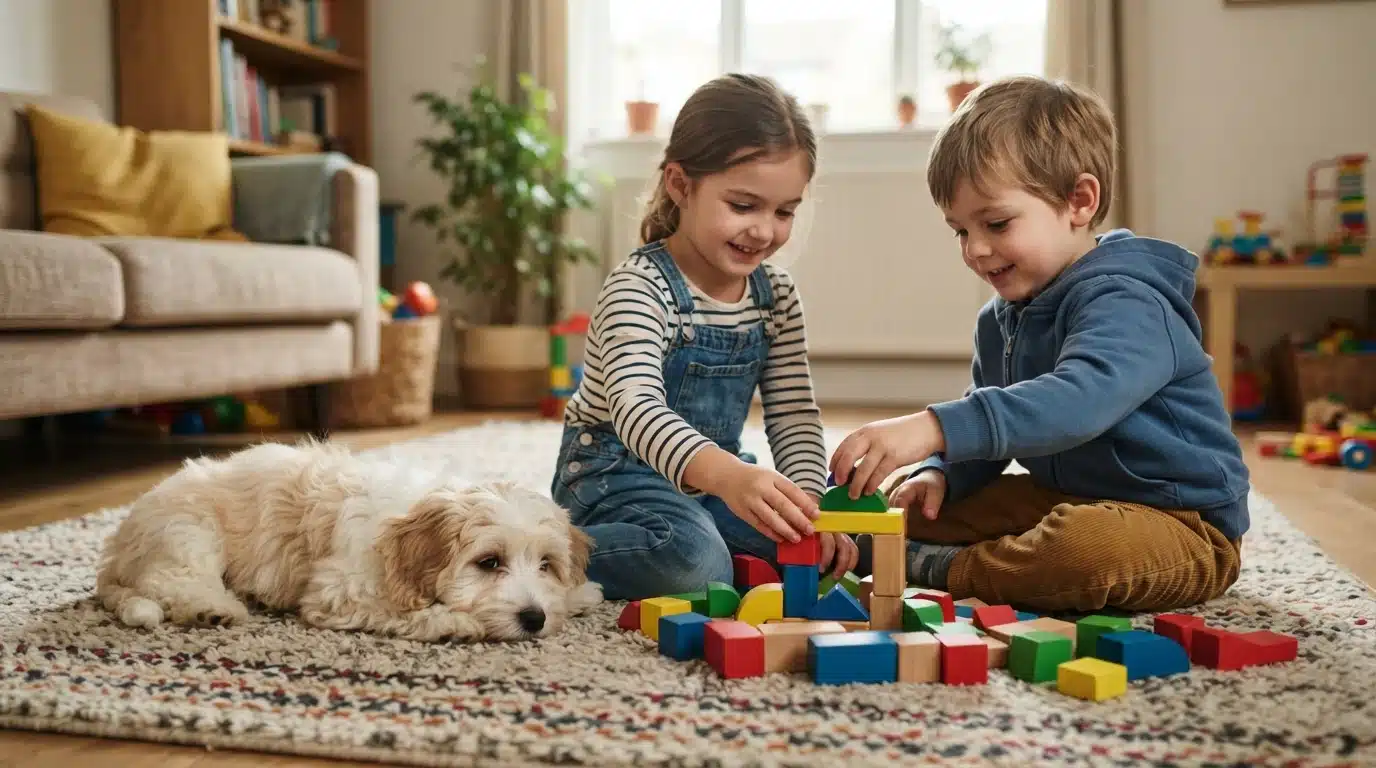
The Havanese is Cuba’s national dog, and it earned that status by wanting to be where people are. The breed tends to follow children from room to room, enjoy gentle play, and stay sociable with visitors. According to the AKC breed profile, Havanese are affectionate, adaptable, and good with other dogs and children. Their one quirk: they dislike being left alone for long stretches, so a house full of kids suits them well.
Poodle Clever Combined With Havanese Warmth
The Havapoo is a cross between the Havanese and the poodle, usually a toy or miniature. Breeders prize the mix for its trainability, low-shedding coat, and cheerful outlook. Because poodles learn quickly, Havapoos often pick up house rules faster than many small breeds, which helps in homes where kids leave toys on the floor. Expect a playful dog that still curls up for quiet time.
Gentle Spaniel Temperament With a Poodle Coat
The Cavapoo comes from the Cavalier King Charles Spaniel, a breed the AKC describes as affectionate, gentle, and graceful. Crossed with a poodle, the result is a soft-coated, people-first companion that handles a child’s noise and movement with unusual calm. Cavaliers were bred to comfort, and Cavapoos carry that trait forward.
Choosing Among the Three Based on Your Household, Not Rankings
All three can thrive with kids. Pick by fit: choose the Havanese for a steady, attached companion; the Havapoo for extra trainability and a curlier, low-shedding coat; the Cavapoo for the softest, calmest temperament. Families comparing these breeds often find it helps to see how Cassie matches puppies to households rather than relying on breed labels alone.
Matching the Breed to Your Kids’ Ages
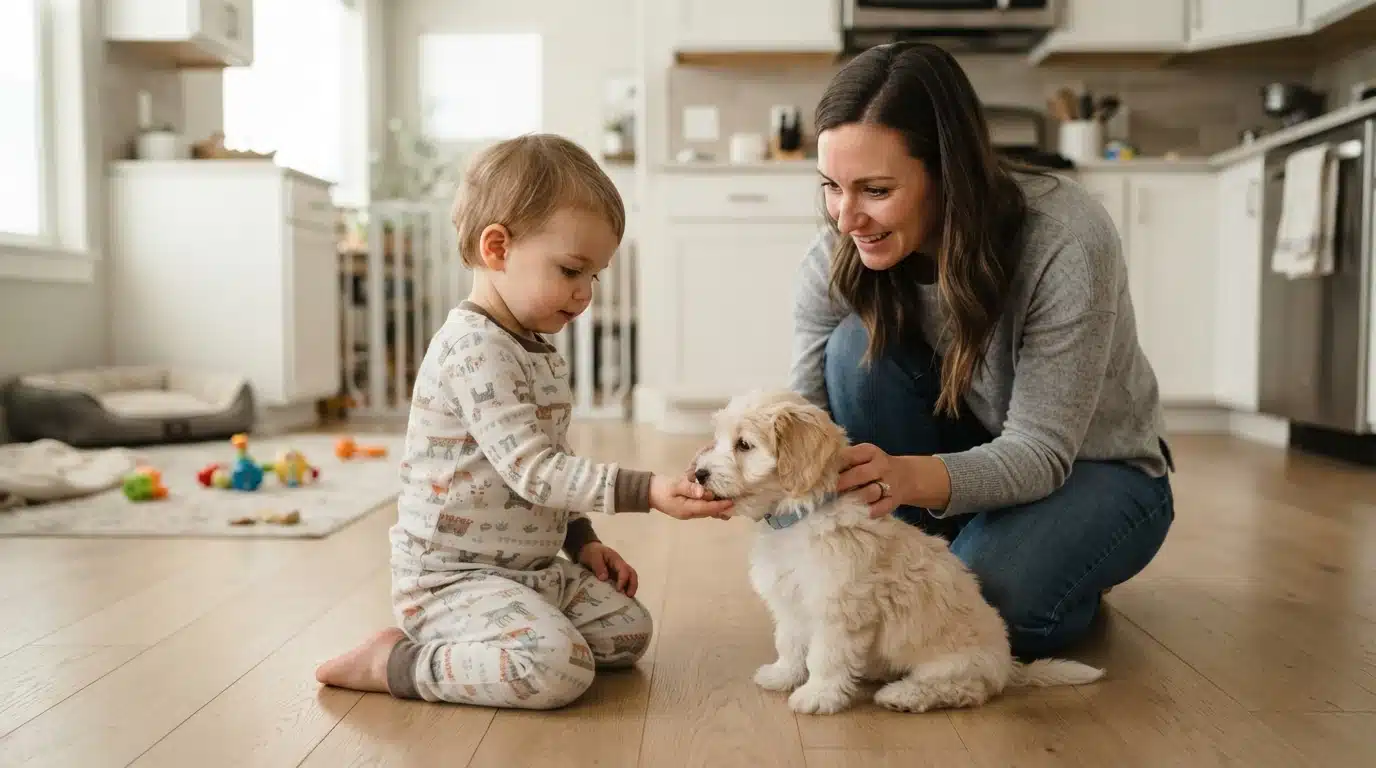
Are small breed puppies safe with toddlers? Yes, with an adult in the room and rules everyone follows. A Havanese or Cavapoo puppy can be a gentle companion, but no puppy under 10 pounds should carry the safety plan alone. Two rules do most of the work:
- Never leave a young child and puppy in a room without an adult.
- Kids sit on the floor to hold or pet; no carrying the puppy while standing or walking.
Small dogs break more easily than they look, and AKC trainers say active supervision matters more than breed or temperament.
Toddlers and Preschoolers: Highest Supervision, Smallest Margin
Toddlers grab, hug hard, and move fast, so you set the pace. Pick a puppy with a calm, people-focused temperament, then gate puppy rest areas so nap time stays quiet. Teach “gentle hands” before the puppy arrives, and practice on stuffed animals. The best dog breeds for kids share patience and a soft mouth, which helps, but structure is what actually prevents accidents. A family-raised start matters here; that is one reason we breed and raise our Havanese, Havapoo, and Cavapoo puppies inside our own home near South Jordan, Utah.
School-Age Kids: The Sweet Spot for Shared Responsibility
Ages 6 to 11 can brush, fill water bowls, and practice sit commands with you nearby. Give each child one small daily job and praise follow-through, not just cuddles.
A Walking Partner and a Training Project
Teens can own the leash on walks and run short training sessions. A Cavapoo or Havapoo keeps learning quickly at this stage, so channel that energy into tricks and agility games.
The Long Middle: When the Kids Grow Up and the Dog Does Too
Plan for a 12-to-15-year commitment. The child who begged for a puppy leaves for college eventually, so decide now who owns feedings, vet visits, and grooming before the schedule empties out.
How to Introduce a New Puppy to Kids
Introduce a new puppy to kids slowly and by the day: a quiet arrival on day one, short supervised contact on days two and three, routines and a retreat by days four and five, then calm play rules from day six on. The AVMA advises that children and dogs are never left alone together, even friendly ones, so an adult stays in the room for every step below. According to AVMA guidance, supervision plus gentle handling is what prevents most bites.
Day One: A Quiet Arrival
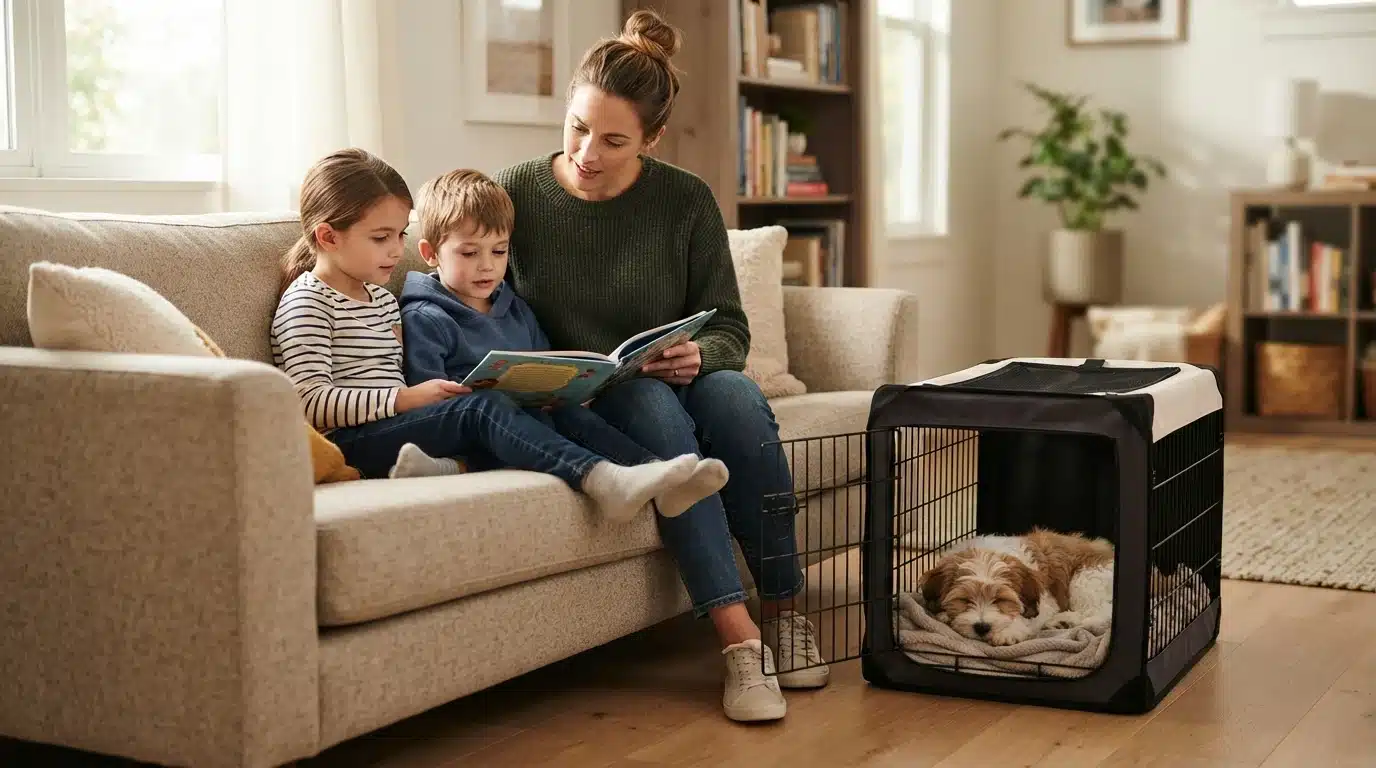
Keep the house calm. Let the puppy explore one room, meet each child one at a time, and settle into its crate with the door open. Skip visitors and loud play. A tired, startled puppy on day one learns that your home feels unpredictable, so short and boring beats fun and noisy.
Days Two and Three: Supervised, Child-Led Contact
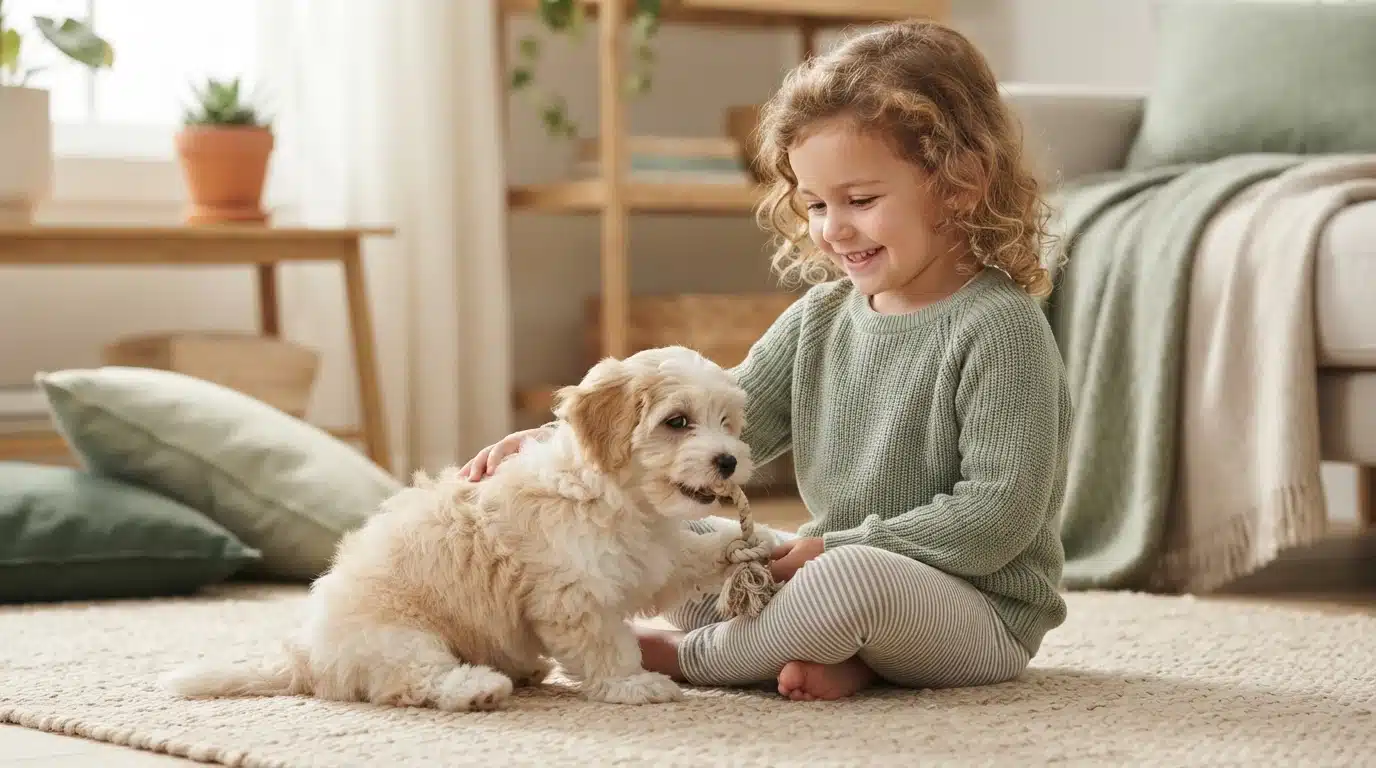
Now children can sit on the floor and let the puppy approach them. Teach “let the puppy come to you,” gentle strokes on the side of the body, and two-minute sessions. Small breeds like Havanese and Cavapoo puppies can be injured by a hug or a drop, so hands stay low and calm.
Days Four and Five: Routines, Boundaries, and a Safe Retreat
Give the puppy a set spot for meals, naps, and potty breaks, and let kids help with filling water or brushing. Set one firm rule: never bother a sleeping or eating puppy. The crate stays open as a retreat no child enters.
Days Six and Seven: Play Rules That Still Work Months Later
End the week by teaching play that lasts: toys instead of hands, no chasing or tug on people, and walk away if the puppy gets rough.
Getting the Puppy From a Trusted Program
What to Look for in a Breeder or Program
A good program is open about how it raises dogs. Ask to see health records on the parents, and ask what happens if a serious condition appears later. The AKC lists these among the questions to ask a breeder, along with whether the breeder would take the dog back if you cannot keep it. Watch for programs that let you meet the mother dog, share vet contact details, and explain their socialization routine without hesitation. Evasiveness is a red flag, no matter how good the photos look.
Utah Pickup and Nationwide Delivery, and What to Ask
Local families can meet the puppy in person, so schedule the visit early. Out-of-state families should ask who transports the puppy, how travel stress is handled, and what paperwork travels with the dog. Sage Puppies offers both Utah pickup and nationwide delivery with a matching process handled by the owner, not a call center. Confirm the delivery date, the carrier, and who signs for the puppy on arrival.
What the Purchase Price Does and Does Not Cover
Most small breed puppies in this range cost $3,500 to $4,500, which typically covers vet checks, first vaccines, and early socialization. It does not cover routine care you will pay yearly, training classes, or emergencies. Budget for those separately so the first year holds no surprises.
Preparing Your Home and Budget
The Setup List for a Small Breed Puppy
A tiny puppy needs gear sized to a tiny body. Gather these before pickup day:
- Soft-sided crate with a cozy divider, plus a washable bed
- Small harness and six-foot leash (skip retractables)
- Shallow food and water bowls a short snout can reach
- Puppy food matching what the breeder feeds
- Baby gates to block stairs, and a playpen for downtime
- Safe chew toys and enzyme cleaner for accidents
Pick one potty spot outdoors and one quiet sleep corner indoors, so the first week stays predictable for everyone.
An Example First-Year Budget to Adapt to Your Family
Labeled example budget. Beyond the purchase price of $3,500 to $4,500, a realistic first year often runs about $1,500 to $3,000, and your costs may differ. One labeled example:
| Item | Example Cost |
|---|---|
| Vet exams and vaccines | $500 |
| Preventatives (flea, heartworm) | $200 |
| Food | $400 |
| Supplies | $300 |
| Training classes | $300 |
| Grooming | $400 |
| Pet insurance | $400 |
Costs vary by region and vet, so treat these figures as planning tools, not quotes.
Building the Routine Your Kids Will Follow
Write the schedule together before the puppy arrives. Assign feeding times, potty breaks, and brushing to specific kids and hours, then post the chart on the fridge. Consistency matters more than who does what, so rotate only when someone genuinely wants the job.
Common Mistakes to Avoid
Choosing by Cuteness First
A fluffy face tells you nothing about how a puppy will handle noise, grabbing, and chaos. Families who pick on looks alone often end up with a dog that hides from toddlers or nips when startled. Match temperament and energy to your household first, then fall in love.
Believing a Breed Label or Weight Range Decides Safety
A small weight number does not mean a puppy suits your kids. Every dog under 10 pounds is fragile, so supervision matters more than the label. Ask breeders for health records when buying a puppy, and treat breed traits as a starting point, not a guarantee.
Handing Daily Care to the Kids
Children aged 6 to 11 can brush, refill water bowls, and practice commands with you nearby. But the adult owns feeding schedules, vet visits, and training follow-through. When care depends entirely on a child, the puppy misses meals and lessons, and the child misses the joy.

Ready to meet a puppy raised for family life? Sage Puppies matches Havanese, Havapoo, and Cavapoo puppies with families like yours through a simple application and honest guidance. Visit Sage Puppies to start, and bring your checklist with you.
Frequently Asked Questions
Q1: What should I look for when choosing a puppy for kids?
Look for four verifiable things: a calm, curious temperament, complete health records for the parents, a sturdy adult build of roughly ten pounds or more, and a breeder who answers questions openly. Weight alone tells you little, so check all four before paying anything.
Q2: Which small dog breeds are safest for young children?
Havanese, Havapoos, and Cavapoos are among the most kid friendly dogs, since all three were bred for close human bonds. Still, every dog under ten pounds is fragile, so adult supervision matters more than the breed label.
Q3: How do you introduce a new puppy to kids?
Go day by day: a quiet arrival, short supervised contact while kids sit on the floor, then routines and play rules. Keep an adult in the room the whole first week, and let the puppy retreat to its crate anytime.
Q4: Are small breed puppies safe with toddlers?
Yes, with structure. Never leave a toddler and puppy alone together, teach gentle hands before the puppy arrives, and gate a quiet rest area. Two-minute sessions work best at first.
Q5: What does the first year with a small breed puppy cost?
Beyond the purchase price of $3,500 to $4,500, budget roughly $1,500 to $3,000 for vet visits, food, preventatives, training, and grooming. Treat those figures as planning tools, since costs vary by region.
Q6: Are good dogs for children guaranteed to stay gentle?
No. Breed traits are a starting point, not a promise. Supervision, early socialization, and consistent household rules shape behavior more than any pedigree, so keep the rules in place as your puppy grows.
Conclusion
Family dog selection works best when your house leads and the breed follows. Start with your household’s noise, schedule, and stairs, then verify temperament, health records, and a sturdy adult build before paying anything. Match the breed to your kids’ ages, keep an adult in the room with toddlers, and build the first week around short, calm introductions. Havanese, Havapoos, and Cavapoos fit kid-filled homes well, but supervision and routine do the real work. Plan the budget beyond the $3,500 to $4,500 purchase price, so year one holds no surprises.