Quick Summary: Havapoo puppies usually need more daily training time, about 20 to 30 minutes in several varied sessions, because their higher energy requires constant mental engagement. Havanese puppies need about 15 to 25 minutes, but they are more sensitive, so calm, patient, reward-based handling matters more than speed. Both breeds need another 25 to 30 minutes daily for potty trips, barking or chewing management, and alone-time practice, so choose based on the schedule your household actually has.
If you are pricing out a puppy against your actual calendar, the real question is not which breed is smarter. It is how many minutes a day you can give training for the first three months. Havapoo training time usually runs higher overall, because a Havapoo’s energy has to be absorbed before it settles. Havanese training time tends to be fewer daily minutes, but each session asks for more patience with a sensitive dog.
Most breed guides call both breeds smart and easy to train, which never answers whether your week fits twenty minutes or sixty. This guide breaks the cost into four parts: daily session minutes, how long to train Havapoo puppies until cues are reliable, house training trips, and behavior management. We raise both breeds at Sage Puppies, so the comparisons lean on documented puppy temperament, and we finish with two household profiles to help you match a breed to your schedule.
Havapoo vs Havanese Training Time at a Glance
| Havapoo | Havanese | |
|---|---|---|
| Daily training time commitment | Higher, about 20 to 30 minutes a day planned across several short sessions, with more energy to burn | Lower to moderate, about 15 to 25 minutes a day, weighted toward patience and handling |
| Learning speed for basic cues | Often fast with food and toy rewards, quick to pick up cues and tricks | Quick to learn with patience and praise, motivated by food, praise and play |
| Best session length | Short and varied, about 3 to 5 minutes per block, changed often to hold attention | Short and calm, about 3 to 5 minutes, best ending on a success |
| House training and toilet trips | Typically manageable, but boredom can trigger indoor elimination and attention seeking | Often the heavier load, small bladder and small bladder accidents need more trips |
| Sensitivity to correction | Moderate to high, raised voices and leash pressure can end a session | High, harsh corrections can make a puppy shut down or withdraw |
| Best fit for your schedule | Owners who enjoy training games and can give several short sessions plus exercise | Calmer households wanting a close companion with quiet, frequent training |
How Havapoo and Havanese Puppies Compare for Training Time
Havapoo
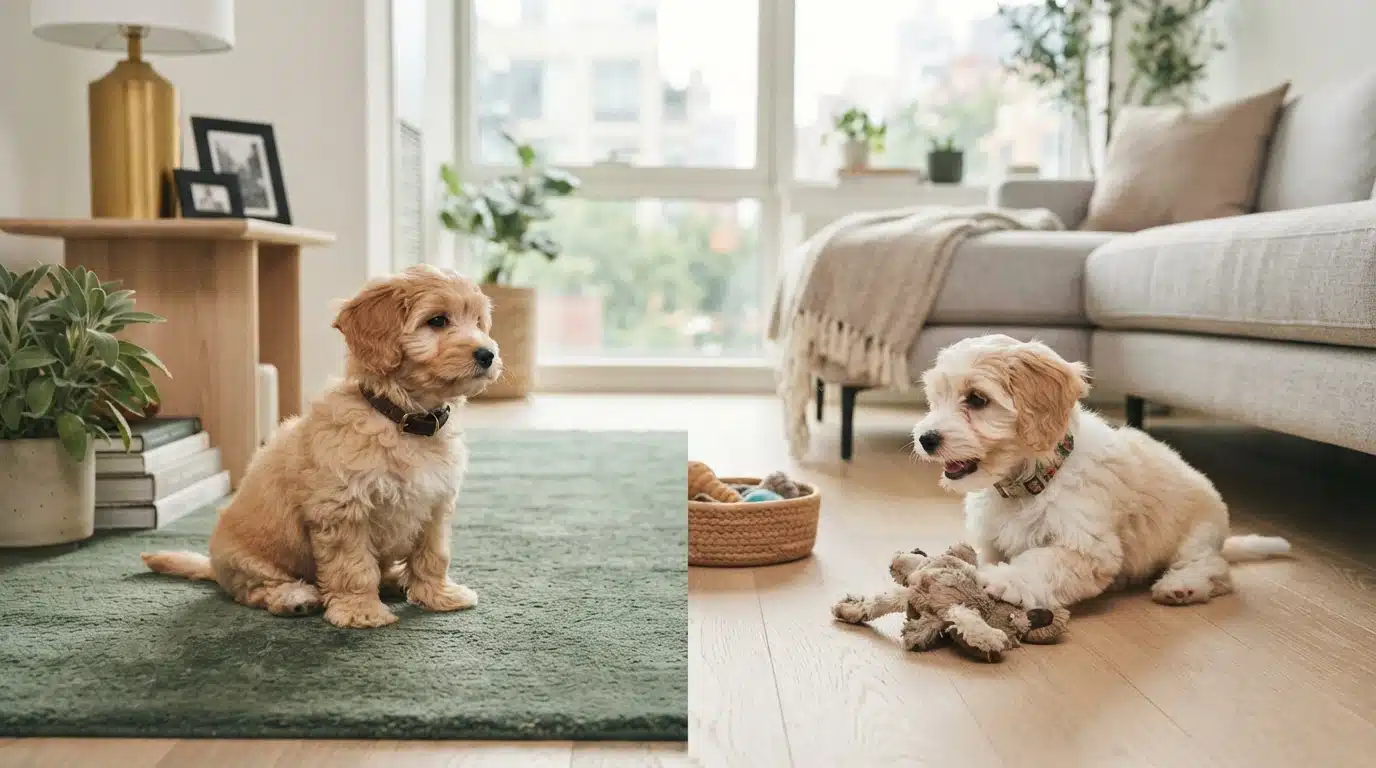
The Havapoo crosses a Havanese with a Toy or Miniature Poodle, pairing the Havanese’s people-focus with the Poodle’s problem-solving drive and higher energy. That mix raises the Havapoo training time to roughly 20 to 30 minutes a day, spread across several short blocks. It suits owners who enjoy training games and can add exercise on top.
Key strengths
- Learns cues and tricks fast with food and toy rewards
- Thrives on reward-based puppy training in 3 to 5 minute sessions
Havanese
The Havanese is Cuba’s only native breed, a small companion dog that is people-oriented and sensitive, with moderate energy. Daily training runs about 15 to 25 minutes, weighted more toward patience and handling than games. It fits calmer households that want a close companion and can manage frequent toilet trips.
Which Needs More Training Time, a Havapoo or a Havanese Puppy?
A Havapoo usually needs more raw training time each day, about 20 to 30 minutes, because the poodle half brings extra energy and a busy mind. A Havanese fits into roughly 15 to 25 minutes a day, but each minute takes more patience. So the Havapoo wins on volume, while the Havanese can feel harder to train even with fewer minutes spent.

Total minutes versus difficulty per minute
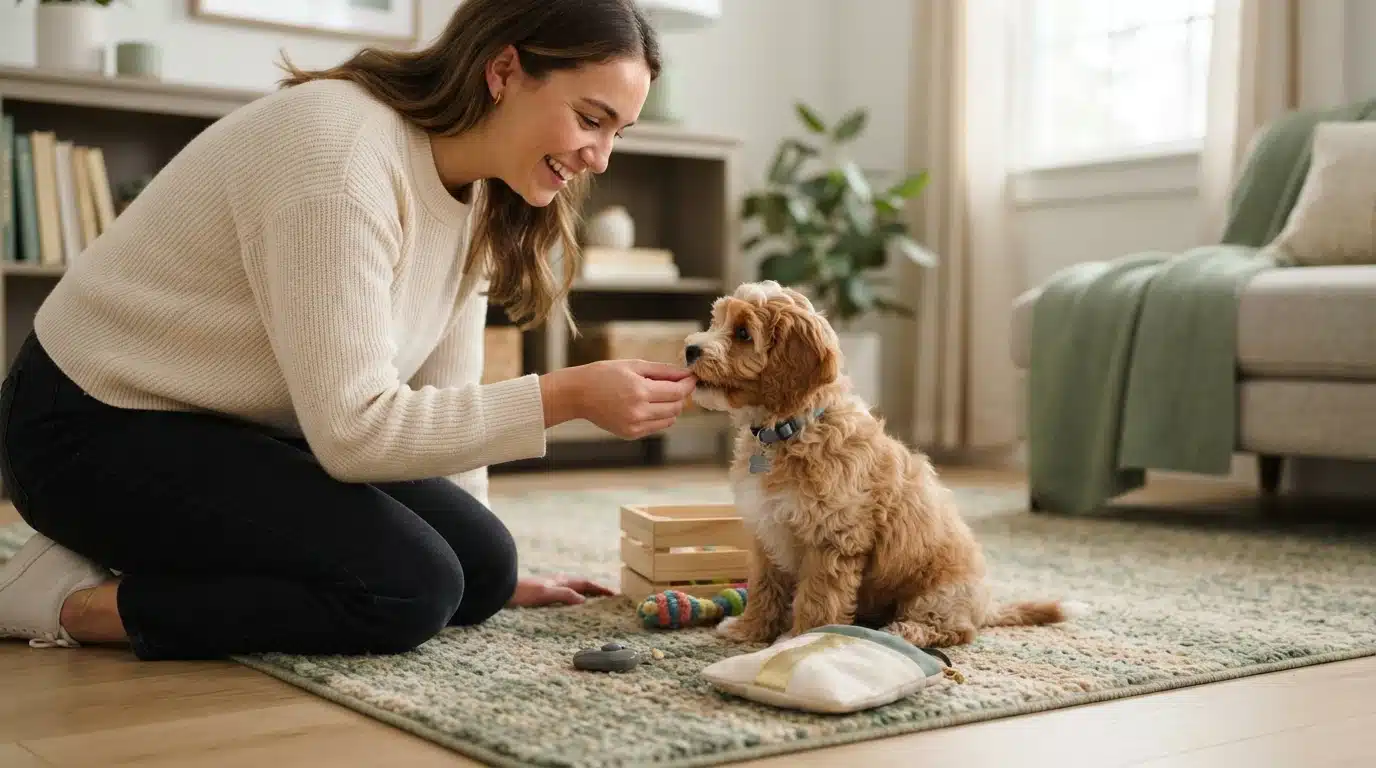
Count the havapoo training time in blocks, not one long session. Plan three to five short blocks of 3 to 5 minutes each, and fill the gaps with puzzle toys and games. That mental work counts toward the total, so a working owner can hit the range without blocking out an hour.
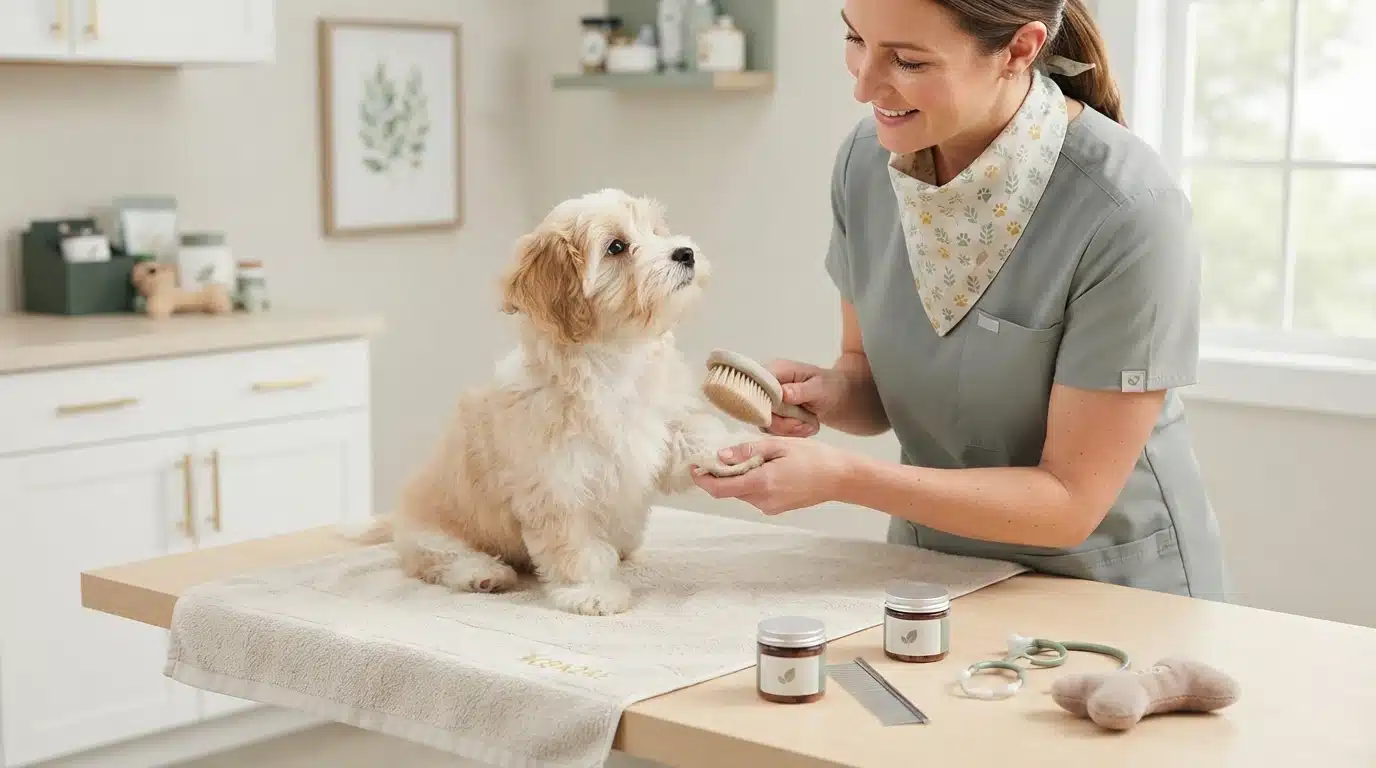
The Havanese trains in the same short blocks. The difference sits inside each one. These dogs read your mood closely, so harsh corrections shut them down fast. Reward-based puppy training in a calm voice does the real work here.
Why the answer flips depending on the household
In an active home that already walks and plays daily, the Havapoo’s extra minutes blend into normal life. In a quiet household, that same energy becomes the whole job.
Flip it for the Havanese. A patient owner who enjoys slow, gentle sessions finds the breed easy. Someone who wants fast results gets frustrated, and the puppy feels it. Match the breed’s needs to your actual schedule, not to the calendar version of it. That single check prevents most small-breed training regrets.
How Fast Each Breed Learns and What That Means for Your Calendar
Both breeds are smart, but they learn in different ways. A Havanese puppy often picks up new cues quickly, so a short first answer: no, Havanese puppies are not usually harder to teach. The catch is that they take criticism to heart, so gentle, reward-based puppy training matters more than raw repetition. A Havapoo learns just as fast but needs more total minutes because that busy mind wants work.
Fast learning does not mean finished learning
Quick pickup is not the same as a reliable cue. Both breeds may sit on cue within a week or two, then fall apart at the park or when guests arrive. Reliability comes from practice in many places, not from a smart puppy “knowing it already.” Budget your calendar for weeks of short refreshers, not a one-time course. A well-bred puppy from a program like Sage Puppies starts with early handling and social exposure, which buys you a head start, not a finish line.
Sensitivity changes the tone, and the tone changes the results
Havanese puppies read your mood closely. A sharp word or a pushed paw can shut a session down, so keep your voice warm and end on a win. Havapoos bounce back from mistakes faster, which makes sloppy timing cheaper. If your household runs loud and busy, that easygoing streak is worth real minutes. Either way, force-free methods protect the trust that makes small-breed training work.
Session Length, Attention Spans and How Often You Should Train
Puppies learn best in small doses. A 9-week-old Havapoo cannot focus for half an hour, and neither can a Havanese. Keep every session to 3 to 5 minutes, run three to five of them a day, and end each one on a win. If your puppy checks out early, stop anyway. A short, happy session teaches more than a long, frustrating one, and trainers consistently recommend keeping it quick and fun to hold a puppy’s focus.
Breaking the day into blocks
- Morning: 3 to 5 minutes on one cue, right after breakfast, when your puppy is alert and food-motivated.
- Midday: 3 minutes of name games or recall in the yard, mixed into playtime.
- Late afternoon: 3 to 5 minutes on house training routines and the potty spot.
- Evening: A calm 3-minute review, ending with the easiest cue your puppy already knows.
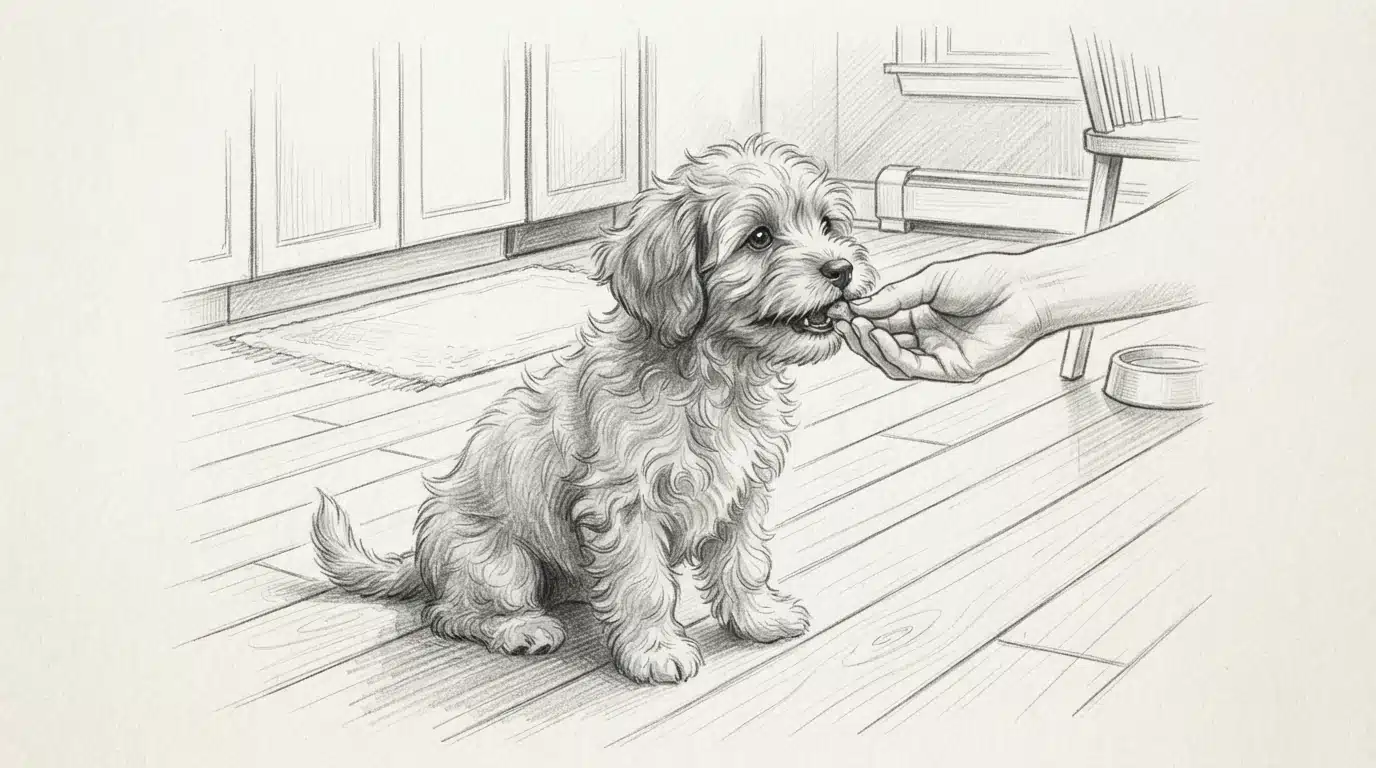
Spread this way, the daily total adds up fast without feeling heavy, and a puppy training schedule for working owners can shift blocks to mornings and evenings.
Adjusting the plan for each breed’s attention span
The blocks stay the same size for both breeds, but the content changes. A Havapoo needs variety, so rotate cues and games to feed that busy, active mind. A Havanese does better with calmer, shorter reward-based puppy training, gentle handling, and an early finish before sensitivity turns into stress. That is how the 15 to 25 minutes of Havanese training time stays pleasant for both of you. When you plan the first weeks with a small breed puppy, a simple daily structure matters more than any single session length.
The Hidden Hours: House Training, Potty Trips and Accident Cleanups
Why small breeds need more trips
A small breed puppy has a tiny bladder, so the math is simple: more potty trips, sooner. Most breeders and vets suggest taking a puppy out every hour or two during the day, plus after meals, naps and play, based on AVMA house training guidance. Neither breed holds it overnight for long stretches at 9 weeks old. Set an alarm for one mid-night trip until about 12 weeks, then stretch it. The Havapoo usually picks up the routine faster because it wants to work with you. Havanese house training takes more patience and steady praise, not harsh corrections, which can shut this sensitive breed down.
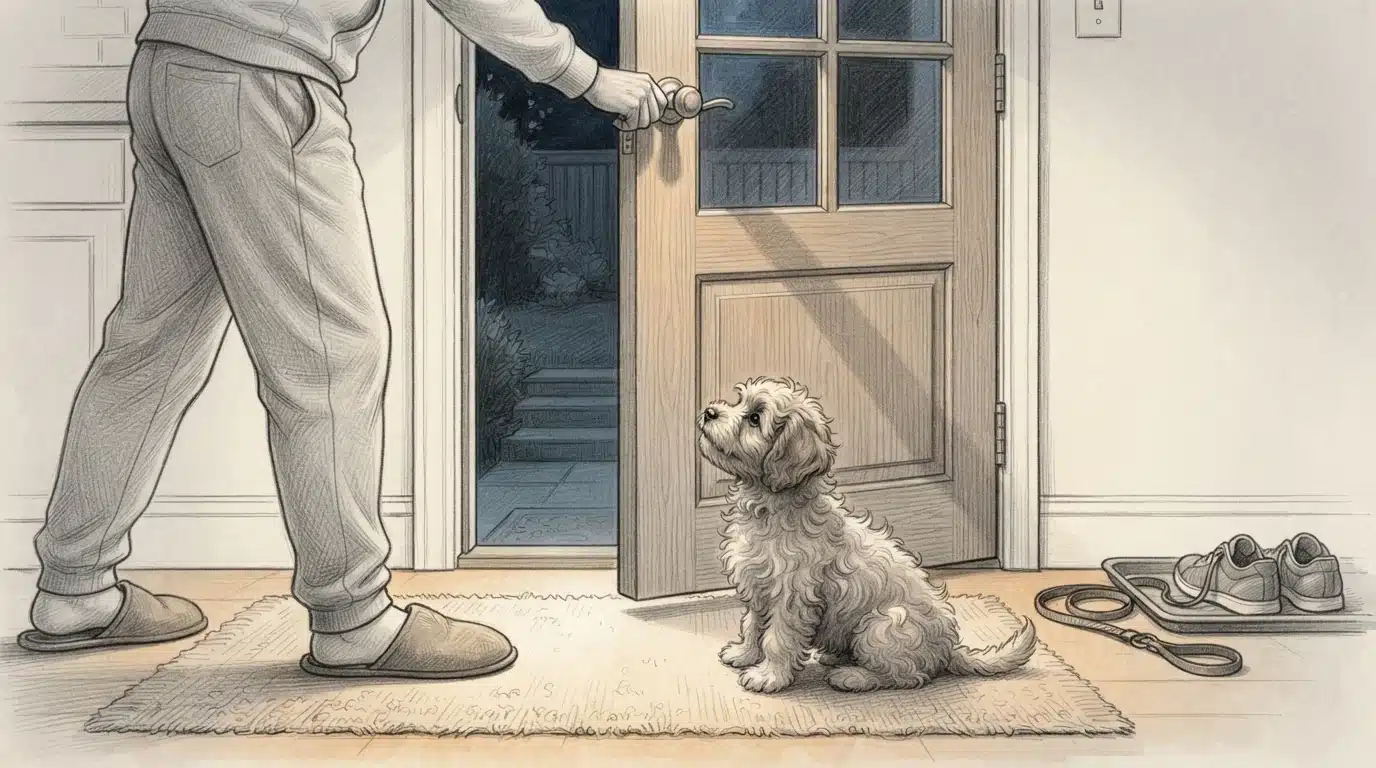
Havapoo boredom as a house training risk
The Havapoo’s house training load hides in its energy. A bored Havapoo may sniff around, forget the potty spot, or sneak off to a quiet corner. More energy and mental stimulation between trips, like puzzle toys or a quick game, keeps the routine on track. A Havanese rarely strays from you, so accidents happen more from missed timing than mischief. Count cleanup minutes too: enzymatic spray, blotting and supervision add five to ten minutes per accident. Budget for those hidden hours either way, because every small breed puppy has them.
Barking, Chewing and Separation: Where Management Time Comes From
Training minutes are only half the story. Both breeds add management time on top, and that is where the schedules really diverge.
Vocal Havapoos and busy Havanese puppies
Havapoos tend to be chatty. A bored Havapoo barks at the window, the mailbox and the sound of your coffee maker. Prevention takes setup: a puzzle toy before the mail arrives, a frozen chew during dinner, and calm praise when the house stays quiet. Budget another 10 minutes a day for this. Havanese puppies bark less but chew more during teething, so your time goes to supervising and redirecting instead.
Preparing for time alone
Both breeds bond hard with their people, so alone time needs practice from week one. Start with two-minute departures, reward quiet, and build up slowly. Havapoos often settle faster once tired out, but their poodle side can tip into clinginess if you skip the work. A Havanese handles the routine fine yet takes longer to relax without you in the room. Either way, plan two short alone-time sessions daily, about 10 to 15 minutes total, plus chew-proofing and a defined safe space. That extra 25 to 30 minutes of management, added to training time, is the honest daily load for both breeds.
What Inconsistency Actually Costs You in Training Hours
A cue your puppy “knows” at home falls apart the moment the rules shift. When one person allows couch time and another doesn’t, or potty trips happen on some mornings but not others, your puppy has to relearn the pattern each day. That relearning is where hours leak out of your schedule.
Tracking sessions without a spreadsheet
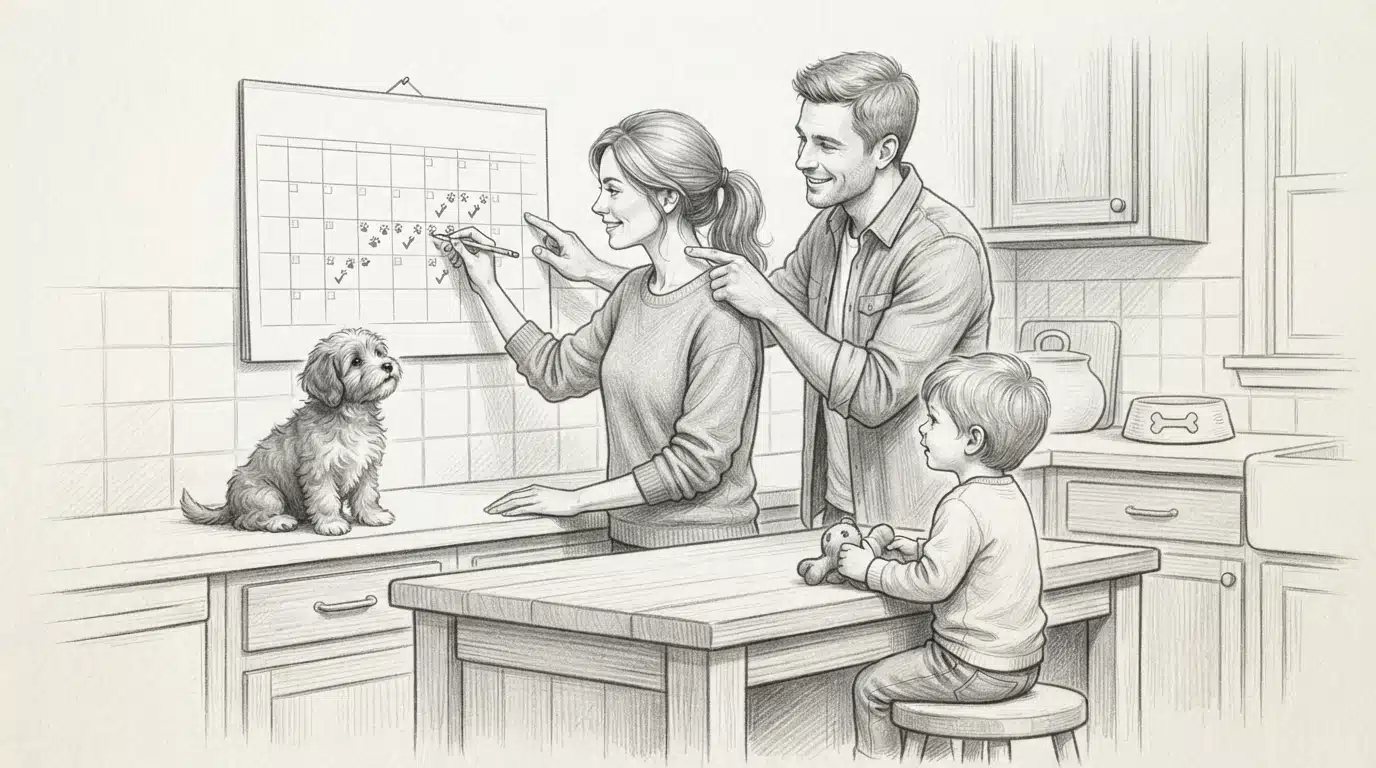
You don’t need software, just a note on your phone. Write down which cues you practiced, who ran the session, and whether it ended on a win. In a week you’ll see the pattern: the days you skipped the midday block are the days accidents came back. Even a simple checklist keeps the whole household on the same page, so nobody accidentally rewards jumping while someone else works on it. If you want a starting structure, a small breed puppy training timeline by month shows what to expect next, so one skipped day doesn’t feel like a disaster.
Why rehoming trust is harder than rehoming a cue
Cues can be retaught in a week. Trust takes longer. A puppy who learns that “come” sometimes means the end of fun starts avoiding you, and every recall afterward costs extra minutes to rebuild. Consistency isn’t about perfection; it’s about being predictable enough that your puppy can guess right.
Which Should You Choose: Havapoo or Havanese for Your Schedule?
Both breeds ask for a similar daily load, roughly 20 to 30 minutes of management on top of training. The difference is the shape of that time. Pick the puppy whose needs match the blocks your week actually has.
Choose a Havapoo when your schedule has training blocks
The Havapoo fits a household that can run three to five short sessions a day and keep them varied. With 20 to 30 minutes of planned training spread across the day, that busy poodle mind stays busy in the right ways. You can see how the two breeds compare on temperament and daily life in Sage Puppies’ guide to which breed is easier to own.
This is the better match if you work from home, keep a flexible morning, or have kids who want to trade off training turns. The payoff is a quick learner that picks up cues fast when the structure holds.
Choose a Havanese when your household runs quieter
The Havanese suits a calmer rhythm. Training still runs 15 to 25 minutes a day, but the minutes go to gentle handling and patience rather than fast-paced games. If your day has steady pockets of quiet, like a relaxed morning or a slow evening, that calm fits this breed’s soft, people-focused nature.
It also works well for retirees, first-time owners, and families who want a slower pace without skipping the work. House training a small breed puppy still takes consistency, so plan those potty breaks the same way either way.
Match the breed to the schedule you actually live, not the one you hope to have.

Still weighing the two? Sage Puppies matches families with Havanese, Havapoo and Cavapoo puppies based on the schedule you actually have. Tell us how much daily time you can give, and Cassie’s team will help you pick the breed that fits. Start the application today.
Frequently Asked Questions
Q1: Which dog needs more training, Havapoo or Havanese?
Havapoos need more total minutes, about 20 to 30 a day, because their energy needs an outlet. Havanese need fewer minutes but more patience within each session.
Q2: How much time per day should you spend training a Havapoo puppy?
Plan 20 to 30 minutes across three to five short blocks of 3 to 5 minutes each, plus puzzle toys and exercise between blocks.
Q3: Are Havanese puppies harder to train than Havapoos?
Not usually. Havanese learn cues quickly, but their sensitivity means harsh corrections backfire, so reward-based puppy training in a calm voice matters more.
Q4: When will basic cues become reliable?
Both breeds may sit on cue within a week or two, but expect weeks of short refreshers in new places before cues hold anywhere.
Q5: How much extra management time should I budget?
Add roughly 25 to 30 minutes daily for potty trips, barking prevention, chew redirection, and two short alone-time sessions for either breed.
Conclusion
The training-time math comes down to shape, not just totals. A Havapoo asks for 20 to 30 minutes a day, split into short, varied blocks, because that energy needs a job. A Havanese fits into 15 to 25 minutes but each session rewards a calm, patient hand. Both breeds add about 25 to 30 minutes of management on top, mostly potty trips, chewing and alone-time practice.
Whichever you pick, keep sessions to 3 to 5 minutes, end on a win, and stay consistent across the household. Match the breed’s needs to the schedule you actually live, and the first three months feel far lighter. If you want to meet the puppies themselves, browsing current available litters shows what each breed’s early temperament looks like.