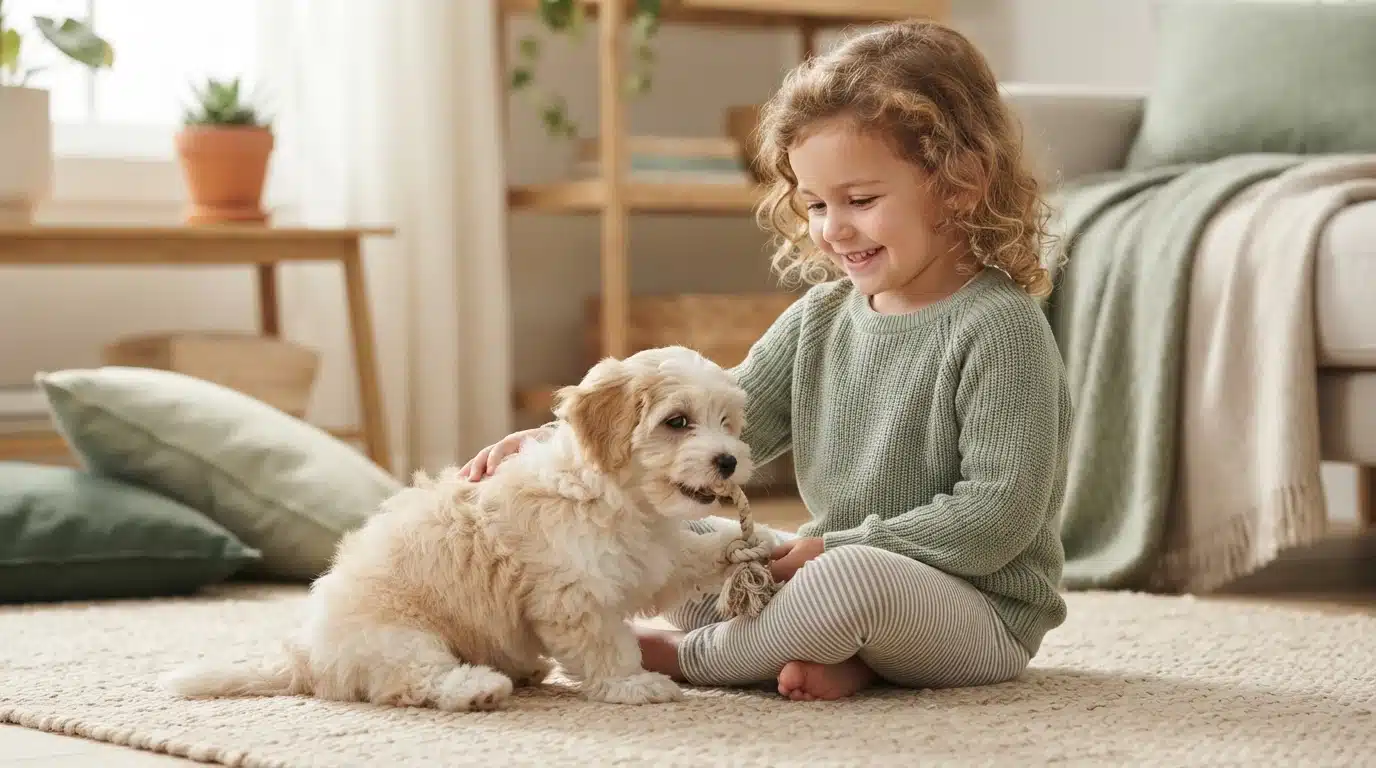
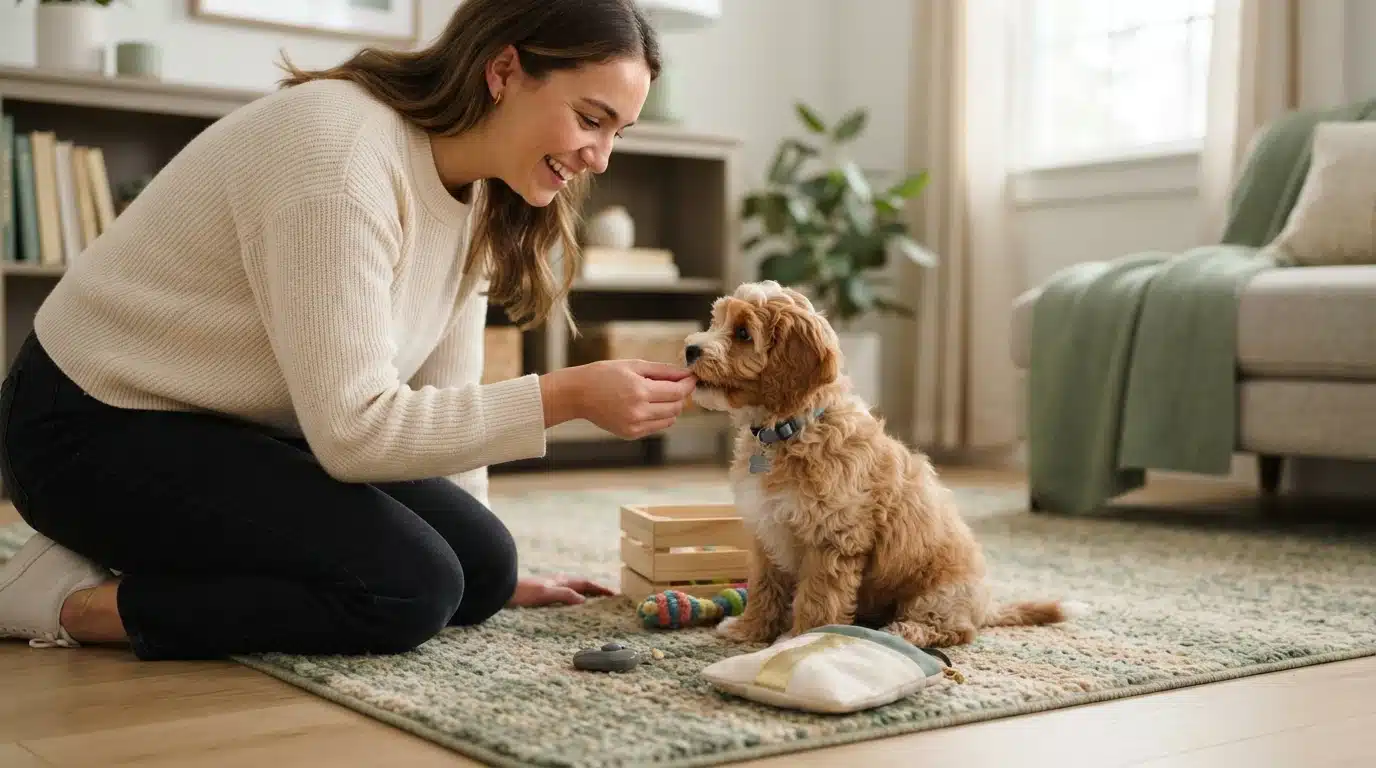
Quick Summary: Havapoo puppies have moderate energy and thrive on two 10 to 15 minute play or walk blocks, 5 to 10 minutes of mental games, and plenty of naps. Watch behavior rather than a fixed chart, since chewing, pacing, or frantic barking may mean more variety is needed, while slowing down, yawning, or losing interest signals that play is over. Keep exercise gentle to protect growing joints, avoid stairs, jumping, and hard-surface jogging until a vet confirms the growth plates have closed, and adjust the routine as the puppy matures. Sage Puppies advises preparing this routine before bringing a puppy home.
A Havapoo puppy that settles after a ten-minute sniff walk in the kitchen but argues for forty minutes at the dog park is not being difficult. That split behavior is one of the most common questions Cassie Milar and the Sage Puppies team in South Jordan, Utah hear from families, and it is why exercise advice written for adult dogs does not transfer cleanly to a young Havapoo puppy’s energy pattern. Growing joints, short attention spans, and a herding-adjacent play style all change the math. This guide breaks the Havapoo energy level into physical work and mental work, shows which games suit the breed, and gives you a behavior-based method for adjusting the routine as your puppy matures, so you can plan around your schedule, your home, and your experience level with confidence.
How Much Energy Does a Havapoo Puppy Have?
A Havapoo puppy has moderate energy: playful and busy in short bursts, then ready for a long nap. Most young Havapoos need about two short play or walk sessions a day, plus mental games, rather than an hour of hard exercise. That mix suits apartments and small homes well.
The Two Energy Sources in a Havapoo
A Havapoo’s energy comes from both parent breeds. The Havanese side contributes a cheerful, people-focused drive to play and be involved in everything. The poodle side adds intelligence and a need for problem-solving work. So your puppy runs on two fuels: physical activity and mental challenges. Both matter, and both wear a puppy out in different ways.
The Burst and Nap Pattern of a Young Havapoo
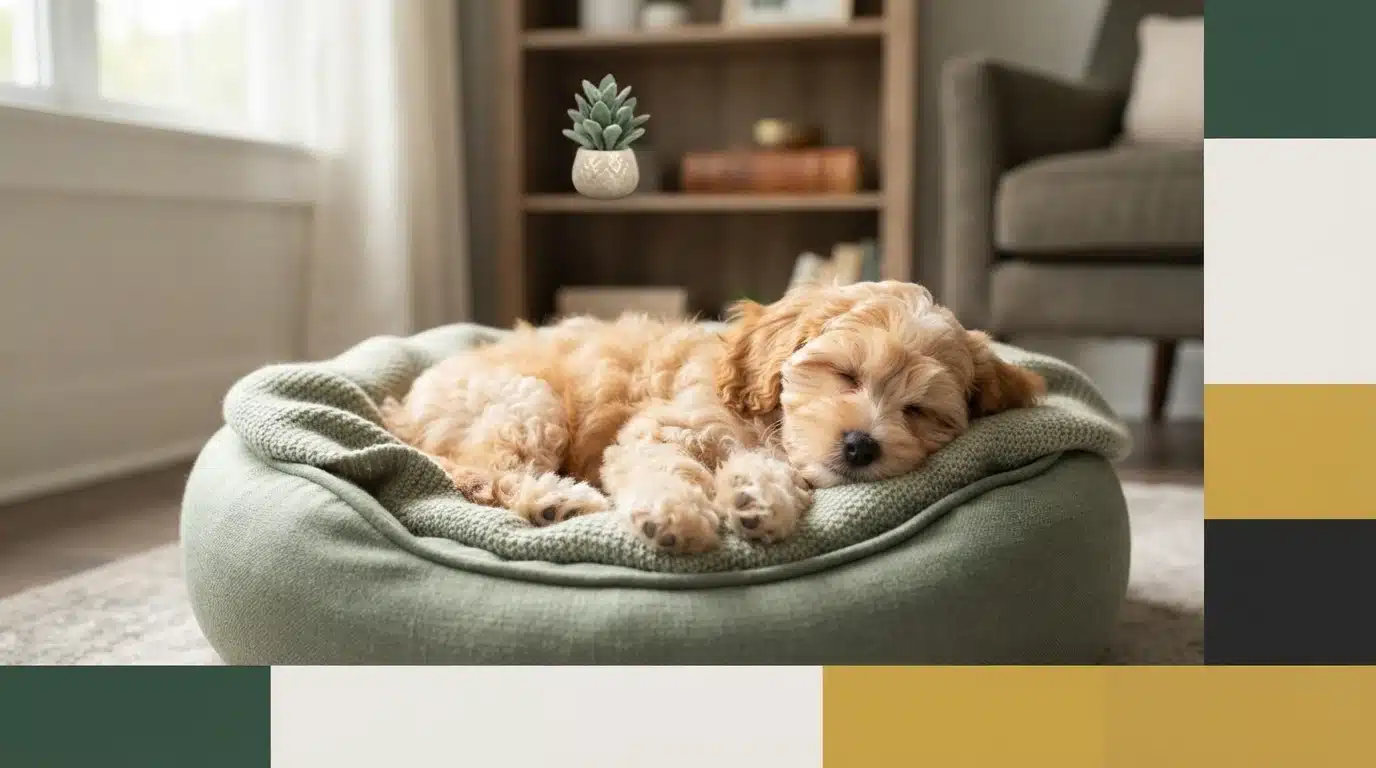
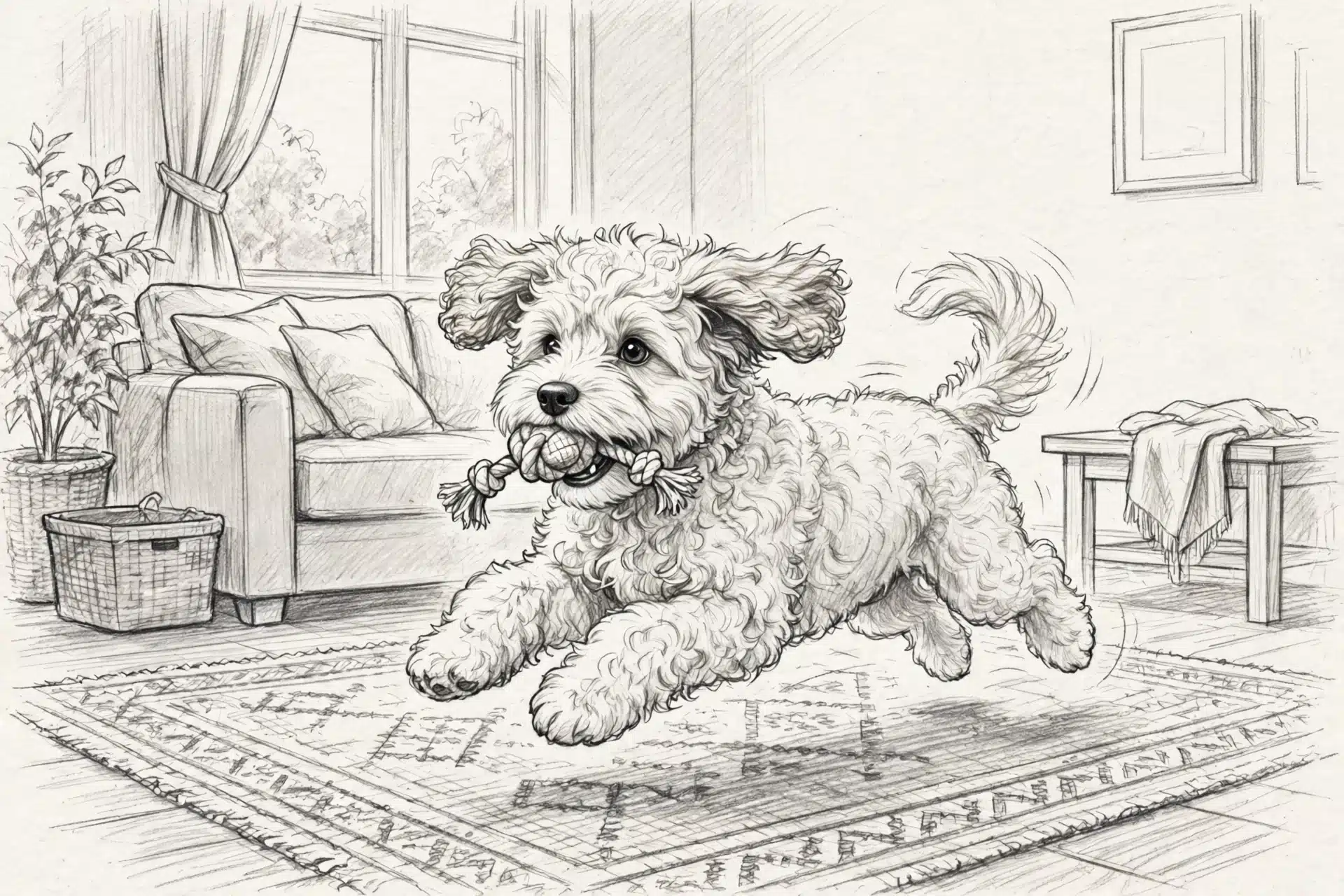
Young Havapoos rarely pace themselves. They sprint laps around the living room, wrestle a toy, then flop asleep mid-play. These zoomie-and-crash cycles repeat all day, especially between 8 weeks and 6 months old. Plan around the pattern instead of fighting it: a 10 to 15 minute play session after meals or potty breaks, then quiet crate or nap time. Small breeds need more sleep than adult routines suggest.
Why Breed Averages Are Only a Starting Point
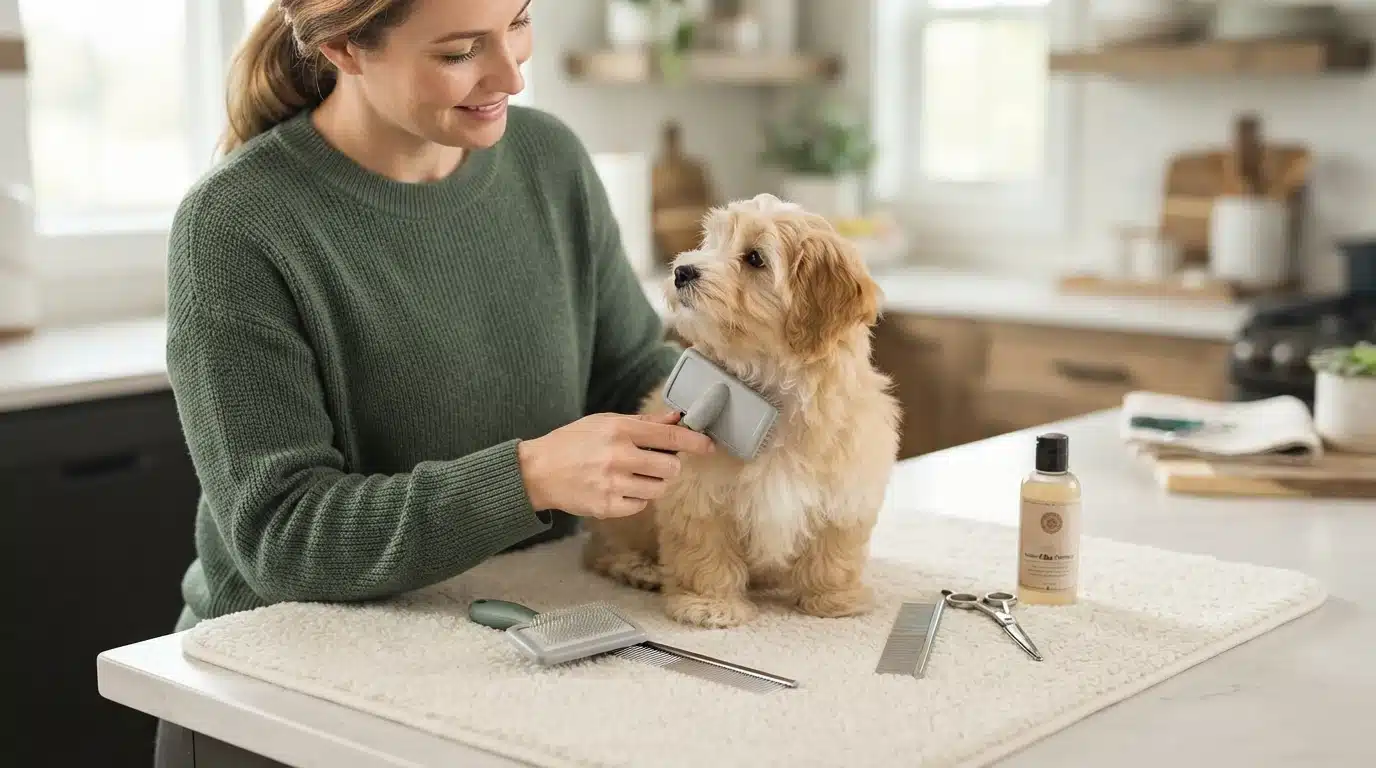
Guides often say 30 to 60 minutes of daily exercise, but every puppy lands differently. Littermates vary. A puppy from laid-back parents may settle quickly, while a sharper-minded one needs puzzles and short training games to stay calm. Watch behavior, not charts, and adjust. If you’re comparing Havapoo and Cavapoo coat care, keep in mind grooming sessions also count as handling practice.
What Moderate Energy Means in a Real Home
In practice, moderate energy looks like this: two short walks or play sessions, a few minutes of training or sniffing games, and plenty of naps. A tired Havapoo is calm, not destructive. An under-stimulated one invents games with your shoes. Meet the need and the house stays peaceful.
Why Play Is Not the Same as Exercise
A tired Havapoo puppy and a worn-out one are not always the same thing. Twenty minutes of chasing a ball can leave your puppy physically tired but mentally restless, because play and exercise work different systems.
Physical Fatigue and Mental Fatigue Are Different
Physical exercise tires the body: muscles, heart, and lungs. Mental work tires the brain through problem solving, scent work, and new challenges. A Havapoo puppy needs both. Puzzle feeders, short training sessions, and sniffy walks engage the mind, and a mentally tired puppy settles faster than one that only ran around the yard.
The Four Signs of an Under-Stimulated Havapoo Puppy
Watch for these signals that your puppy’s daily routine is missing something:
- Destructive chewing on shoes, furniture, or baseboards
- Excessive barking or whining without a clear cause
- Pacing or restlessness even after a play session
- Attention-seeking nudges, like pawing or jumping constantly
Any single sign can have other causes. But if several show up together, your Havapoo puppy energy needs more variety, not just more time outside.
What Mental Work Looks Like Day to Day
Mental stimulation does not require extra hours. Rotate a few simple activities into the routine you already have:
- Hide treats around a room for a scent game
- Use a snuffle mat or puzzle feeder at one meal
- Practice three to five commands in a short session
- Swap toys every few days so old ones feel new
Five to ten minutes of focused mental work often settles a puppy as much as a longer walk.
Where Socialization Fits Alongside Play
Socialization is its own category. Meeting new people, hearing new sounds, and exploring new places build confidence in ways solo play cannot. Short, positive outings count as mental exercise too, and they shape how well your puppy handles the world later.
The right mix of body work, brain work, and new experiences keeps a Havapoo balanced. Adjust the blend as your puppy grows, and you will see the difference in how calmly the day flows.
Types of Play That Work for a Havapoo Puppy
Havapoo puppy energy shows up in short, bouncy bursts, so the games you pick should match that pattern rather than fight it. Four kinds of play cover almost everything this breed needs.
Ground Rules for Fetch and Tug
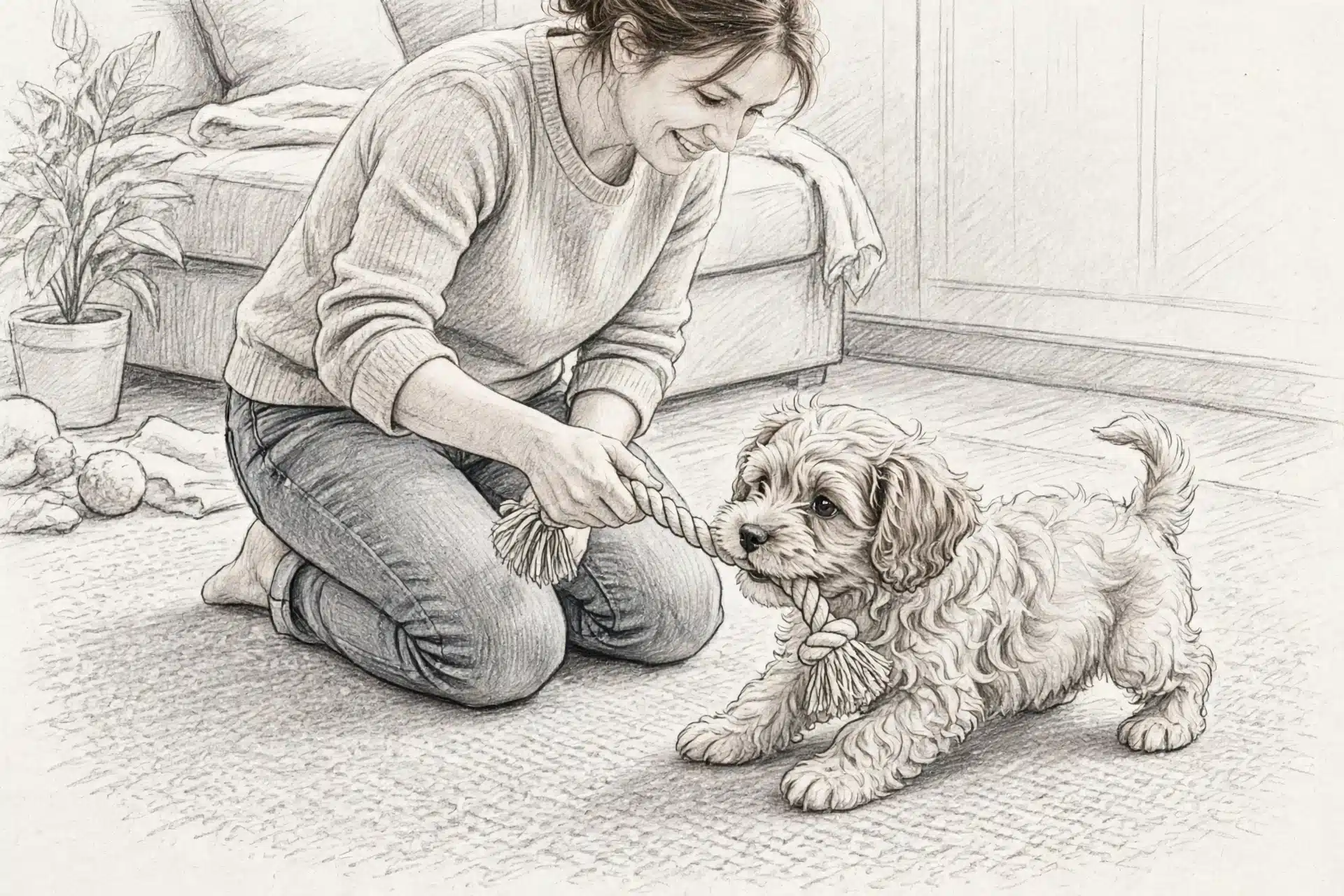
Fetch works well here, with two rules. Keep throws short and on grass or carpet, because hard stops on slick floors strain young joints. End the game before your puppy gets frantic; a tired-but-steady puppy learns better than a wired one. For tug, use a soft rope or plush toy, never your sleeve or hand. Teach a simple “drop it” from the start, and let your puppy win sometimes so the game stays fun.
Low-Impact Indoor Play for Apartments
Apartment living calls for quiet, low-impact games. Hide treats under cups or around a room and let your puppy sniff them out, which tires the brain faster than laps around the couch. A snuffle mat, a frozen stuffed toy, or a puzzle feeder all count as play. Short hallway fetch also works if you roll the toy along the floor instead of throwing it high.
Outdoor Play Without the Joint Strain
Outside, aim for grass over pavement and free exploring over forced jogging. Havapoos love to investigate smells, and a slow sniff walk exercises them more than you might expect. Skip stairs, jumping off furniture, and long games on hot pavement. Several gentle outdoor sessions a day beat one long march, and puppy-sized hills or shallow ramps give safe climbing practice.
Water Play and Calm-Down Games
Shallow water play suits many Havapoos, but introduce it slowly in a few inches of warm, calm water, always supervised. After any play, teach a calm-down cue: a mat or crate where your puppy learns that quiet time follows fun time. That habit prevents the overtired bite-and-zoom spiral later.
How to End a Play Session Well
Finish each session on a success: one easy fetch, a treat, then rest.
Building a Daily Play and Exercise Routine
A Sample Day, Broken Into Blocks
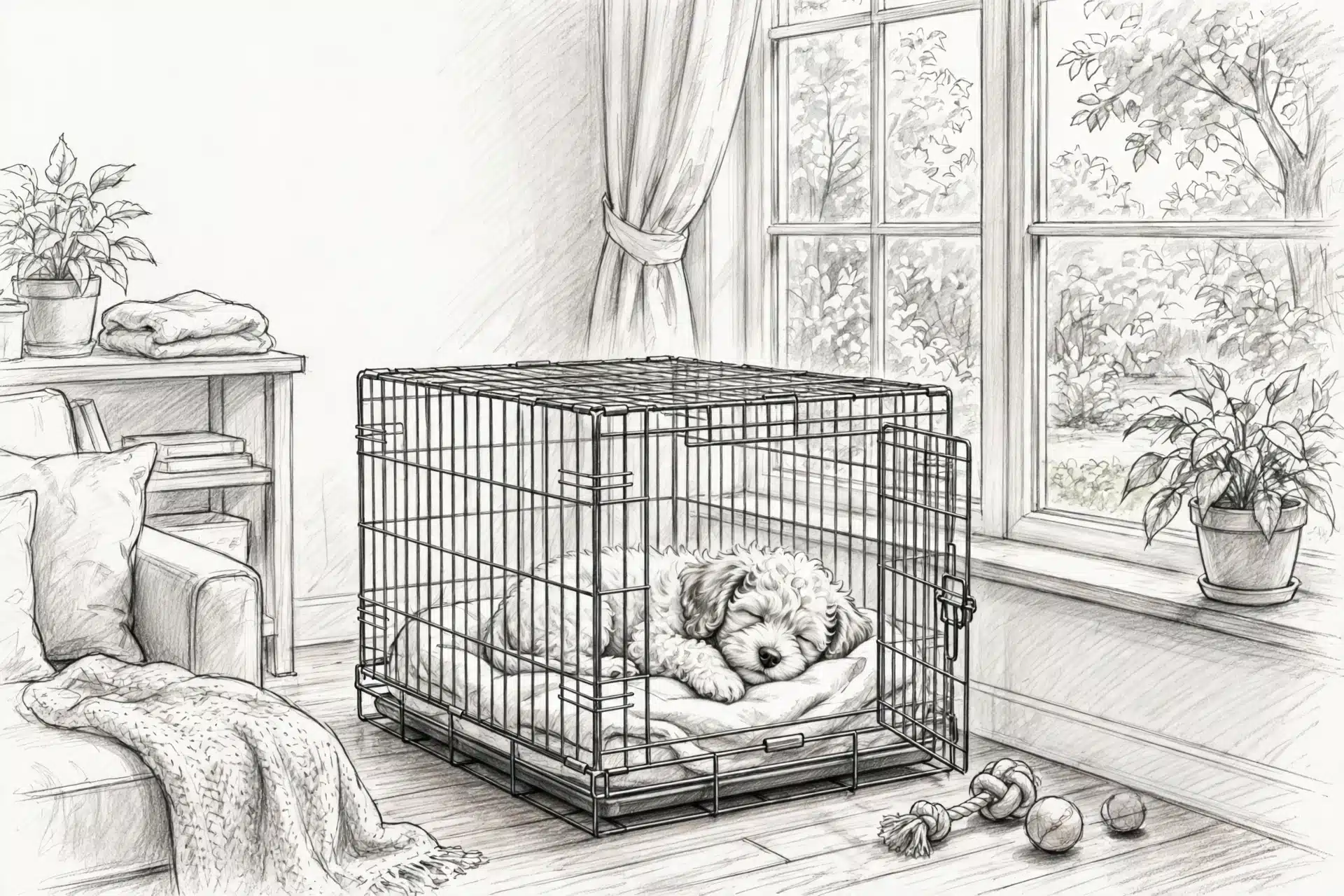
A Havapoo puppy does best with a rhythm, not a rigid schedule. Try this: a 10 to 15 minute play block after breakfast, a potty break, then crate or nap time. Repeat the pattern after lunch and dinner. Add one longer block in the evening, maybe a short walk or a game of fetch, and end the day with calm cuddle time.
Adjusting for Weekdays and Weekends
On workdays, lean on short blocks before you leave, at lunch if someone is home, and after dinner. A puzzle feeder or stuffed chew toy can cover the midday gap. Weekends allow longer walks and new places, but keep naps in place. Extra activity on Saturday does not bank for Sunday.
Weather, Season, and Location Swaps
Hot pavement, snow, and storms all change the plan. In summer, play early or after sunset and watch for heavy panting. In winter, break walks into two short trips. On rain days, move the fun indoors: hide treats around a room, play tug, or practice sit and stay down a hallway. Mental games tire a puppy almost as much as a walk.
Scaling the Plan as Your Puppy Grows
Your puppy will tell you when the plan needs a change. Zoomies that never stop, shoe chewing, or restless pacing usually mean more structured play. Long naps and skipping meals can mean too much. Puppies under 6 months should stick to short, gentle blocks, while older pups handle longer walks. The right amount shifts week to week, so watch behavior rather than the clock.
If you are still choosing a breeder, ask how each litter is raised and socialized, since that early start shapes how much daily play a puppy will need; programs such as Sage Puppies’ Havapoo puppies share that kind of background with buyers.
Reading Your Puppy’s Energy Signals
A Havapoo puppy tells you how much exercise is right through behavior, not a chart. Learn to read the signals below, and you can adjust the daily routine week by week instead of guessing.
Signs a Havapoo Puppy Has Had Enough
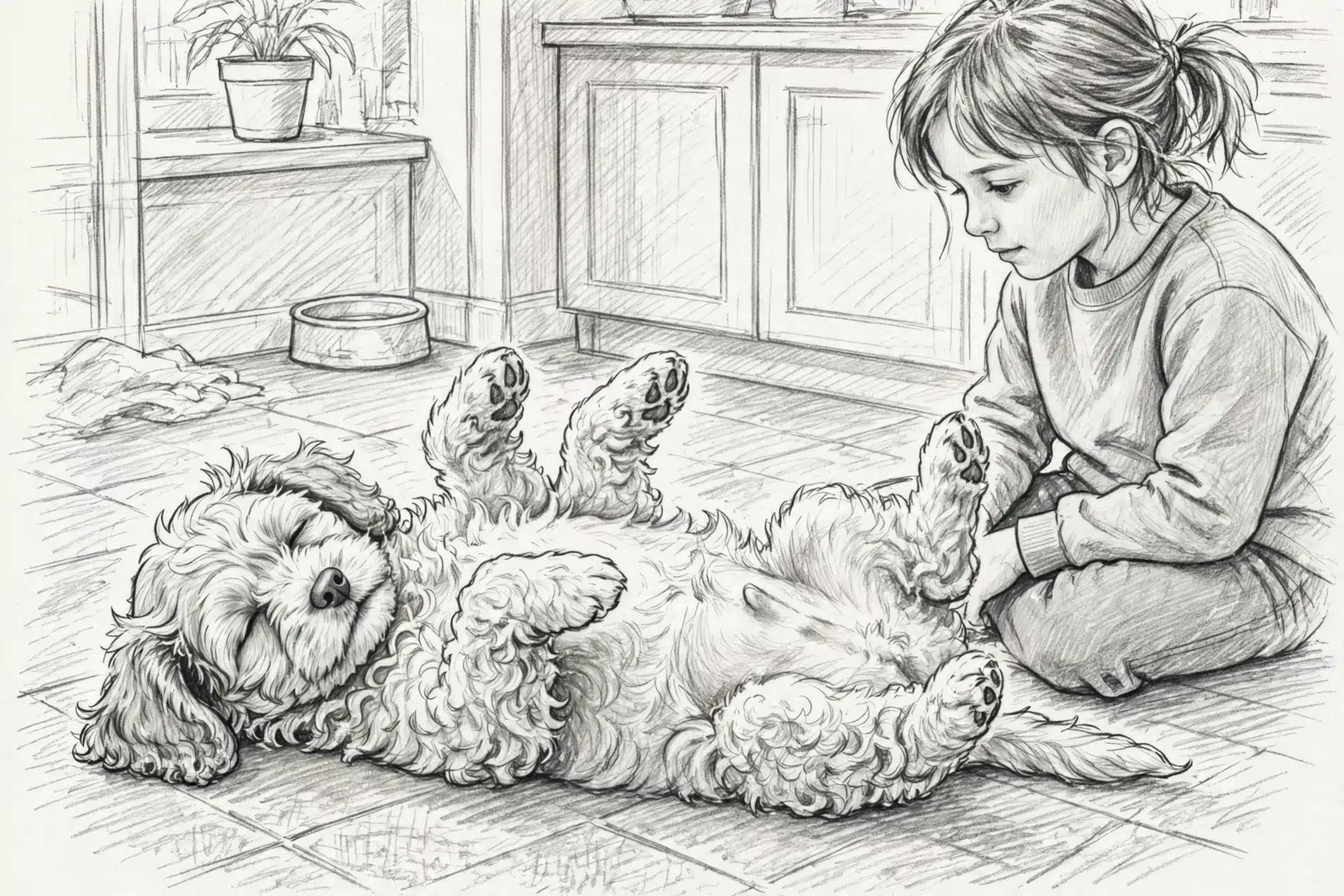
A tired puppy slows down, flops onto the floor, and loses interest in the toy that seemed exciting minutes ago. Yawning, gentle mouthing, and wandering off mid-game all say the session is over. End play at these first signs, before grumpy behavior starts.
Signs Your Puppy Needs More
A puppy with unmet needs invents its own games. Watch for shredding paper, pacing, repeated barking, or grabbing your shoelaces at night. These habits usually mean the routine needs another short play block or a puzzle toy, not a longer leash walk.
Signs of Overstimulation and Overexertion
Too much action looks different from too little. The puppy gets nippy, jumps frantically, and stops listening, often called the zoomies that tip into crash mode. Flat-out panting, limping, or refusing to move during a walk means stop immediately and let the puppy rest somewhere cool and quiet.
When to Call Your Veterinarian
Some signals go past normal puppy tiredness. Call your vet if your puppy vomits, seems shaky, refuses water, or stays limp and unresponsive after rest. Pain when touched, a dragging paw, or breathing that stays heavy long after play also deserve a same-day check. Trust your gut; a quick call costs little and catches problems early, especially in the first weeks home.
Matching Havapoo Energy to Your Household
A Havapoo’s moderate energy suits many homes, but “moderate” still means daily work. Match the dog to your actual schedule, not your ideal one.
Household Questions to Answer Before Committing
Be honest about four things:
- Time: Can you give 30 to 45 minutes of walks and play every day, plus training?
- Presence: Havapoos are people-oriented, and a bored, lonely dog can develop separation anxiety and unwanted behaviors, according to PetMD’s breed overview.
- Space: Who exercises the dog on your busiest days?
- Experience: First-time owners do well here, but only with a routine in place before pickup.
Apartments, Yards, and Families With Children
A yard helps, but it does not replace walks or play. Havapoos live happily in apartments when their 30 to 45 minute adult exercise range is met indoors and out. With children, their gentle, playful nature shines, though young kids should learn to let a resting puppy rest.
How the Routine Evolves From Puppy to Adult to Senior
Puppies need short, frequent play blocks with plenty of naps. Adults settle into one or two solid walks plus games and training. Seniors slow down but still want gentle daily movement and puzzle toys to stay sharp. Adjust by behavior, not by age alone.
What to Ask a Breeder About Energy and Temperament
Ask which parent contributes more energy, how each puppy behaves in the litter, and which pup matches a busier or quieter home. A breeder who knows her litter should answer without hesitating.
Common Mistakes to Avoid
Mistakes That Put Joints at Risk
The biggest error is pushing a young Havapoo into long walks, stairs or jumping off furniture. Growth plates, the soft areas at the ends of growing bones, can be injured by strenuous exercise, so keep sessions short until your vet confirms they have closed. Forced jogging, repetitive fetch on hard floors and rough play with bigger dogs also add joint stress. Stick to gentle 10 to 15 minute blocks instead, as VCA Hospitals explains.
Mistakes That Leave a Puppy Wired
The opposite mistake is skipping rest. An overtired puppy zooms, nips and melts down, and owners often respond with even more play, which makes things worse. Puppies need far more sleep than adult dogs, and missing naps turns normal energy into chaos. Watch for grumpiness and wild biting in the evening. End the session, offer a potty break, then settle your pup in the crate before the spiral starts.

If the daily routine above fits your life, a Havapoo could be a great match. Sage Puppies matches families with well-bred Havapoo puppies and walks you through prep before pickup. Start with the application to see current availability.
Frequently Asked Questions
Q1: What are a Havapoo puppy’s energy and play needs?
Plan two 10 to 15 minute play or walk blocks daily, plus 5 to 10 minutes of mental games like puzzles or scent work. Watch behavior and adjust as your puppy grows.
Q2: How much exercise does an adult Havapoo need?
Most adults settle into one or two walks totaling 30 to 45 minutes daily, plus play and short training. Seniors still need gentle movement and puzzle toys.
Q3: Can a Havapoo puppy get enough exercise in an apartment?
Yes. Short sniff walks, hallway fetch rolled along the floor, snuffle mats, and hide-and-seek treat games cover both body and brain work without a yard.
Q4: How do I know if my puppy is overtired?
Watch for nipping, frantic jumping, and ignoring cues. End play, offer a potty break, and settle your puppy in the crate before the bite-and-zoom spiral starts.
Q5: When can Havapoo puppies start longer walks?
Wait until your vet confirms growth plates have closed. Until then, keep sessions short and gentle, and avoid stairs, jumping, and jogging on hard surfaces.
Q6: What games tire a Havapoo the fastest?
Mental work wins. A snuffle mat, puzzle feeder, or five-minute training session often settles a puppy as much as a longer walk, so rotate them daily.
Conclusion
A Havapoo puppy thrives on short, frequent play blocks, mental games, and plenty of naps, not long forced walks. Moderate energy means 30 to 45 minutes spread across the day, split between body work and brain work. Watch behavior instead of charts: chewing, pacing, and frantic barking call for more variety, while flopping and yawning say the session is done. Protect young joints by keeping sessions gentle until growth plates close. Match the routine to your real schedule, and adjust it as your puppy matures. Do that, and you get a calm, happy companion that fits apartment life, family life, and everything in between.