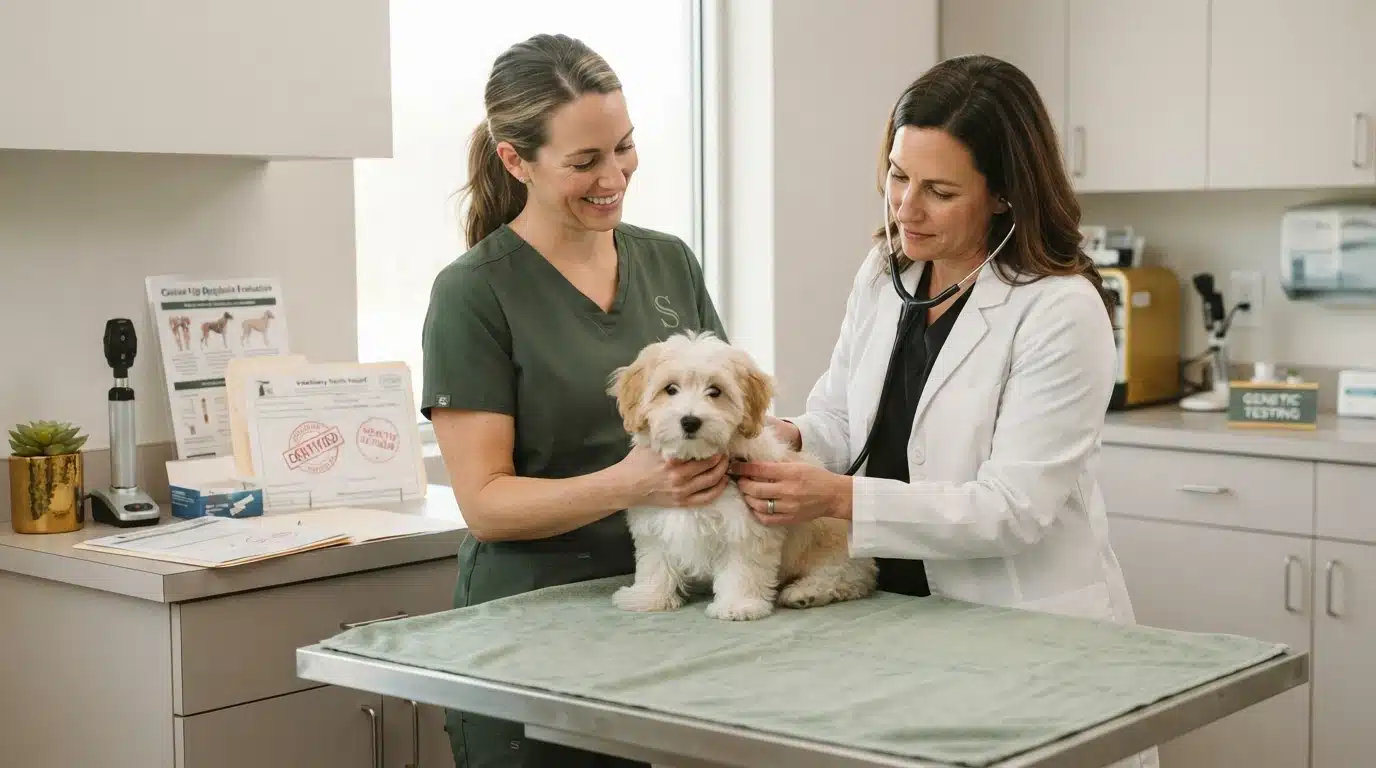
Quick Summary: Start with a Utah rescue if you want a lower-cost dog and can stay flexible about breed, age, and background; adoption fees range from pay-what-you-can to about $500 and usually include sterilization, a microchip, and vaccines. Choose a breeder if predictability matters more, since planned litters offer known parentage, health testing, and predictable size, though boutique programs typically charge $3,500 to $4,500. Utah has no statewide breeder license or puppy lemon law, so verify veterinary records, contracts, health guarantees, and aftercare yourself, whether adopting from a rescue or a transparent program such as Sage Puppies.
A week of puppy searching in Utah can put you in two very different systems. Utah puppy rescues and county shelters post adoption fees that start pay-what-you-can and top out near $500 for dogs. Private small-breed breeders charge several thousand dollars, but the price covers a health guarantee and a signed contract. If you want a Havanese, Havapoo or Cavapoo, rescues rarely have a puppy to place, and breeders rarely come cheap. So which route fits your household before you spend a dollar?
Many first-time owners compare cost, health records, predictability, timing and aftercare without a framework, or solid Utah-specific facts. This guide sets both routes side by side, explains why Utah’s light breeder rules make verification matter, and closes with a clear rule: who should start with a rescue, and who should start with a breeder.
Utah Breeders vs Humane Rescues: At a Glance
| Utah humane rescues and shelters | Utah small-breed breeders | |
|---|---|---|
| Typical Cost | Utah Humane Society fees run pay-what-you-can to $500 for dogs; Salt Lake County starts at $35; Best Friends Salt Lake City is $100 adult and $150 for puppies | Several thousand dollars per puppy, set by each breeder |
| Puppy Availability | Limited and irregular; puppies under six months are uncommon at most Utah shelters | Litter-based and scheduled; puppies are usually available by litter rather than on demand |
| Size and Temperament Predictability | Unknown; age, size and behavior are documented by the shelter but not genetic | Higher, because breed and parentage are known in advance |
| Health Documentation | Vaccinations, spay or neuter, microchip and health check typically included and disclosed | DNA panels, veterinary checks and written health guarantees vary by breeder and must be requested in writing |
| Best For | Families flexible on breed and age who prioritize a lower cost and a known medical baseline | Families seeking a specific small-breed puppy, including Havanese, Havapoo and Cavapoo |
Two Routes to a Puppy in Utah
Utah humane rescues and shelters
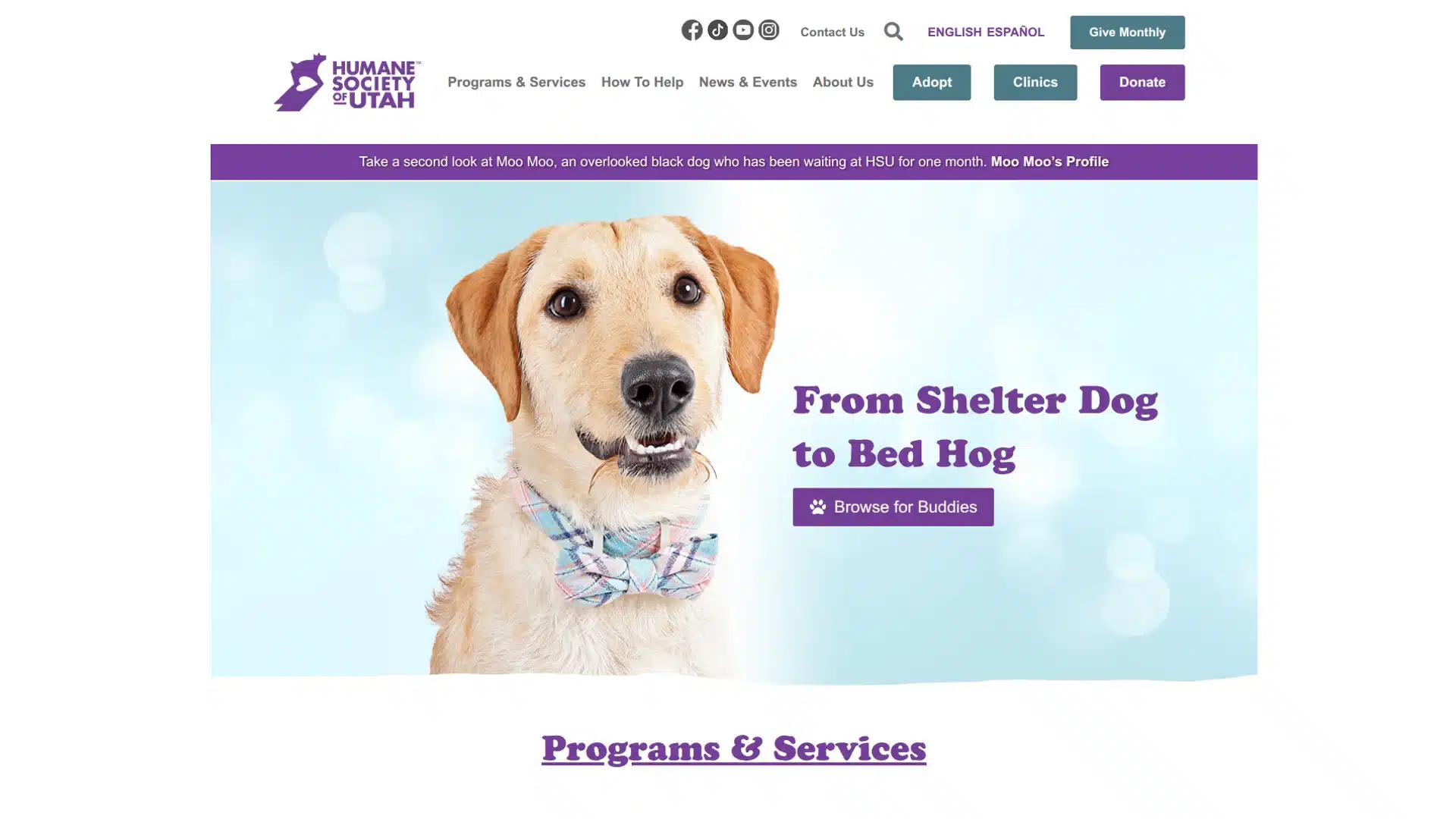
Shelters and nonprofit rescues rehome animals already in their care, with published fee schedules and a clear medical baseline. They suit families flexible on breed and age, though utah puppy rescues rarely have puppies under six months.
Key strengths
- Low, disclosed adoption fees
- Vaccinations, spay or neuter and microchip typically included
Utah small-breed breeders
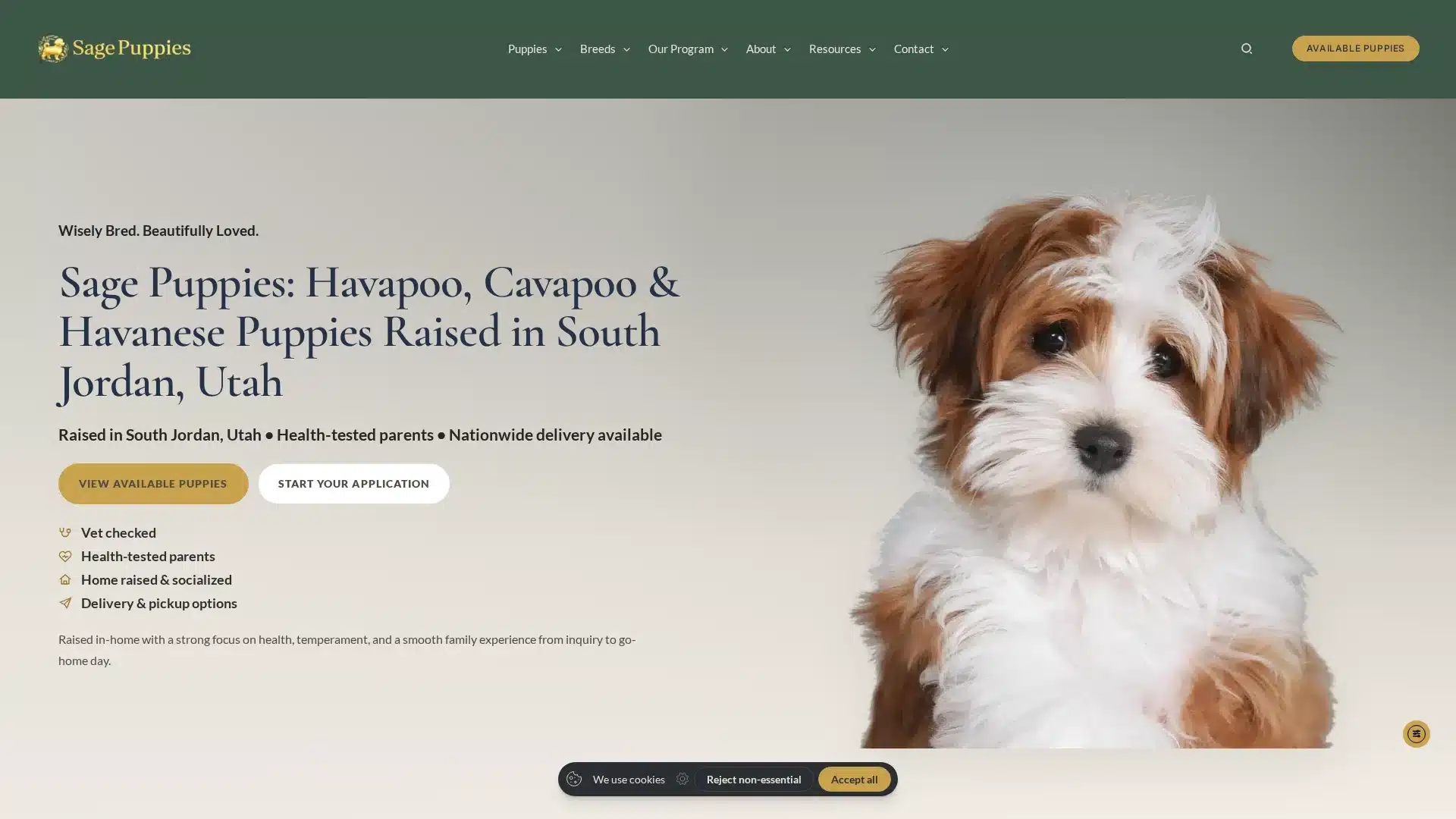
Owner-managed breeders sell planned litters of specific companion breeds with health testing and written contracts. Families set on a Havanese, Havapoo or Cavapoo puppy usually start here; Sage Puppies, a small South Jordan program, works this way.
Key strengths
- Known breed and parentage before you commit
- Scheduled litters with reservation lists
What Utah Families Actually Pay on Each Route
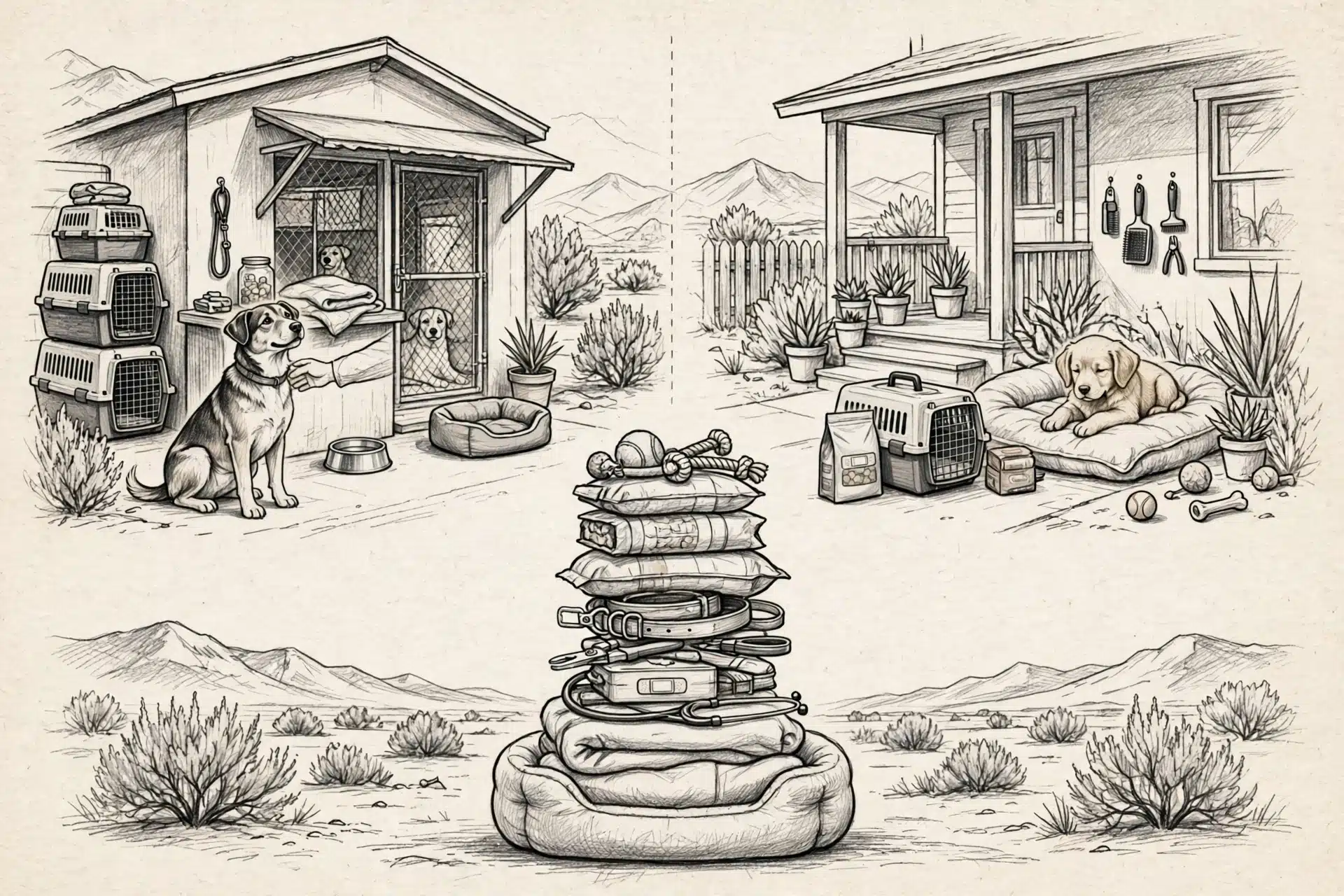
Published Utah Adoption Fees and What They Cover
Adopting a dog in Utah costs far less up front than buying a puppy. Common fee levels include:
| Organization | Typical Cost |
|---|---|
| Utah Humane Society | Pay-what-you-can up to $500 for dogs |
| Salt Lake County Animal Services | Starts at $35 |
| Best Friends Salt Lake City | $100 adult, $150 puppy |
| Boutique breeder programs | $3,500 to $4,500 |
Most rescue fees cover the spay or neuter, microchip, and basic vaccines already done before you take the dog home.
Why Breeder Prices Cover Different Ground
A breeder’s higher price pays for different things: the mother’s health testing, early socialization, vet checks, and the first rounds of puppy shots. Programs breeding Havanese, Havapoo, and Cavapoo puppies in Utah typically include a written puppy contract and health guarantee, plus early records you hand to your own vet. You are paying for predictable breeding, not for surgery already completed.
The First-Year Budget Is the Fair Comparison
The sticker price is only the start. Add food, gear, vet visits, vaccines, training classes, and grooming, and a “free” or cheap dog can cost as much in year one as a pricier puppy with fewer early bills. Before you commit, sketch both totals side by side; our guide to choosing a puppy in Utah walks through that first-year math.
Predictability of Size and Temperament

Breed-Level Certainty From a Breeder
A planned litter gives you the strongest guess about adult size and temperament. Havanese stay under 13 pounds and bred-in traits such as sociability and low shedding tend to hold. For Havapoo and Cavapoo puppies Utah families often ask about, each cross still produces a fairly narrow range because both parent breeds are small and people-oriented. A breeder who raises only these mixes, as programs like Sage Puppies do, can tell you what past litters actually grew into, which is useful data a first-time owner rarely gets elsewhere. If you want a deeper walkthrough, this guide to choosing a puppy in Utah covers how to weigh breed traits against your household.
Individual Clarity From a Rescue
Rescues trade prediction for observation. Shelter staff and foster homes watch each dog for weeks, so they can describe real behavior: how it handles kids, other pets, and time alone. Adult dogs especially show you a finished personality, already grown to full size. The uncertainty sits with history. Mixed-breed puppies arriving from other states come with unknown parentage, so the eight-pound pup at intake may mature into forty pounds.
Where Small-Breed Rescues Bridge the Gap
Utah puppy rescues focused on small breeds narrow this gap nicely. A labeled Havanese or Cavalier mix at a rescue carries most of the same size logic as a breeder puppy, and foster notes fill in the temperament picture. You give up early socialization control and often some paperwork detail, but gain an observed dog. Match the route to how much certainty your household needs.
Health Documentation on Paper
Paper tells you more than a conversation. Both routes hand you documents, but the paperwork looks different, and knowing the difference helps you spot gaps before you commit.
What a Rescue Automatically Discloses
A licensed rescue or county shelter in Utah usually sends a puppy home with a vet exam record, a vaccination history, a spay or neuter date, and a microchip number. Many include heartworm or fecal test results. This comes standard because these groups hold animals in facilities with staff vets and tracking systems. Ask for copies early if you want to compare litters.
What to Demand From a Breeder in Writing
Breeders vary, and Utah has little state regulation, so the burden of proof sits with you. Ask for a written health record showing vaccine names, dates, and the vet’s clinic details, plus a signed puppy contract and health guarantee. Reputable programs also share parent DNA health panel results, which matter for small-breed health screening. Breeders who dodge these requests should be avoided.
Reading the Documents Without Guesswork
Check three things on every page. First, a licensed vet’s name and clinic should appear, not just a breeder’s own notes, because a licensed vet’s documentation carries exam findings. Second, dates should line up with the puppy’s age: a six-week-old puppy should not show a rabies shot. Third, microchip and vaccine details should match across every page you receive.
Process, Timing and How You Actually Get the Dog
Rescue Timelines Are Short and Unpredictable
Rescue moves fast. A dog listed on a Monday can be adopted by Wednesday, so you need to check listings daily, submit applications the same day and often visit quickly. You cannot schedule the outcome. Age, size and breed depend on which dogs arrive, and popular puppies go within hours. If you want a specific breed like a Havanese, waiting lists can stretch for months or never open at all.
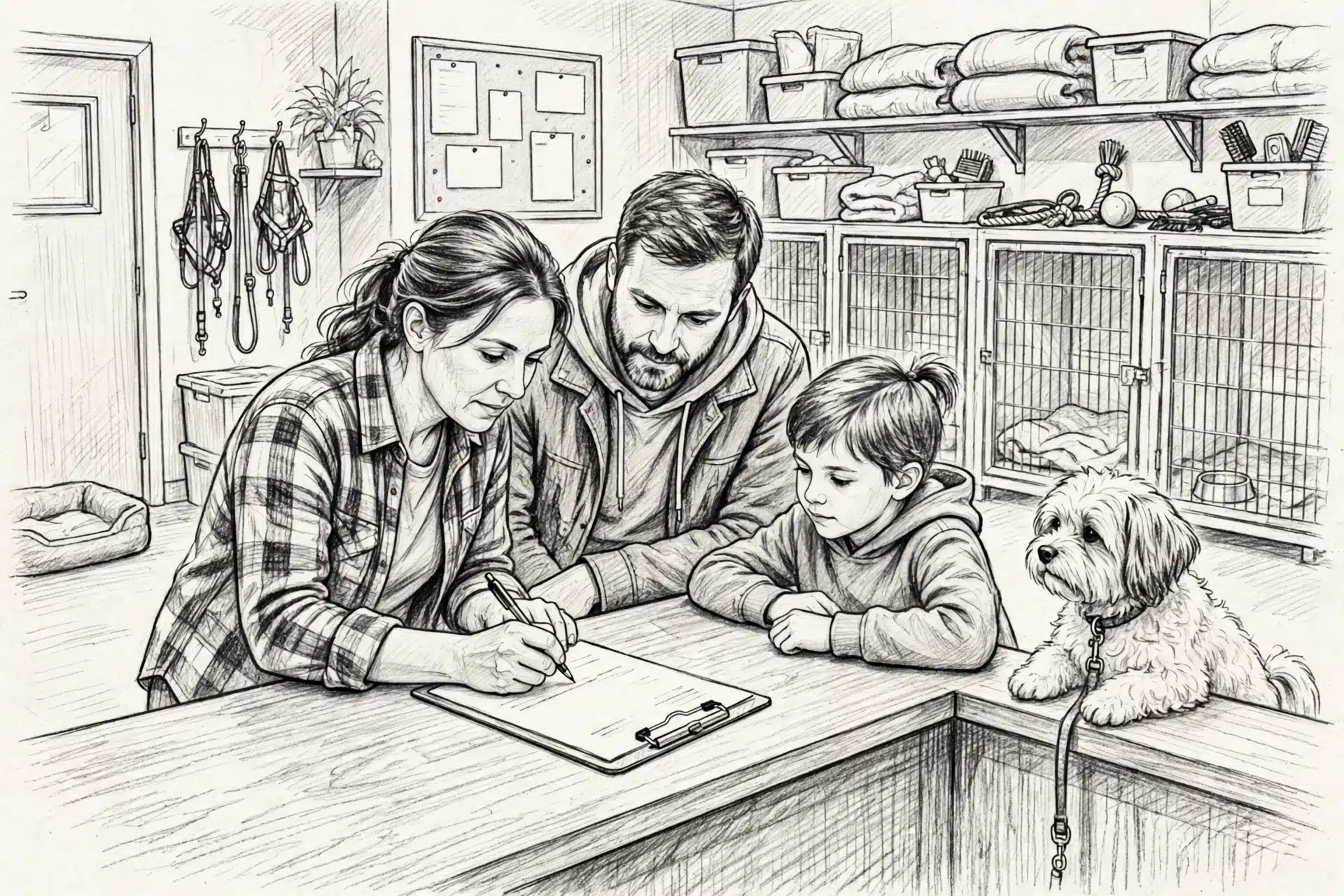
Breeder Timelines Run on Litter Schedules
Breeders work on litter calendars. Responsible programs plan breedings months ahead, and you may join a waitlist before the litter is even born. Once puppies arrive, go-home dates follow state rules, usually around eight weeks after health checks. The upside is predictability: you know the breed, the parents and the rough pickup date. Sage Puppies, for example, matches families through an application and plans go-home days in advance.
Travel and Handover Logistics
Plan the handover itself. Local pickup means a short drive home with a crate, towels and paper towels ready. Out-of-state families usually choose a flight nanny, ground transport or a planned trip to Utah. Either way, ask what paperwork travels with the puppy: health records, vaccination dates and feeding instructions. Get the go-home checklist in writing before deposit day.
No external claims needed here; done.
Support After the Paperwork
The paperwork is only the beginning. What each route promises afterward can matter more than the fee you paid.
What a Rescue Stands Behind
Most Utah rescues lean on return clauses, not health guarantees. Contracts usually require you to bring the dog back to the rescue if things fall through, and fees often include spay or neuter and a microchip. Ongoing help varies by group. Some offer trainer contacts and follow-up calls; others consider the job done at pickup. Ask before you adopt what happens if a health problem shows up in week two.
What a Written Guarantee Covers
Good breeders put support in writing. A clear puppy health guarantee typically covers serious genetic conditions for a set window, spelled out in the contract with defined steps. You should know who pays for what, which vet exams count, and whether a refund or replacement applies. If a breeder will not put terms on paper, treat that as an answer. Sage Puppies, for example, documents its terms before a family commits.

Building Your Own Safety Net Either Way
Whichever route you choose, do these four things:
- Book a vet visit within the first week.
- Keep every health record in one folder.
- Line up a trainer before go-home day.
- Save the contact person who signed your paperwork.
Your safety net works best when you build it yourself.
Verifying Either Route in Utah
Utah Has No Statewide Breeder License
No. Utah does not issue a statewide breeder license, so there is no state registry you can search before you buy. Some cities and counties require a local permit for keeping or selling animals, and commercial transport rules apply federally, but Utah has no puppy lemon law. That gap means the burden of checking a seller falls on you, whether you buy from a breeder program or adopt through a rescue.
What to Check Before You Pay Anyone
- Ask to meet the puppy’s mother and see where the dogs live.
- Request the vet exam record, vaccination dates and deworming history.
- Confirm what a health guarantee covers and read the contract before paying a deposit.
- For breeds like Cavapoo or Havapoo, ask whether parents have a DNA health panel.
- Get the go-home date in writing.
- Ask how the breeder handles post-adoption support if problems come up.
A program like Sage Puppies handles this through a written application and contract, so nothing relies on a promise over text.
Rescue Organizations You Can Actually Verify
Utah rescue groups publish their fees and adoptable animals, so start there. The Humane Society of Utah lists its dogs and adoption process online, and Salt Lake County Animal Services posts animals and fees as well. Visit in person or on a posted livestream, ask for the spay or neuter and microchip paperwork, and confirm the group is a registered nonprofit before you hand over a fee.
Utah Rescue or Breeder Puppies: Which Should You Start With?
Start with a rescue if your family wants an adult dog or an older puppy, has a modest budget, and feels flexible about breed, age and background. Utah shelters list dogs at fees from pay-what-you-can to around $500, and many include a spay or neuter and microchip in that price. Go this route when:
- You want to skip the puppy stage and house training
- You can accept an unknown history or mixed background
- Your household has time to work through any rescue quirks
Start With a Breeder If
Start with a breeder if predictability matters more to you than cost. A planned litter gives you known parentage, early socialization and health records from day one. Families drawn to Havanese, Havapoo or Cavapoo puppies usually take this path because size, coat and temperament tend to follow the parents. Expect a Utah breeder waitlist, a written puppy contract and a price of $3,500 to $4,500 from boutique programs. Go this route when:
- You need a specific breed, size or low-shedding coat
- You want to meet the puppy’s parents or know their health testing
- You prefer a go-home date you can plan around
Running Both Tracks Without Wasting Time
You can do both at once. Submit rescue applications while joining a breeder waitlist, and take whichever placement comes through first. Just be honest with each program about your timeline so you don’t tie up a puppy you won’t take. Set one budget ceiling now, because a rescue fee and a breeder deposit sit far apart.

Whichever route fits your family, start with clarity. If a small companion puppy from a transparent Utah program feels right, Sage Puppies can help you begin the application and matching process today. Visit Sage Puppies to ask questions, review current litters, and take your first honest step.
Frequently Asked Questions
Q1: Utah rescue or breeder puppies, which should I start with?
Start with a rescue if you’re flexible on breed and age and want lower fees, often $35 to $500. Start with a breeder if you need a specific breed like a Havanese and want known parentage and health records.
Q2: How much do Utah adoption fees actually cover?
Most cover spay or neuter, microchip, and core vaccines, so the fee reflects medical work already done.
Q3: Why do Utah breeders charge $3,500 to $4,500?
That price pays for the mother’s health testing, early socialization, vet checks, first shots, and a written contract and health guarantee.
Q4: Does Utah regulate dog breeders?
No statewide license exists, and Utah has no puppy lemon law, so verify records and contracts yourself before paying.
Q5: Can I apply to both rescues and breeders at once?
Yes. Join a breeder waitlist while submitting rescue applications, be honest with each about your timeline, and set one budget ceiling first.
Conclusion
Utah gives you two honest routes, and they reward different households. Rescues and shelters place dogs at fees from pay-what-you-can to around $500, with the spay or neuter and microchip already done. Breeders charge $3,500 to $4,500 for planned Havanese, Havapoo or Cavapoo litters, with known parentage and paperwork up front. Because Utah has no statewide breeder license and no puppy lemon law, your own verification matters on either path. Check health records, read the contract, and confirm who supports you after go-home day. Match the route to how much certainty your family actually needs.