Quick Summary: The Havanese is usually easier for first-time owners because it learns faster, house-trains more readily, and has fewer flat-face breathing problems than a Shih Tzu. The Shih Tzu suits calm households seeking a relaxed lap dog, but it needs more daily eye care, closer heat monitoring, and patience during training. Both breeds require daily brushing, company, and reward-based training, while choosing a breeder with verified health testing, early socialization, and honest matching matters more than breed preference.
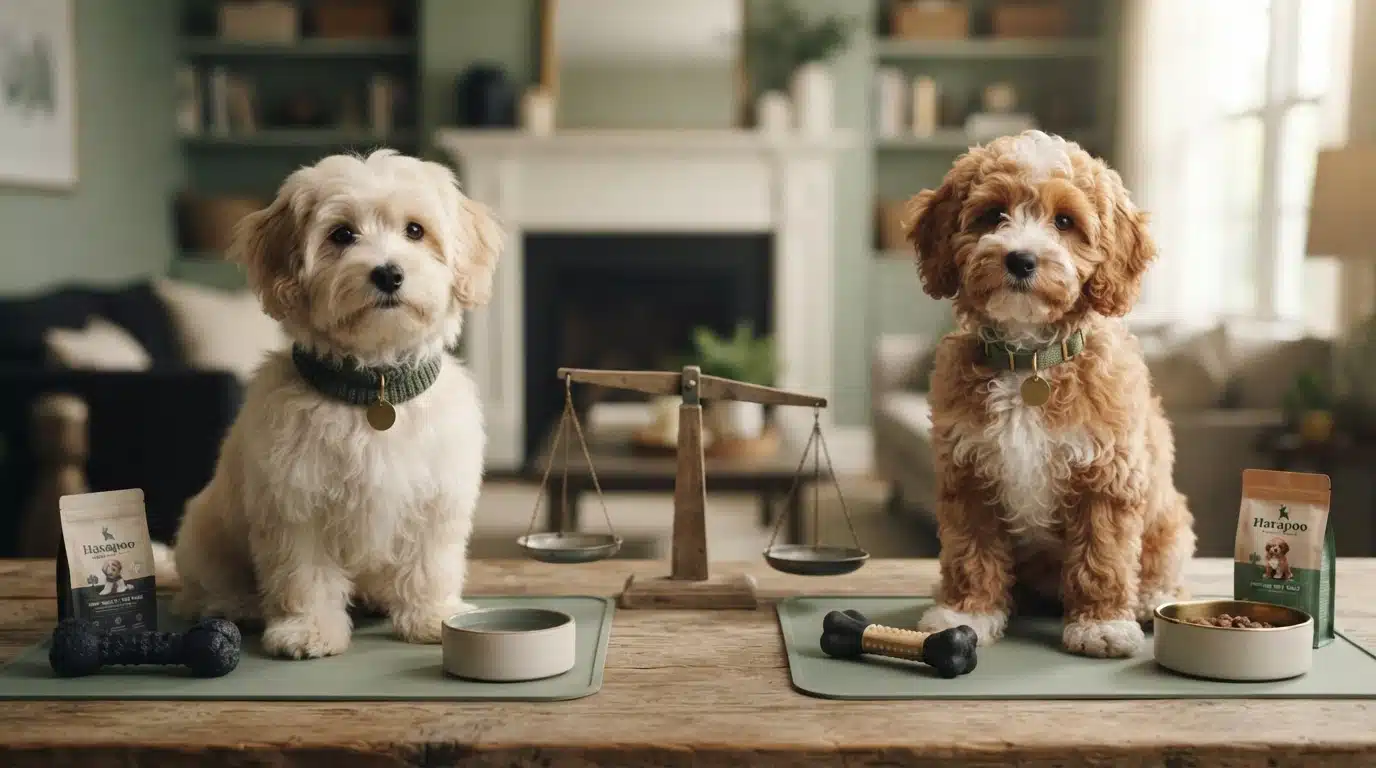
A Havanese and a Shih Tzu can both fit in a tote bag, and both have long hair and big personalities. On paper they look like the same purchase. In a real house they are not. This havanese shih tzu comparison shows where the two breeds part ways: the Havanese tends to pick up cues faster and keep moving, while the Shih Tzu settles into a slower, self-directed rhythm. If you are asking which small dog is easier, the Havanese usually edges ahead.
Breed charts answer size, not the real question: which dog fits your time and patience. We walk through grooming, training, health risk, energy and first-year cost, so you can judge the havanese shih tzu differences against your own home, not a description.
Havanese vs Shih Tzu at a Glance
| Havanese | Shih Tzu | |
|---|---|---|
| Grooming time | High, daily brushing and regular baths or professional trims | High, daily brushing plus frequent eye and face-area cleaning |
| Trainability | High, eager to please and quick with reward-based work | Moderate, food-motivated but more stubborn and self-directed |
| Health considerations | Long muzzle, so fewer breathing issues; watch eyes, knees and heart | Flat-faced, so more prone to breathing difficulty and overheating |
| Energy and exercise | Moderate, playful and still puppy-like into adulthood | Low to moderate, content with shorter walks and more lounging |
| Best for first-time owners | Strong match, especially for people who enjoy training | Good for calm households, less so for eager trainers |
| First-year cost of care | Grooming plus routine vet care, no specialty breathing care expected | Grooming plus added heat, airway and eye care costs |
How the Havanese and Shih Tzu Compare
Havanese
The Havanese is Cuba’s national companion breed: a cheerful, people-focused small dog with a silky double coat and a strong appetite for learning. It suits first-time owners who enjoy training, since Havanese dogs pick up reward-based work quickly. In any Havanese Shih Tzu comparison, its normal muzzle and lower breathing risk stand out early.
Key strengths
- Quick, eager learner
- Fewer flat-face health issues
- Playful energy well into adulthood
Shih Tzu
The Shih Tzu descends from ancient Chinese and Tibetan palace dogs, with a heavily coated body and a distinctive flat face. It fits calm households that want a laid-back companion rather than an eager training partner. Its flat-faced build brings extra grooming, heat and eye care into the picture.
Key strengths
- Content with short walks
- Affectionate, relaxed companion
- Food-motivated, so training sessions can work with patience
Which Small Dog Is Easier to Care For?

The honest answer for a first-time owner
For most first-time owners, the Havanese is a little easier to care for. In this havanese shih tzu comparison, both breeds are small, friendly and people-focused, but the Shih Tzu’s flat face adds breathing care needs and its eyes need daily attention. The Havanese is healthier overall, though neither breed is a low-effort dog.
| Care Area | Havanese | Shih Tzu |
|---|---|---|
| Grooming | Daily brushing, no tear-stain work | Daily brushing plus eye and fold care |
| Health | Sturdier, longer muzzle | Brachycephalic breathing risk in heat |
| Training | Quick, eager learner | Slower, more stubborn streak |
| Alone time | Struggles if left often | Similar, both crave company |
What actually makes a small dog easy to live with
Ease is not just coat care. The easiest small dog fits your schedule, energy and patience level. Both breeds need daily grooming, company and consistent, reward-based training for small breeds. The difference is where the work lands: the Havanese asks more of your training time, while the Shih Tzu asks more of your maintenance time and heat awareness. If you want questions to ask about Havanese health and breeding before you commit, a health tested Havanese breeder guide covers them.
Your first ninety days, side by side
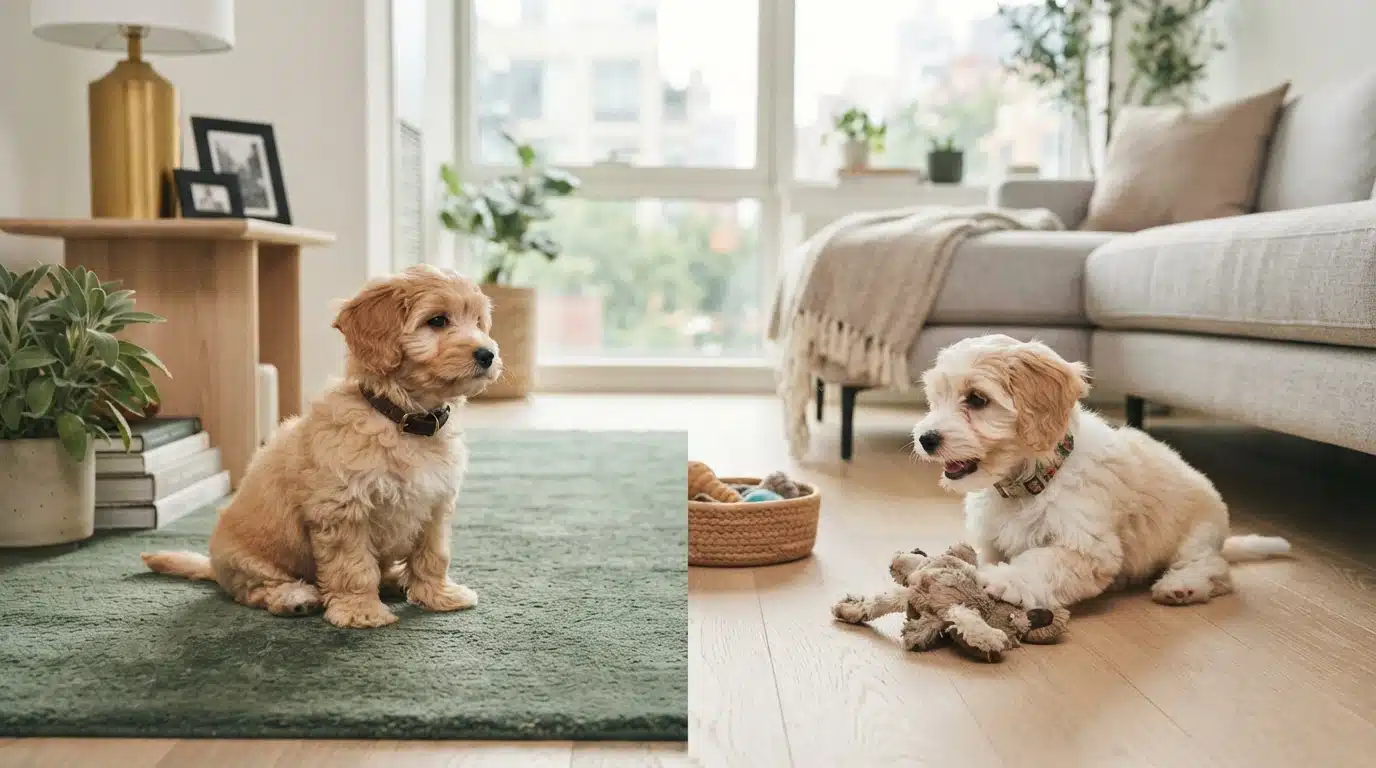
Expect the same shape of start either way: crate setup, potty routines, short training sessions and grooming from week one. The Havanese puppy usually picks up house rules faster. The Shih Tzu puppy needs gentler handling in warm weather and more eye care, so budget extra minutes each day.
Havanese and Shih Tzu Respond Differently
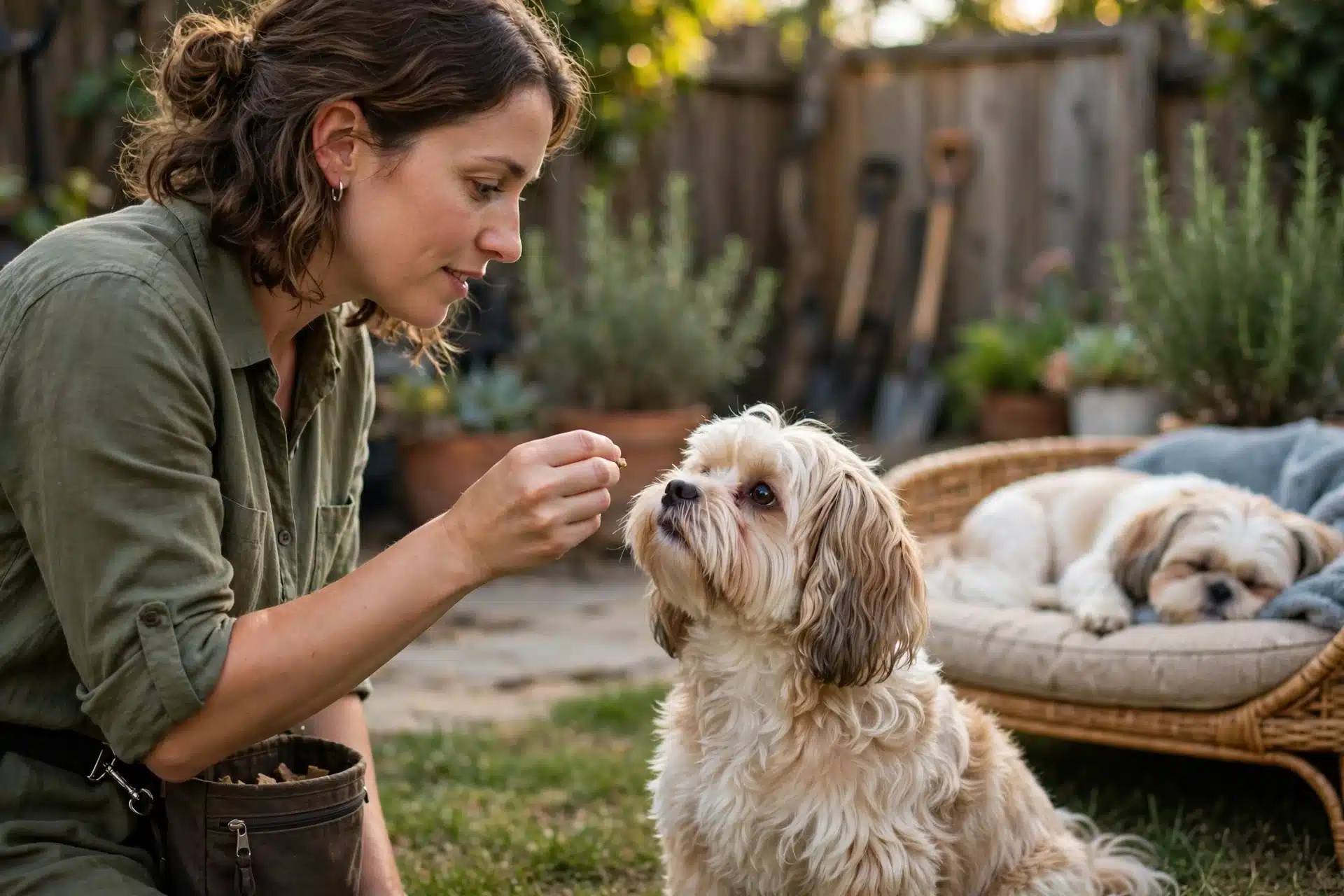
Short answer: the Havanese is usually easier to train. Both breeds are smart, but the Havanese lives to be with you, so praise and treats work fast. The Shih Tzu was bred to nap on laps in palaces, not to please a handler, so it listens well when it feels like it. Reward-based training for small breeds works for both; the difference is how much patience you need.
| Cue | Havanese | Shih Tzu |
|---|---|---|
| Learns new commands | Often in a few short sessions | Slower, needs repeats |
| Recall outdoors | Strong once bonded | Unreliable off-leash |
| Motivation | Food, praise, play | Food, plus quiet stubbornness |
Which one picks up cues faster
The Havanese usually wins this round. It is a people-focused breed that watches your face and repeats what earns a reward, so basic cues like sit, come, and down come together quickly. Shih Tzus learn the same things but on their own timeline. They test whether the cue is worth their effort. Neither breed needs harsh corrections; both respond best to short, upbeat sessions of five minutes or so.
House-training is the real test for both breeds
House-training trips up owners of both breeds, mostly because small puppies have tiny bladders. The Shih Tzu tends to be the harder of the two, and trainers list it among the more challenging breeds to potty train, as Zoom Room’s Shih Tzu training guide explains. Havanese puppies still need a strict schedule, frequent potty trips, and crate support. The same routine we walk through for crate training a Havanese puppy works well here: out after meals, naps, and play, then reward the right spot immediately.
Grooming and Coat Maintenance
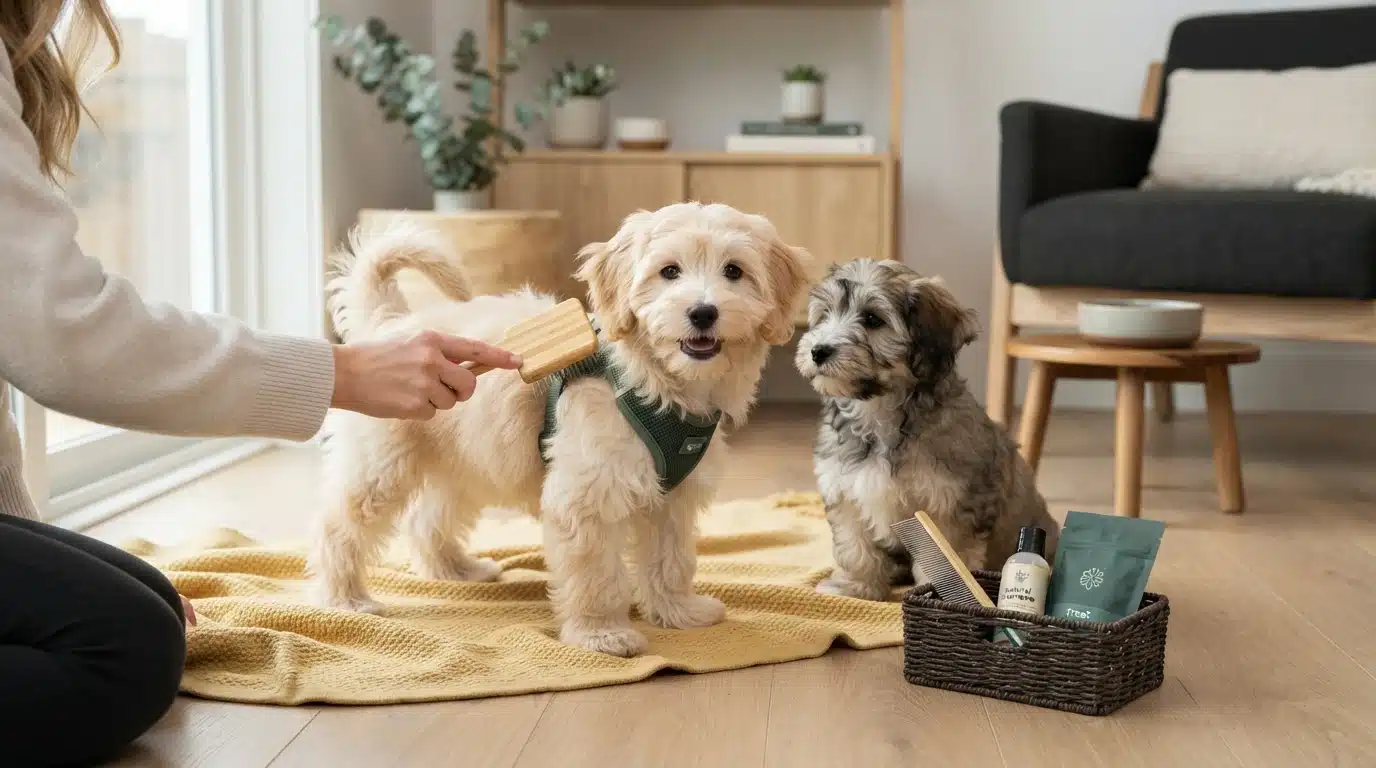
How much grooming do these two need? Both breeds ask for a similar routine every week: daily brushing to stop mats, a full brush-out twice a week, wipes around the eyes, a bath every two to three weeks, and a trim every four to eight weeks.
- Brush the coat daily, five to ten minutes.
- Wipe under the eyes each evening.
- Give a full brush-out before baths.
- Bathe every two to three weeks.
- Book a professional trim every month or two.
| Task | Havanese | Shih Tzu |
|---|---|---|
| Daily brushing | Needed | Needed |
| Eye-area care | Light | Daily, due to flat face |
| Full professional groom | Every 4-8 weeks | Every 4-6 weeks |
| Coat type | Silky double coat | Dense double coat |
Two different coats, one similar time commitment
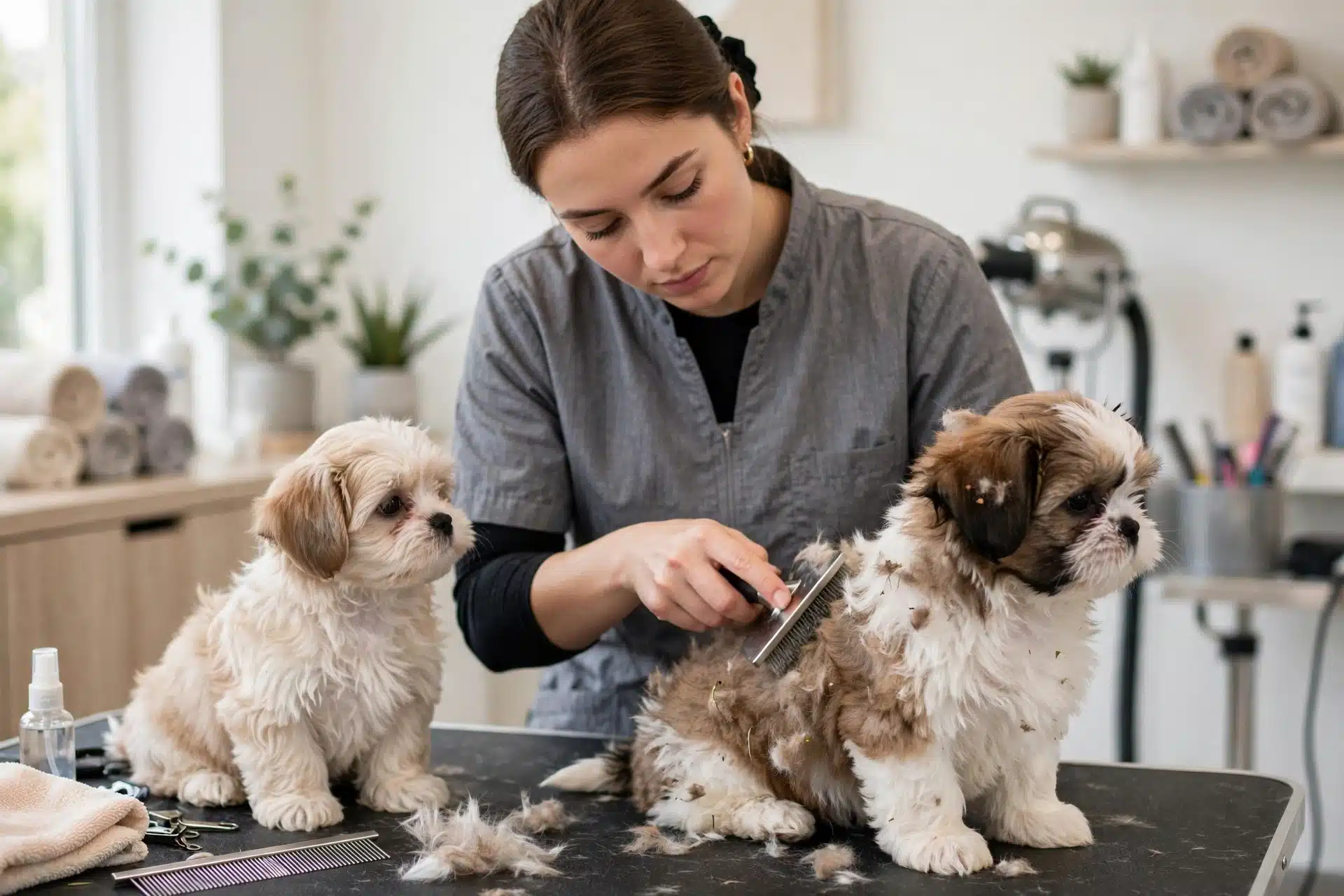
The Havanese has a light, silky double coat that tangles in soft clumps, so a slicker brush and a metal comb keep it ahead of mats. The Shih Tzu carries a thicker coat that holds debris and knots faster, especially under the ears and belly. Either way, plan on brushing most days. Skip three days and both coats mat.
The face-care difference most owners underestimate
Coat care gets the attention, but faces cause more day-to-day work. A Shih Tzu’s flat face traps moisture, so eyes weep daily and need wiping to prevent staining and skin irritation. The brachycephalic breathing risk in flat-faced breeds also means keeping face folds clean and dry. A Havanese’s longer muzzle leaves the eye area easier to manage.
Budgeting grooming honestly
Full professional grooms commonly run $60 to $100+ per session for either breed, so six visits a year can top $500. Add brushes, comb, detangler, and wipes. Before you commit, browse a pricing and reservation page like Sage Puppies’ to see what puppy costs look like beyond grooming.
(Note: internal links require actual brand pages – swap in real Sage Puppies URLs, e.g. grooming prep or Havanese care article, before publishing; the sentence text can stay but the [link] markers must point to live pages.)
Health, Longevity and the Long-Term Picture
Why the flat face changes daily life
The Shih Tzu’s short skull makes it brachycephalic, a structure linked to narrowed nostrils and airway obstruction. That shows up in everyday moments, not just vet visits. Snoring, heat sensitivity and a low tolerance for hard exercise are common, and protruding eyes face higher risk of ulcers and dry eye. A UK study also found elevated eye problems in the breed. Plan shorter summer walks and keep water handy.
The Havanese health picture, without the myth
The Havanese is not problem-free, so resist the “healthy teddy bear” myth. Responsible breeders screen for heart issues, eye disease, patellar luxation and inherited deafness. With good screening and care, Havanese often live well into their teens. Ask a breeder for test results on both parents, and review the Havanese health tests worth asking about before you fall in love with a litter photo.
Health testing should come before breed preference
Whichever breed you choose, paperwork matters more than charm. A serious breeder shows verifiable health testing records, not just vaccination dates. Breed preference can wait; proof of screening cannot. That single habit protects you more than any breed comparison.
Energy, Apartments, Kids and Everyday Logistics
Living in an apartment or a busy house
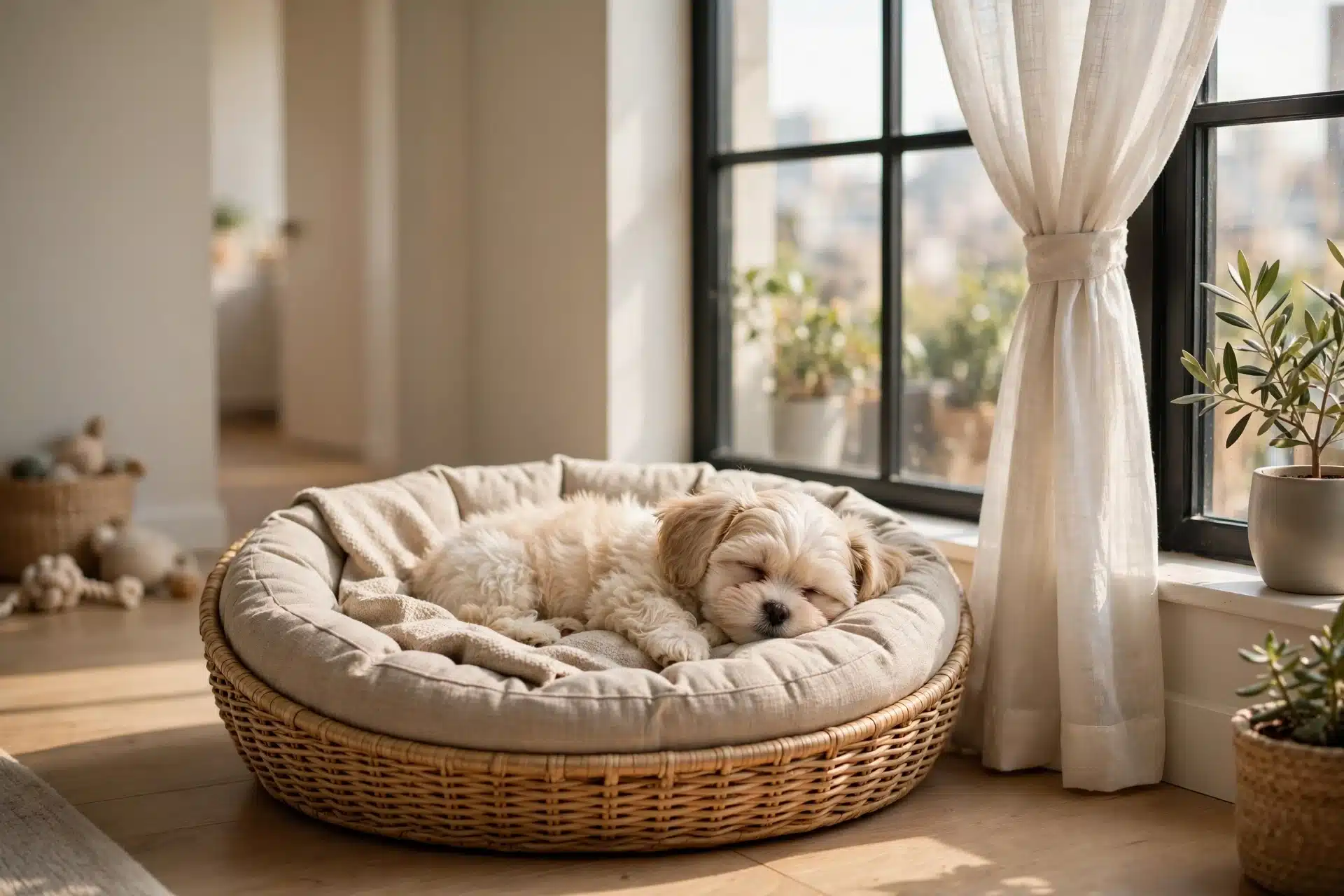
Both breeds are small enough for apartment living, but they handle noise differently. A Havanese tends to stay calm indoors once exercise needs are met, and it barks less at hallway sounds. A Shih Tzu is also quiet, though its flat face means it overheats faster, so keep summer walks short. Either dog fits a busy house if it gets a settled nap spot away from foot traffic.
With children and with other pets
Both breeds usually do well with gentle, respectful kids. The Havanese is a bit sturdier and often more playful, which suits families with young children. The Shih Tzu can be patient too, but its eyes are more exposed, so supervise rough play. With other pets, neither breed is strongly reactive; slow introductions over a week or two work for both.
Travel, schedule and cost of care
Neither breed likes long hours alone, so plan a midday visit if you work away from home. Both travel well in a car harness. Ongoing costs look similar: food and vet care are close, and grooming is the big line item. As noted earlier, full professional grooms run $60 to $100+ every 4 to 8 weeks, so budget roughly $500 to $900 a year.
Choosing Where Your Puppy Comes From
A great breeder match matters as much as the breed choice. Both breeds are popular, so plenty of listings look similar on the surface. The difference shows up in how a program raises, socializes and screens its puppies.
What a good breeder experience actually looks like
Expect clear answers about health testing on the parents, early socialization at home, and a written process for matching puppies to families. Good programs ask you questions too, because temperament fit runs both ways. You should see where puppies live, meet the mother when possible, and get ongoing support after pickup or delivery.
Havanese, Havapoo and Cavapoo families in Utah
Families searching for a Havanese puppy near me in Utah can often meet the litter in person before deciding. A small, owner-run program like Sage Puppies in South Jordan focuses only on Havanese, Havapoo and Cavapoo, with local pickup and national delivery options. Havapoo and Cavapoo puppies also work as a middle path when you want the Havanese temperament with a slightly lower-maintenance coat.
Questions worth asking before you apply
Ask which health tests the parents passed, how puppies are socialized, what the contract covers, and what support looks like after you bring your puppy home. Then compare answers across programs before you commit.
Which Should You Choose: Havanese or Shih Tzu?
So, are Havanese or Shih Tzu better for first-time owners? Here’s the short answer: the Havanese usually wins on trainability and stamina, while the Shih Tzu wins on calm indoor energy. Both are loving, small, and manageable. Your lifestyle decides it.
Choose the Havanese if
- You want a dog that learns quickly and picks up house training faster
- Your household is active, with kids who want a playmate that keeps up
- You prefer a lighter-shedding coat and can commit to a Havanese double coat grooming schedule
- You have time for daily play and short training sessions
The Havanese is a social breed. Leaving it alone all day is the main mismatch to watch for.
Choose the Shih Tzu if
- You live in an apartment or want a calmer, more settled companion
- Your schedule means shorter outings and more couch time
- You enjoy a lap dog with a stubborn streak and a big personality
- You accept the brachycephalic breathing risk in flat-faced breeds and will keep exercise gentle in heat
The Shih Tzu tolerates quiet households well, but its flat face means closer monitoring in warm weather.
When a Havapoo or Cavapoo makes more sense
If you want a middle path, a Havapoo or Cavapoo blends companion-breed temperament with a low-shedding coat. Some first-time families find the mix easier to train than either parent breed. Since Sage Puppies raises Havanese, Havapoo and Cavapoo puppies in South Jordan, Utah, that’s a natural next read.

If the Havanese sounds like your match, Sage Puppies can help you meet one. Cassie’s boutique program offers Havanese puppies with owner-managed matching, local pickup in South Jordan, Utah, and nationwide delivery. Start with the application and ask your questions early.
Frequently Asked Questions
Q1: Is a Havanese or Shih Tzu easier to care for as a first pet?
The Havanese is usually a bit easier. Its longer muzzle means fewer breathing issues, and the eye area needs less daily work. Both breeds need daily brushing, so neither is low-effort.
Q2: Which is easier to train, a Havanese or a Shih Tzu puppy?
The Havanese, generally. It learns new cues in a few short sessions and has better recall. A Shih Tzu learns the same commands but needs more patience and repetition.
Q3: Are Havanese or Shih Tzu better for first-time dog owners?
Havanese for eager trainers and active families; Shih Tzu for calm households that prefer a relaxed lap dog and shorter walks.
Q4: How much does grooming cost each year?
Plan on $500 to $900, with professional grooms running $60 to $100+ every four to eight weeks for either breed.
Q5: Can either breed stay home alone while I work?
Neither handles long hours well. Both are companion breeds, so arrange a midday visit or dog walker if you work away from home.
Conclusion
The Havanese usually edges ahead on ease: faster training, quicker house-training, and a longer muzzle that skips the brachycephalic breathing risk in flat-faced breeds. The Shih Tzu suits calm homes wanting a settled lap dog, at the cost of extra eye care and heat caution. Both need daily brushing, real company, and reward-based training. Whichever you pick, breeder quality matters more than breed. Verified health testing, early socialization, and honest matching matter more than any chart, so ask those questions first and let a well-bred puppy of either breed fit your household.