Quick Summary: Both Havanese and Havapoo puppies are deeply affectionate, but Havanese have a more documented, predictable people-focus, while Havapoos often add Poodle-driven independence and problem-solving. Choose a Havanese if someone is home much of the day and you want a constant companion; consider a Havapoo if you want a smart, trainable dog and can provide structure and enrichment. Neither breed suits long days alone, and each puppy’s handling, socialization, and temperament matter more than its breed label.
Ask about havanese vs havapoo affection and you get the same three adjectives on both listings: sweet, gentle, family-friendly. That helps nobody. Here is the straight version. The Havanese carries centuries of documented companion history, and breed club material generally describes it as more intensely people-focused. The Havapoo often pairs that same sensitivity with a bit of Poodle independence and problem solving. Both breeds bond deeply, and neither label predicts how one individual puppy will attach to your family.
This guide breaks the question into what breed standards and veterinary references actually support, how each dog handles time alone, and which household routines fit which puppy. You will finish with a pick by lifestyle, not by marketing copy, plus the questions worth asking about the specific puppy in front of you. As a small-breed program raising both in South Jordan, Utah, we see these differences in daily puppy life, and we will separate documented evidence from honest observation.
Havanese vs Havapoo Affection and Temperament at a Glance
| Havanese | Havapoo | |
|---|---|---|
| Affectionate style | Strongly people-focused companion breed, often described as a Velcro-type dog | Affectionate and friendly, often with more independent problem solving than the Havanese |
| Separation tolerance | Close companion breed that generally dislikes long periods alone | Enjoys human company; can vocalize or act out when left alone too long |
| Trainability and attention needs | Highly trainable with positive reinforcement; often eager to please and people-oriented | Clever and quick to learn; benefits from consistent, varied mental work |
| Grooming and daily handling | Long silky double coat needing regular brushing or trimming; daily handling time | Wavy to curly coat with regular brushing needed to prevent matting |
| Best household fit | First-time owners, apartments, families wanting a consistently people-oriented companion | Owners who want a smart, trainable companion and can offer enrichment and structure |
How Havanese and Havapoo Puppies Compare
Havanese
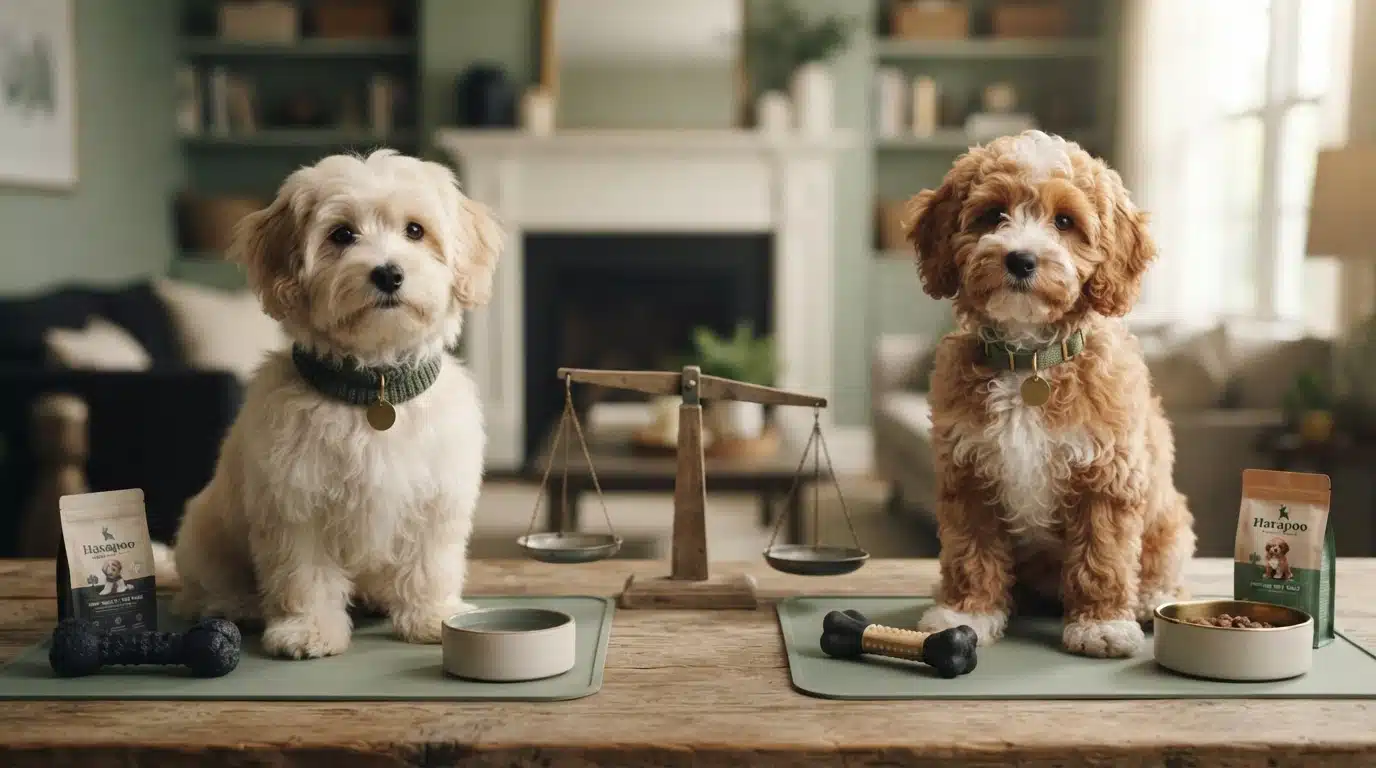
The Havanese is an AKC-recognized purebred from Cuba, bred chiefly for companionship. Breed club material describes it as affectionate with family, good with children, and easy to train with positive methods. In the havanese vs havapoo affection question, this breed is the baseline: a strongly people-focused, often Velcro-type companion.
Key strengths
- Consistently people-oriented temperament
- Highly trainable and eager to please
- Suits first-time owners and apartments
Havapoo
The Havapoo crosses the Havanese with a Toy or Miniature Poodle, pairing Havanese warmth with Poodle intelligence. It suits owners who want a clever, trainable companion and can offer enrichment and structure. Its affectionate, sensitive nature comes with a bit more independent problem solving.
Key strengths
- Quick to learn and eager for mental work
- Affectionate, friendly, and responsive
- Wavy to curly coat needs regular brushing
Which Is More Affectionate, a Havanese or a Havapoo?
The Short Answer for Most Families
Both breeds are deeply affectionate, so there is no clear winner. The Havanese is the more documented of the two because it has an official breed standard that prizes a sweet, people-focused nature. The Havapoo, a Havanese-Poodle mix, is bred for the same companion temperament, but individual puppies vary more because Poodle genes add their own twist. If you want a dog that follows you from room to room, either choice fits. What matters more is how a specific puppy is raised and socialized in its first weeks, not the label on its pedigree.
What Breed Standards and Veterinary Sources Actually Say
The Havanese has written proof of its cuddly reputation. The AKC breed profile describes the Havanese as a cheerful companion dog, and the official breed standard lists the temperament as friendly, playful, alert and intelligent with a sweet disposition. The breed is so people-oriented that owners often call it a velcro dog.
The Havapoo has no such standard. As a hybrid, it is not recognized by major kennel clubs, so claims about its affection come from breeder experience rather than formal documents. That is why evaluating the individual puppy, and asking breeders good questions, matters so much. It is how you judge temperament when no standard exists.
How Each Breed’s History Shaped Its Attachment Style
The Havanese: A Companion Breed by Design
The Havanese earned its affection through centuries of one job: being with people. The breed developed in Cuba from Bichon-type ancestors and became the national dog of Cuba, living in wealthy households as a cherished lap companion, according to the AKC breed profile. That history matters for attachment. Dogs bred for generations to sit near a person, follow them from room to room, and entertain guests do not need training to want closeness. It is built in. A Havanese puppy tends to bond quickly with every family member rather than fixing on one person, because its working “task” was always people themselves. That is why the breed is sometimes called a velcro dog. If you are comparing breeders, our guide on questions to ask a Havanese breeder covers what to look for.
The Havapoo: Companion Temperament Plus Poodle Problem Solving
The Havapoo is a newer cross between the Havanese and the Poodle, so its attachment style blends two histories. From the Havanese side, it inherits the companion instinct: the pull toward people, the eagerness to please. From the Poodle side, it inherits a working heritage. Poodles were water retrievers, bred to think, solve problems, and work closely with a handler. In daily life, that mix often shows up as an affectionate dog that also watches you. A Havapoo may figure out routines, anticipate walk times, and check in during play instead of just melting into your lap. Both breeds want closeness; they express it differently.
Attachment in Daily Life: Following, Lap Time, and Being Alone
Affection is not just cuddles on the couch. It shows up in where your puppy walks, how it naps, and what happens when you leave the room.
Contact-Seeking and Following Behavior
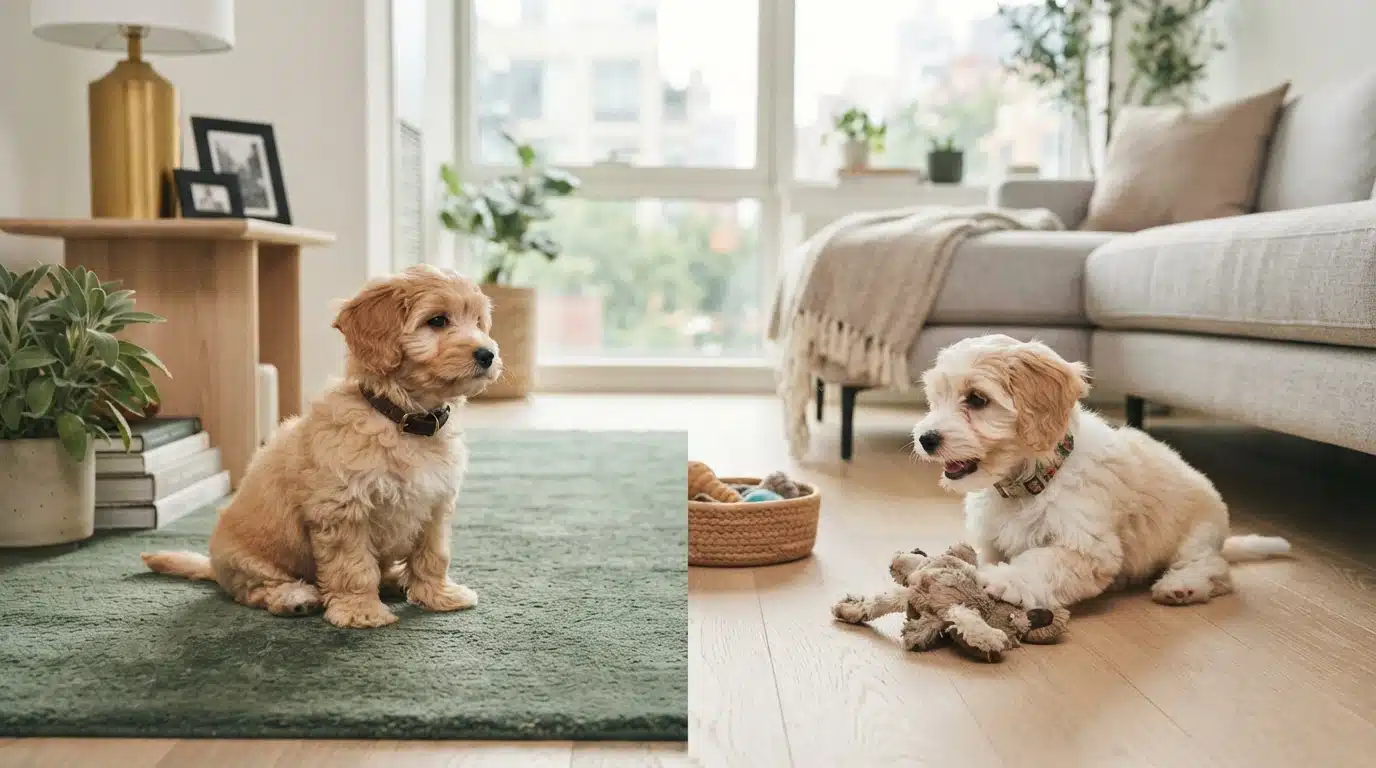
Havanese earned the “velcro dog” nickname for good reason. Bred as Cuban companion dogs, they stick close and often follow you from kitchen to hallway to bathroom door. Their affectionate nature is well documented in breed profiles. Havapoos usually stay near you too, though the Poodle mix can give them a bit more independence. Some will settle across the room after checking in. Either way, expect a small shadow in the first months.
How Each Breed Handles Separation
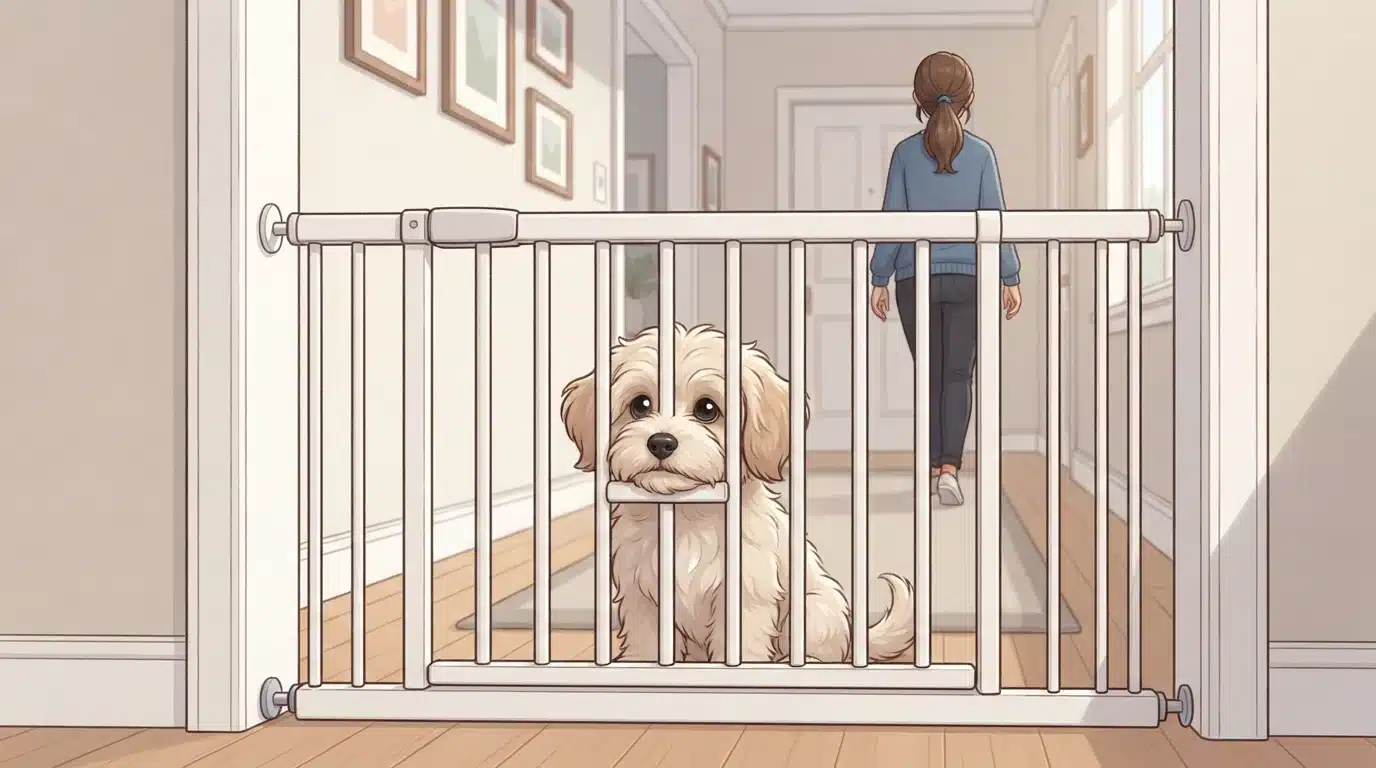
Both breeds want company, so long hours alone are hard on them. A Havanese left alone all day may whine, pace, or learn to dread your exit. Havapoos share this trait, but the mixed background sometimes softens it. Honest breeders of both will tell you these are companion dogs, not dogs for a household gone ten hours daily. If your schedule demands long absences, plan a midday visit or dog walker now, not after problems start.
Bonding Routines That Build or Frustrate Attachment
Short, predictable routines build security. Feed on a schedule, practice brief departures, and reward calm settles on a mat. Avoid making every reunion a party. Calm greetings teach your puppy that you always come back, which is the real foundation of a confident, affectionate adult dog. More on those first weeks in Sage’s first 30 days guide.
Training, Attention Needs, and How Affection Is Expressed
Learning Style and Mental Work
Both breeds learn fast, but they learn through you. Havanese and Havapoos both score well on willingness to please, and the Havapoo’s poodle side adds quick problem-solving, according to the AKC breed profile. Keep sessions short, about five minutes, and use treats and praise. Both breeds pick up routines fast but slump with harsh corrections. They would rather quit than push back. Mental work matters as much as walks. Sniffing games, puzzle feeders, and trick training tire them out and deepen the bond. A bored Havanese invents games you will not enjoy, like barking at every window.
Sensitivity and Responsiveness to Household Mood
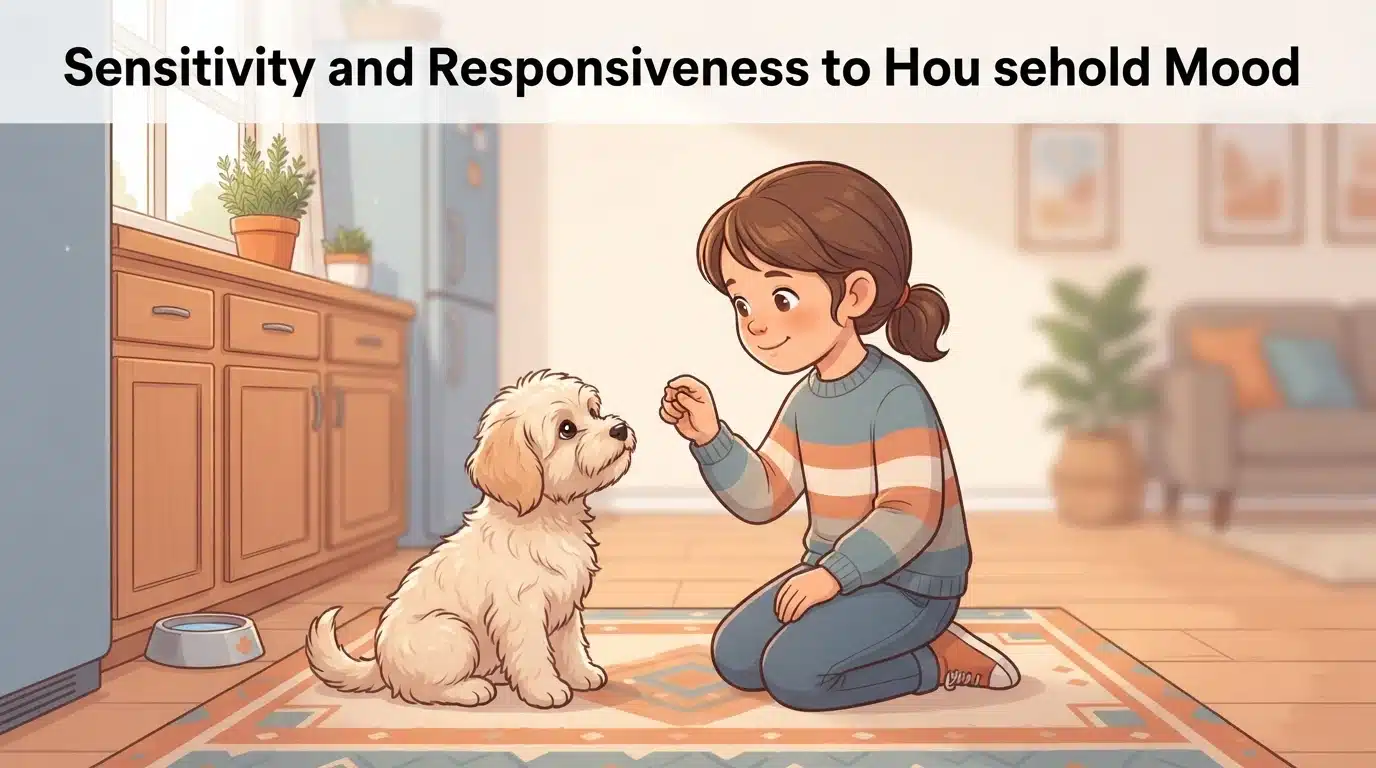
Affection looks different in each breed. A Havanese follows you room to room, climbs into laps, and wants physical contact almost constantly. A Havapoo often shows love by watching you, leaning against your leg, and checking in during play. Both read the room well. They notice tension, raised voices, and sad moods, then adjust. That sensitivity makes them wonderful companions and soft trainees. Both breeds also struggle when left alone all day, so plan for company, dog walkers, or a midday visit. Breeders who raise litters in the home, the way Sage Puppies does, start this social learning early.
Both breeds attach to people, not places. Wherever you go in the house, expect a shadow close behind.
Grooming, Handling, and the Daily Bonding Window
Coat Type and Brushing Reality
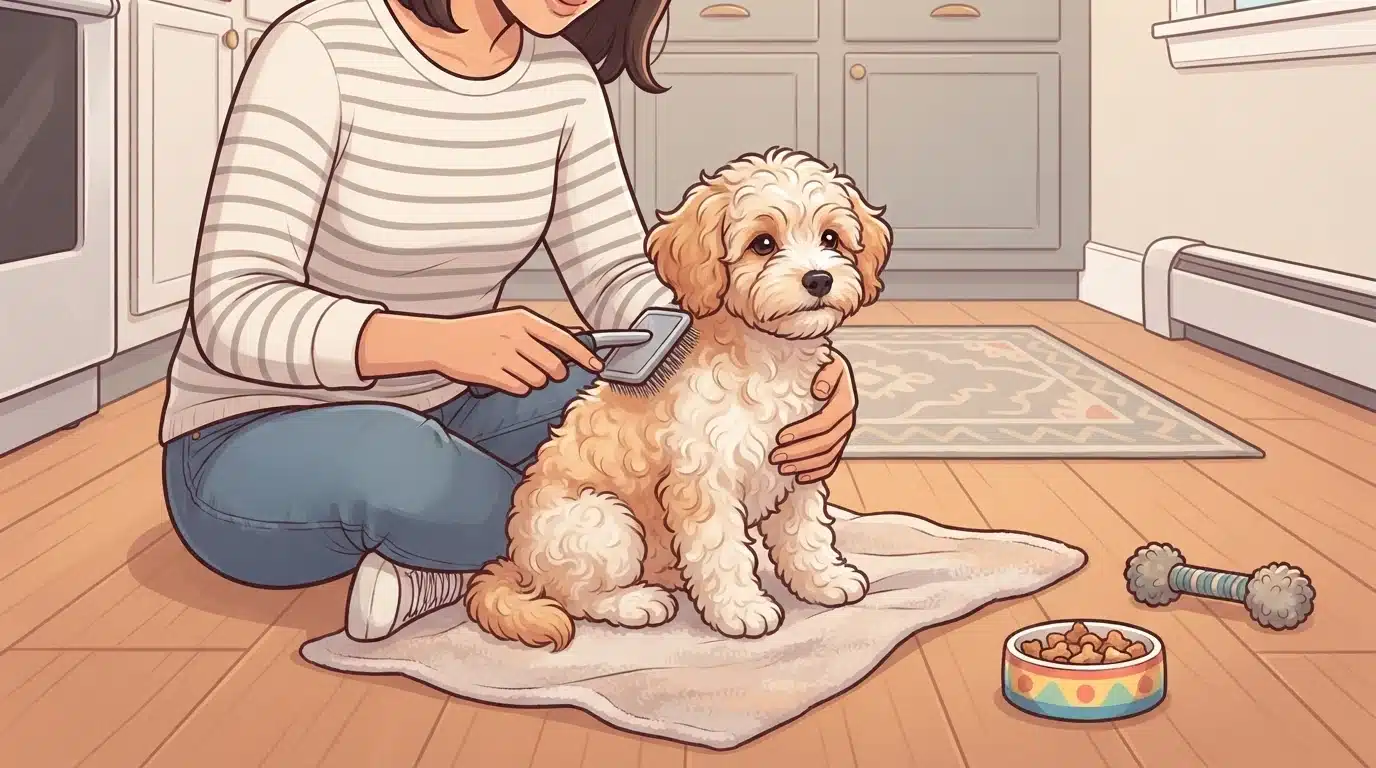
Both breeds carry hair rather than fur, so they shed very little. That is the good news. The trade-off is brushing, because the soft coat mats fast when it is neglected. Plan on a full brush-out several times a week for a Havanese, and daily passes through the armpits, behind the ears, and under the harness line for a curly Havapoo. Poodle genes tighten the curl, and tight curls hide tangles until they turn into mats. A pin brush and a metal comb do most of the work. The comb matters most, since it finds the tangles a brush glides over.
Shared Care as a Bonding Practice
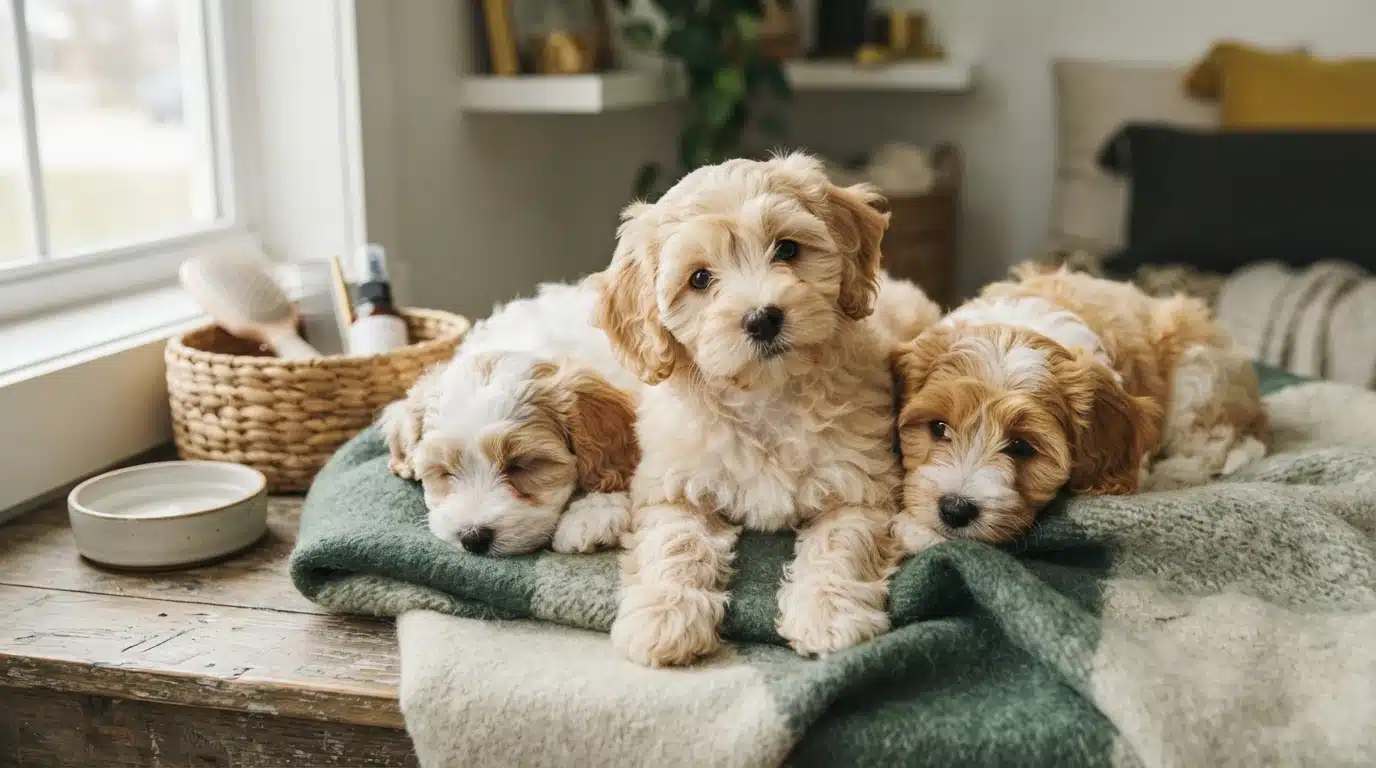
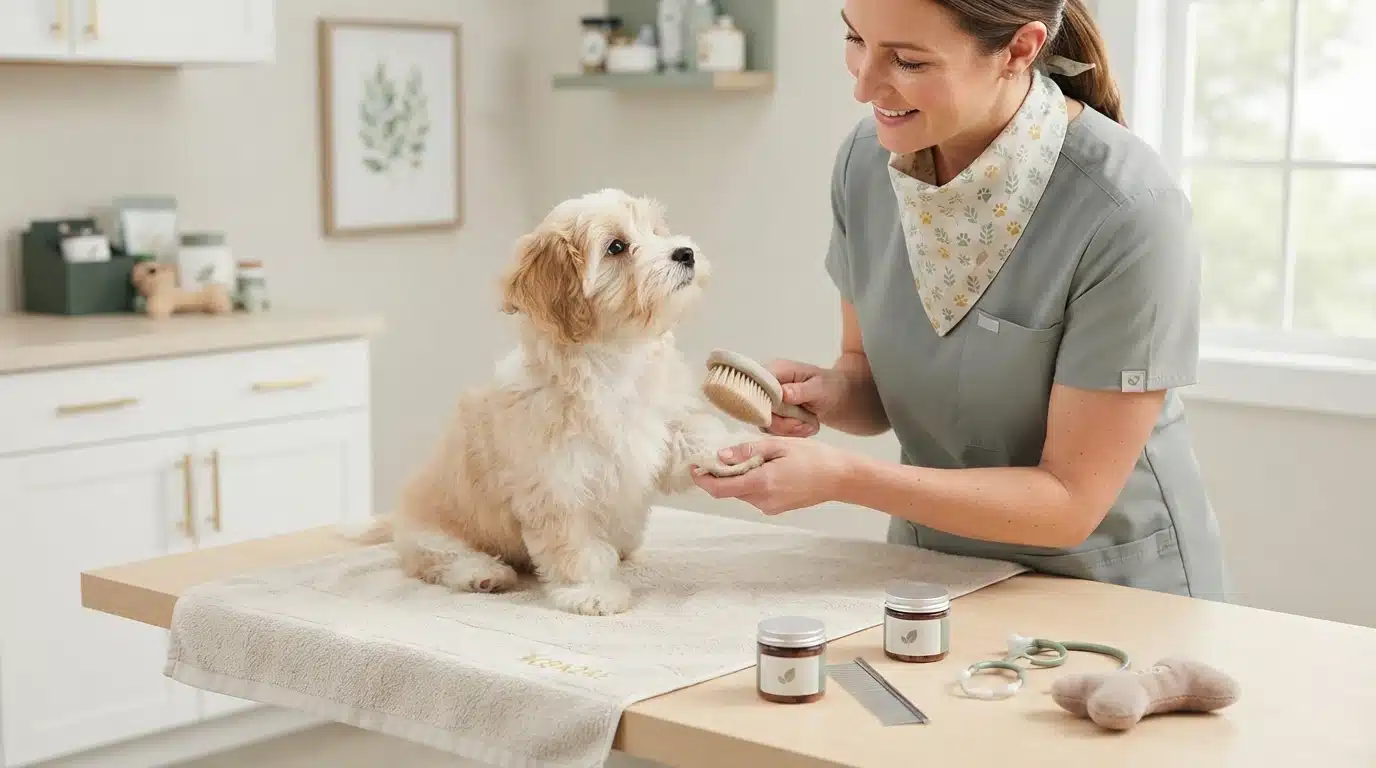
Grooming is not just upkeep. It is the most reliable bonding window you get each day. Ten calm minutes on the floor, with treats and slow hands, teaches your puppy that being touched is safe. Work through paws, ears, belly, and tail in short sessions, and stop before your puppy gets wiggly. Both breeds attach hard to their people, so the dog that trusts your hands will seek you out afterward. For the full routine, tools, and timing, Sage’s Havanese puppy grooming guide walks through each step.
Choosing for Your Household: Matching Affection to Lifestyle
Both breeds love hard. The difference is how that love fits your week, your work hours, and your family’s rhythm. Ask a few blunt questions before you fall for a face.
Household Questions That Decide It Faster
Start with time away from home. A Havanese expects you nearby and follows you from room to room, so long solo days can strain the bond. A Havapoo tolerates short absences a bit better, though neither breed suits a household gone ten hours.
Next, count the hands on deck. Young kids mean a sturdier, calmer puppy matters more than a clingier one. Then consider noise limits, since both breeds bark when excited or alert.
Finally, decide honestly whether a heavier-shedding coat would frustrate you. Allergy sensitivity varies by family, so ask breeders what they actually see rather than trusting blanket claims.
What to Verify Before You Commit
Meet the parents when you can. Temperament is partly inherited, and a confident, people-focused mother usually raises confident puppies.
Ask each breeder these questions:
| Question | What a Good Answer Sounds Like |
|---|---|
| How do you socialize puppies? | Daily handling, household sounds, new surfaces |
| Can we visit or video call? | Yes, willingly, with advance notice |
| What health testing is done? | Specific tests, in writing, for both parents |
| What support comes after pickup? | A clear contact and honest guidance |
A smaller program like Sage Puppies can walk you through both breeds’ daily differences before you choose, which matters more than any comparison chart. Trust what you observe over what a website promises.
Which Should You Choose: Havanese or Havapoo?
Both breeds love people, so the better question is which kind of love fits your home.
Choose the Havanese If…
You want a proven track record. The Havanese is an established breed with a predictable temperament: outgoing, clingy in a good way, and eager to greet everyone, including strangers. If you have guests often or want a dog who travels well, this consistency helps. You also get a predictable adult size and coat type, which makes grooming costs easier to plan. The trade-off is that Havanese are bred specifically for company, so they struggle more when left alone all day. If someone is home most of the time, a Havanese is an easy fit.
Choose the Havapoo If…
You like the Havanese personality but want some variety in the mix. Because a Havapoo crosses the Havanese with a Poodle, coat, size, and even how affectionate the puppy turns out can vary a bit litter to litter, as PetMD’s Havapoo overview notes. Some Havapoos lean calm and snuggly; others lean more Poodle, meaning sharper minds and a bigger need for play and training. Ask the breeder detailed questions about each puppy’s parents and daily behavior. If you enjoy that matching process and want a slightly curlier, often lower-shedding coat, the Havapoo rewards the extra homework.
Where to Go Next
Meet the puppies in person when you can. Both breeds show affection early, so watch how each puppy responds to you.

Decided which cuddler fits your family? See which Havanese or Havapoo puppies are available now at Sage Puppies, where Cassie’s owner-managed matching pairs you with the right pup. Browse the first 30 days guide too, then start your application and bring home a velcro companion raised with love.
Frequently Asked Questions
Q1: Which is more affectionate, a Havanese or Havapoo puppy?
Both bond deeply. The Havanese is more consistently people-focused, while the Havapoo adds Poodle independence. Individual upbringing matters more than the breed label.
Q2: Do Havapoos shed less than Havanese?
Both shed very little because they carry hair, not fur. Curlier Havapoos often shed slightly less but mat faster, so daily brushing matters more.
Q3: Which breed handles being alone better?
Neither suits ten-hour days. Havapoos sometimes tolerate short absences a bit better, but both need company, training, or a midday visit.
Q4: Are Havanese or Havapoos better with kids?
Both are gentle and adaptable. With young children, prioritize a calm, sturdy puppy over a clingier one, whatever the breed.
Q5: How do I tell if a puppy will be affectionate?
Meet it in person. Watch whether it seeks contact, follows you, and recovers quickly from handling. Ask how the litter was socialized.
Conclusion
Neither breed wins the affection contest outright. The Havanese brings a documented, centuries-long record as a people-focused companion, so its velcro tendencies are the most predictable. The Havapoo pairs the same warmth with Poodle smarts, which can mean slightly more independence and more litter-to-litter variation.
What matters most is how a specific puppy is raised, socialized, and matched to your household rhythm. Meet the puppy, ask about the parents, and watch how it seeks contact. Then choose the kind of closeness that fits your week: constant shadow or affectionate thinker.