Quick Summary: Buying a Havanese means verifying health testing, not chasing the lowest price. Families should expect to pay $2,200 to $3,500, confirm OFA, CHIC, and CERF/CAER records for both parents, and watch for red flags like vague health claims or pressure to send a fast deposit. Budget an extra $800 to $1,500 for setup and plan for grooming every four to six weeks, since coat care and training are the most common surprises new owners underestimate. The article walks through how to screen a breeder in an afternoon, prep the home before pickup, and read a written contract that protects the buyer, with Sage Puppies framed as one example of a program that documents this testing and shares health records upfront.
You searched Havanese puppies for sale and got forty listings, three sponsored ads, and one friend who swears by her breeder. Before you click the first cute photo, this is the buyer-side checklist experienced Havanese owners wish they had on day one.
Here is what buyers should know: a fair price, health testing you can verify, and a breeder who answers hard questions matter more than a pretty website. This guide walks through the full decision in one timeline, from spotting red flags to checking OFA and CHIC records to budgeting real costs. Think of it as the honest version of Havanese puppies for sale, what buyers should know, built for first-time families.You searched Havanese puppies for sale and found forty listings, three sponsored ads, and a friend who swears by her breeder. Before you click the first cute photo, you need the checklist experienced owners wish they had on day one.
So what should buyers actually know? Price ranges, health testing you can verify, and breeder red flags matter more than a polished website. This guide walks through the whole decision on one timeline. You will learn how to check OFA, CHIC and eye exam records, what Havanese puppies really cost in 2026, and which questions sort careful breeders from careless ones.
The advice comes from breeders who place Havanese, Havapoo and Cavapoo puppies with families nationwide, so it reflects how vetting works on both sides of the sale.
A 30-Second Havanese Refresher for Buyers
What a Well-Bred Havanese Actually Looks and Acts Like
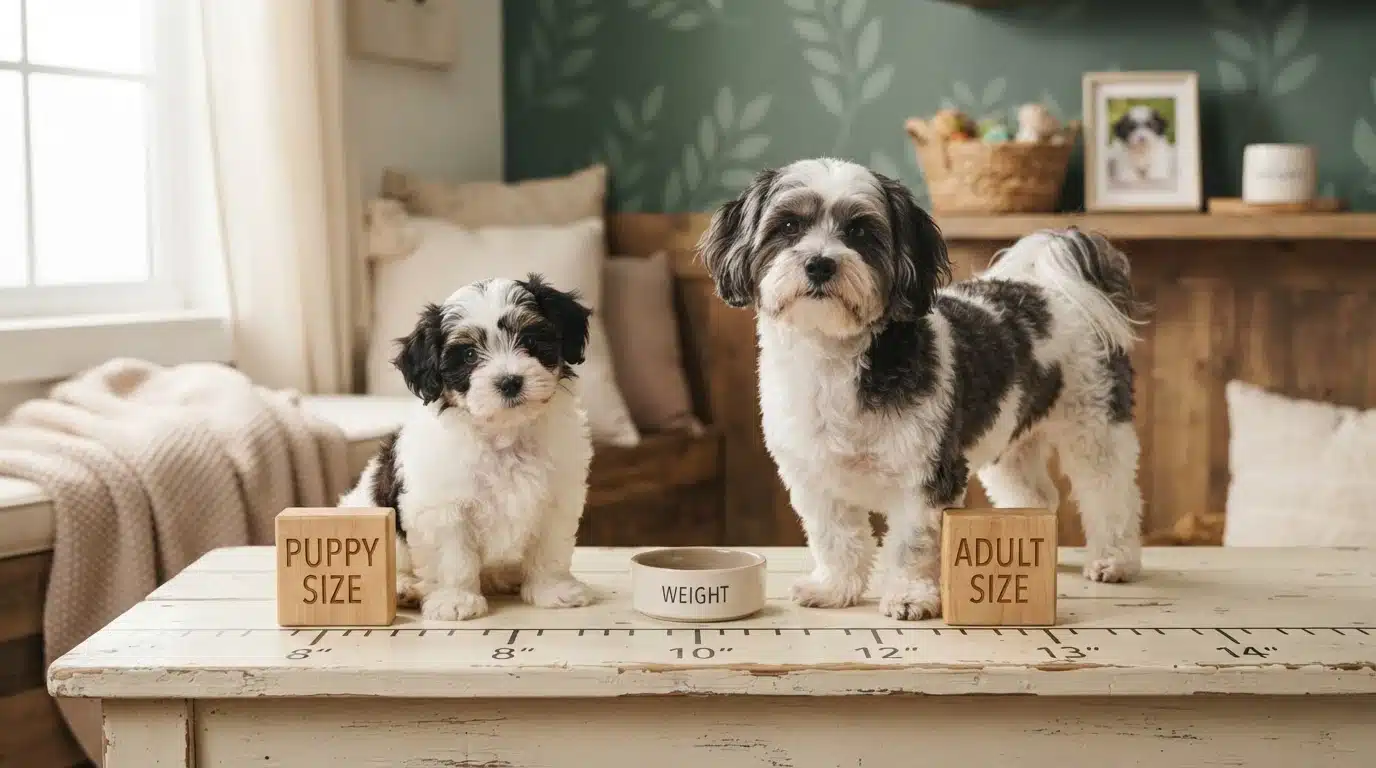
The Havanese is a small but sturdy companion dog, standing about 8.5 to 11.5 inches tall and weighing 7 to 13 pounds. According to the AKC breed profile, the breed is affectionate with family, good with young children, and gets along with other dogs. A well-bred puppy should be playful, people-focused, and never fragile or snappy.
Coat, Grooming, and Allergy Reality Check
Havanese have a long, silky double coat that sheds very little, which is why families often shortlist them. Low shedding is not the same as low work: plan on brushing several times a week and regular trims. No dog is truly hypoallergenic, so spend time around the breed before you commit if allergies are a concern. Our complete Havanese breed information guide covers coat care in depth.
How Havanese Compare to Havapoo and Cavapoo for the Same Family
All three breeds suit first-time owners and families, but they differ in coat and upkeep. The Havanese is the purebred option with a predictable size and temperament. The Havapoo and Cavapoo add poodle genes, which often means curlier coats and slightly more grooming. Any honest havanese puppies for sale: what buyers should know comparison comes down to grooming tolerance and how much predictability you want in size.
Pick the breed whose grooming reality fits your week.
The Real Cost of Buying and Raising a Havanese
Anyone comparing Havanese puppies for sale, what buyers should know first is that the purchase price is only the start. Budget for setup, grooming, vet care, and surprises over a 14- to 16-year life.
Sticker Price: What Health-Tested Havanese Puppies Actually Cost
Nationally, prices usually run about $2,200 to $3,000 from a breeder who health-tests both parents. Well-bred lines from dedicated programs can run higher. At Sage Puppies, for example, Havanese puppies are $3,500 to $4,500, which reflects documented health testing and hands-on raising. A suspiciously cheap puppy usually means skipped testing.
First-Year Setup Costs Beyond the Puppy
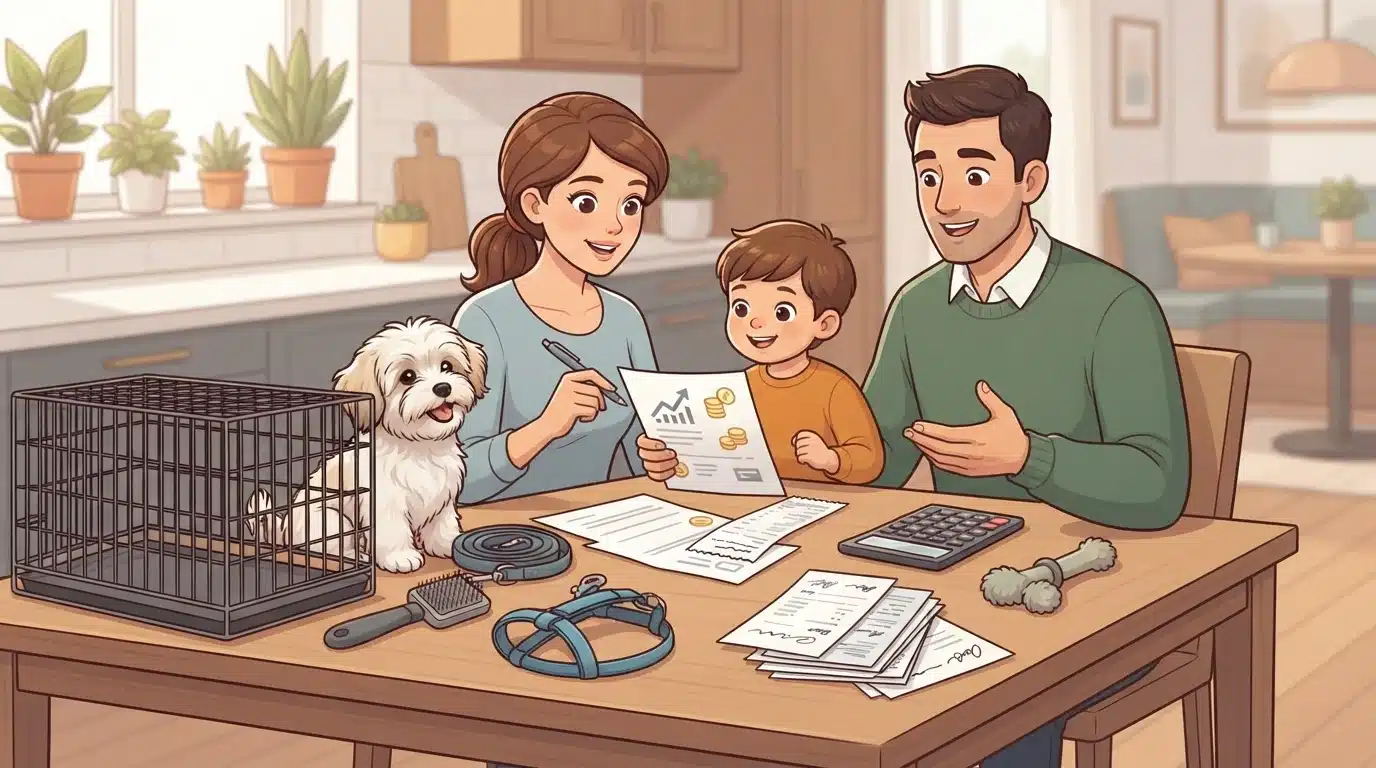
Plan on roughly $800 to $1,500 in first-year expenses, as a labeled example rather than a fixed quote:
- Crate, bed, gates, and toys: $200 to $400
- Starter vet visits and core vaccines: $200 to $400
- Spay or neuter: $200 to $600, depending on your vet
- Grooming tools and first professional grooms: $150 to $300
- Training classes: $100 to $300
Lifetime Costs: Grooming, Vet, Food, and the Big “What Ifs”
Havanese coats need professional grooming every four to six weeks, often $60 to $100 per visit. Add yearly vaccines, dental care, and quality food for a small breed, and many families spend $1,000 to $2,000 per year. Emergency care is the wildcard: a single unexpected surgery can cost thousands. Anyone researching Havanese puppies for sale, what buyers should know is that pet insurance in the first year costs far less than one crisis. That is why the upfront price of a health-tested puppy matters more than it looks.
How to Verify a Havanese Breeder in One Afternoon
You can screen most Havanese breeders in a single afternoon: one call, one website check, and one lookup on the OFA database. The breed is small enough that testing records are easy to share, so a breeder who stalls is telling you something.

Health Tests Every Havanese Breeder Should Be Able to Name
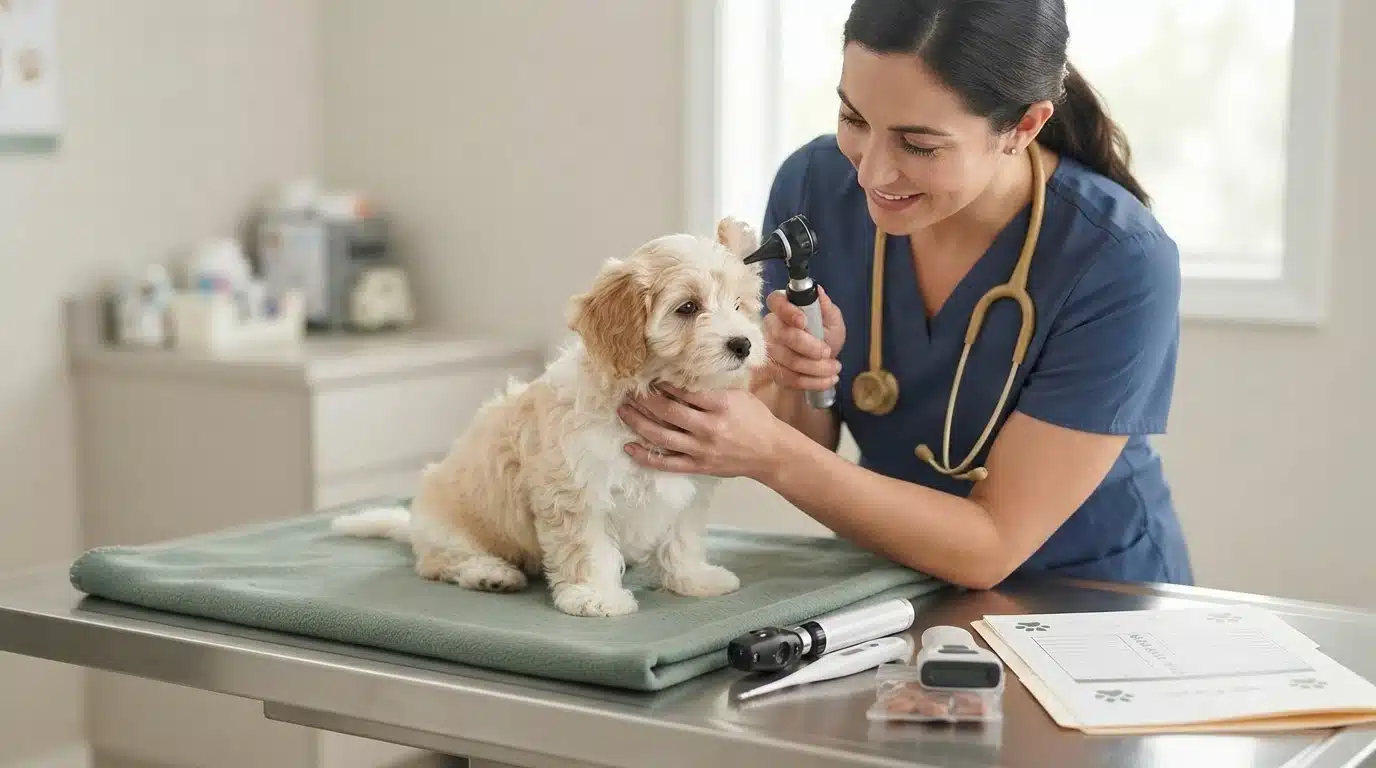
The Havanese Club of America lists three core tests: OFA hips, OFA patellas, and an annual eye exam through CERF/CAER. Good breeders also mention BAER hearing tests and cardiac checks. If a breeder can only offer “the vet said they’re healthy,” keep looking. Healthier Havanese puppies for sale start with tested parents, and buyers should know that any serious program documents this.
How to Read OFA, CHIC, and CERF Records Yourself
Go to ofa.org and search the dam’s and sire’s registered names. A CHIC number means the dog completed the breed’s required tests, though results stay visible even when they fail. Look for patellas rated “normal,” hips with a fair or better score, and a current eye exam. Ask the breeder to send copies of each certificate before you place a deposit.
Questions to Ask and What Good Answers Sound Like
Call and work through this list:
- “What tests did both parents pass?” Good: names each test and offers certificates. Bad: “We’ve never had problems.”
- “Can I see the CHIC numbers?” Good: shares them or explains why one is pending.
- “Have you had patellar luxation or heart issues in your lines?” Good: honest, specific history.
- “Where do the puppies live?” Good: describes the home, socialization, and daily handling.
A breeder who answers easily usually has the paperwork ready. That same transparency is what you should expect from anyone you talk with, including us at Sage Puppies, where health records are shared before you apply.
Spotting Red Flags Before You Send a Deposit
Anyone searching Havanese puppies for sale – what buyers should know usually starts with the listing. Read it closely, because the warning signs show up early.

Listing Red Flags You Can See Before You Contact Anyone
Watch for listings with more than one breed available, no parent photos, or a price far below the normal $2,200 to $3,000 range. Vague answers like “shipped to your door, no pickup needed” and listings that push you to pay fast are also warning signs. So is a breeder who cannot name the vet their dogs use.
Conversation and Contract Red Flags
When you talk or email, ask direct questions. A responsible breeder answers them without hesitating. Be cautious if the breeder:
- Refuses to let you visit or video call the puppy’s home
- Has no health testing records for the parents, such as OFA results
- Pressures you to send a deposit the same day
- Offers no written contract or health guarantee
- Wants payment through gift cards, Venmo, or wire transfer
Why “Cute and Cheap” Usually Costs More
A bargain puppy can carry hidden expenses. Dogs from careless breeders may face expensive medical problems, anxiety, or poor early socialization. Vet bills can erase any savings in weeks. Paying a fair price up front usually protects your family from far higher costs later.
Inside a Serious Breeder’s Application and Waiting-List Process
A good application filters for fit, not just payment. When you browse Havanese puppies for sale, what buyers should know is that the process starts before you see a single puppy photo. Serious breeders screen you the way you should be screening them.

What a Good Application Actually Asks You
Expect questions about your household: adults, children, other pets, work schedule, and yard access. Ask yourself how you’ll handle shedding, house training, and alone time. Breeders also want to know your experience level and whether your vet is lined up. Long, thoughtful forms are a good sign, not a hurdle.
Deposits, Waitlists, and How Matching Works
Most programs take a deposit ($200 to $500 is common) to hold your spot in line. Get the refund terms in writing before you pay. Good breeders match puppies to families based on temperament and your answers, not first pick. Sage Puppies, for instance, handles matching owner-by-owner through a clear reservation process. Ask how ties are broken and when picks happen.
Pickup, Delivery, and the First 72 Hours
Confirm pickup age, usually 8 to 10 weeks, and what comes home with your puppy: health records, vaccine dates, and food the puppy already knows. If you’re flying, ask about flight-nanny options. Then keep the first three days quiet and simple so your puppy can settle.
Preparing Your Home for a Havanese: A First-Week Checklist
Your puppy settles fastest when the house is ready before pickup day. Here is what Havanese puppies for sale listings rarely tell buyers, but every new owner should know: the first week sets the pattern for potty habits, sleep, and trust.
Supplies to Have on Hand Before Pickup
Gather the basics early. You need a small crate, food and water bowls, a harness and leash, an ID tag, puppy food, and a few soft toys. Ask your breeder for a blanket that smells like the litter. Keep the food the puppy already eats so you avoid sudden diet changes.
Puppy-Proofing, Crate Setup, and Safe Spaces
Get low and look around. Tuck cords behind furniture, move houseplants up high, and secure trash cans. Havanese are small, so gaps behind couches matter. Set the crate in a quiet corner with a bed inside, and use baby gates to block stairs. A calm, enclosed space helps the puppy rest instead of roaming.
First-Week Routine: Feeding, Potty, and Sleep
Feed three small meals a day at the same times, and take the puppy outside after eating, playing, and waking. Banfield’s puppy guide recommends this schedule through six months. Expect naps every hour or two. Anyone browsing Havanese puppies for sale, what buyers should know is simple: routine beats gear. Our puppy preparation checklist covers the full week in detail.
Common Mistakes First-Time Havanese Buyers Make
Anyone searching Havanese puppies for sale, what buyers should know often repeats the same three errors.
Choosing the Puppy in the Photo Instead of the Right Fit
A cute photo tells you nothing about temperament or how a puppy matches your household. The Havanese Club of America tells buyers to describe their home and activity level to the breeder first. A good program matches on fit, not just looks.
Underestimating Grooming and Training Time
That silky coat needs brushing several times a week and professional grooms every four to six weeks, often $60 to $100 per visit. Puppies also need consistent house training and short daily sessions. Families who skip this planning get frustrated when the routine becomes real work.
Skipping the Contract Review
Read the written agreement before you pay anything. The North Star Havanese Club advises a signed sales agreement from both sides. Check the health guarantee, spay or neuter terms, and any take-back clause, because a contract that protects only the breeder leaves you exposed.
Next Steps: How to Move From Research to a Real Puppy
You have read everything about Havanese puppies for sale and what buyers should know. Now act on it.
Step 1: Submit a Thoughtful Application
Good breeders screen you as carefully as you screen them. Be honest about your schedule, kids, and experience, since that helps match the right puppy to your home. Most programs ask for a deposit, often $200 to $500, to hold your spot.
Step 2: Prep Your Home and Your Family
Set up a crate, gates, and a safe play zone before pickup day. Agree on who feeds, walks, and trains. A checklist from the Havanese Club of America covers early care basics well.
Step 3: Stay Engaged During the Wait
Waiting lists can run months, so ask for updates, photos, and birth announcements. Keep learning, because the more you know about Havanese puppies for sale and what buyers should know, the smoother pickup day goes.

That Havanese puppies for sale what buyers should know checklist just gave you everything, from health testing to real costs. Ready to meet a puppy raised the right way? Start your application with Sage Puppies and get honest, hands-on matching. Wisely Bred. Beautifully Loved.
Frequently Asked Questions
Q1: havanese puppies for sale what buyers should know
Know the fair price range, verify OFA, CHIC and CERF testing for both parents, and get a written contract before any deposit. Breeders who dodge those basics rarely raise the healthiest Havanese puppies.
Q2: How much does a Havanese puppy cost in 2026?
Expect about $2,200 to $3,000 nationally, with dedicated programs charging $3,500 to $4,500. Add roughly $800 to $1,500 in first-year setup costs.
Q3: Are Havanese good for first-time dog owners?
Yes. They’re small, affectionate, and eager to please, but plan for regular brushing and consistent house training from day one.
Q4: What health tests should Havanese parents have?
OFA hips, OFA patellas, and a current CERF/CAER eye exam at minimum. Good breeders also document BAER hearing and cardiac checks.
Q5: How do I spot a puppy scam listing?
Watch for prices far below range, multiple breeds offered, pressure to pay fast, and gift card or wire payment requests.
Q6: What is a CHIC number?
It confirms a dog completed the breed’s required health tests. Records stay public even when results fail, so look them up yourself at ofa.org.
Your Next Step Toward the Right Havanese Puppy
The core lesson in this Havanese puppies for sale what buyers should know guide is simple: verify before you pay. Check OFA, CHIC and eye records yourself, expect a written contract, and treat a fair price as protection, not an expense. Budget beyond the sticker with grooming, vet care and setup costs in mind. Then pick a breeder whose answers come easily and whose paperwork is ready before you ask. Do that, and the puppy you bring home will match your family for the next 14 to 16 years.