Quick Summary: Havanese puppies are social, cheerful, and best suited for families who want close companionship and can commit to regular grooming and training. The article emphasizes the importance of early routines, gentle house training, and steady socialization, along with choosing a responsible breeder. Proper care, consistent routines, and understanding their needs help ensure a happy, well-adjusted puppy.
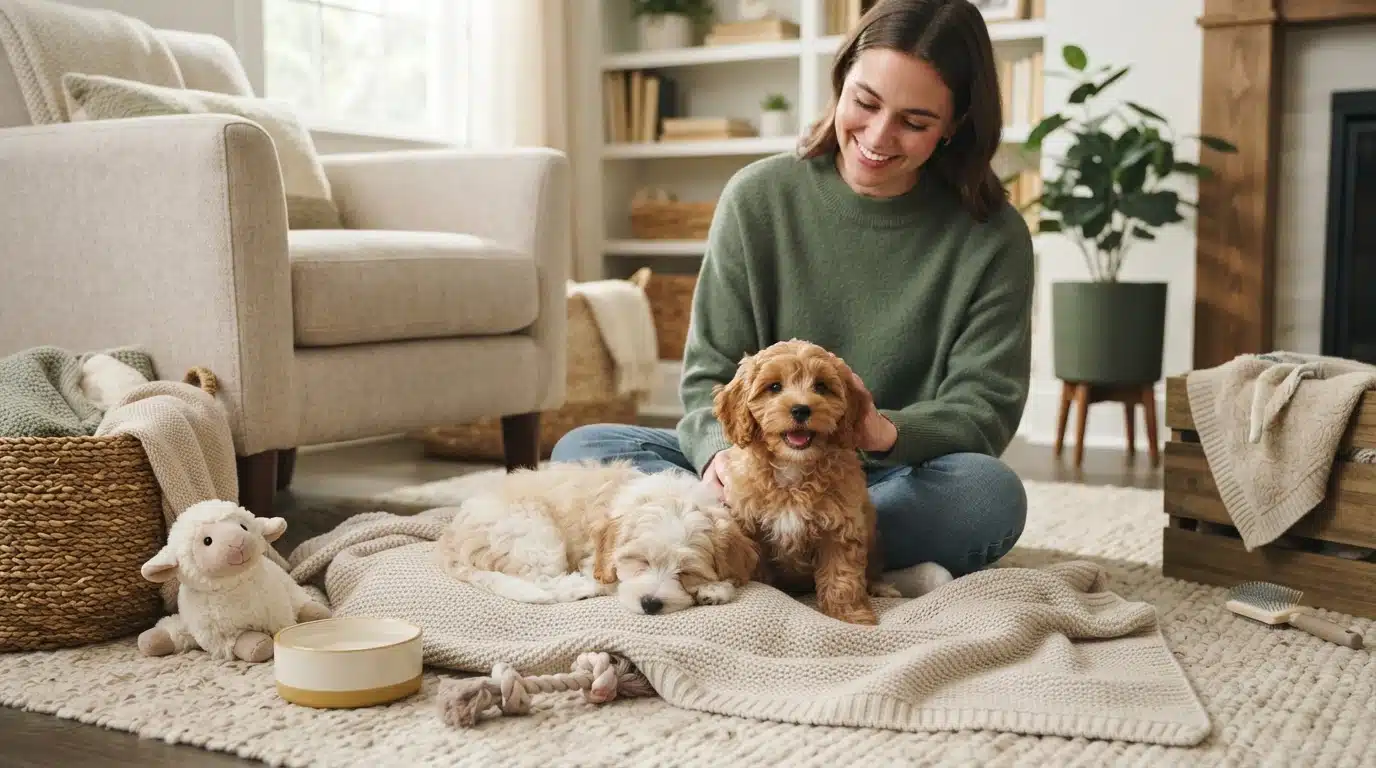
A 10-week-old Havanese puppy can look like a little cloud in your lap. The hard part starts once you get home. You need a plan for house training, crate comfort, daily routines, and coat care before that soft hair turns into mats.
This guide solves the most common early problem: new owners often prepare for the fun and underestimate the work. That can lead to accidents, tangled coats, mixed signals, and a puppy who feels unsure.
You’ll get practical care steps, simple grooming basics, and clear Havanese training tips you can use right away. We also cover smart buyer questions, what to expect from this breed, and where to go next if you want a family-raised puppy.
Our approach comes from real breeder experience with small companion dogs and from helping qualified families prepare for life with a Havanese. Along the way, we’ll share useful Havanese training tips and coat basics that make the first weeks smoother.
1. Is a Havanese Puppy the Right Fit for Your Family?
A Havanese fits families who want a small dog that stays close, learns fast, and thrives on daily companionship. It is less ideal for homes where the puppy will be alone for long stretches.
Temperament, energy, and companionship
Havanese are cheerful, social, and very people-focused. The AKC describes them as friendly, playful, alert, and intelligent, with a sweet disposition in the official breed standard. They usually do well with children, guests, and other pets when raised with kind structure. Energy needs are moderate, so short walks, play sessions, and training games often do the job. This breed wants to be with you, not parked across the room.
A Havanese is often a great fit for families who want a true companion dog, not an independent pet.
When a Havanese may not be the best match
This breed can be hard on busy households that are empty most of the day. According to the AKC lifestyle guide, Havanese do not do well when left alone for long periods. They also need regular coat care, patient house training, and gentle handling from young kids. If you want a low-touch dog, or you travel often without your pet, another breed may fit better.
Why families choose a boutique breeder
Families often choose a boutique breeder because early care shapes confidence. A home-raised program can give puppies steady handling, noise exposure, and a calmer start. That matters for a companion breed this people-oriented. For Utah pickup buyers and national families alike, programs like Sage Puppies also offer a clearer process, personal updates, and direct answers about pickup or delivery. That level of support helps first-time owners feel prepared, not rushed.
2. Build a Calm First-Week Home Routine
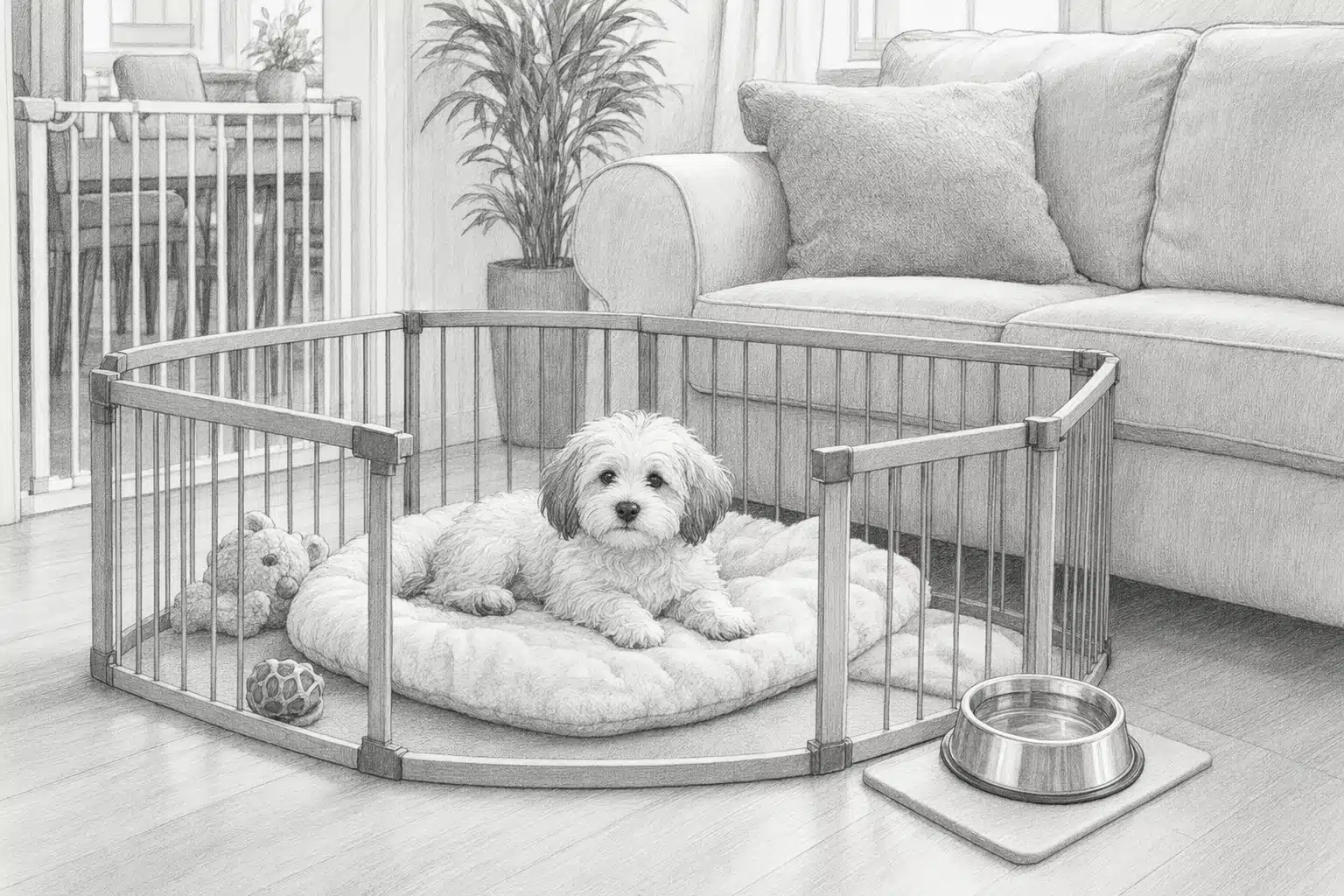
Set up a safe puppy space before go-home day
Start small. Your puppy does not need full house access on day one. A crate, playpen, or gated corner helps your Havanese settle faster and prevents early bad habits. The AKC recommends limiting access and introducing the home one room at a time in the first days for comfort and safety.
- Choose one quiet sleep area
- Add a washable bed or blanket
- Keep water nearby when supervised
- Remove cords, rugs, shoes, and choking hazards
- Use baby gates to block busy zones
Keep the safe space calm, not isolated. Your puppy should rest near family life, not in the middle of chaos.
Use a repeatable daily rhythm
A simple rhythm lowers stress fast. Feed, potty, play, nap, and repeat at about the same times each day. Predictable meals help predictable potty habits, and young puppies often need a potty break after waking, eating, drinking, or play.
- Wake up and go straight to the potty spot
- Feed on schedule
- Offer 5 to 10 minutes of gentle play
- Give a nap in the crate or pen
- Repeat all day with short, calm outings
According to Humane World for Animals, crates should never be used as punishment and should stay a positive, comfortable place.
Make the first night and first week easier
Expect some whining, light sleep, and a few messy moments. That is normal. Put the crate close to your bed at first so your puppy can hear and smell you. Keep nighttime potty trips brief and boring.
- Take your puppy out right before bed
- Use the same bedtime each night
- Reward quiet crate entry
- Keep lights low and voices soft
- Do not introduce lots of visitors yet
The goal for week one is not perfect training. It is trust, rest, and a steady pattern your puppy can understand.
Also Read: 10 Must-Ask Questions Before Buying a Puppy Locally
3. Havanese Training Tips That Actually Work
Start simple. Havanese are bright, people-focused, and quick to notice patterns, so your job is to make the right pattern easy to repeat.
Start with house training and crate comfort
House training works best when your puppy follows a tight routine. Take your Havanese out after waking, eating, play, and naps. Reward the right choice fast. The AKC notes that a consistent schedule and a correctly sized crate help puppies learn where to potty and where not to during house training.
Use the crate as a calm rest spot, not a penalty box. Build comfort in small steps:
- Toss treats in and let your puppy walk in freely.
- Feed meals near or in the crate.
- Close the door for short, easy reps.
- Open it before your puppy gets upset.
Never force crate time. Positive crate work creates security. Pressure creates crate drama.

Teach a few basics before adding more
Teach sit, come, down, and name response first. That is enough for the early weeks. Havanese learn fast, but they can also get busy and distracted if you pile on too much.
Keep training short and clear:
- 3 to 5 minutes at a time
- 2 to 4 sessions a day
- one cue per mini session
- tiny treats and warm praise
The AKC crate guide also stresses building time slowly and making the crate a happy place through positive steps. That same idea fits obedience. Reward what you want, repeat it often, and stop before your puppy fades.
If your puppy gets silly, mouthy, or scattered, they are often tired, not stubborn.
Prevent common small-breed behavior issues
Small dogs can slide into big habits fast. Barking for attention, clinginess, door darting, and jumping all grow when they work.
Focus on prevention:
- reward four paws on the floor
- ignore demand barking, then reward quiet
- practice short alone-time daily
- greet calmly, not loudly
- use gates, leashes, and pens to block bad rehearsals
A well-started puppy from a program like Sage Puppies still needs steady follow-through at home. Early structure matters more than perfect commands.
Also Read: Havanese Puppies Review: Temperament, Grooming, and Fit
4. Feeding and Health Basics for a Growing Havanese
Feed for growth, not guesswork. A Havanese puppy needs a complete puppy food made for growth, not an adult formula. The goal is steady growth, not a chubby look. The Merck Veterinary Manual puppy care guide notes that young puppies need several meals a day, and the AKC says small-breed puppies may need more frequent meals to help avoid low blood sugar in early months according to AKC guidance.
- Measure meals
- Keep treats small
- Watch body shape, not begging
- Ask your vet before adding supplements
If your puppy seems weak, shaky, or extra sleepy, call your vet right away.

Plan the first vet visit early. Book your puppy exam within the first few days home if it is not already scheduled. Bring vaccine records, deworming notes, and your feeding plan. This visit helps your vet check weight, stool history, hydration, heart, joints, ears, eyes, and skin. It also sets up the next vaccine and parasite-control steps.
A simple first-visit checklist:
- Bring breeder paperwork
- Bring a stool sample if requested
- Ask about vaccine timing
- Ask about flea, tick, and heartworm prevention
Families picking up in Utah or arranging delivery should still line up a local vet before the puppy arrives.
Know what to watch for in a small companion breed. Havanese are small, sturdy dogs, but puppies still need close watching. Common early concerns include upset stomach, low blood sugar after stress, retained baby teeth, tear staining, and loose kneecaps. The OFA patellar luxation overview explains that kneecap issues are common in toy and miniature breeds.
Watch for:
- Skipping or hopping steps
- Ongoing diarrhea
- Poor appetite
- Bad breath early on
- Heavy scratching or ear debris
5. Coat Basics: Brushing, Bathing, and Mat Prevention
Understand what the Havanese coat needs
A Havanese coat is soft, light, long, and often wavy, so it tangles faster than many first-time owners expect. The AKC breed standard describes the coat as a long, abundant double coat, while the Havanese Club of America notes that the hair keeps growing and needs regular care even when kept short.
That means your goal is simple:
- keep the coat clean
- stop small tangles before they turn into mats
- make grooming calm and routine
Mats pull on the skin. They are not just a cosmetic problem.
Build a simple brushing routine
Brush a Havanese puppy often, but keep sessions short. Three to four calm sessions each week works well for many families, and some coats need more. Focus on the spots that mat first:
- behind the ears
- under the collar or harness
- armpits
- chest
- belly
- back legs
Use a basic order so you do not miss hidden tangles:
- Mist the coat lightly with conditioning spray
- Brush in small layers from the skin out
- Follow with a comb to check your work
- Stop and gently separate any knot before it tightens
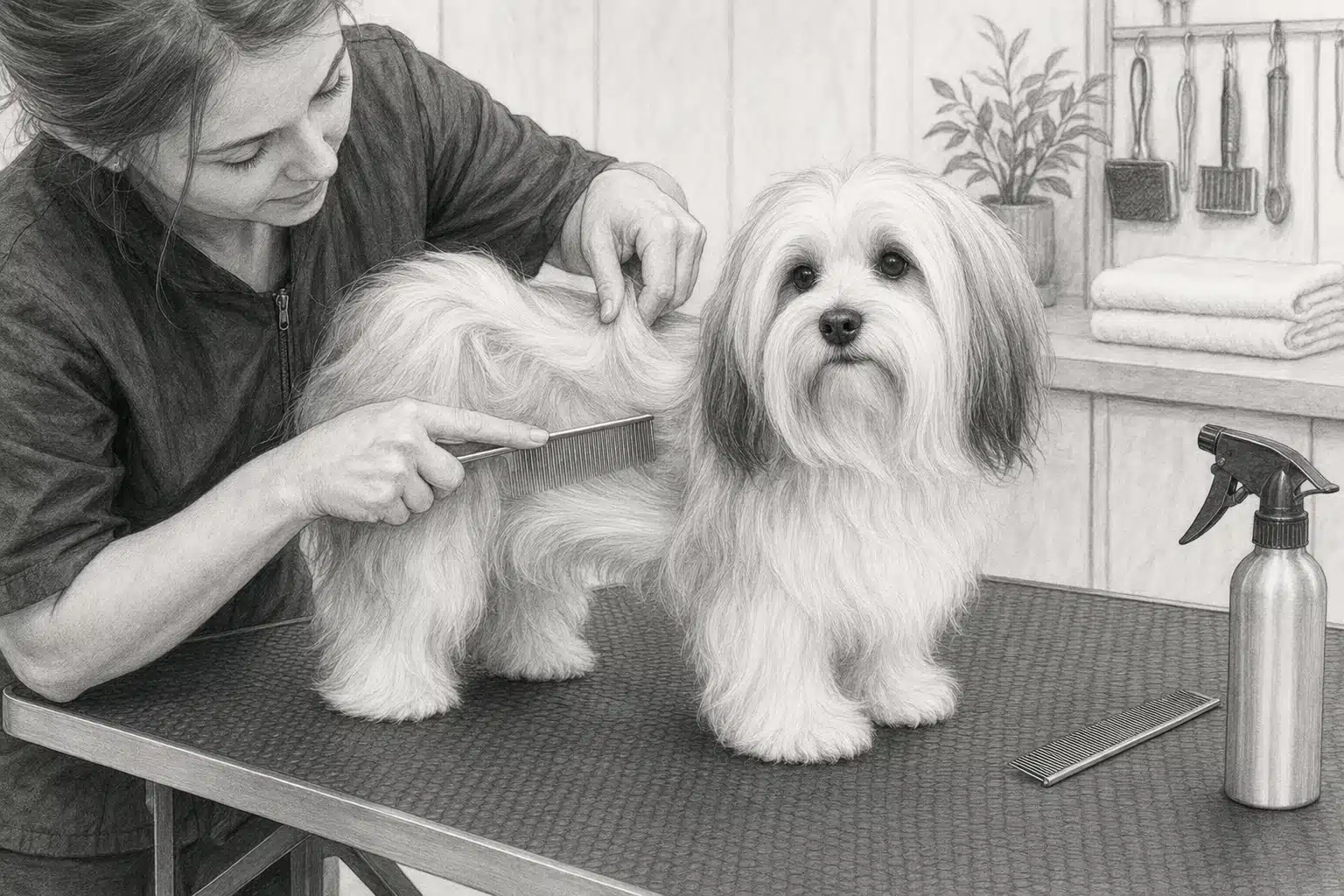
Baths usually help most when the dog is dirty or the coat feels limp. Always dry and comb fully after a bath.
Choose a coat length that fits your lifestyle
There is no single right haircut for every Havanese. The best coat length is the one your family can maintain every week without stress.
| Coat style | Grooming load | Best fit |
|---|---|---|
| Full coat | High | Families who enjoy regular brushing |
| Puppy cut | Moderate | Busy homes wanting easier upkeep |
| Very short trim | Lower | Owners who prefer simple maintenance |
A longer coat gives that classic Havanese look, but it needs steady brushing and more frequent baths. A shorter trim cuts grooming time, but it does not remove the need for combing.
If Utah pickup or delivery families ask Sage Puppies what coat works best, the honest answer is this: choose the coat you can truly keep up with.
Also Read: 10 Adorable Havapoo Colors You Need to See (2026)
6. Common Mistakes New Havanese Owners Can Avoid
Many first-time owners make the same three mistakes. The good news is that each one is easy to fix early.
Waiting too long to start grooming and training
Havanese need coat care and gentle structure right away. The AKC notes that Havanese do best with daily brushing, early socialization, and positive training according to AKC. Start with:
- short brushing sessions
- paw and face handling
- crate and potty routines
Small habits started early feel normal later.
Expecting too much independence too soon
Havanese are social companion dogs. They often struggle if you suddenly expect long alone time, and AKC says they do not fare well when left alone for long periods in its breed guide. Build confidence with:
- brief room exits
- calm returns
- short solo naps nearby
Independence is taught in steps, not forced in one hard day.
Changing too many things at once
A new home already brings stress. Do not switch food, schedule, sleeping setup, training rules, and grooming style all in the same week. Pick one change at a time and give your puppy a few calm days to settle. That steady approach usually leads to better eating, fewer accidents, and less clingy behavior.
7. Buying a Havanese Puppy in Utah or Nationwide
What a good breeder should make clear
A good breeder should answer the hard questions before you ask twice. You want clear details on parent health testing, how puppies are raised, early social time, vet records, pricing, reservation steps, and what support looks like after pickup.
- Ask for written next steps
- Ask what is included at go-home
- Ask how temperament matching works
If a breeder avoids simple questions, slow down.
Utah pickup or national delivery
Local Utah pickup is often the simplest option if you want to meet your puppy in person and plan your trip around one go-home date. For out-of-state families, delivery should be just as clear. The USDA says interstate pet travel rules are set by the receiving state, and some destinations may require a health certificate or updated vaccines, so details should be confirmed before travel through USDA APHIS interstate guidance.
| Option | Best fit | What to confirm |
|---|---|---|
| Utah pickup | Families near South Jordan | Date, records, handoff plan |
| Ground or flight nanny delivery | National families | Route, timing, paperwork, cost |
Best next steps if you are ready
Keep the process simple:
- Review available puppies
- Submit an application
- Ask about timing, pickup, or delivery
- Read pricing and reservation details
- Confirm how the match is made
Sage Puppies is a natural fit if you want a boutique Utah breeder with home-raised care and clear nationwide options. If your family is ready, start with Available Puppies, then move to Application, Pricing, How It Works, and Delivery/Pickup.

Ready for a Havanese with a strong start? Sage Puppies helps families choose a well-raised puppy with early socialization, health-tested parents, and clear pickup or nationwide delivery options. View Available Puppies, review Pricing and How It Works, and submit your application when the timing feels right.
Frequently Asked Questions
Q1: Where to buy Havanese puppies in Utah?
Look for a breeder who raises puppies at home, health-tests parent dogs, shares clear next steps, and welcomes questions. In South Jordan, Sage Puppies is a strong fit for families who want local pickup or nationwide delivery with a calm, transparent process.
Q2: Are Havanese good for first-time dog owners?
Yes. Havanese are small, social, and eager to please, so many first-time owners do well with them. They still need daily training, routine grooming, and close family time. A gentle, steady home usually brings out their best temperament.
Q3: How often should I groom a Havanese puppy?
Brush several times a week, and more often if the coat stays long. Bathe about every 3 to 4 weeks unless your puppy gets dirty sooner. Keep ears, nails, and tear areas on a regular schedule to prevent buildup.
Q4: How hard is Havanese potty training?
Potty training is manageable, but small puppies need frequent trips outside and a strict routine. Take them out after sleep, meals, play, and every couple of hours. Praise fast, supervise closely, and expect progress in steps, not a straight line.
Q5: Do Havanese bark a lot?
They can alert bark, especially at doors, visitors, or sudden sounds. Most do best when you teach quiet cues early and avoid rewarding noise with attention. Mental exercise, short training sessions, and clear household rules help keep barking in check.
Conclusion
A Havanese fits best with families who want a close companion, not a low-touch pet. This breed stays small, learns well, and tends to be cheerful and social, but the coat needs steady care and the puppy needs early routines, gentle training, and daily time with people. According to the AKC breed overview, the Havanese is the only dog breed native to Cuba. Breed references also describe the coat as long, soft, and often wavy, with all colors accepted in the standard, as shown in the official AKC standard PDF. The right match comes down to temperament, grooming commitment, and choosing a thoughtfully raised puppy.