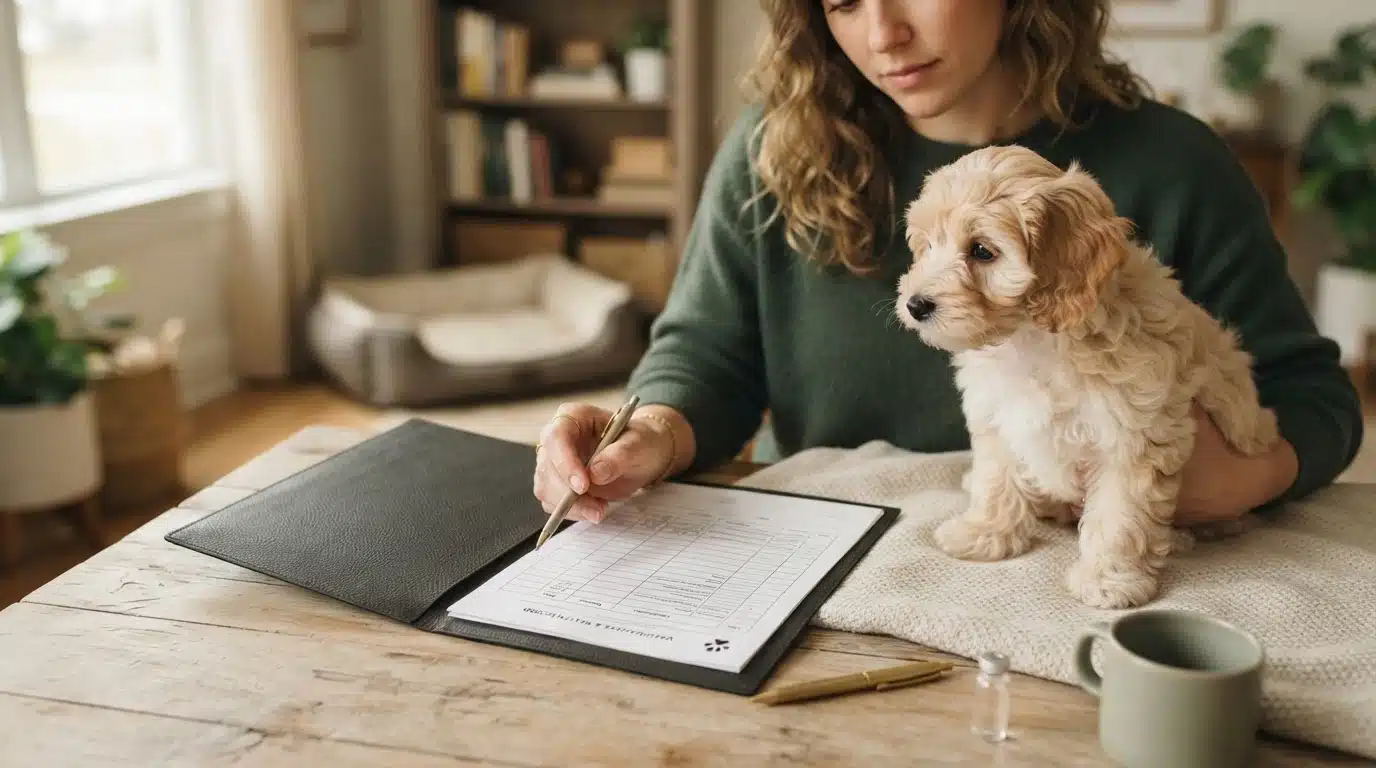
Quick Summary: Buying a puppy in Utah comes down to three things: match the breed to your real life, vet the breeder hard before paying anything, and budget for the full first year, not just the sticker price. A trustworthy breeder will show verified health testing on the parents, keep puppies in their home until 8 to 12 weeks, answer every question openly, and interview you back; sellers who rush you, hide paperwork, or always have puppies available are the ones to avoid. Well-bred small breeds like Havanese, Havapoo, and Cavapoo typically run $1,800 to $4,500, with another $1,500 to $3,000 in first-year costs for vet care, grooming, food, and training.
Salt Lake City families are not short on listings for puppies for sale in Utah. They are short on a clear way to tell reputable Utah breeders from the ones who simply look good online. A polished website says nothing about how a puppy was raised, screened or socialized.
This guide fixes that. You will learn how reputable Utah breeders operate, what questions separate ethical puppy breeders from resellers, and how Utah puppy prices really break down. The advice draws on what we do every day at Sage Puppies, a small program in South Jordan raising Havanese, Havapoo and Cavapoo puppies. By the end, you will have a checklist you can use with any breeder, anywhere in the state.
Why the Way You Buy a Puppy in Utah Matters
Most puppy problems start before you ever meet the dog. Where and how you buy shapes your puppy’s health, temperament, and your first year together.
The Stakes Behind a Cute Photo
That adorable listing photo could be real, or it could be lifted from another breeder’s site. Puppy scams are common online, and the FTC warns buyers to watch for sellers who push fast payment or refuse video calls (consumer.ftc.gov). Beyond scams, puppies from careless breeding operations can carry inherited health issues and shaky early socialization. A few hours of vetting a breeder now saves years of heartache later. Learning to read the warning signs of internet puppy scams (animallaw.info) is the first skill every buyer needs.
What a Reputable Utah Breeder Actually Looks Like
Reputable Utah breeders do a few things consistently. They welcome your questions, health-test parent dogs, raise puppies in their home, and keep litters with mom long enough for proper socialization. They interview you, too. A good breeder wants to know who is taking their puppy home.
Expect a written contract, a waitlist, and honest answers about the breed’s quirks. Programs like Sage Puppies in South Jordan follow this model with Havanese, Havapoo, and Cavapoo litters. If a seller skips these steps or pressures you to pay today, walk away.
Where Utah Buyers Actually Find Puppies
Most Utah puppies come from three places: small local breeders, vetted online directories, and big marketplaces or pet stores. Each route works differently, and each carries its own risks.

Local Boutique Breeders in Utah
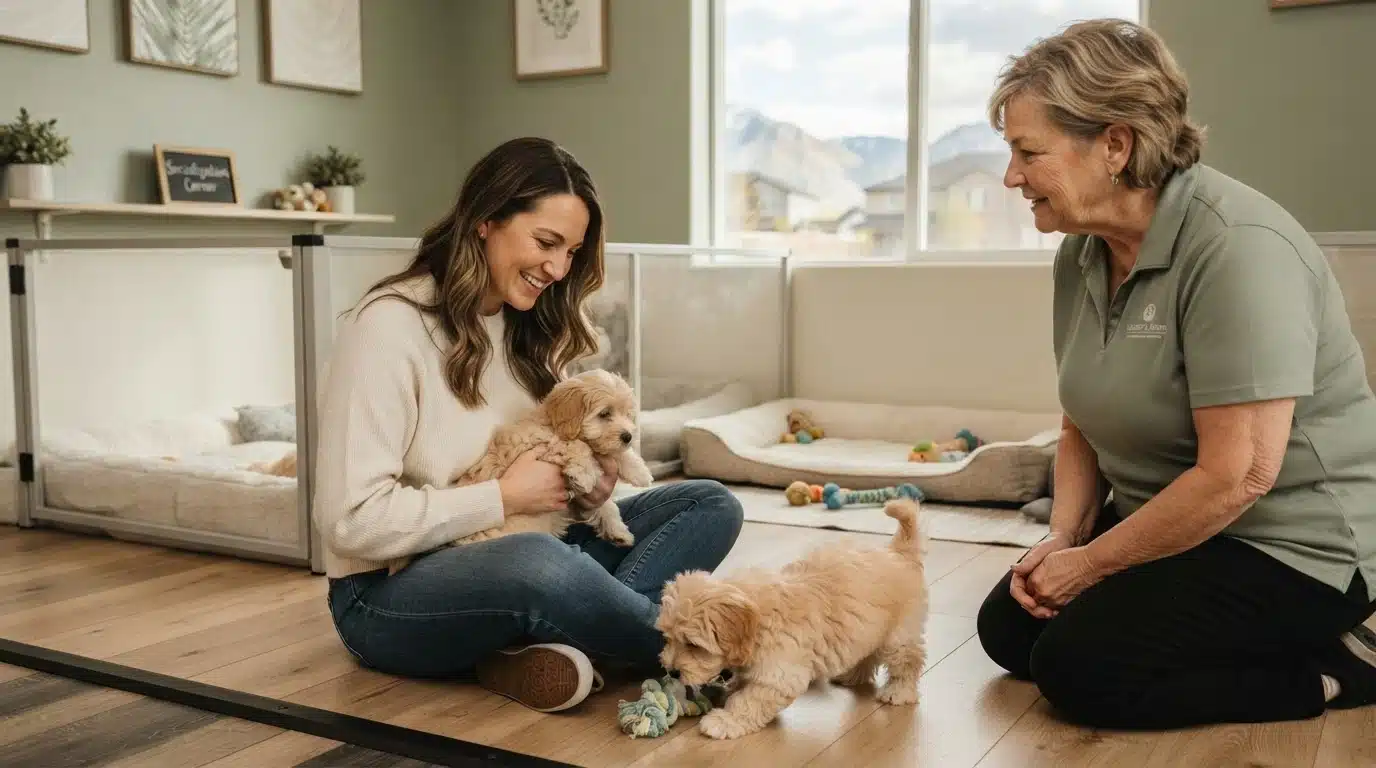
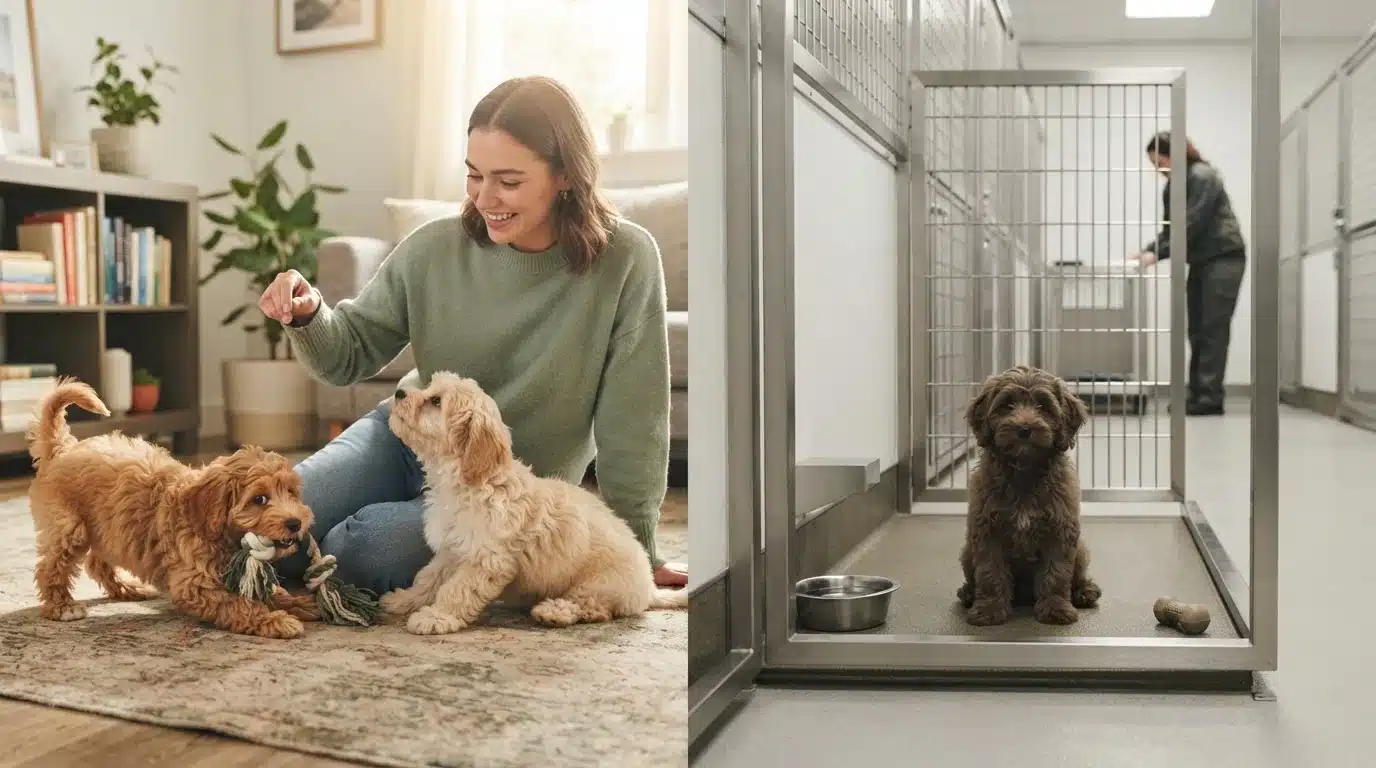
Small home-based programs are the best match for families who want to meet a puppy’s parents and see where it was raised. A good boutique breeder keeps litters inside the home, socializes puppies daily, and screens buyers rather than selling to whoever pays first. Programs like ours in South Jordan focus on just a few small breeds, so you can ask deep questions about health testing and temperament. Expect a waitlist for quality litters.
Vetted Online Directories and Breed Clubs
If you want to search beyond your zip code, start with the AKC Marketplace, which lists breeders by breed and state. Remember that a listing alone is not a stamp of approval, so interview each breeder yourself. Breed clubs for Havanese, poodles, and Cavalier King Charles spaniels also publish breeder referrals and expect members to follow health-testing codes.
Marketplace Listings, Pet Stores, and What to Skip
Open classified sites and retail pet stores are where problems cluster. Utah has licensed mass breeding facilities, and puppies sold in stores often come from them. Groups tracking commercial breeders publish searchable inspection data so buyers can check a seller’s history before paying. Some big-marketplace listings also trace back to high-volume kennels, so always ask where a puppy was born and raised.
How to Tell a Reputable Breeder From Everyone Else
A reputable breeder welcomes your questions, proves health testing, and wants to know about you as much as you want to know about them. Puppy sellers who dodge, rush, or hide usually have a reason.

The Questions Worth Asking Before You Commit
Good questions sort serious breeders from casual sellers fast. Ask how long they have bred this breed and why they chose it. Ask where the puppies live, who handles them daily, and when they were last seen by a vet. Then ask about the parents’ temperament and any known health issues in their lines. As the OFA’s breeder interview guide puts it, reputable breeders love to talk about their program and answer openly. A breeder who interviews you back is a good sign, because careful matching protects the puppy too.
Health Testing: What Small-Breed Buyers Should Look For
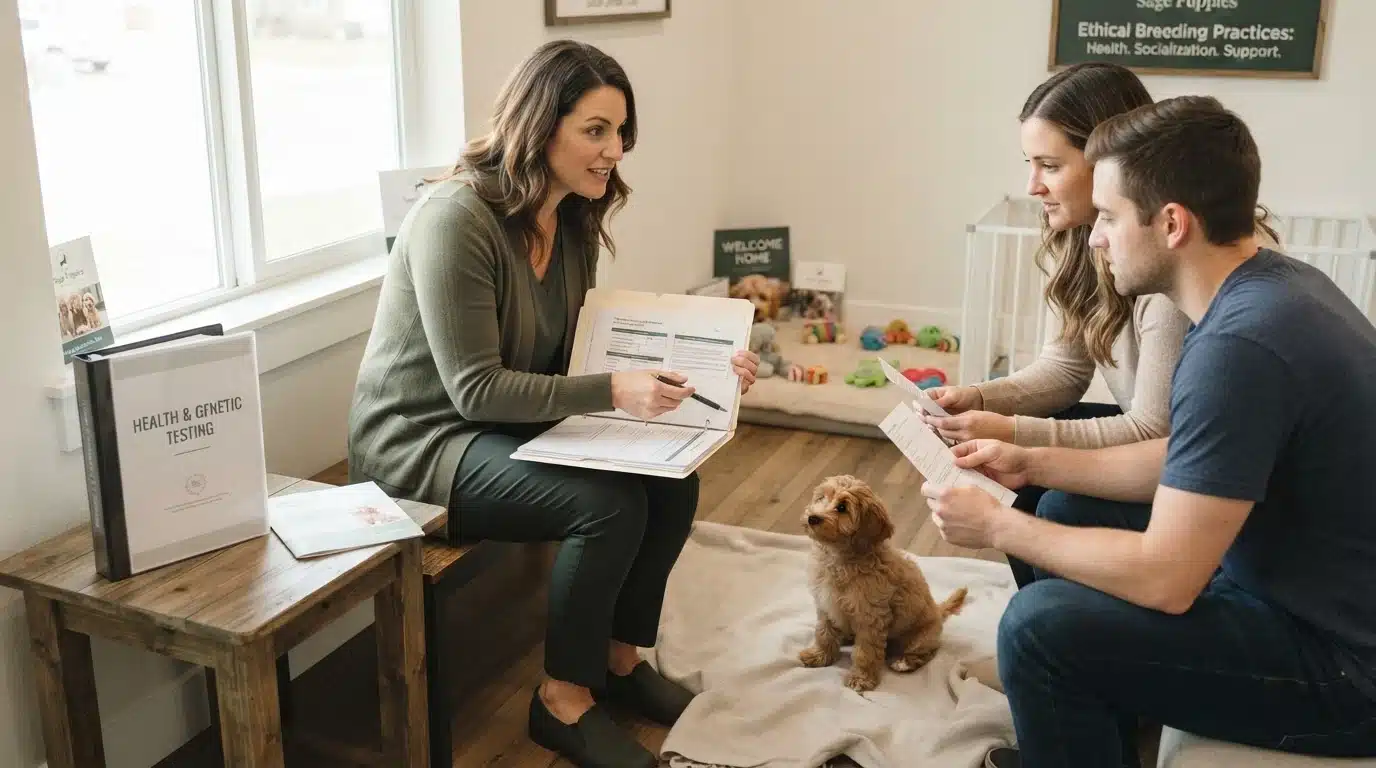
Ask for proof, not promises. Havanese, Cavapoos, and Havapoos should come from parents screened for eyes, knees, hips, and heart, with results you can verify. Look for OFA numbers or CHIC listings for the parent dogs, and ask to see certificates rather than a summary sentence. OFA lets you look up results yourself, so any breeder can hand you a name to search. Written health records and a clear contract round out the picture.
Red Flags That Should Send You Walking
Walk away if you spot any of these:
- No health testing, or results they “can’t find”
- Multiple litters, many breeds, always puppies available
- No questions asked about your home or experience
- Pressure to pay a deposit on the spot
- Refusal to let you visit or see where puppies live
The AKC’s responsible breeder checklist covers these warning signs in detail. Trust the unease.
Utah Puppy Prices and What You’re Really Paying For
What Small-Breed Puppies Cost in Utah Right Now
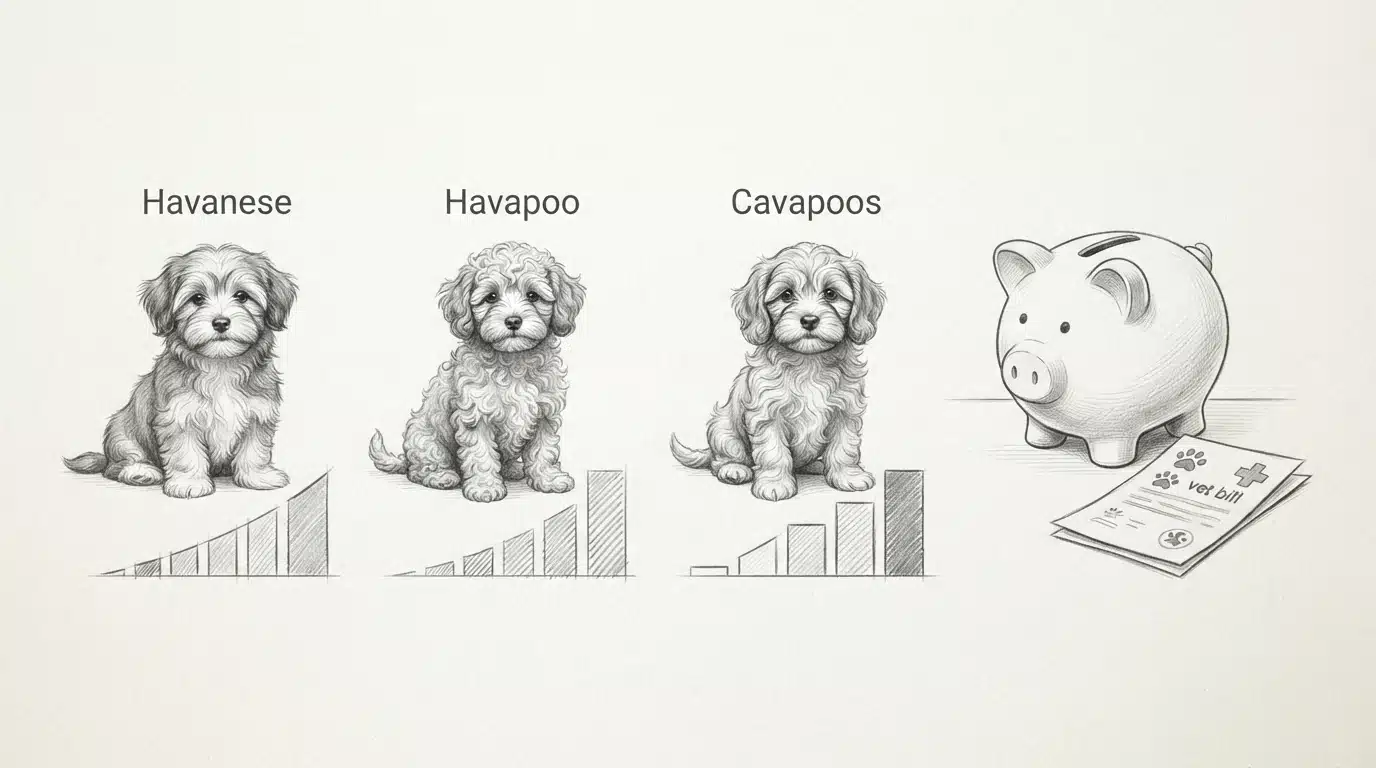
Expect to pay between $1,800 and $4,500 for a well-bred Havanese, Havapoo, or Cavapoo in Utah. Nationally, Havapoo prices usually run about $1,800 to $3,000, and Cavapoos from reputable breeders often reach $1,500 to $4,000. Boutique programs with health-tested parents tend to sit at the higher end. If a price looks too good to be true, ask why.
The First-Year Budget Most Buyers Underestimate
The purchase price is only the start. Plan for first-year costs beyond the puppy itself:
- Vet care: exams, vaccines, spay or neuter, often $500 to $1,000
- Supplies: crate, bed, leash, grooming tools, $300 to $600
- Food and grooming: small breeds need regular trims, roughly $500 to $1,000 yearly
- Training: a puppy class runs $150 to $300
That adds up fast, so budget the full first year before you commit. For a deeper breed-by-breed breakdown, see this cost and care comparison.
Deposits, Contracts, and What Refund Terms Mean
Most breeders ask for a deposit to hold your place, often $300 to $500, applied toward the total. Read the contract before you pay. A clear one explains what happens if no matching puppy arrives, when a deposit is refundable, and what health support the breeder offers. Programs such as Sage Puppies publish their terms openly on their pricing and reservation page, which is the standard you should expect from anyone you pay.
Local Pickup vs. Nationwide Delivery in Utah
Once you have chosen a breeder, the next question is how your puppy actually gets home. You can drive to meet the litter in person or arrange delivery, and each route has real trade-offs in cost, timing and peace of mind.
Picking Up Your Puppy in Person
Pickup is the simplest option. You drive to the breeder’s home, meet the mother, see how the puppies are raised and take your pup straight to the car. Families in Utah or nearby states like Colorado often make a day trip of it. Meeting in person also lets you ask questions face to face and confirm the puppy matches what you were told. If you want to weigh pickup against other routes, this transport options guide breaks down the details.

How Safe Delivery Actually Works
Most breeders use two methods: ground transport or a flight nanny who carries the puppy in the cabin. Professional ground transport usually costs $350 to $1,200 for long distances, while flight nanny services run about $500 to $1,500 domestically, according to Petworks’ overview of breeder transport. Commercial air cargo is riskier for small breeds, so many breeders avoid it. Whoever ships, the transporter must follow USDA rules for moving animals in commerce, so ask who is doing the driving or flying.
Preparing Your Home Before the Puppy Arrives
Either way, set up before the puppy lands. Create a quiet space with a crate, food and water bowls, and chew toys. Puppy-proof one room first. Then keep the first few days calm so your new companion settles in slowly.
Matching Your Family to the Right Small Breed
The best breed for your family depends on energy level, grooming time, and how much company your puppy will get each day. Here is how the three breeds differ.
The Classic Companion
The Havanese is a purebred charmer from Cuba. The AKC breed profile rates it strongly for affection and for getting along with young children and other dogs. That sociable nature suits busy households, though the breed wants company and does not like being left alone all day. If your home is lively and rarely empty, this is a safe pick.
Playful and Trainable
A Havapoo mixes Havanese with a Toy or Miniature Poodle. According to PetMD, the result is an affectionate, people-oriented dog, and the poodle genes often make training go faster. Expect a playful pup that thrives on games and short training sessions. First-time owners do well here because these dogs learn quickly and stay eager to please.
The Calm Cuddler
The Cavapoo, a Cavalier King Charles Spaniel and Poodle mix, tends to be the mellowest of the three. The DogFoodAdvisor overview describes a sociable, playful, loving companion that fits quiet homes and families with gentle kids. It still needs walks and play, but it settles into a lap happily afterward.
If you want a fuller side-by-side breakdown, we compare the three breeds in detail on our breed comparison guide.
A Utah Buyer’s Step-by-Step Decision Plan
Buying a puppy goes smoothly when you decide things in order: match first, breeder second, logistics last.
Step 1: Get Clear on the Match You Need
Start with your real life, not a cute photo. Consider your home size, work schedule, kids’ ages, and grooming budget. Havanese, Havapoo, and Cavapoo puppies all stay small and friendly, but coat care and energy levels differ. Write down your top three must-haves and one deal-breaker before you contact anyone.
Step 2: Shortlist Two or Three Programs
Compare programs side by side rather than chasing the first litter you see. Look for health testing, a clean home environment, written contracts, and breeder support after pickup, as the AKC’s responsible breeder guide outlines. Ask each program how they match puppies to families. Sage Puppies, for example, uses an owner-managed application so Cassie knows every home personally.
Step 3: Apply, Reserve, and Prepare
Once you choose, submit an application, place the deposit, usually $300 to $500, and confirm your pickup or delivery plan. Then puppy-proof your home and buy supplies early. Prepare a vet contact, a feeding plan, and a quiet first-week routine so your puppy settles in fast.
Common Mistakes Utah Buyers Make (And How to Dodge Them)
Most puppy problems come from rushing: trusting the wrong seller, skipping paperwork, or underestimating the work ahead. Here’s how to avoid the three most common slips.
Mistake 1: Falling for a Stock Photo and a Fast Yes
Stolen photos and pressure tactics are the oldest tricks in the puppy-scam playbook. The AKC recommends a reverse image search on every puppy photo, because reused pictures show up across many sites. If a seller says “pay today or lose the puppy,” walk away. A good breeder will happily do a live video call and show the litter in real time.
Mistake 2: Skipping the Health Paperwork
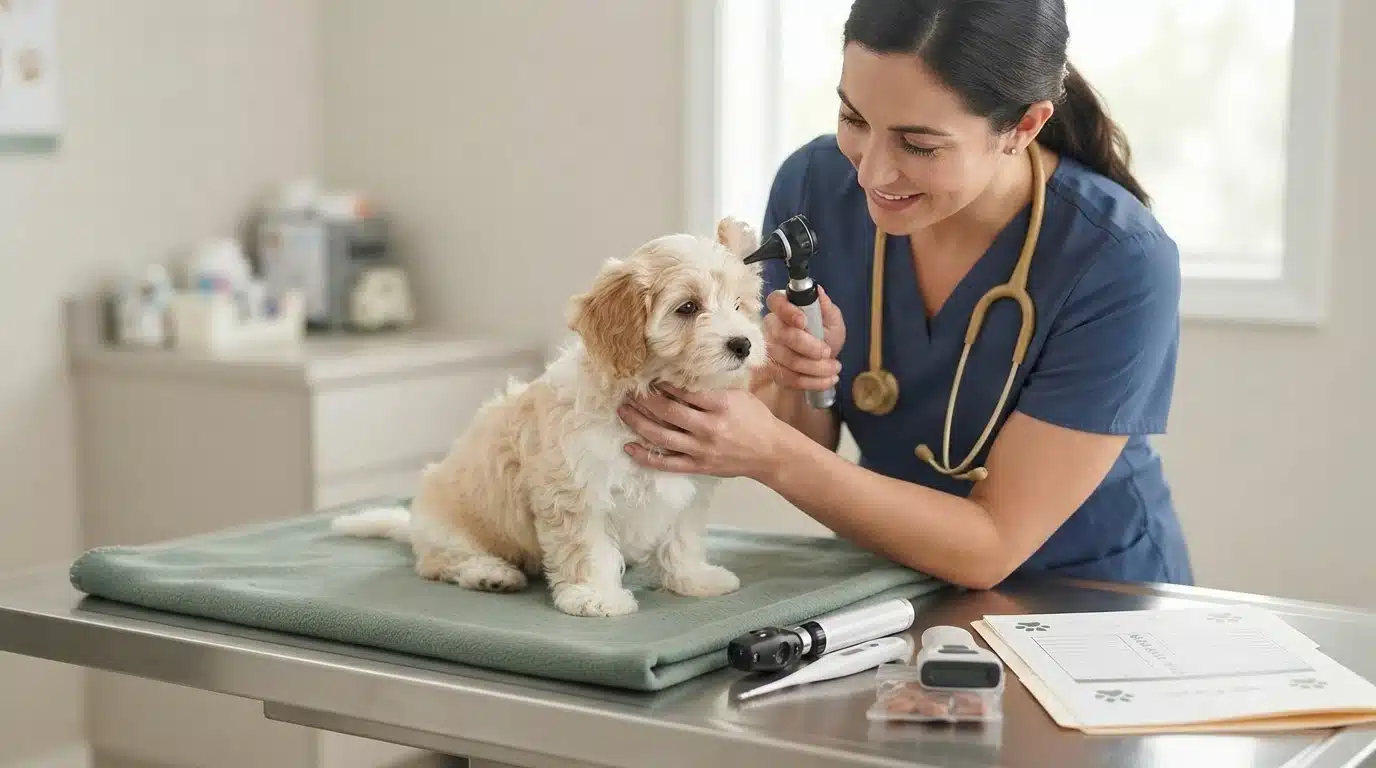
Ask for health records before you pay, not after. Your puppy should come with vaccine and deworming dates, a vet exam record, and parent health testing you can verify. Refusal to share these is a red flag. Reputable programs, including Sage Puppies, document health and parent testing up front, so hold any breeder to that standard.
Mistake 3: Underestimating the First-Year Workload
The purchase price is only the start. Add vet visits, supplies, food, grooming, and training classes, and plan for house training, night wake-ups, and daily play. Small breeds also need regular coat trims. Budget time the same way you budget money, and your puppy will settle faster.

Ready to meet your puppy? Sage Puppies raises Havanese, Havapoo, and Cavapoo puppies in South Jordan with an honest application and owner-managed matching. Start your application today, and we will help you find the right fit for your family. Wisely bred. Beautifully loved.
Frequently Asked Questions
Q1: How do you find a reputable puppy breeder in Utah?
Start with small home-based programs, then verify each one. Ask for parent health testing you can look up on OFA, request a visit or live video call, and read the contract before paying. A breeder who interviews you back is a good sign.
Q2: What should I look for when buying a puppy in Utah?
Look for health-tested parents, vaccine and deworming records, a vet exam, and a written contract. The puppies should live in the home, and the seller should ask about your experience rather than just accepting payment.
Q3: How much do puppies for sale in Utah typically cost?
Well-bred Havanese, Havapoo, or Cavapoo puppies usually cost $1,800 to $4,500 in Utah. Boutique programs with health-tested parents sit higher. Budget another $1,500 to $3,000 for first-year vet care, supplies, food, and training.
Q4: How old should a puppy be before coming home?
Reputable breeders keep puppies with their mother and littermates until 8 to 12 weeks. That window covers key socialization and early learning. A seller pushing an earlier pickup is cutting corners.
Q5: How long is the waitlist for a quality Utah litter?
Often a few weeks to several months, depending on the breed and program size. A waitlist is a healthy sign; breeders with puppies always available are usually producing at a pace worth questioning.
Q6: Can I get a puppy delivered if I live outside Utah?
Yes. Most breeders offer ground transport ($350 to $1,200) or a flight nanny who carries the puppy in the cabin ($500 to $1,500). Avoid air cargo for small breeds, and ask who handles the trip.
Conclusion
Finding the right puppy in Utah comes down to three things: match the breed to your real life, vet the breeder before you pay, and budget for the full first year. Reputable programs welcome your questions, show verified health testing, use written contracts, and interview you back. Skip sellers who rush you, hide records, or always have puppies ready. Whether you pick up in South Jordan or arrange a flight nanny, preparation matters as much as the breeder you choose. Take the checklist from this guide to any program you consider, and you will spot a quality home in minutes. Wisely bred. Beautifully loved.