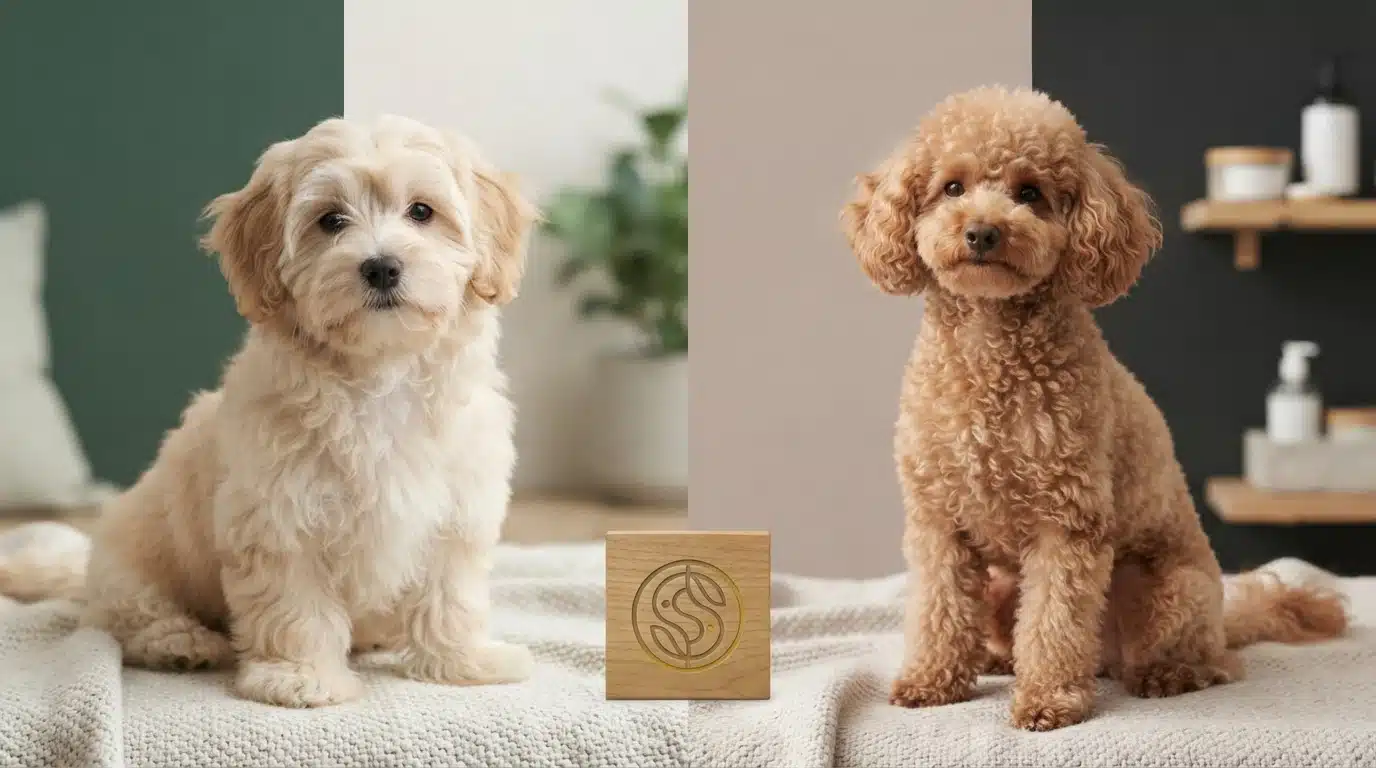
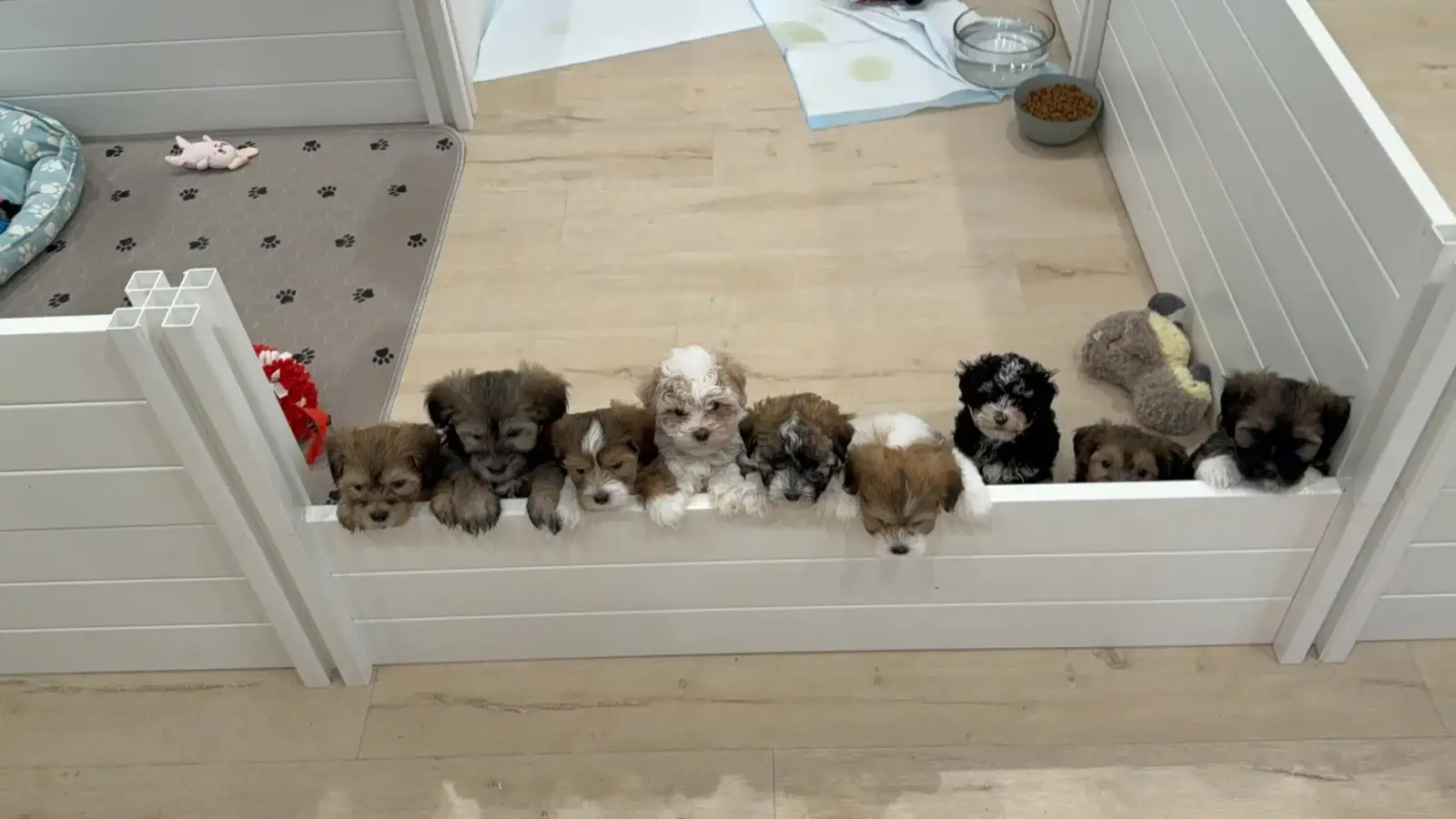
Quick Summary: Choosing between Cavapoo, Havapoo, and Havanese depends on your lifestyle and grooming tolerance. Havanese offer the most predictable care and longer lifespan, while Cavapoos are cuddly with higher grooming needs. Havapoos strike a balance, fitting families wanting a small, affectionate dog with moderate upkeep. The best choice aligns with your daily routine, budget, and how much grooming you’re willing to do long-term.
Picking between Cavapoo Dogs, Havapoo Puppies, and a pure Havanese usually comes down to daily life, not looks. If you want the most steady, gentle option, Havanese often feels easiest to predict. If you want a balanced middle ground, Havapoo Puppies can fit well. If you love the doodle look, Cavapoo Dogs are a top pick for many families, but they often ask more from your grooming routine.
Most families are trying to solve one real problem: which puppy will match their home, budget, and schedule without turning into more work than expected. That is where this guide helps.
We focus on what matters after puppy day: price, lifespan, coat care, exercise, and the habits tied to Havanese Dog Care and life with Cavapoo Dogs. Drawing on breeder-aware experience with small companion breeds, this comparison gives qualified families a clear, honest way to choose before they apply.
Cavapoo vs Havapoo vs Havanese: At a Glance
| Cavapoo | Havapoo | Havanese | |
|---|---|---|---|
| Typical puppy cost | Usually higher; premium doodle-style pricing | Premium boutique pricing | Premium purebred pricing |
| Average lifespan | About 12–15 years | Often around 12–15 years | Over 12 years; often 13–16 years |
| Grooming needs | High; frequent brushing and professional grooming | Moderate to high; coat-dependent maintenance | High; daily brushing or trimming upkeep |
| Exercise needs | Moderate; daily walks and play | Moderate; daily activity and engagement | Low to moderate; about 30 minutes daily |
| Best for | Families wanting a soft, social companion | Families wanting a small, affectionate hybrid | Families wanting a classic small companion |
| Long-term care effort | Moderate to high | Moderate | Moderate to high |
Meet the Contenders
Cavapoo
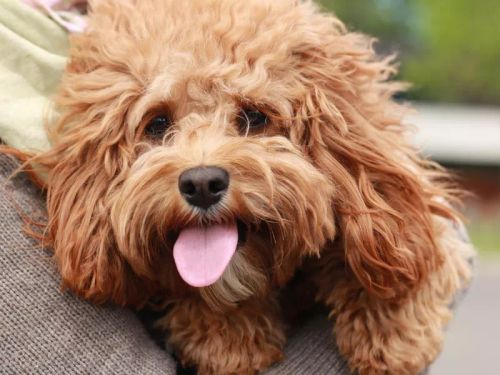
A Cavapoo is a Cavalier King Charles Spaniel and Poodle mix with a soft, people-focused nature. It fits families who want a friendly companion and accept higher grooming and puppy pricing. In this comparison, the Cavapoo stands out for its cuddly temperament and moderate daily activity.
Havapoo
A Havapoo blends Havanese charm with Poodle influence in a smaller, affectionate package. It suits families who want a hybrid with a compact size and moderate long-term care effort. Here, the Havapoo is the middle-ground option many first-time owners notice first.

Havanese
The Havanese is a purebred toy companion known for being cheerful, adaptable, and closely bonded to its people. It works well for families who want a classic small dog with a long silky coat and lower exercise needs. AKC breed guidance supports its long-lived companion reputation.

Price and Total Ownership Cost
Price matters, but the listing price is only the start. With Cavapoos, Havapoos, and Havanese, the real cost gap often comes from coat care, vet setup, and how much support comes with the puppy. The AKC notes that one-time dog costs can average about $2,100, while annual costs can average about $2,500, so families should plan past the handoff day according to AKC.
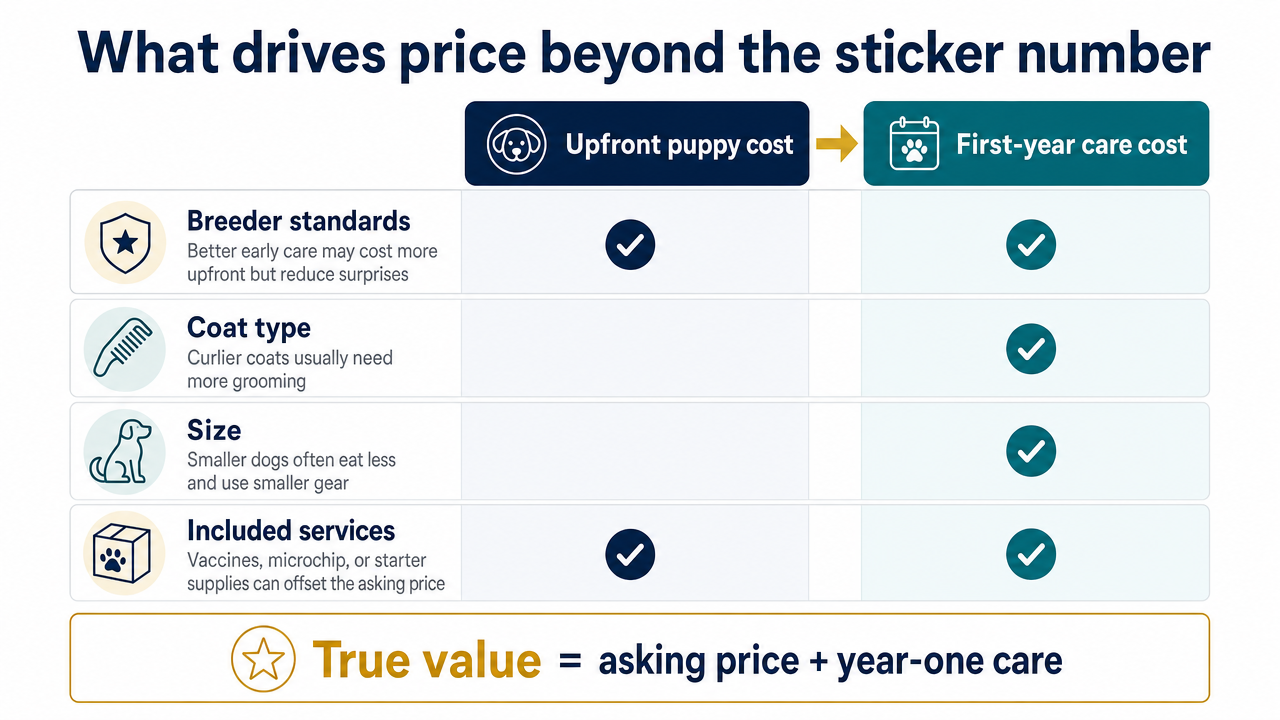
What drives price beyond the sticker number
A lower puppy price can still lead to a higher first-year bill.
Key things that change the true value:
- Health testing of parents
- Early socialization and home raising
- Included vet work, like vaccines or microchipping
- Breed mix and coat type
- Delivery or travel costs
| Cost driver | Why it changes total cost |
|---|---|
| Breeder standards | Better early care may cost more upfront but reduce surprises |
| Coat type | Curlier coats usually need more grooming |
| Size | Smaller dogs often eat less and use smaller gear |
| Included services | Vaccines, microchip, or starter supplies can offset the asking price |
A well-started puppy from a careful breeder like Sage Puppies may cost more upfront, but families often get more clarity, support, and fewer catch-up expenses.
The hidden costs families should budget for
Small companion dogs cost less than large breeds in many cases, but they are not low-cost pets. The ASPCA lists a first-year total of $3,221 for a dog when you combine setup, routine care, and common add-ons like grooming and dental care based on ASPCA estimates.
Budget for these line items:
- Food and treats
- Routine vet visits and vaccines
- Flea, tick, and heartworm prevention
- Professional grooming or home grooming tools
- Training classes
- Emergency savings
- Boarding, pet sitting, or delivery fees
- Cavapoos often bring higher grooming needs.
- Havapoos can land in the middle, depending on coat.
- Havanese may have a lower purchase price in some cases, but coat upkeep still adds up.
Also Read: Havapoo vs Cavapoo: Which Breed Has a Better Temperament?
Lifespan and What It Means for Long-Term Planning
A longer lifespan helps, but healthy years matter more. A Cavapoo often lives about 12 to 15 years, while Havanese surveys suggest a natural lifespan of about 15 years, with some living well past that in exceptional cases according to the Havanese Club of America health surveys and PetMD’s Cavapoo breed guide. Havapoo ranges are usually similar, but mixed-breed lifespan can vary more by line.
What matters most is this:
- Heart, joint, eye, and dental health shape day-to-day quality of life
- Breeder screening can change your long-term risk more than a one-year lifespan gap
- Weight control and routine vet care often decide whether senior years stay active
A dog that lives 14 years with solid mobility and few chronic issues is usually an easier family fit than one that lives 15 years with early health trouble.

For real planning, think in stages:
- Puppy to age 2 – training, socialization, spay or neuter talks, early dental habits
- Adult years – grooming budget, annual exams, insurance or savings
- Senior years – more lab work, possible meds, mobility support, extra monitoring
| Dog type | Typical planning takeaway |
|---|---|
| Havanese | Often the strongest choice if you want a long companion timeline and predictable breed traits |
| Cavapoo | Good long-term fit if parents were carefully screened, especially for heart and joint concerns |
| Havapoo | Strong option for families wanting a small companion, but ask more questions because lifespan expectations can vary by breeding program |
Ask less about the oldest dog in a line and more about how the parents aged, what they were tested for, and when health issues first showed up.
Also Read: Cavapoo vs Havanese vs Havapoo: Grooming Needs Compared
Grooming, Shedding, and Coat Maintenance
Pick based on coat work, not just looks. A Havanese, Havapoo, or Cavapoo can all be low shedding, but low shedding does not mean low maintenance. The hair often stays in the coat instead of falling on your floor, so knots build fast.
Why coat type changes the routine so much
Havanese have a long, silky coat that keeps growing and needs regular grooming even when kept short. The Havanese Club of America notes that puppies should be brushed and combed about three times per week, while full coats need even more care. The AKC also describes the Havanese coat as silky and abundant, which tells you this is not a wash-and-go breed.
Cavapoos and Havapoos are less predictable because mixed coats vary more. One puppy may have loose waves, while a sibling may have tighter curls and mat faster.
That changes:
- Brushing time
- How often you book grooming
- How much shedding you notice
- How easily burrs, food, and dirt get trapped
The curlier and denser the coat, the less hair you may see on furniture – but the more brushing you usually need.
A straighter coat is often easier to manage day to day, but it may shed a bit more.
| Breed | Common coat feel | Shedding level | Mat risk |
|---|---|---|---|
| Havanese | Silky to wavy | Low | Medium to high |
| Havapoo | Wavy to curly | Low | High |
| Cavapoo | Wavy to curly, sometimes fleece-like | Low to moderate | Medium to high |
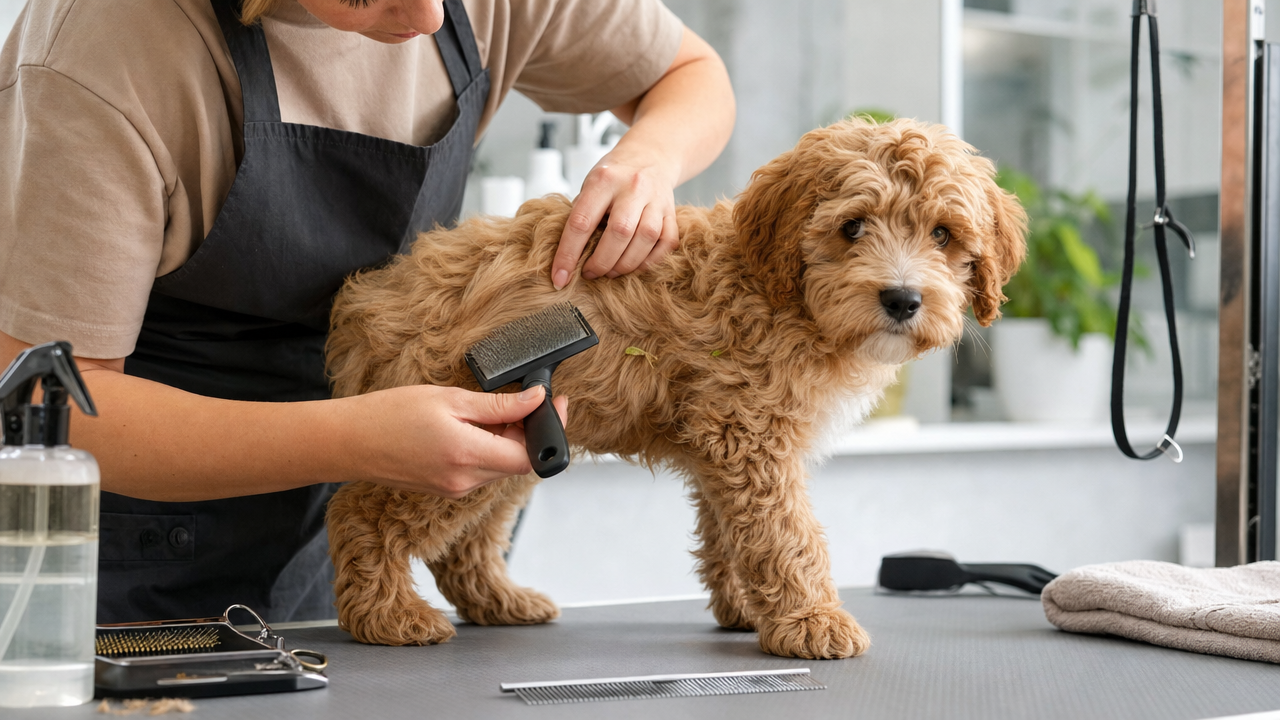
How much grooming each breed typically needs
Here is the practical version most families care about:
-
Havanese
- Brush at least 3 times weekly for pet coats
- More often for long coats
- Professional grooming every 4 to 8 weeks, depending on length
-
Havapoo
- Brush 3 to 4 times weekly, sometimes daily
- Schedule trims every 6 to 8 weeks
- Watch behind ears, armpits, collar line, and legs
-
Cavapoo
- Brush several times weekly
- Daily brushing is safest for curlier coats
- Most families need professional grooming every 6 to 8 weeks
The Cavapoo grooming guide points out that curlier, more Poodle-like coats usually need the most upkeep.
| Task | Havanese | Havapoo | Cavapoo |
|---|---|---|---|
| Brushing | 3 times weekly to daily | 3 to 4 times weekly to daily | Several times weekly to daily |
| Professional grooming | 4 to 8 weeks | 6 to 8 weeks | 6 to 8 weeks |
| Shedding cleanup | Low | Low | Low to moderate |
| Coat difficulty for beginners | Moderate | Moderate to high | Moderate |
If you want the easiest routine, ask the breeder what coat texture shows up most often in that line, not just what the parents look like.
What first-time owners should expect at home
Expect grooming to become part of your weekly routine, not an occasional fix.
Keep these basics on hand:
- Slicker brush
- Metal comb
- Detangling spray
- Gentle dog shampoo
- Face wipes or damp cloth
A simple home routine works best:
- Brush in small sections down to the skin.
- Comb hidden spots after brushing.
- Wipe the face after meals.
- Check ears and paws weekly.
Miss a week, and a soft coat can turn into mats fast.
Families who start handling paws, ears, and faces early usually have an easier time later. That early prep matters, and it is one reason breeder-raised grooming exposure can make the first year smoother.
Exercise, Temperament, and Daily Care Fit
Havanese usually fit calmer homes best. They are cheerful, gentle, and adaptable, and the AKC notes they need moderate exercise and often do well with brisk walks plus playtime according to AKC. In a direct breed comparison, that often means:
- Havanese are the easiest match for quieter homes
- Havapoos often land in the middle
- Cavapoos can be a bit more playful and people-focused
If your day is busy, focus less on long hikes and more on steady routines:
- Two short walks
- One play session
- A little training or puzzle work
- Consistent potty breaks
A small dog still needs structure. Low size does not mean low daily effort.
Families with young kids, retirees, or apartment living often like Havanese because they can settle well indoors. Cavapoos and Havapoos can do great too, but many need a bit more help burning off energy and staying mentally busy.
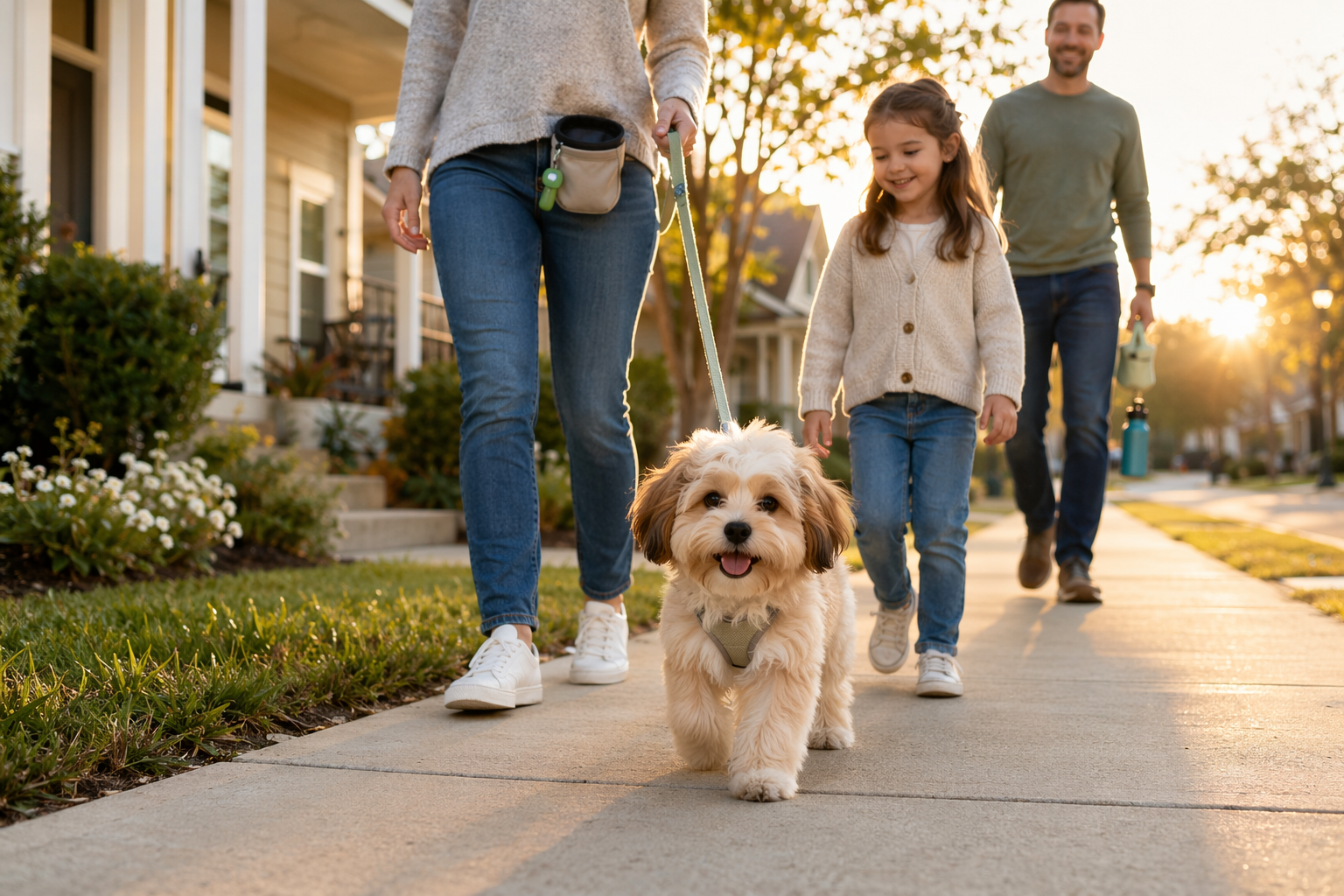
Social fit matters just as much as exercise. Havanese tend to bond closely and do not love long stretches alone. The AKC says dogs need daily social time and recommends most dogs spend no more than six to eight hours alone without a break in this guide.
That matters for all three, especially doodle mixes and companion breeds.
- Havanese often want near-constant company
- Cavapoos may be especially attached to one or two people
- Havapoos can vary by parent traits
Watch for:
- whining
- shadowing
- barking at departures
- rough crate settling
If you work long hours, plan for:
- a midday walker
- daycare once or twice a week
- short practice sessions with alone time
Also Read: Cavapoo vs Havapoo vs Havanese: Which Small Breed Is Best?
Which Should You Choose: Cavapoo, Havapoo, or Havanese?
Pick based on your daily life, not just looks. All three can be loving small companions, but they fit different homes. The Havanese is widely described as friendly, playful, and intelligent by the AKC breed profile, while Cavalier lines are known for a gentle, affectionate nature in the CKC breed standard.
Choose Cavapoo if you want soft temperament and doodle-style appeal
A Cavapoo often fits families who want:
- a cuddly, people-focused puppy
- a rounder teddy bear look
- a playful dog that still settles well indoors
This mix usually appeals to first-time owners who want a sweet pet without the full coat length of a Havanese. You may still need regular brushing, grooming visits, and early training for confidence and manners.
Watch for one thing: some families choose Cavapoos for the idea of low shedding, then feel surprised by coat work and price. If you love the doodle look and want a soft, easygoing companion, Cavapoo is often the strongest fit.
Choose Cavapoo if temperament and look matter most, and you are fine with steady grooming.
Choose Havapoo if you want a middle-ground companion
A Havapoo often lands in the middle. It can be a smart choice if you want:
- a smaller companion with a cheerful personality
- a coat that feels softer and fluffier than many pure breeds
- a dog that balances playtime with lap-dog energy
For many homes, Havapoo feels like the compromise pick. You get some doodle-style charm, but often with a more compact, companion-breed feel. This can work well for apartments, retirees, and families with older kids.
Choose Havapoo if you want a flexible, family-friendly mix that sits between the other two in style and routine.
Choose Havanese if you want the classic companion with the clearest routine
A Havanese is the clearest choice for buyers who want a well-known companion breed with a more predictable size and purpose. Good fit signs include:
- you want a true companion dog
- you like a bright, social personality
- you want the most established breed history of the three
The tradeoff is coat care. Havanese coats need regular brushing to avoid mats, and many owners keep them in a shorter trim. If you want the most defined breed identity and the most straightforward companion role, Havanese stands out.
The easiest way to decide before you reserve
Use this quick check:
| If you want… | Best fit |
|---|---|
| Soft doodle look and mellow charm | Cavapoo |
| Balanced mix of fluff, fun, and flexibility | Havapoo |
| Classic companion breed with the clearest routine | Havanese |
Before you reserve, ask the breeder about parent temperament, grooming needs, and how the puppy is raised. That matters more than breed label alone.

Still deciding which fit is best for your home, budget, and grooming routine? Sage Puppies helps families compare Cavapoo, Havapoo, and Havanese options with clear next steps, health-tested parents, and a transparent, family-first process. If you want a well-started puppy with Utah pickup or nationwide delivery, explore available puppies and apply when you are ready.
Frequently Asked Questions
Q1: What are the main differences in cost and care needs between Cavapoo, Havapoo, and Havanese puppies?
Cavapoos often cost more to maintain because many need regular trims, tear care, and steady training. Havapoos are similar but can vary by coat type. Havanese usually have more predictable care needs, though coat upkeep still takes real time.
Q2: How do lifespan, grooming, and exercise requirements compare for Cavapoo, Havapoo, and Havanese dogs?
Havanese often have the longest lifespan. Cavapoos and Havapoos also live long lives with good breeding and care. All three need brushing. Cavapoos and Havapoos may need more clip appointments. Exercise needs stay moderate, with daily walks and play.
Q3: What factors influence the cost and long-term care of small breed puppies like Cavapoo, Havapoo, and Havanese?
Key factors include breeder standards, parent health testing, coat type, size, grooming frequency, training, food, and vet care. A lower upfront price can mean higher future costs if the puppy lacks strong early socialization or careful breeding practices.
Q4: Which breed is usually easiest for first-time owners?
Havanese are often the most predictable choice for first-time families because temperament and coat expectations are more consistent. Havapoos and Cavapoos can also fit well, but mixes may vary more in energy, shedding, and grooming needs.
Q5: How do I choose the best fit for my family?
Start with your daily routine, budget, and grooming tolerance. Pick the dog that fits your real life, not just your favorite look. > If you want breeder guidance, Sage Puppies can help families compare temperament, care needs, pickup, and delivery options.
Conclusion
The right pick comes down to fit, not just looks. Havanese usually give families the most predictability in size, coat, and long-term traits, with breed sources commonly placing lifespan around 14 to 16 years according to AKC and veterinary breed guides. Cavapoos and Havapoos can be wonderful companions too, but mixed coats, grooming needs, and inherited risks can vary more from puppy to puppy.
Keep these points in mind:
- Choose Havanese if you want the most consistent small companion profile.
- Choose Cavapoo if you want a slightly softer, spaniel-style personality and accept higher coat upkeep.
- Choose Havapoo if you want a playful middle ground with poodle influence.
The smartest choice is the puppy whose temperament, breeder practices, grooming needs, and lifetime care costs match your home. That is what makes ownership easier for years, not just the first week.