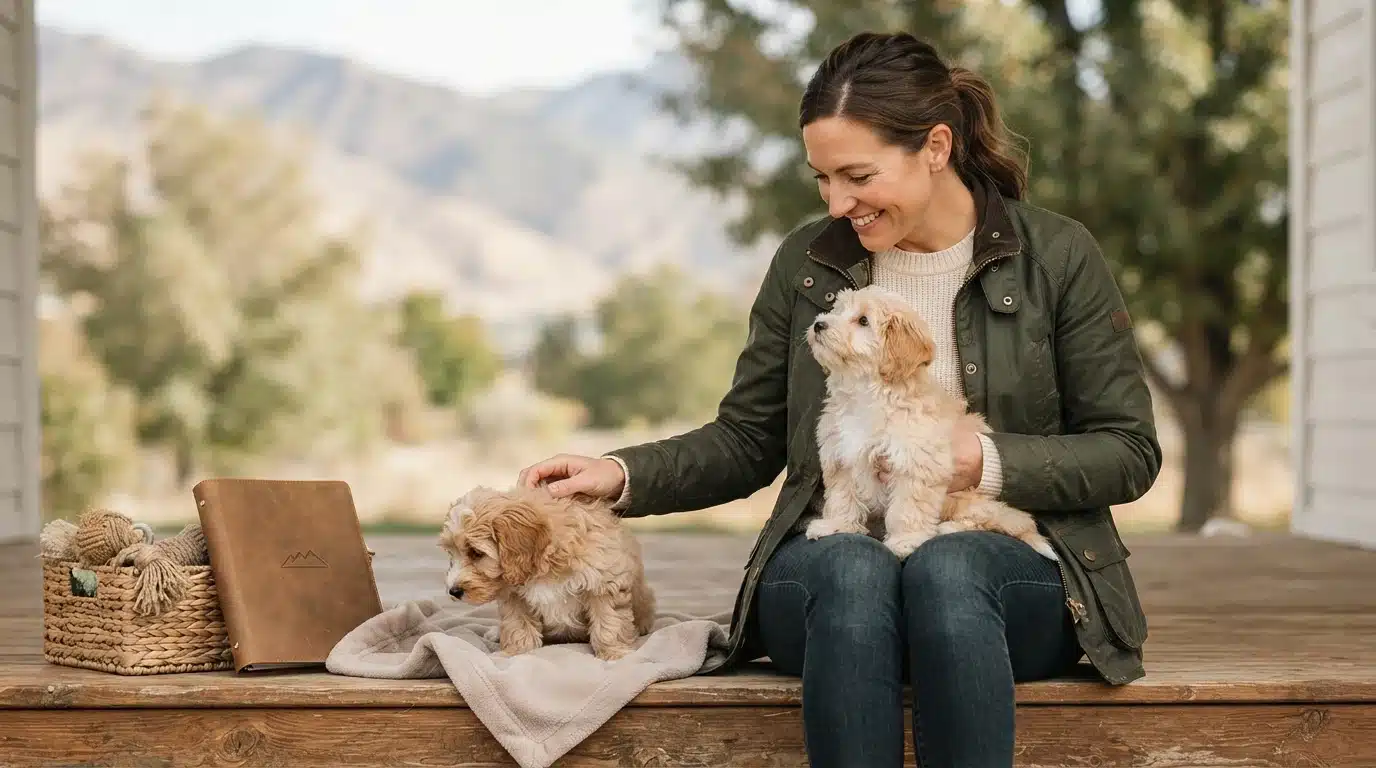
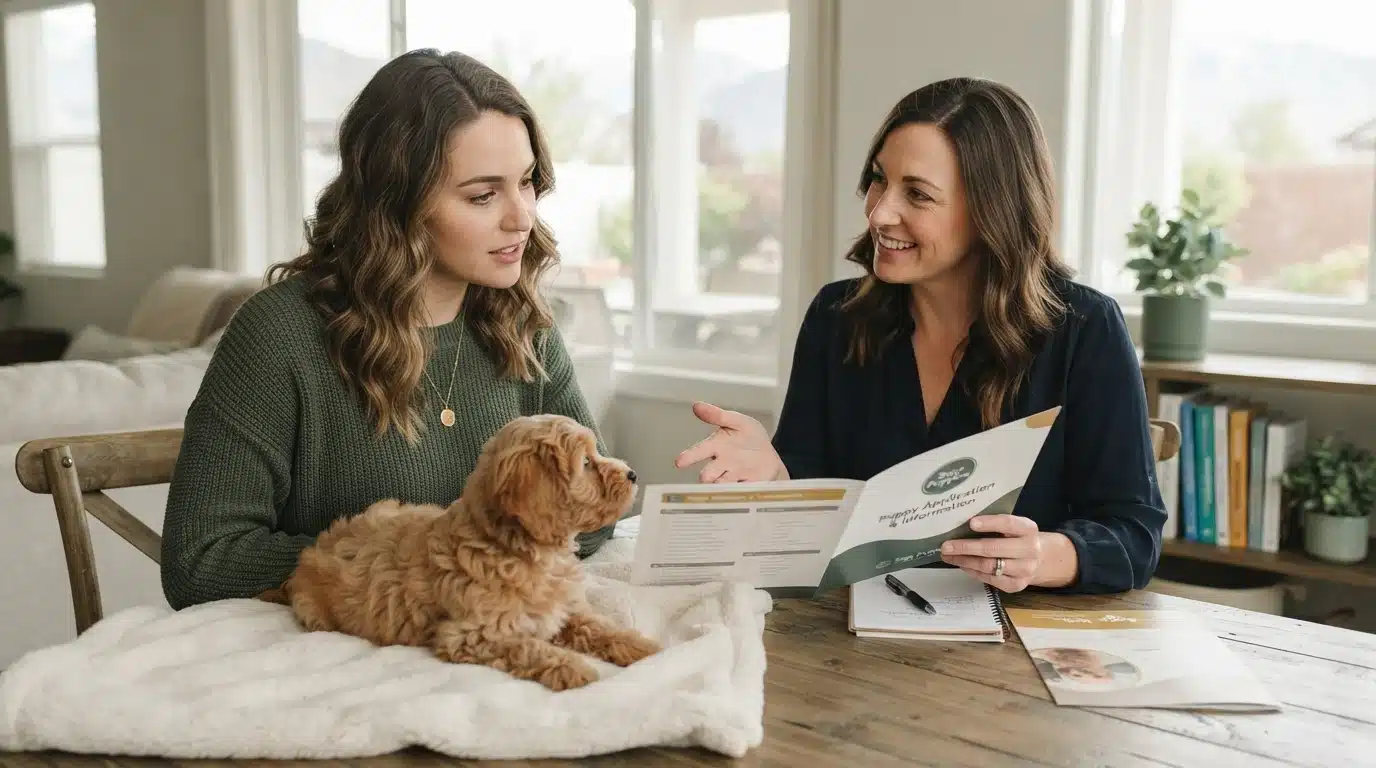
Quick Summary: Havanese, Havapoo, and Cavapoo puppies from Sage Puppies are presented as strong fits for Utah apartments because they stay under about 20 pounds, have warm wavy or soft coats, and remain calm indoors. They still need winter coats below freezing, shorter walks, regular brushing, and protection from icy paws and ice melt, with extra care at higher elevations. Before paying a deposit, buyers should verify health tests, vaccination records, a written contract, and the litter’s living environment.
Every January, the same question lands in our inbox from buyers in Salt Lake City, Provo and Ogden: the apartment is small, the winters are cold and dry, so which puppy will actually work here? Most lists answer with big northern breeds. That advice fails fast in a 700-square-foot apartment. The better fit sits elsewhere, and it matters more when you are comparing the best puppy breeds for Utah against your own floor plan. We raise Havanese, Havapoo and Cavapoo puppies in South Jordan, so we will show you how each one handles Utah winters, elevation and close quarters, and how to check any breeder before you commit. This guide pairs climate fit with small-home logistics, then walks you through verifying a Utah breeder step by step.
What Utah’s Climate Actually Asks of a Dog
Utah is not one climate, and that trips up a lot of puppy buyers. The valley floor and the mountains ten minutes away can differ by 20 degrees on the same day. Understanding that split is the first step in choosing the best puppy breeds for Utah instead of guessing.
Salt Lake Valley and High Country Are Two Different Climates
Salt Lake City sits at roughly 4,200 feet, while many neighborhoods along the Wasatch Range climb past 6,000 feet. That elevation change changes everything. Valley winters bring freezing nights and occasional snow, but mountain towns get deeper cold, longer snow cover and shorter summers.
Where you live shapes what a dog actually needs. A small companion in a South Jordan apartment faces icy sidewalks and dry air, not deep backcountry winters. A family with a cabin in Park City should plan for real cold on walks. Know your daily routine first, then match the breed to it.
The Two Extremes: Cold Winters and Hot Summers
Utah swings hard in both directions. Summers here are hot, often pushing past 100°F, while winters turn cold and snowy, according to Climate of Salt Lake City. Both ends matter for a small dog.
Cold hits short-coated or tiny breeds hardest, so winter walks stay short and a coat helps. Summer heat is riskier still, because hot pavement burns paws and heat stress builds fast in small dogs. Plan walks for early morning, carry water, and test the pavement with your hand.
What matters most is not a thick double coat but a dog that adapts to indoor life with brief outdoor breaks.
Which Puppy Breeds Are Best for Utah’s Climate and Small Homes?
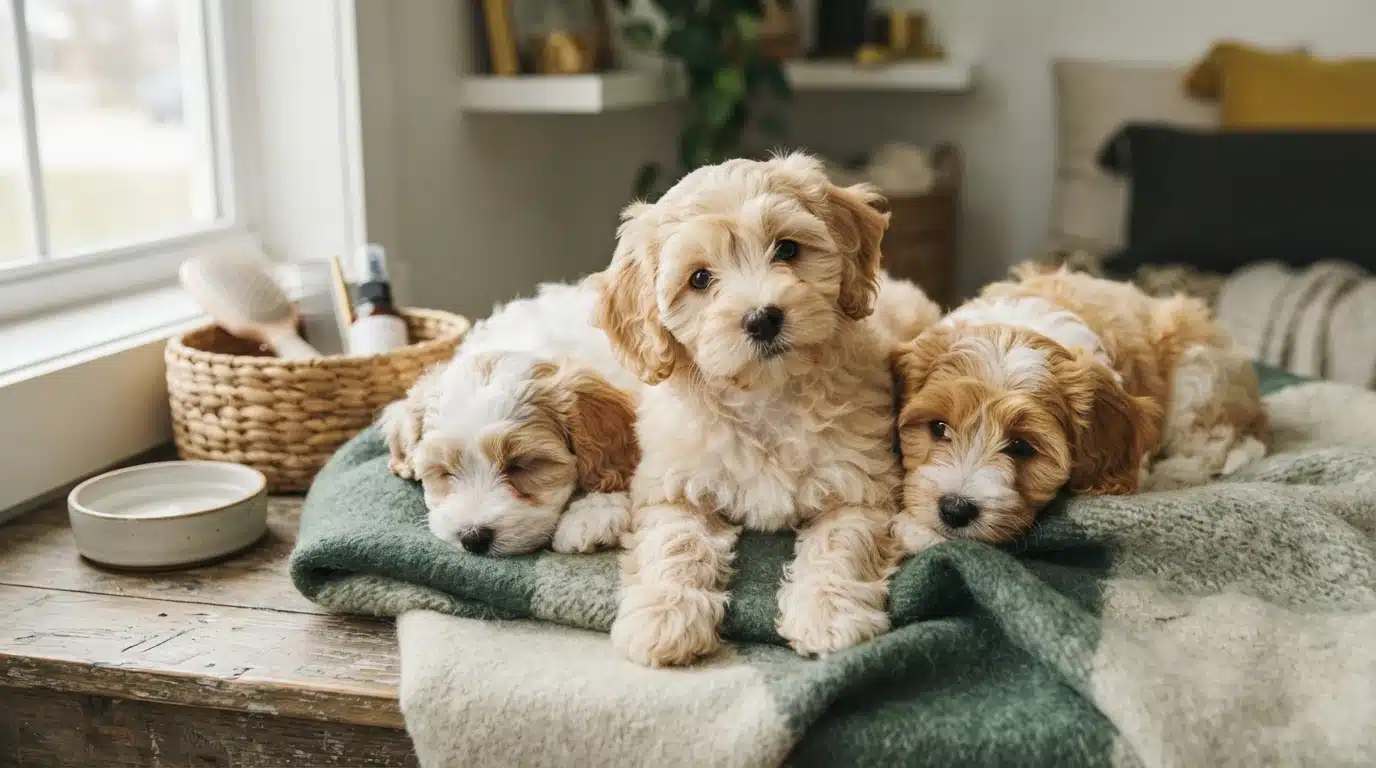
The best puppy breeds for Utah homes that run cold winters and tight square footage share three traits: a coat that insulates, a small body that fits apartment life, and a temperament that settles indoors. Three stand out:
- Havanese – silky double coat, sturdy little frame, thrives indoors.
- Havapoo – Havanese and poodle mix, wavy low-shed coat, adaptable.
- Cavapoo – Cavalier and poodle mix, soft coat, calm and people-focused.
Each pairs cold-weather comfort with a small-home footprint, which is exactly the combination Utah apartment households need.
Best Small Companion Breeds for Utah Winters
Utah winters test a puppy’s coat before anything else. When Salt Lake City drops well below freezing and mountain neighborhoods run colder still, a thin single coat means booties, jackets and shorter potty breaks all season. A dense or curly coat insulates naturally, so the puppy handles quick trips outside without shivering. Size matters too. A small breed dog for apartments needs less exercise space and fewer long walks, which helps when snow banks narrow the sidewalks. Add a temperament that tolerates being indoors for stretches, and you have a breed that fits winter instead of fighting it.
Where Havanese, Havapoo and Cavapoo Fit
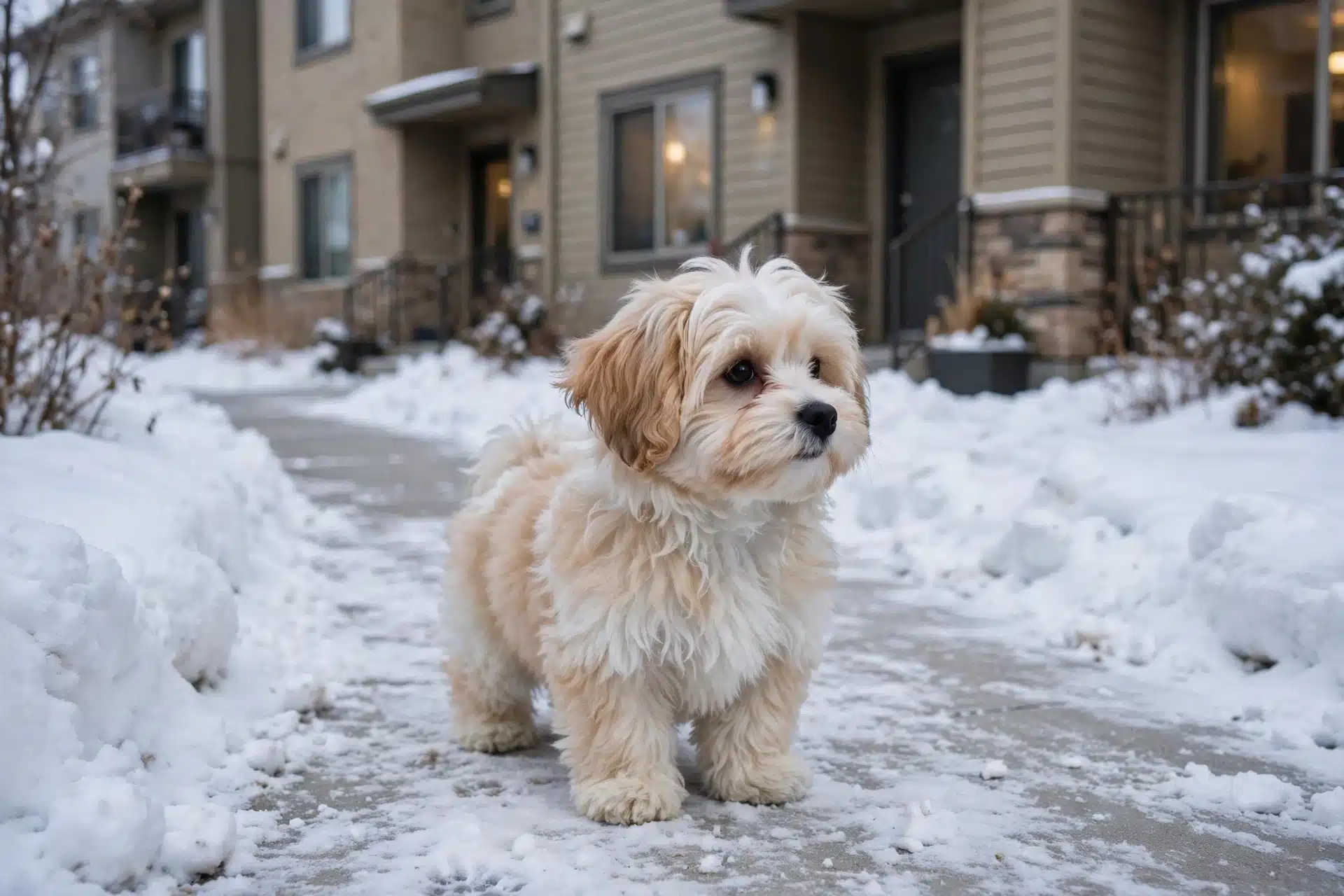
Yes, Havanese, Havapoo and Cavapoo puppies handle Utah winters well, and all three suit apartments. Their coats and temperaments do the work:
- Coat: Havanese carry a soft double coat with real insulation. Havapoos and Cavapoos inherit wavy or curly poodle-influenced coats that hold warmth and shed lightly.
- Grooming: All three need regular brushing to prevent mats, and trims every few months. Snowballs cling less to a tidy coat.
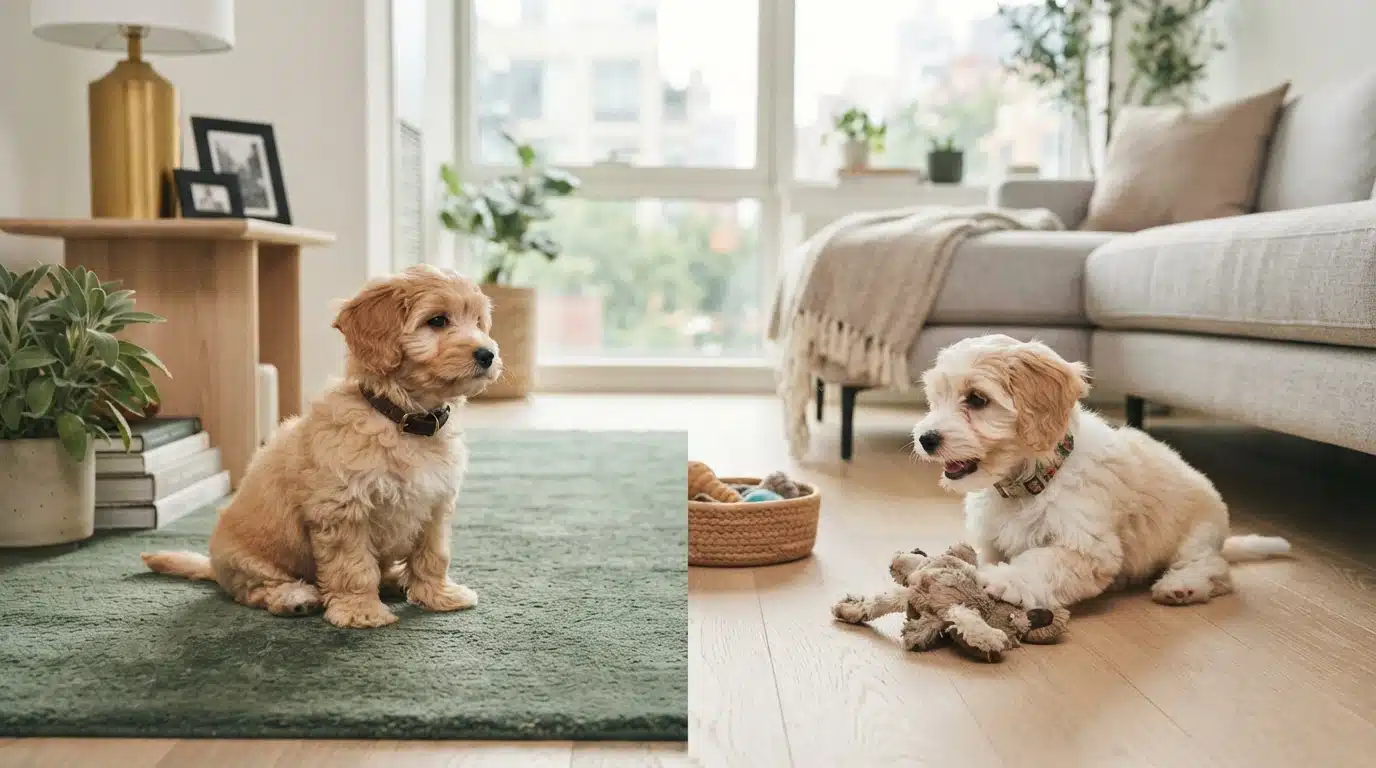
- Apartment fit: All three stay under about 20 pounds, bark modestly when matched well, and settle calmly indoors between walks.
Because these are the only breeds Sage Puppies raises, we match Utah families with the coat type and temperament that fits their home. House training in a small home goes faster too, since a consistent potty spot stays close by.
Breeds That Handle Utah Cold but Not Small Homes
Some cold-hardy breeds fail the apartment test. Siberian Huskies, Alaskan Malamutes and Great Pyrenees carry superb double coat insulation, but each was bred to work and roam for hours. Pen them in a 700-square-foot apartment through a snowy week and the pent-up energy shows up as chewing, pacing and howling. Their shedding also floods a small space. For Utah winters in a small home, the calm companion breeds above are the better match.
Caring for a Small Breed Through a Utah Winter
Small breeds handle Utah winters well indoors, but winter care comes down to three habits: keep the coat brushed and dry, protect the paws from ice melt, and shorten walks instead of skipping them. A Havanese, Havapoo or Cavapoo is built for apartment life, not for hours in single-digit air. The details below cover both.
Coats, Snow and Dry Skin
Havanese have a long single coat, while Havapoo and Cavapoo coats lean wavy and low-shedding. None of them have the double coat that insulates northern working breeds, so a sweater or coat earns its keep below freezing, especially on a puppy still building body mass.
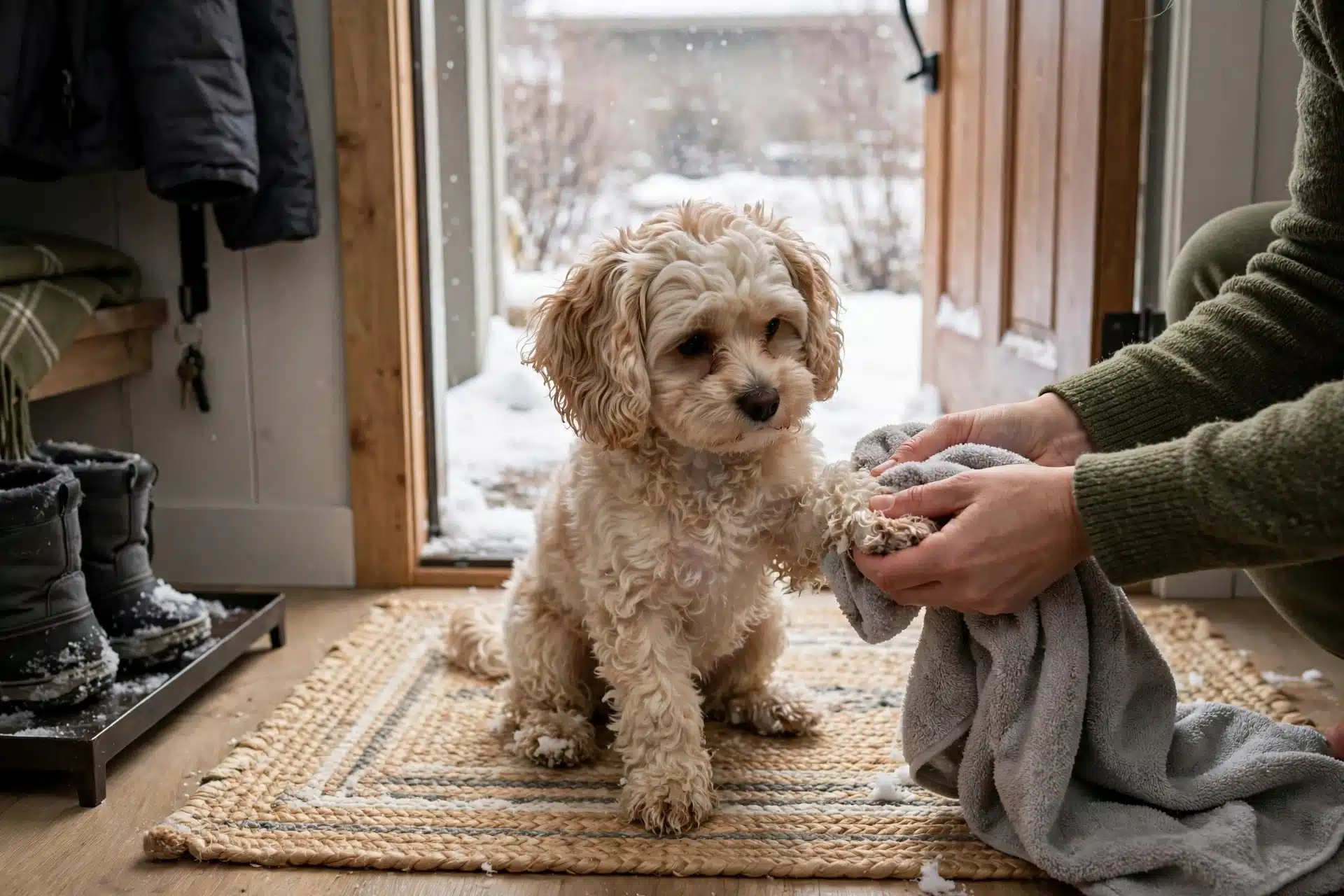
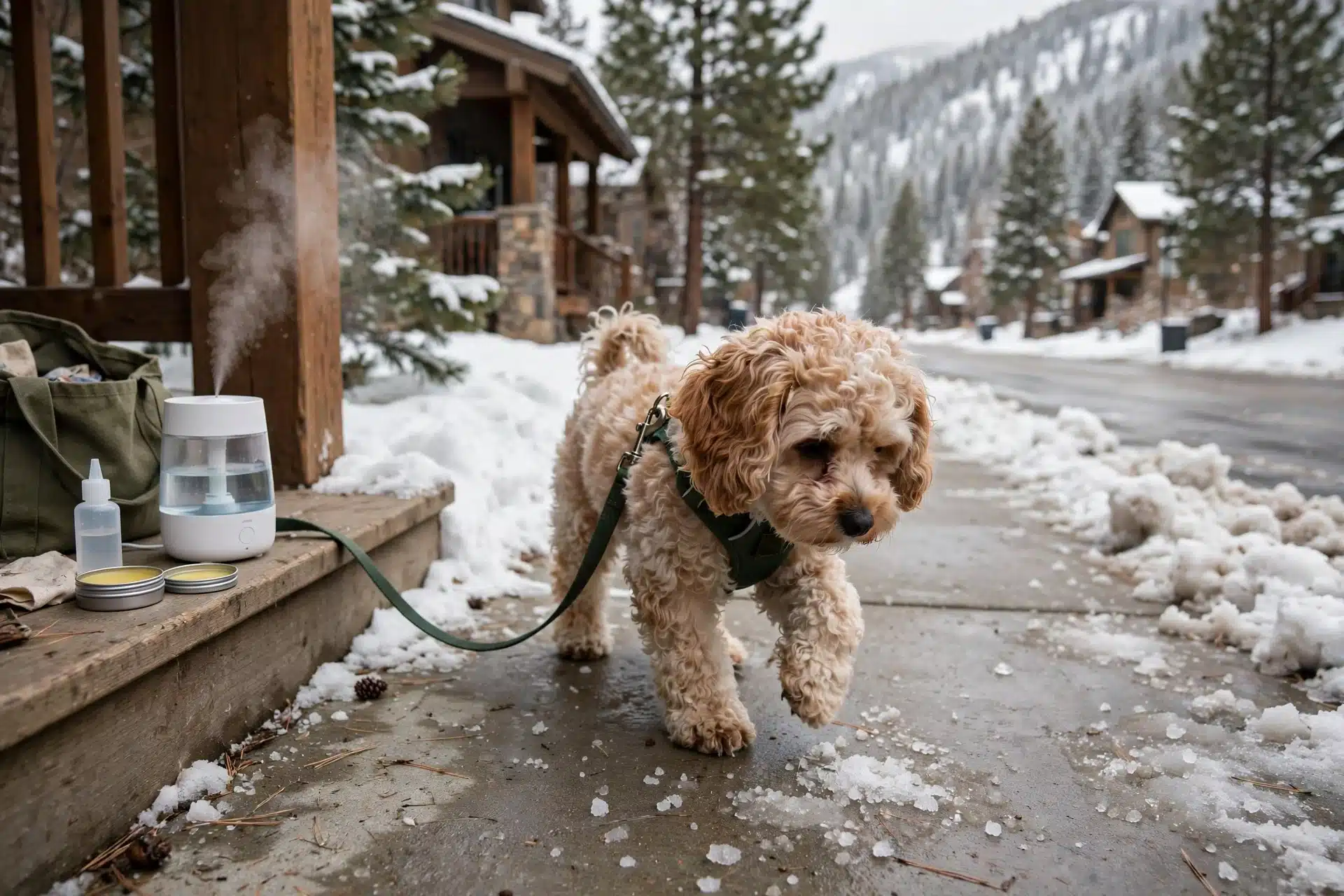
The bigger indoor problem is dry air. Furnace season drops indoor humidity fast, and Utah’s climate is already dry. Brush two or three times a week, bathe only when needed, and add a humidifier near the sleeping spot if you see flaking or static. Wipe paws and belly after every snowy walk to stop salt and grit from being licked off. For more season-by-season routines, the Utah seasonal puppy care guide walks through the full year.
Shortening Walks Without Skipping Them
How do small dogs handle Utah winter walks? Follow these steps:
- Watch for shivering, lifted paws or a tucked tail, and head home at the first sign.
- Cut a 30-minute summer walk into two 10-minute loops in deep cold.
- Use pet-safe ice melt at home, since rock salt can burn paw pads.
- Wipe paws warm and dry indoors afterward.
Indoor play, scent games and short training sessions fill the gap, which matters more in a small apartment where pent-up energy shows quickly.
Fitting a Small Breed Into a Small Home
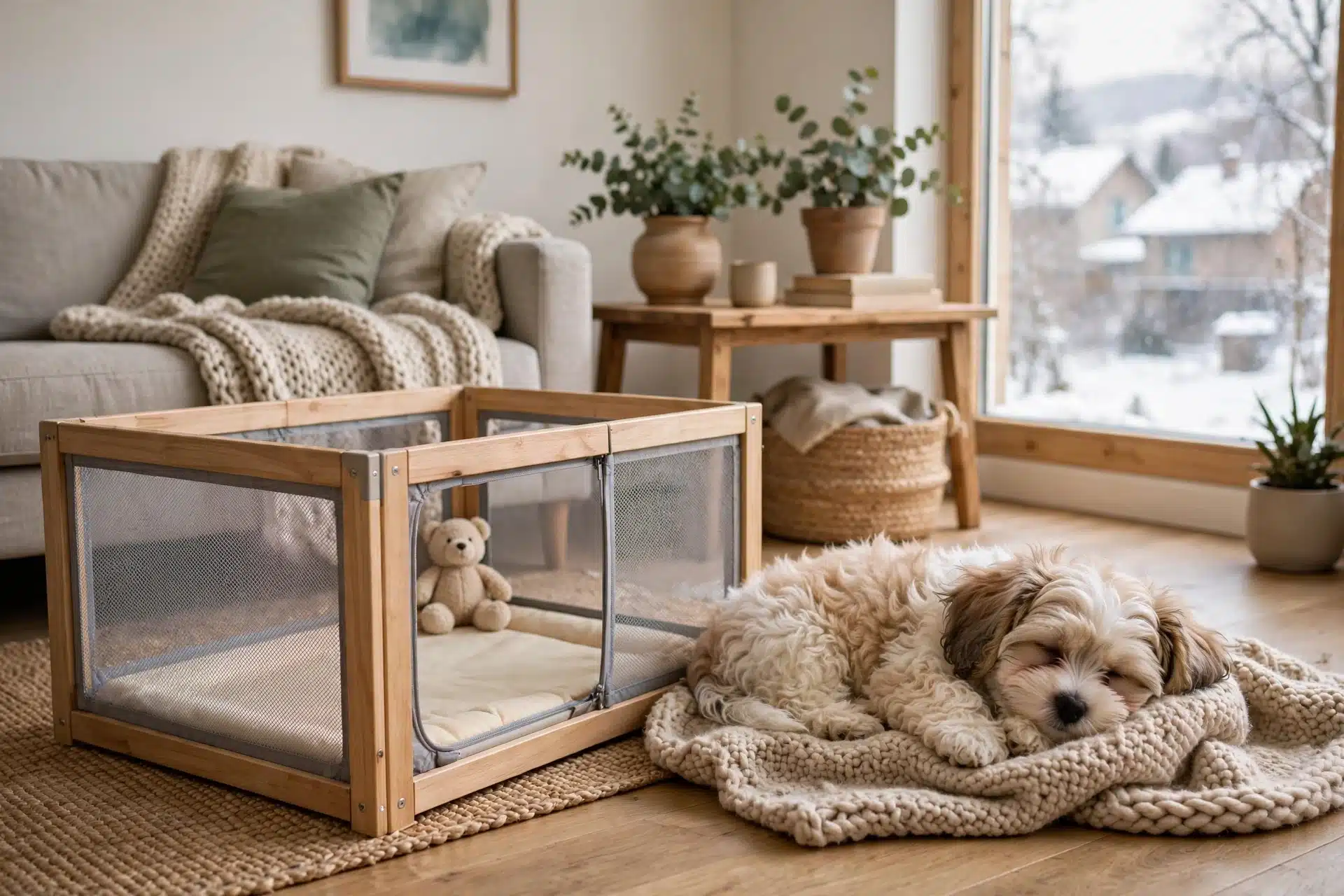
A tiny dog needs less space, but a small home raises the stakes on two habits: where the puppy goes potty and how it burns energy. Both are trainable, and both are easier when you plan before the puppy arrives.
House Training in a Smaller Footprint
Pick one door, one patch of grass or one balcony pad, and use it every time. Puppies learn patterns fast, so consistency beats square footage. In a snowy Utah week, shovel a short path to the same spot and keep using it. Take the puppy out after every meal, nap and play session, and reward the instant it finishes. Accidents inside need an enzymatic cleaner, because leftover scent invites repeat visits. Small breeds like Havanese, Havapoos and Cavapoos have small bladders, so expect frequent trips for the first few months. For a deeper walkthrough, Sage Puppies covers small breed puppy potty training in an apartment step by step.
Exercise Without a Big Yard
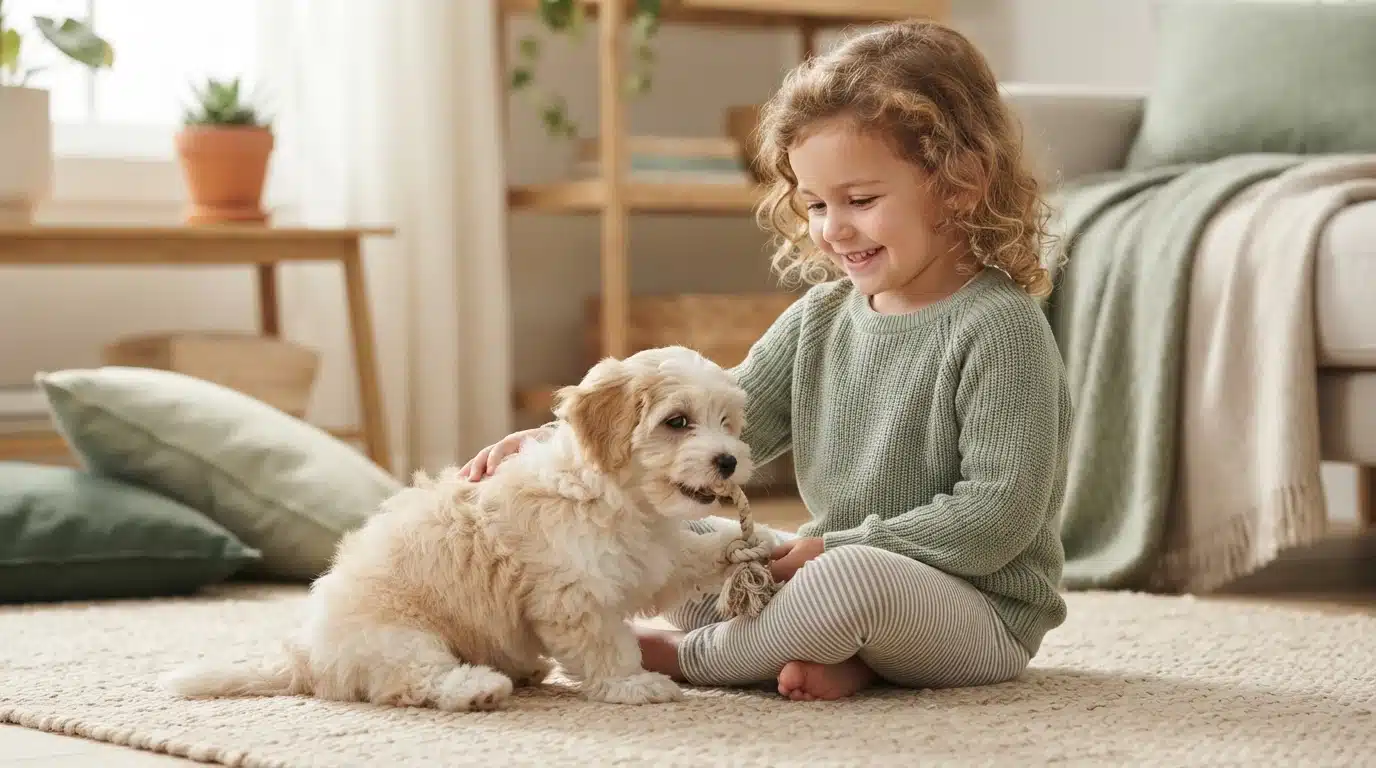
Small breeds need less ground than a husky, but they still need daily movement. Two or three short walks, a game of fetch down a hallway, or a ten-minute training session indoors can cover it. Puzzle feeders and tug toys burn mental energy, which matters more than distance for these dogs. Match the exercise to the weather: short loops in deep cold, morning walks during summer heat. A tired puppy settles, and a settled puppy suits apartment life. If the energy still builds up, add a midday trip or a short playdate with a calm, vaccinated dog.
Elevation, Altitude and Living Above the Wasatch
What Changes in Mountain Communities
Salt Lake City sits near 4,200 feet, but plenty of Utah dog families live higher. Neighborhoods along the Wasatch Range run past 6,000 feet, and towns like Park City climb well beyond that. Altitude changes how winter feels for a small puppy, so a few adjustments matter.
The air is thinner and drier up there. Puppies fresh from a breeder’s home can breathe harder on their first walks, so keep early outings short and let a young Havanese or Cavapoo build stamina over weeks rather than days. Dry air also dries out paws and noses faster, which makes paw balm and a humidifier genuinely useful, not decorative.
Cold arrives earlier and stays longer in the mountains, and snow lingers on shaded sidewalks well after valley lawns clear. That extends the season for ice melt, which can burn paw pads, so rinse feet after walks and check between the toes.
Altitude also affects car travel home from the breeder. Plan an extra stop, offer water, and give your puppy a calm, warm crate for the drive. Families picking up in the Salt Lake area can see how the application and matching process works before planning that trip, since breeders vary in how they prepare puppies for the ride.
House training runs slower in deep snow too. Many puppies refuse to go on crusty drifts, so shovel one consistent patch and reward the same spot every time. Consistency beats size in a small yard or balcony setup.
Choosing a Utah Breeder: What to Verify Before You Pay
Before you pay a deposit, run this checklist:
- Health testing: Ask which parent dogs passed eye, hip and heart screening, and request the paperwork.
- Vaccination and deworming records: Puppies should have age-appropriate shots documented by a licensed vet.
- A written contract: It should cover health terms, returns and spay or neuter expectations in plain language.
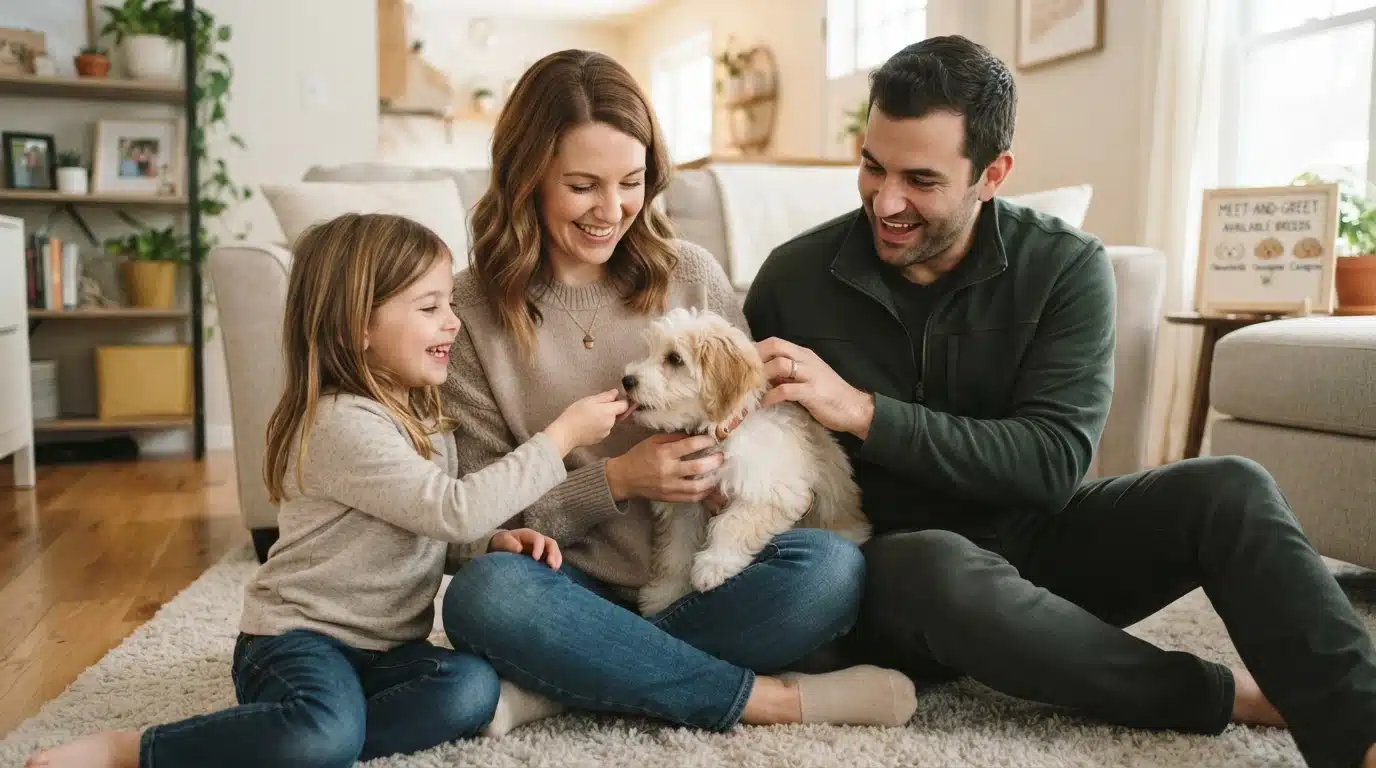
- A visit or video call: Meet the puppy with its mother and see where the litter lives.
- Recent references: Talk to families who bought from this breeder in the last year.
If a breeder dodges any of these, walk away.
Health Records, Testing and Temperament
Good breeders keep records before you ask. Ask to see the mother’s vet history, the puppy’s vaccination dates and any genetic screening done on the parents. For Havanese, Havapoo and Cavapoo litters, ask specifically about eye and patella checks, since small breeds can carry joint issues. Temperament matters just as much. Puppies raised inside a home, around noise and handling, usually settle faster in an apartment than kennel-raised litters. Visit if you can. If distance rules that out, ask for an unedited video of the litter playing. A breeder who hesitates on either request is telling you something.
Deposits, Contracts, Pickup and Delivery
Read the contract before any money moves. A deposit should be applied to the purchase price, not kept as a fee, and the terms should state when it becomes refundable. Expect clear wording on what happens if the puppy fails a vet exam. In Utah, buyers near South Jordan can often pick up in person, which lets you meet the mother and see the litter’s environment. National buyers should ask how transport works, what paperwork crosses state lines and who holds the puppy during travel. Reputable programs, including small Utah programs like Sage Puppies, put these terms in writing up front, so nothing about the deposit or delivery surprises you later. Get every promise in the contract, not in a text message.
Tip: Pay nothing until you have a signed contract and vet records in hand. A deposit to a verified breeder is safe; a wire transfer to a stranger is not.
Common Mistakes to Avoid
Mistakes That Cost Families the Most
The costliest errors usually happen before you bring a puppy home. The biggest one is choosing on looks alone, then discovering the breed’s energy or coat needs don’t fit your space or schedule. Another is skipping breeder checks, so health testing and early socialization become unknowns. Our guide to questions to ask breeders walks through what to verify first.
In winter, families often forget ice melt. Salt and chemical de-icers burn paw pads, so rinse feet after every snowy walk. Others skip coat care, and mats pull painfully tight under a winter jacket. Finally, don’t underestimate alone time. A Havanese, Havapoo or Cavapoo bonds hard with people, and long empty days lead to barking and chewing.
One more trap: rushing the first week. Set up a crate, a potty spot and a quiet corner before pickup day, and let your puppy settle at its own pace.

A puppy that fits Utah winters and a small home changes daily life for the better. Sage Puppies breeds Havanese, Havapoo and Cavapoo puppies suited to both. Browse available puppies, then submit an application to start the matching process.
Frequently Asked Questions
Q1: Which puppy breeds are best for Utah’s climate and small homes?
Havanese, Havapoo and Cavapoo top the list. Each stays under about 20 pounds, adapts to indoor apartment life, and carries a coat that handles quick winter walks without constant shivering.
Q2: Do Havapoos and Cavapoos need winter coats in Utah?
Below freezing, yes. Their wavy coats hold some warmth, but a puppy sweater helps on icy valley mornings and in colder Wasatch foothill neighborhoods.
Q3: How much exercise do these breeds need in an apartment?
Two or three short walks plus indoor play or puzzle feeders cover it. Mental work matters more than distance for Havanese and doodle mixes.
Q4: Can I pick up a puppy in winter in Utah?
Yes, but plan a warm crate, water and an extra stop on the drive. Mountain routes mean drier air and slower puppy stamina, so keep that first evening calm.
Q5: What should a Utah puppy contract include?
Health terms, deposit rules, return conditions and spay or neuter expectations, all in writing. Verify vet records before paying anything.
Conclusion
For Utah homes with cold winters and tight square footage, Havanese, Havapoo and Cavapoo puppies fit better than any northern working breed. Match the coat, temperament and size to your routine, and check the breeder before you pay: health testing, vet records, a written contract and a look at where the litter lives. Keep winter walks short, protect paws from ice melt, and brush the coat through the dry season. The right small breed dog for apartments rewards that planning for years. If you are weighing the best puppy breeds for Utah for cold winters and small homes, start with these three and verify everything else.