Quick Summary: Breeder-raised puppies generally offer stronger health documentation, clearer contracts, known parentage, and ongoing breeder support, while pet store puppies often come with limited records and an unidentified commercial vendor. A lower sticker price may disappear once vaccines, spay or neuter, microchipping, and financing costs are added, and research links pet store sourcing with greater fear and aggression, though it does not prove causation. Before paying a deposit, buyers should request dated health records and parent testing, meet the mother, visit or video call the puppies where they were raised, and read the contract; Sage Puppies is presented as a breeder program offering these safeguards for Havanese, Havapoo, and Cavapoo puppies in South Jordan, Utah.
One question decides the breeder-raised vs pet store puppies choice: what paperwork comes home with the puppy? Breeder-raised puppies usually arrive with dated health records, a written contract, and a breeder you can call for the dog’s whole life. Pet store puppies often come with a sales receipt, a store-level warranty, and a vendor the store cannot name. That paper trail matters more than the sticker price, especially for families searching for a reputable puppy breeder near me. This comparison covers how each puppy is raised, what documentation to expect, true total cost, contract protections, and the published behavior research, then ends with a checklist for vetting breeders near you.
Breeder-Raised Puppies vs Pet Store Puppies: At a Glance
| Sage Puppies (breeder-raised Havanese, Havapoo and Cavapoo puppies) | Pet store puppies (retail and puppy-mall channels) | |
|---|---|---|
| Where the puppy is raised | Raised in the breeder’s own home-based program in South Jordan, Utah, with socialization from the first weeks | Typically raised in a commercial breeding facility before being shipped to a retail store |
| Health and genetic documentation | Health testing published on a dedicated health testing page, plus vaccination and deworming records and veterinary health certificates | Often limited to store-level vaccination records; independent genetic test results are uncommon and vary by vendor |
| Typical price range | $3,500 to $4,500 depending on breed and litter | Store prices vary widely and often exclude vaccines, spay or neuter, and microchip fees quoted at checkout |
| Paperwork and buyer protections | Written puppy contract with specific and guardian terms, plus an application-based reservation process | Retail sales receipt and a store warranty or return policy, with the original breeder often undisclosed |
| Ongoing breeder support | Direct contact with the breeder after placement, with local pickup in Utah and delivery planning for other states | Support is limited to the store; the breeding facility and parent dogs are frequently not identified |
| Best for | Buyers who want documented health testing, a contract, and a named breeder they can call after the puppy goes home | Buyers who want same-day availability and who will independently verify records before committing |
How Sage Puppies and Pet Store Puppies Compare
This breeder raised vs pet store puppies comparison starts with the two sourcing channels themselves. Here is what each one actually is.
Sage Puppies (breeder-raised Havanese, Havapoo and Cavapoo puppies)
Sage Puppies is a boutique breeder program founded in 2025 in South Jordan, Utah, raising only Havanese, Havapoo, and Cavapoo puppies. Puppies grow up in the breeder’s own home with early socialization, and each placement comes with published health testing, vaccination records, and a written contract.

Key strengths
- Health testing published on a dedicated page, plus veterinary health certificates
- $3,500 to $4,500 depending on breed and litter, with a clear application process
- Direct breeder support after placement; local Utah pickup or delivery planning
Pet store puppies (retail and puppy-mall channels)
Pet store puppies come through retail shops and large marketplaces, usually supplied by commercial breeding operations rather than individual breeders. Buyers get same-day availability and a store warranty, but the original breeder and parent dogs often stay undisclosed. Support ends at the store counter.
Where the Puppy Is Raised and Who Answers for It
The biggest difference between breeder raised vs pet store puppies is not the price tag. It is where the puppy spent its first eight weeks and who stands behind it afterward. A breeder-raised litter grows up in a home. A store puppy usually starts in a large commercial kennel you will never see.

Why the Distance Between the Breeder and the Store Matters
Most pet stores do not breed their own puppies. They buy from wholesale dealers, and federal law licenses those dealers under the Animal Welfare Act. That supply chain can include large-scale operations, often called puppy mills, where breeding dogs live in kennels year-round. Welfare groups note that mill sellers often refuse to show where puppies were raised or let you meet the mother. By the time a store puppy reaches a glass enclosure, several people have handled the sale, and none of them raised the litter. Accountability gets spread thin.
What You Can Actually See When You Visit a Breeder-Raised Litter
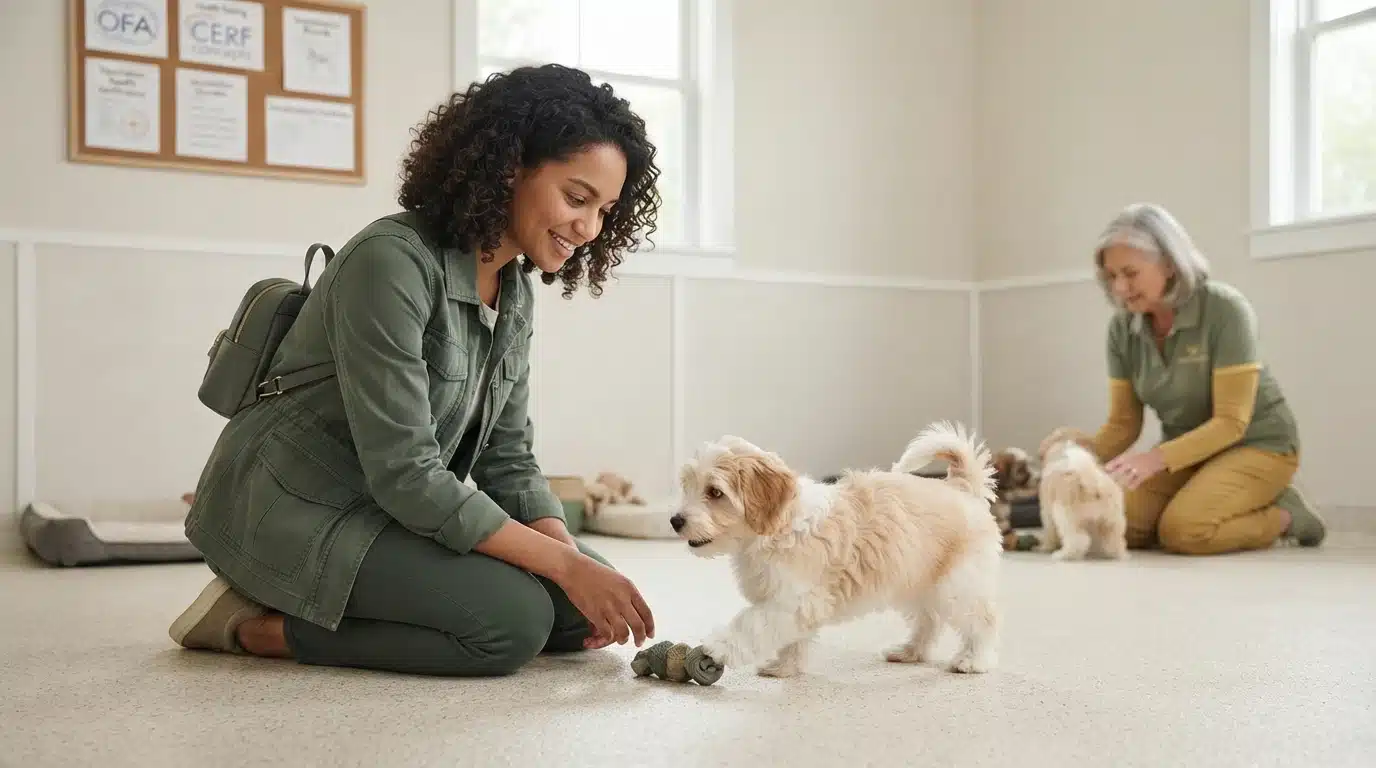
A visit answers questions no brochure can. You can watch how the puppies move, how they react to strangers, and how the mother behaves around them. Ask to see where the litter sleeps, eats, and plays. Small home-based programs, such as a Utah breeder raising a litter in daily family life, let you meet the dam and see the exact room the puppies were whelped in. If a seller dodges a visit, that answer matters more than any label on the door.
Health Testing and Veterinary Records: What Each Channel Actually Provides
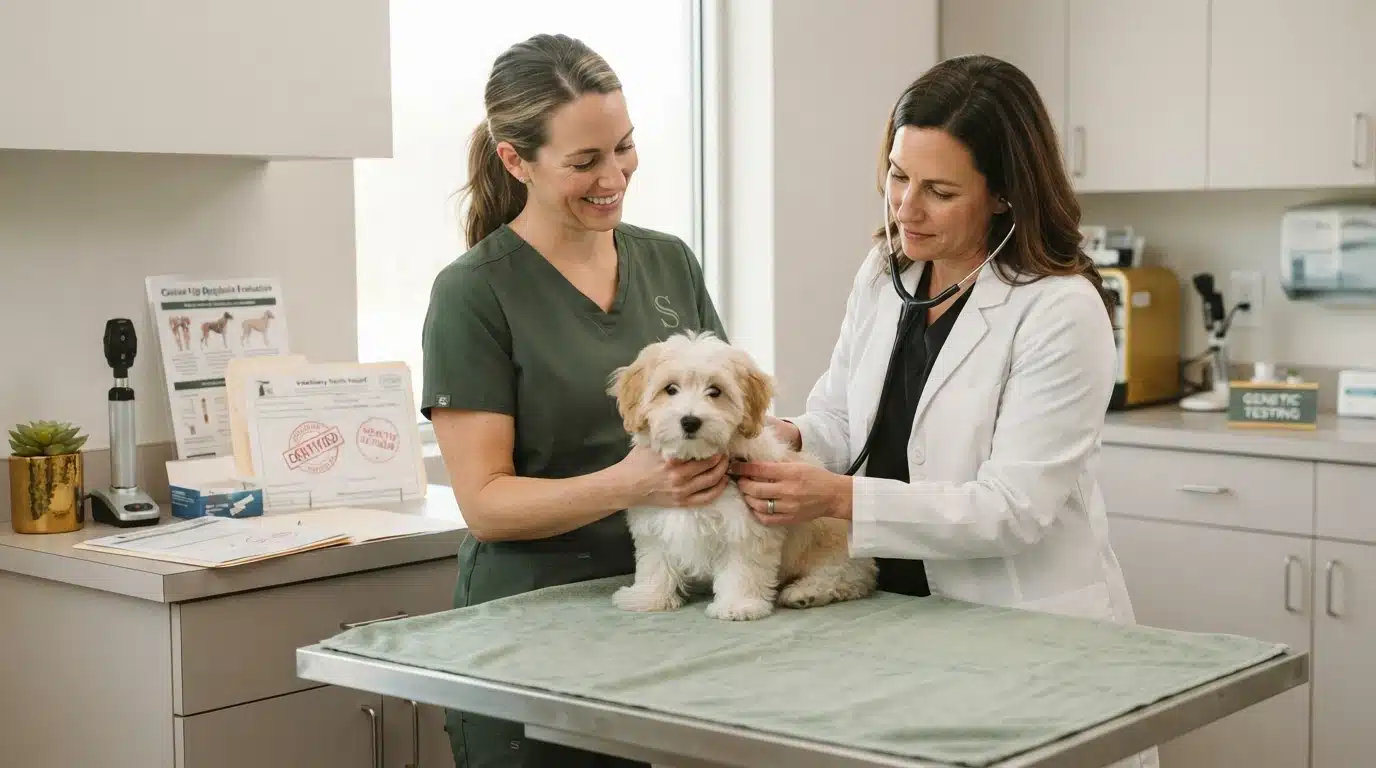
Ask any seller for health records and you will get a folder. The difference between channels is what sits inside it. From a breeder, request these documents:
- A veterinary health certificate dated near your pickup day
- Vaccine and deworming records listing product names and dates
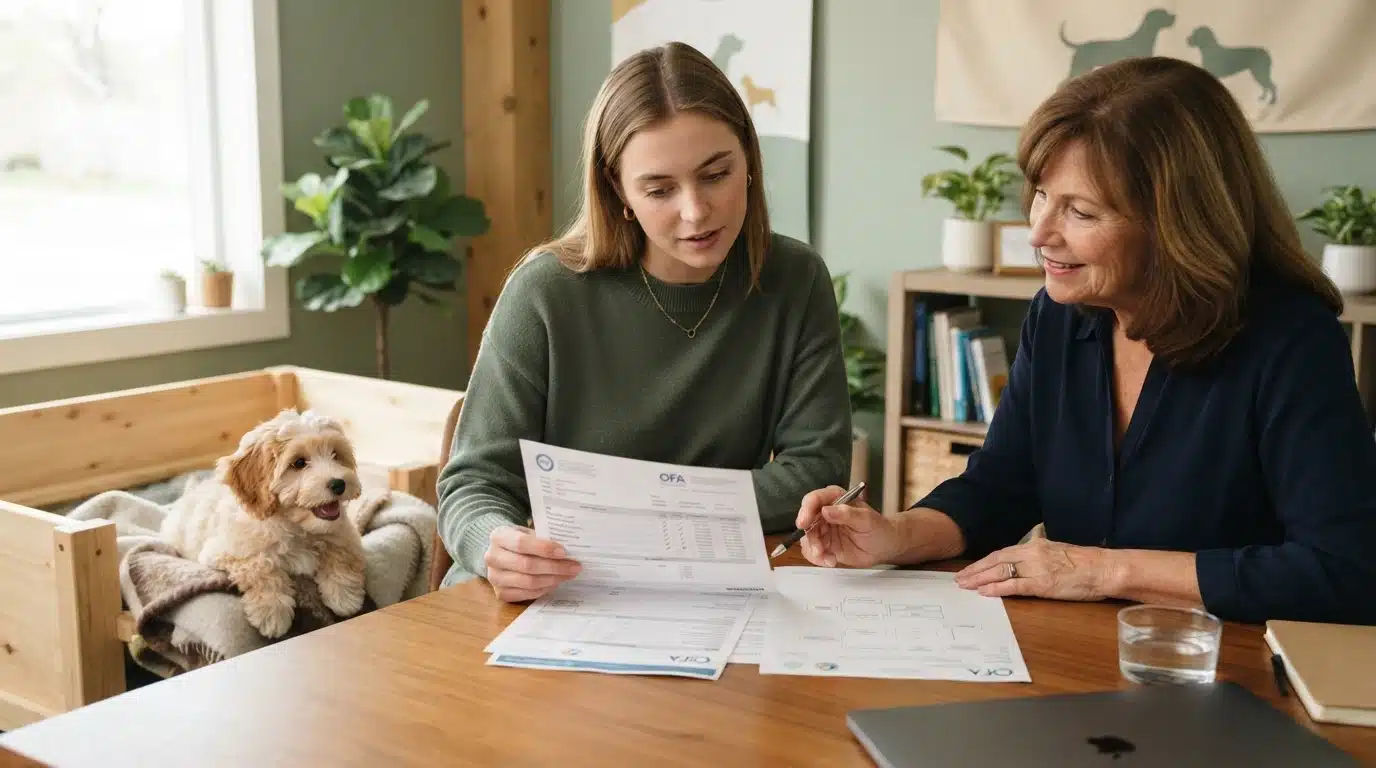
- Parent health test results, such as OFA or CERF listings
- A written record of any vet visits during puppyhood
| Document | What It Confirms | Red Flag if Missing |
|---|---|---|
| Health certificate | A licensed vet examined the puppy | No exam date or vet name |
| Vaccine record | Age-appropriate shots given | Vague “up to date” wording |
| Parent testing | Genetic risks screened in adults | Only “parents are healthy” |
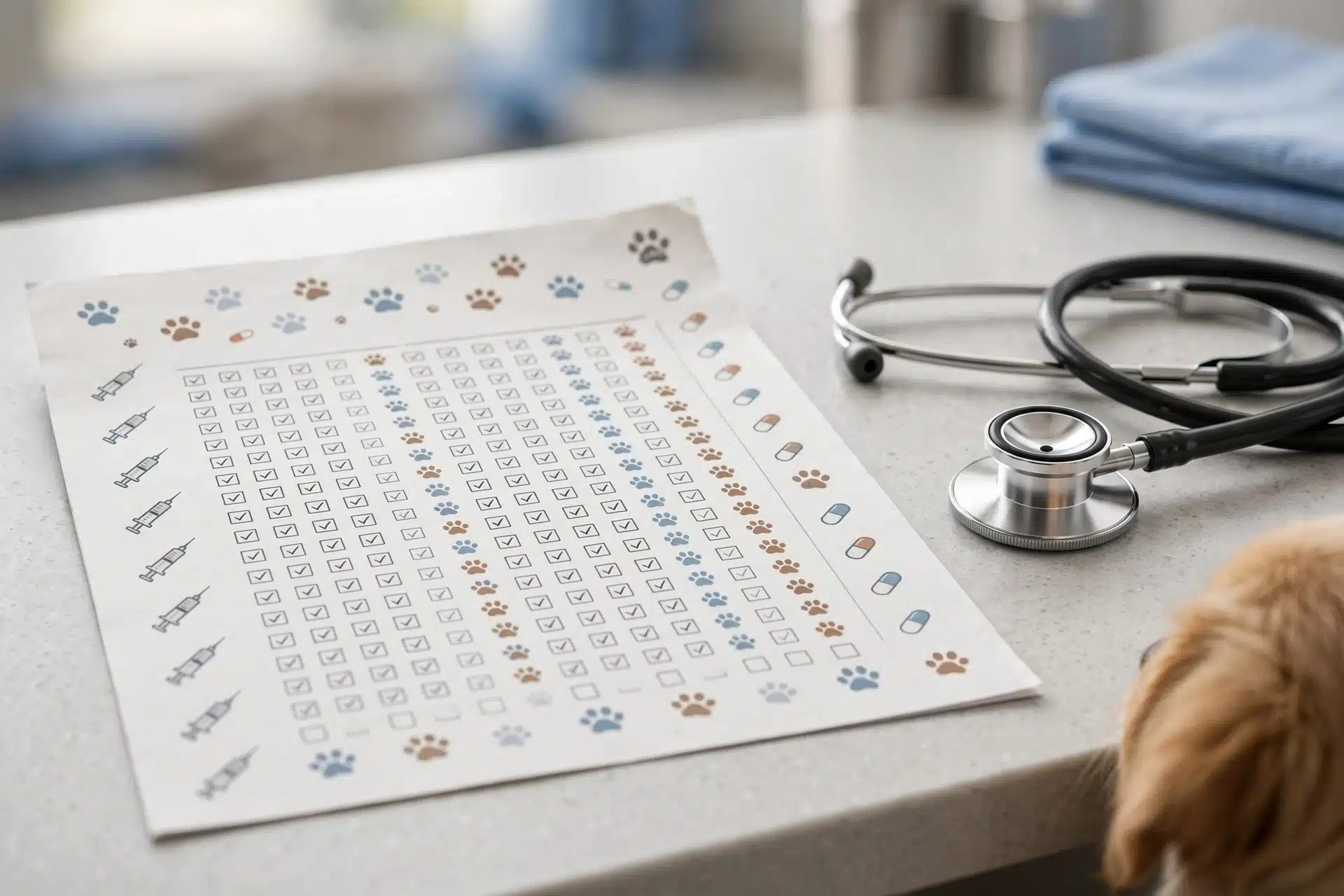
Reading a Health Record Instead of Just Requesting One
A real record names the vaccine, the manufacturer, the date, and the vet. Store paperwork often shows only a sticker chart or a partial series. Check that dewormings happened at two, four, and six weeks and that the exam is recent, not months old. Ask who examined the puppy and whether that vet has a relationship with the seller. When a program explains its own process plainly, such as the application and health steps on a breeder’s site, you can judge the paperwork before you commit.
Why Parent Testing Carries More Weight Than a Single Puppy Report
A healthy puppy today says little about tomorrow. Genetic conditions in Havanese and doodle crosses often appear between one and three years of age, long after the sale. Parent testing, including cardiac, patella, and eye exams plus DNA panels, screens for those risks in adults. If a seller cannot show parent results through OFA or a similar registry, treat the puppy’s own exam as the only evidence you have. Stores rarely control breeding, so they cannot produce these results. That gap is the core difference between the two channels.
Price and Total Cost: Comparing the Full Bill
Short answer: a pet store puppy is usually not cheaper once you add the rest of the bill. Store prices often exclude vaccines, spay or neuter, and microchip fees quoted at checkout, while breeder-raised puppies commonly bundle those in. The first-year total is what matters, not the sticker price.
A Labeled Cost Example for a Small Breed Puppy
Budgets vary by vet and region, so treat this as an example, not a quote.
| Item | Example Budget Cost |
|---|---|
| Puppy purchase, breeder-raised | $3,500 to $4,500 |
| Vet wellness visit | $75 to $150 |
| Vaccine boosters | $75 to $150 |
| Spay or neuter | $300 to $600 |
| Microchip | $25 to $50 |
| Crate, bed, bowls, leash | $150 to $300 |
| First-year total | roughly $4,100 to $5,750 |
Ask any source for an itemized first-year estimate. A clear breakdown of pricing and what the purchase fee covers makes comparison fair.
What Lower Upfront Price Often Means Later
A low store price can shift costs forward instead of removing them. Common add-ons include aftercare packages, financing interest, training programs, and health issues traced to early breeding or socialization. Those vet bills and behavior classes can erase the savings quickly, so add every line before you decide.
Sage Puppies pricing and reservation details show one breeder’s itemized structure.
Contracts, Warranties and Consumer Protection
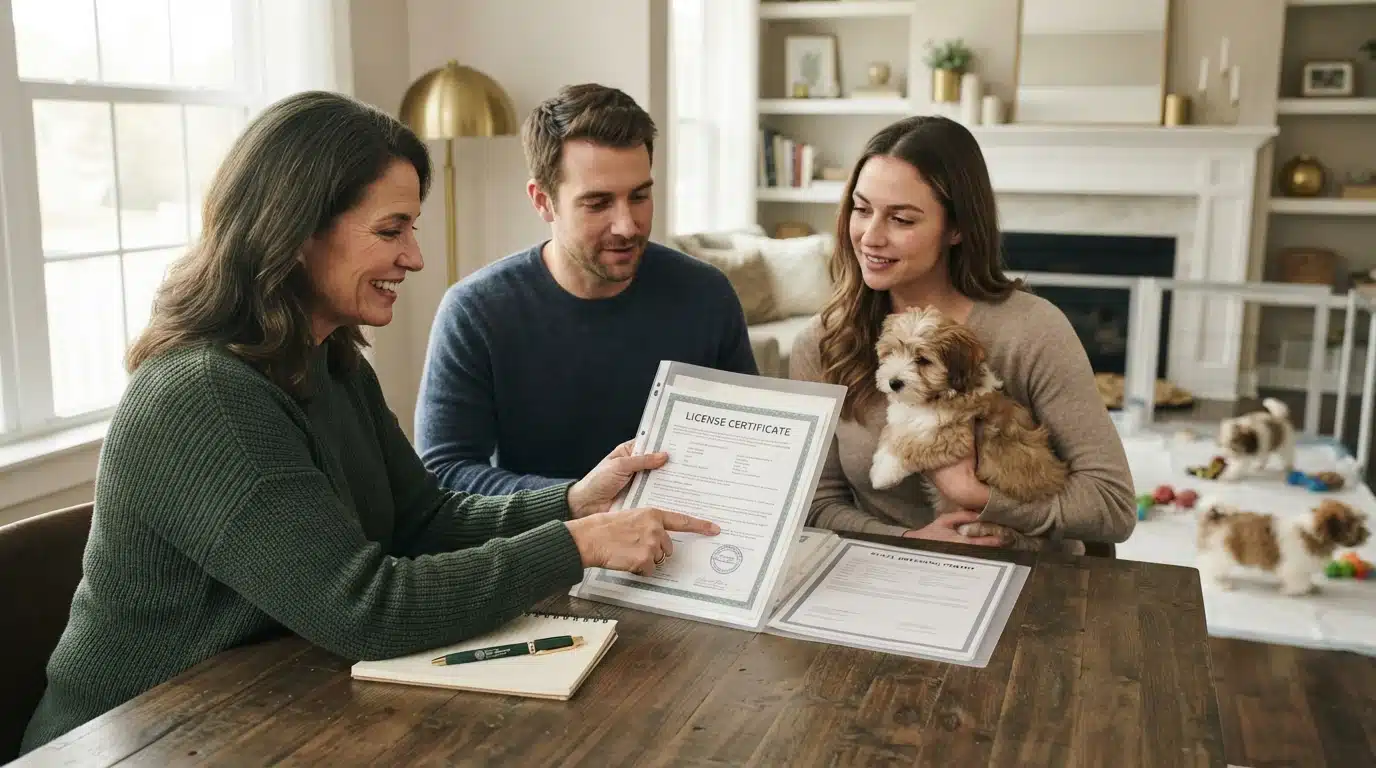
A puppy contract should protect both sides, not just the seller. Read every line before you pay a deposit, and ask questions about anything that feels vague.
How to Read a Health Guarantee Without Overreading It
Most breeder guarantees cover the same core items: the puppy leaves free of known illness, a vet check happens before sale, and genetic defects get some coverage window. A typical window runs 12 months to a few years for serious hereditary conditions.
What matters most is specificity. Look for named conditions, a clear claim process, and what happens if something goes wrong: refund, replacement puppy, or help with vet bills. Ask what the guarantee does not cover, such as parasites caught after pickup or injuries at home.

A short guarantee with plain terms often beats a long one full of fine print. If you cannot understand a clause, ask the breeder to explain it before signing.
State Rules Vary, So Check Your Local Regulations
Your state may back you up by law. About 22 states have puppy lemon laws that let buyers seek a refund, reimbursement, or replacement for a sick or congenitally unhealthy dog. Florida, for example, gives buyers 14 days to report contagious disease and one year for hereditary defects, per the Florida Veterinary Medical Association.
Some of these laws apply to breeders as well as pet stores, and some cover stores only. Deadlines are short, so many require a vet exam within days of purchase. Check your state’s attorney general website before you buy, and keep every record and receipt.
Behavior and Research: What the Studies Actually Show
The strongest arguments for and against pet store sourcing come from research, not labels. Here is what two well-known studies actually measured.
What the 2013 and 2011 Studies Found
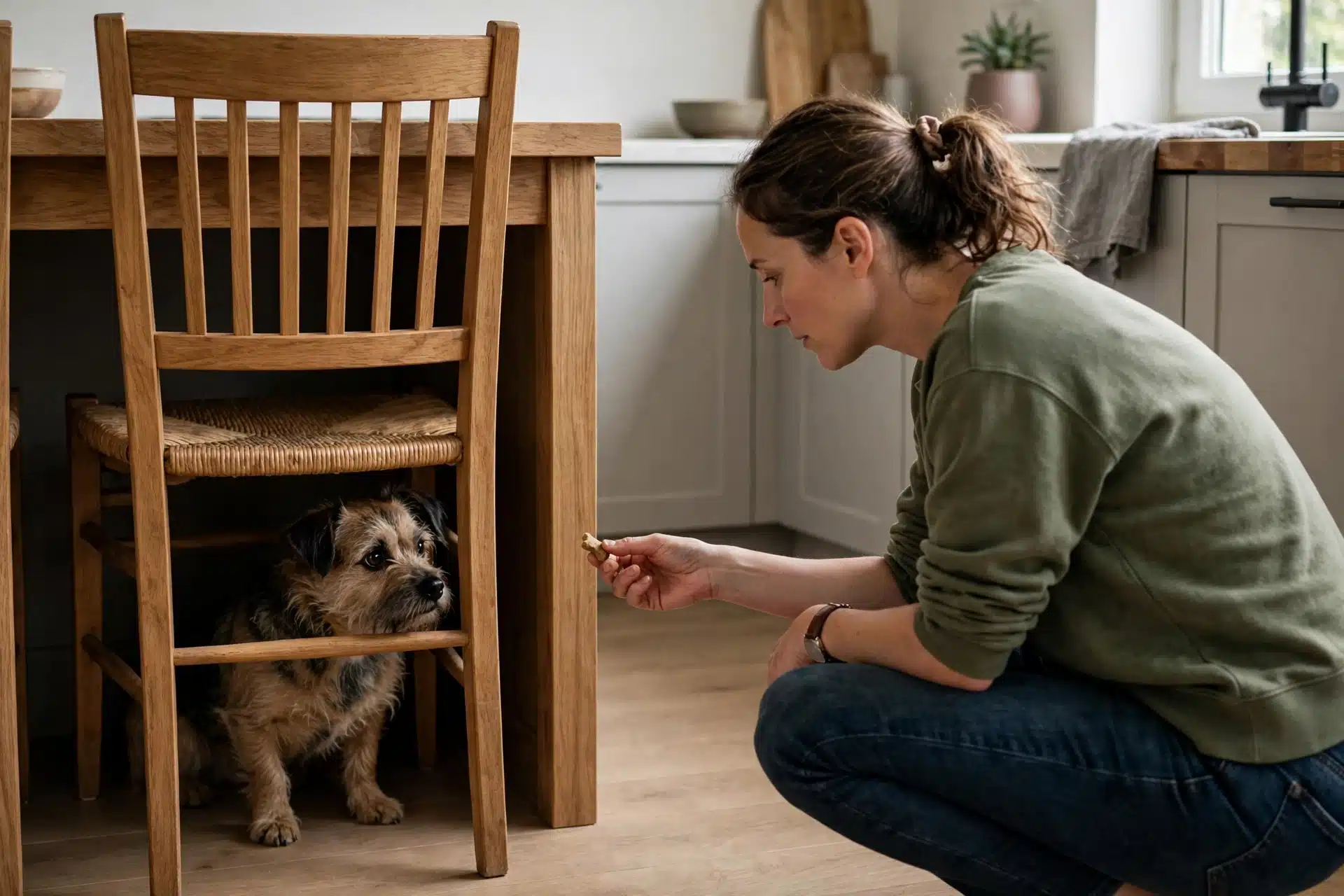
Franklin McMillan and his team compared owner-reported behavior in dogs bought as puppies from pet stores with dogs from noncommercial breeders. In the 2013 study of 413 adult dogs, the pet store group scored higher on aggression toward humans and other dogs, stranger-directed fear, and attention-seeking behaviors, and owners reported more aggression and more escape attempts overall, as summarized by Penn Vet. One earlier report of the data found 21 percent of pet store dogs were aggressive toward their owner versus 10 percent of breeder dogs, per Companion Animal Psychology. The 2011 companion study found similar gaps in fear and aggression, and a 2017 review of dogs sold as puppies concluded that pet store sourcing is associated with elevated behavioral and psychological risks, according to McMillan’s published review.
What the Research Does Not Prove
These studies rely on owner surveys, not controlled observation, so they show association rather than cause. Most pet store puppies in this research trace back to high-volume commercial kennels, which makes early confinement and poor socialization the likely drivers. They do not prove every store puppy will misbehave, nor that every breeder-raised dog will be calm. What the evidence does support is simple: early environment matters, so ask any seller how puppies are raised, handled, and socialized before eight weeks.
Finding a Reputable Breeder Near You: A Verification Path
To find a reputable puppy breeder near you, work through five checks before you pay anything: confirm the breeder raises the litter at home, ask for both parents’ health testing, request a written health record and contract, visit or video call the puppies where they were born, and verify references from past buyers.
The Questions to Ask Before You Pay Anyone
Ask these in your first conversation, not at pickup. The AKC’s breeder question list covers the basics: experience with the breed, how puppies are socialized, and what the health guarantee and contract include.
Then go one level deeper:
- What health testing was done on both parents, and can you see the results?
- Where do the puppies live, and who handles them daily?
- What vaccines and deworming has each puppy had so far?
- What does the deposit and reservation policy cover if a puppy does not work out?
A breeder who answers these without hesitation is worth a second call. One who dodges them is not.
Red Flags and Green Flags in the Process
| Green Flags | Red Flags |
|---|---|
| Puppies raised in the home with daily handling | Puppies always “available now” in several litters |
| Health testing results shared on request | No records, or parents you never see |
| Questions asked about your home and lifestyle | No application, just a payment link |
| One breed, one program | Many mixed breeds sold under one brand |
Labels like “breeder” and “store” matter less than this pattern of behavior. Good breeders, small programs like Sage Puppies included, will always let you verify before you commit.
Which Should You Choose: Breeder-Raised or Pet Store Puppies?
For most families who want to know a puppy’s history, meet the parents, and get support after pickup, a breeder-raised puppy is the safer bet. The AKC lists health testing, a written contract, and breeder support among the signs of a responsible breeder, and those things rarely exist in a retail setting.
When a Breeder-Raised Puppy Is the Better Fit
Choose a breeder if you want documentation. You should see health records, genetic testing on the parents, and a veterinary health certificate before money changes hands. Breeders also raise puppies in a home, so early socialization starts at three weeks instead of in a glass display run.
A good fit also looks like this: you can visit, meet the mother, ask questions, and get honest answers about temperament. Reputable programs, including small Utah breeders like Sage Puppies, use an application so the match works for both sides.
Pick the breeder route when predictability matters most: known parentage, known health history, and a person who answers the phone after you get home.
When Pet Store Purchase Still Makes Sense
Honest answer: for most buyers, it does not. Retail stores often source from large commercial breeding operations, and many states have restricted the practice for that reason. Some stores now partner only with local rescues and shelters, so a store visit can still connect you with a homeless dog who needs a family.
A store purchase can also make sense if you have already verified the store’s sourcing, reviewed its records, and confirmed the puppy came from a local, humane source rather than a distant warehouse. Do that homework first, then decide.

If a breeder’s records, paperwork, and home visits matter to you, ask for them. Every responsible program should provide them, including Sage Puppies. Start with the application, request the health documents, and visit the puppies where they were raised before you commit.
Frequently Asked Questions
Q1: How do breeder-raised puppies compare with pet store puppies?
Breeder-raised puppies come with named parents, published health testing, vaccination records, a written contract, and a breeder you can call for life. Pet store puppies usually offer a receipt, a store warranty, and an undisclosed vendor from a commercial breeding operation.
Q2: What records should I request before paying a deposit?
Ask for a dated veterinary health certificate, vaccine and deworming records with product names, and parent health test results through OFA or a similar registry.
Q3: Are pet store puppies always cheaper overall?
No. Store prices often exclude boosters, spay or neuter, and microchip fees, and financing interest plus early health issues can erase the savings in year one.
Q4: Do puppy lemon laws protect me if something goes wrong?
About 22 states have them, but coverage and deadlines vary, so check your attorney general’s website and keep every receipt.
Q5: Can I find a reputable breeder near me without visiting in person?
Yes. Ask for a video call from the whelping room, request parent testing and references, and review the contract before any deposit.
Q6: What behavior differences does the research actually show?
Surveys link pet store sourcing with more fear and aggression, but they show association, not cause. Ask any seller how puppies are socialized before eight weeks.
Conclusion
The paper trail settles this comparison. Breeder-raised puppies come home with health records, parent testing, a written contract, and a breeder you can call for life. Pet store puppies usually come with a receipt, a store warranty, and a vendor nobody can name. First-year totals also favor the breeder once you add boosters, spay or neuter, and microchip fees, and the behavior research favors early home socialization. So before you pay anyone, verify: ask for documents, meet the mother, and read the contract. Buyers near South Jordan, Utah can see Sage Puppies’ Havanese, Havapoo, and Cavapoo program firsthand, where health testing is published and every placement starts with an application.