Puppy grooming guide
Best Brushes and Grooming Tools for Havanese, Havapoo, and Cavapoo Puppies
The right tools make coat care gentler, faster, and easier to turn into a calm puppy routine. This guide explains exactly what to buy, what each tool does, and how to use it without pulling delicate hair or missing tangles close to the skin.
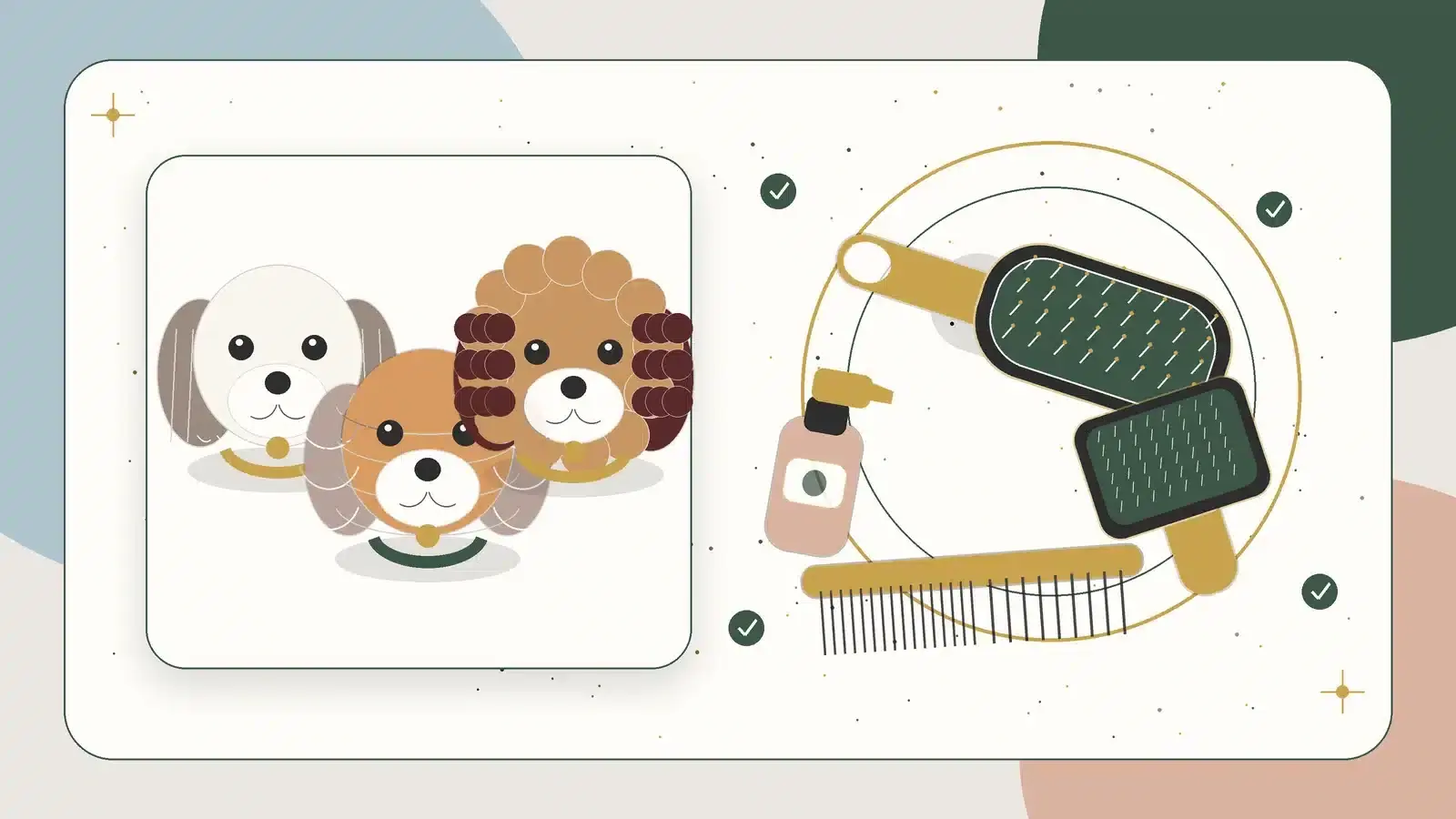
Whether you are preparing for a Havanese puppy, Havapoo puppy, or Cavapoo puppy in Utah or planning for puppy delivery elsewhere in the country, coat care starts with the same principle: use a gentle brush to open the coat, work in small sections, and finish with a metal comb to confirm that no hidden tangles remain.
Start simple
A complete kit without unnecessary tools
You do not need a drawer full of grooming gadgets. For most Havanese, Havapoo, and Cavapoo puppies, a carefully selected set of dependable basics is more useful than a large bundle of low-quality brushes.
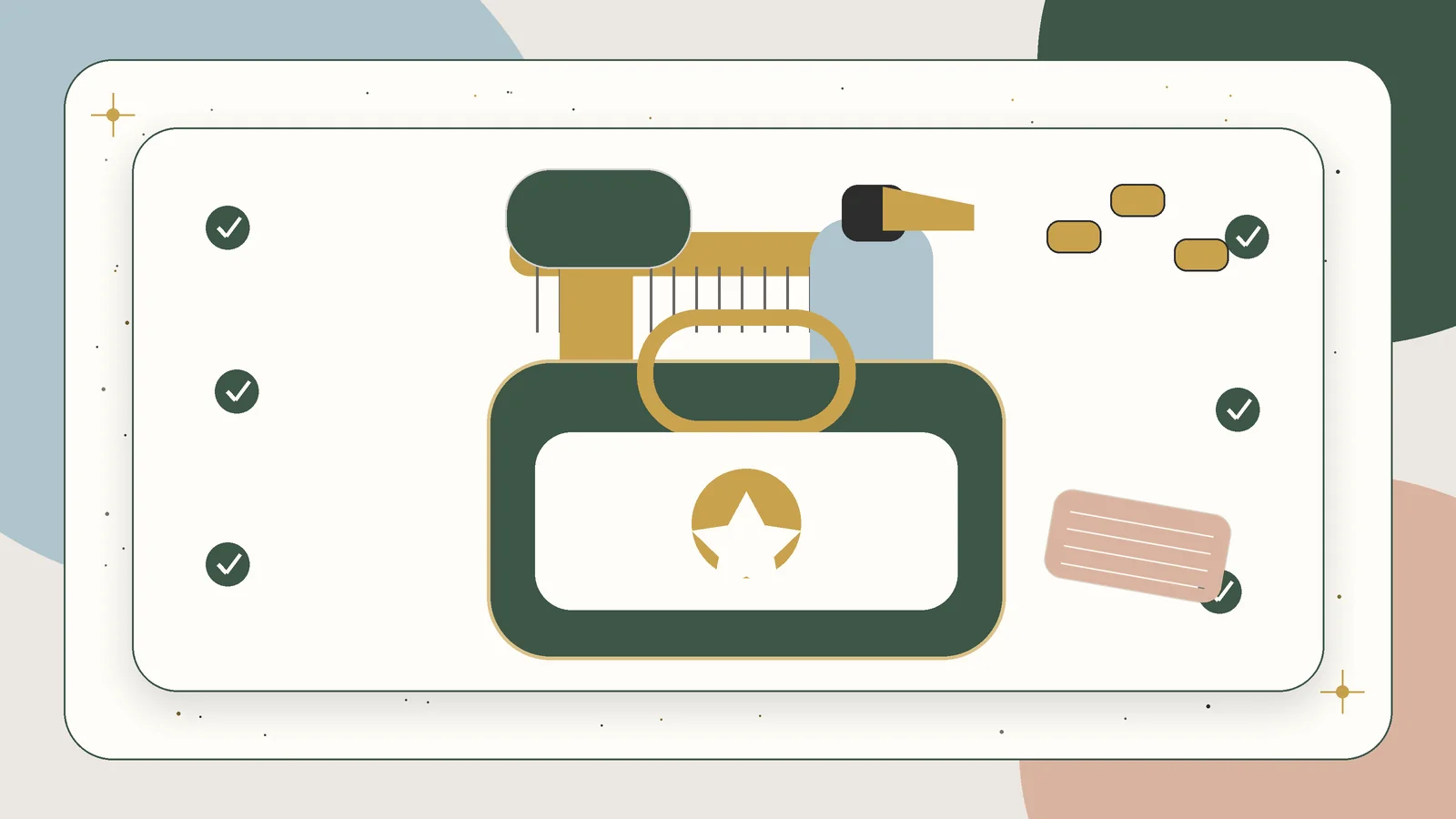
One primary brush
Select either a quality cushion pin brush or a soft long-pin slicker based on the individual coat. Many families eventually keep both, but one well-matched brush is enough to begin.
One metal comb
A two-width stainless-steel comb—with closer teeth at one end and wider spacing at the other—works for checking the body, legs, face furnishings, ears, and tail.
Light coat mist
A puppy-safe detangling or conditioning spray can reduce static and friction. Use only a light mist; the coat should not be wet or sticky during routine brushing.
Stable setup and rewards
Use a non-slip mat on a secure surface, good lighting, and tiny high-value treats. Never leave a puppy tethered or unattended on a grooming surface.
Nail and paw tools
Choose a small dog nail grinder or sharp puppy nail clipper, keep styptic powder nearby, and use a small paw trimmer only after a professional shows you safe handling.
Dog-formulated bath supplies
Keep a gentle puppy shampoo, coat conditioner when needed, absorbent towels, and a cool or low-warmth dryer. High heat can make bath day uncomfortable and can dry the skin.
Tool 1
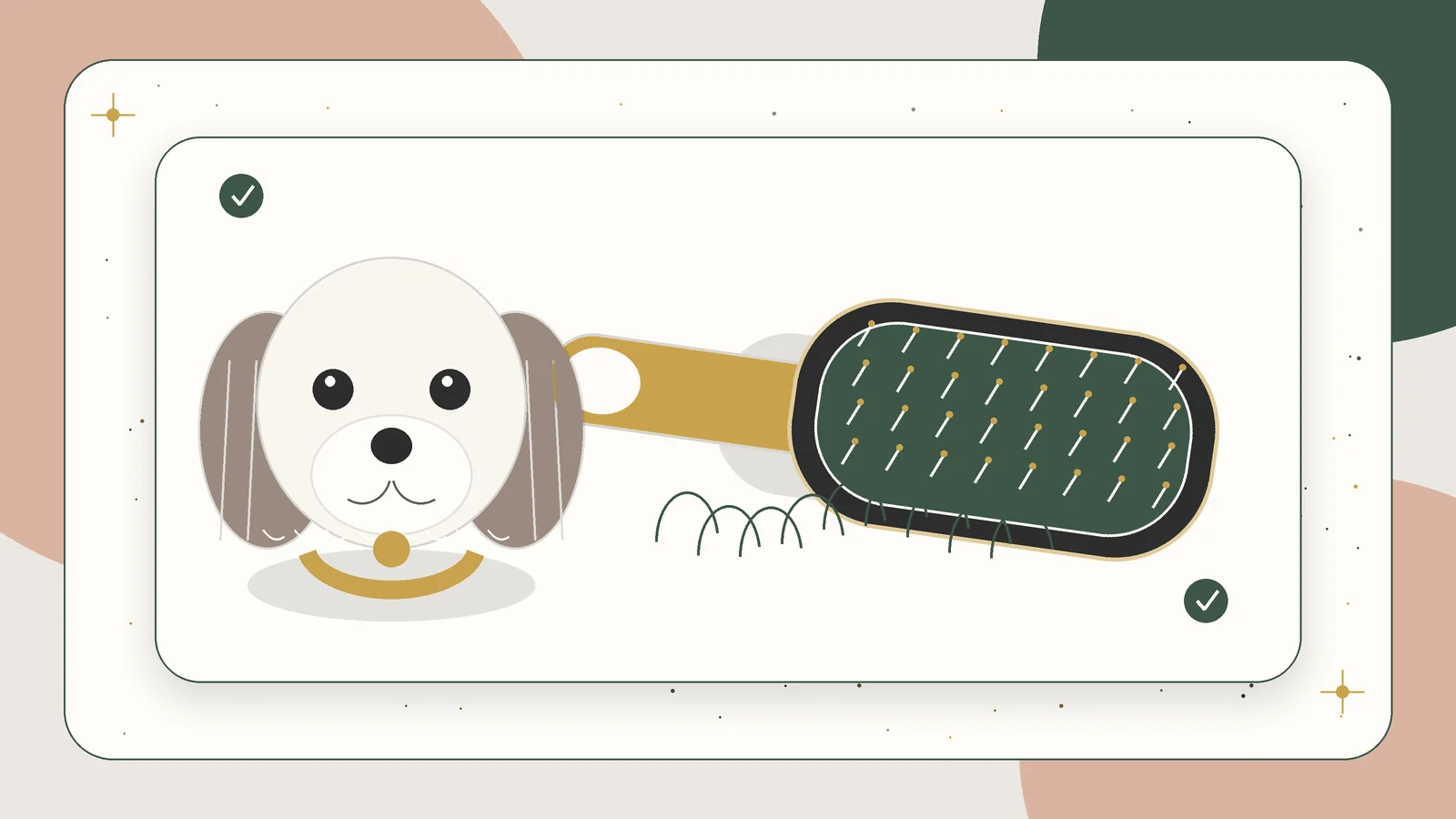
Cushion pin brush: best for long, silky, and looser coats
A pin brush has smooth metal pins set into a flexible cushion. It is often the most comfortable everyday brush for a Havanese coat that is kept longer, and it can also work well on looser-waved Havapoo or Cavapoo coats.
What to look for
- Rounded, polished pin tips with no rough seams
- A flexible cushion that gives under light pressure
- Pins long enough to enter the coat without scraping skin
- A small or medium head that fits a puppy’s body and legs
- A handle that lets you use a loose, gentle grip
- No missing pins, sharp edges, or bent wire
Best use: daily maintenance, gentle coat separation, longer furnishings, tails, and coats that are more silky than curly.
Limitation: a pin brush can glide over the top of a dense or curly coat without reaching hidden tangles. Always follow with the comb.
Tool 2
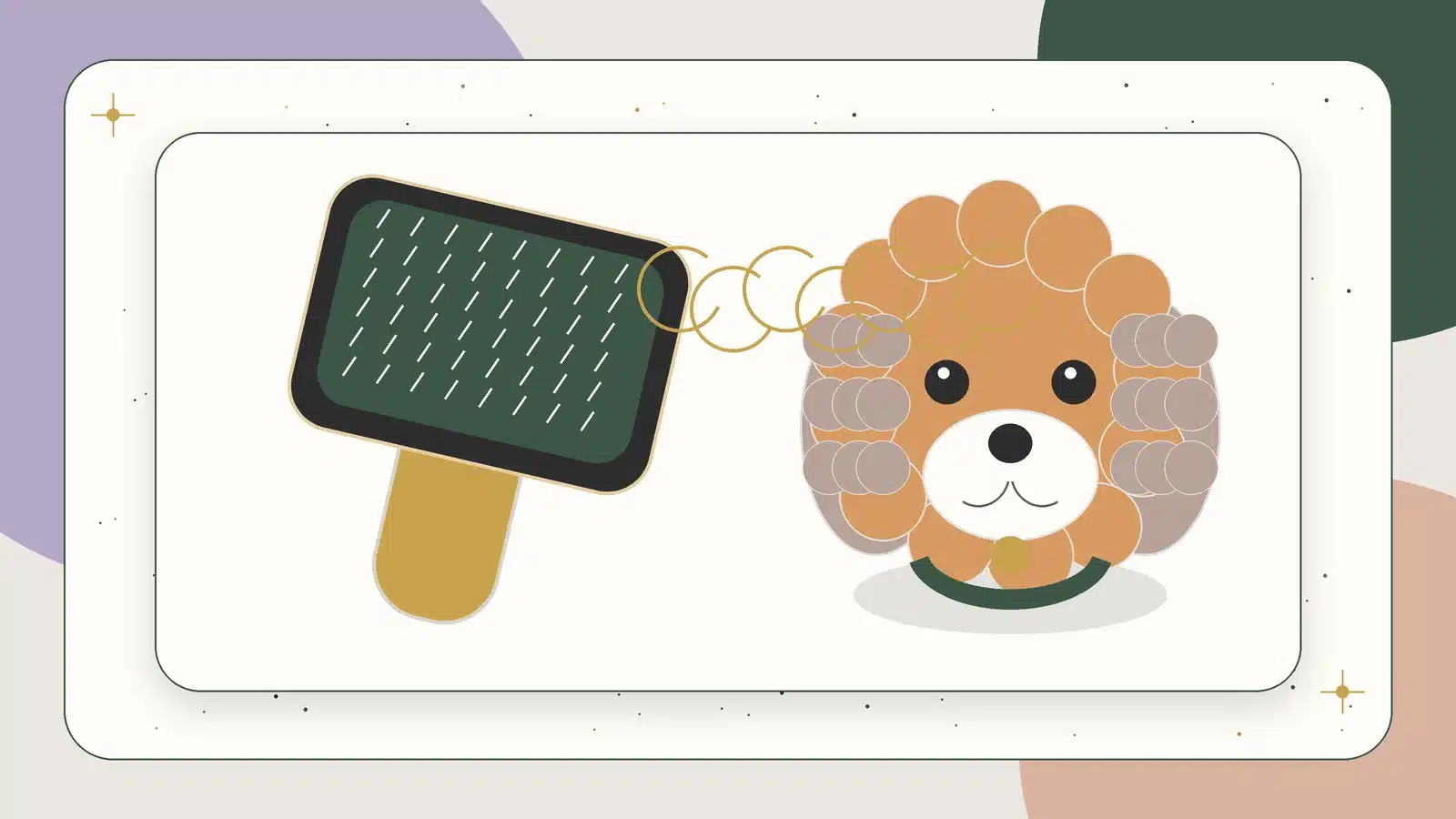
Soft long-pin slicker: best for dense, wavy, and curly coats
A slicker brush uses many fine, angled pins to separate hair and lift small tangles. For Havapoo and Cavapoo coats with more curl or density, a soft slicker is often the most efficient primary brush.
Choose softness and control over aggressiveness
Look for fine, flexible pins and a head sized for a small dog. The brush should move through small sections with light wrist motion. A very stiff slicker, excessive pressure, or repeated brushing in one spot can irritate a puppy’s skin.
Best use: curly or dense coats, friction zones, line brushing, and lifting the coat before a comb check.
Limitation: a slicker is not a license to pull through a mat. Hold hair close to the skin to reduce tugging, work from the outside edge of a tiny tangle, and stop when a knot is tight or painful.
Tool 3
Stainless-steel comb: the tool that tells you whether brushing worked
The comb is not optional for a long, wavy, or curly coat. A brush can make the surface look smooth while small tangles remain underneath. The comb is your quality-control step.
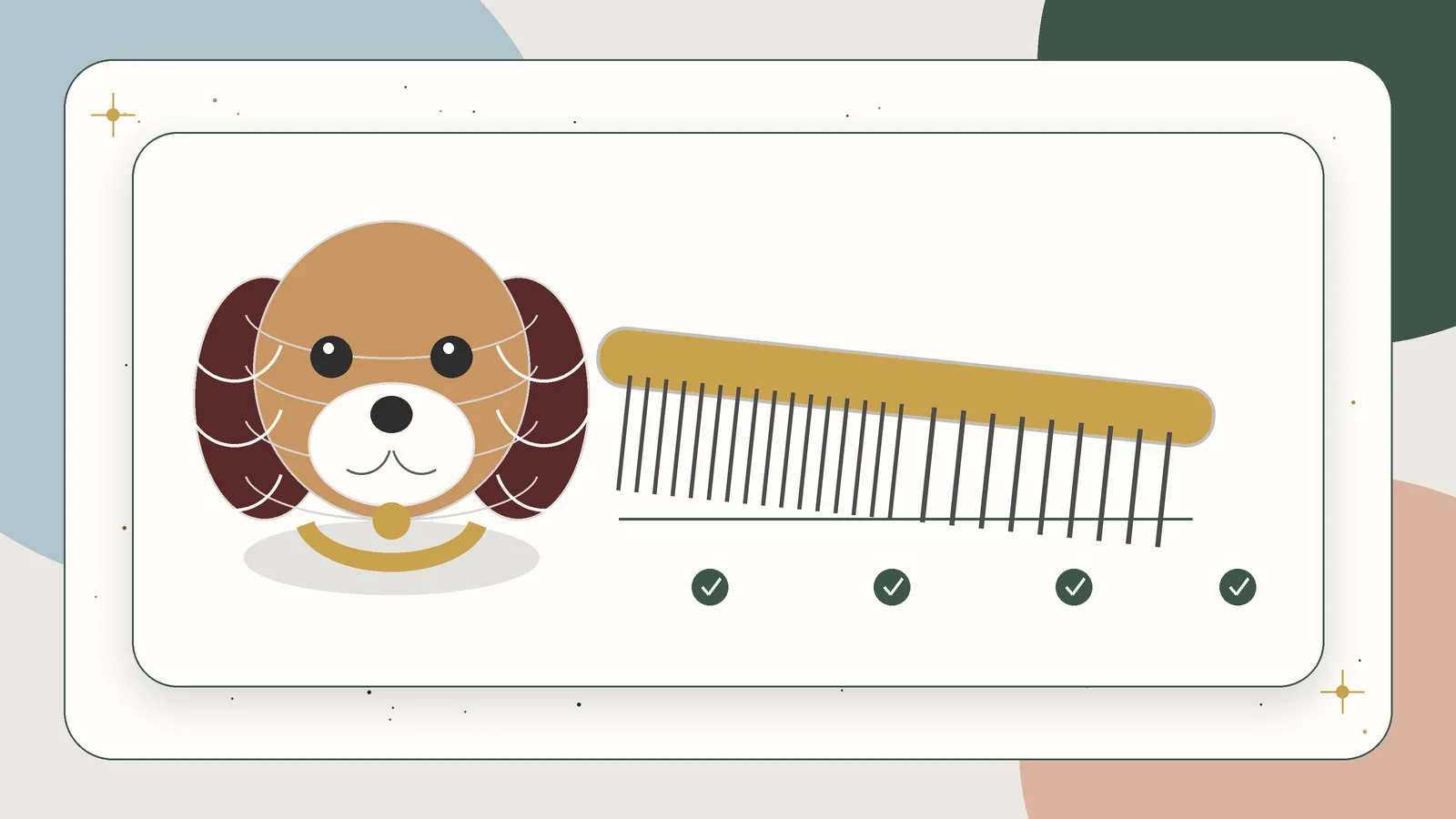
How to use the comb correctly
- Brush one small section first.
- Support the hair near the skin with your free hand.
- Begin at the ends and gently comb toward the skin.
- When the comb glides from skin to tip, move to the next section.
- If it catches, stop. Return to the brush or separate the small tangle with your fingers—do not force the comb through.
A comb with both wide and fine teeth is especially useful. Start with the wider side on the body and finish with the finer side where appropriate.
At a glance
Which brush should you use?
| Tool | Best for | Use it when | Do not rely on it for |
|---|---|---|---|
| Cushion pin brush | Silky, long, or loose-waved coats | Routine maintenance and gentle separation | Finding every hidden tangle in a dense coat |
| Soft long-pin slicker | Wavy, curly, or denser coats | Line brushing and small early tangles | Pulling through tight mats |
| Stainless-steel comb | All three breeds and coat types | After brushing each section | Starting on a tangled coat |
| Bristle brush | Finishing and smoothing | After the coat is already tangle-free | Deep detangling |
| Dematting tool | Limited, trained use | Only on small, loose tangles when you know the technique | Skin-tight or painful mats |
Technique matters
How to line brush a Havanese, Havapoo, or Cavapoo puppy
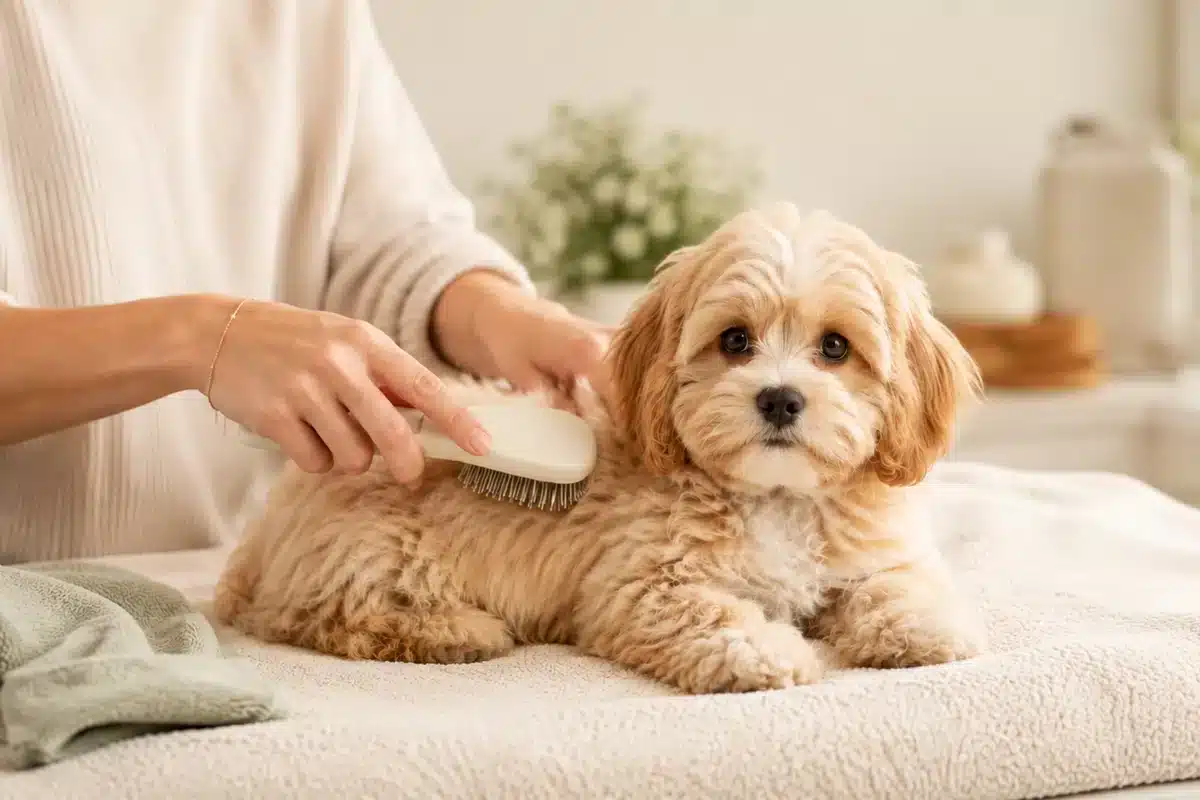
Line brushing means working through the coat in narrow rows instead of skimming over the top. It is the most reliable way to reach the hair close to the skin without repeatedly brushing the same area.
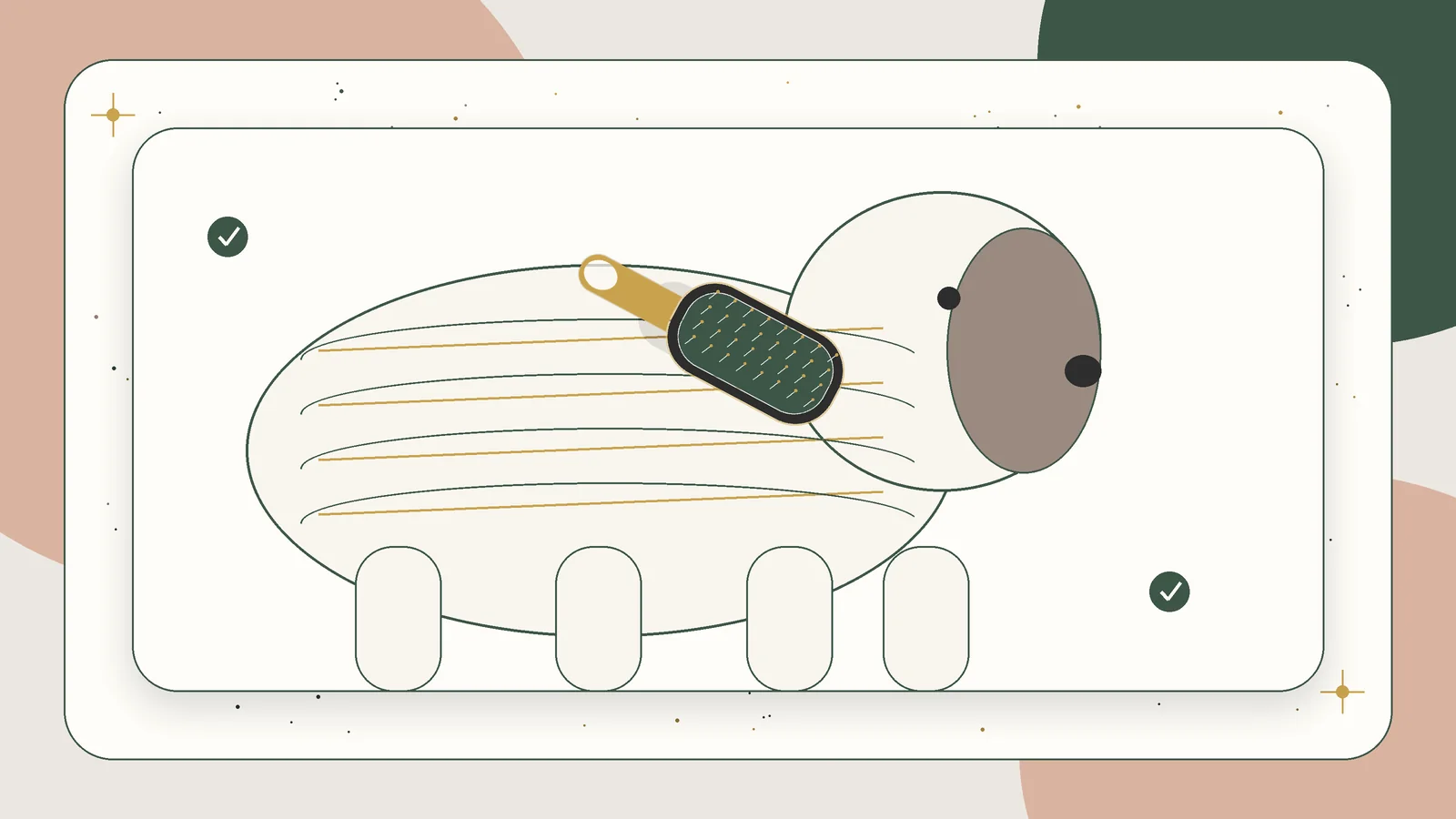
Set up for success
Choose a quiet time, place the puppy on a non-slip surface, and keep the first sessions very short. Let the puppy sniff the brush and reward calm contact.
Lightly mist the section
Apply a small amount of dog-safe coat spray to your hands or the coat. Avoid soaking the hair or spraying directly into the face.
Lift a narrow row of coat
Use your free hand to hold the upper hair out of the way so you can see a clean line of coat beneath it.
Brush from ends toward the roots
Use short, gentle strokes. Support the hair near the skin whenever you feel resistance so the puppy does not feel the full pull.
Comb-check the row
Run the metal comb from skin to tip. If it catches, return to the brush rather than forcing the comb.
Move upward one row at a time
Continue around the body, then check legs, tail, chest, beard, and ears. Finish with a reward before the puppy becomes restless.
High-tangle areas to check every day
- Behind and beneath the ears
- Under the collar or harness
- Armpits and inner front legs
- Chest and belly
- Inner thighs and rear legs
- Tail base and long tail hair
- Beard and face furnishings
- Anywhere damp hair has rubbed or dried in a clump
Reduce friction
Coat sprays, bath tools, towels, and dryers
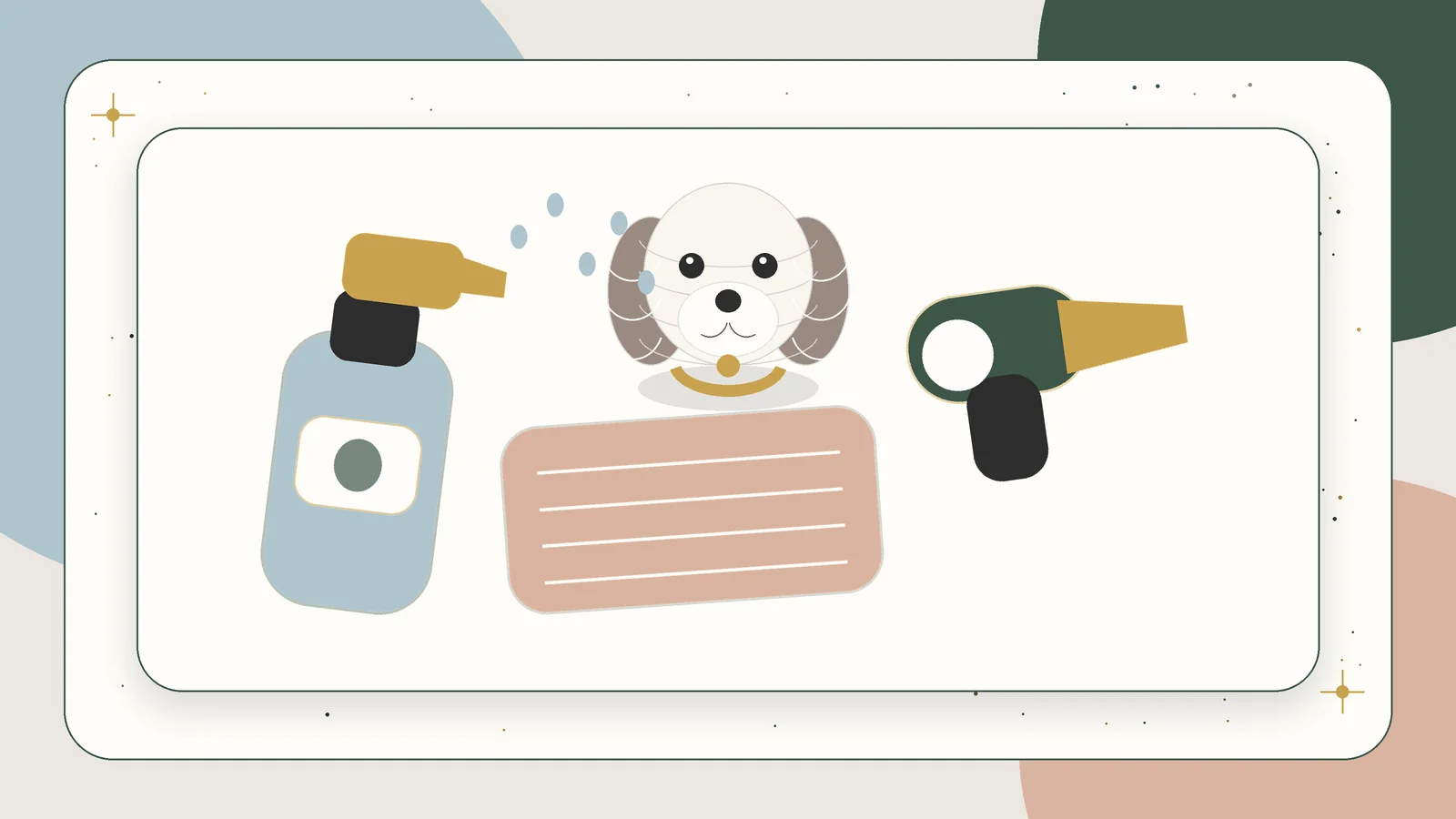
Detangling or conditioning spray
Choose a dog-formulated, leave-in product with a light finish. The purpose is to reduce static and friction—not to make the coat wet, greasy, or heavily fragranced.
Gentle shampoo
Use a dog-formulated shampoo and follow the label dilution directions. Human shampoo is not designed for canine skin.
Coat conditioner
Conditioner can improve slip in longer coats. Rinse thoroughly unless the product is specifically labeled as leave-in.
Absorbent towels
Blot and squeeze instead of rubbing vigorously. Circular towel rubbing can tighten tangles and encourage matting.
Low-heat drying
Use cool or comfortably low warmth and keep airflow moving. Introduce the sound gradually and never concentrate hot air on one spot.
Post-bath comb check
Dry the coat thoroughly and check it in sections. Damp, tangled hair can tighten as it dries.
Small details, big comfort
Nail, ear, face, and paw tools
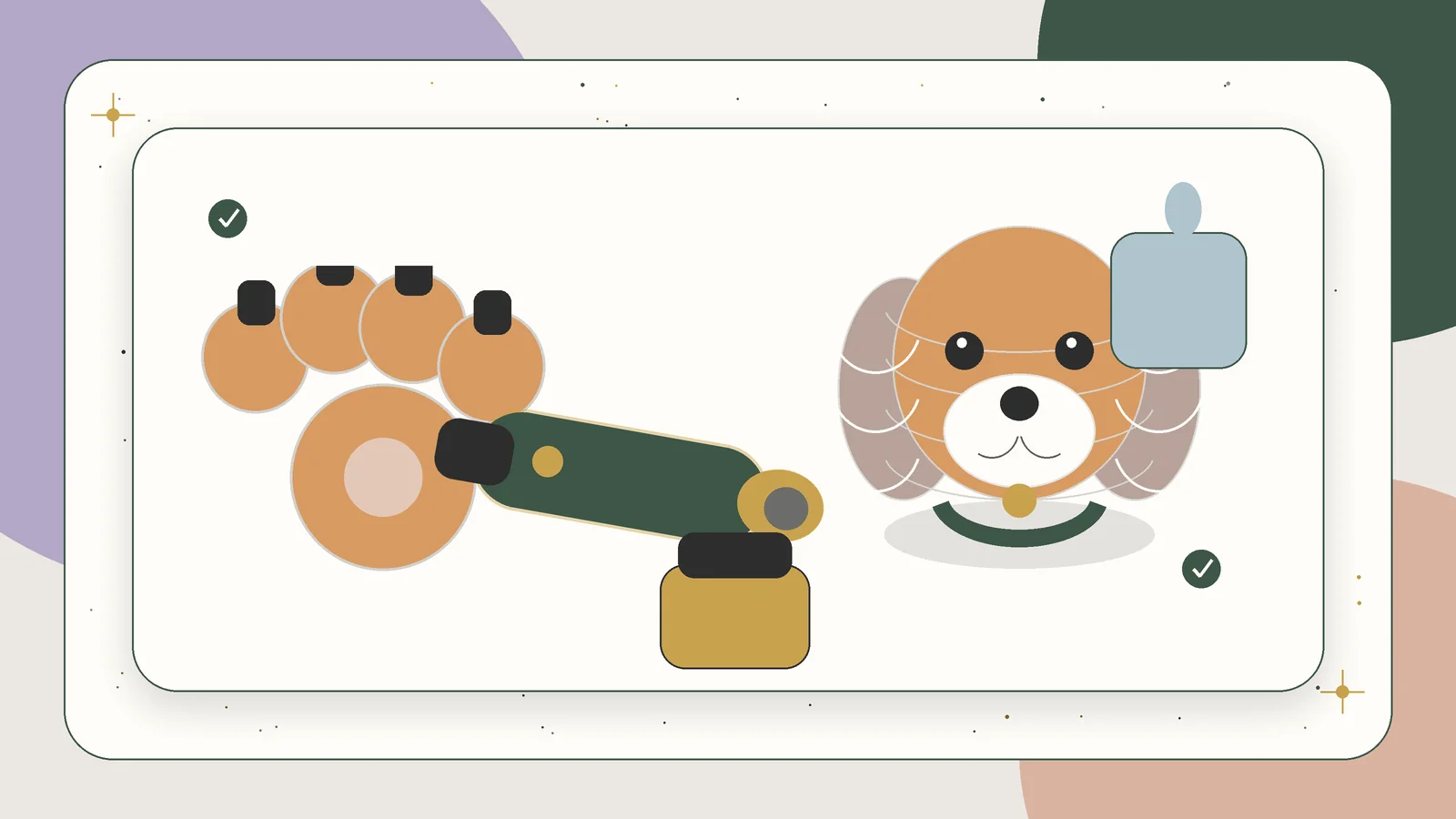
Nails
Use either a small-dog nail grinder or a sharp clipper you can control comfortably. Take tiny amounts, keep paw hair away from moving parts, and stop before the quick. Keep pet styptic powder within reach in case a nail is nicked. When you are uncertain, ask your veterinarian or groomer to demonstrate on your puppy.
Ears
Check the visible ear flap and opening for redness, odor, heavy debris, or discomfort. Use a veterinarian-approved cleaner only as directed and wipe the outer, visible area with gauze or a soft cotton pad. Do not insert cotton swabs into the ear canal. Pain, repeated head shaking, odor, redness, or discharge deserves veterinary attention rather than repeated home cleaning.
Eyes and face
Use a clean, damp, soft cloth or veterinarian-recommended wipe to soften and remove ordinary debris around the face. Wipe away from the eye and use a fresh part of the cloth for each eye. Do not use scissors near a wiggly puppy’s eyes.
Paw pads and sanitary areas
A compact pet trimmer can help maintain paw-pad hair, but moving blades require training and a very steady puppy. Ask your groomer to show you the correct blade position and skin-stretching technique before attempting detailed trimming at home.
Match the tool to the dog
Havanese vs. Havapoo vs. Cavapoo coat care
Coat texture can vary substantially—even among littermates—so choose tools for the puppy in front of you rather than relying only on the breed label.
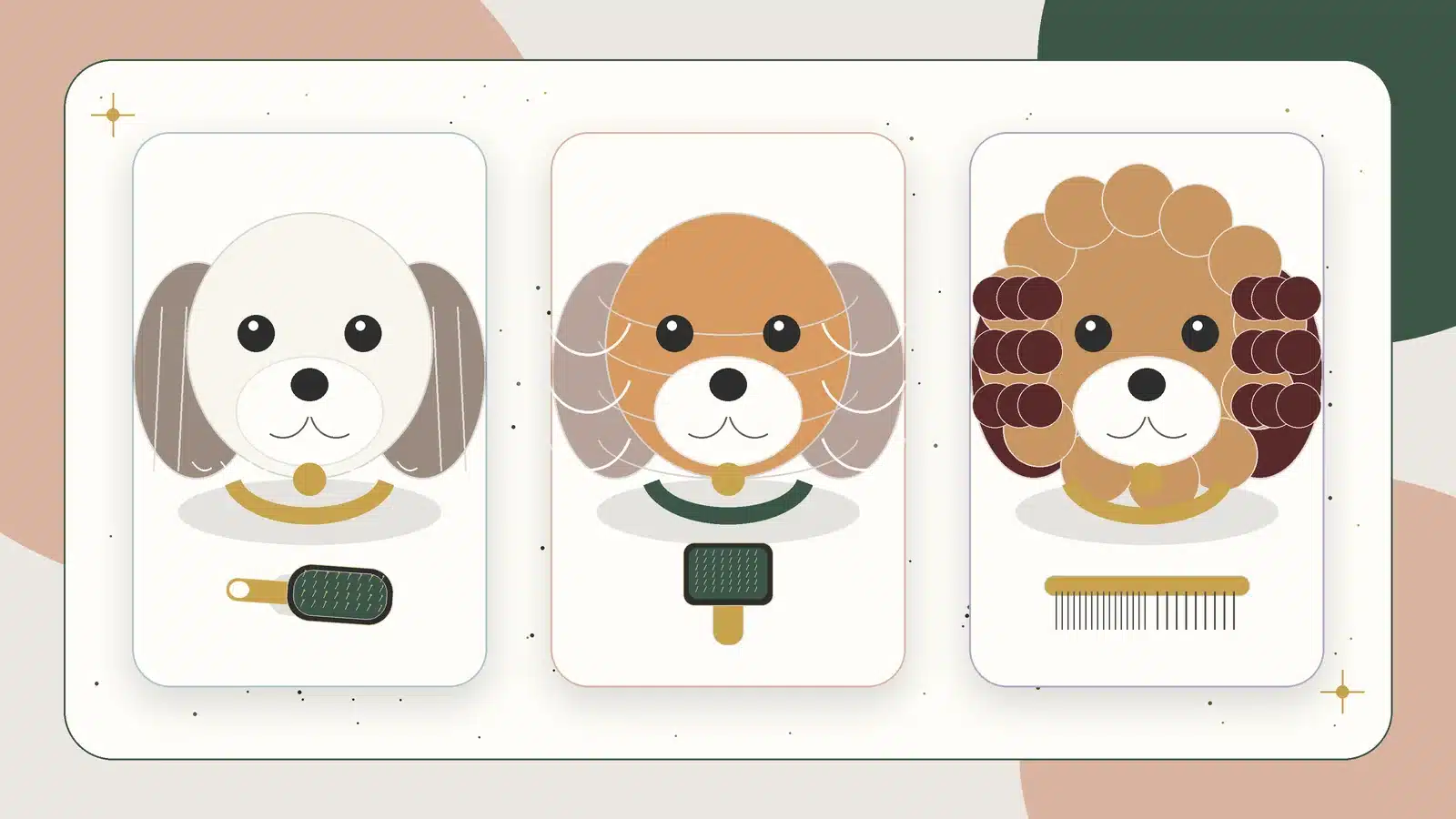
Silky, wavy, or softly textured
A flexible cushion pin brush is often comfortable for routine care, especially when the coat is kept longer. Add a soft slicker for denser areas and always finish with the comb.
Variable from loose waves to curls
Many Havapoo coats benefit from a soft long-pin slicker as the main brush, followed by a metal comb. A pin brush may be preferable when the coat is lighter and more Havanese-like.
Soft waves, curls, or a mixed texture
A soft slicker-and-comb system is typically the most versatile. Pay special attention to ears, chest, legs, harness areas, and any feathering that rubs together.
Individual coat density decides the routine
Longer, denser, curlier, or cottonier coats generally need more frequent section brushing than short, loose coats. A shorter pet trim reduces maintenance but does not eliminate comb checks.
Build the habit early
A practical puppy grooming schedule
| Task | Practical rhythm | What matters most |
|---|---|---|
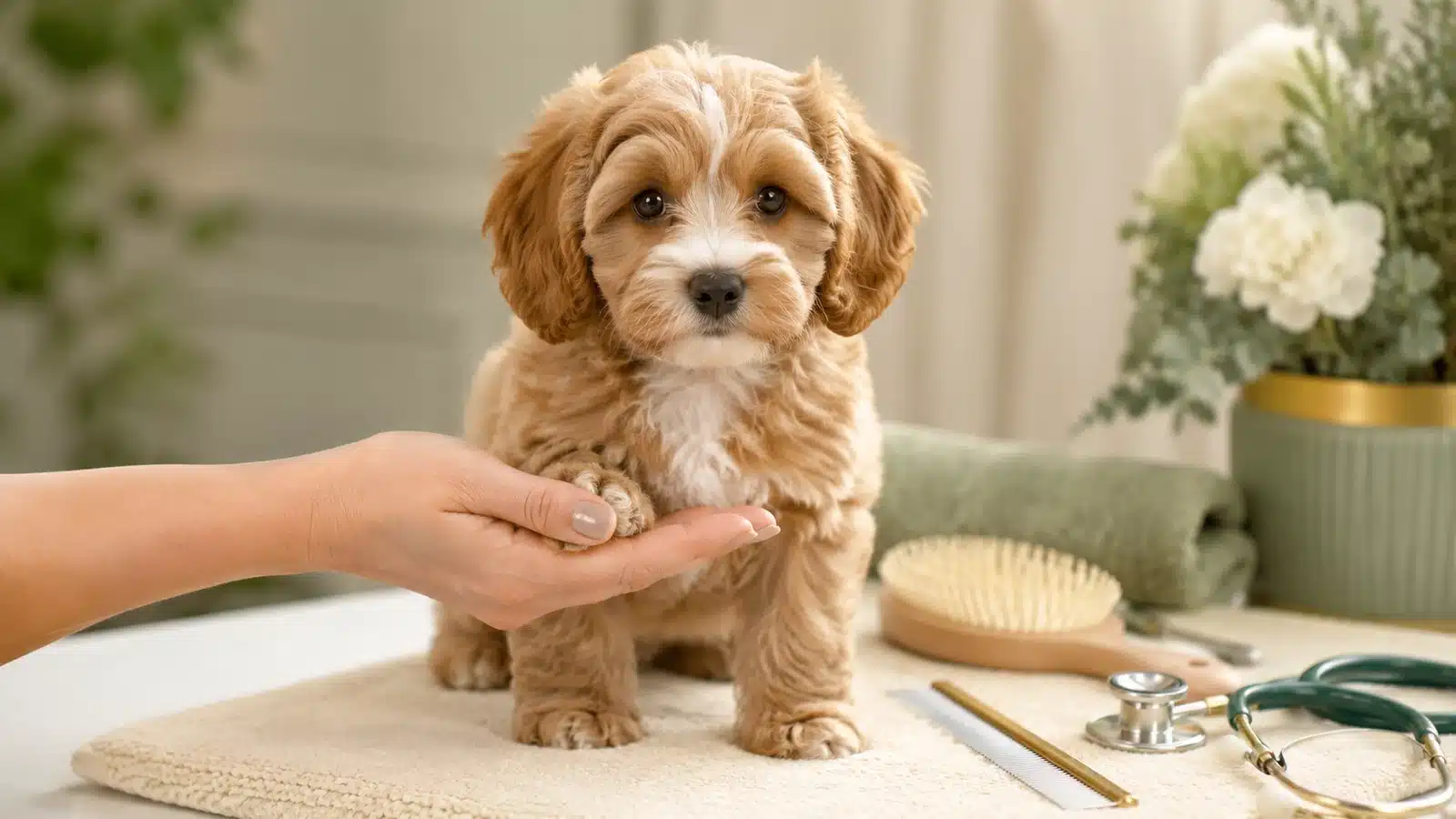
| Handling practice | A brief session most days | Touch paws, ears, chin, tail, and legs; reward calm cooperation |
| Friction-zone check | Daily | Look behind ears, under harnesses, in armpits, and around the tail |
| Full brush and comb | Several times per week; often daily for longer or denser coats | Work in lines and confirm every section with the comb |
| Bath | As needed for cleanliness and the coat plan | Use dog-formulated products, rinse well, and dry thoroughly |
| Nails | Check weekly and maintain before they become long | Take tiny amounts and keep styptic powder nearby |
| Professional grooming | Use a recurring schedule set with your groomer | Adjust timing to coat length, density, lifestyle, and the desired trim |
Short, successful sessions are better than one long struggle. A one-minute paw-touch session, two minutes of brushing, and a treat can be enough for a young puppy. Gradually increase duration as calm cooperation becomes familiar.
Protect skin and trust
Tools and habits to avoid
Do not cut a tight mat with household scissors
Matted hair can pull skin up into the knot, making it difficult to see where hair ends and skin begins. Tight, skin-close, widespread, or painful mats should be handled by an experienced professional groomer or veterinarian.
- Skip harsh de-shedding blades unless a knowledgeable professional specifically recommends one for your puppy’s coat.
- Do not force a comb through resistance. That teaches the puppy that grooming hurts.
- Avoid brushing only the visible surface. Hidden knots form close to the skin.
- Do not repeatedly scrape one spot with a slicker. Check the skin and change technique.
- Avoid high heat and unattended restraint. Keep the session supervised from start to finish.
- Do not use heavily fragranced human hair products. Choose products formulated for dogs.
Shopping checklist
What to buy first
- Small or medium cushion pin brush with polished tips
- Small soft long-pin slicker brush
- Stainless-steel comb with wide and fine teeth
- Light dog-safe detangling or conditioning spray
- Non-slip grooming mat
- Soft cloths or gauze for visible face and ear care
- Dog nail grinder or puppy nail clipper
- Pet styptic powder
- Gentle dog shampoo and appropriate conditioner
- Absorbent towels and a cool/low-heat dryer
- Small training treats
- A regular professional groomer relationship
Buy the core brush, comb, and comfort supplies before your puppy comes home. Add specialized tools only when the individual coat or your groomer shows that they are needed.
Common questions
Frequently asked questions
What is the single best brush for a Havanese puppy?
For a silky or longer Havanese coat, start with a well-made cushion pin brush with smooth, rounded tips. Add a soft slicker for denser areas and always use a stainless-steel comb afterward to verify that the coat is clear.
What is the best brush for a Havapoo puppy?
It depends on coat texture. A soft long-pin slicker is usually the most versatile for wavy or curly Havapoo coats. A looser, silkier coat may do well with a cushion pin brush. In either case, finish with a metal comb.
What is the best brush for a Cavapoo puppy?
A small soft slicker paired with a stainless-steel comb is a dependable starting system for many Cavapoo puppies. Choose flexible pins, light pressure, and a head size that gives you control around the legs, chest, and ears.
Should I brush my puppy when the coat is dry or wet?
For routine brushing, use a very light mist of a dog-safe conditioning or detangling spray rather than saturating the coat. Avoid brushing soaking-wet hair, and avoid repeated brushing of a dry, staticky coat that is catching and pulling.
How often should I brush a Havanese, Havapoo, or Cavapoo puppy?
Check high-friction areas daily. Longer, denser, curlier, or cottonier coats may need a complete brush-and-comb session every day, while shorter and looser coats may remain comfortable with several thorough sessions per week. The comb check tells you whether your schedule is frequent enough.
Can I remove a mat at home?
A tiny, loose tangle may be separated gently with fingers, coat spray, and careful brushing while you support the hair near the skin. Stop if the mat is tight, flat, painful, widespread, or close to the skin. Do not place household scissors under a mat; schedule a professional groomer or veterinary visit.
This guide provides general grooming education. Coat, skin, ear, and nail needs vary by puppy. Ask your veterinarian or a qualified professional groomer for individualized advice, especially when your puppy shows pain, skin irritation, odor, discharge, bleeding, or tight matting.