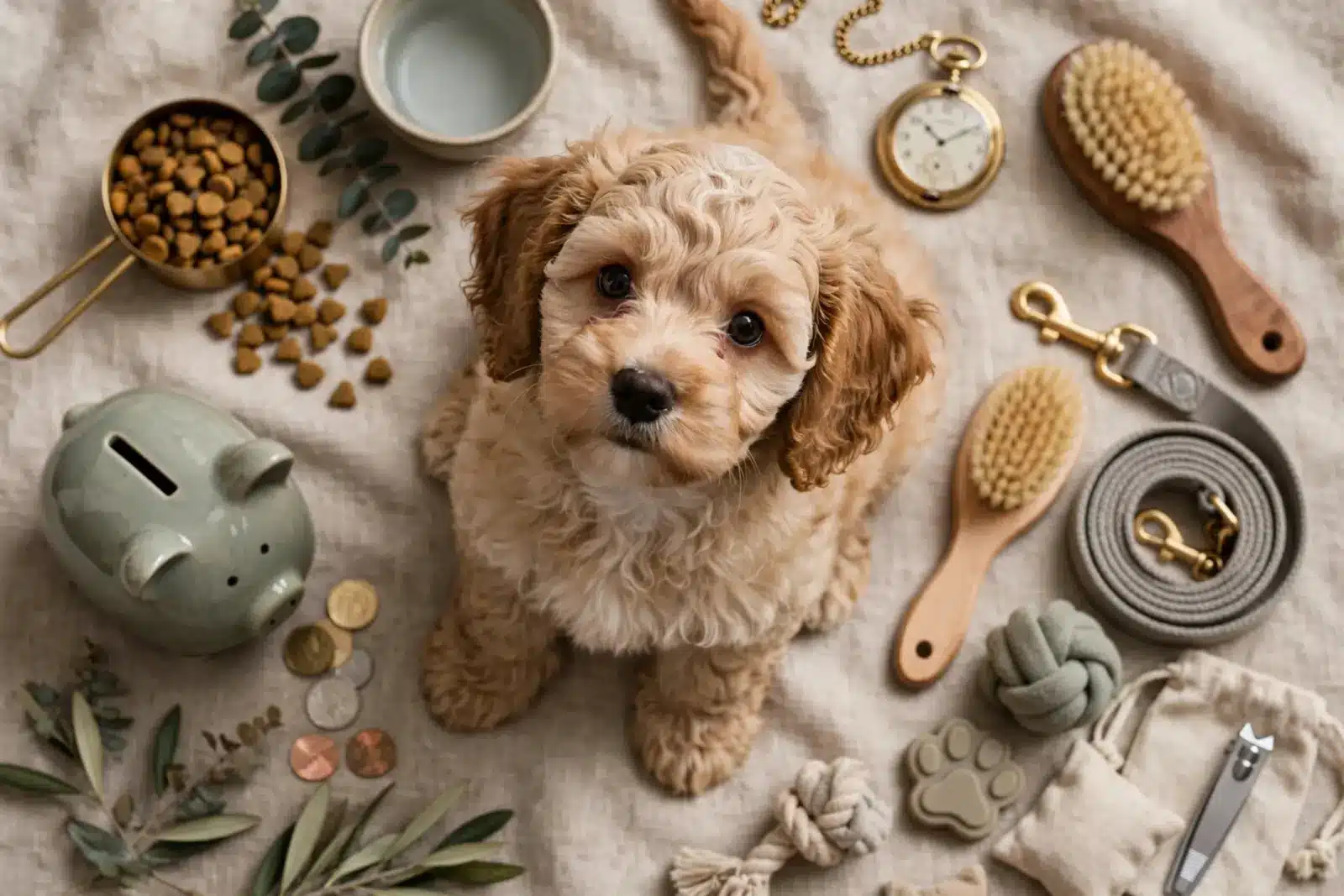
Quick Summary: Raising a Havanese, Havapoo, or Cavapoo depends on steady daily habits: feed small-breed puppies four times daily at 8 to 12 weeks, then reduce to three and two meals as they mature, while keeping treats below 10% of calories. Brush according to coat type, use the same outdoor spot for potty breaks, reward promptly, and expect house training to take four to six months. Book a vet visit within 48 to 72 hours of pickup, keep health records together, and watch closely for low blood sugar and other health concerns.
A Havanese, Havapoo, or Cavapoo can look fully grown in your arms, then eat a full meal and fall asleep twenty minutes later. That mix of tiny body and big appetite is exactly why first-time owners misjudge the first six months. Small breed nutrition works differently than feeding a larger dog, and small dog grooming depends on coat type, not guesswork. This guide walks you through new puppy supplies, feeding schedules, coat care, house training, and early vet visits in one place, so you always know what comes next. It draws on documented breeder-side experience with these three breeds and verified veterinary guidance. Everything is staged by age, so you can find the right advice for the week you’re in.
Bringing Your Small Breed Puppy Home: Supplies and Setup
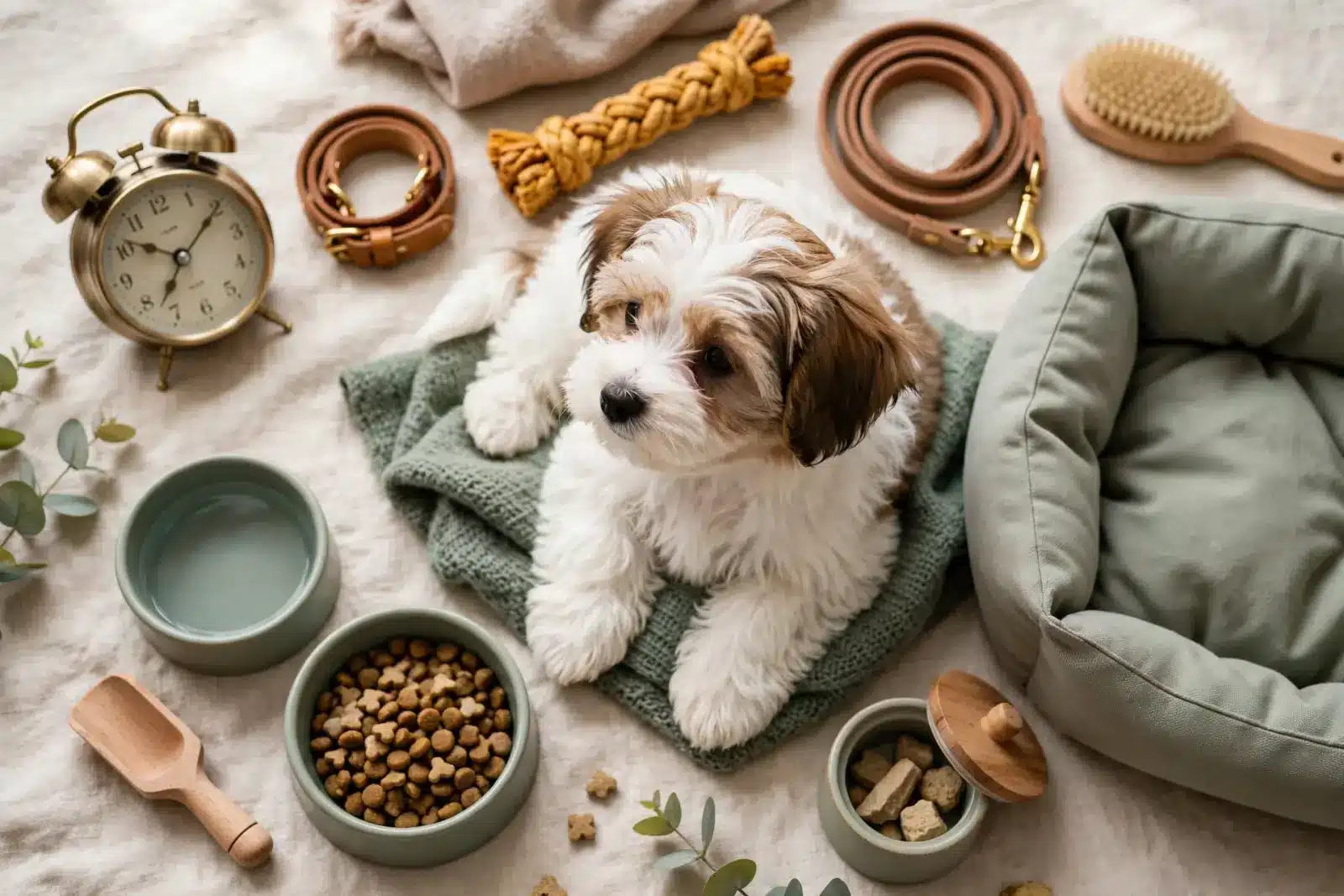
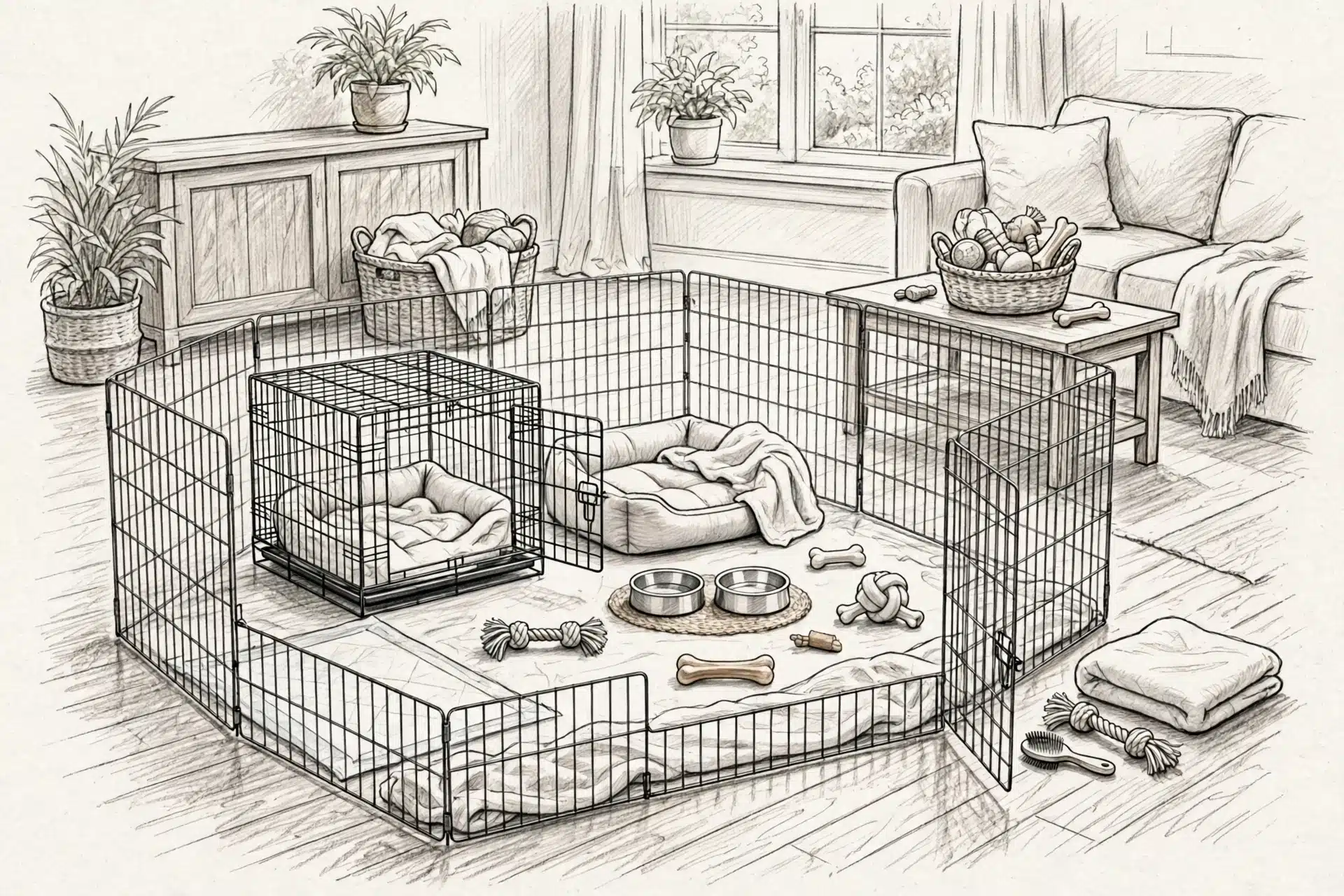
What supplies do you need before bringing a small breed puppy home? The core list:
- Crate or playpen with soft bedding
- Small-breed puppy food and shallow bowls
- Flat collar, ID tag, and lightweight leash
- Puppy pads and enzyme cleaner
- Chew toys and a soft brush
- Grooming basics like nail clippers
Small dogs need pint-sized versions of standard gear, so check sizing before you buy. Banfield’s new puppy checklist covers similar essentials for first-time owners. For a deeper walk-through, our Havapoo puppy checklist adds first-week scheduling tips.
The Day One Supplies Checklist
Have food ready before pickup, and ask the breeder which formula your puppy is eating. Small breed nutrition matters here: tiny dogs burn energy fast and can develop low blood sugar if meals are skipped. Buy the same food the puppy already knows, then transition slowly if you plan to switch. Add bottled water for the car ride, treats, and a towel that smells like home.
Setting Up a Safe Zone and Puppy-Proofing
Pick one small room or a playpen corner and make it puppy’s base. Get down on your knees and look for hazards: loose cords, houseplants, coins, and socks. Block stairways with gates. Keep trash secured, because Havanese and doodle puppies chew everything they can reach.
Feeding Station and First-Hour Setup
Set bowls away from the bed and potty area. When you arrive home, carry your puppy to the potty spot first, then let it explore the safe zone calmly. Offer water and a small meal, and keep the first hour quiet so your puppy settles without overwhelm.
Small Breed Nutrition: What and When to Feed
Small breed nutrition is the daily core of small breed puppy care. Tiny stomachs and fast metabolisms mean your Havanese, Havapoo, or Cavapoo puppy needs calorie-dense food, in the right amounts, on a steady schedule.
Choosing a Complete and Balanced Puppy Food
Pick a food labeled “complete and balanced” for puppies, ideally one formulated for small or toy breeds. The small kibble size is easier for little mouths, and the formula matches their faster growth rate. Ask your vet before adding supplements; a balanced puppy food rarely needs them.
Meal Frequency by Age
How often should you feed a small breed puppy? By age:
- 8 to 12 weeks: 4 meals per day
- 3 to 6 months: 3 meals per day
- 6 to 12 months: 2 meals per day, which most small breeds reach as they mature
Small stomachs empty fast, so frequent meals prevent the low blood sugar young toy breeds are prone to. Keeping the food consistent from what the breeder started also matters during the first week; a set small breed puppy feeding schedule helps you hold that routine steady.
Portions, Weight Tracking, and Body Condition
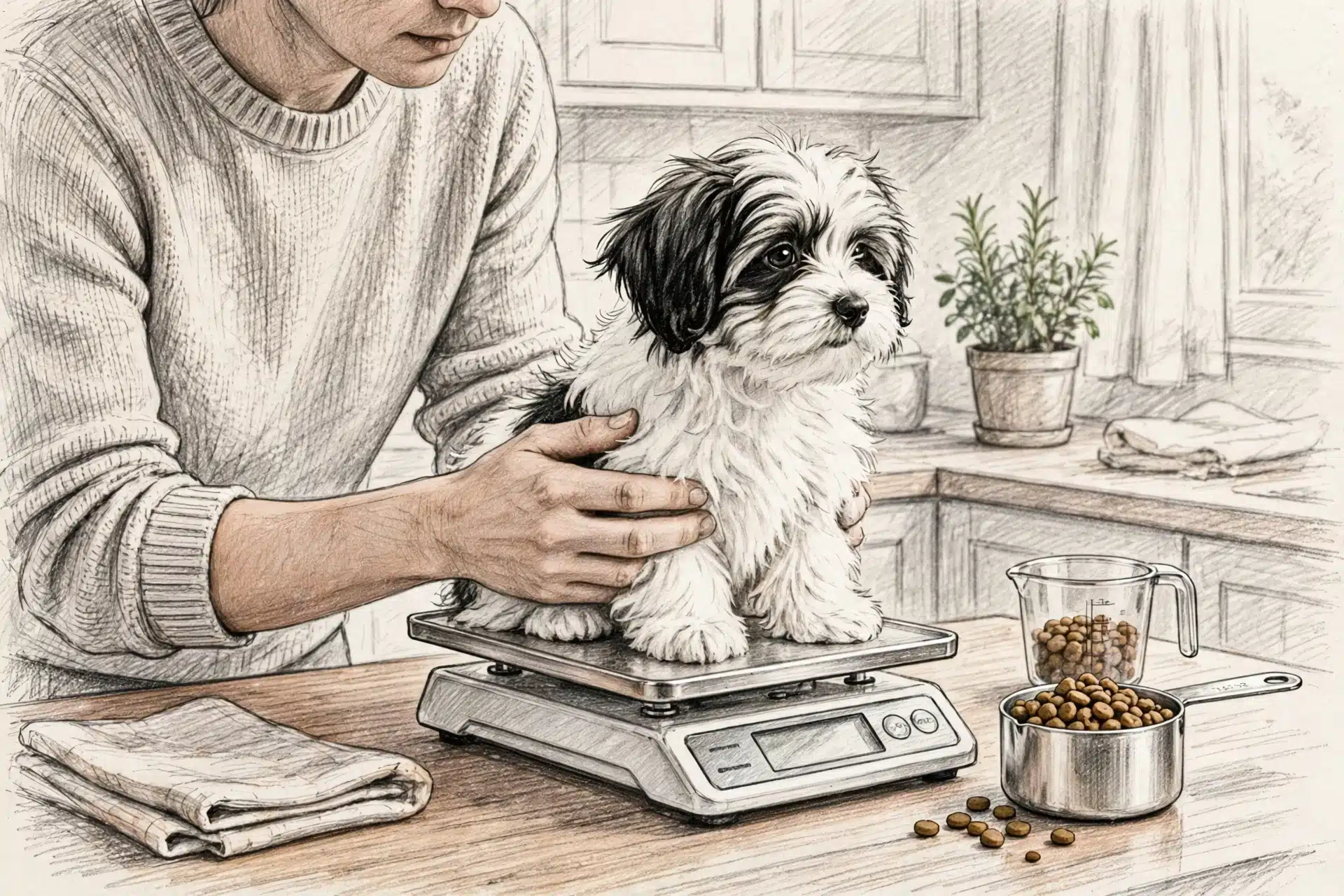
Start with the feeding chart on your food bag, then adjust to your puppy, not the chart. Weigh your puppy weekly and learn to feel body condition: you should sense ribs under a thin fat layer, with a visible waist from above. Ribs hard to find means trim the portions. Your vet can confirm at each visit whether growth is on track.
Transitioning Food and Managing Treats
Change foods gradually over 7 to 10 days, mixing a little more new food in each day to avoid stomach upset. Keep treats under 10% of daily calories, and count training bits toward that total.
Feeding schedules by age follow standard veterinary guidance, such as Chewy’s puppy feeding guide, so treat these ranges as a starting point and let your vet fine-tune them.
House Training and Potty Routines for Small Breeds
House training a small breed puppy comes down to tight timing, one potty spot, and calm cleanup. The basics:
- Take your puppy outside on a fixed schedule, not on guesswork.
- Use one door and one spot every time.
- Reward within seconds of finishing.
- Watch closely indoors, and confine between outings.
Why Small Breeds Need a Tighter Potty Schedule
Tiny bladders fill fast. A puppy can hold it roughly one hour per month of age, so an eight-week-old needs a break every two hours or so, according to AKC potty training guidance. Expect full house training to take four to six months. Smaller dogs sometimes take longer because their signals are easier to miss.
Building a Consistent Outing Routine
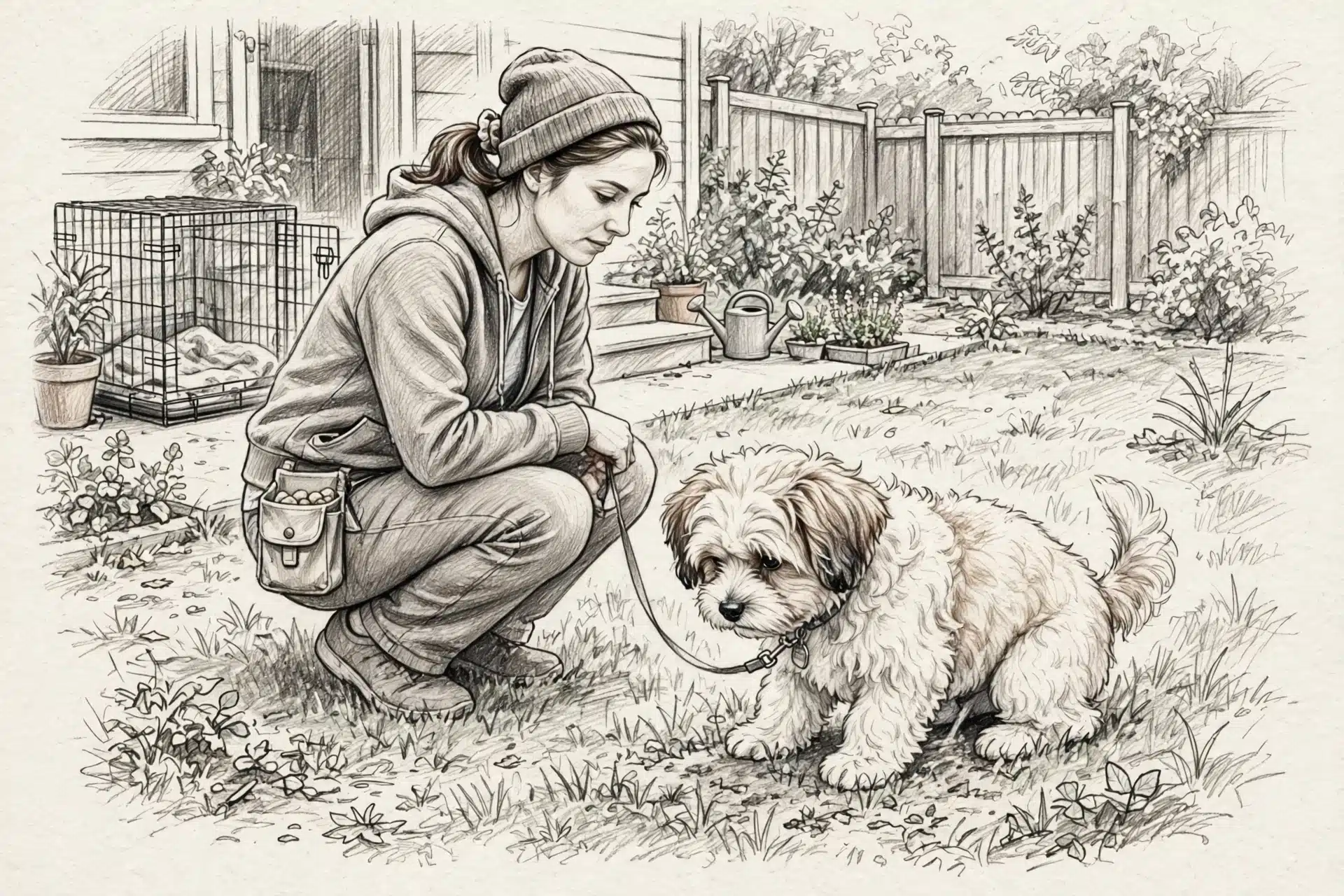
Anchor potty trips to daily events, not the clock alone. Go out first thing in the morning, after every meal, after naps, and after play sessions. Use the same short cue, such as “go potty,” and stay quiet until your puppy finishes, then reward right away. A crate helps because dogs avoid soiling where they sleep, and our step-by-step crate training guide walks through the setup.
Handling Accidents Without Punishment
Accidents will happen, and scolding teaches puppies to hide, not to hold it. If you catch your puppy mid-act, interrupt gently and carry them outside. If you find a mess afterward, just clean it with an enzymatic cleaner that removes the scent, because lingering odor invites repeat visits. Praise successes heavily and keep the schedule steady. Consistency, not correction, is what finishes the job.
Small Dog Grooming: Coats, Brushing, Baths, and Nails
Coat Types and the Right Brush for Each
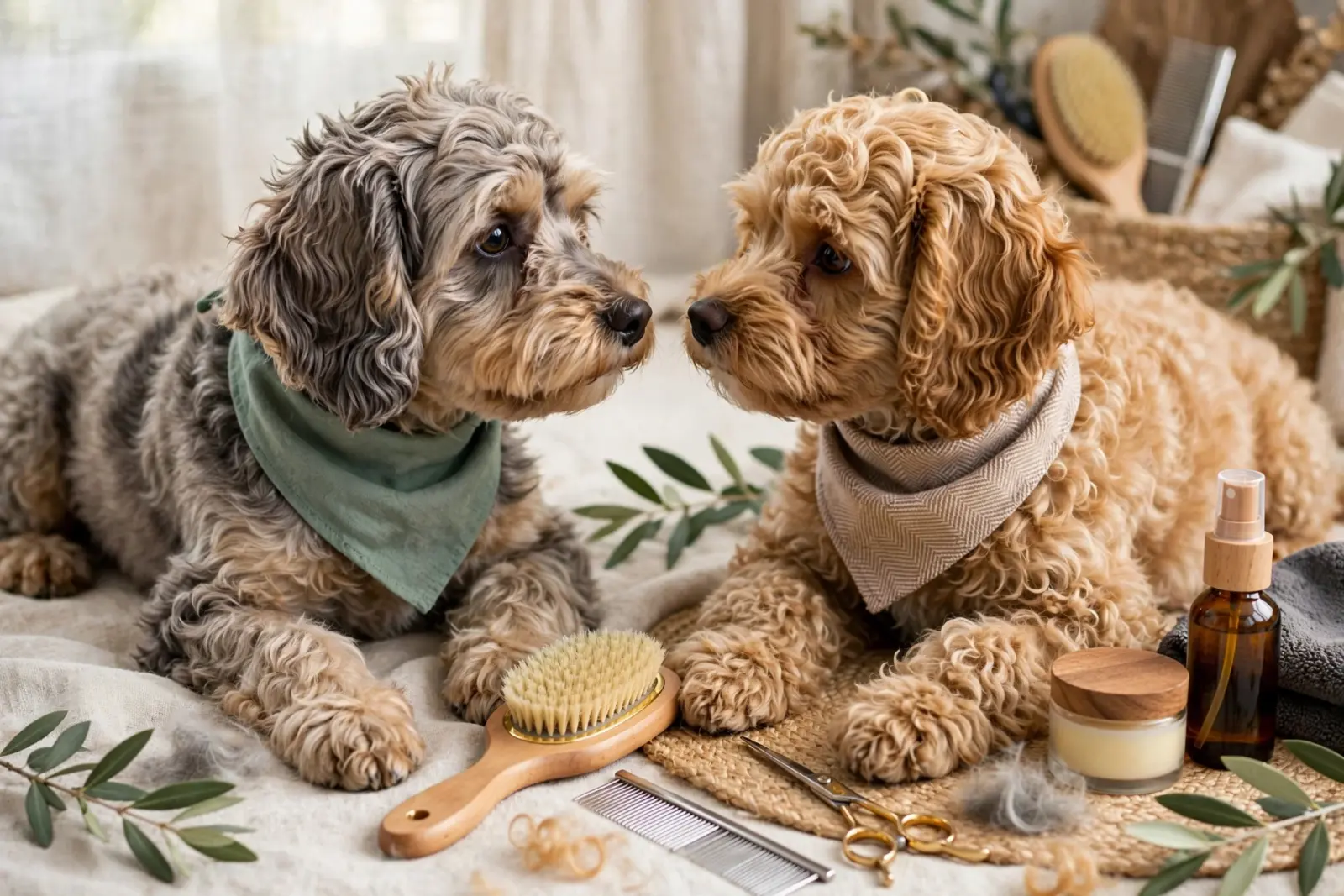
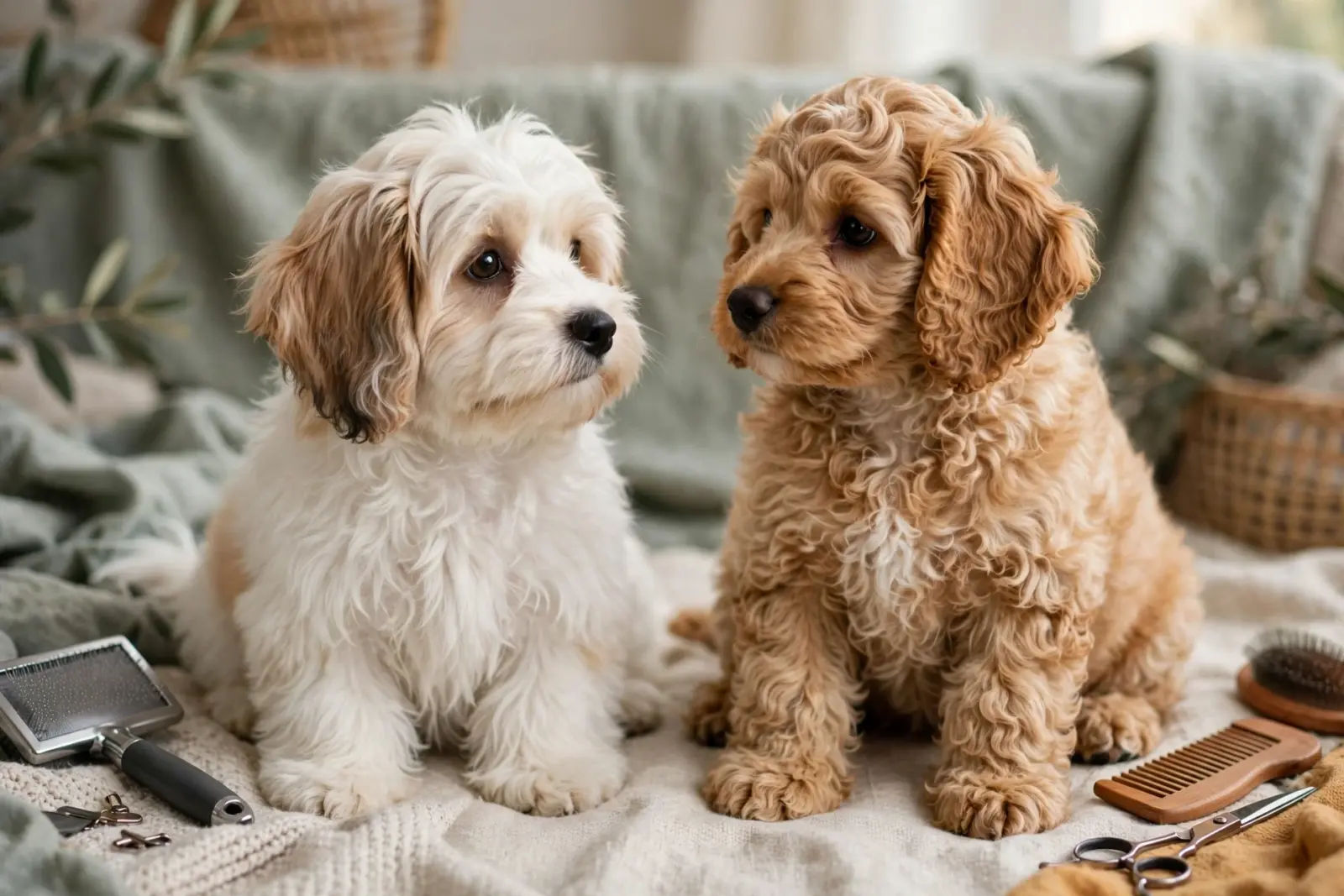
Brush a Havanese or Havapoo puppy every other day at minimum, and daily if you keep the coat long. Work in small sections down to the skin with a slicker brush, then follow with a metal comb. A Cavapoo with a wavy fleece coat can often go two to three days between sessions, but check behind the ears and in the armpits, where mats form first. All three breeds shed very little, so loose hair stays trapped instead of falling out, which is exactly why brushing matters so much.
Bathing and Drying Without Matting
Bathe every three to four weeks, or sooner after a muddy backyard adventure. Brush thoroughly before the bath, because water tightens existing tangles into mats. Use a gentle puppy shampoo, rinse well, towel off, and then blow-dry on low while brushing the coat in the direction it grows. A damp coat mats within hours, so never let a small dog air-dry after a full bath.
Nails, Ears, and Teeth
Trim nails every three to four weeks; if you hear clicking on hard floors, they are too long. Check ears weekly for redness or odor, and wipe the outer ear with a dog ear cleaner. Brush teeth several times a week with dog toothpaste, since small breeds are prone to dental disease.
Setting a Grooming Cadence That Fits Your Schedule
Most families succeed with a simple rhythm: short brushing sessions several evenings a week, a bath every three to four weeks, and nails alongside each bath. Professional grooms every six to eight weeks keep a longer Havanese puppy grooming schedule manageable, while a shorter puppy cut reduces Cavapoo grooming at home to a few minutes a day.
The First 30 Days: Routine, Training, and Socialization
The first month with your puppy shapes the next decade. Small breeds like Havanese, Havapoos, and Cavapoos settle fastest when meals, potty breaks, and sleep follow a predictable pattern. Since house training depends on timing, a consistent small breed house training schedule matters more than intensity.
Setting the Household Routine
Puppies thrive on repetition, so anchor each day to the same wake-up, potty, meal, and nap times. Take your puppy out first thing in the morning, after every meal, after play, and right before bed. The three-meals-a-day schedule most puppies this age follow gives you natural potty triggers. Confine your puppy to a crate or playpen when you cannot supervise, because loose wandering leads to accidents and chewing. Keep the crate in a family space so confinement feels safe, not isolating.
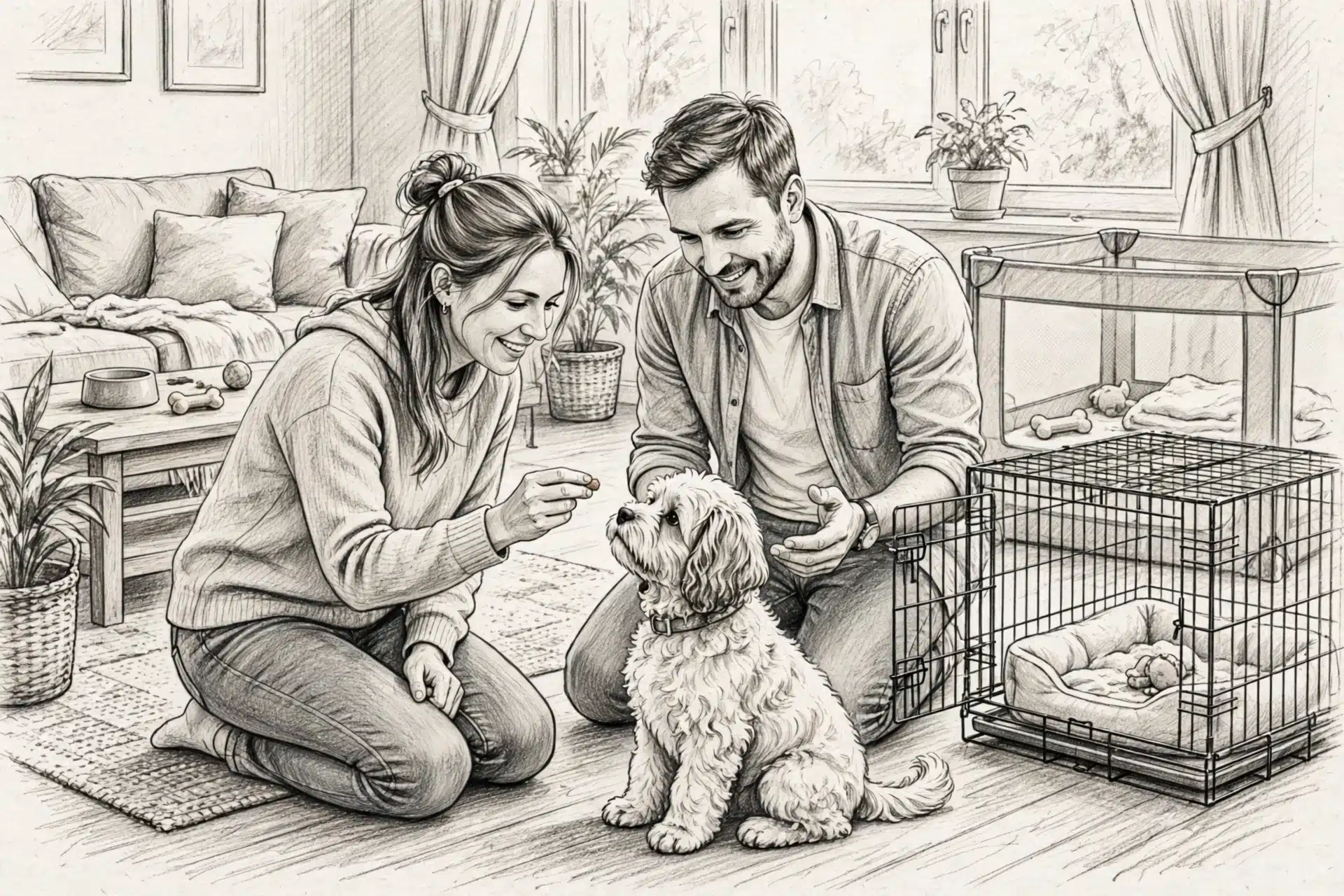
Name Recognition and Foundation Cues
Start with the name. Say it once, cheerfully, and reward the moment your puppy looks at you. Once that click is reliable, add sit, come, and down in short sessions of two to three minutes. Small breed puppies tire quickly, so several brief sessions beat one long one. Keep treats soft and pea-sized, and remember they count toward the 10 percent treat limit. Never repeat a cue over and over; say it once and wait.
Safe Socialization and Puppy Teeth
Positive exposure to people, sounds, and surfaces during the first months prevents fear later. The AVMA’s socialization guidance recommends introducing puppies to varied sights and sounds before full vaccination, while carrying them in places other dogs frequent. Pair every new experience with treats and let your puppy choose to approach. Chewing peaks now too, so rotate sturdy chew toys and never punish mouthing; redirect it instead.
Veterinary Care, Health Records, and What to Watch For
A new puppy should see a veterinarian within 48 to 72 hours of coming home, even when it looks healthy. That first exam sets a baseline, confirms the vaccine schedule, and catches small problems before they grow.
Getting the Health Record Packet Before Pickup
Ask for the full record packet at handoff. A complete set includes:
- Vaccination records listing which shots were given and when
- Deworming dates and any fecal test results
- A veterinary exam summary from the breeder’s clinic
- Microchip number and registration details
- Parent health screening results, where available
Bring everything to your first appointment so your vet can plan what comes next.
The First Vet Visit and Vaccination Plan
Puppies typically get combination vaccines every 3 to 4 weeks from 6 to 8 weeks of age until 16 weeks, with rabies due around that final visit, per the AAHA vaccination guidelines. Your vet will finish any series the breeder started. Book the visit before pickup day so the gap between appointments stays short.
Small Breed Health Concerns to Know
Tiny breeds burn through blood sugar fast, so hypoglycemia is the top early risk. Watch for wobbliness, weakness, or listlessness, and rub a little honey on the gums if it happens. Also ask your vet about a patellar luxation check, since small knees can slip. Havanese and poodle crosses generally enjoy few inherited problems, but breed health resources still worth reviewing.
A Daily Health Check and When to Call the Vet
Spend one minute each day checking appetite, energy, eyes, ears, and stools. Call the vet promptly for vomiting lasting more than a few hours, refusal to eat, diarrhea, coughing, or the low blood sugar signs above. Trust your gut; when a small puppy seems off, an early call costs little and prevents a lot.
Growing Up: Adult Care, Exercise, and Long-Term Routine
Transitioning from Puppy to Adult
Small breeds usually finish growing between 8 and 12 months. At that point, switch from puppy food to an adult small-breed formula over 7 to 10 days, mixing a little more new food in each day. The switch matters because adult formulas carry different calorie and calcium levels for a body that is no longer building bone. Expect two meals a day to remain the norm, since small stomachs still do better with routine than with one large serving.
Keep up annual vet exams and keep your vaccination records in one place. Watch weight and body condition monthly; a pound gained on a 10-pound Havanese is ten percent of its body weight. Breeds with the same adult size, whether a Havanese, Havapoo, or Cavapoo, also settle into an adult coat now, so your grooming routine should already feel familiar.
Exercise, Enrichment, and the Long-Term Routine
Adult small breeds typically need 30 to 60 minutes of activity each day, split between walks and play. The AAHA life stage guidelines stress daily exercise and mental stimulation for health and to curb boredom, and most dogs also do well with at least one or two walks a day.
Pair walks with short training refreshers, puzzle feeders, and sniffing time. Rotate toys weekly so old ones feel new. Consistency beats intensity: the same walk, meal, and rest rhythm every day keeps a small dog calm and easy to live with for years.
Common Mistakes to Avoid
Most puppy problems trace back to a handful of predictable slips. Vets see the same ones over and over: skipping or delaying early veterinary visits, overfeeding, and inconsistent training, per the mistakes vets list most often.
For small breeds, the stakes run higher. A Havanese puppy can drop blood sugar if meals get missed, so stick to the four-meal schedule. Treats add up fast on a tiny frame, so keep them under 10 percent of daily calories.
Other common errors:
- Skipping puppy-proofing, since one swallowed sock means surgery
- Free-feeding instead of measured meals, which hides weight gain
- Waiting too long to start gentle socialization and crate training
- Bathing and clipping a coat-type wrongly, or skipping daily brushing
Ask questions early. Your breeder and vet can spot habits worth correcting before they stick.

You now know how to feed, groom and raise a small breed puppy. The next step is finding the right one. If a Havanese, Havapoo or Cavapoo fits your family, explore Sage Puppies and start your application today.
Frequently Asked Questions
Q1: What supplies do I need before bringing a small breed puppy home?
Start with a crate or playpen, small-breed puppy food, shallow bowls, a flat collar with ID tag, a lightweight leash, puppy pads, enzyme cleaner, chew toys, a soft brush, and nail clippers. Choose pint-sized gear and buy the same food your breeder started.
Q2: What should a first-time small breed owner know in the first 30 days?
Predictability matters most. Anchor meals, potty trips, and naps to the same times daily, confine your puppy when unsupervised, keep treats under 10 percent of calories, and book a vet visit within 48 to 72 hours of pickup.
Q3: How do I house train a small breed puppy?
Take your puppy to one outdoor spot on a fixed schedule: after waking, meals, naps, and play. Reward within seconds and use an enzymatic cleaner on accidents. Expect four to six months for full reliability.
Q4: How often to feed a small breed puppy?
Four meals daily from 8 to 12 weeks, three meals from 3 to 6 months, then two meals through adulthood. Frequent meals prevent low blood sugar in tiny breeds.
Q5: How much exercise does a small breed puppy need?
Short play sessions several times a day suit puppies better than long walks. Adults usually need 30 to 60 minutes daily, split between walks, play, and sniffing time.
Q6: Why does my Havanese have tear stains?
Tear staining is common in light-coated small breeds. Wipe the area daily with a damp cloth, keep the face dry, and ask your vet if discharge looks colored or excessive.
Q7: When should I switch from puppy to adult food?
Most small breeds finish growing between 8 and 12 months. Transition gradually over 7 to 10 days to an adult small-breed formula.
Conclusion
Raising a Havanese, Havapoo, or Cavapoo comes down to three habits: small breed nutrition on a steady meal schedule, small dog grooming matched to coat type, and a consistent routine for potty, sleep, and training. Feed often while your puppy is tiny, brush before tangles turn into mats, and keep treats under 10 percent of daily calories. Book the first vet visit within 72 hours, keep your puppy vaccination records together, and expect full house training to take four to six months. None of it is complicated, but all of it is daily, and the first 30 days with a new puppy set the pattern for years of calm, healthy companionship.