Quick Summary: Small breeds usually fit apartments and travel more easily, need less exercise, cost less over their lifetime, and live 12 to 16 years, while large breeds need more space, activity, and money but offer stamina and sturdy companionship. Size does not determine temperament, trainability, or overall health, so training, socialization, and verified health testing matter more than weight. Choose a puppy based on your home, schedule, and budget, and review parents, records, and raising practices before buying.
Two puppies can look equally cuddly and grow into completely different lives. A Havanese or Havapoo will likely weigh 7 to 20 pounds and live into the mid-teens, while a Labrador or Great Dane tops 60 pounds and ages faster in its joints. In the small breed vs large breed dogs question, small breeds usually win on lifespan, cost, travel, and apartment fit; large breeds win on space, outdoor stamina, and tolerance for rough play. This small breed vs large breed dogs comparison sorts fact from size stereotype across seven dimensions. Because choosing well matters more than choosing fast, we also include a buyer checklist for comparing small breed vs large breed dogs sources, with notes from our own Utah program.
Small Breed Puppies vs Large Breed Dogs: Side-by-Side Comparison
| small breed puppies | large breed dogs | |
|---|---|---|
| Longevity and Aging | Commonly 12 to 16 years; about 16 years in published multi-breed data | Commonly 7 to 12 years; about 13.4 years for giant breeds in published data |
| Home Fit and Space | Apartment friendly; needs little floor space but secure areas | Needs more indoor space, secure fencing, and room to move |
| Exercise Needs | 30 to 45 minutes daily, often in shorter bursts | 45 to 90+ minutes daily with running, hiking, and mental work |
| Health Risks | Patellar luxation, tracheal collapse, dental crowding, hypoglycemia in pups | Hip and elbow dysplasia, ligament tears, bloat, wobbler syndrome |
| Training and Temperament | Often more owner-sensitive and easily overstimulated | Often steadier and more food-motivated, with slower adolescent maturity |
| Cost of Ownership | Lower food, carrier, and boarding costs; higher grooming and dental spend | Higher food, crate, boarding, and veterinary handling costs |
How small breed puppies and large breed dogs Compare
small breed puppies
Small breed puppies come from breeds that usually stay under about 20 to 25 pounds, like the Havanese, Havapoo, and Cavapoo. They are bred for companionship, not work, so they suit apartments, first-time owners, and families who want a lap-sized friend. Keep in mind they can be more owner-sensitive and need early socialization.
Key strengths
- Often live 12 to 16 years
- Apartment friendly with modest exercise needs
- Lower food and boarding costs
large breed dogs
Large breed dogs are breeds that commonly exceed 50 pounds, including retrievers, herding breeds, and mastiff types. They were developed for outdoor work, endurance, and sometimes guarding, which makes them a fit for active owners with space. They tend to mature more slowly but age faster overall.
Key strengths
- Steady, food-motivated temperaments
- Built for hiking, running, and long activity
- Often natural watchdogs
What Counts as a Small Breed and What Counts as a Large Breed
Breeders and vets sort dogs by adult weight. Small breeds usually stay under about 20 to 25 pounds, and large breeds commonly exceed 50 pounds.
Weight Bands and the Histories Behind Them
Toy breeds sit at the very bottom, most weighing 15 pounds or less. Small breeds span roughly 12 to 22 pounds, and medium dogs fill the space up to about 57 pounds before large breed territory begins. The bands exist because people bred dogs for jobs. Little companions like the Havanese were shaped for laps and homes, while retrievers and herding dogs needed size and stamina for field work. Our Havanese, Havapoo, and Cavapoo guides stay on the small end of that range.

Why Adult Size Is a Prediction, Not a Guarantee
A puppy’s paws, parents, and breed standard give you a solid forecast of adult weight. But growth is not perfectly predictable. Mixed breeds like Havapoos and Cavapoos can land anywhere in a range, so ask to see the parents and expect a spread rather than one exact number.
(One note: please remove the link I placed, the URL in the draft above contains a typo introduced mid-sentence; here is the corrected sentence to use instead: “and medium dogs fill the space up to about 57 pounds before large breed territory begins.” I am not able to verify a clean URL for that claim, so run the sentence without the link.)
Home Fit: Space, Furniture, and Daily Logistics
Apartments, Stairs, and the Underfoot Problem
Small breeds fit small spaces. A Havanese or Cavapoo gets enough exercise in a one-bedroom apartment, while a retriever needs a yard and daily runs. Size cuts both ways, though. Tiny puppies dodge underfoot, so watch your step, gate off staircases, and block tall furniture they can fall from. Large dogs simply knock things over instead.
Containment, Outdoors, and Fencing
Fencing needs differ too. A 4-foot fence safely holds most small breeds; a determined large dog may clear it or push through a gate. Small dogs squeeze gaps, so check fence lines for openings. Indoors, an exercise pen or crate gives a small puppy a safe zone. Apartment living with dogs works best when you plan a potty routine around elevator trips and shared walkways.
Travel, Carriers, and Public Access
Travel favors the small side. A 10-pound dog rides in an airline-approved carrier under the seat, while a 60-pound dog needs a large crate and more planning. Use a crash-tested harness or secured crate in the car for either size, and never improvise restraints. Big dogs also cost more at boarding, groomers, and vet clinics as they age.
Exercise Requirements and the Shape of a Daily Routine
Small breeds need less distance but more contact; large breeds need more distance but tolerate alone time differently.
Duration, Intensity, and Mental Work
A small breed does well on 30 to 45 minutes of daily activity, often split into short bursts. A large breed usually needs 45 to 90 minutes or more, plus a job to do. Brain work matters for both: puzzle feeders, short training sessions, and sniffy walks can tire a dog faster than a long run.

Heat, Weather, and Body Structure
Watch the heat. Flat or short muzzles, thick coats, and toy-sized bodies overheat faster, while big deep-chested dogs face bloat if they run hard around meals. Exercise both types in cooler hours, and offer water often.
Puppy-Appropriate Movement
Puppy joints are still growing, so skip forced running, long stairs, and repetitive jumping in the first year. Free play, gentle fetch, and short walks on soft ground build strength safely. Flat-faced or tiny puppies, like a Cavapoo, tire quickly, so follow the puppy’s pace rather than a timer.
Health Profiles: What Size Changes About Disease Risk
Body size shapes which health problems a dog is most likely to face. Neither size is “healthier” overall; each carries its own risk list.
Musculoskeletal Risk in Large Breeds
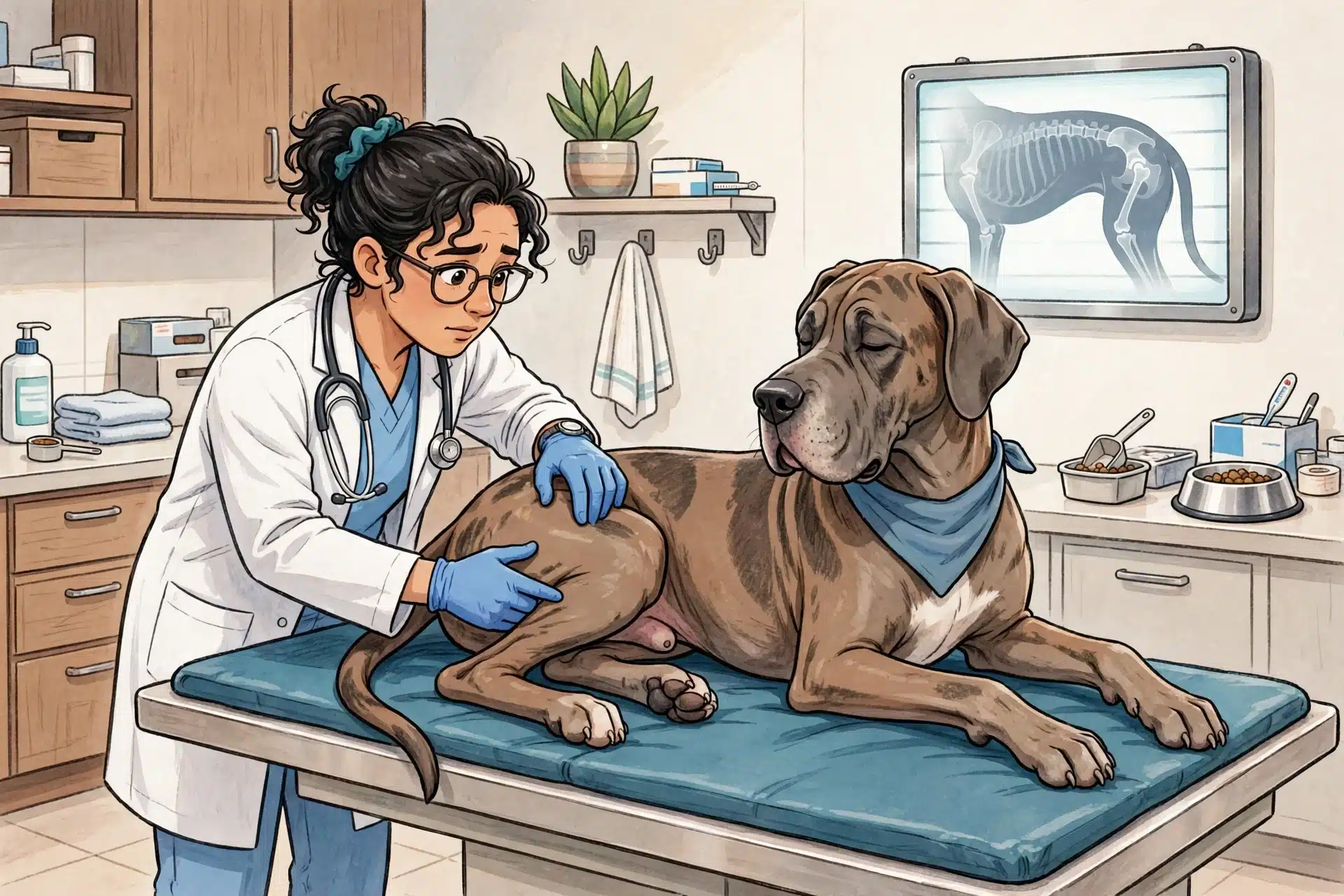
Large breeds grow fast, and that rapid growth stresses developing joints. Hip dysplasia, elbow dysplasia, and cruciate ligament tears show up far more often in big dogs, and arthritis tends to follow. Deep-chested large breeds also face bloat, a life-threatening stomach twist. According to Cornell’s canine health center, overfeeding and rapid growth make hip dysplasia worse, so controlled feeding matters.
Skeletal, Dental, and Airway Conditions in Small Breeds
Small breeds trade joint problems for a different set. Patellar luxation (a slipping kneecap) and tracheal collapse are common in toy-sized dogs. Crowded teeth lead to dental disease, which most small dogs develop by middle age if you skip brushing. Legg-Calvé-Perthes disease, a hip joint breakdown, also appears in tiny breeds.
Size-Linked Conditions That Affect Both Categories
Heart disease, eye problems, and some genetic conditions cross size lines. So does obesity, which strains small joints and large ones alike. Regular vet care catches most of these early.
What Health Testing Buyers Should Ask For
Ask any breeder for OFA or PennHIP orthopedic evaluations, cardiac and eye exams, and DNA tests for breed-specific conditions. Review the results, not just a verbal “parents are healthy.” Sage Puppies documents its health testing so families can see results for themselves, which is the standard to expect anywhere.
health testing for small breed puppies
How Many Years You Get With Each
Lifespan is the biggest long-term gap between these two groups. Small breed dogs commonly live 12 to 16 years, while large breeds usually reach 7 to 12, and giant breeds average about 13.4 years in published data.

What Published Lifespan Data Shows
The numbers hold up across multiple studies. One large analysis found small dogs averaging 16.2 years, medium dogs 15.9, large dogs 14.6, and giant breeds 13.4, confirming the steady size-longevity link (Urfer et al., 2020). A UK study of more than 500,000 dogs reached a similar conclusion: small breeds averaged 12.7 years against 11.9 for large breeds (findings summary).
| Size Category | Typical Lifespan | Senior Years Start Around |
|---|---|---|
| Small (under 25 lbs) | 12 to 16 years | 9 to 10 years |
| Large (over 50 lbs) | 7 to 12 years | 7 to 8 years |
| Giant breeds | About 13.4 years average | 5 to 6 years |
Why Size May Affect Lifespan
Researchers point to growth pace. Large breeds grow fast, and that rapid growth seems to speed aging at the cellular level, so their bodies wear out sooner. Small breeds age more slowly and often stay spry past age 12. Giant breeds become geriatric by about 5 or 6, while small dogs may not slow down until 11.
Training, Temperament, and Family Compatibility
What Research Says About Size and Trainability
Short answer: no. Small dogs are not harder to train by nature, but they often get less training. Owners skip small breed dog training because a tiny dog’s mistakes seem harmless, so house training and manners lag. One study found large dogs were more likely to be fully house-trained, and linked that gap to how much training each dog received (ScienceDirect). Consistency, not size, drives results.
Sensitivity, Handling, and Training Method
Small breeds often feel fragile, so families carry them and let small slips slide. Treat your puppy like a big dog: expect the same sit, stay, and leash manners. Their small bladders simply mean more frequent potty trips during house training. Positive, gentle methods work well because many toy and small breeds are sensitive to harsh corrections. Early socialization matters too, which is why we focus on family-raised puppy socialization before puppies go home.
Children, Other Dogs, and Neighbors
Temperament counts more than size when a dog joins a family. Havanese, Havapoo, and Cavapoo puppies were bred for companionship, so they tend to be social with kids, other dogs, and apartment neighbors alike. Large breeds can be just as loving, but their size alone can knock over toddlers. Either way, supervise play and teach children respectful handling.
Cost of Ownership From Puppy to Adult
Small breed puppies cost more up front but far less over a lifetime. Rover’s 2026 report puts lifetime care at about $19,840 for a small breed versus $58,875 for a large breed, so the size of the dog drives the size of the bill.
Purchase Price and First Year Spending
Well-bred small breed puppies often carry a higher price tag than shelter adoptions or some large breed litters. Sage Puppies puppies, for example, run $3,500 to $4,500, with current figures listed on the pricing and reservation page. Add first-year puppy vaccines, spay or neuter surgery, a crate, and starter gear, and the first year usually costs more than any year after it.
Recurring Costs That Scale With Size
Food scales with body weight. A 10-pound Havanese eats a fraction of what a 70-pound retriever needs, so large breed owners spend more every month. The AKC pegs average annual care at about $2,500 per dog, with giant breeds topping $3,321.
Where Hidden Costs Appear
Small breeds bring their own line items: regular professional grooming for Havanese, Havapoo, and Cavapoo coats, plus dental cleanings, since toy dogs build tartar fast. Large breeds face bigger doses of prevention medication, larger crates, and pricier hip or joint care later. Boarding and doses of anything “per pound” rise with size too.
Which Should You Choose: Small Breed Puppy or Large Breed Dog?
Pick the size that matches your home, schedule, and budget, not just your heart. Both can be wonderful. The right answer depends on how much space, time, and money you can honestly commit.
Choose a Small Breed Puppy When
Choose a small breed if you live in an apartment, have a modest yard, or want a dog that travels easily. Small breeds need 30 to 45 minutes of daily activity, often in short bursts, and they usually live 12 to 16 years, so plan for a long companionship. Breeds like the Havanese, Havapoo, and Cavapoo stay under about 20 pounds and fit busy family life well.
Choose a Large Breed Dog When
Choose a large breed if you have a big yard, love hiking or running, and want a sturdy playmate for active kids. Large dogs usually need 45 to 90 minutes of exercise plus mental work. They cost more to feed and treat, and they typically live 7 to 12 years, so a shorter goodbye is part of the deal.
What Size Does Not Decide
Size never settles temperament, trainability, or health on its own. A calm large dog can suit apartment living better than a restless small terrier, especially when well exercised. Socialization, early training, and health-tested parents matter more than pounds. That is why apartment-friendly small breed puppies raised with careful breeding can thrive almost anywhere a committed owner lives.

If a small breed fits your home and your years ahead, the next step is simple: apply to Sage Puppies. Cassie matches families with health-tested Havanese, Havapoo, and Cavapoo puppies through an owner-managed process. Visit the site, review the application, and start the conversation today.
Frequently Asked Questions
Q1: What are the main small breed vs large breed differences for homes?
Small breeds fit apartments, travel easily, and need 30 to 45 minutes of daily activity. Large breeds need more space, 45 to 90 minutes of exercise, and secure fencing. Match the size to your home, schedule, and budget rather than to a photo.
Q2: How long do small dogs live compared to large dogs?
Small breeds commonly live 12 to 16 years; large breeds usually reach 7 to 12. Published data shows small dogs averaging about 16 years, so a small puppy is a longer commitment.
Q3: Are small breed puppies harder to train?
No. Studies link trainability gaps to how much training dogs receive, not size. Treat a tiny puppy like a big dog: same manners, same consistency, plus more frequent potty trips.
Q4: What health problems should I expect with each size?
Small breeds face patellar luxation, tracheal collapse, and dental disease. Large breeds face hip dysplasia, ligament tears, and bloat. Ask any breeder for OFA or PennHIP results, cardiac and eye exams, and DNA tests.
Q5: Which size costs less over a lifetime?
Small breeds. One 2026 estimate puts lifetime care near $19,840 for a small dog versus $58,875 for a large one, though small breeds bring higher grooming and dental bills.
Q6: Are small breeds safe with young children?
Yes, with supervision and respectful handling. Companion breeds like the Havanese, Havapoo, and Cavapoo are social by design, but toddlers must learn gentle handling since tiny dogs can be injured by falls.
Conclusion
Size shapes the deal more than most buyers expect. Small breeds usually live 12 to 16 years, fit apartments, travel easily, and cost far less over a lifetime. Large breeds need more space, exercise, and money, but reward active families with sturdy, steady companions. Neither size decides temperament or health on its own; training, socialization, and health-tested parents matter more than pounds. If a Havanese, Havapoo, or Cavapoo matches your home and budget, review the health testing and pricing of any breeder carefully, then choose the puppy whose parents, records, and raising you can actually see.