Havanese Care Guide
Keep the Havanese coat comfortable, clean, and mat-free
A practical, puppy-friendly guide to brushing, bathing, drying, haircut choices, mat prevention, and the small details that keep a Havanese coat comfortable and beautiful.
- Daily coat checks
- Step-by-step line brushing
- Bath and drying routine
- Pet haircut options
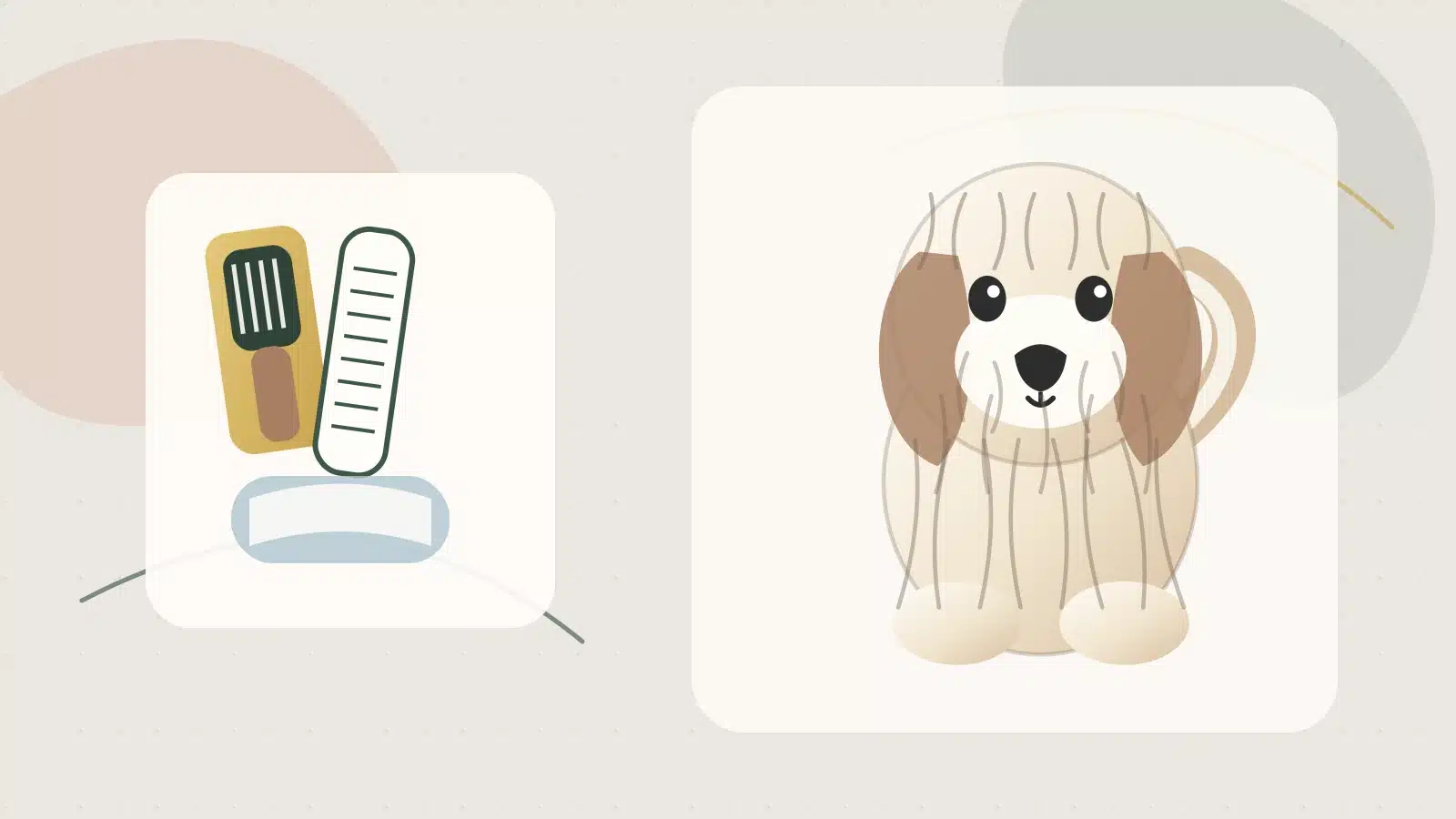
A Havanese coat is soft, abundant, and beautiful—but it is not a wash-and-go coat. The breed has a long, wavy double coat with both an outer coat and an undercoat. Because loose hair can remain caught in the coat instead of dropping around the home, regular brushing and combing are essential for preventing tangles and mats.
This guide explains how to groom a Havanese at home, what tools are worth buying, how often to bathe and trim, and when a professional groomer or veterinarian should step in. It is written for a typical brushed pet coat. A corded Havanese requires a different, highly specialized routine.
Havanese grooming schedule at a glance
Use this as a starting point rather than a rigid calendar. A long natural coat, an active outdoor lifestyle, adolescent coat change, dry Utah air, or a tendency to mat may require more frequent care.
| Task | Typical rhythm | What to check |
|---|---|---|
| Eye and face wipe | Daily or as needed | Moisture, food, debris, staining, redness, or unusual discharge |
| Quick tangle check | Daily | Behind ears, armpits, collar/harness area, belly, legs, paws, and tail |
| Full brush and metal-comb check | Daily for a long coat; several times weekly for many pet trims | The comb should pass through the coat in small sections without snagging |
| Bath and conditioner | About every 3–4 weeks, or when dirty | Skin comfort, odor, residue, and complete rinsing |
| Nails | About every 2–4 weeks | Clicking on hard floors, long curves, snagging, or altered footing |
| Professional groom | About every 4–8 weeks | Coat length, sanitary trim, paw pads, nails, ears, and mat prevention |
| Teeth | Ideally daily | Use dog toothpaste; ask your veterinarian about dental care |
Understanding the Havanese coat
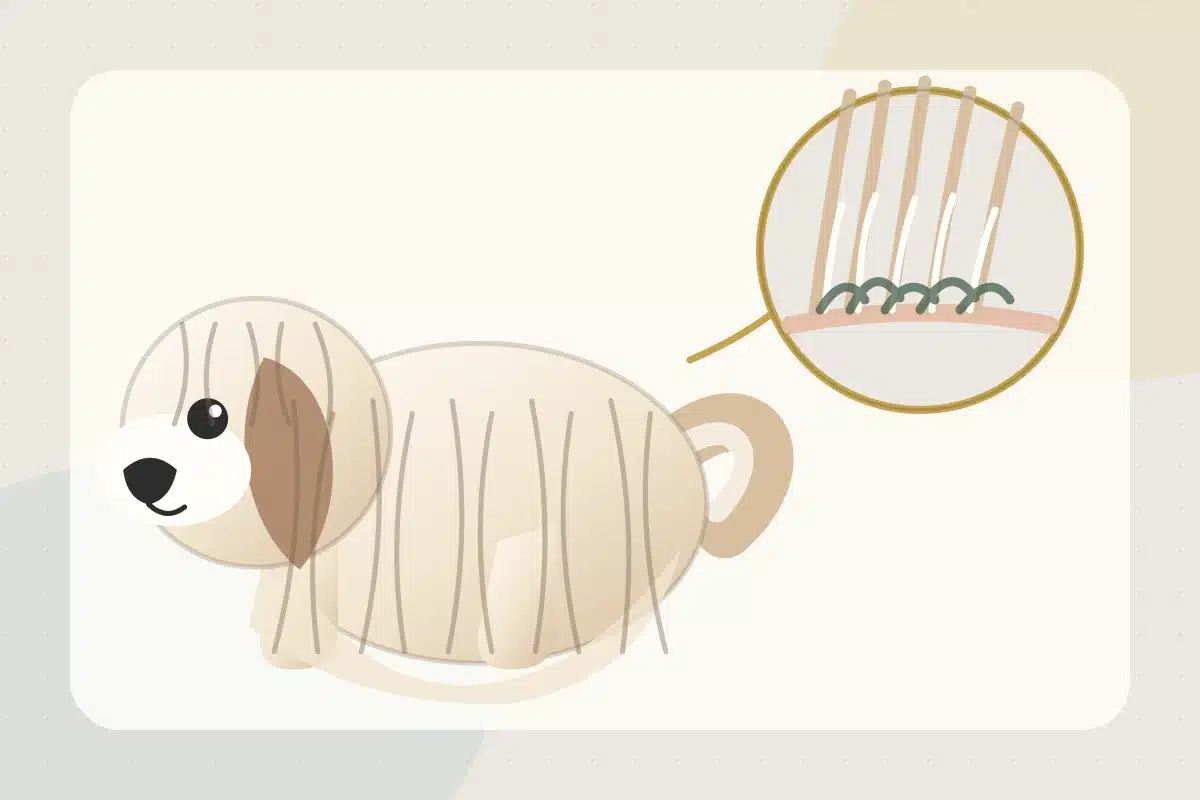
The Havanese breed standard describes a long, abundant, wavy double coat that is soft and light in texture in both the outer coat and undercoat. That combination gives the breed its airy, flowing look, but it also allows shed hair, moisture, and friction to create knots quickly.
Low shedding is not no maintenance
Havanese are commonly described as low-shedding. That does not mean they never release hair or that they are allergen-free. Loose hairs often stay in the coat until brushing removes them, which is one reason mats can form even when little hair is visible on the floor.
Coat length changes the workload
A full coat needs near-daily attention. A well-maintained pet trim can reduce brushing time, but it does not eliminate tangles around the ears, legs, friction points, and furnishings.
Many Havanese also pass through a demanding puppy-to-adult coat transition during adolescence. The changing textures may tangle more readily for a period. Short, consistent sessions are usually easier than waiting for a weekly marathon.
Havanese grooming tools worth having
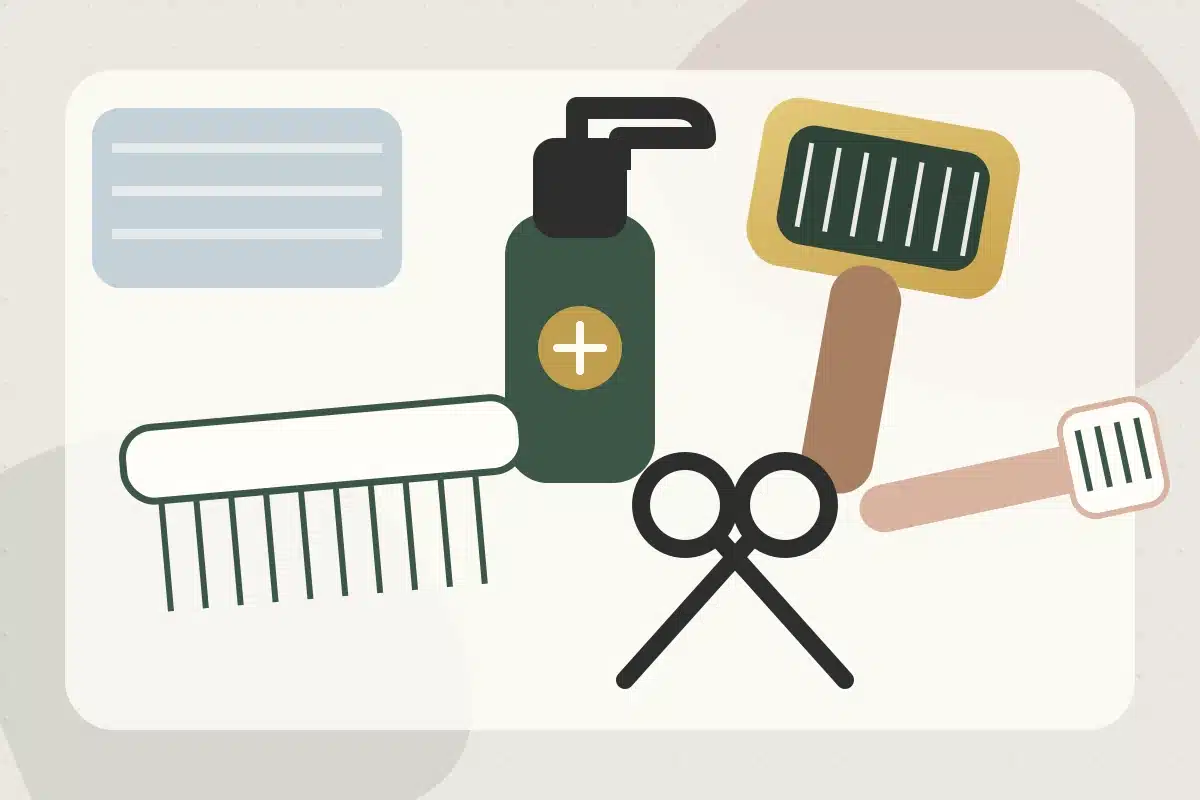
You do not need a crowded grooming cabinet. A small set of appropriate tools is safer and more useful than buying every brush on the shelf.
- Soft or medium pin brush: useful for gently separating and smoothing a longer coat.
- Soft slicker brush: helpful for carefully loosening small tangles and lifting coat in sections. Avoid harsh pressure.
- Stainless-steel comb: the final quality check. A brush can glide over the surface while a knot remains closer to the skin.
- Dog-safe detangling or conditioning mist: adds slip and helps reduce static. Follow the label and stop if irritation appears.
- Gentle dog shampoo and conditioner: choose products suited to your dog’s skin and coat; medicated products should be veterinarian-directed.
- Absorbent towels and a non-slip bath mat: improve comfort and handling.
- Dryer with adjustable airflow and temperature: use a cool or comfortably warm setting, never hot air.
- Dog nail clippers or grinder, styptic powder, dog toothbrush, and dog toothpaste: use only when you have been shown safe technique.
Skip blades near tight mats. Mat splitters, dematting rakes, and scissors can injure thin skin when used incorrectly. A close, felted mat is a professional-groomer problem—not a test of patience.
How to brush a Havanese without missing hidden tangles
Brushing only the visible top layer can leave knots underneath. The most reliable method is line brushing: working through narrow rows of coat from the skin outward, followed by a metal-comb check.
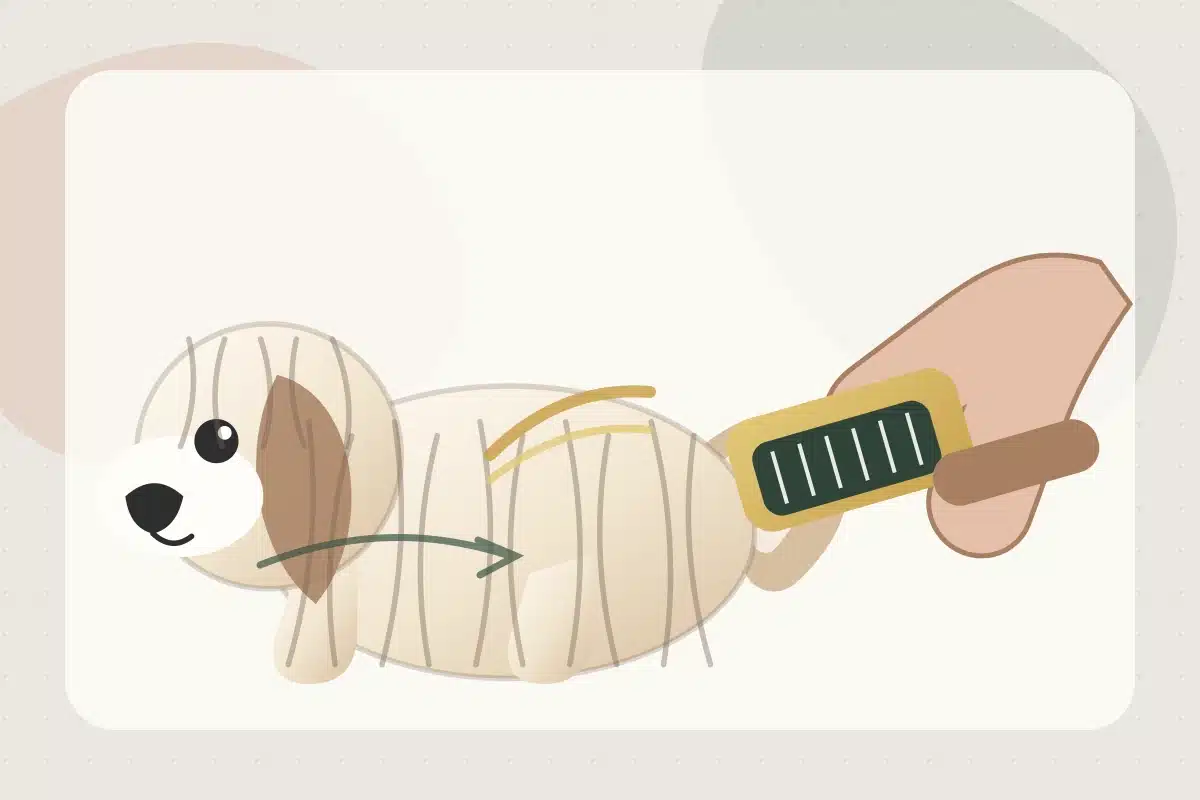
- Choose a safe surface. Place your dog on a stable, non-slip mat at floor level or on a grooming table with secure supervision. Keep the session calm and brief.
- Lightly mist the coat. A dog-safe conditioning spray can reduce static and friction. The coat should be barely damp, not soaked.
- Divide the hair into a narrow line. Start low on a leg or along the belly. Lift the upper coat with one hand so you can see a thin row beneath it.
- Brush from the ends toward the roots. Use short, gentle strokes. Support the hair near the skin so you are not pulling the skin with each pass.
- Move the line upward. Release a small amount of hair, brush that row, and continue systematically over the body.
- Finish with a comb. Pass a stainless-steel comb through the same section. If it catches, return to the brush rather than forcing the comb.
- End before frustration builds. Reward cooperation. Two short sessions can be more productive than one long struggle.
A practical brushing order
Feet and lower legs → belly and armpits → sides and back → chest and collar area → tail → behind the ears → face and topknot. Owners often find it easier to save the most sensitive areas for a short, separate session.
Where Havanese mats form—and how to handle them
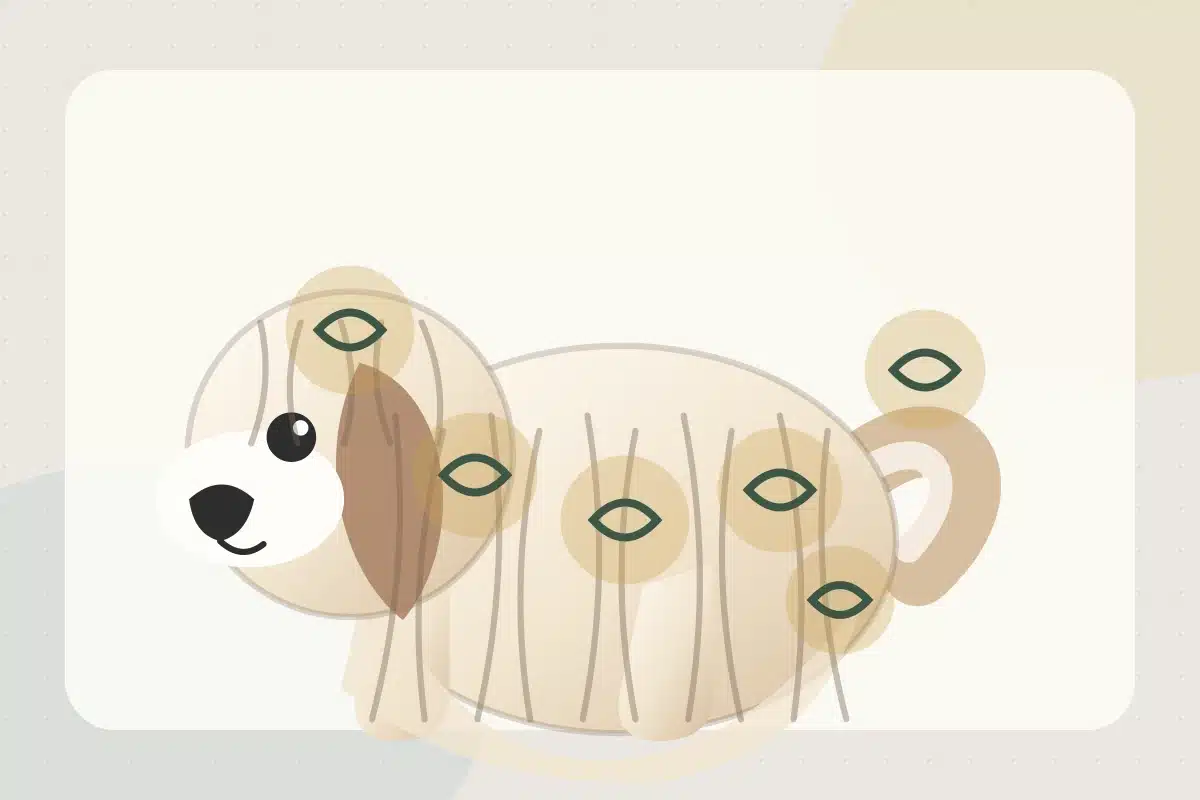
Friction, moisture, and movement make certain areas especially vulnerable: behind the ears, under the collar or harness, in the armpits, at the elbows, along the belly and groin, around the legs and paws, and where the tail rests on the back.
For a small, loose tangle
- Spray a small amount of dog-safe detangler and let it distribute through the hair.
- Hold the coat between the tangle and the skin to reduce pulling.
- Use your fingers to separate the outer edges.
- Work from the ends inward with a soft slicker or the end teeth of a comb.
- Stop if the skin moves with the mat, your dog shows pain, or the knot is packed tightly.
Do not slide household scissors beneath a mat. Dog skin can be pulled up inside the tangle and is easy to cut. Tight mats, large mats, mats on sensitive areas, or widespread felting should be removed by an experienced groomer. Severe matting may require a short clip for comfort and safety.
How to bathe a Havanese
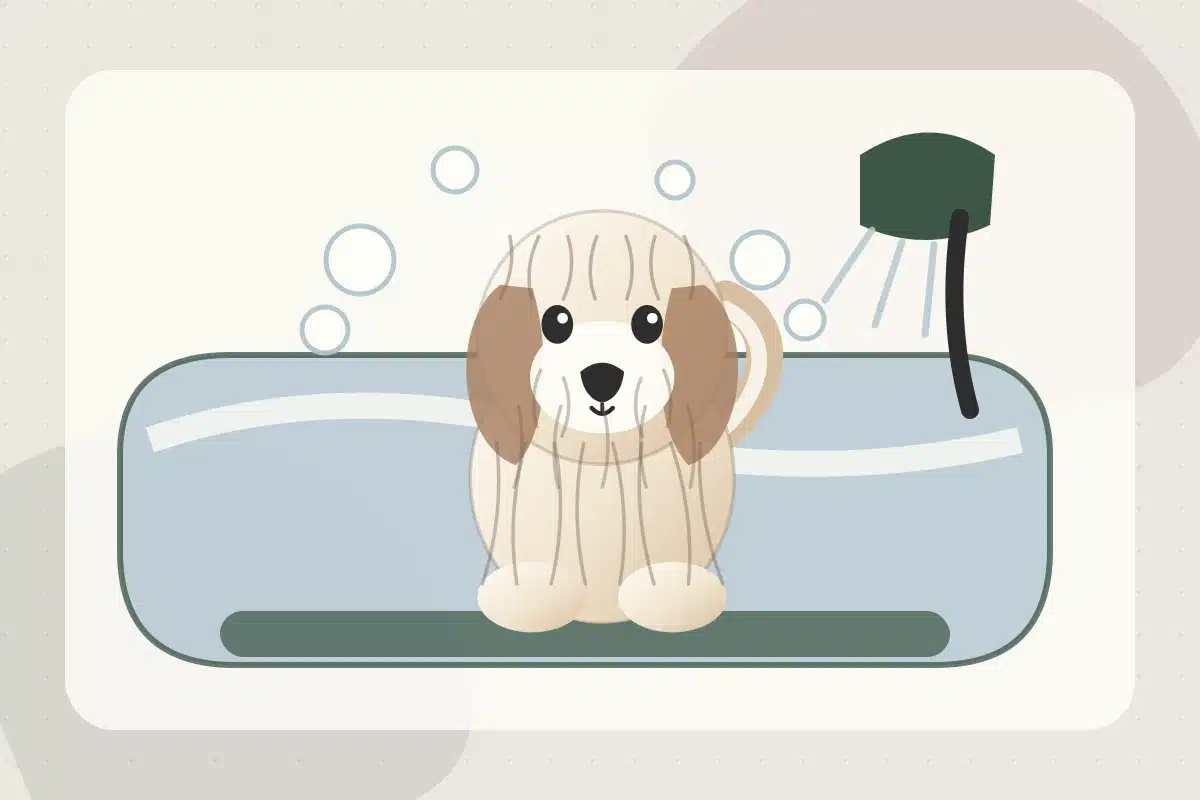
A bath cleans the coat, but technique matters. Water can tighten existing tangles, and residue can make the skin uncomfortable. Brush and comb the coat before bathing unless your groomer has advised a different plan for a severely matted dog.
- Prepare everything first. Set out shampoo, conditioner, towels, a cup or sprayer, and a non-slip mat before your dog enters the tub.
- Use lukewarm water. Wet the coat thoroughly while keeping spray controlled around the eyes, nose, and ears.
- Apply dog shampoo as directed. Work it through the coat with gentle squeezing motions. Avoid rough circular scrubbing that twists hair into knots.
- Rinse longer than you think. Separate the coat with your fingers so water reaches the skin. Continue until the water runs clear and the hair no longer feels slick with product.
- Condition the coat. A suitable conditioner improves slip and may make drying and combing easier. Follow the product’s contact time and rinse directions.
- Clean the face separately. Use a soft damp cloth and an eye-safe, dog-appropriate product only when needed.
A bath every three to four weeks is a common starting point for a pet Havanese, but there is no universal interval. Adjust for skin conditions, swimming, outdoor activity, allergies, product choice, and your veterinarian’s or groomer’s guidance.
Drying is part of grooming—not an afterthought
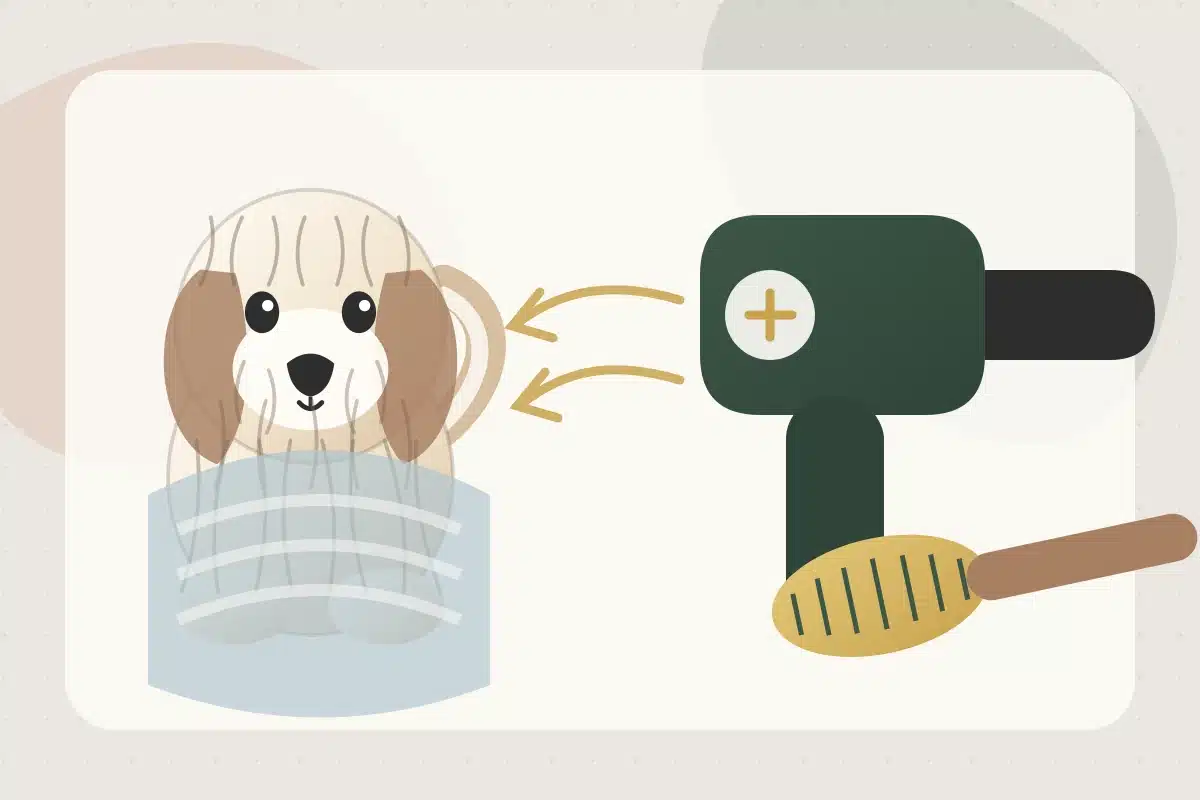
Leaving a dense coat damp can encourage new tangles and keep moisture against the skin. The goal is to dry the coat completely while keeping the experience comfortable.
- Gently squeeze water from the coat with your hands.
- Blot and press with towels. Do not rub vigorously.
- Use a dryer on a cool or comfortably warm setting with moderate airflow.
- Keep the nozzle moving and pointed away from the eyes, inside of the ears, nose, and genital area.
- Brush or comb in small sections as the coat dries so hair separates instead of drying into clumps.
- Check the armpits, belly, ears, feet, and tail base for remaining dampness.
Introduce dryer sound and airflow gradually. A puppy may begin with the dryer across the room, then progress to brief airflow directed away from the face. Reward calm behavior and stop before fear escalates.
Havanese haircuts: full coat, puppy trim, and shorter pet trim
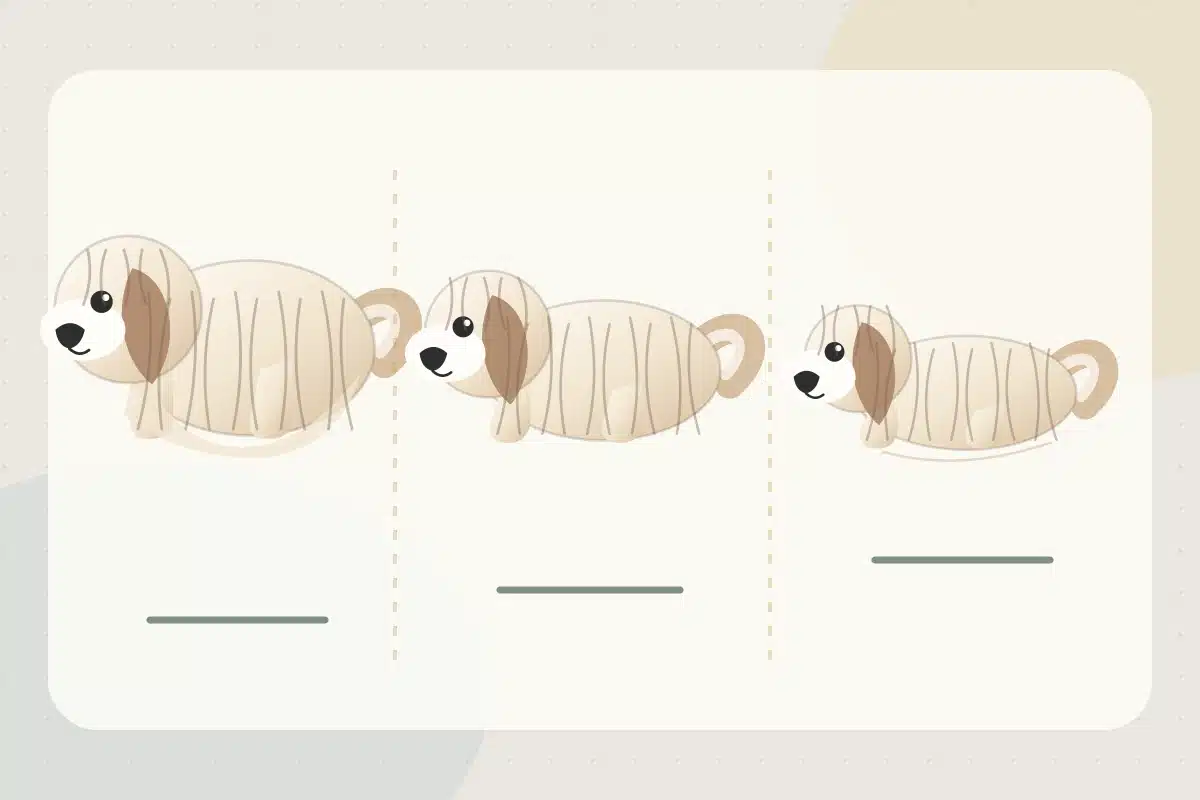
Haircut names vary from groomer to groomer, so a photo is more useful than a label. Discuss the length you want on the body, legs, ears, tail, face, and topknot—and be realistic about how often you can brush between appointments.
Natural or full coat
The long, flowing look most closely reflects the breed’s natural presentation. It is beautiful but demands consistent line brushing, combing, bathing, and drying. This is the highest-maintenance choice.
Puppy trim
The coat is shortened to a more uniform, manageable length while retaining a soft outline. Owners often pair it with a rounded face or tidier topknot. It still needs regular brushing.
Shorter pet trim
A shorter body and practical furnishings reduce drying and brushing time. Ask the groomer to preserve enough length for skin protection and the look you prefer.
Sanitary and paw-pad trim
Careful trimming around the sanitary area and hair level with the paw pads can improve cleanliness and traction. These small details are often included in professional appointments.
About shaving: A shorter pet clip can be appropriate, but a skin-close shave should not be the default solution for convenience. It may expose the skin and change how the coat grows back. Very close clipping is sometimes the most humane option for severe matting or a medical need; make that decision with an experienced groomer or veterinarian.
For many pet Havanese, a professional appointment every four to eight weeks keeps the haircut, nails, paw pads, sanitary area, ears, and coat condition on track. Longer styles usually need more frequent at-home care even when appointments are regular.
Face, eyes, ears, nails, paws, and teeth
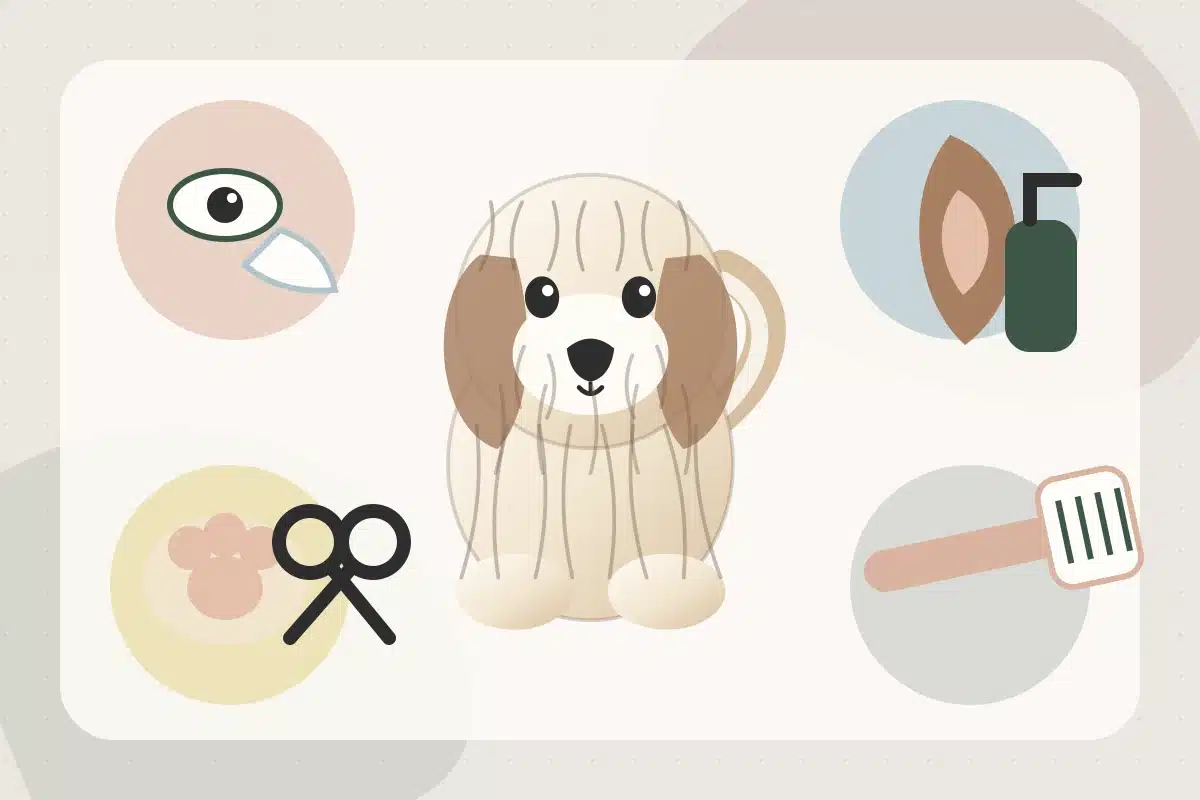
Eyes and face
Wipe the eye area with a clean, soft cloth dampened with warm water. Keep face hair clean and combed so it does not rub the eyes. Persistent tearing, squinting, redness, swelling, odor, or thick or discolored discharge warrants veterinary attention.
Ears
Look and smell at the ears weekly. Healthy ears should not be intensely red, painful, swollen, or foul-smelling. Use only a veterinarian-approved cleaner and the technique your veterinarian recommends. Do not push cotton swabs into the ear canal. Head shaking, repeated scratching, odor, or discharge can indicate an infection.
Nails and paws
Trim or grind nails before they become long enough to alter footing or click heavily on hard floors. If the quick is difficult to see, ask a groomer or veterinary professional to demonstrate. Keep styptic powder nearby. Hair between the pads can be trimmed level with the pads for traction, but deep scooping between pads is best left to a professional.
Teeth
Brush with a dog toothbrush and dog toothpaste—never human toothpaste. Daily brushing is the ideal home routine. Your veterinarian can recommend products and tell you when professional dental care is needed.
Teach grooming skills before your puppy needs a full groom
Grooming is easier when handling is familiar, predictable, and rewarded. Begin with seconds, not minutes, and build duration gradually.
- Touch one paw, reward, and release.
- Lift an ear flap briefly, reward, and release.
- Wipe the face once with a soft cloth, then reward.
- Make one brush stroke, then two, then a short section.
- Let the puppy investigate a switched-off dryer or clipper before introducing sound at a distance.
- Practice standing on a non-slip mat and remaining still for a few seconds.
Do not force a frightened puppy through a long session. A patient introduction during the first weeks at home helps build the cooperative skills needed for a lifetime of coat care. Our puppy preparation guidance and new puppy owner guide can help you plan the rest of the transition.
When to call a professional groomer or veterinarian
Call a groomer for
- Tight mats close to the skin
- Widespread felting or a pelted coat
- Safe face, sanitary, paw-pad, or haircut work
- A dog who is difficult to hold safely
- Guidance on tools and a maintainable haircut
Call a veterinarian for
- Red, raw, painful, smelly, or oozing skin
- Sudden hair loss, intense itching, or repeated hot spots
- Eye redness, squinting, swelling, or abnormal discharge
- Ear odor, pain, discharge, or persistent head shaking
- A broken nail, uncontrolled bleeding, or painful paw
Grooming can reveal health changes early, but it is not a substitute for veterinary diagnosis or treatment.
Havanese grooming FAQs
How often should I brush a Havanese?
A long-coated Havanese generally needs a daily check and near-daily thorough brushing and combing. Many shorter pet trims can be maintained with brushing several times a week, provided high-friction areas are checked frequently and the comb reaches through the full coat.
What is the best brush for a Havanese?
A soft or medium pin brush, a gentle slicker brush, and a stainless-steel comb make a practical core kit. The comb is essential because it finds tangles a brush may pass over. Tool firmness should suit the dog’s age, coat, and skin sensitivity.
How often should a Havanese be bathed?
Many pet Havanese do well with a bath about every three to four weeks or whenever they are genuinely dirty. Skin conditions, swimming, outdoor activity, and product choice may change that schedule, so follow your veterinarian’s or groomer’s advice.
Can a Havanese be kept in a short haircut?
Yes. A shorter pet trim can make brushing and drying more manageable. It is not maintenance-free, and the face, ears, legs, armpits, tail, paw pads, nails, and skin still need regular care.
Why does my Havanese mat after a bath?
Water can tighten existing tangles, and rough towel rubbing can twist hair together. Brush and comb before bathing, use conditioner when appropriate, blot rather than rub, and dry the coat completely while brushing in sections.
When should a Havanese puppy start grooming?
Begin gentle handling and very short brushing sessions as soon as the puppy is settled at home. Early practice should focus on comfort with paws, ears, face wiping, a brush, a non-slip surface, and grooming sounds—not on completing a long salon-style session.
Do Havanese shed?
Havanese are low-shedding rather than completely non-shedding. Loose hair often remains caught in the coat until brushing removes it, which contributes to matting if grooming is inconsistent.
Wisely Bred. Beautifully Loved.
Considering a Havanese puppy?
Learn about the Havanese, review available puppies, and see how Sage Puppies supports families from application through safe pickup or nationwide delivery.
Care note: This article provides general grooming education. Your dog’s veterinarian and an experienced professional groomer should guide care for skin disease, ear or eye problems, severe matting, pain, anxiety, or individual medical needs.
Back to top ↑