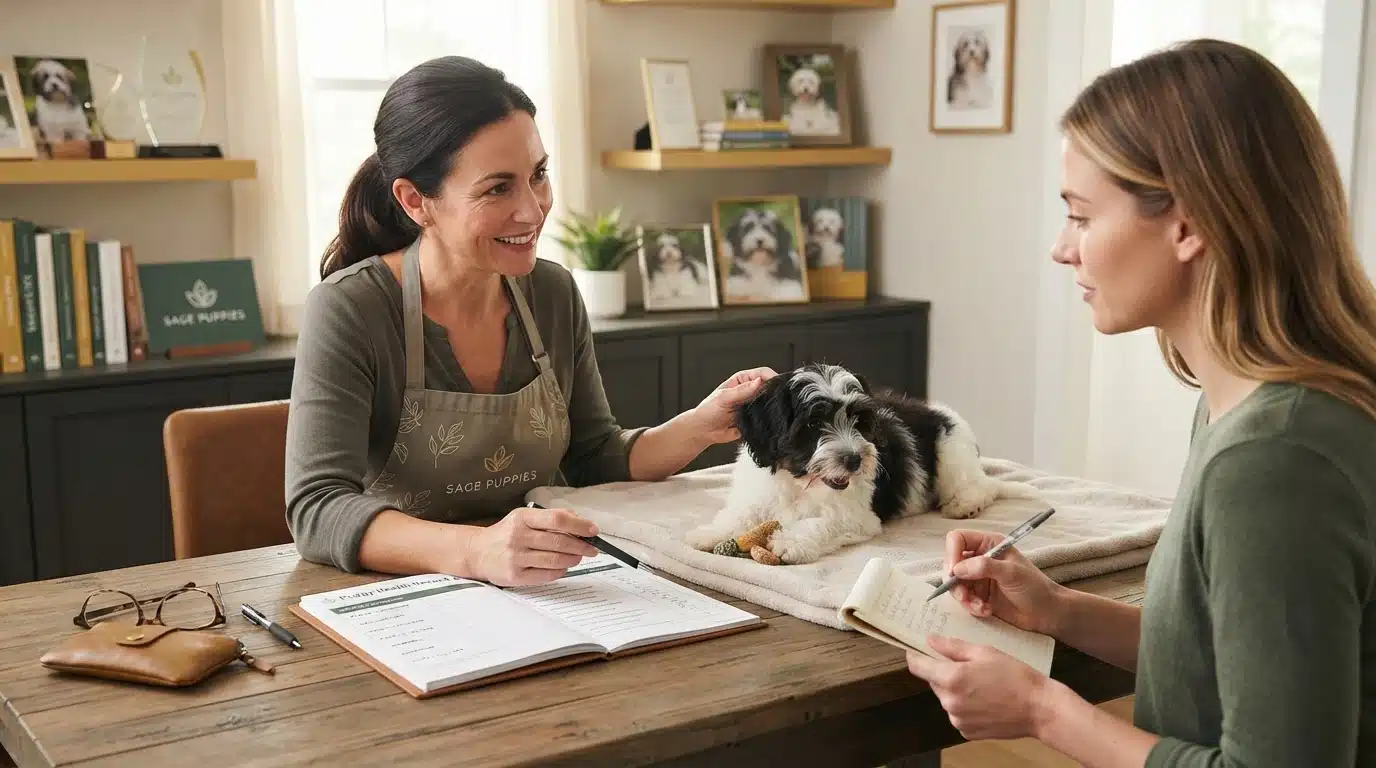
Quick Summary: A safe Florida puppy purchase starts with verifying seller identity, clear health records, and proper living conditions. Avoid listings lacking official veterinary certificates, transparent breeder info, or responsive communication. Always review purchase terms, use secure payment methods, and see the puppy in its environment before committing. Gaps or pressure tactics indicate risk, so slow down and prioritize verified proof over polished ads.
A polished ad is not enough. If a Florida puppy listing does not clearly show a current official health certificate, the breeder’s full identity, and where the puppy was raised, do not send a deposit. That one rule can save you from the most common bad Local Puppy Purchase mistakes.
This Puppy Buyer Checklist solves a real problem. Many Safe Puppy Listings look clean, friendly, and local, but key proof is missing. Buyers often see cute photos first and ask hard questions later. That is where scams, puppy flipping, and poor breeding practices slip in.
This guide gives you a Florida-focused Puppy Buyer Checklist you can use fast. You will learn what paperwork matters, which breeder details should be easy to verify, and which listing gaps should stop the sale. You will also see how to sort Safe Puppy Listings from risky ones before you visit, reserve, or pay.
We work from the standards serious puppy families use to vet ethical breeders, not impulse sellers. Use this Puppy Buyer Checklist as your first screen before any Local Puppy Purchase moves forward.
1. Verify the Seller Before You Trust the Listing
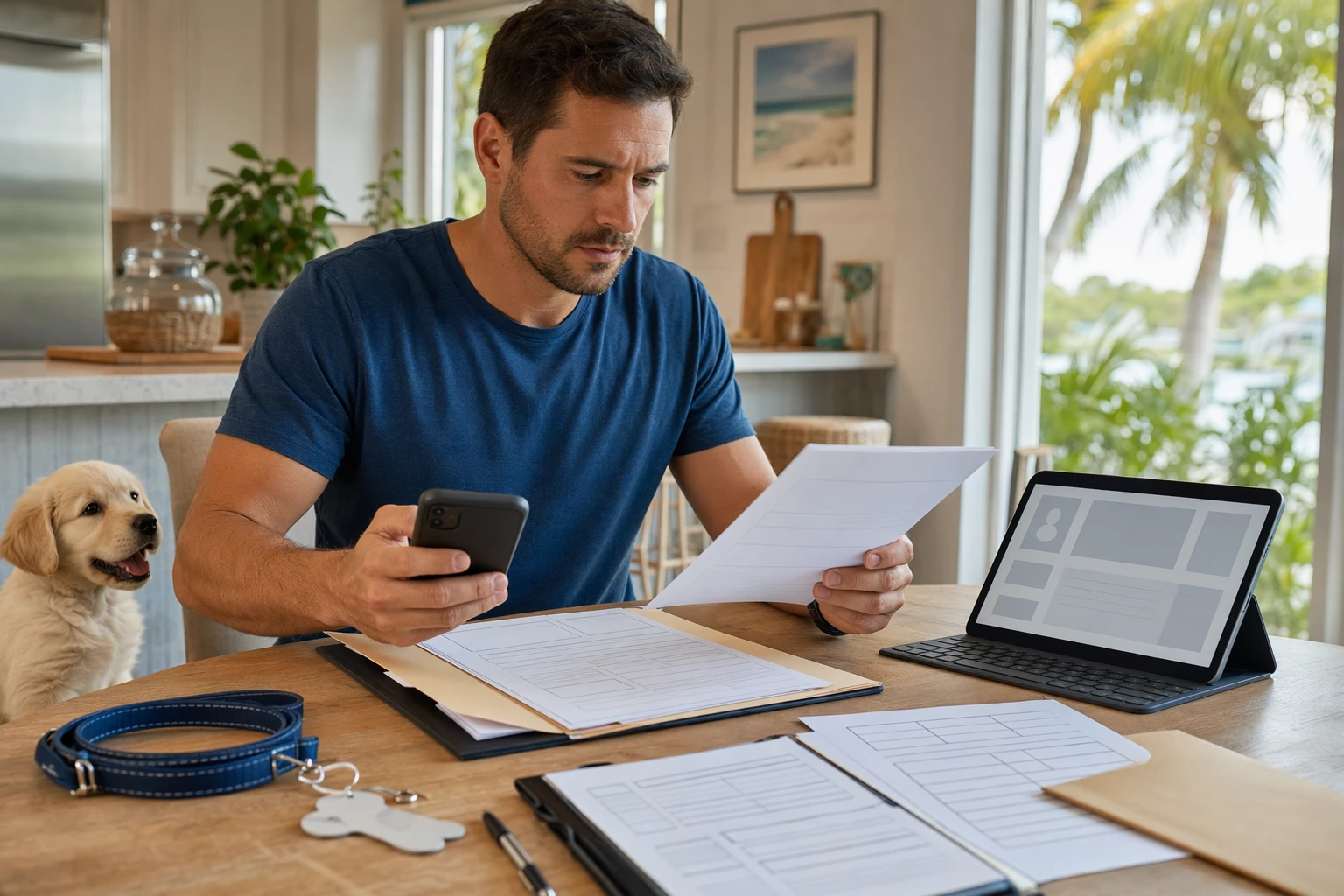
Start with the seller, not the puppy photo. A safe Florida listing should tell you exactly who is selling, where the puppy is located, and how the sale works. Florida law also requires dogs offered for sale to be accompanied by an official certificate of veterinary inspection with seller and purchaser details, breed, age, sex, and health record, according to Florida Statute 828.29.
Check the breeder’s full name, location, and contact details
Ask for the seller’s full legal name, city, phone number, and email before you discuss deposits.
Good listings usually include:
- A real person or business name
- A specific Florida city or nearby area
- A direct phone number
- A website or social profile that matches the name
Red flags include:
- First name only
- “Serving all of Florida” with no address
- A different contact name every time you ask
- Refusal to share where the puppy is being raised
If the name on the ad, health paperwork, and payment account do not match, pause the deal.
Look for a clear sales model, not vague broker language
You want to know who bred the puppy and who owns the puppy now. If the seller dodges that, treat it as a warning.
| Listing language | Usually safer signal | Riskier signal |
|---|---|---|
| Puppy source | “Bred and raised in our home” | “From our network” |
| Ownership | “We own the parents” or “we placed this litter” | “We can source your puppy” |
| Pickup plan | Specific pickup or delivery details | “Shipping available everywhere” with no process |
| Paperwork | Names the breeder and vet records clearly | Says “papers available” with no detail |
The ASPCA found that more than 53% of puppies shipped into Florida in its reviewed records came from commercial brokers or middlemen, which makes traceability harder in many cases, according to Florida’s Puppy Mill Pipeline.
Use communication quality as a trust signal
Good sellers answer direct questions with direct answers. They do not rush you.
Use this quick check:
- Ask for the puppy’s exact location.
- Ask who bred the litter.
- Ask what records you will get before pickup.
- Ask for a phone call or video chat.
Trust sellers who:
- Reply clearly and stay consistent
- Welcome questions
- Explain next steps in plain English
- Talk about fit, care, and timing
Be careful if they:
- Push a deposit before answering basics
- Avoid calls
- Copy-paste vague replies
- Pressure you with “many buyers waiting”
Strong communication does not prove ethics by itself. It does show whether the seller respects informed buyers.
Also Read: 10 Unique Care Tips for Small Breed Puppies in Urban Settings – Sage Puppies
2. Confirm the Puppy Listing Matches Florida Health Rules
A clean listing is not enough. In Florida, a puppy offered for sale should come with paperwork that proves basic health steps happened before the sale. Start here before you send a deposit.
Ask for the official certificate of veterinary inspection
Ask the seller for the Official Certificate of Veterinary Inspection, often called the OCVI. Florida requires a current OCVI for a dog offered for sale in the state, and the buyer should receive a copy at the sale under Florida Statute 828.29. For an in-state sale, the form used is the FDACS-09085 intrastate sale certificate listed in Florida’s OCVI rule.
Check that the certificate shows:
- Puppy age or birth date
- Breed, sex, and color
- Seller name and address
- Vet name, license, and USDA accreditation
- Exam date
- Vaccine, deworming, and test entries
If a seller says, “my vet papers are enough,” but will not show the OCVI, treat that as a hard stop.
| What to verify | What you want to see | Red flag |
|---|---|---|
| Form type | Current OCVI for Florida sale | Generic invoice only |
| Signatures | Examining vet signed it | Missing vet details |
| Animal ID | Breed, age, sex, color match listing | Details do not match ad |
Verify the puppy’s age and readiness for sale
Use the listing, the OCVI, and the vet record together. The dates should make sense.
Check these points:
- The birth date on the paperwork matches what the seller told you.
- The puppy is old enough for the vaccines listed.
- The sale date is not earlier than the exam and treatment dates.
- If rabies is listed, the puppy should be over 3 months old under Florida law.
A common problem is a listing that says “ready now” while the health dates suggest the puppy is younger than claimed.
Small-breed puppies may look younger for longer. Go by records, not size.
Review what the seller should disclose about health care
Ask for a simple health summary in writing. You want proof, not promises.
Request:
- Vaccine names and dates
- Deworming product and dates
- Any skipped vaccine and the vet’s reason
- Known illness, treatment, or symptoms
- Microchip number, if one is placed
A careful seller will answer clearly and fast. Ethical programs like Sage Puppies tend to organize these records before families ask. Risky sellers often send blurry screenshots, partial records, or excuses.
Also Read: Family-Raised Puppy Contracts: Key Terms to Review First
3. Inspect the Living Conditions and Puppy Care Details
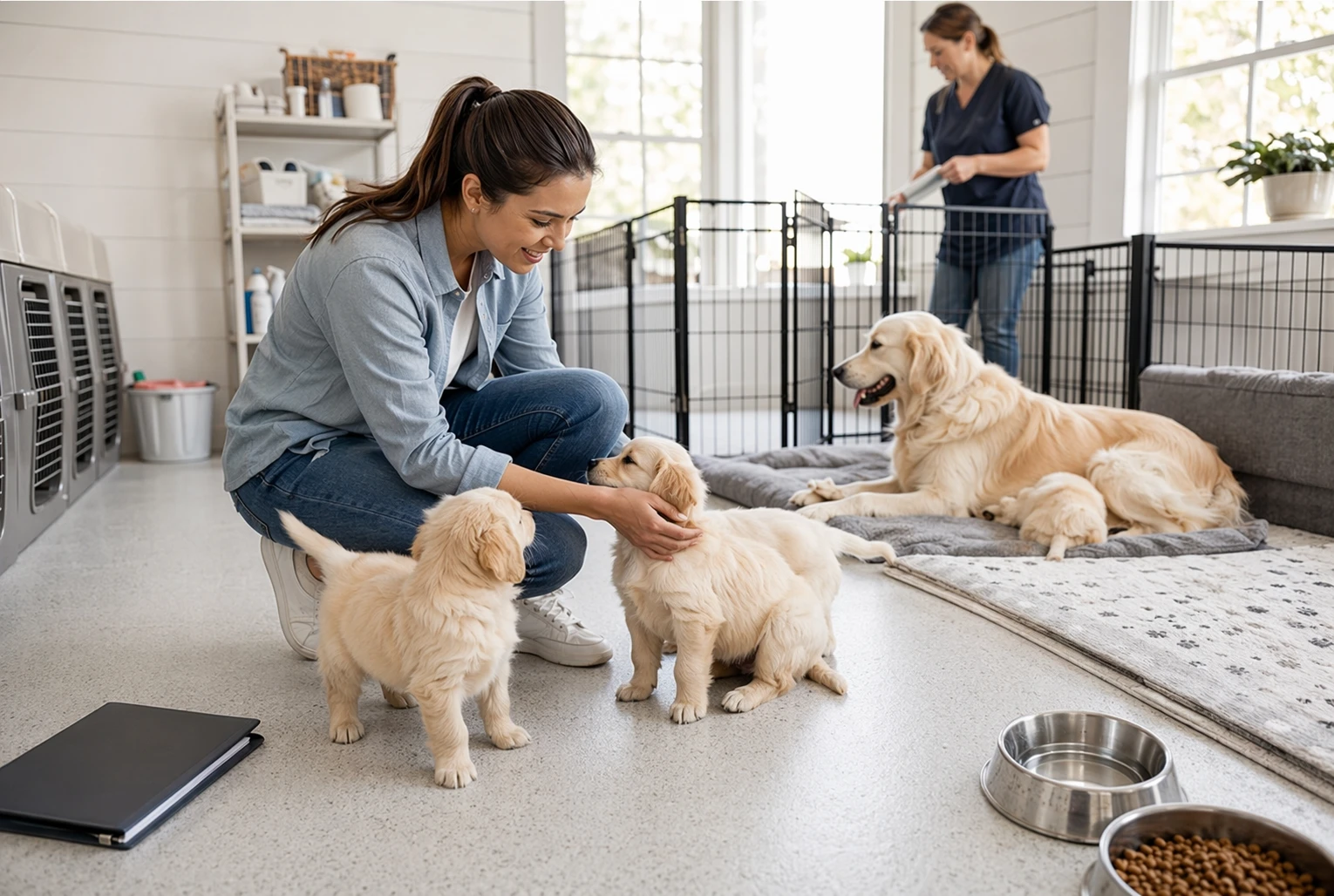
A clean listing is not enough. You need to see how the puppies actually live. Cornell notes that responsible breeders keep a clean environment, use good traction in the whelping area, and provide early socialization according to Cornell Veterinary Medicine.
Observe cleanliness, space, and daily routine
Ask for an in-person visit or a live video tour of the real setup. Skip sellers who only offer parking lot pickup.
Look for:
- Clean bedding with no strong urine smell
- Fresh water and age-fit food
- Enough space to rest, play, and move away from waste
- Safe flooring that gives puppies traction
- Normal household sounds if they claim home-raised care
Ask simple routine questions:
- When do the puppies eat?
- How often are they cleaned?
- Where do they sleep?
- How much time do they spend with people each day?
If the area feels hidden, crowded, or oddly quiet, trust that feeling and walk away.
USDA inspection guidance for licensed facilities also covers basics like sanitation, housing, and veterinary care records in the APHIS inspection guide. Even if a small breeder is not under that system, those standards still give you a smart baseline.
Ask about socialization and temperament development
Good breeders do more than keep puppies alive. They help them become stable family dogs.
Ask:
- What sounds have they heard so far?
- Have they met children, men, guests, or other safe pets?
- Are they handled every day?
- Have they started crate, potty, or grooming exposure?
You want clear, specific answers, not vague lines like “they’re very loved.”
A solid breeder should be able to match puppy temperament to your home. That matters for first-time families, apartments, and homes with kids.
Use this quick check:
| Good sign | Red flag |
|---|---|
| Breeder describes a daily handling plan | Breeder says temperament is “too early to tell” for every puppy |
| Puppies seem curious after a short warm-up | Puppies stay shut down or panic the whole visit |
| Breeder knows each puppy’s energy level | Breeder pushes you to choose by color only |
Verify the parents are part of the story
At minimum, ask to see the mother. If the sire is off-site, ask for health records, photos, and a clear explanation. Seeing a parent helps you judge likely size, coat, and behavior.
Check for:
- Calm, stable behavior
- Clean coat and healthy weight
- Comfort around the breeder
- No fear, shut-down behavior, or aggression
If the breeder avoids showing either parent, treat that as a major warning sign.
A puppy is not a standalone product. The parents, setup, and care routine should all make sense together.
Also Read: The Ultimate Guide to Puppies for Sale in Florida by Sage Puppies
4. Evaluate the Purchase Terms Before You Place a Deposit
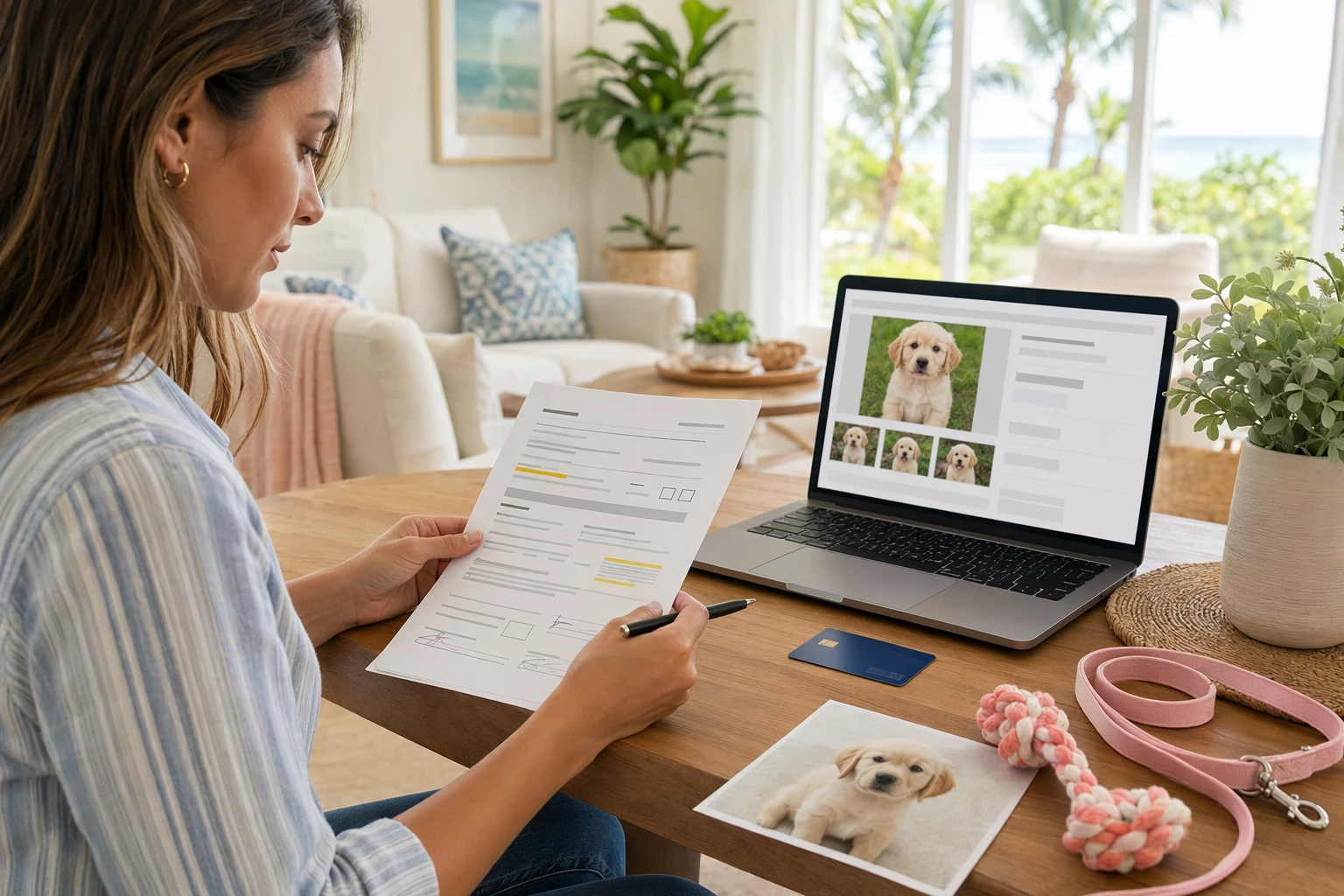
A clean listing can still hide bad terms. Before you send money, slow down and check the price, deposit rules, payment method, and contract. Florida’s attorney general warns buyers to use a credit card when possible and to read the contract closely before buying Florida puppy scam tips.
Look for upfront pricing and clear reservation rules
Good breeders post the full puppy price, the deposit amount, and when the remaining balance is due. You should also see what happens if the breeder cancels, the litter is smaller than expected, or the puppy is not a fit.
Use this quick check:
| Term | Safe sign | Red flag |
|---|---|---|
| Price | Full price listed upfront | “Message for price” only |
| Deposit | Clear amount and purpose | Vague “hold fee” |
| Refunds | Written breeder-cancel terms | No refund language at all |
| Pickup timing | Stated release window | “We’ll figure it out later” |
If the seller keeps changing the price or adds surprise transport fees, stop there.
Use safe payment practices
Your payment method matters as much as the listing. The FTC says legitimate sellers should not require gift cards, wire transfers, or cryptocurrency, and notes that cash transfer apps can make it hard to get money back FTC pet scam advice.
Stick to these rules:
- Use a credit card when possible.
- Avoid Zelle, Venmo, Cash App, wire transfers, and gift cards for deposits.
- Match the payee name to the breeder or business name.
- Save screenshots, invoices, and receipts before and after payment.
A rushed seller who pushes one hard-to-recover payment option is acting like a scammer, not a careful breeder.
Read the contract like a buyer, not a dreamer
Read every line before you place a deposit. Do not focus only on the puppy. Focus on your rights if something changes.
Check for:
- The puppy’s breed, sex, date of birth, and price
- What the deposit reserves
- Pickup or delivery terms
- Health record timing
- Return, refund, or replacement terms
- Who pays if travel plans fail
A fair contract protects both sides. Sage Puppies-style transparency means the agreement should read clearly, without pressure words or missing terms.
If a contract feels one-sided, vague, or rushed, walk away before the deposit leaves your account.
Also Read: 10 Signs a California Puppy Listing Is a Scam – Sage Puppies
5. Use a Final Pass/Fail Test Before You Commit
Pass the listing only if the core trust markers line up. You want a clean yes on the basics, not a pile of excuses. In Florida, dogs entering the state to be sold generally need an official health certificate and current rabies proof if old enough, and dogs entering Florida for sale must also meet the state pet sale law, according to FDACS movement rules.
Use this quick test:
| Checkpoint | Pass if… | Fail if… |
|---|---|---|
| Identity | Seller gives full name, phone, location | Seller hides behind chat only |
| Puppy proof | You see recent video, vet record, and date of birth | Photos are old or vague |
| Health paperwork | Records match the puppy and timeline | Dates, names, or vaccine details conflict |
| Visit transparency | Seller allows a real-time video call or visit plan | Seller blocks all viewing |
| Payment terms | Clear deposit, refund, and pickup terms | Pressure to pay fast |
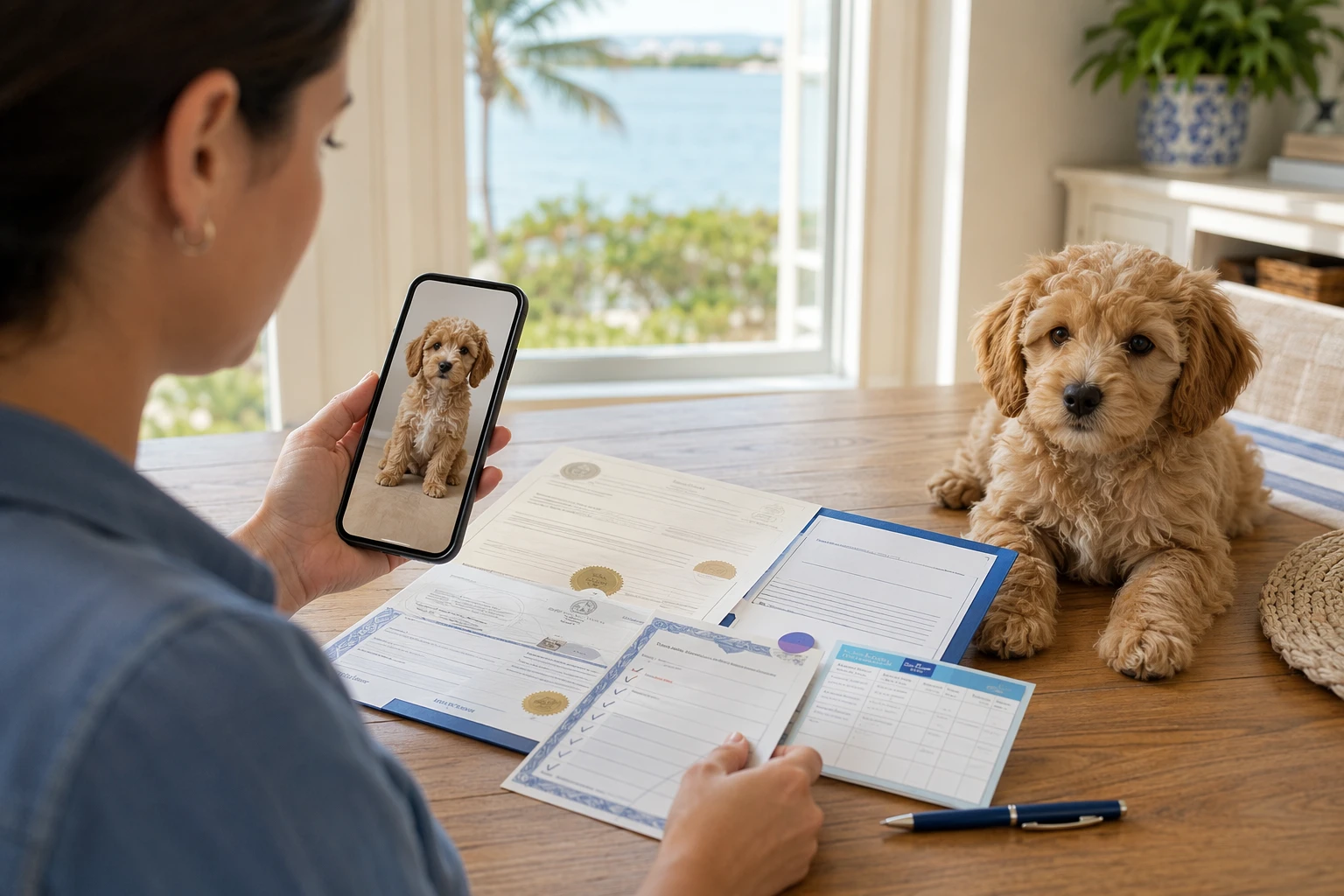
If you have to explain away two or three red flags, mark it fail.
Step back if one major piece is missing. A missing health record, a fake address, or a refusal to show the puppy live is not a small gap. It is your warning sign. Florida also expanded buyer remedies in 2026, including a 30-day illness window and 1-year protections for certain hereditary issues and misrepresentation under the enrolled bill text. That helps after a bad sale. It does not make a risky listing safe.
Stop and walk away if the seller:
- changes the meeting place at the last minute
- will not share parent info or breeder history
- pushes same-day payment
- offers to ship before review of documents
Know the right next move after a passing listing. Do not rush from “looks good” to “paid.” First:
- Ask for the contract before sending money.
- Match the puppy’s details across records, invoice, and messages.
- Confirm pickup or delivery terms in writing.
- Book your own vet exam right after pickup.
- Save screenshots of the listing and all promises made.
A good listing earns your next step. It does not earn blind trust.
If you want a safer path than sorting through risky local listings, start with a breeder who shows the details up front. Sage Puppies shares a transparent, family-first process, health-tested parent standards, and clear pickup or delivery steps. Review available puppies, pricing, and how it works, then apply when you feel ready.
Frequently Asked Questions
Q1: What are the key factors to verify when inspecting a potential puppy home in Florida?
Check where puppies live, how clean the space feels, and whether adult dogs look calm, social, and well kept. Ask to see vet records, vaccine dates, parent health testing, and a written contract. If the seller avoids basic questions, walk away.
Q2: How can Florida breeders ensure ethical practices and transparency in local puppy listings?
Use real photos, clear pricing, honest breed details, and current health records. State pickup terms, delivery terms, and what comes with the puppy. Ethical breeders also welcome calls, answer hard questions, and never rush payment before basic proof is shared.
Q3: What certifications or memberships should Florida puppy breeders seek to enhance trust?
Third-party badges help, but paperwork matters more. Look for state licensing when required, vet documentation, microchip records, and parent health testing from recognized labs. Memberships can support trust, yet they should never replace direct proof of care and breeding standards.
Q4: What are the biggest red flags in a Florida puppy listing?
Watch for stock photos, vague locations, no parent info, cash-only pressure, same-day meetup demands, or a seller with many breeds at once. A low price can also signal trouble if records, transparency, and home-raising details do not match.
Q5: Should I buy a puppy without meeting the breeder in person?
Sometimes, but only after a live video call, full paperwork review, and clear answers about the puppy’s routine. Reputable programs, including boutique breeders like Sage Puppies, make the process transparent and never treat basic verification like an inconvenience.
Conclusion
A safe Florida puppy listing should stand up to simple checks. You want clear seller identity, real photos, direct answers, parent and health details, and paperwork you can verify. In Florida, dogs entering the state to be sold need an official health certificate, and dogs offered for sale must come with required vaccines, deworming, and inspection records under Florida’s pet sale law.
The best takeaway is this:
- Slow down before paying
- Verify the paperwork
- See the puppy’s living conditions
- Use protected payment methods
- Walk away from pressure or gaps
If a listing looks polished but the seller avoids proof, it is not a safe buy.
Florida is also moving toward stronger breeder guidance and buyer protections, with the state set to post public breeder checklists and best-practice guidance under 2026 proposed updates.