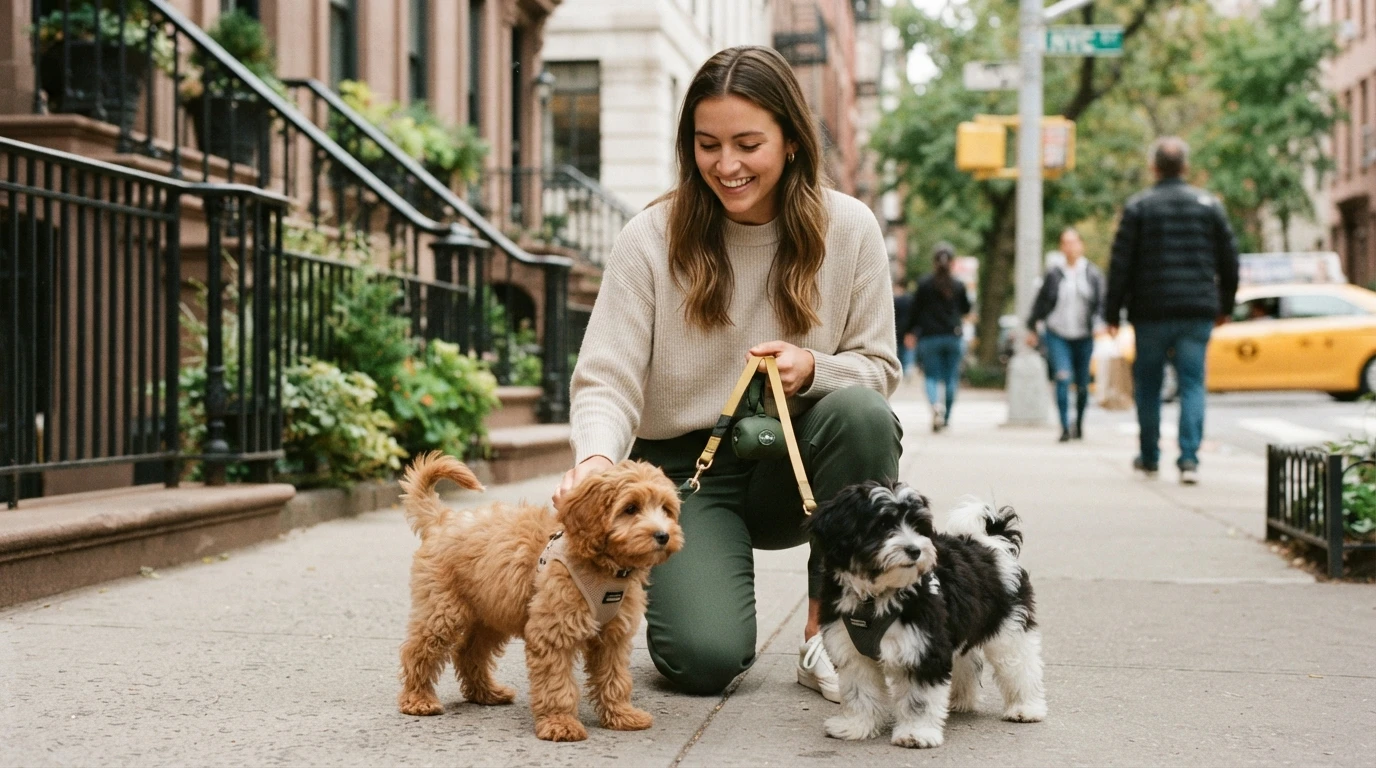
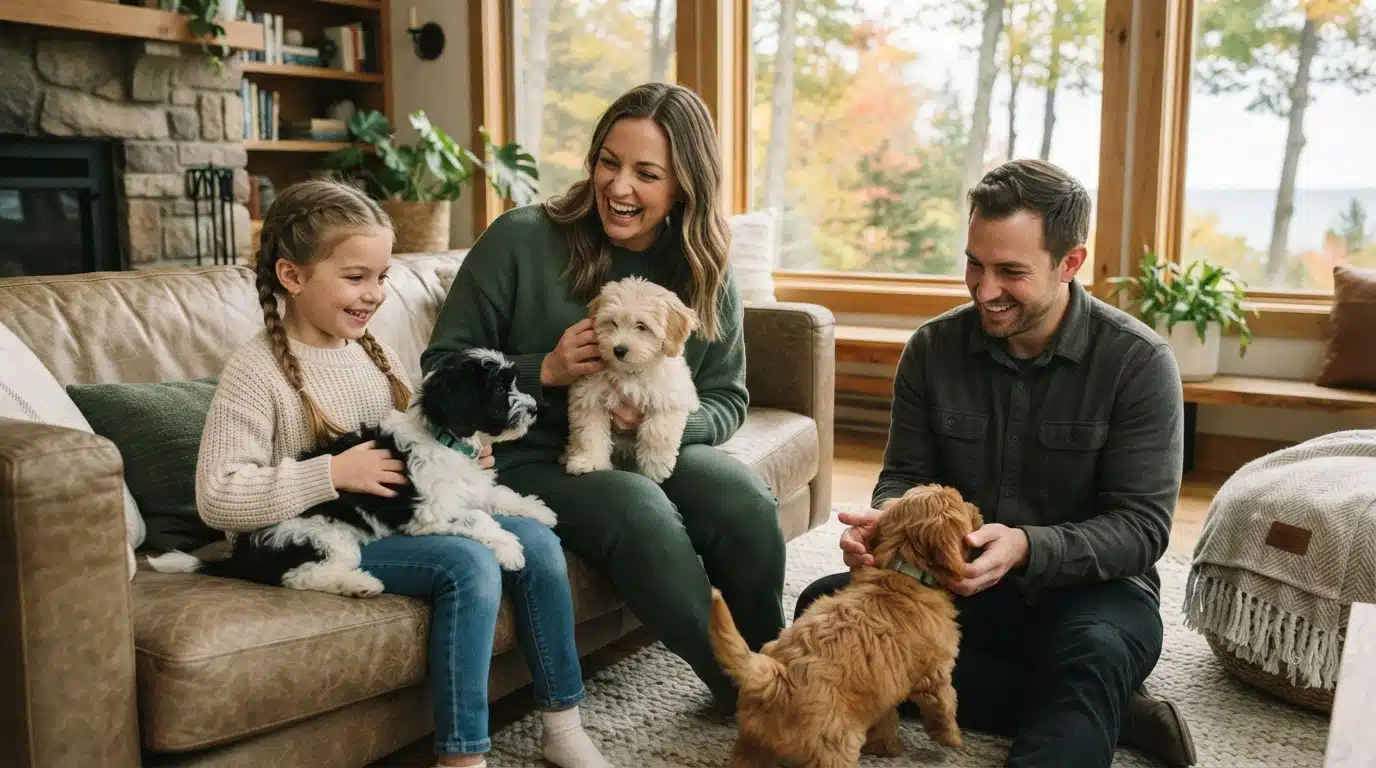
Quick Summary: A family-friendly breed label is only a starting point, not a guarantee, since every puppy is an individual and toddlers can accidentally hurt small dogs or get knocked over by big ones. The guide ranks seven breeds for Kentucky families, putting the Havanese first for its cheerful, people-focused nature, followed by mixes like the Cavapoo and Havapoo, then Cavaliers, Labs, Goldens, and Beagles, with size, energy, grooming, and supervision needs as the key factors. Sage Puppies, which raises Havanese, Havapoo, and Cavapoo litters in Utah and delivers nationwide, is highlighted as a source for the top small companion breeds, but the article stresses asking breeders about health testing and each puppy’s behavior before choosing.
A puppy joining a Kentucky home with toddlers needs more than a friendly reputation. The right match depends on size, energy level, grooming, and how much supervision a young child and a small puppy honestly require together. Many lists of family dog breeds label certain dogs “good with kids” and stop there. They skip the real risks: a tiny puppy can be hurt by rough handling, high-energy dogs need more of your time than a busy parent expects, and no breed label can promise how one individual puppy will act.
This ranked guide compares seven breeds and mixes suited to Kentucky families, with a closer look at the Havanese family dog. We drew on breed descriptions and veterinary-reviewed guidance, weighing temperament, grooming, exercise, and care around young children. Treat it as a starting point, not a guarantee. Ask any breeder about parent health testing, puppy development, and each puppy’s own behavior before you choose.
Family Dog Breeds at a Glance
| Breed | Best for | Child and handling notes | Activity level | Grooming commitment |
|---|---|---|---|---|
| Havanese | Families seeking a small, social companion and prepared to supervise child-dog interactions. | Teach gentle contact; do not leave young children and dogs together unsupervised. | Moderate daily play, walks, and interaction. | Regular brushing and professional grooming planning. |
| Cavapoo | Families seeking a close companion and prepared to learn about the individual puppy’s parent pairing. | Supervise closely, especially with toddlers, and give the dog an undisturbed rest space. | Plan for daily walks, play, training, and mental engagement. | Regular brushing and grooming; coat needs vary. |
| Havapoo | Families wanting a small, engaged companion and willing to ask about the specific pairing. | Small size calls for careful supervision and teaching children how to interact gently. | Moderate daily activity, play, and training. | Regular brushing and grooming; coat texture can differ. |
| Cavalier King Charles Spaniel | Families looking for an affectionate, adaptable small companion. | Often described as child-friendly; adult supervision remains essential. | Moderate daily activity and shared walks. | Regular brushing and routine coat care. |
| Labrador Retriever | Active households ready for a larger dog, daily exercise, and consistent training. | Manage enthusiastic greetings and supervise play around small children. | High; plan for regular exercise and enrichment. | Routine brushing; expect shedding. |
| Golden Retriever | Active families who want a larger companion for walks, play, and training. | Teach calm greetings and supervise all interactions with young children. | High; daily exercise and mental stimulation are important. | Regular brushing and seasonal shedding management. |
| Beagle | Families ready for an active, curious dog and consistent training. | Teach gentle handling and supervise interactions with young children. | Moderate to high; include walks, play, and scent enrichment. | Routine brushing and basic coat care. |
What to know about family dog breeds
A “family-friendly” breed is a starting point, not a promise. Every puppy is an individual, and breed reputation only tells you what to expect on average. With young children at home, the better questions are about energy level, adult size, grooming needs, and how a dog’s routine will fit with school runs, naps, and playtime.
It also helps to know that no breed is safe without effort. Toddlers pull ears and tails, and even the gentlest dog needs an escape route and calm handling. An adult should always be in the room when a young child and a puppy interact.
Use the list below as a shortlist, then judge each puppy one by one. Sage Puppies raises Havanese, Havapoo, and Cavapoo litters at home in South Jordan, Utah, and delivers to families nationwide, including Kentucky.
1. Havanese
The Havanese is a cheerful, people-focused small companion that fits family life well when children learn gentle handling. sociable, playful, and adaptable, it earns the top spot on our list. Its small size suits many Kentucky homes, but young kids need clear rules: no carrying, squeezing, chasing, or bothering the dog while it rests.
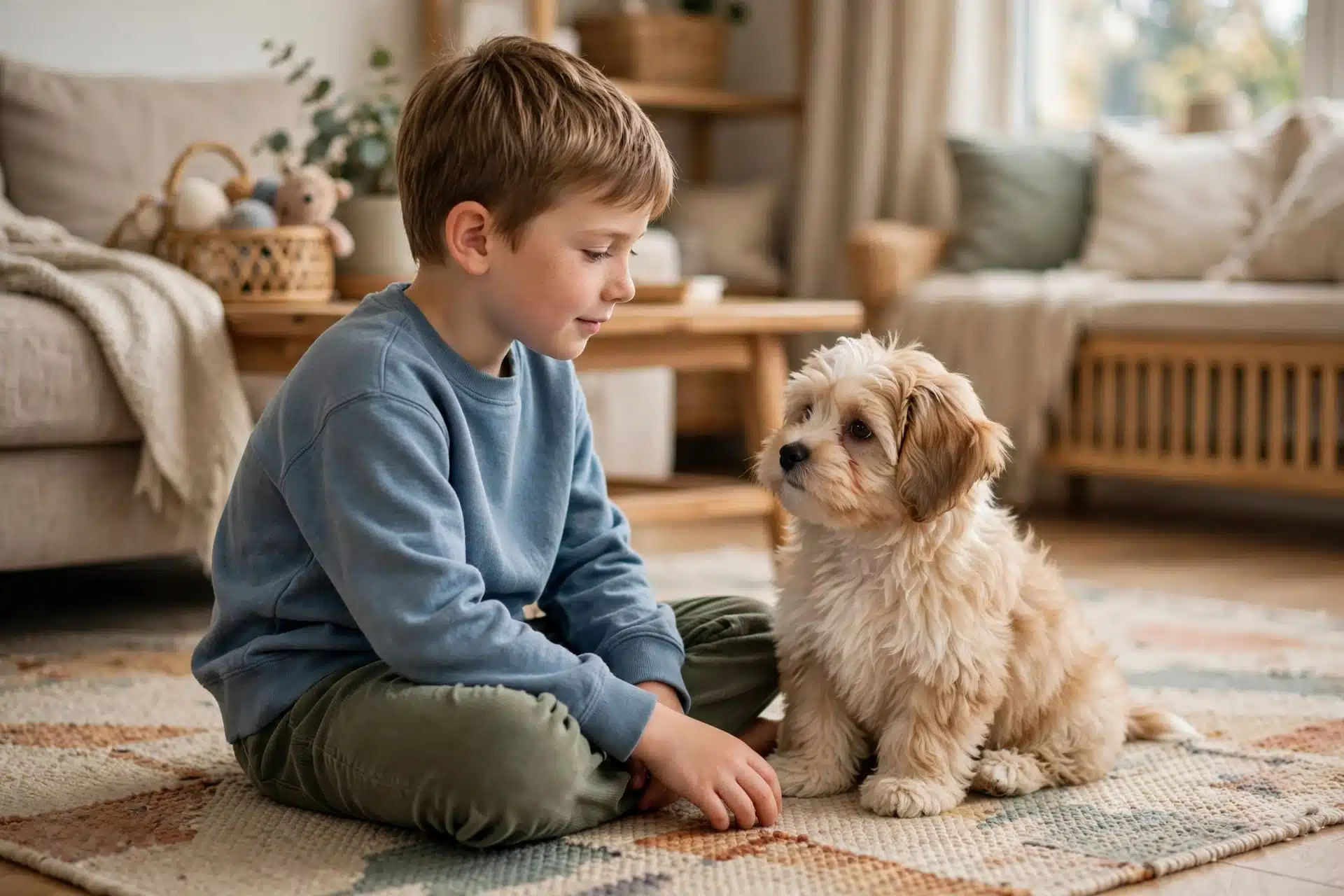
The breed’s long, silky coat needs regular brushing, and many owners schedule professional grooming. Plan for daily companionship too, because Havanese dogs thrive on attention, according to AKC breed guidance.
Highlights
- Known for a friendly, playful, intelligent companion temperament
- Small, sturdy build, but still requires careful handling around young children
- Regular brushing and grooming should be part of the family’s routine
- People-oriented nature makes planning for daily interaction important
Specs
- Best for: Families seeking a small, social companion and prepared to supervise child-dog interactions
- Activity level: Moderate daily play, walks, and interaction
- Grooming commitment: Regular brushing and professional grooming planning
Pros
- People-focused and commonly described as cheerful and sociable
- Small companion size can suit varied home settings
- Responsive to positive training and family routines
Cons
- Small dogs can be vulnerable to accidental rough handling
- Coat care requires consistent time and attention
- May not suit a household where it will regularly be left alone for long periods
It ranks first because the Havanese is directly relevant to the Havanese family dog search, and it is one of Sage Puppies’ core, home-raised breeds.
Last updated: September 26, 2026
Also Read: 10 Red Flags to Avoid When Visiting a Local Puppy Breeder
2. Cavapoo
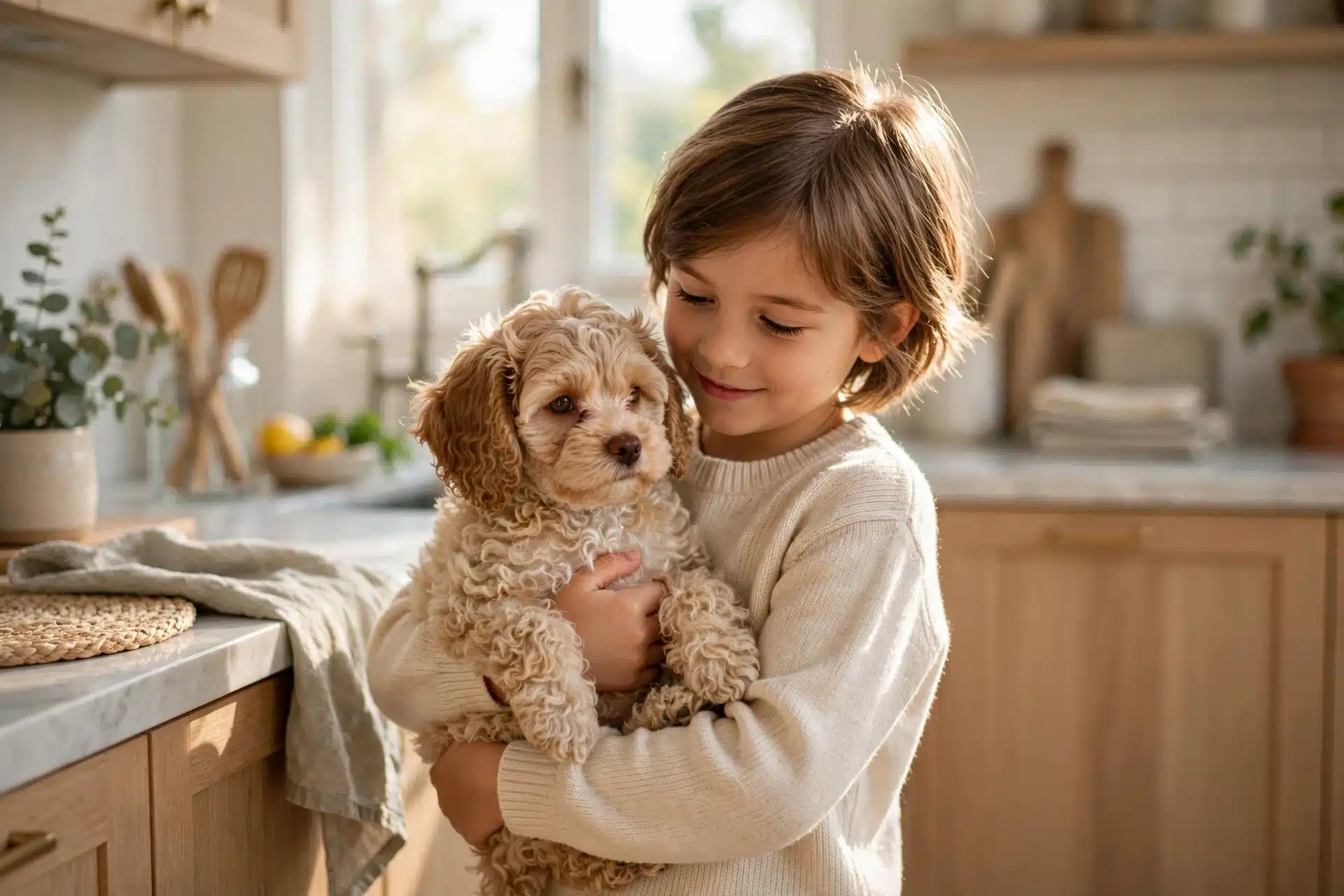
The Cavapoo mixes the Cavalier King Charles Spaniel with a Poodle, and families love it for its people-first nature. But this is not a standardized breed, so coat, adult size, and temperament can vary quite a bit. The PetMD overview notes the cross usually lands between 8 and 25 pounds, yet each puppy depends on its specific parents.
Highlights
- Combines Cavalier King Charles Spaniel and Poodle ancestry.
- Often chosen by families seeking an affectionate companion.
- Coat and adult size may vary with parent pairing and individual inheritance.
- Needs positive training, regular grooming, and age-appropriate supervision.
Specs
- Best for: Families seeking a close companion and prepared to learn about the individual puppy’s parent pairing.
- Child and handling notes: Supervise closely, especially with toddlers, and give the dog an undisturbed rest space.
- Activity level: Plan for daily walks, play, training, and mental engagement.
- Grooming commitment: Regular brushing and grooming; coat needs vary.
Pros
- People-oriented companion mix that may appeal to families seeking an affectionate small dog.
- Can be a manageable size for many home environments, depending on the parents.
- Training and play can be built into family routines.
Cons
- Mixed-breed traits and adult size are not fully predictable from the label.
- Small puppies need careful protection from accidental injury.
- Regular coat maintenance and companionship are important.
Ask any breeder about both parents, health-testing records, and grooming expectations before you commit – good programs like Sage Puppies welcome those questions. Because no label can promise child tolerance, this ranking stays qualified.
Last updated: September 26, 2026
Also Read: How to Match a Kentucky Puppy’s Temperament to Your Lifestyle
3. Havapoo
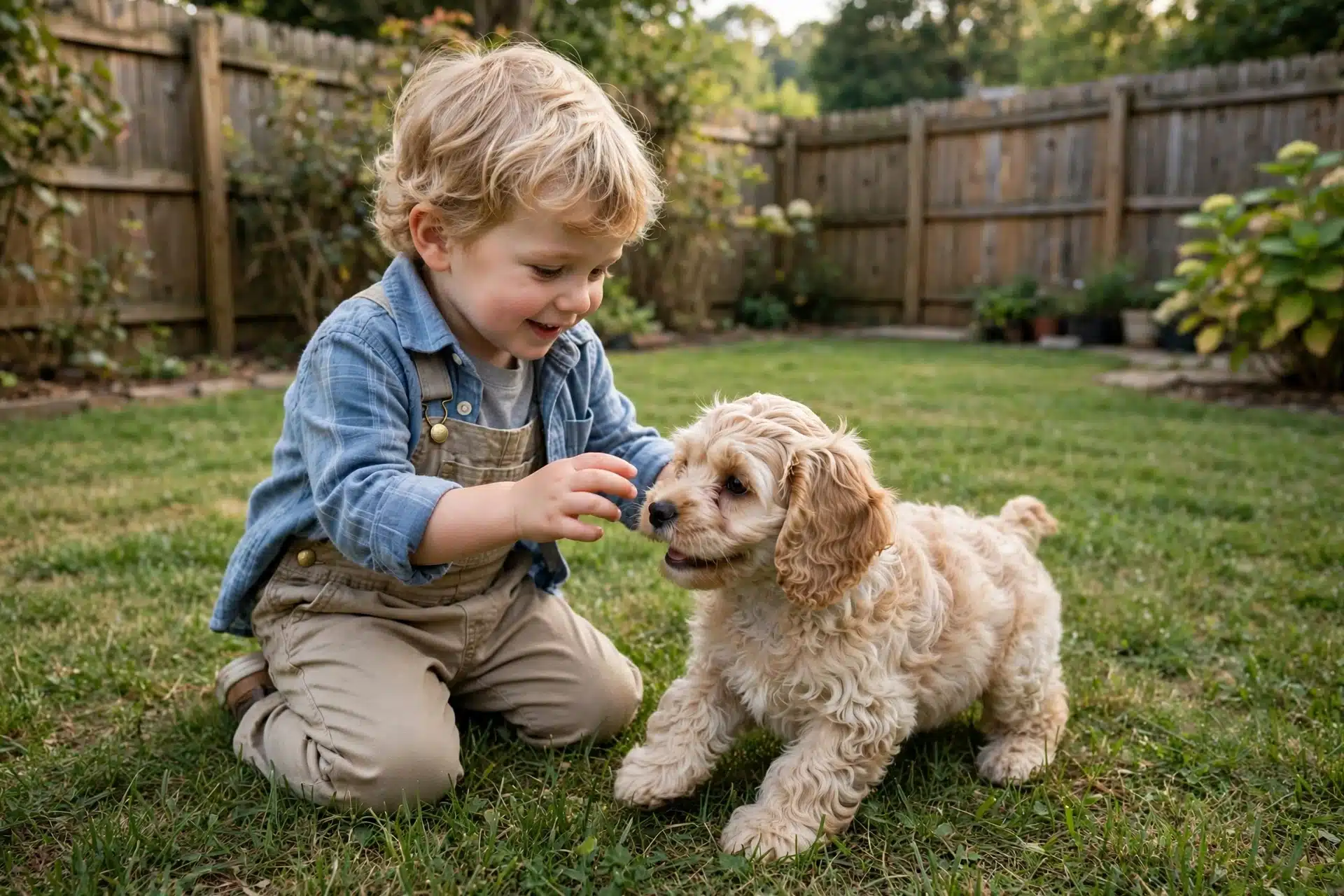
A Havapoo is a Havanese-Poodle mix, not a breed with one fixed standard. Veterinary-reviewed guidance from PetMD describes these dogs as potentially friendly with people of all ages, while cautioning that their small size means rough handling from young children can cause harm. That mix of promise and caution is exactly what Kentucky families should understand before choosing one.
Highlights
- Havanese and Poodle parentage brings two intelligent companion backgrounds.
- The individual dog’s size, coat, and temperament can vary. Wikipedia notes adults typically weigh 7-20 pounds depending on whether a Toy or Miniature Poodle was used.
- Young-child interactions require adult supervision and gentle handling.
- Regular coat care and positive training should be anticipated.
Specs
- Best for: Families wanting a small, engaged companion and willing to ask about the specific pairing.
- Activity level: Moderate daily activity, play, and training.
- Grooming commitment: Regular brushing and grooming; coat texture can differ.
Pros
- Companion-oriented cross that may suit households wanting a small, involved dog.
- Intelligent parent breeds can make positive-reinforcement training a useful family activity.
- Can adapt to different homes when exercise and companionship needs are met.
Cons
- No single breed standard guarantees adult traits.
- Small stature requires careful handling around young children.
- Coat maintenance and time with people should be planned.
Ask any breeder which Poodle variety is in the pairing, what health testing was completed, and how puppies are socialized. Sage Puppies raises Havapoos at home with health-tested parents, and the mix ranks here because it fits the small-companion focus while respecting veterinary guidance on variation and supervision.
Last updated: September 26, 2026
Also Read: Guides – Sage Puppies
4. Cavalier King Charles Spaniel
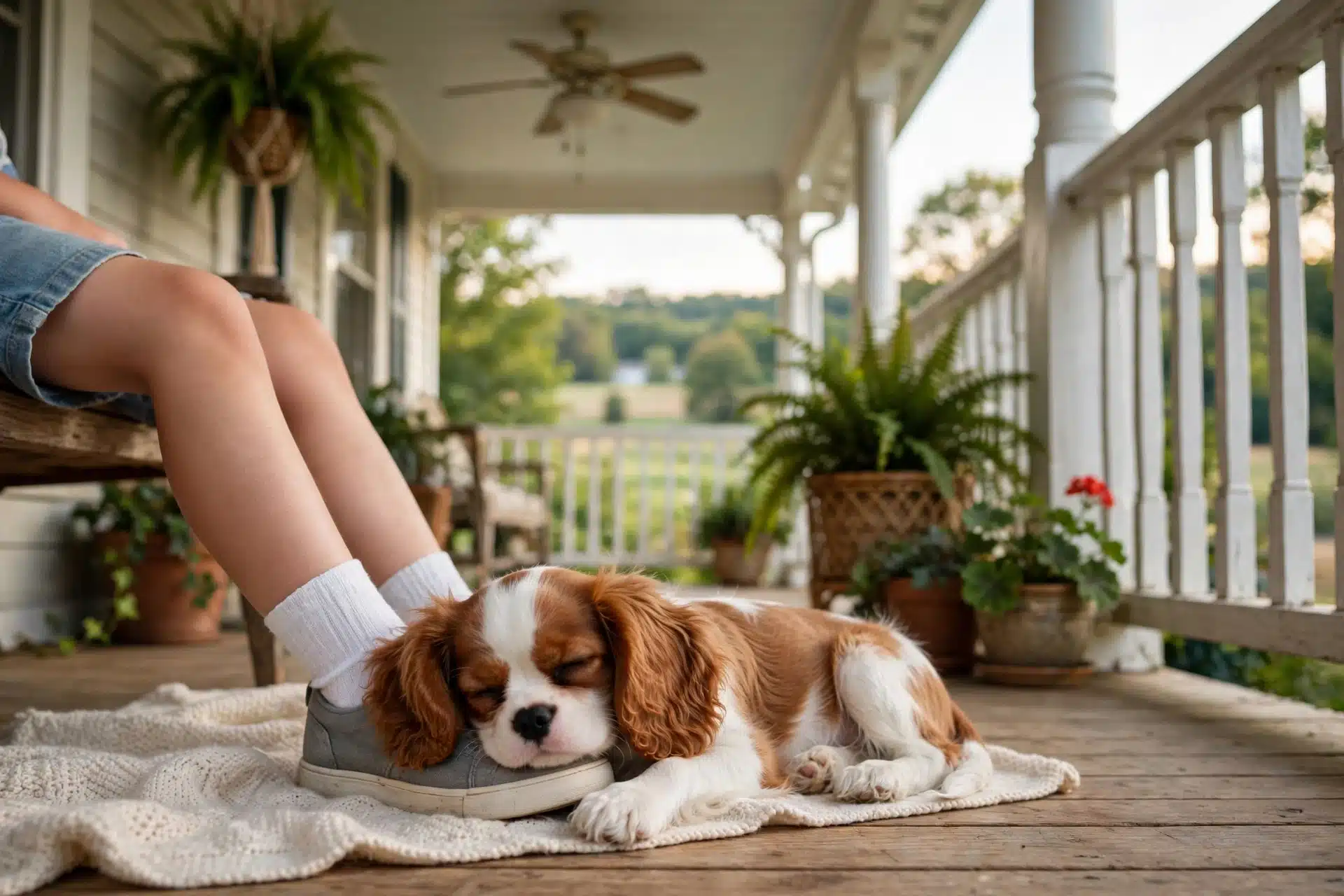
The Cavalier King Charles Spaniel is an affectionate, adaptable small spaniel with a soft spot for people of all ages. The AKC breed profile describes Cavaliers as gentle and eager to please, and notes they can be good with young children when raised and socialized well.
Highlights
- Often described as affectionate and adaptable.
- AKC notes that Cavaliers can be good with young children.
- Regular grooming and everyday interaction belong in the care plan.
- Research breed health and parent testing before selecting a puppy.
Specs
- Best for: Families looking for an affectionate, adaptable small companion.
- Activity level: Moderate daily activity and shared walks.
- Grooming commitment: Regular brushing and routine coat care.
Pros
- AKC describes the breed as gentle and adaptable with people of different ages.
- Trainability can help first-time owners establish household routines.
- Small companion profile fits many family living situations.
Cons
- Health screening and breed health research deserve close attention.
- A gentle breed reputation does not remove the need for supervision.
- Coat care and daily companionship still require time.
Any puppy needs adult supervision around small children, so teach gentle handling from day one. Ask any breeder, including programs like Sage Puppies, about parent health screening before you commit. It ranks here for its strong family-companion profile, as long as you evaluate health information carefully and choose a responsible source.
Last updated: September 26, 2026
Also Read: Puppy Care Blog & Resources | Sage Puppies
5. Labrador Retriever
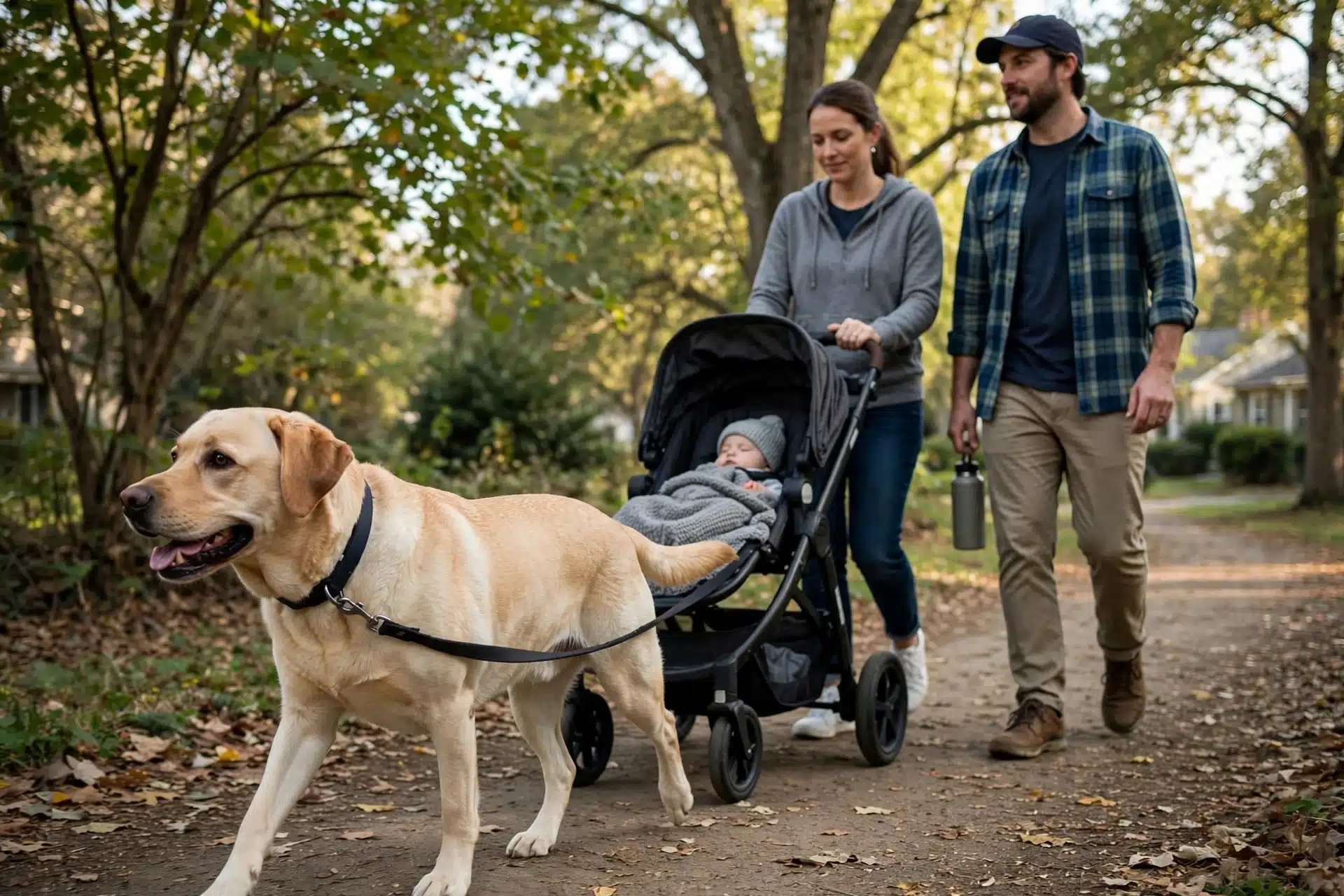
The Labrador Retriever is a friendly, outgoing, and highly trainable breed that has long been a favorite of American families. AKC breed guidance describes Labs as active, affectionate, and eager to please, which makes household manners easier to teach. The trade-off is size and energy: a full-grown Lab weighs 55 to 80 pounds and needs daily exercise.
Highlights
- Friendly, affectionate, and typically responsive to training
- A larger, energetic companion that needs daily activity and enrichment
- Playful and physically exuberant, so interactions around toddlers need management
- Expect shedding and routine coat care
Pros
- A warm, devoted family companion profile
- Trainability supports clear household rules and safe greetings
- Fits families who include the dog in hikes, fetch, and active outings
Cons
- Size and excitement can be challenging around small children without supervision
- Needs meaningful daily exercise or it may get restless
- Shedding is a real, year-round commitment
The Lab ranks below the small companions here because a young child’s size and a Lab’s strength call for more active management. Note that Sage Puppies focuses on small companion breeds like the Havanese, Havapoo, and Cavapoo, so families set on a Lab should look to a breed-specific, reputable source.
Last updated: September 26, 2026
Also Read: How Much Exercise Do Family Puppies Need in Indiana?
6. Golden Retriever
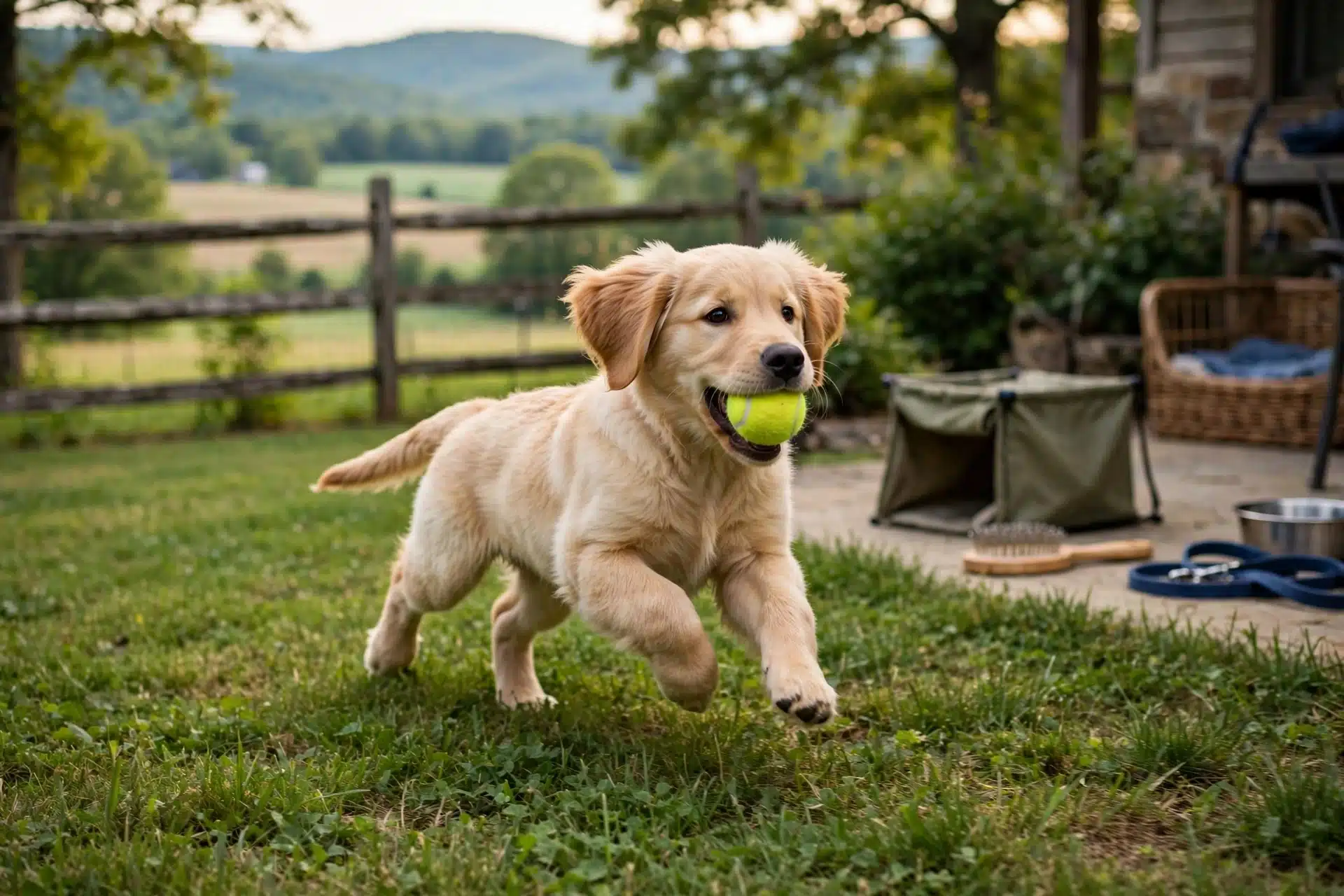
A friendly, active family dog for homes prepared for exercise, training, and coat upkeep. Golden Retrievers rank among America’s most popular breeds, and it’s easy to see why. The AKC describes them as intelligent, friendly, and devoted, with a patient streak that suits households with kids.
Highlights
- Often described as friendly, affectionate, and eager to please.
- Enjoys daily activity and engagement with the whole family.
- Larger size calls for calm-greeting training around young children.
- Regular brushing and shedding should be expected, not surprised over.
Specs
- Best for: Active families who want a larger companion for walks, play, and training.
- Activity level: High; daily exercise and mental stimulation are important.
- Grooming commitment: Regular brushing and seasonal shedding management.
Pros
- Affectionate, social, and eager to please.
- Consistent training builds reliable family manners.
- Fits right into active routines, hikes, and backyard fetch.
Cons
- Size can be a lot around toddlers, since the breed’s energy may cause jumping or knocking over small children.
- Needs consistent daily activity.
- Coat shedding and grooming require ongoing attention.
Why it ranks here: its trainability and family orientation make it a strong option for active households, though size, exercise, and coat care may be more than some families with young children want to manage.
Last updated: September 26, 2026
Also Read: How to Spot Responsible Puppy Breeders in Kentucky Online
7. Beagle
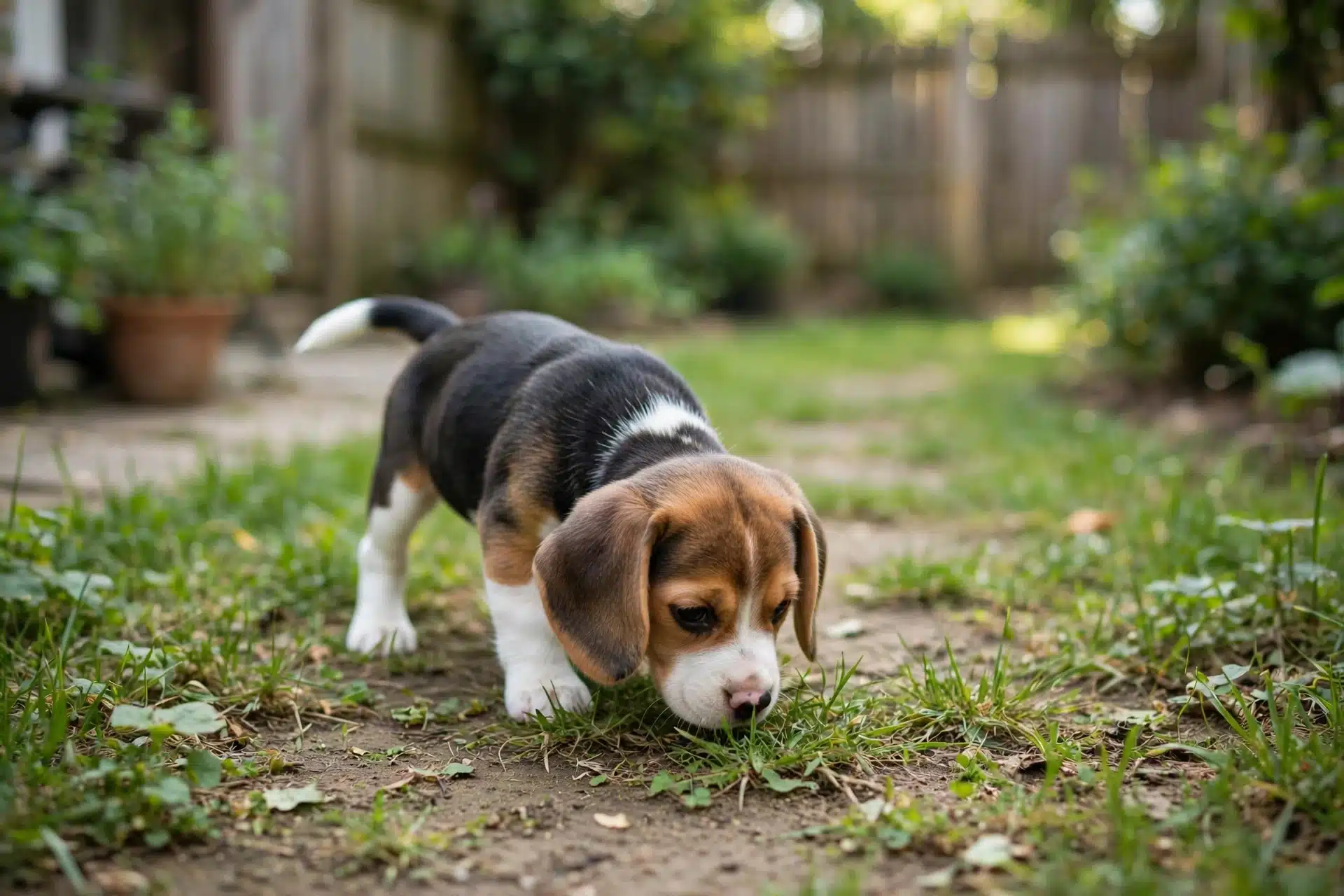
A cheerful, sturdy hound that fits active family life well. Beagles bring playful energy and a friendly, happy-go-lucky temperament that many parents of young children love. They are hardier than most toy breeds, though every puppy still needs gentle handling and calm supervision around small kids. The AKC describes the Beagle as a merry, compact scenthound bred to work in packs, which explains both its sociability and its strong nose (see the AKC breed profile for more context).
Highlights
- Cheerful, companionable temperament that suits busy households.
- Sturdier frame than many toy breeds, but still needs respectful handling.
- Moderate to high activity: plan daily walks, play, and scent games.
- A curious nose makes secure fencing and early recall training essential.
Specs
- Best for: Families ready for an active, curious dog and consistent training.
- Activity level: Moderate to high.
- Grooming commitment: Routine brushing and basic coat care.
- Child and handling notes: Teach gentle handling and supervise all interactions with young children.
Pros
- Playful and sociable, so kids get an eager playmate.
- Sturdy build holds up better than very delicate breeds.
- Scent games and treasure hunts make easy, family-friendly enrichment.
Cons
- Scent-driven curiosity demands secure outdoor routines; a wandering nose can override recall.
- Training and daily activity require steady follow-through.
- Breed traits don’t predict every puppy – ask breeders how each puppy responds to children, handling, and household noise before committing, a practice we follow closely at Sage Puppies.
Why it ranks here: it’s a genuine family candidate for active homes, but its independent, scent-driven profile asks more from first-time puppy owners than a softer companion breed.
Last updated: September 26, 2026
How to choose the right family dog breed
Before you fall in love with a face, match the puppy to your household. Use these five checks.
- Start with your kids’ ages. Teach three simple rules: gentle hands, give the dog space when it retreats, and never bother a sleeping or eating puppy.
- Compare size and energy to your home. A small, calm companion breed usually fits family life in Kentucky homes with young children better than a large, bouncy dog.
- Be honest about upkeep. Count the grooming appointments, daily walks, training sessions, and lap time the coat and breed actually need.
- Interview the breeder or rescue. Ask about the puppy’s observed temperament, early socialization, and parent health-testing records. A breeder who offers support after go-home day is a good sign.
With mixed breeds like the Havapoo or Cavapoo, ask about both parents, and treat the label as a starting point, not a promise of adult size or personality.
If you’re considering an out-of-state option, Sage Puppies in South Jordan, Utah, stands out: health-tested parents, home-raised litters, and clear application, delivery, and health-review steps for Kentucky families. Confirm the same with any breeder you contact.

Ready to bring home a gentle, kid-friendly puppy? Sage Puppies raises health-tested Havanese, Havapoo, and Cavapoo puppies in a family home in South Jordan, Utah, then offers nationwide delivery to Kentucky and beyond. Browse available puppies today or submit an application, and we’ll walk you through every step of matching the right companion to your young family.
Frequently Asked Questions
Q1: What are the best family dog breeds in Kentucky?
Breeds like the Havanese, Cavapoo, Havapoo, Cavalier King Charles Spaniel, and Shih Tzu all do well in Kentucky homes with young children. Choose based on size, temperament, and how much grooming time your family can honestly commit to each week.
Q2: Which dog breeds are good with young children?
Look for patient, adaptable breeds that tolerate noise and clumsy hugs. The Havanese, Cavapoo, and Havapoo are gentle by nature, small enough for kids to handle, and sturdy enough not to break a toddler’s heart with fragility.
Q3: Are Havanese dogs good for families with kids?
Yes. Havanese dogs are affectionate, playful, and rarely nippy, which makes them a strong match for young children. They are small but not delicate, and they bond closely with every member of the household, not just one person.
Q4: Can I get a Sage Puppies puppy if I live in Kentucky?
Yes. Sage Puppies is based in South Jordan, Utah, but families in Kentucky can adopt through our nationwide delivery process with pickup and delivery options handled clearly from day one.
Q5: How do I prepare my home for a puppy and a toddler?
Set up a gated puppy zone, keep toys separate, and agree on house rules before the puppy arrives. Brief, supervised interactions work best while both your child and your puppy learn boundaries together.
Q6: When should I reserve a puppy from a breeder?
Most quality breeders fill reservations weeks or months ahead. Once you’ve reviewed health testing, applied, and confirmed delivery or pickup details, reserving early gives you more choice in picking your puppy.