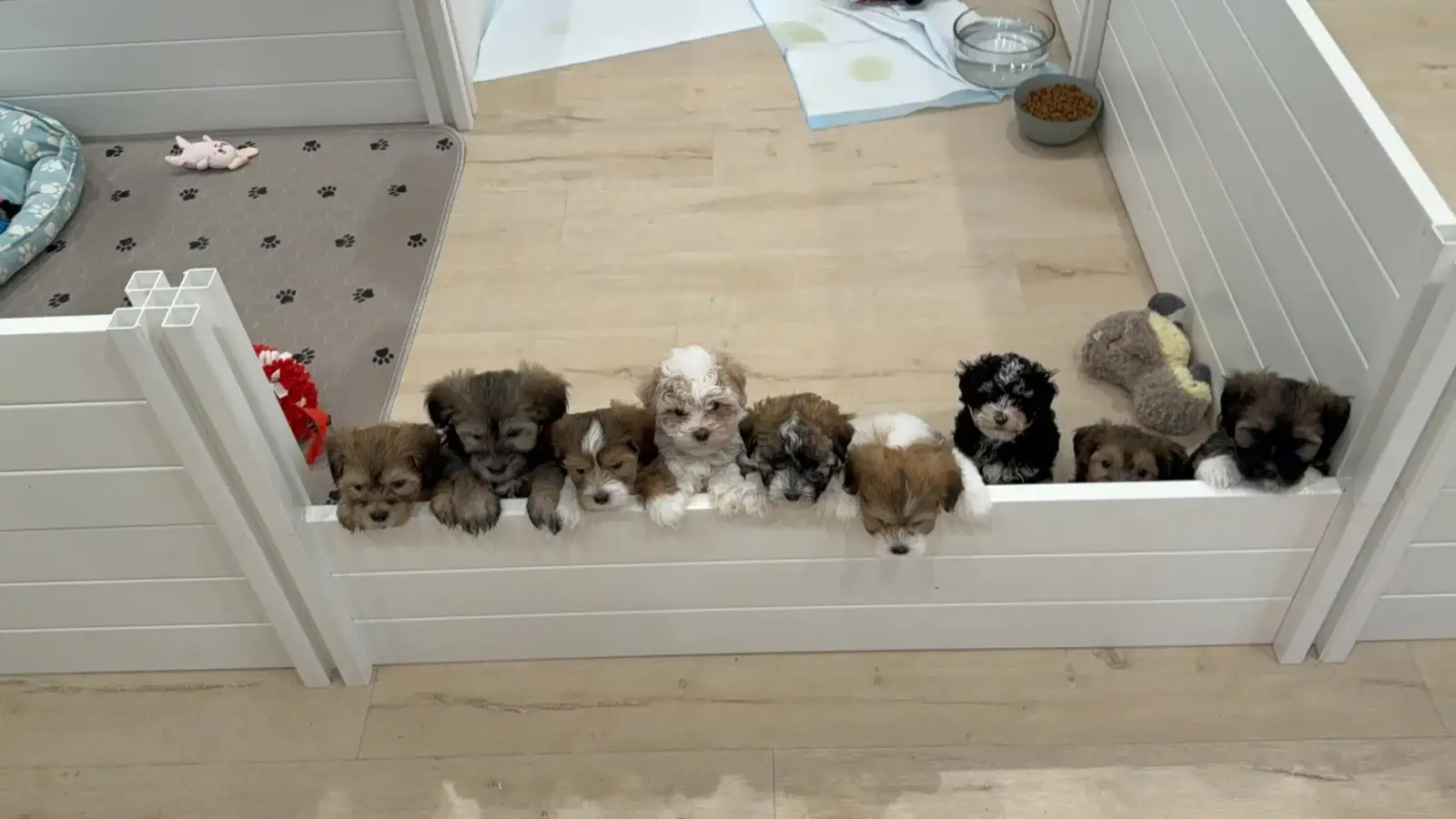
Quick Summary: Match a Kentucky puppy’s temperament to your real weekday routine, not your ideal weekend, by observing each puppy’s energy, sensitivity, and recovery across multiple moments. Breed tendencies like those of Havanese, Havapoo, or Cavapoo offer guidance, but temperament tests are only snapshots, not promises, so ask breeders for specific behavioral examples and health records. Sage Puppies emphasizes pairing these observations with your honest household details to find a small companion that fits your daily life and can adapt as it grows.
A Kentucky family may imagine a puppy asleep by the fire on a winter night. Then school mornings get rushed, summer guests fill the house, and a long drive changes the plan. The right dog needs to fit all of it.
Kentucky puppy temperament is not just about breed or a cute first meeting. A Havanese, Havapoo, or Cavapoo may have common breed traits, but each puppy has its own energy, confidence, and need for closeness.
This guide helps you choose a puppy with real-life routines in mind. You will learn what to watch during visits, how to use a puppy temperament test with care, and which questions reveal more than a label can.
At Sage Puppies, we raise small companion puppies in a home setting and focus on thoughtful family matches. A clear look at Kentucky puppy temperament helps you find a puppy that suits your household now and as life changes.
Start With Your Real Kentucky Weekday, Not Your Ideal Weekend
Describe the Home Your Puppy Will Enter
Choose for the life you repeat Monday through Friday. Your Kentucky puppy temperament match should reflect your work hours, school runs, noise level, and who is home.
Write down the honest version:
- How long the puppy will be alone
- Whether children, guests, or other pets come through often
- Apartment, subdivision yard, farm, or busy street setting
- Your plan for potty trips, play, naps, and calm time
A confident puppy may enjoy an active home. A softer puppy may do better with fewer surprises and steady handling. Early, kind exposure helps puppies grow more at ease with new people and places, according to the AVMA’s socialization review.
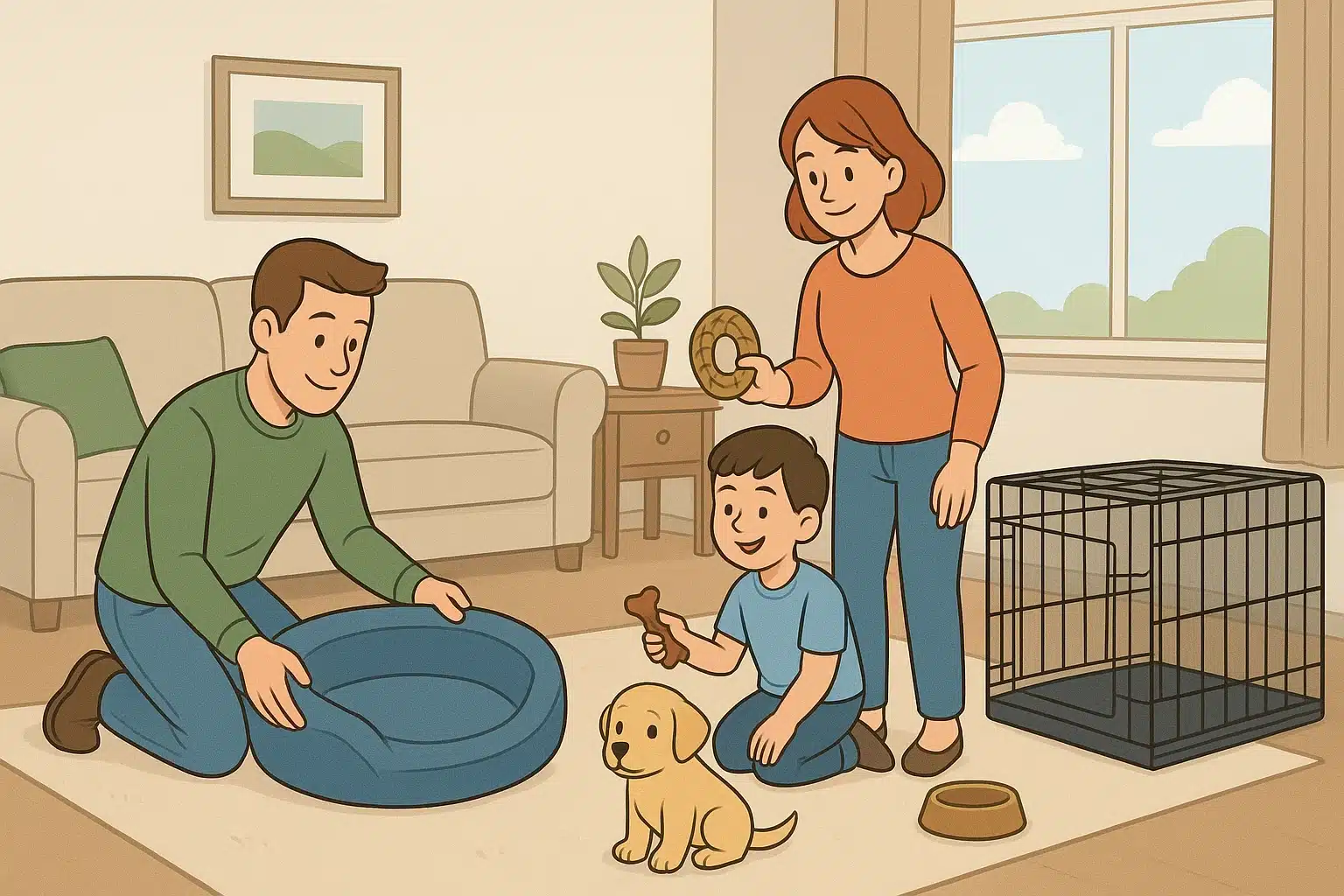
Do not pick the boldest puppy because they are entertaining for one visit. Ask which pup settles well after play and recovers calmly from a new sound.
Match Energy to the Ordinary Schedule
Small companion breeds still need daily attention, training, and play. Match your Kentucky puppy temperament choice to the time you can protect every day.
| Weekday reality | Better puppy traits to discuss |
|---|---|
| Quiet remote-work home | Able to rest near people without constant engagement |
| School-age family | Social, resilient, and comfortable with gentle handling |
| Long workdays | Calm temperament plus a firm care plan for breaks and company |
| Active neighborhood | Curious, people-friendly puppy that can settle afterward |
Plan short, frequent walks and sniff time. The AVMA advises building walks gradually and adjusting for each dog’s health and needs.
Include Kentucky Travel and Seasonal Routines
Think about lake weekends, family trips, and summer heat before choosing. Practice brief, positive car rides early, using a secured carrier or crate. The AVMA advises never leaving a dog alone in a parked vehicle.
A puppy suited to your real routine is not less fun. They are more likely to feel safe in it.
Also Read: 10 Signs a California Puppy Listing Is a Scam – Sage Puppies
Evaluate the Temperament Traits That Matter at Home
Watch the puppy in a calm, familiar setting. One brief meeting cannot predict an adult dog, but repeated observations reveal useful patterns.
Social Interest and Comfort With People
Look for a puppy that chooses to approach, then can move away without panic. Notice how they greet adults, gentle children, and new sounds.
A puppy does not need to rush toward every person. A quiet puppy may be a great fit if they relax after a short pause.
- Does the puppy seek contact or stay curious nearby?
- Do they recover after a surprise sound?
- Can they accept calm petting without freezing or fleeing?
The AVSAB socialization guidance recommends watching each puppy’s body language and setting the pace around their comfort level.
Energy, Motivation, and Ability to Settle
Ask to see play, a short break, and quiet time. A busy Kentucky family may enjoy an eager, playful puppy. A home with remote work or older adults may prefer one that settles after activity.
| What You See | Likely Home Need | Good Match |
|---|---|---|
| Short play bursts, then naps | Simple daily play routine | Calmer household |
| Constant motion and toy drive | More training and play | Active family |
| Interest in treats and people | Easy reward-based practice | First-time owner |
A puppy’s energy changes by the hour. Look for patterns across several moments, not one excited greeting.
Sensitivity, Recovery, and Handling
Gently observe handling during normal care: touching paws, brushing, being picked up, or hearing a door close. Stop if the puppy shows stress.
- Good recovery: startles, then returns to play or people.
- Higher sensitivity: stays tense, hides, or avoids contact.
- Handling comfort: soft body, curiosity, and quick re-engagement.
Reward-based training supports learning without adding fear, according to the AVSAB humane training statement. Share your household routine with Sage Puppies so they can help you weigh these observations thoughtfully.
Also Read: Havanese, Havapoo & Cavapoo Puppy Care Blog
Use a Puppy Temperament Test as One Clue, Not a Promise
What a Temperament Test Can Observe
A well-run puppy temperament test shows how a puppy reacts that day in calm, controlled moments. It may reveal useful patterns, such as:
- Interest in people and gentle handling
- Curiosity around a new toy or surface
- Response to a mild sound
- Willingness to engage, follow, or recover after surprise
These observations help start a conversation about fit. A puppy who pauses, then checks back in may suit a quieter home. A bold, busy puppy may enjoy an active family. Tests assess reactions, not a fixed future personality.
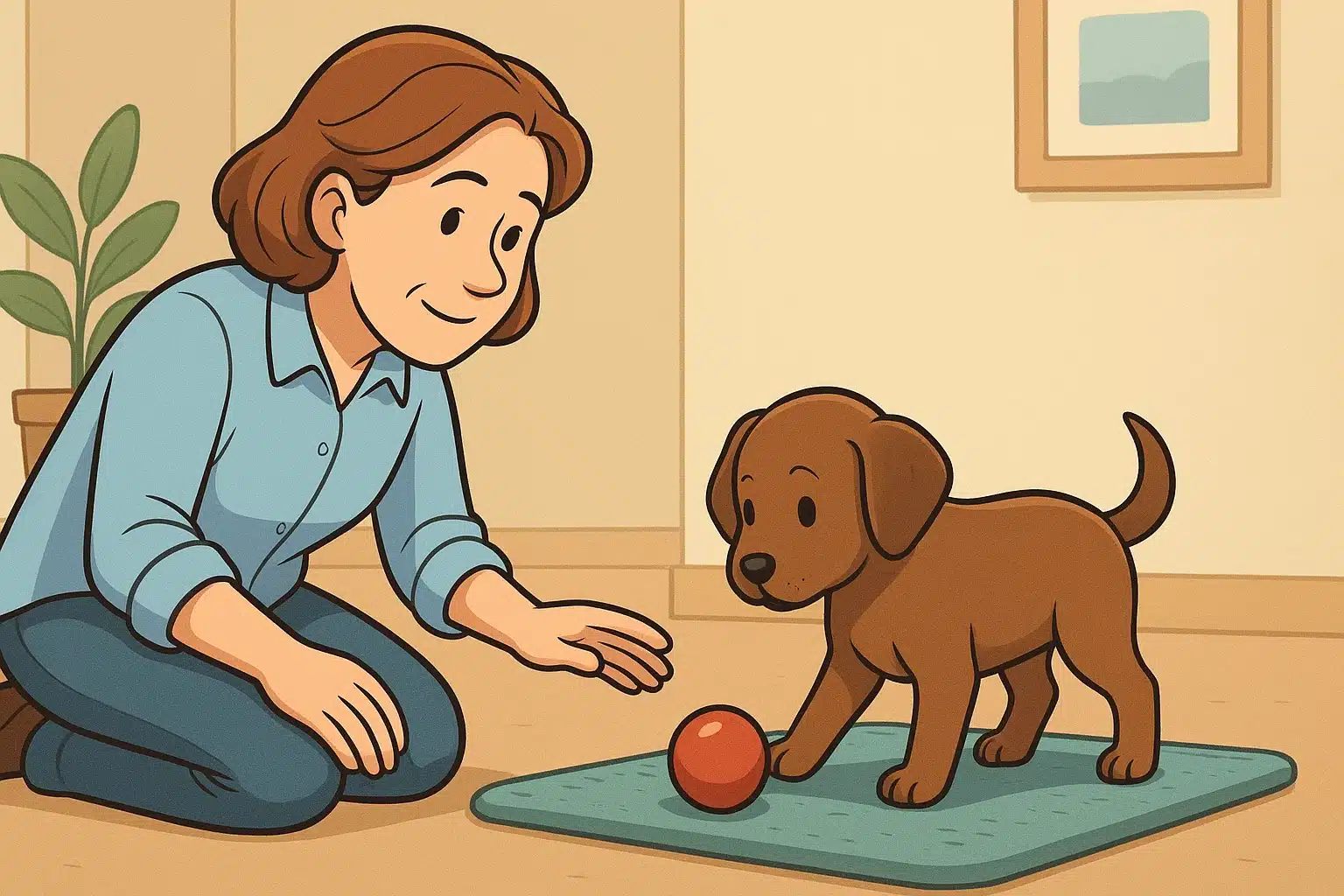
Why a Seven-Week Snapshot Has Limits
Many puppy tests occur at about seven weeks. That is a very young age. Sleep, a full belly, littermate play, or an unfamiliar room can change a puppy’s response.
Current evidence does not support using puppy tests to predict adult behavior with certainty. The American Kennel Club review notes that early test results have limited power to forecast adult traits.
Puppies also keep developing after they go home. Their early care, training, health, and daily experiences shape how they cope with the world.
Treat labels like “confident,” “soft,” or “independent” as working notes, not lifelong promises.
| Test result | What it may suggest now | What it cannot promise |
|---|---|---|
| Quickly approaches a person | Social interest in that setting | An outgoing adult dog |
| Startles, then recovers | A healthy recovery response | No future fears |
| Chooses a toy repeatedly | Play interest that day | A high-drive adult |
What Responsible Matching Adds to the Test
Responsible matching combines test notes with repeated, real-life observation. At Sage Puppies, that means looking at how each Havanese, Havapoo, or Cavapoo puppy plays, rests, eats, handles gentle touch, and responds to people over time.
Families should also share the facts that matter:
- Work and school schedules
- Children, pets, and noise level
- Grooming and training plans
- Desired activity level and cuddle time
A thoughtful match uses the test as one data point, then pairs it with breeder insight and your real routine.
Also Read: Puppy Temperament Testing Review: Assessing Oklahoma Breeder Reports
Compare Havanese, Havapoo, and Cavapoo Tendencies Without Stereotyping
Breed background can guide your search, but it cannot predict one puppy perfectly. Home life, early handling, parent traits, and each puppy’s nature all matter.
Close, Cheerful Companion Temperament
Havanese often stay close to their people. They may follow you from the kitchen to the couch and enjoy being part of daily family life. The AKC describes the breed as cheerful, bright, and social, with a strong need for company.
Their playful side can suit families who want a small dog involved in calm games and short walks. A Havanese may not love long, lonely workdays.
Choose this tendency if you want a friendly companion and can offer regular attention, training, and shared downtime.
Playful, Bright, and People-Oriented
A Havapoo combines Havanese and Poodle lines, so many families look for a social, quick-learning puppy. Some may be lively problem-solvers. Others may be quieter observers who still enjoy people.
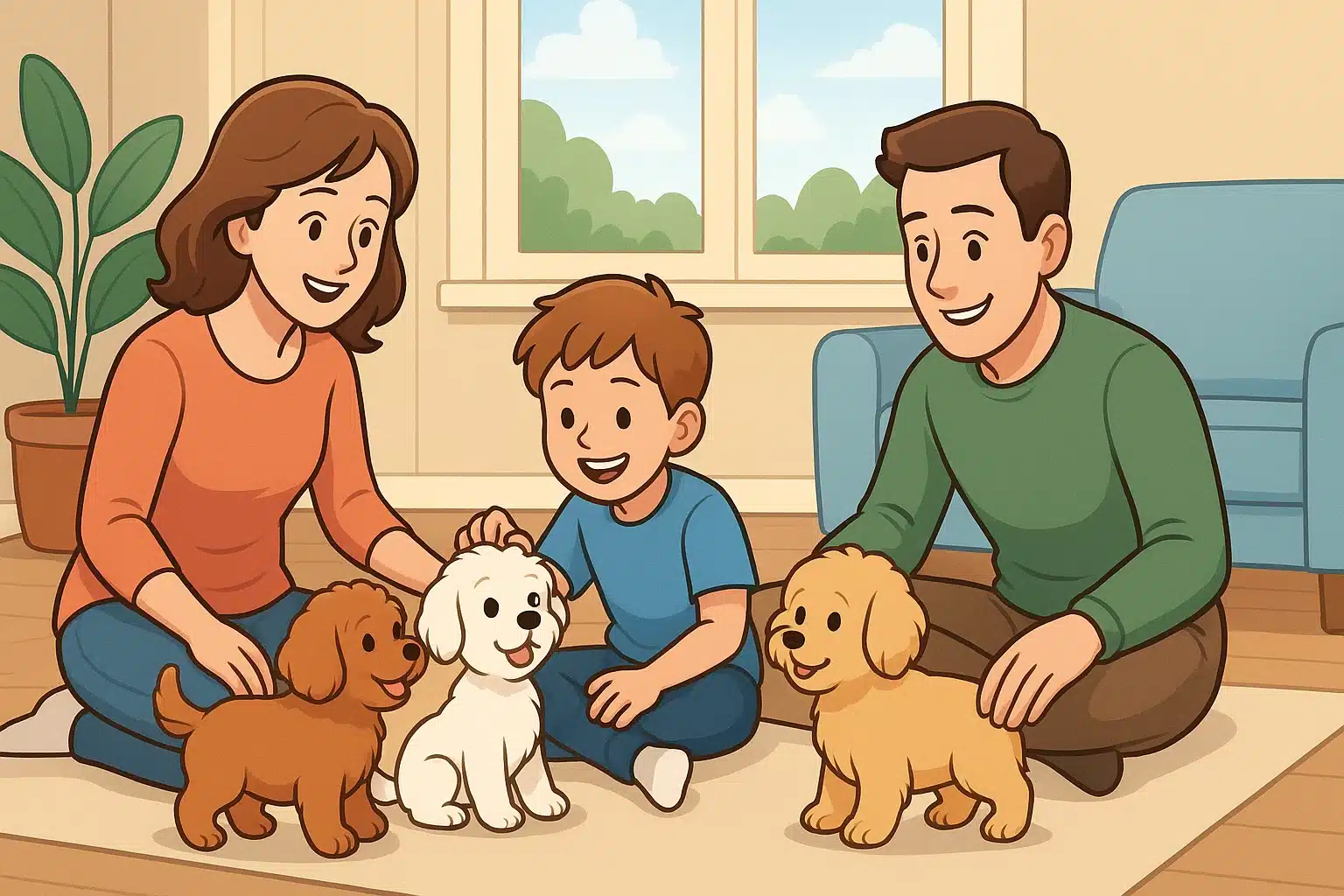
Do not expect every Havapoo to have the same energy or coat type. Use simple daily observations instead:
- Does the puppy recover after a new sound?
- Does it seek people, then settle nearby?
- Does it enjoy a short game without becoming overwhelmed?
Affectionate, Social, and Often Soft in Style
Cavapoos blend Cavalier King Charles Spaniel and Poodle heritage. Cavaliers are often described as gentle, loving, and adaptable, but each Cavapoo can lean differently toward either parent.
| Tendency to explore | What to ask |
|---|---|
| Affection and closeness | Does the puppy enjoy calm handling? |
| Play and curiosity | How does it respond to a new toy? |
| Recovery after change | Does it settle after brief excitement? |
A soft, affectionate style does not mean a puppy needs no training. Kind, steady routines help build confidence.
Choose the Individual Puppy, Not Only the Breed Label
Ask Sage Puppies how each puppy acts around people, siblings, handling, and new spaces. Compare those notes with your real schedule, children, and activity level.
Temperament tests are a snapshot, not a promise. Look for repeated behavior over time.
Also Read: Puppy Care Blog & Resources | Sage Puppies
Ask the Breeder Questions That Reveal Real Temperament
Ask for Specific Examples, Not Personality Labels
“Sweet” and “calm” are a start, but they do not tell you how a puppy acts in real life. Ask the breeder what they have actually seen.
- How does this puppy respond when picked up?
- Does it recover quickly after a new sound or surface?
- Does it seek people, play alone, or follow littermates?
- How does it handle gentle grooming or a short crate rest?
A thoughtful breeder can share patterns, not promises. The AKC advises families to ask about socialization and household exposure.
A puppy can be tired, excited, or cautious on any one day. Look for repeated behavior across several moments.
Ask About Parents, Health Testing, and Development
Ask to learn about both parents’ temperaments. Are they friendly with visitors? Easy to settle? Comfortable with handling? Parent behavior offers useful context, though each puppy is still an individual.
Then ask which health tests were completed and request clear records. Health testing cannot promise a perfect future, but it helps breeders make wiser pairing choices. Responsible breeders should explain relevant tests and be open about breed health risks.
Ask how the puppies have been raised:
| Ask about | Why it matters |
|---|---|
| Daily handling | Builds comfort with people |
| Household sounds | Helps puppies meet normal home life |
| Safe new experiences | Shows how a puppy adjusts and recovers |
| Time with mother and littermates | Supports early dog-to-dog skills |
Bring Your Family Profile Into the Conversation
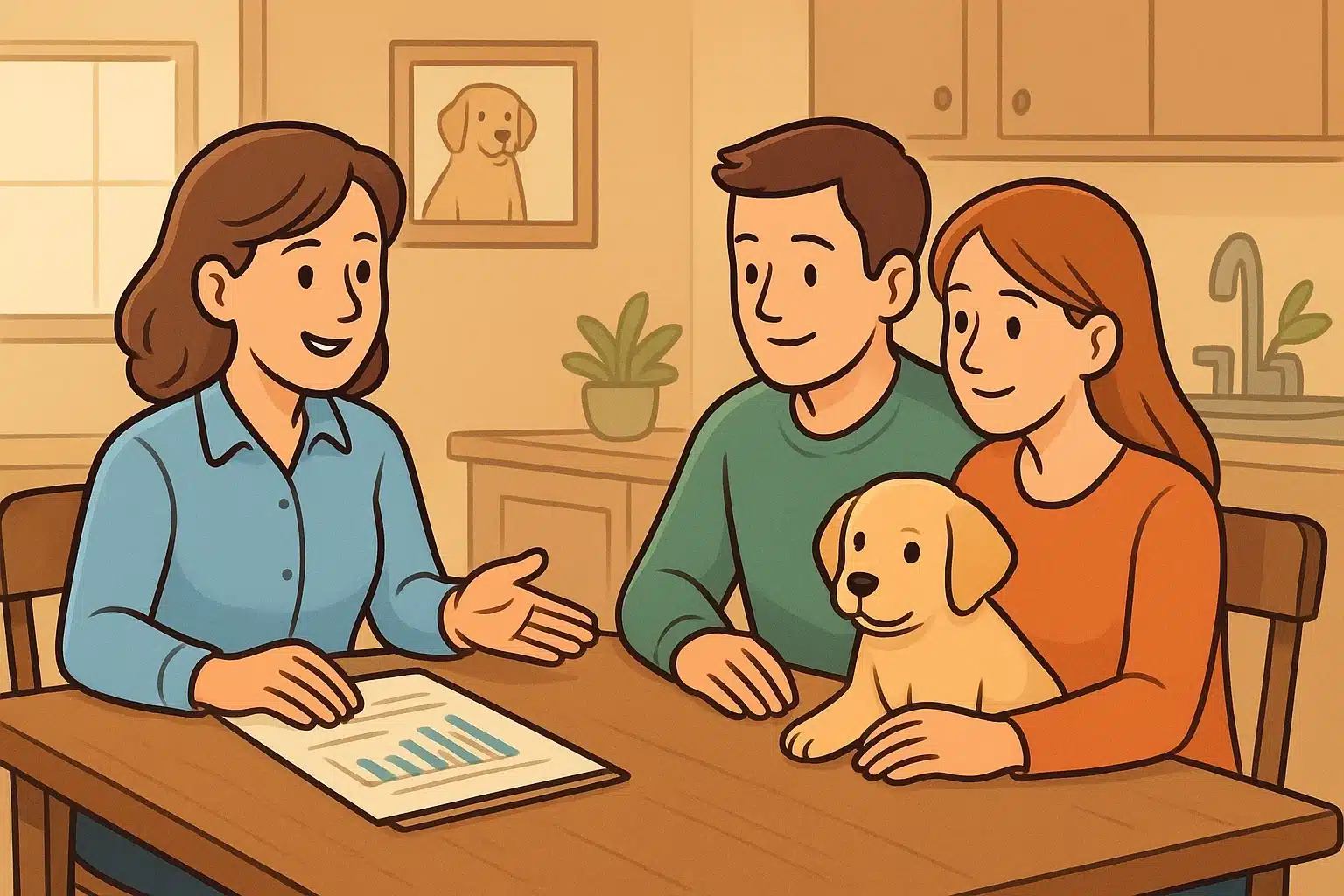
Share the truth about your home. Mention young children, cats, work hours, travel, stairs, and your activity level. A good breeder should ask questions back and help make the match, not just let you choose by color.
At Sage Puppies, bring your full family picture to the conversation so the team can guide you toward a Havanese, Havapoo, or Cavapoo puppy that fits your daily rhythm.
Also Read: How to Spot Responsible Puppy Breeders in Kentucky Online
Make the Final Match and Prepare for a Successful Transition
Use a Simple Fit Scorecard
Choose the puppy whose daily needs fit your real life, not your ideal week. Give each item a score from 1 to 5, then discuss any low score with your breeder.
| Fit area | Ask yourself | Strong score looks like |
|---|---|---|
| Alone time | Who is home during the day? | A clear care plan every day |
| Activity | Can we offer play and short walks? | Consistent, gentle activity |
| Handling | Will children use calm, kind hands? | Adult supervision is ready |
| Grooming | Can we keep up with coat care? | Time and budget are set |
A puppy’s behavior offers clues, not promises. Choose the match that suits your household pace.
Plan Pickup or Delivery Around the Puppy
Keep arrival day quiet. For local Sage Puppies families, plan a direct trip home from South Jordan. If your puppy travels farther, confirm timing, documents, and weather plans early. The AVMA travel guidance recommends current ID details, a secure carrier, food, water, and health records.
- Set up a safe sleep area before arrival.
- Keep the first evening to close family only.
- Use the puppy’s current food at first.
- Schedule a vet visit soon after homecoming.
Build on the Match After the Puppy Comes Home
Keep meals, naps, potty breaks, and bedtime predictable for the first two weeks. Add new people, sounds, and places in small, positive steps. Early, calm exposure matters. The AVMA’s socialization review notes that positive experiences can help prevent later fear.
- Reward calm choices.
- Give the puppy time to rest.
- Ask for help early if concerns arise.
Also Read: 10 Red Flags to Avoid When Visiting a Local Puppy Breeder
Common Mistakes to Avoid When Choosing a Kentucky Puppy
Choosing by Color, Gender, or the First Photo
A pretty coat or sweet first photo can pull you in fast. Still, those details do not show how a puppy handles touch, noise, rest, or new people. Ask about each puppy’s daily behavior and watch for a match with your home.
Tip: Choose the puppy that fits your routine, not just your favorite look.
Treating a Test Score as a Guarantee
Temperament notes and puppy tests offer useful clues, not promises. A puppy changes with handling, training, sleep, and safe social time. The AVSAB notes that early socialization shapes later behavior. Use results alongside breeder observations and parent temperament.
Planning for a Puppy You Wish You Had
Do not pick the busiest puppy if your Kentucky home needs calm evenings. Be honest about work hours, children, travel, grooming, and training time. A good match needs daily practice, not hope.
| Ask yourself | Match to seek |
|---|---|
| Away often? | Puppy able to build calm alone time |
| Young children? | Gentle, people-focused puppy |
Also Read: How to Evaluate a Puppy’s Socialization Plan Before Buying

Ready to find a small companion whose temperament fits your Kentucky home? Sage Puppies helps families choose thoughtfully, with home-raised Havanese, Havapoo, and Cavapoo puppies from health-tested parents. Review available puppies, ask about each puppy’s personality, and begin your family-first adoption process today.
Frequently Asked Questions
Q1: How do I choose a puppy with the right temperament for my family?
Start with your daily routine, children’s ages, work hours, and activity level. Then ask the breeder what they observed during play, handling, rest, and new experiences.
Q2: What is the best puppy temperament for first-time owners?
Look for a puppy that recovers quickly, enjoys gentle handling, and can settle after play. Avoid choosing only the quietest or boldest puppy without learning why.
Q3: How can I match a puppy’s energy level to my lifestyle?
Match energy to your real schedule, not your ideal one. A busy family needs short training sessions, play breaks, and calm indoor time each day.
Q4: Can temperament change after a puppy comes home?
Yes. Early care, sleep, training, and steady routines shape behavior. A confident start helps, but every puppy needs patient guidance.
Q5: Should I choose based on breed alone?
No. Havanese, Havapoos, and Cavapoos have broad traits, but each puppy is an individual. Ask Sage Puppies about the puppy’s observed personality.
Conclusion
The right puppy match starts with your real routine, not a breed label or a cute photo. Consider your work hours, children, home activity, travel, grooming time, and patience for training. Then weigh breed tendencies alongside each puppy’s own behavior and the breeder’s observations.
No temperament test can promise an adult dog’s personality. Early care, steady routines, and kind training shape the outcome. The American Veterinary Society of Animal Behavior identifies the first three months as a key socialization period.
Choose a puppy whose needs fit your family, and give that puppy calm guidance, safe new experiences, and time to settle in.