Quick Summary: A Utah puppy buying contract is your main legal protection because the state has no puppy lemon law. Focus on five areas before signing: precise puppy identification, a written price with deposit and refund triggers, a health guarantee that names specific conditions and remedies, spay or neuter deadlines appropriate for small breeds, and fair return-to-breeder terms. Push back on vague guarantees, sterilization dates as early as six months for toy breeds, and clauses that let a breeder reclaim the dog without a refund. Reasonable breeders will answer direct questions in writing about what is covered, what triggers a return, and whether vet-approved timing can replace fixed dates.
You found a Havapoo litter in South Jordan, the photos are perfect, and the breeder just emailed a five-page PDF titled Puppy Purchase Contract with the subject line “Please review and sign by Friday.” Now what? If you have never read a puppy buying contract before, terms like first right of refusal, limited registration, and return-to-breeder can feel like legal landmines instead of plain English. The real problem is simple: Utah has no dedicated puppy lemon law, so the paper in front of you, plus Utah’s Uniform Commercial Code, is basically all the protection you get. This guide walks through each clause in a typical puppy buying contract, translates it into everyday language, flags what is reasonable, and gives you one question to ask before you sign. We raise Havanese, Havapoos, and Cavapoos in South Jordan, so we know these documents from the breeder’s side too.
What a Utah Puppy Buying Contract Actually Covers
A Utah puppy contract is a plain sales agreement with a warranty attached. It names the puppy, the price, the breeder’s promises, and your promises. Because the details live in that document, what it covers matters more than what the breeder says out loud.
The Three Roles the Contract Creates
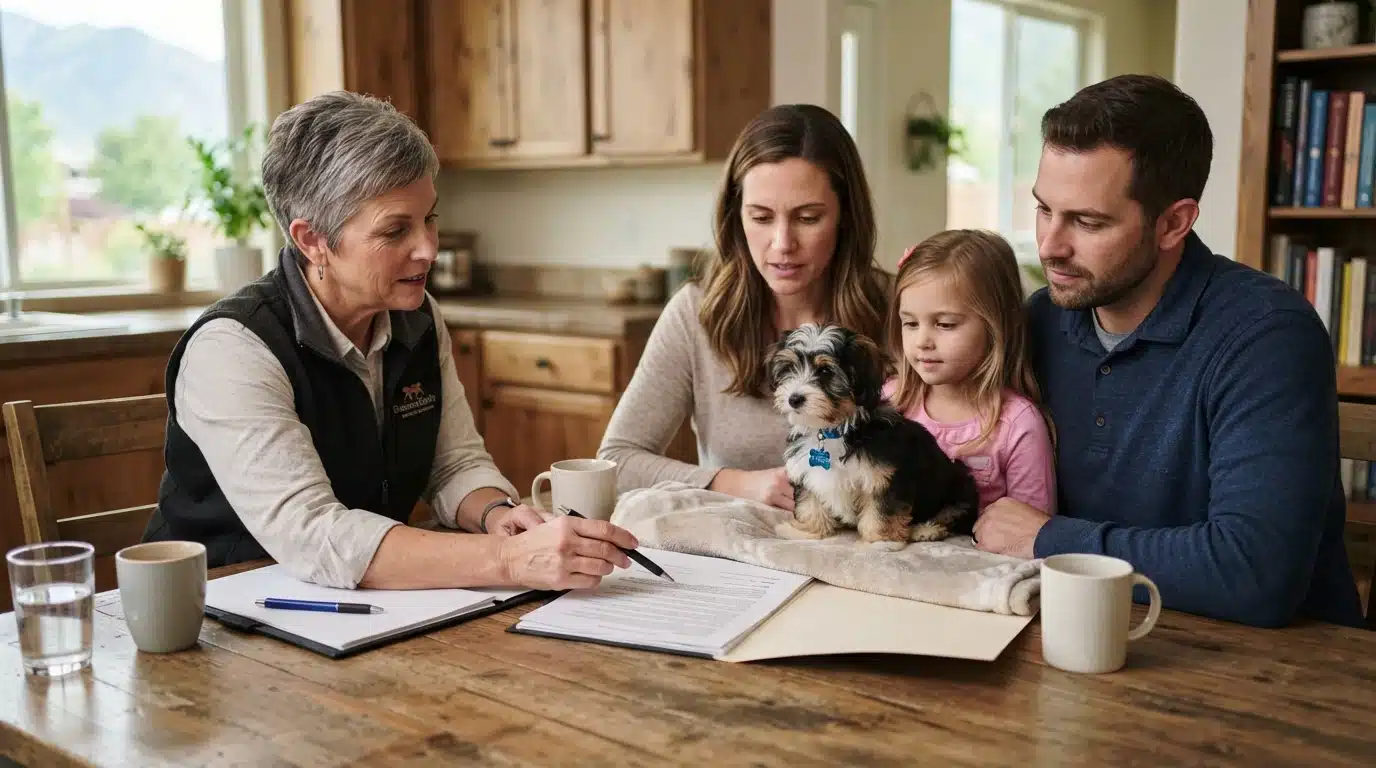
Every puppy contract assigns three jobs. The seller (breeder) promises the puppy’s identity, health status, and any health guarantee. The buyer agrees to pay, pick up or take delivery, and follow care terms such as vet visits or spay and neuter deadlines. The puppy is the subject of the sale, described by breed, sex, birth date, microchip, and sometimes registration papers. Read each clause asking one question: whose job is this, and is it fair? A clause that only limits the breeder while adding duties for you deserves a conversation before you sign.
Why Utah Buyers Lean on the Contract More Than Other States
Utah has no dedicated puppy “lemon law.” Some states give buyers set rights to a refund or vet-cost reimbursement, but Utah buyers mostly fall back on the Uniform Commercial Code, which covers dogs as goods. That means your written contract, and what it says about health and refunds, carries most of the weight. Treat it as your main protection and read it closely. A careful breeder will welcome questions; you can also compare terms against common Utah puppy breeder red flags.
The Identification and Registration Clauses
These clauses answer two simple questions: which puppy is this contract about, and what does the paperwork say you can do with her? Check both before you sign anything else.
Puppy ID, Microchip, and Litter Information
The contract should name your puppy precisely: breed, sex, color, date of birth, and a collar color or microchip number if the litter uses them. Breeders of purebreds also list the litter registration number, dam, and sire. Mixing breeds means no litter papers exist, so the description becomes your only ID and deserves close review. Ask the breeder to show you the microchip scan or ID record in person at pickup, then confirm the number matches the contract exactly. A mismatch here is not a small typo. It can void later health or return clauses that depend on proving which dog they cover.
Limited vs. Full Registration, in Plain English
If your puppy is registrable with the AKC, this clause decides one thing: whether her future puppies can be registered. Under AKC Limited Registration, the dog is registered, but her litters are not eligible for AKC papers. Full registration removes that limit and usually costs more.
| Type | Your rights |
|---|---|
| Limited | Dog is registered; no registered offspring; no conformation showing |
| Full | Registered dog; offspring eligible; typically meant for breeding homes |
For most companion buyers, limited is reasonable and normal. Ask why the breeder limits it and what it would take to change later.
A thoughtful breeder explains this choice plainly. At Sage Puppies, Cassie walks every buyer through what the paperwork covers before deposit day, so nothing on the page is a surprise.
The Price, Deposit, and Payment Clauses
Money clauses cause more disputes than health clauses, so read them twice.
How a Reasonable Price Clause Should Read
A solid price clause names the exact purchase price in dollars, states what it covers, and lists any extras that cost more. Look for three things: the total, the sales tax treatment, and whether delivery or shipping is billed separately. Beware contracts that say “price due at pickup” without a number, or that let the breeder raise the price after you sign. A written total protects you under Utah’s Uniform Commercial Code, because the contract, not a verbal quote, is what a court would read.

Deposit and Refund Triggers You Want in Writing
Ask these questions before you pay anything:
- Is the deposit refundable, and under what conditions?
- What happens if the puppy fails its vet check or the litter is smaller than expected?
- Does the deposit transfer to a future litter if you change your mind?
Good contracts spell out each trigger. Many Utah breeders, including small programs like Sage Puppies, publish their reservation and pricing terms up front, which makes comparing policies easy.
Get every refund trigger in writing. A handshake about “flexibility” means nothing later.
The Health Guarantee and Veterinary Clauses
This is the heart of any puppy contract. It tells you what the breeder promises about your puppy’s health, what you must do to keep those promises enforceable, and what happens if something goes wrong.
The Initial Health Certificate and Buyer Vet Check
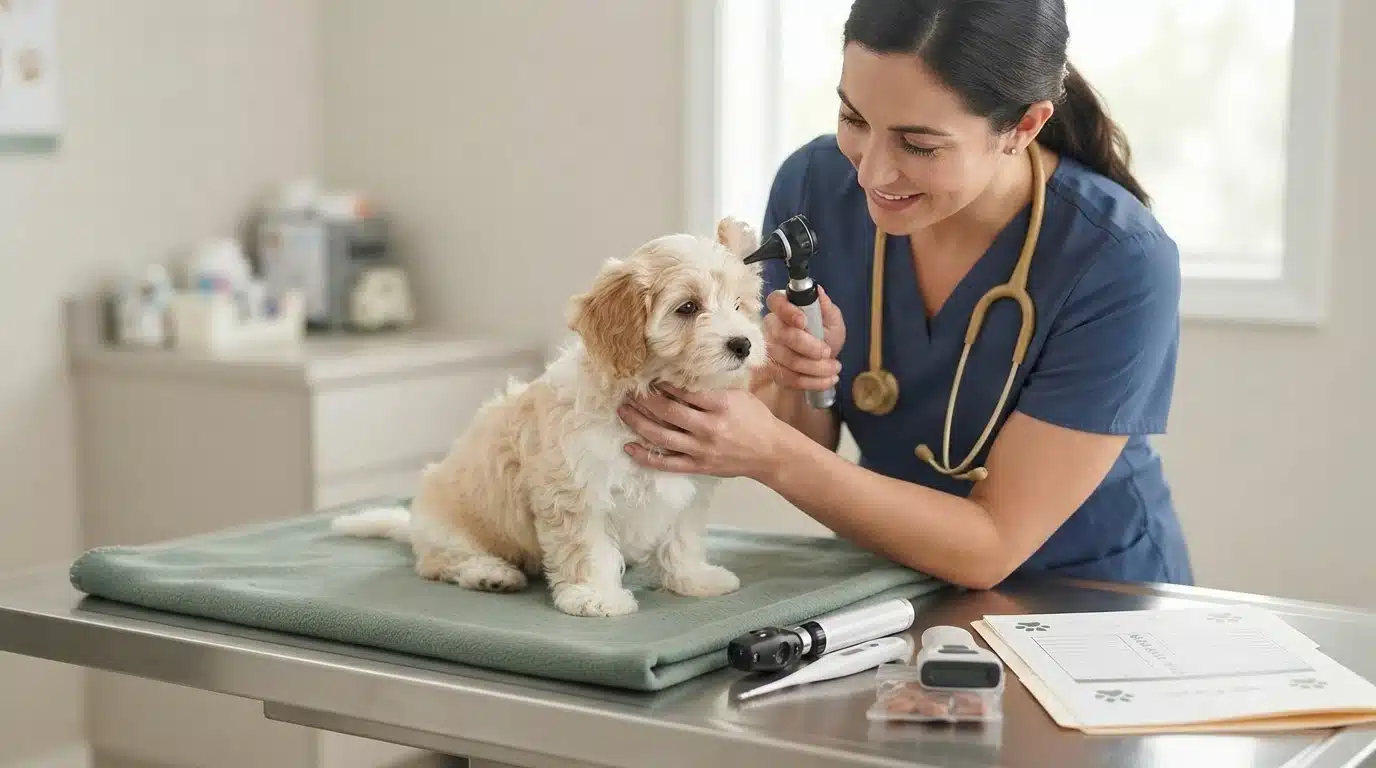
Most contracts start with two requirements. First, the breeder states the puppy was examined and is healthy at pickup, usually backed by a vet certificate and vaccine record. Second, you must take the puppy to your own vet within a short window, typically 48 to 72 hours. Miss that deadline and the guarantee may be void, so book the appointment before you bring the puppy home, not after. Sample contracts are explicit about this: the exam happens at your expense and within a set number of hours from arrival to validate the guarantee.
This window protects both sides. It confirms the puppy was healthy when it left the breeder and catches communicable issues early. Ask: “What exactly voids this clause, and does the clock start at pickup or delivery?”
Reading the Genetic and Hereditary Guarantee
The longer guarantee covers inherited conditions, and the fine print matters. Many contracts cover life-threatening genetic problems for one to two years. Look for three details: which conditions are named, what proof is required, and what remedy you get. Common remedies include a replacement puppy, a partial refund, or reimbursement of vet costs up to the purchase price.
Reasonableness check: a fair clause asks for a written vet diagnosis but should not require you to return the puppy or surrender treatment records. Ask: “Is reimbursement included, or only replacement?” Before signing, compare the clause against the puppy’s actual paperwork, like the Cavapoo health records worth checking.
Most Utah puppy contracts include a spay or neuter clause. It usually means you agree to sterilize your puppy by a set age, often 8 to 12 months, and send the breeder proof from your vet. Some contracts even delay registration papers until you do. That part is normal. What deserves a closer read is the timing itself.
Spay or Neuter Timing for Small Breeds
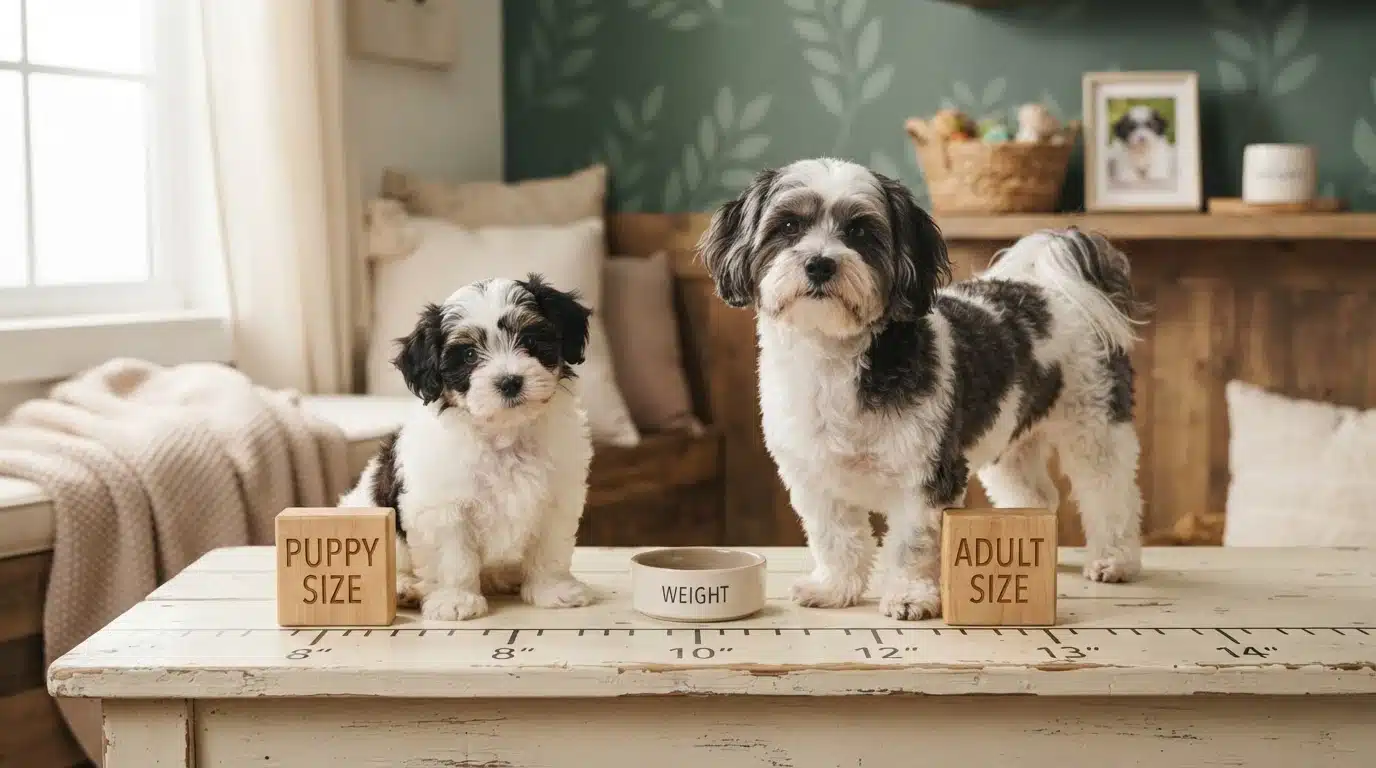
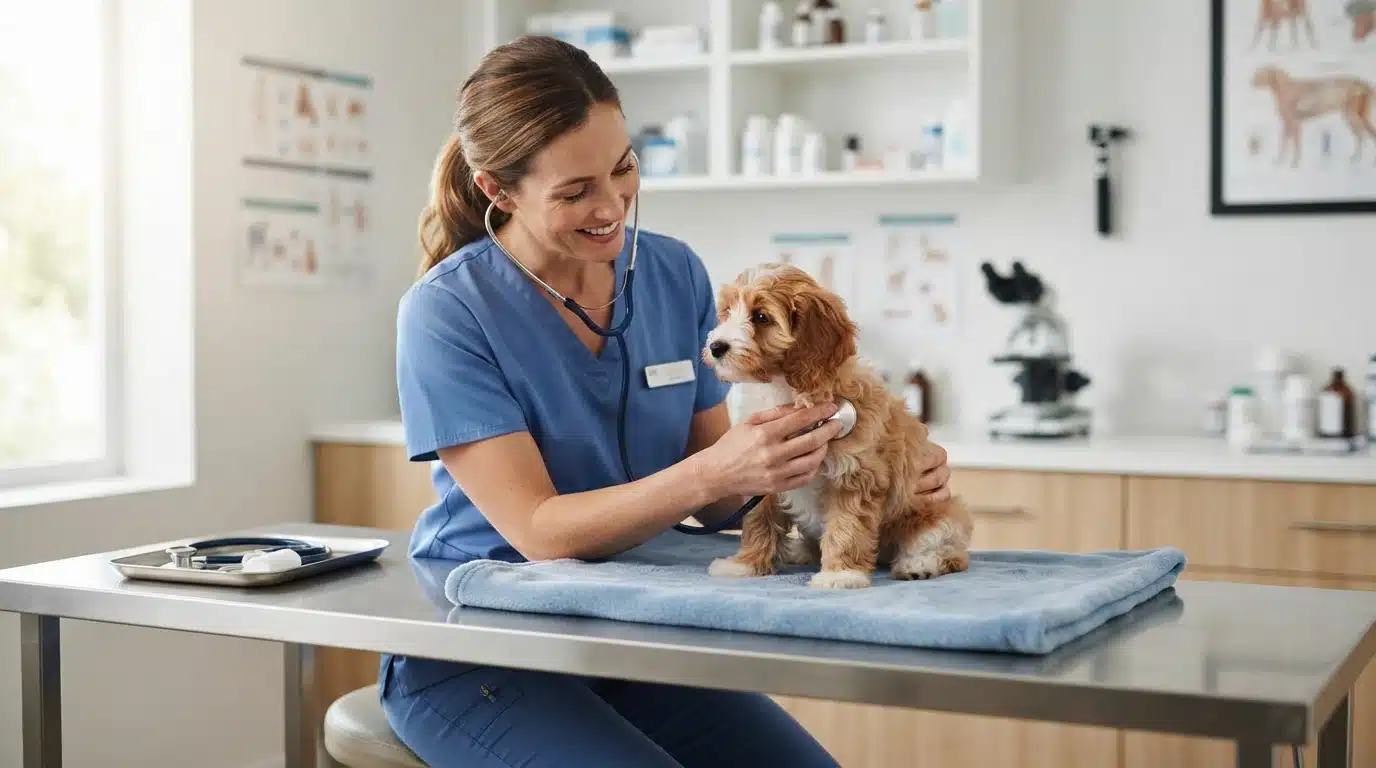
Small breeds like Havanese, Havapoos, and Cavapoos mature differently than large dogs. Many vets now suggest waiting closer to 12 months, sometimes longer, because early sterilization can affect joint and bone development in toy-sized dogs. If your contract says 6 months, ask your breeder why. A good breeder will accept a vet-approved date instead of a fixed one. Before you sign, ask: “Will you accept a written note from my vet confirming the timing is right for my puppy?” That one question keeps the clause flexible and safe.
Breeding Rights, Co-Ownership, and Guardianship
Most companion-puppy contracts state your dog is a pet, not breeding stock. Breeding rights, if offered at all, usually cost extra and come with added terms. Co-ownership means the breeder keeps a legal share of the dog, sometimes affecting where you board, travel, or show. Guardianship programs can be harder to read: the puppy lives with you, but the breeder keeps breeding access. Read those terms closely and ask what happens if you move or the program ends.
The Return-to-Breeder, First Refusal, and Surrender Clauses
Return-to-Breeder and First Right of Refusal
This clause says you cannot rehome, resell, or give away the dog without offering it back to the breeder first. If you ever need to part with your puppy, the breeder gets the first option to take it, often at the price you paid or at no charge. The goal is good: the breeder never wants one of their dogs to end up in a shelter. Most responsible breeders view first right of refusal as a safety net, not a way to take your pet from you.
Read it for scope. A fair clause triggers only if you choose to rehome. A vague one that lets the breeder reclaim the dog for any reason at any time goes too far, and contracts like that earn pushback from experienced owners.
Ask the breeder: “What situations trigger this clause, and does it ever apply if I keep the dog?”
Surrender, Rehoming, and Lifetime Support
Closely related is a lifetime take-back promise. The breeder agrees to accept the dog back at any age, for any reason, so you always have somewhere to turn. Some contracts require you to contact the breeder before surrendering to a rescue.
This clause is usually a green flag. It shows the breeder plans to stand behind every puppy they place. Check two details though. Ask whether the return comes with any refund, and who pays transport if you live far from the breeder’s location.
Ask the breeder: “If I return the dog in year five, what refund or costs should I expect?”
The Transport, Pickup, and Post-Pickup Clauses
Pickup, Ground Transport, and Flight Nanny Addenda
These clauses cover how the puppy reaches you: pickup at the breeder’s home, a ground courier, or a flight nanny who carries the puppy in the cabin. Read the addendum closely. It should state who pays travel costs, when payment is due, and who bears the risk while the puppy is in transit. Watch for vague lines like “transport arranged at breeder’s discretion” with no cost cap. Good contracts name the carrier, the route, and the handoff time, and they spell out what happens if a flight cancels. Many breeders, including small Utah programs, use flight nannies precisely because cabin travel is gentler on toy breeds than cargo, so ask which method the contract allows.
First-Days-at-Home Obligations
Some contracts add obligations for the puppy’s first week: a vet check within a set window, limited handling by strangers, no dog parks, and no public surfaces until vaccines finish. These clauses usually exist to protect the health guarantee, not to nag you. If you break one, the breeder may argue you voided your own coverage. Before signing, confirm the exact deadlines, what proof the breeder expects, and whether the rules pause during travel days. Then ask one direct question: “If my vet visit slips a day because of scheduling, does my guarantee survive?” Get the answer in writing.
The Clauses Worth Pushing Back On, and What to Ask Instead
Spotting Overreach Before You Sign
Most puppy contracts are fair, but a few clauses tilt too far toward the breeder. Watch for vague health guarantees that promise “healthy puppy” without naming what’s covered, spay or neuter deadlines of 6 months for a small breed, and clauses that let the breeder take the dog back without refunding your purchase price. Automatic forfeiture rules are another red flag. If a clause punishes you for ordinary life events, like a missed vaccine reminder email, that’s overreach. A good contract protects the puppy, not just the seller.
Questions to Ask Before You Sign or Walk Away
Bring these questions to the breeder before you sign:
- “Exactly what health conditions does this guarantee cover, and for how long?” You want named conditions and dates, not adjectives.
- “What happens if my vet finds a problem in the first 72 hours?” Ask whether you get a refund, a replacement, or both, and who pays return shipping.
- “Why is the spay or neuter deadline set where it is?” For toy breeds, 8 to 12 months is more common now than 6 months.
- “Under what circumstances would you take the dog back, and what do I get back?”
A breeder who answers plainly is worth keeping. One who dodges is worth leaving.

Want a second set of eyes on your contract before you sign? At Sage Puppies, Cassie walks every family through her own purchase terms clause by clause, so you know exactly what you’re agreeing to. Start with her application and ask questions early. Wisely Bred. Beautifully Loved.
Frequently Asked Questions
Q1: Key clauses in a Utah puppy buying contract
The clauses that matter most are identification, price and deposit, health guarantee, spay or neuter timing, and return-to-breeder terms. Since Utah has no puppy lemon law, these written terms plus the Uniform Commercial Code are your main protection.
Q2: Is a deposit refundable in Utah?
Only if the contract says so. Get every refund trigger in writing before you pay.
Q3: What vet check deadline should I expect?
Usually 48 to 72 hours after pickup. Miss it and the health guarantee may be void.
Q4: Are spay and neuter deadlines negotiable?
Often yes. Many breeders accept a vet-approved date instead of a fixed one.
Q5: Can a breeder take my dog back?
Only under clauses you signed, typically first right of refusal if you choose to rehome.
Conclusion
A Utah puppy buying contract is your main protection, because the state has no puppy lemon law. Read it for five things: exact puppy identification, a written price and deposit terms, a health guarantee with named conditions and deadlines, spay or neuter timing that fits a small breed, and fair return-to-breeder terms. Reasonable clauses protect both sides. Overreach looks like vague guarantees, 6-month sterilization deadlines, or rules that let a breeder reclaim a dog without refunding you. Ask one clear question about anything unclear, and get answers in writing before you sign. A breeder who welcomes those questions is telling you how they will treat you after pickup, too.