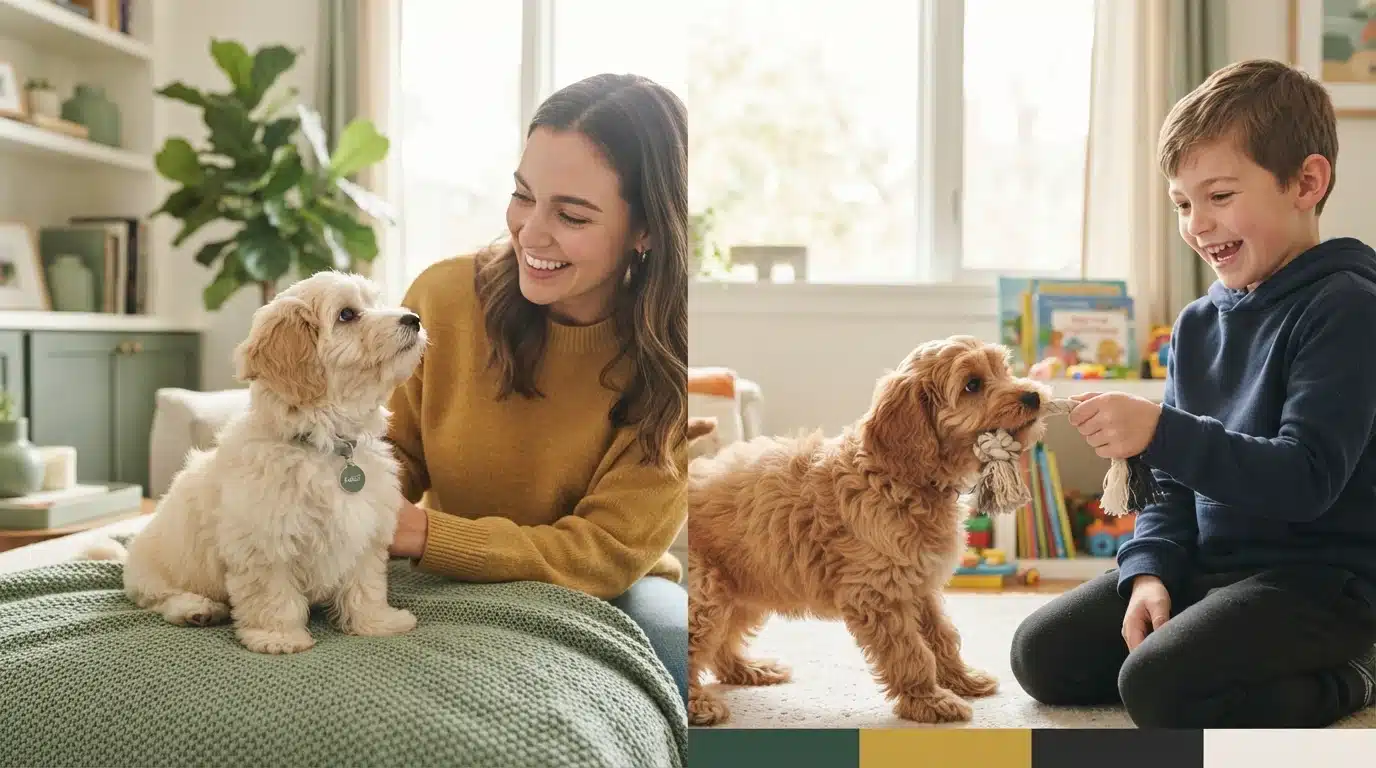
Quick Summary: Square footage matters less than usable floor space and routine: most dogs under 20 pounds settle fine in a 500 sq ft apartment if you divide it into rest, play, and potty zones and commit to two daily walks plus one indoor play session. Energy, barking, and time home matter more than size, so a Maltese or Bichon Frise can be a harder fit than a Havanese, Havapoo, or Cavapoo, which rank highest for small spaces with quiet, moderate energy. The three breeds Sage Puppies raises in South Jordan, Utah fit well in studios and one-bedrooms, though a Havanese needs company most of the day and both doodle mixes need training and exercise to stay settled. Buying also means checking parent breeds, health records, and first-year costs, roughly $3,500 to $4,500 plus another $1,800 to $3,500 in vet, food, gear, and training.
A 400-square-foot studio in Salt Lake City and a 400-square-foot one-bedroom in Denver show the same number on the lease, but they rarely offer the same usable floor space for a 12-pound Havanese to stretch out, walk, and settle after a long workday. That gap is the real challenge with apartment size guide dogs: square footage alone tells you little until you subtract the bed, the crate, and the potty spot. This small dog square footage guide gives you a simple way to measure what your dog actually gets, then compares ten dog breeds under 500 square feet, grouped by energy level rather than looks. Adult weights come from AKC breed standards, and layout guidance draws on Urban Land Institute micro-unit research. We raise Havanese, Havapoo, and Cavapoo puppies at Sage Puppies in South Jordan, Utah, so three of these breeds get extra detail on adult size, temperament, and apartment fit.
How Much Space Does a Small Dog Need, and What Counts as 500 Square Feet
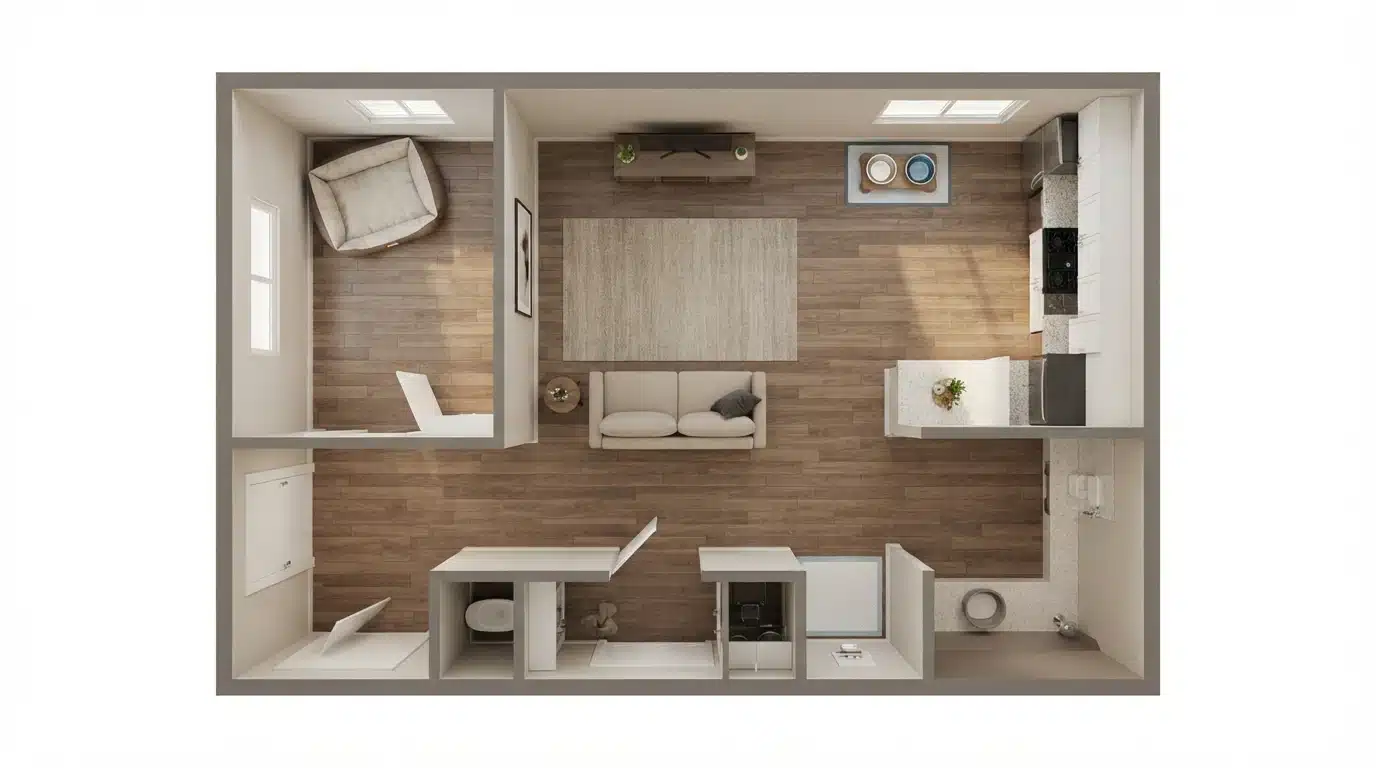
Most dogs under 20 pounds live comfortably in 500 square feet. What matters more than total area is how you divide it: a rest zone, a movement and play zone, and a toilet and feeding zone. Small dog square footage works less like a minimum and more like a floor plan.
- Rest: a crate or bed in a low-traffic corner, away from the entry door
- Movement and play: a clear runway of open floor, at least a few feet long, for fetch and zoomies
- Toilet and feeding: a potty pad spot or a route to the door, plus bowls that do not block walkways
Measuring the Space Your Dog Will Actually Use
Walk your apartment with a tape measure and count only open floor. Subtract the bed, sofa, desk, and anything your dog cannot cross. A 400-square-foot studio might measure 180 usable square feet, while a cluttered one-bedroom could offer less. Mark the runway with painter’s tape for a day. If your puppy can trot ten steps without turning sideways, the layout works.
Why 500 Square Feet Is Not a Universal Number
The AKC notes that low-energy breeds adapt well to smaller apartments, so the best apartment dogs are chosen by temperament first and size second. Two dogs of the same weight can need different amounts of room. A calm Havanese naps most of the afternoon; a young Havapoo wants two play sessions daily. Match energy, not just the number on your lease. That is exactly how we match puppies at Sage Puppies.
Indoor Floor Area and Outdoor Exercise Are Separate Problems
Small dog exercise without a yard is a daily commitment, not a bonus. A micro unit with a dog works when walks happen on schedule, morning and evening. Plan potty trips too, because potty training in an apartment depends on consistent timing during the first year.
What Small Dog Breeds Fit in a 500 Sq Ft Apartment
Direct answer first: any dog under about 20 pounds with a calm or moderate temperament fits a 500 square foot apartment. The ten breeds below all qualify, grouped by how much energy they bring through your door.
The Ten Breeds at a Glance
Use this table to match a breed’s weight and energy to your floor plan.
| Breed | Adult Weight | Energy Level | Barking Tendency | Space Fit |
|---|---|---|---|---|
| Havanese | 7-13 lbs | Moderate | Moderate | Excellent |
| Cavapoo | 9-25 lbs | Moderate | Low | Excellent |
| Havapoo | 8-20 lbs | Moderate | Low | Excellent |
| Cavalier King Charles Spaniel | 13-18 lbs | Moderate | Moderate | Very good |
| Shih Tzu | 9-16 lbs | Low | Moderate | Very good |
| Pug | 14-18 lbs | Low | Low-moderate | Very good |
| Maltese | 4-7 lbs | Low-moderate | High | Good |
| Japanese Chin | 7-11 lbs | Low | Low | Very good |
| French Bulldog | 16-28 lbs | Low | Moderate | Good |
| Bichon Frise | 12-18 lbs | Moderate | Moderate | Good |
Weights reflect AKC breed standards, and energy levels come from the same breed profiles. Dogs under 20 pounds live comfortably in 500 square feet as long as daily walks cover their exercise.
Low-Energy Companions That Settle Easily Indoors
Shih Tzus, Pugs, Japanese Chins, and French Bulldogs top the list for couch-friendly apartments. They nap most of the day and need only two short walks plus some play. Watch the flat-faced breeds, though: Pugs and French Bulldogs overheat fast, so keep summer outings brief and stick to cooler hours.
Mixed Breeds Built for Apartment Life
Havapoos and Cavapoos pair a poodle’s trainability with a small companion breed’s size, and both stay manageable in a studio. A Havapoo lands between 8 and 20 pounds as an adult, while a Cavapoo ranges from 9 to 25 pounds depending on whether the poodle parent was a toy or miniature. Havanese, the third breed Sage Puppies raises in South Jordan, Utah, thrive in small spaces too, since the breed was built for indoor companionship.
Small Breeds That Look Easy but Need More Than a Small Apartment
Small bodies do not guarantee easy neighbors. Maltese bark at every hallway sound, and untrained barking turns a shared-wall apartment stressful fast. Bichon Frises need steady grooming and company; leave one alone all day and you get chewing. The square footage matters less than matching a breed’s temperament to your schedule, your noise tolerance, and how much time you are actually home.
Energy, Barking, and Neighbor Tolerance in Multi-Unit Buildings
High-Drive Small Breeds Are the Real Apartment Challenge
Square footage is rarely the problem. Energy is. A Jack Russell Terrier or a miniature poodle can live happily in 400 square feet, but only if you run it hard twice a day. High-drive dog breeds under 500 square feet work fine for experienced owners and wear out everyone else. Match the dog’s energy rating to your actual schedule, not your best intentions.
Noise, Elevators, Stairs, and Shared Walls
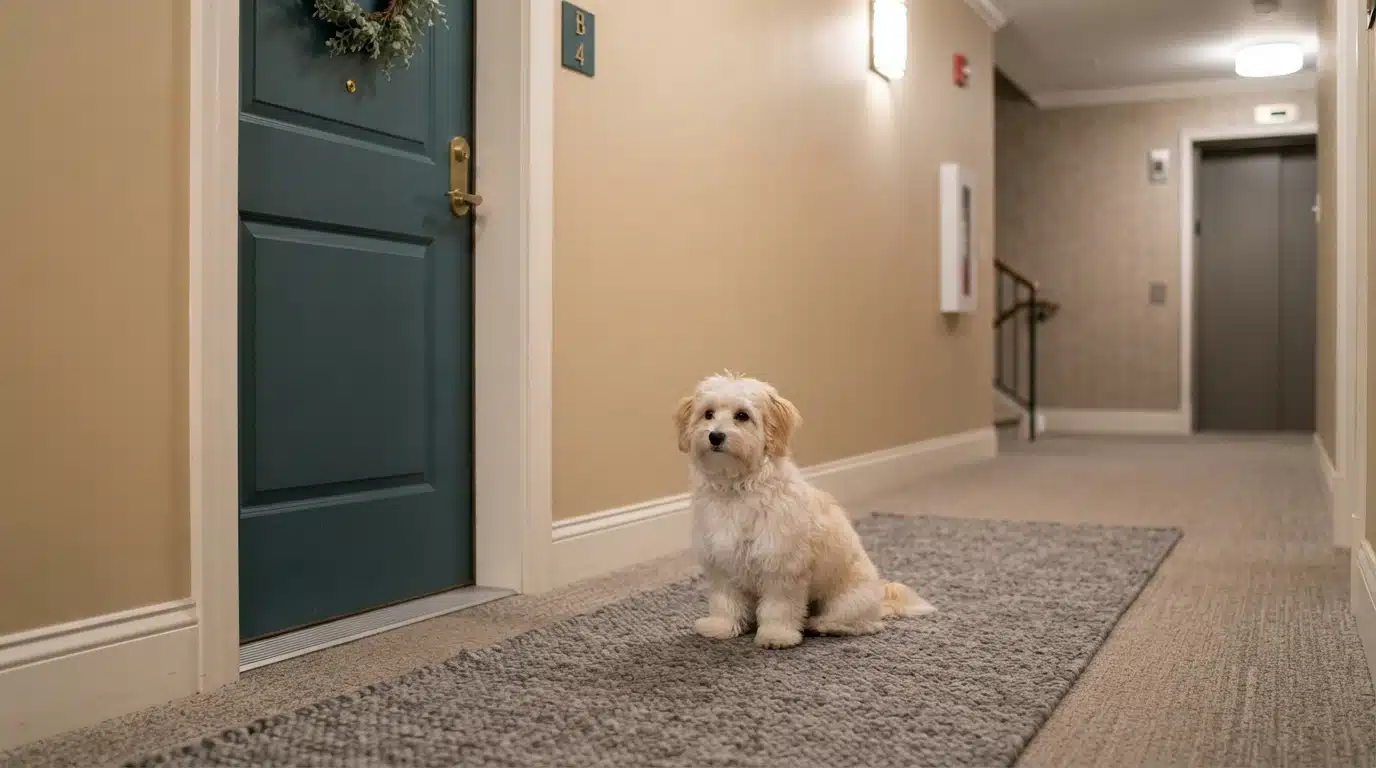
Walls are thin. Elevators are slow. Your neighbor hears every yap through the door. Some breeds bark at every sound in the hallway; Maltese are known for it. Others stay quiet, which matters more than size in a shared building. Stairs are easy for a small dog, but joints stay healthier with shorter, more frequent trips. Teaching quiet behavior early saves lease renewals later.
Substituting for the Yard You Do Not Have
Small dog exercise without a yard comes down to routine. Two 20-minute walks, one short indoor play session, and a puzzle feeder cover most companion breeds. Add a potty pad or a balcony patch for puppy training in bad weather. Breeds like the Cavapoo and Havanese settle for this schedule because they were bred to stay close to people, not to work fields alone.
Setting Up a 500 Square Foot Apartment for a Small Breed Puppy
Zoning a Very Small Floor Plan
Draw your layout before the puppy comes home. In a studio, three zones matter: a sleeping corner with a crate or bed away from the door, a feeding spot on hard flooring, and a play area with room to turn around. Keep each zone fixed from day one. Puppies settle faster when the same spot always means sleep, food, or play. For breeds like the Havanese and Havapoo, a corner of the living area works as a den. Good apartment living with a puppy starts with that consistency, not square footage.
Flooring, Bathroom Breaks, and Elevator Etiquette
Hard flooring beats carpet for potty training in an apartment. A washable rug or runner protects joints and cleans up after accidents. Pick one bathroom spot outside, ideally near grass but off the main sidewalk, and carry the puppy there after every nap, meal, and play session. In a building with elevators, hold small breeds in a sling or your arms until vaccinations finish, and teach calm waiting at the door. Skip the lobby rush hour; early morning is quieter.
Enrichment That Fits on a Small Floor Plan
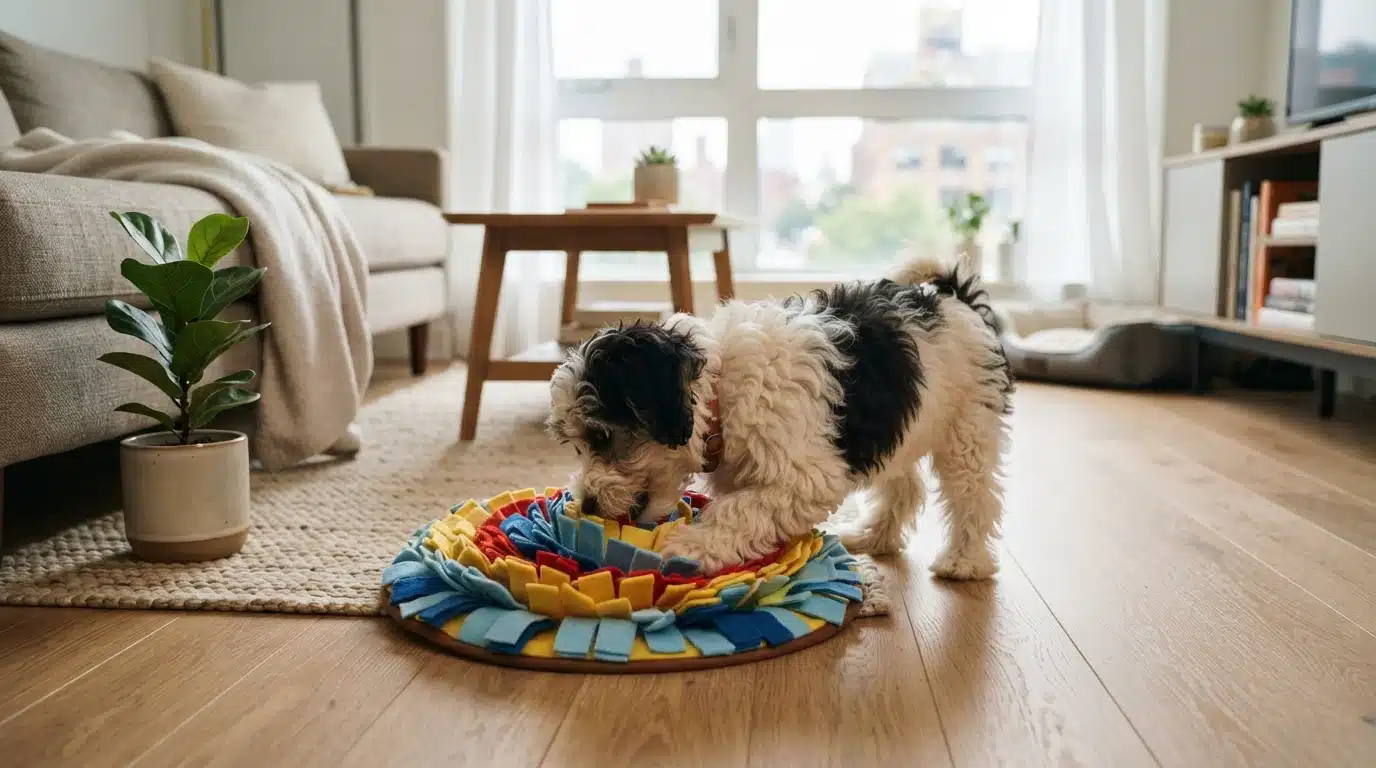
Small dog exercise without a yard comes down to rotation, not room size. Keep three or four toys out and swap them weekly so old ones feel new. A snuffle mat turns dinner into ten minutes of nose work. Short indoor fetch down a hallway, one puzzle feeder, and two 20-minute walks cover most breeds among the dog breeds under 500 square feet. When you bring a puppy home from a breeder, ask which toys and routines the litter already knows, since matching home habits eases the first weeks.
Havanese, Havapoo, and Cavapoo in Compact Homes
Is 500 square feet enough for a Havanese or Havapoo puppy? Yes. An AKC-listed Havanese reaches just 7 to 13 pounds as an adult, and a Havapoo lands between 8 and 20 pounds, so all three fit comfortably if you can commit to these three things:
- Two daily walks of about 20 minutes each
- One short indoor play or training session
- A consistent potty routine with a patch or nearby green space
Each breed brings a slightly different temperament to a small home, so the best match depends on the energy you want to live with.
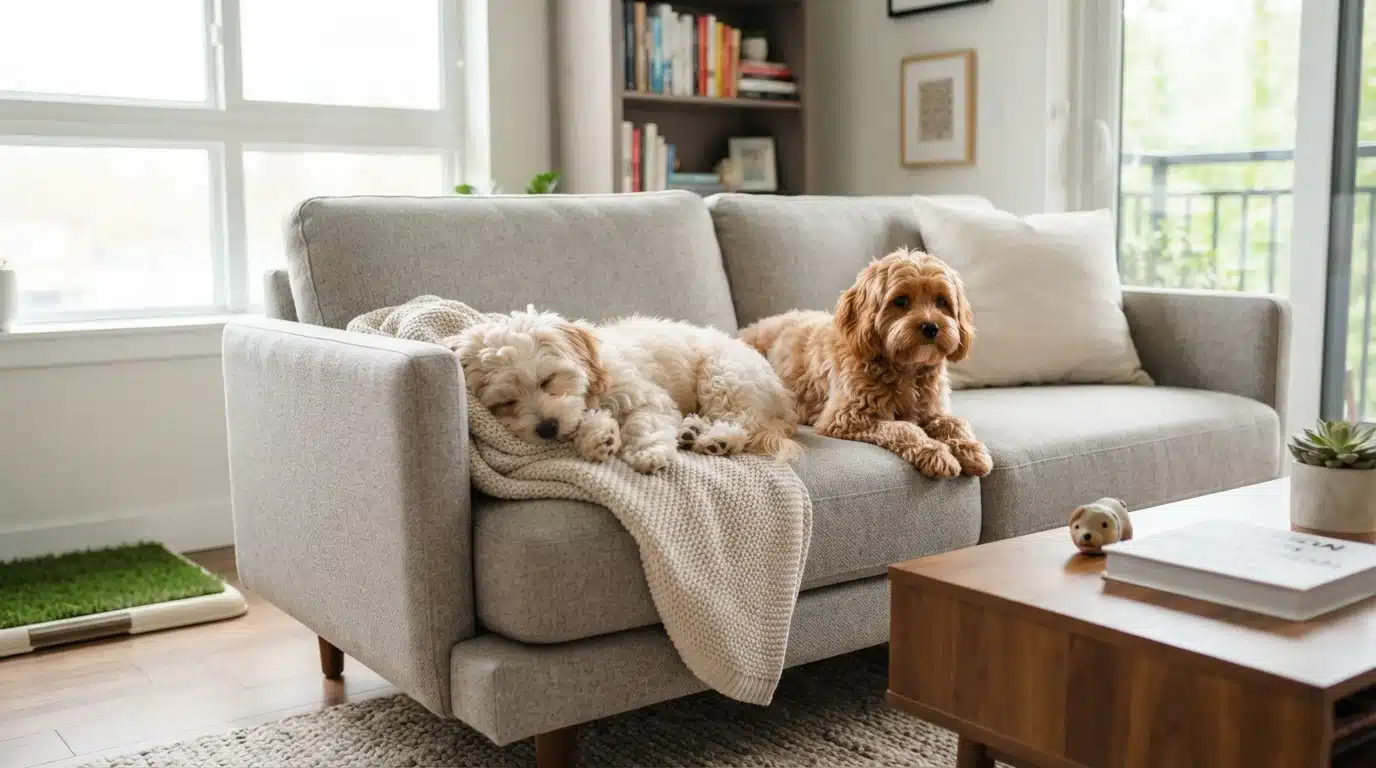
Compact, Adaptable, and Low-Shedding
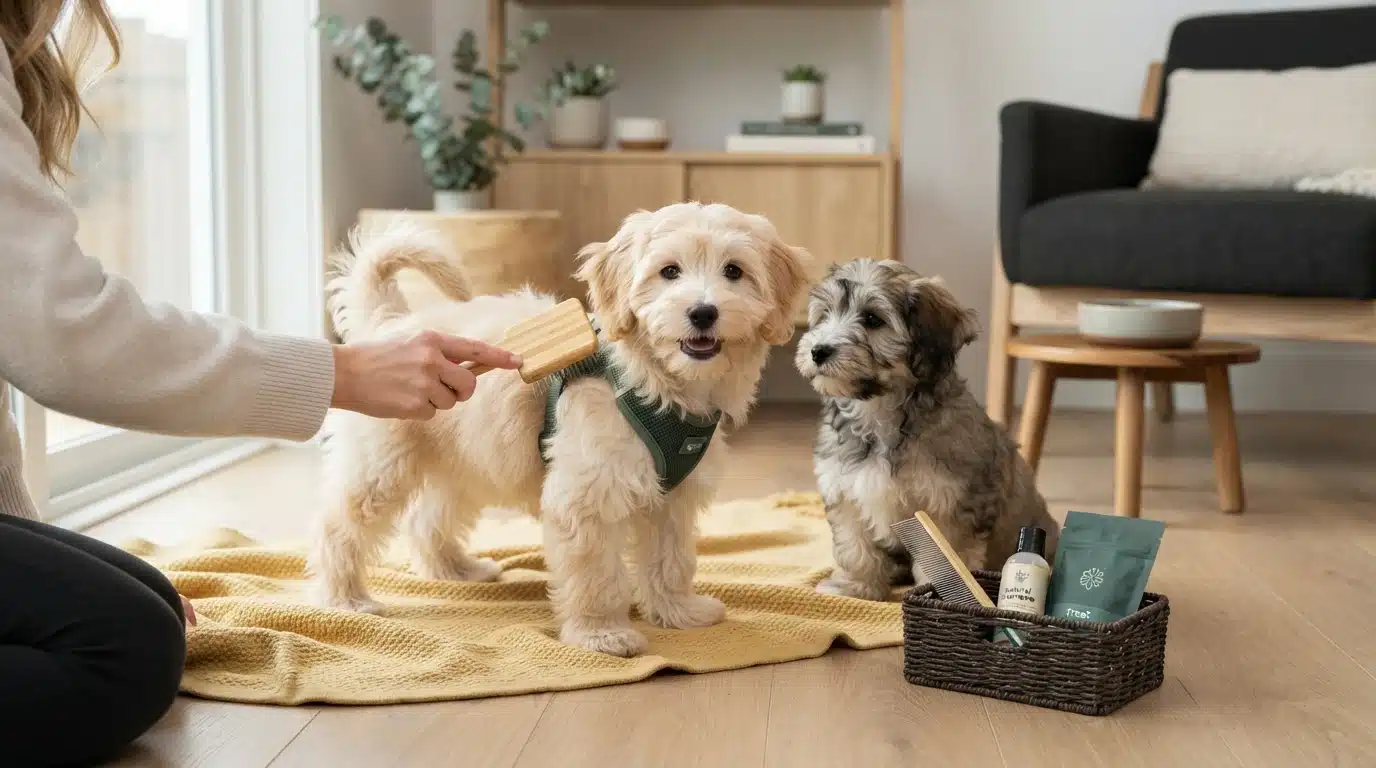
The Havanese is the smallest of the three, and the most at home indoors. Adults stay in the 7 to 13 pound range, which suits a studio where floor space gets shared with a bed and a desk. The coat sheds very little, though it needs regular brushing. The breed’s whole history sits close to people, so leaving it alone all day is the one real mismatch. If you work from home or nearby, a Havanese adapts to apartment living about as well as a small dog can.
Small Size With Retriever Temperament
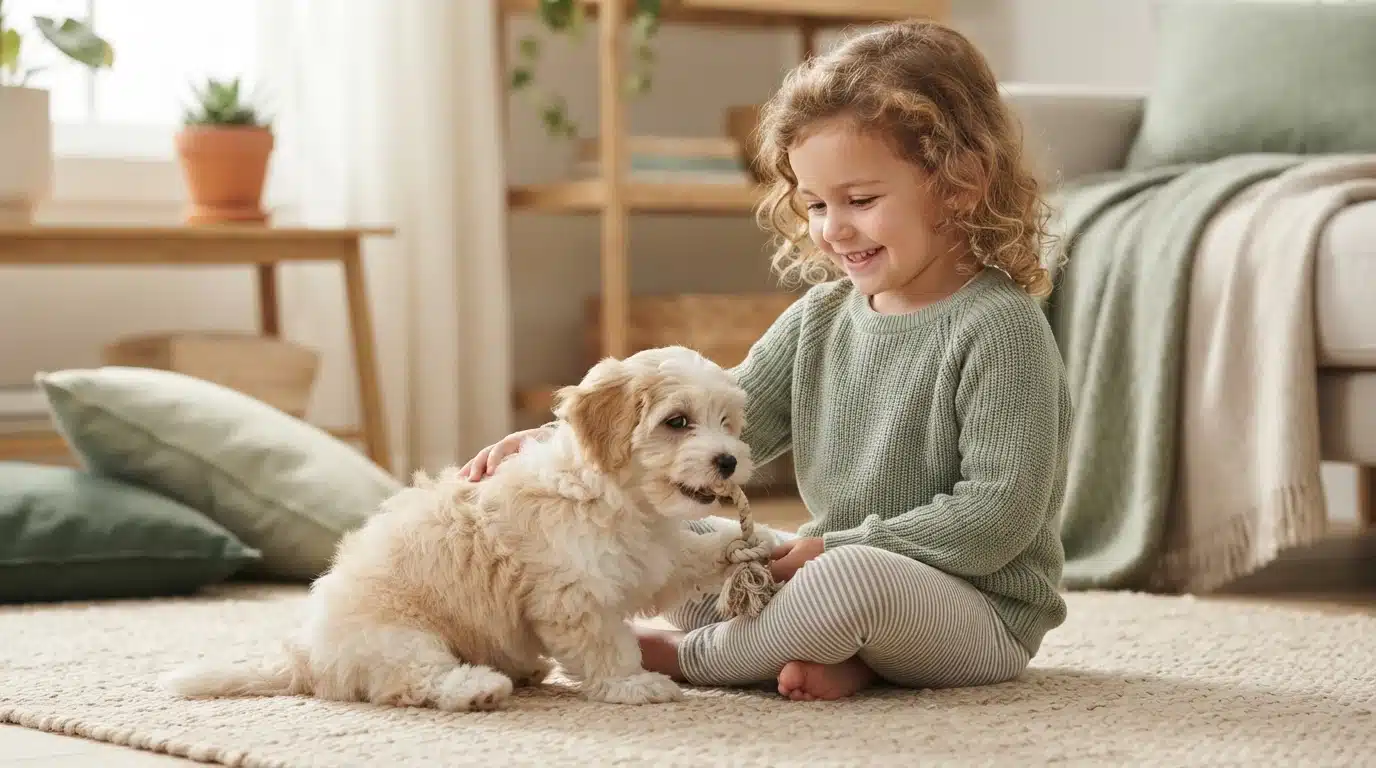
A Havapoo crosses the Havanese with a poodle, usually producing an adult between 8 and 20 pounds. The poodle side adds intelligence and a wavy, low-shedding coat. Temperament runs sociable and eager to please, which makes training in a small space simpler. Moderate energy means two walks and a play session cover the day.
Spaniel Energy in a Small Package
A Cavapoo pairs the Cavalier King Charles Spaniel with a poodle, ranging from 9 to 25 pounds depending on whether the poodle parent was toy or miniature. Expect a gentle, affectionate dog with a touch more sporting drive. Soft eyes and spaniel roots mean it notices people constantly, and it thrives on short bursts of fetch followed by long naps beside you.
Choosing a Small Breed Puppy: Ancestry, Health Records, and the Total Cost
What Ancestry and Health Records Should Show
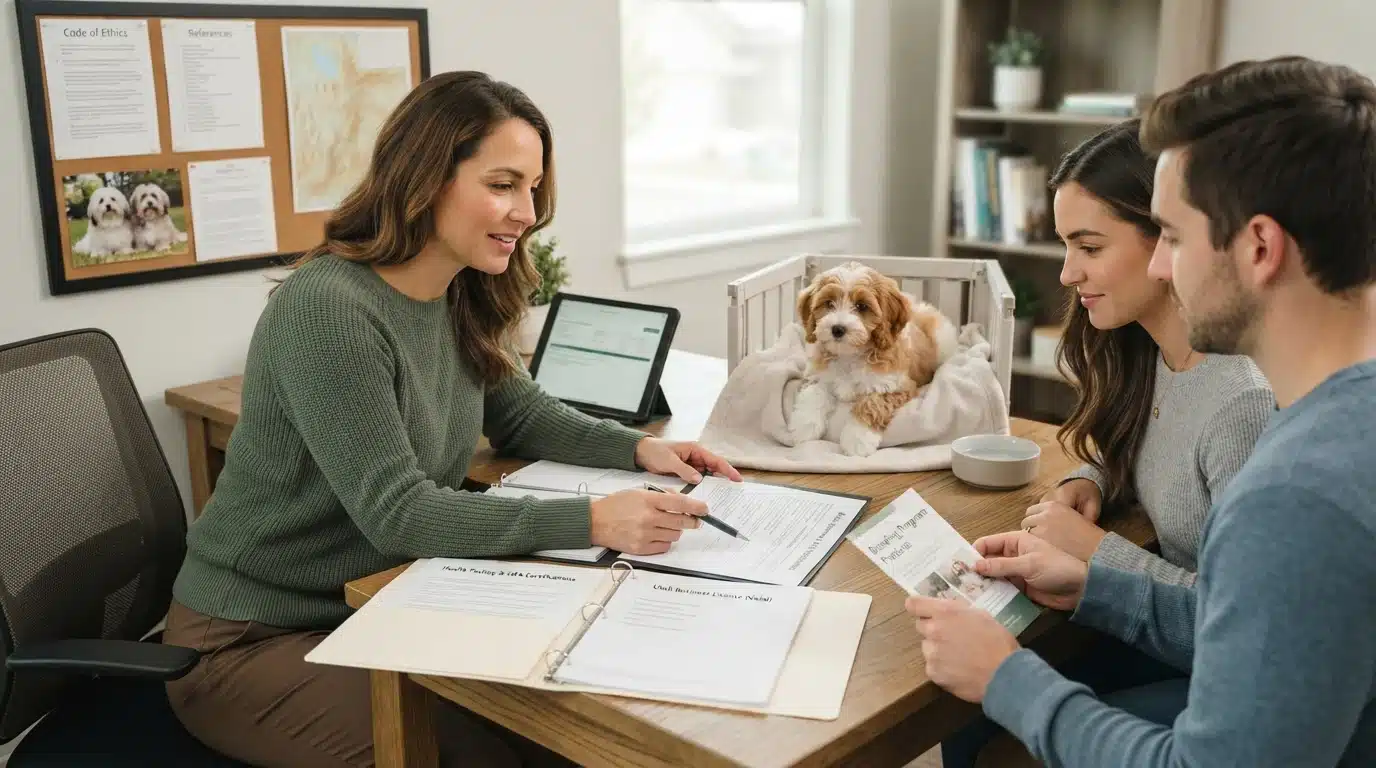
Ask to see both parents when you can, and ask for the parent breeds in writing. A Havanese should be pure Havanese, while a Havapoo or Cavapoo should name the poodle parent as toy or miniature, since that decides adult size. AKC breed standards list adult weights, so check your puppy’s expected range against them. Health records should show age-appropriate vaccines, deworming dates, and parent health tests, with USDA APHIS requiring licensed breeders to meet federal animal welfare and record rules. A breeder health records packet that hides nothing is the simplest trust test.
Questions to Ask Before You Reserve
Write your questions down before the call, because breeders who answer easily usually keep answering after you pay.
- Which parent is the poodle, and was it toy or miniature?
- Can I see parent health testing results?
- What vaccines and deworming has the puppy had so far?
- How does the application and matching process work?
- What happens if the puppy needs to be returned?
If answers arrive slowly or feel vague, treat that as data. For example, Sage Puppies uses an owner-managed application and matching process you can read through in full before you commit.
Budgeting the Full Cost of a Small Breed Puppy
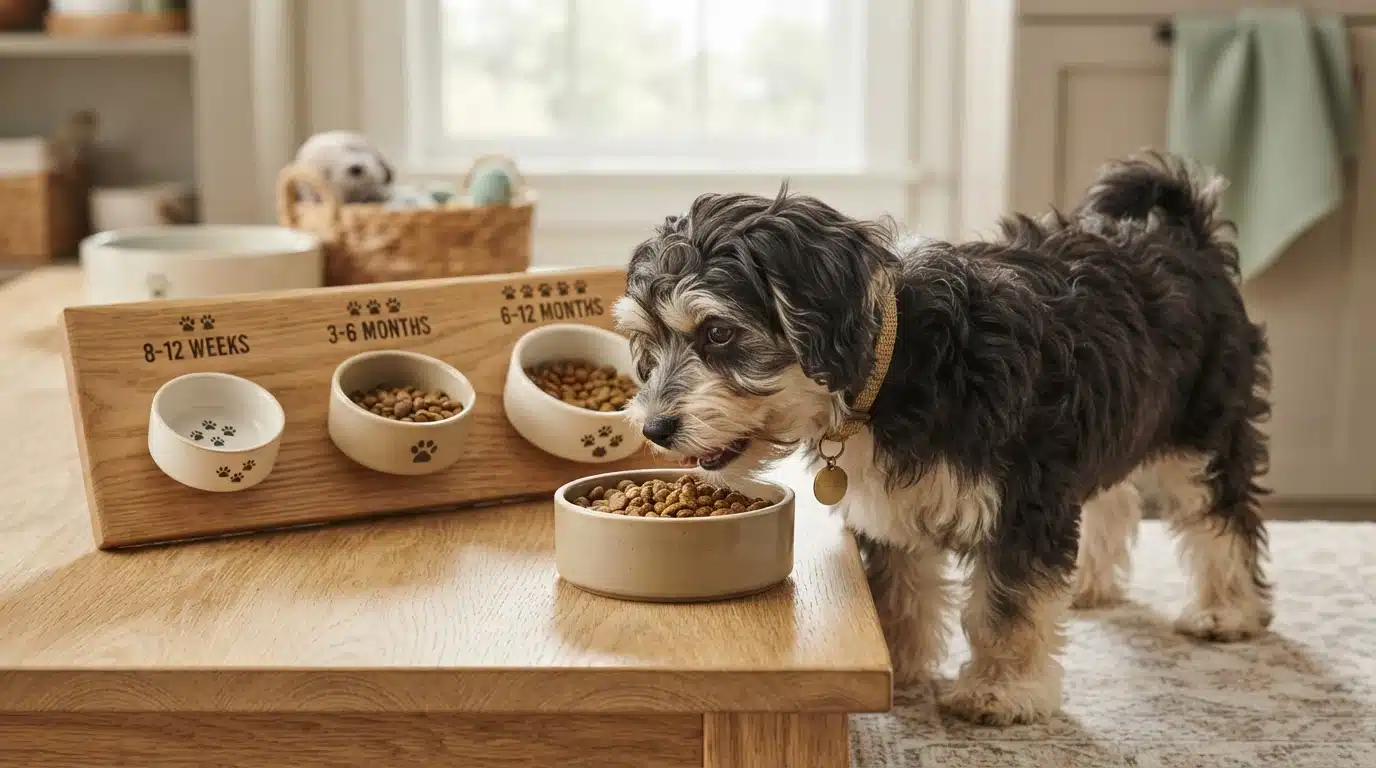
The puppy price is the start, not the total. Sage’s Havanese and doodle puppies run $3,500 to $4,500, and first-year costs add up around that again once you count vet visits, spay or neuter, food, gear, and training.
| Cost | First-year estimate |
|---|---|
| Purchase price | $3,500-$4,500 |
| Vet visits, shots, spay/neuter | $1,000-$2,000 |
| Gear, food, training | $800-$1,500 |
Label your own numbers as estimates and check the current pricing page before you budget, because prices shift and totals change with vet rates in your area.

If any of Sage’s three apartment-friendly breeds feels right for your space, see the Havanese, Havapoo and Cavapoo puppies currently available at Sage Puppies. You can ask questions, review health testing, and submit an application for pickup in Utah or delivery nationwide.
Frequently Asked Questions
Q1: What small dog breeds fit in a 500 sq ft apartment?
Any breed under about 20 pounds with a calm or moderate temperament works. That includes Havanese, Havapoo, Cavapoo, Cavalier King Charles Spaniel, Shih Tzu, Pug, Maltese, Japanese Chin, French Bulldog, and Bichon Frise, all covered in the table above.
Q2: Which small dogs are best for apartments under 500 square feet?
Havanese, Havapoos, and Cavapoos rank highest here, followed by Shih Tzus, Pugs, and Japanese Chins. They combine low barking, moderate energy, and comfort resting indoors, which matters more than raw size in shared buildings.
Q3: How much space does a small dog need in an apartment?
Count usable floor, not lease square footage. Subtract the bed, sofa, and crate from your total. Most dogs under 20 pounds settle well in 150 to 300 usable square feet, plus two daily walks for exercise.
Q4: Can a small dog be happy in a studio without a yard?
Yes, if walks happen on schedule. Two 20-minute walks, one indoor play session, a puzzle feeder, and a fixed potty spot cover most companion breeds, including the Havanese and both doodle mixes.
Q5: Which small breeds bark the least in apartments?
Cavapoos, Havapoos, Pugs, and Japanese Chins tend to stay quiet. Maltese bark at hallway sounds, so they suit buildings with thick walls and patient training more than thin-walled studios.
Q6: How do I potty train a puppy in an apartment?
Pick one outdoor bathroom spot and carry the puppy there after every nap, meal, and play session. Use a potty pad or balcony patch during bad weather, and keep the routine identical every day during the first year.
Conclusion
Square footage sets the stage, but layout, energy, and routine decide whether a small dog thrives in an apartment under 500 square feet. Measure usable floor, not the lease number. Match a breed’s temperament and barking tendency to your building and schedule before you fall for a face. Among the ten breeds covered, Havanese, Havapoos, and Cavapoos combine small adult size, moderate energy, and quiet indoor habits, which makes them the easiest fit for studios and one-bedrooms. Whatever breed you choose, ask for ancestry in writing, review health records, and budget for the first year, not just the purchase price. The right match feels calm in a small space from the first week.