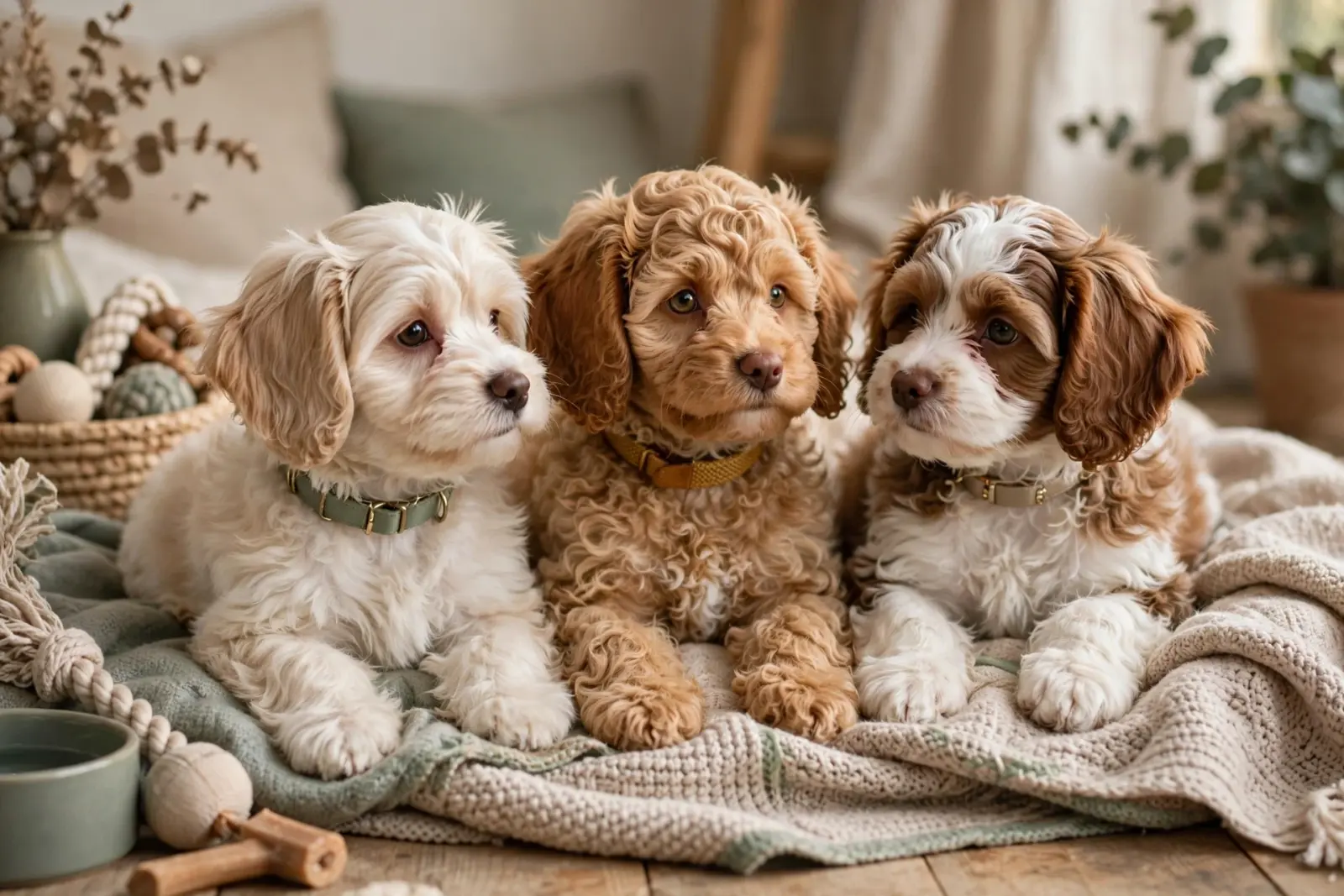
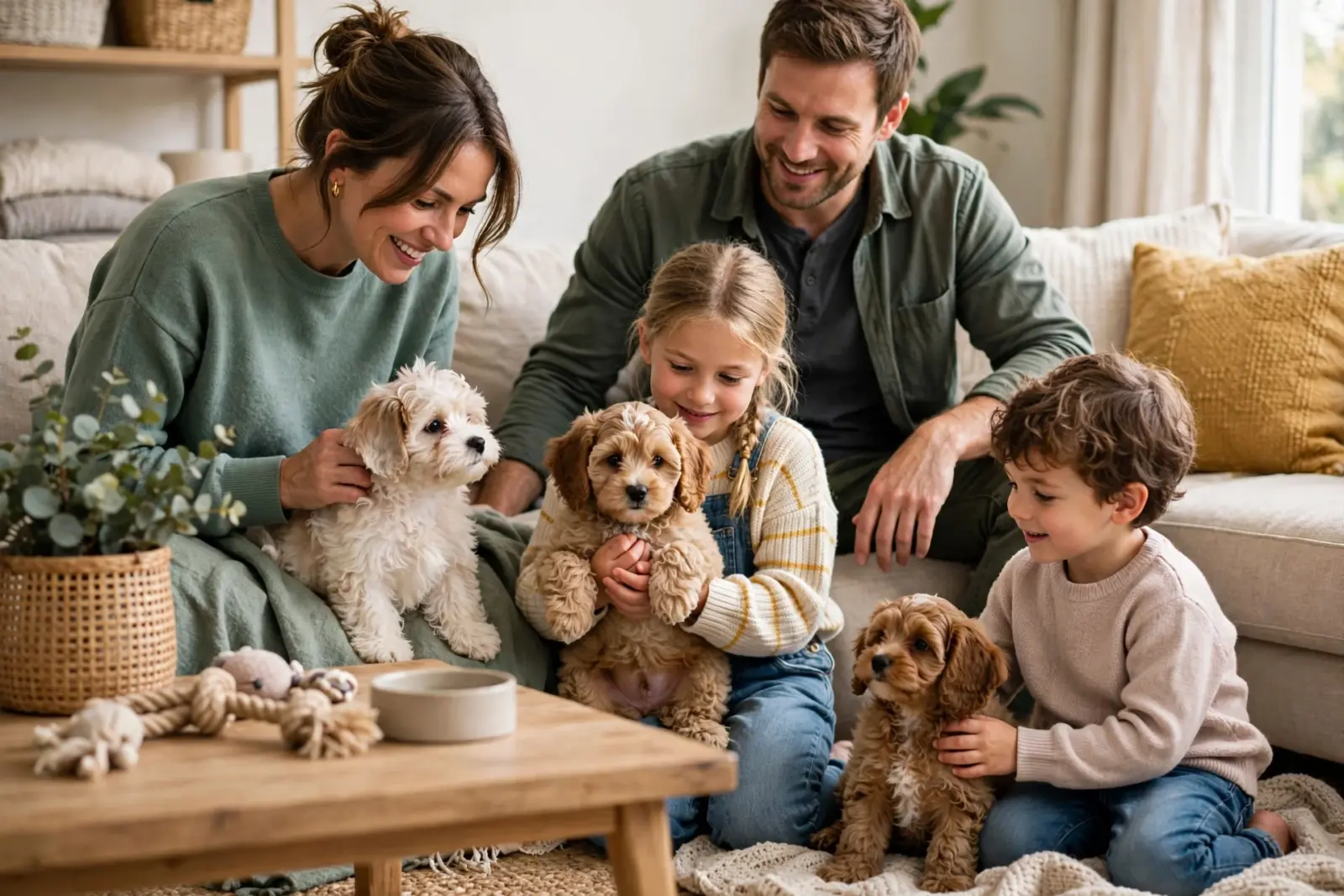
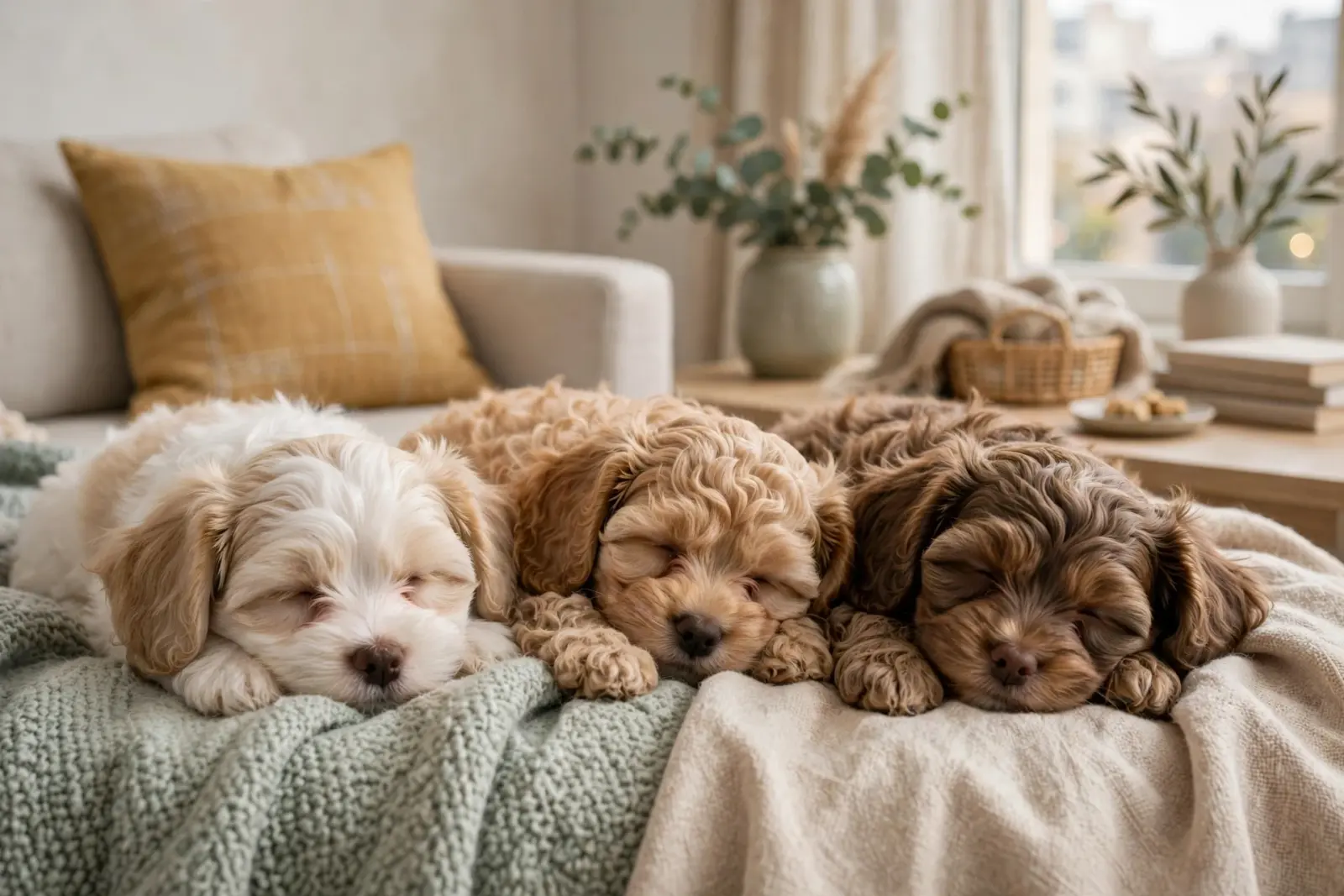
Quick Summary: Choose a small companion puppy by matching its energy, sociability, grooming needs, and tolerance for being alone to your household, not by breed name alone. Havanese are devoted and people-oriented, Havapoos combine warmth with a wider energy range, and Cavapoos tend to be social, playful, and family-friendly, though individual puppies vary. Sage Puppies raises these breeds in South Jordan, Utah, and recommends evaluating each puppy’s behavior, upbringing, and care needs before choosing.
Two puppies from the same litter, raised by the same breeder and sold with the same trait list, can still grow into very different dogs. One becomes a calm lap dog. The other turns into a pocket rocket. The gap usually comes from how small breed puppy temperaments interact with one specific household: its noise level, schedule, and patience for grooming and training.
That mismatch is the real problem. Buyers pick a breed off a generic list, then wonder why the puppy they brought home does not match the description.
This guide takes a different route. It explains how temperament actually develops, profiles three small companion breeds side by side, and gives you a framework for matching each breed’s tendencies to your home. Sage Puppies raises Havanese, Havapoo, and Cavapoo puppies in South Jordan, Utah, so the profiles reflect breeds we know closely.
Why Temperament Matters More Than Size for Small Breed Puppies
Two puppies can weigh the same ten pounds and act nothing alike. One settles on your lap while the other starts a game of fetch every hour. When families compare small breed puppy temperaments, daily life depends far more on disposition than on weight or height.
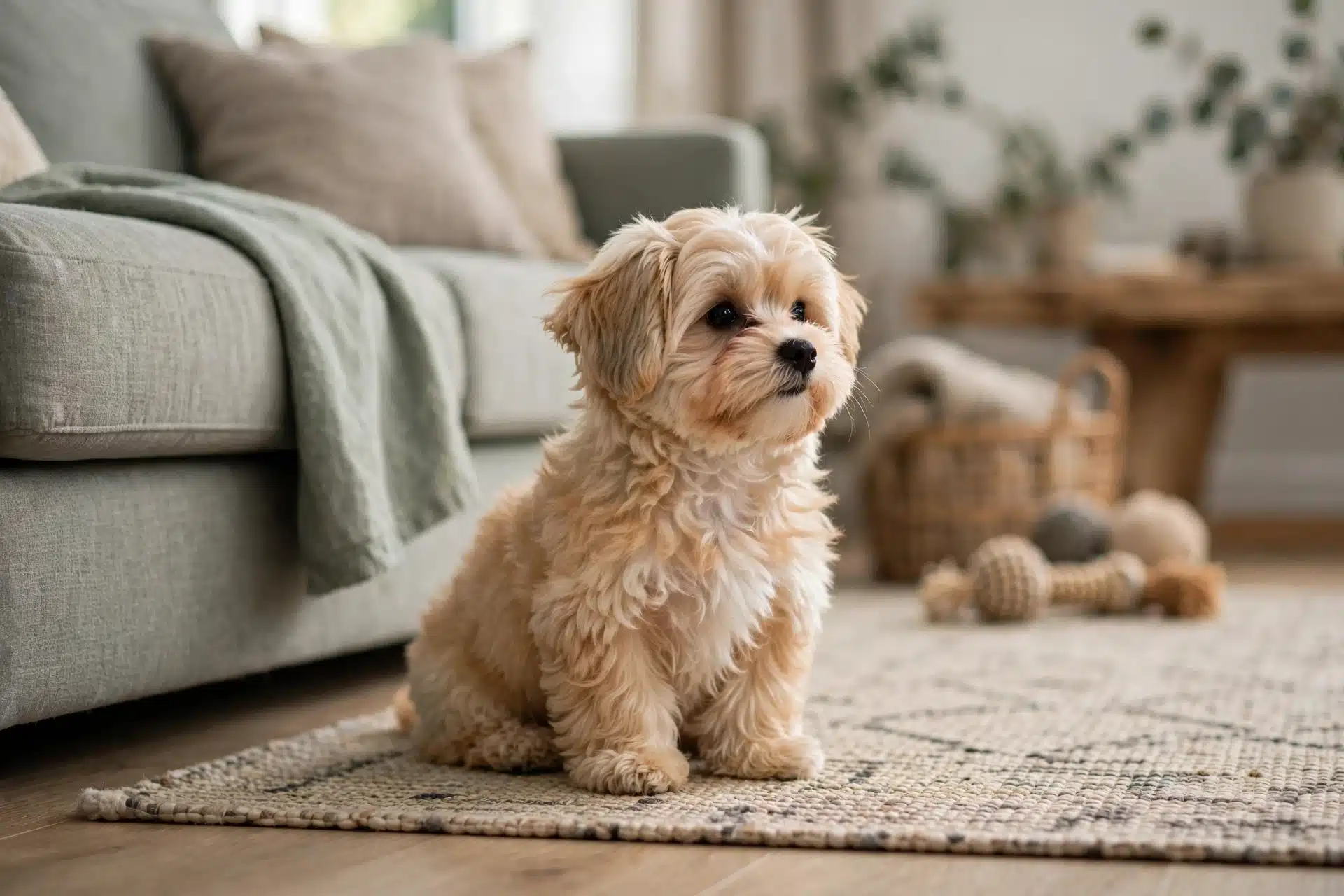
What Buyers Mean When They Say a Breed Has a Nice Temperament
“A nice temperament” usually means three things: the puppy bounces back quickly after a startle, enjoys meeting people, and tolerates handling without stiffening or snapping. Breeders look for confidence, sociability and resilience. Those traits run in family lines, so asking how the parent dogs behave around visitors tells you more than any photo does.
Energy Level, Not Size, Drives Daily Management
A calm nine-pound dog often fits an apartment better than a busy five-pound one. Energy level decides how much play, walking and mental stimulation you will schedule each day. So watch a puppy before you fall for its face. Sustained, busy exploration signals more daily work than short bursts followed by naps.
Small Dogs and Their Reputation for Barking and Alertness
Small dogs earn a noisy reputation because many were bred as watchdogs, so alerting to doorbells is instinct, not bad manners. Havanese lines tend to be vocal greeters, as described in this Havanese temperament guide. The good news is that alertness responds well to early training. A puppy taught calm door habits stays pleasant.
How Temperament Actually Develops in a Small Breed Puppy
A puppy’s temperament comes from three things working together: the genes it inherited, the experiences it has in its first weeks, and the home that raises it afterward. Knowing how each piece works helps you read a breeder’s claims with a clearer eye.
Genetics Set the Range, Not the Outcome
Genes load the dice. A Havanese bred for companionship will lean toward people-focused behavior, and a Cavapoo may tilt social and eager to please. But genes only set a range of likely outcomes, not a fixed personality. Two puppies from the same litter can land at very different points in that range. Treat breed temperament as a tendency to expect, not a promise. That is why good breeders watch each puppy as an individual and match it to the household, instead of selling the breed name alone.
Socialization and Habituation Between 3 and 8 Weeks
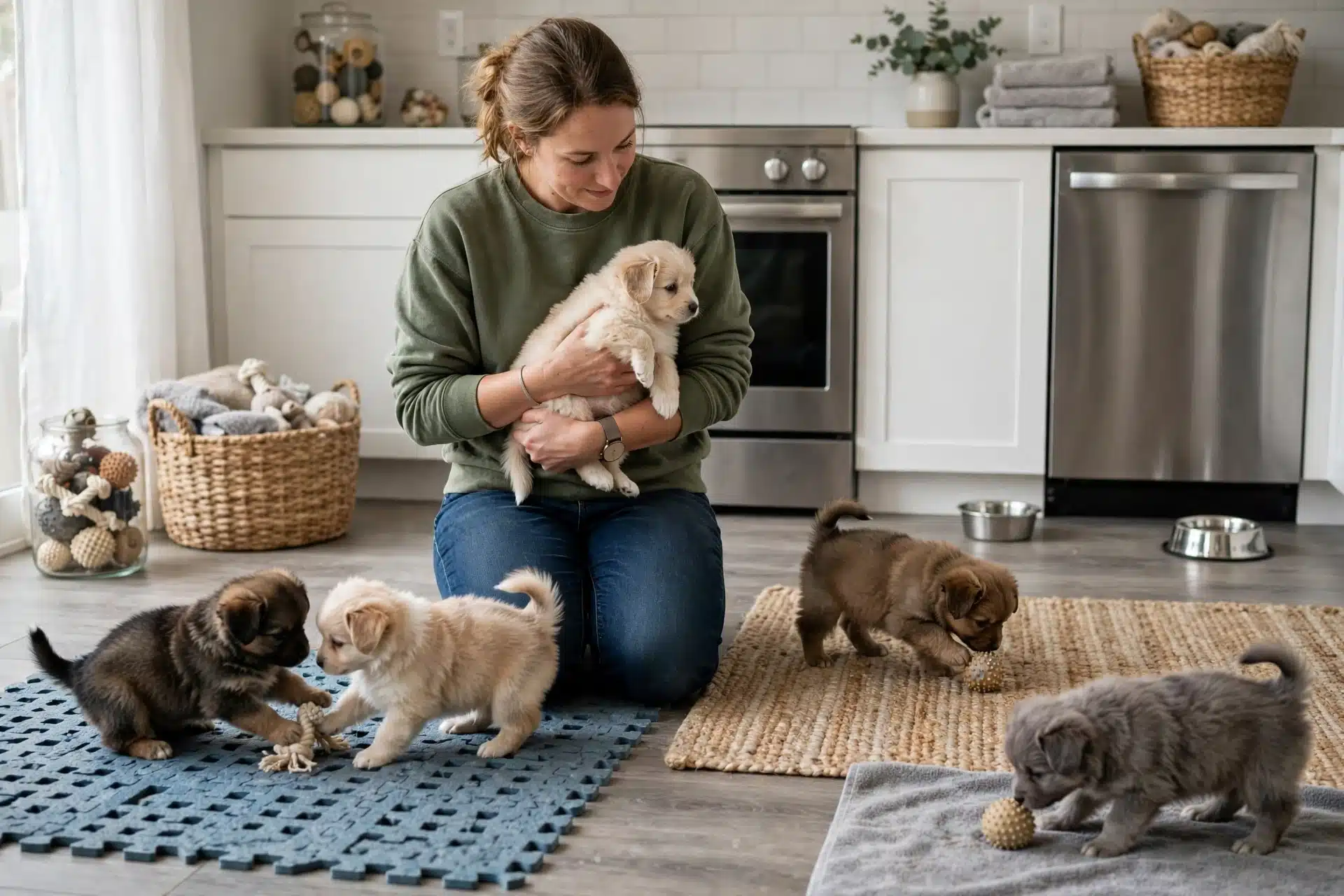
Between 3 and 8 weeks, puppies absorb the world at a pace they never repeat. Researchers call this the sensitive period for socialization, and studies show experiences in these weeks shape behavior well into adulthood (see this peer-reviewed review). Gentle handling, varied surfaces, household sounds and play with littermates teach a puppy that new things are safe. Puppies raised in a home live this daily. You can see how a family-raised start supports puppy socialization during exactly this window.
What a Home or Kennel Label Can and Cannot Tell You
“Home raised” tells you where a puppy lived, not what it learned. A kennel-raised puppy with daily handling can outperform a home-raised one that sat in a quiet back room. What matters is the program: was the puppy touched, held, exposed to normal household noise, and taught to cope with brief frustration? Ask for specifics. Good answers describe routines and handling schedules; weak ones lean on the label. The label is a clue, and the evidence behind it is the real answer.
Havanese Temperament: The Social, People-Oriented Companion
Havanese dogs are cheerful extroverts who want to be where you are. The AKC describes them as smart, trainable dogs with a clownish streak, and that mix shapes daily life with one.
Social Drive and Attachment to People
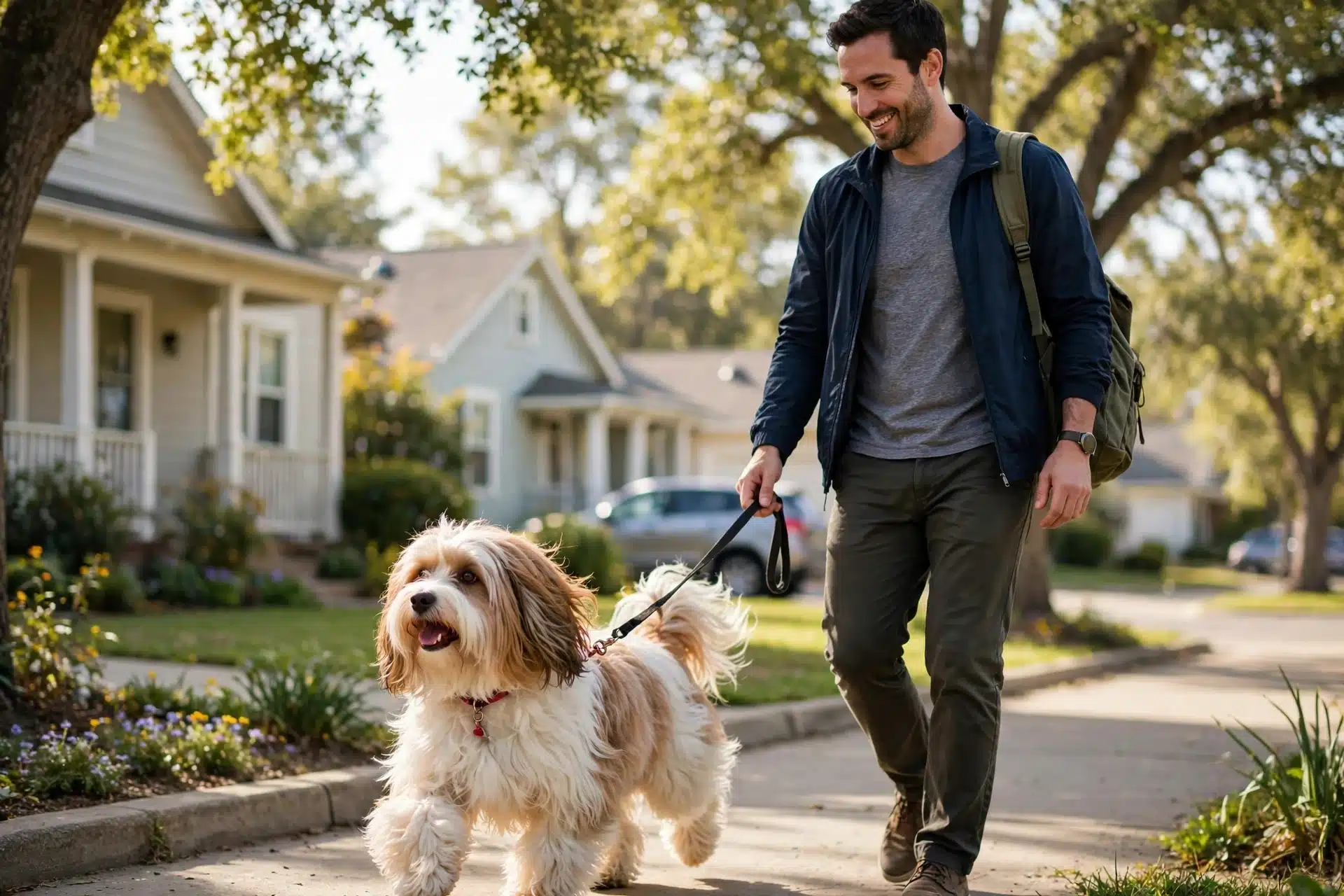
This breed bonds hard. Havanese follow their people from room to room, greet guests warmly, and often earn the nickname “velcro dog.” That closeness is the appeal for most families, but it cuts both ways: a Havanese left alone all day can grow anxious. They suit households where someone is usually home, or where a midday visitor breaks up the quiet.
Trainability and Responsiveness to Positive Reinforcement
Havanese learn fast and love to show off. They pick up tricks quickly and respond best to treats, praise, and short, playful sessions. Harsh corrections shut them down, because they are sensitive dogs. Their eagerness to please makes them a strong first-dog choice; their one stubborn streak is house training, which just takes patience and a steady routine.
Grooming Load and Low-Shedding Notes
The silky double coat sheds very little, but it does not care for itself. Plan on brushing several times a week and a trim every six to eight weeks, or a short “puppy cut” to cut the work down. We break the routine down by coat type in our Havanese grooming schedule. For a fuller picture, this coat care guide covers shedding and allergy facts.
Havapoo Temperament: A Blend With a Wide Behavioral Range
The Havapoo mixes the Havanese with the Poodle, so its temperament can lean either way. Both parents are friendly and smart, but each brings a different energy and need for company.
What the Havanese and Poodle Sides Contribute
The Havanese side adds warmth, a strong pull toward people, and a playful, gentle nature. The Poodle side contributes trainability, focus, and a bit more independence. Because litters vary, one Havapoo may act more like a velcro companion while a sibling acts more like a quick, busy thinker. Good breeders watch each puppy and match it to the household, which is how matching works in Sage Puppies’ program.
Energy, Play Drive, and Play Style
Most Havapoos land in the moderate energy range: bursts of play, then long naps. They love fetch, tug, and puzzle toys, and they learn games fast because both parent breeds are smart. Some pups inherit the Havanese’s silly, clownish streak, while others take after the Poodle’s more careful, problem-solving style. Plan on two short play or training sessions a day to keep them settled indoors.
Separation Sensitivity and Independence
This is the trait first-time owners should weigh most. Because both parents bond tightly to their people, Havapoos can struggle when left alone; PetMD notes that bored, lonely Havapoos are more likely to show separation anxiety. Embrace Pet Insurance agrees, citing the mix’s strong desire for company. Slow alone-time practice from puppyhood helps, but a home where someone is around most of the day fits this mix best.
Cavapoo Temperament: Social, Playful, and Sometimes Vocal
Cavapoos blend the Cavalier King Charles Spaniel’s easy warmth with the Poodle’s quick mind. The result is a small companion dog that greets people happily, learns fast, and wants company most of the day. That mix makes the breed a favorite with first-time owners.
The Cavalier and Poodle Influences
The Cavalier side contributes a sweet, people-focused nature and a calm “go with the flow” attitude. The Poodle side adds intelligence, sensitivity, and a love of games. Together they produce a dog that is both affectionate and quick to learn. Expect a puppy that watches you closely, picks up routines fast, and thrives on gentle, consistent training.
Sociability With Children and Other Pets
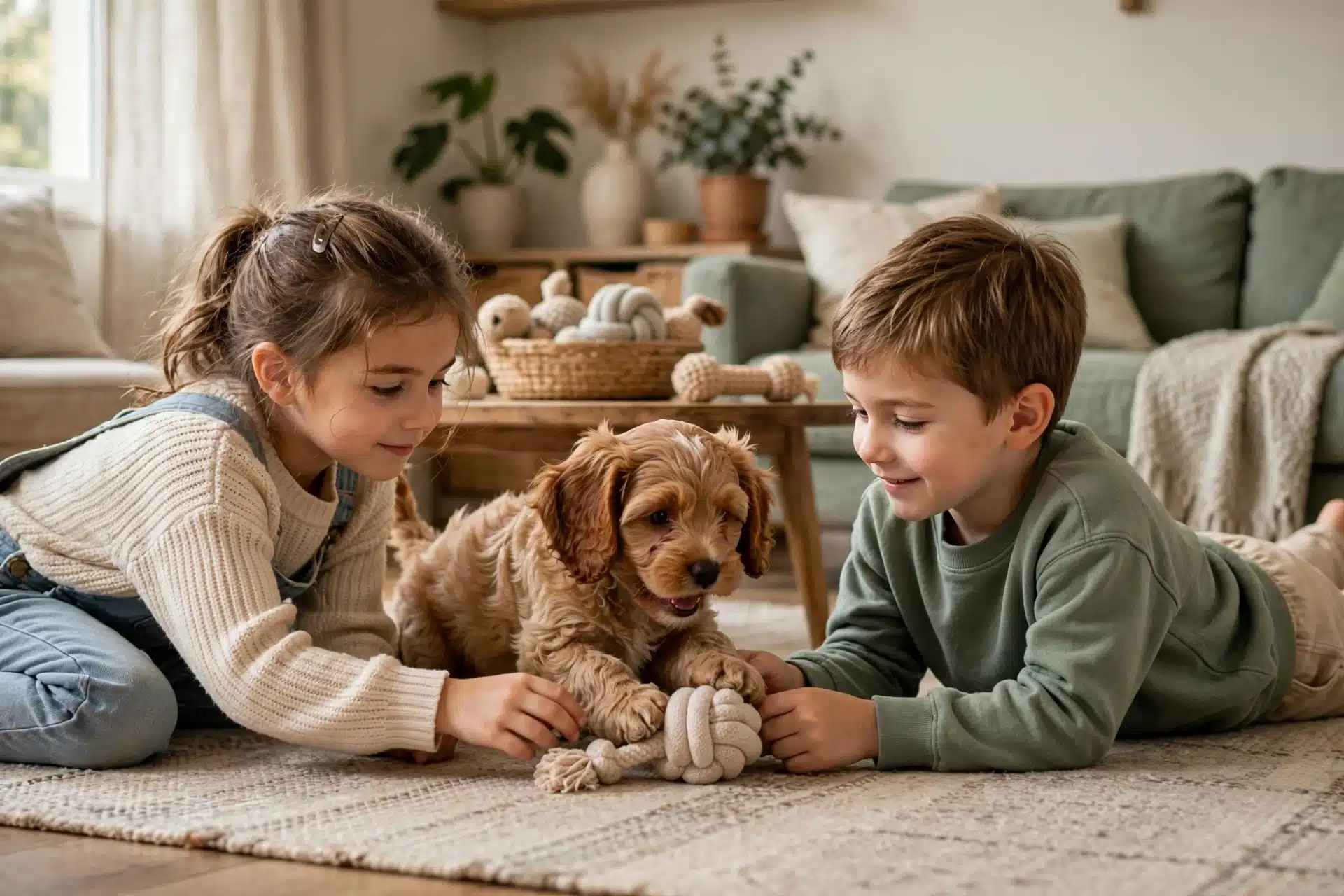
Most Cavapoos treat every person as a friend, which suits busy family homes. They usually get along well with respectful children and other dogs, and they tend to stay friendly when raised with plenty of attention. Because the breed bonds deeply, long days alone can lead to clinginess or worry. Households where someone is home much of the day fit this mix best.
Coat Variety, Barking, and Vocal Tendencies
Coats range from loose waves to tight curls, and grooming needs rise with curlier coats. Some Cavapoos also announce visitors or ask for attention with their voice. Barking responds well to training, so teach a quiet cue early. Cavapoos are known as playful family dogs rather than constant barkers, but individual puppies vary.
Matching a Small Breed Temperament to Your Home
The right breed is the one whose daily needs match how your household actually lives. Temperament matters more than coat color or size, because you will live with energy level, sociability, and alone-time tolerance every single day.
Start With Your Household’s Demand Profile
Write down three things before you compare breeds. First, how many hours a day the puppy will be alone. Second, how much noise, foot traffic, and activity your home carries. Third, who handles training and how much time they can give it. Havanese, Havapoos, and Cavapoos all sit in the companion-dog range, but they land differently on clinginess, play drive, and sensitivity. Honest answers here prevent most mismatches.
Apartment and Small-Home Households
Small companion breeds adapt well to apartment life because their exercise needs are modest. The Havanese in particular is described as adaptable and content in city apartments, with lower daily exercise demands than many breeds. What matters more than square footage is sound sensitivity and your walk routine. A Havapoo or Havanese in a small home thrives on two or three short walks plus play sessions, not a yard. Plan for potty training without immediate outdoor access, since elevator trips add patience to the first months.
Families With Young Children
Gentle, people-oriented temperaments matter most here. The Cavapoo’s people-focused nature makes it a strong family fit in homes with young children, according to Petful’s temperament guide. Whatever the breed, supervision is not optional. Teach children to sit on the floor, let the puppy come to them, and never grab or chase. A tolerant breed plus respectful handling is what actually keeps everyone safe, not a “kid-proof” label.
First-Time Owners and Busy Schedules
First-time owners do best with a biddable, food-motivated puppy, and all three breeds generally fit that description. The real constraint is schedule. No companion breed enjoys ten-hour days alone, so build in a midday break, a dog walker, or a neighbor visit. If your hours run long, an adult dog or a different season of life may serve you better than any puppy.
Choosing an Individual Puppy, Not Just a Breed
Breed gives you tendencies. The puppy in front of you gives you the truth. Two Cavapoos from the same litter can differ in energy, boldness, and how quickly they settle.
What to Observe Gently and What to Skip
Watch how a puppy responds to a calm stranger, a dropped toy, and being picked up. A quick recovery matters more than no reaction at all. Skip testing for submission by flipping puppies on their backs; that old trick tells you little and stresses them.
Questions Worth Asking About Parents and Litter
Ask about both parents’ temperament, not just health testing. Ask how the puppies were raised: household noise, handling, and car rides all shape them. Ask which puppy the breeder would place with a family like yours, and why.
Confirming the Match Before You Commit
Share your real routine: work hours, kids’ ages, other pets. A breeder who asks you questions back is a good sign. At Sage Puppies, matching starts with an application so the fit goes both ways. Then trust what you saw, because the right puppy usually feels obvious within a few minutes of meeting it.
Common Mistakes to Avoid When Choosing by Temperament
Guarantees, Labels, and the Word Hypoallergenic
Temperament labels and allergy promises can mislead you. No dog, purebred or mixed, is truly hypoallergenic, a point the AKC makes plainly. A “calm breed” label describes tendencies, not a promise about your individual puppy. Ask how a puppy was raised, not what a website guarantees. Spend time with the parents when you can, and treat every trait claim as a starting point.
Ignoring Grooming, Training, and Veterinary Load
Temperament fit fails when daily care costs overwhelm your household. A curly-coated Havapoo needs regular brushing and professional grooming, and small breeds often need patient house-training. Budget for routine vet visits, vaccines, and spay or neuter care before you fall for a face. A puppy that matches your energy but wrecks your schedule still becomes a mismatch. Plan the care load first, then choose the personality.

Now that you know which temperament fits your home, take the next step. Explore Sage Puppies’ Havanese, Havapoo, and Cavapoo litters at Sage Puppies, or start the application to get matched with a puppy raised wisely and loved well.
Frequently Asked Questions
Q1: How do I match a small breed temperament to my home?
List your daily alone hours, noise level, and training time first. Havanese and Cavapoos suit homes with company most of the day; a Havapoo’s fit depends on the individual puppy.
Q2: Which breed is best for a first-time owner?
All three work. Cavapoos and Havanese are especially forgiving because they’re biddable and food-motivated.
Q3: Can any of these breeds be left alone all day?
No. Each bonds tightly to people. Plan a midday break, walker, or neighbor visit for long days.
Q4: Which breed sheds least?
All three shed little, but none is truly hypoallergenic. Curlier coats need more grooming.
Q5: How early should training start?
The moment your puppy comes home. Short, playful, treat-based sessions work best for all three breeds.
Conclusion
The right small breed is the one whose temperament matches your real routine. Genes set a range, early socialization shapes where a puppy lands within it, and your household determines the rest. Havanese suit homes that want a devoted shadow. Havapoos blend warmth with a wider energy range. Cavapoos bring easy, playful friendliness that fits busy families. In all three cases, the individual puppy and the evidence behind how it was raised matter more than any breed label. Match the daily care load first, watch the puppy in front of you, and treat every trait claim as a tendency rather than a promise.