Quick Summary: Stop small-breed puppy biting with consistent, reward-based training: end play briefly when teeth hurt, redirect to an appropriate toy within a second, and praise gentle choices. Avoid yelling, pinning, or rough handling, since your reaction can make biting more exciting and teach the puppy that attention works. Most biting reflects teething, overstimulation, or tiredness rather than aggression, so manage triggers with short play sessions, regular naps, a calm routine, and the same rules for everyone in the household. Persistent biting with a stiff body, growl, limping, glazed eyes, or sudden behavior change warrants veterinary advice.
Your Havapoo puppy was fine for ten minutes of lap time. Then he turned and clamped down on your thumb hard enough to break the skin, and now that hand flinches every time you reach for him. Sound familiar?
Small breed puppies bite with sharp, needle-like teeth, and their jaws sit right at toddler hand height. That combination is why Havanese, Havapoo, and Cavapoo puppy bites feel worse than they look. The good news: you can stop puppy biting at home with a reward-based plan, no trainer required on day one.
This guide walks you through six steps of puppy biting control. You will teach puppy bite inhibition first, then replace mouthing with better choices. It comes from our experience raising small breed litters in South Jordan, Utah, and coaching families through the same weeks you are in now.
Step 1: Understand Why Small Breed Puppies Bite So Hard
Small breed puppies bite hard for four reasons, and none of them mean your puppy is aggressive:
- Sharp baby teeth designed for tearing food, not for gentle play
- Teething pain that chewing relieves between 3 and 6 months
- Excitement that spills out through the mouth during play
- A small, fast head that lands those needle teeth on hands and ankles more often
Learning why it happens is the first move if you want to stop puppy biting without yelling at a puppy who is just being a puppy. To stop puppy biting, match your response to the actual cause.
Teething Teeth and a Smaller Head
Puppies lose 28 baby teeth between about 12 weeks and 6 months, and new adult teeth push through sore gums. Chewing feels good, so your hands, sleeves and ankles become relief stations. Gum inflammation also makes any puppy mouthier than usual. Cold teething toys help, which is why most puppy advice suggests freezing them to soothe sore gums. The small breed twist: a compact skull means those teeth arrive at your skin with speed and surprise, so a graze feels worse than the same nip from a calm large puppy.
Arousal, Overstimulation and the Calm Small Breed Exception
Most hard biting happens when a puppy is wound up. Overarousal turns playful mouthing into frantic nipping, and a tired or overstimulated puppy has no off switch. Companionship breeds like the Havanese are known for a softer mouth than herding or sporting lines, so a Havapoo that bites hard is almost always overstimulated, not hardwired to bite. Watch the trigger: zoomies, rough play with kids, or a skipped nap. The differences between small and large breed puppies matter here, because small dogs get pulled into laps and face-level play that keeps arousal high.
Nipping and Biting Are Two Different Problems
Nipping is quick, painful contact during play or teething. Biting is sustained pressure, often with a stiff body or growl, and it signals fear or a need for professional help. Almost all 7 to 20 week old puppies nip. Almost none truly bite in the aggressive sense. You will treat each one differently, so figure out which one you are seeing before you correct anything.
Step 2: Teach Bite Inhibition With the Yelp and Time-Out Sequence
Puppy bite inhibition means your puppy learns to control how hard she bites, not just when. You teach it with a two-part response: give feedback the moment a bite lands too hard, then end the fun briefly. Used together, these teach a soft mouth faster than any chew spray.
The Two-Part Response: Mark It, Then Pause
Part 1: Yelp. The instant teeth press skin too hard, say a short, sharp “Ouch!” in a high voice. Then pull your hand away and go still for two or three seconds. Dogs understand this because littermates yelp the same way when play gets rough.
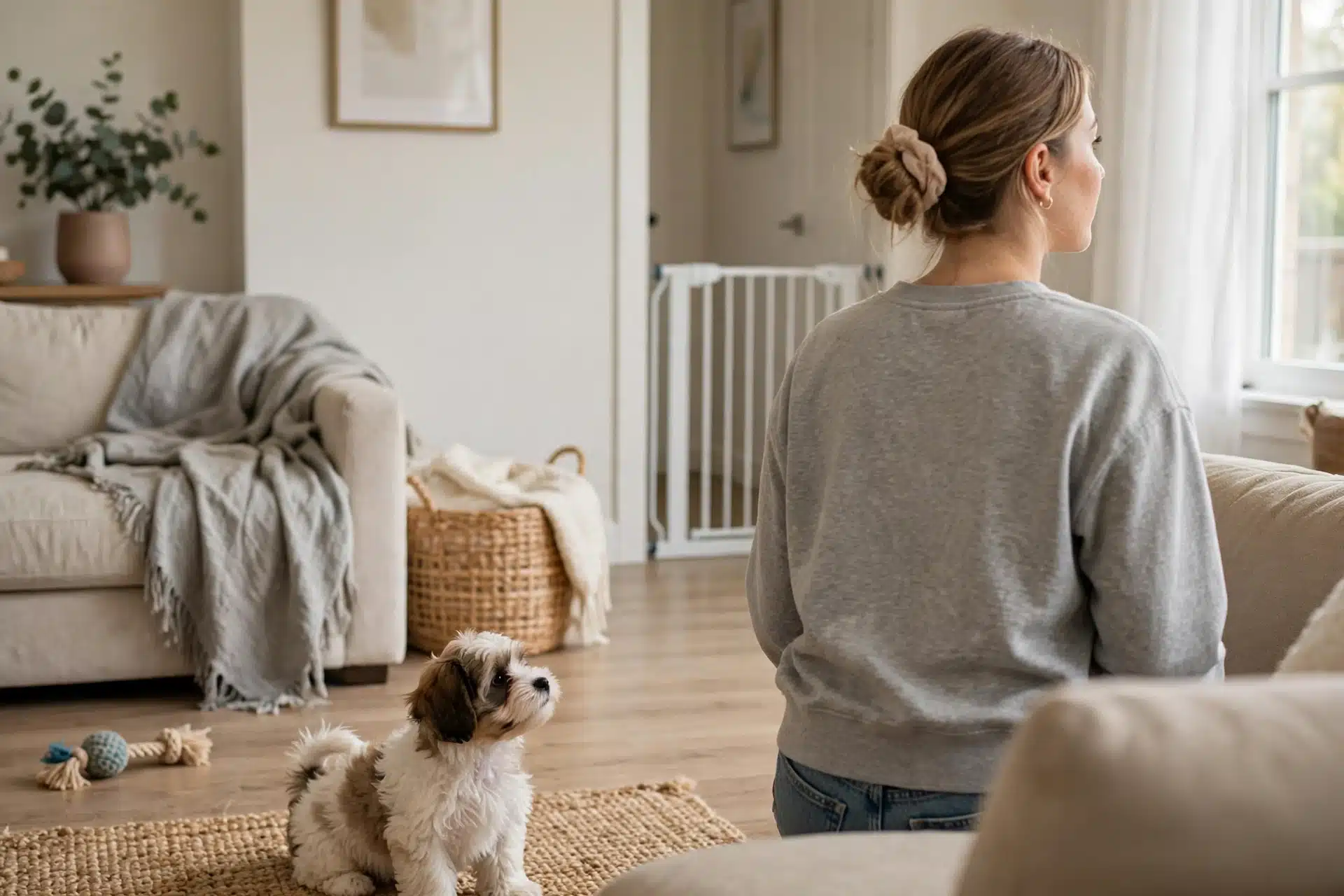
Part 2: Time-out. If she bites hard again within the same session, stop play completely. Calmly stand up, and step away or place her behind a baby gate for 30 to 60 seconds. No scolding, no eye contact. The lost fun is the lesson.
Resume play and repeat. Most puppies soften their bite within a week or two of steady practice.
How Hard Is Too Hard?
Set the bar higher as your puppy improves. At first, yelp for any bite that hurts. Once she mouths gently most of the time, yelp for medium pressure. When soft mouthing becomes the norm, ask for teeth-free play. Small breed mouths are tiny, but their needle teeth sit close to your skin, so a light bite on a Havanese feels worse than the same pressure on a Lab. This is why puppy biting control matters so much in small breeds, a difference covered in more detail in our small breed puppy guide.
When the Yelp Response Does Not Work
Some puppies get more excited by the yelp. If yours lunges harder after “Ouch,” skip it. Say nothing, stand up, and walk away instead. The silent exit still teaches the same lesson: hard teeth end everything. Keep time-outs to a minute so the point lands without confusion.
Step 3: Redirect to the Right Toy, Not Your Fingers
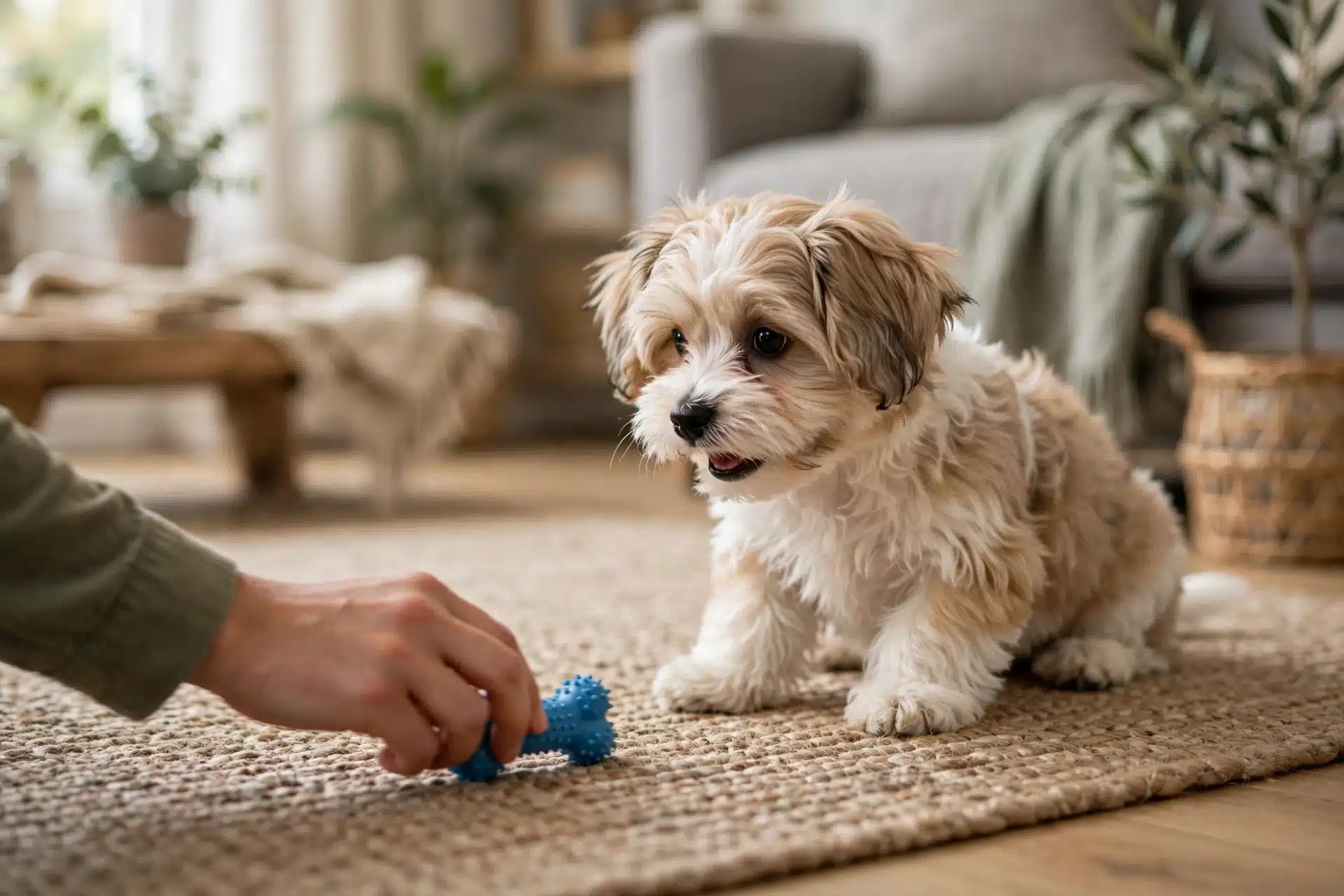
Redirecting is the fastest puppy biting control tool you have. When her teeth land on you, do this:
- Freeze your hand so moving fingers don’t turn it into prey.
- Say a calm “uh-oh” or nothing at all.
- Slide a toy into the space where your hand was.
- Let her chew, then mark it with a soft “yes.”
- Praise and keep the game going with the toy.
Done the same way every time, the swap teaches her that skin ends the fun but toys keep it going. That one lesson carries most of the work in this whole plan.
The Swap That Stops the Cycle
Keep a toy in every room your puppy plays in, and one in your pocket. Speed matters: the toy needs to arrive within a second of the nip, or she won’t connect the two events. Wave it, wiggle it, make it the most interesting thing in the room.
If she comes back for your hands, stand up and step away for your 30 to 60 second pause from Step 2, then try the swap again. Two or three rounds is a normal session. Progress shows up as shorter nips, softer mouths, and faster toy grabs, not as a puppy who never tries.
Choosing Toys a Small Breed Puppy Can Actually Use
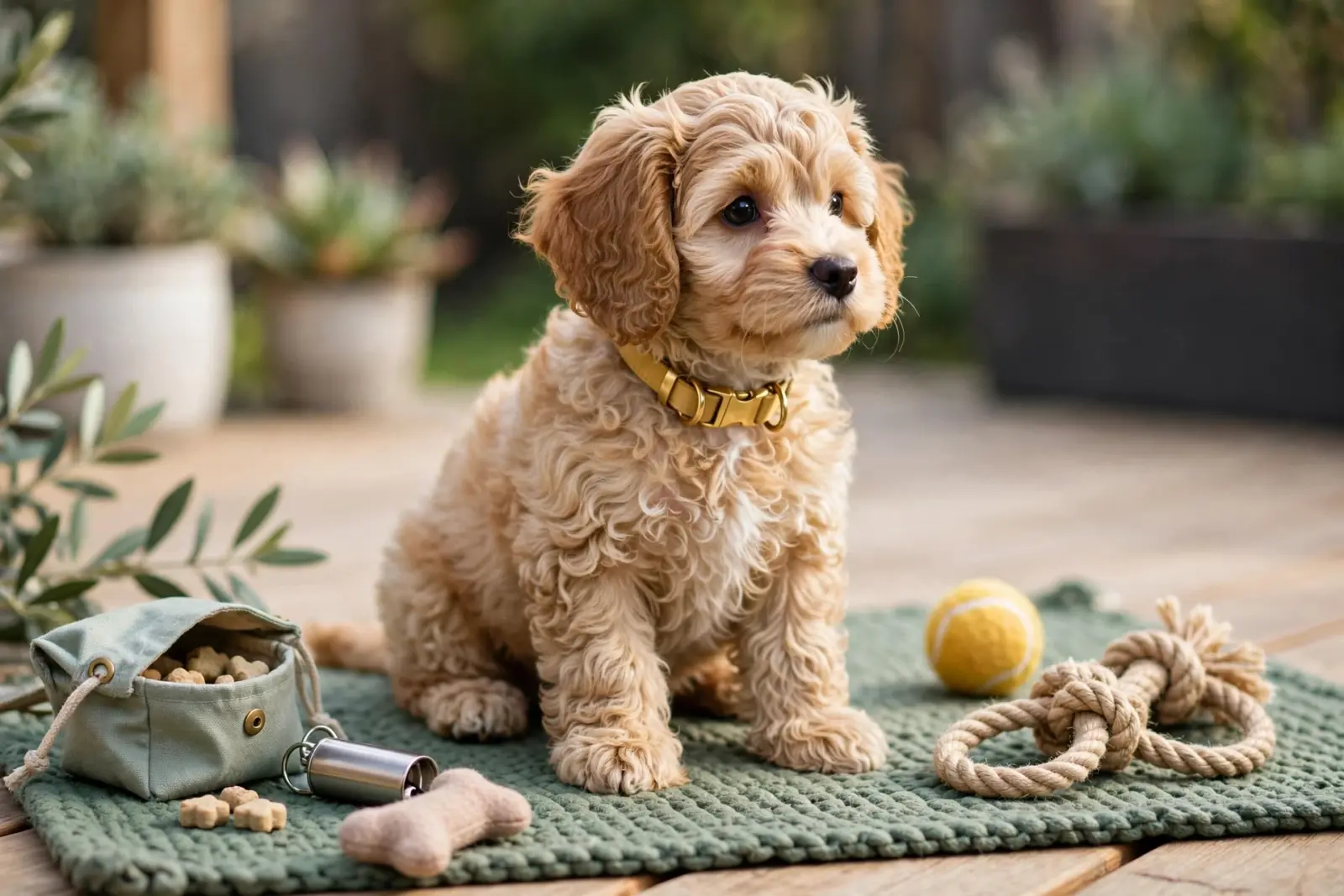
Big-box dog toys often overwhelm a 4-pound Havanese or Cavapoo. Look for:
- Small rubber toys she can grip with her whole mouth
- Soft rope or plush toys sized for tiny jaws
- Chilled rubber stuffables for sore gums during teething
Size down rather than up, and skip anything small enough to swallow whole. For specific picks, our guide to small breed teething toys covers safe options by size.
Petting Without Getting Bitten
Many small breed puppies nip because petting feels like wrestling. Try this: pet for two or three seconds, then stop and offer a toy. If she stays calm, pet again. If she lunges at your hand, the petting ends and the toy begins. Short, boring strokes on the chest work better than fast pats on the head. Calm contact gets rewarded, so calm contact is what she learns to expect.
Step 4: Stop the Game the Moment the Bite Hurts
Puppies learn bite pressure from feedback, and the clearest feedback is a game that ends. The moment her teeth hurt, the fun stops. Some owners yelp first, and a few puppies respond well, but research on puppy biting suggests many get more worked up by the noise. Removing yourself works more reliably than a dramatic “ouch,” so make the ending itself the message.
The Drop, Turn, and Re-Invite Cycle
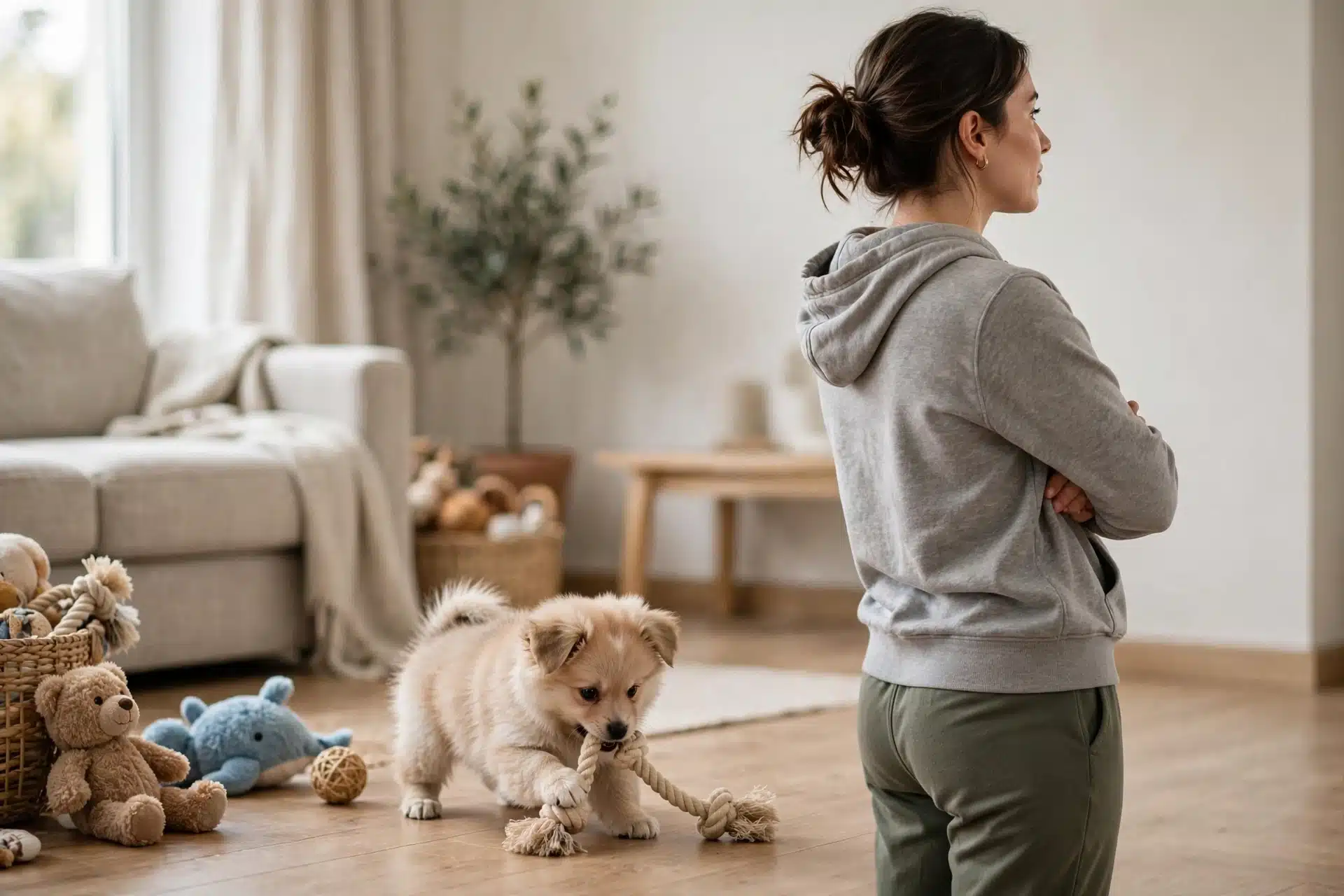
When the bite stings, go limp for a second so the game visibly dies. Drop your hands, turn your body away, and look at the wall. Say nothing. Wait three to five quiet seconds, then turn back and resume play in a lower, calmer gear. If she bites hard again, repeat the cycle, and if she does it a third time, stand up and leave for your 30 to 60 second break from Step 2. Puppies are fast learners. Within a week or two of consistent endings, most soft-mouth the instant they see your hands go still.
Keep Play on the Toy, Not on Your Skin
Raw hands teach your puppy that skin is a toy. Wiggle a rope or plush toy instead, so she bites the toy while your fingers stay out of range. This is also how you redirect puppy biting to a toy before the teeth ever land on you. Keep one toy within arm’s reach of every play spot.
What If the Puppy Gets Frustrated and Barks
Frustration barking means the toy switch came too fast or she is overtired. Stay boring, wait out the bark, then re-engage calmly. End the session early if it keeps escalating.
Step 5: Cut Off the Triggers That Keep the Biting Going
Even a solid puppy biting control plan stalls if something keeps rewarding the nips. For small breeds, the biggest trigger is rarely hunger or teething alone. It is us.
Which Reactions Actually Reinforce Biting
To a 10-week-old puppy, almost any reaction is a win. Yelling “no,” shoving her away, or pushing her off your lap is play with sound effects. When she bites and you scold, she gets eye contact, touch, and a fun noise, so she tries harder next time. As trainers note, at this age all attention reads as good attention because even a firm “no” lands as engagement. The only consequence that teaches anything is the boring one: play ends. Stick with the 30 to 60 second breaks from earlier steps.
Getting the Whole Household on the Same Page
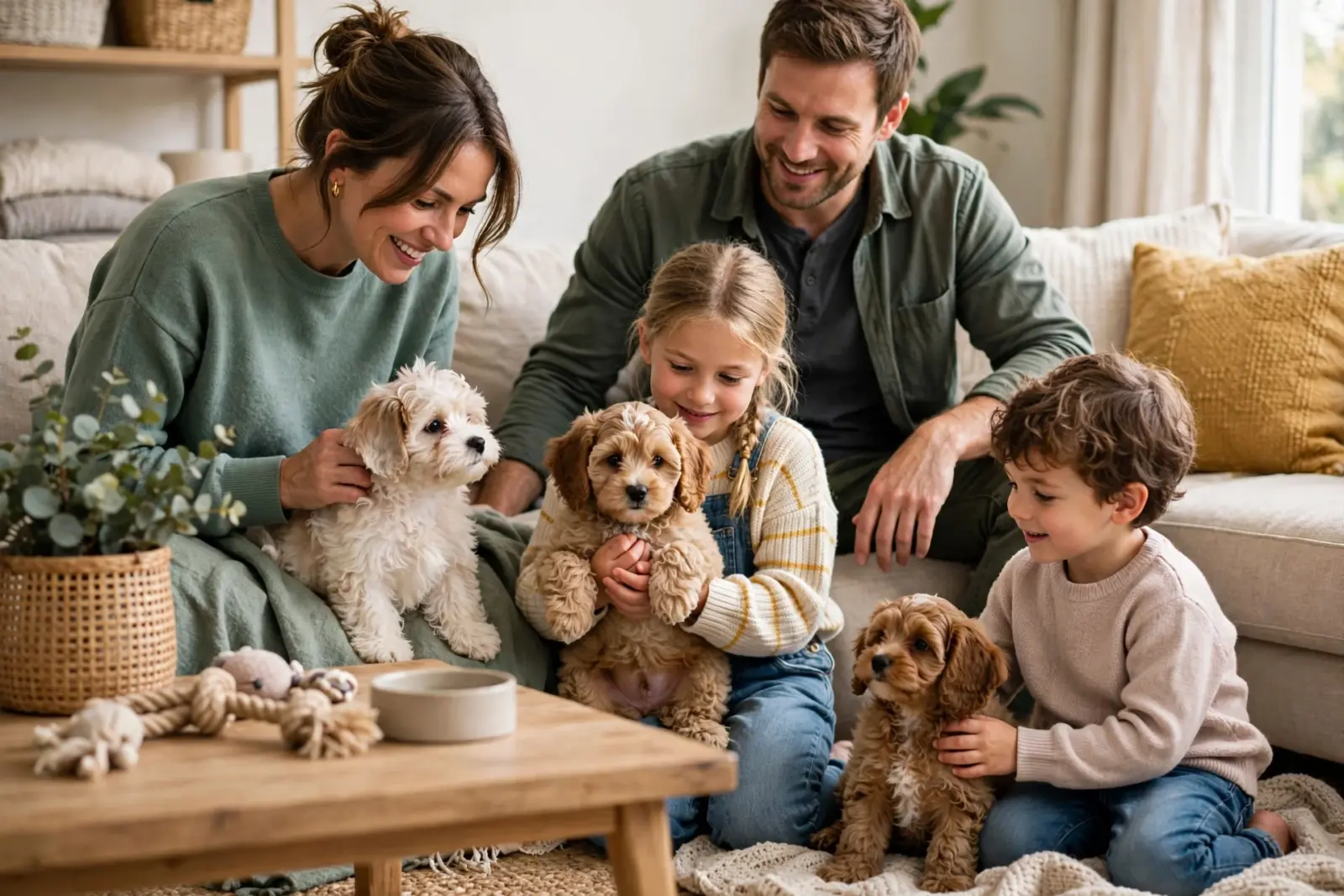
One inconsistent person can undo weeks of progress. Kids and grandparents often respond with squeals and rough play because it feels natural, so set simple rules: never wave hands in her face, never let her chase ankles, and always freeze the moment teeth touch skin. Agreed words help too, like “off” for paws on people and “toy” for the swap.
Managing the Triggermoments
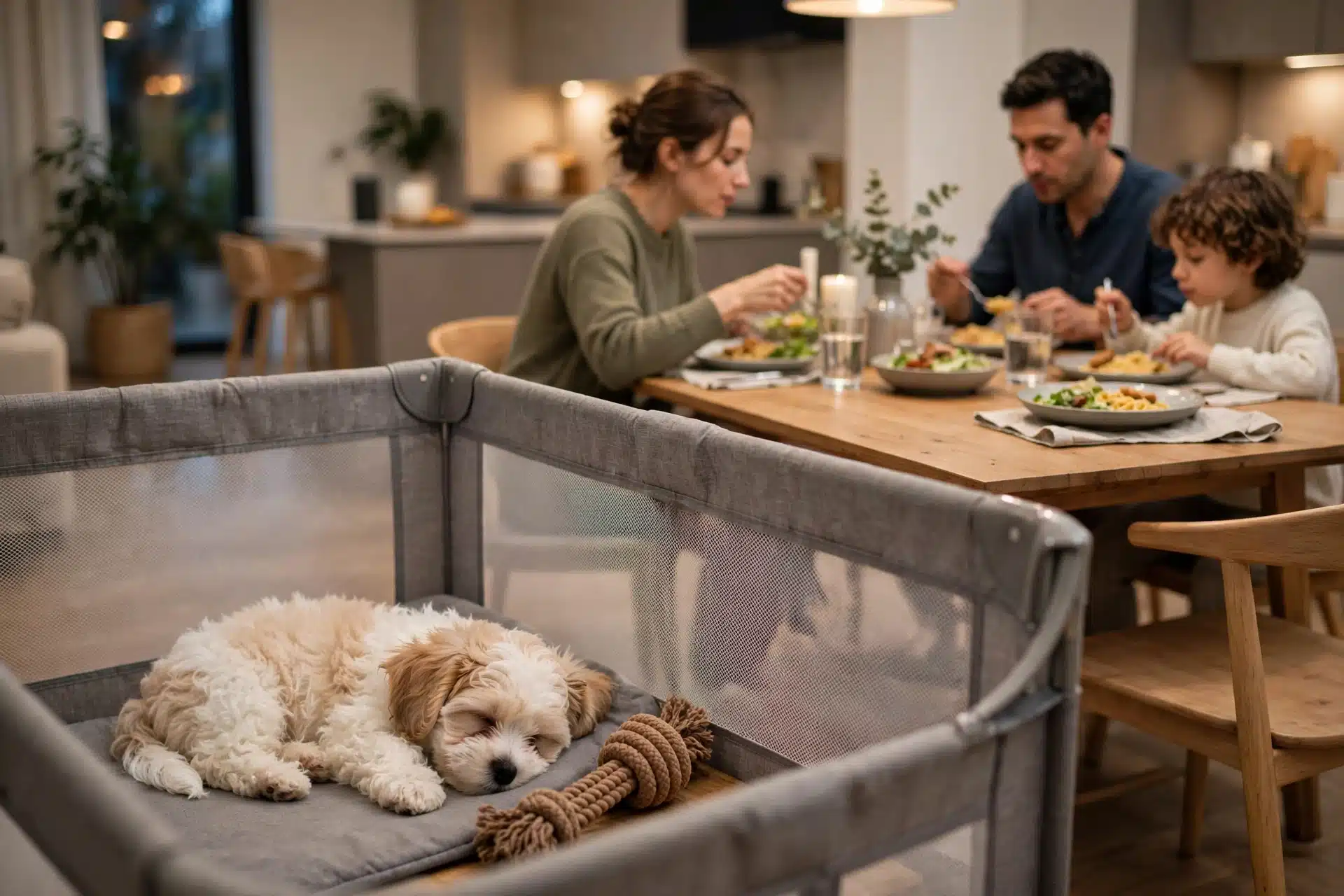
Most bad biting sessions follow a pattern: overtired, overstimulated, or frustrated puppies mouth hardest. Track when bites spike, then act early. A nap in the pen, a snuffle mat, or quiet time before guests arrive prevents the spiral.
Watch the clock, not just the behavior. Small breed puppies often need to sleep every hour or so while awake, and a yawning, bitey puppy usually just needs a nap.
Step 6: Build a Calm Routine That Makes Biting Less Likely
Activity and Rest, Adjusted for a Small Breed
Most “wild biting” episodes are really tiredness. Young puppies need 18 to 20 hours of sleep a day, and overtired puppies get grabby, mouthy, and impossible to redirect (AKC). For a 4-pound Havanese, keep play sessions to 10 or 15 minutes, then settle her in her crate or pen. Use short sniffy walks, food puzzles, and gentle training instead of long fetch games, and enforce naps the way you would for a toddler.
A Predictable Day Reduces Random Grabbing
Puppies bite less when they can predict what comes next. Anchor the day around the same events: wake up, potty break, short play, meal, potty again, nap. Feed, rest, and train at roughly the same times each day, and a sample setup like this small breed puppy care checklist keeps meals and vet visits on track. A clear rhythm also makes housetraining easier, because your puppy learns when everything happens.
Classes and Professional Support Worth Your Time
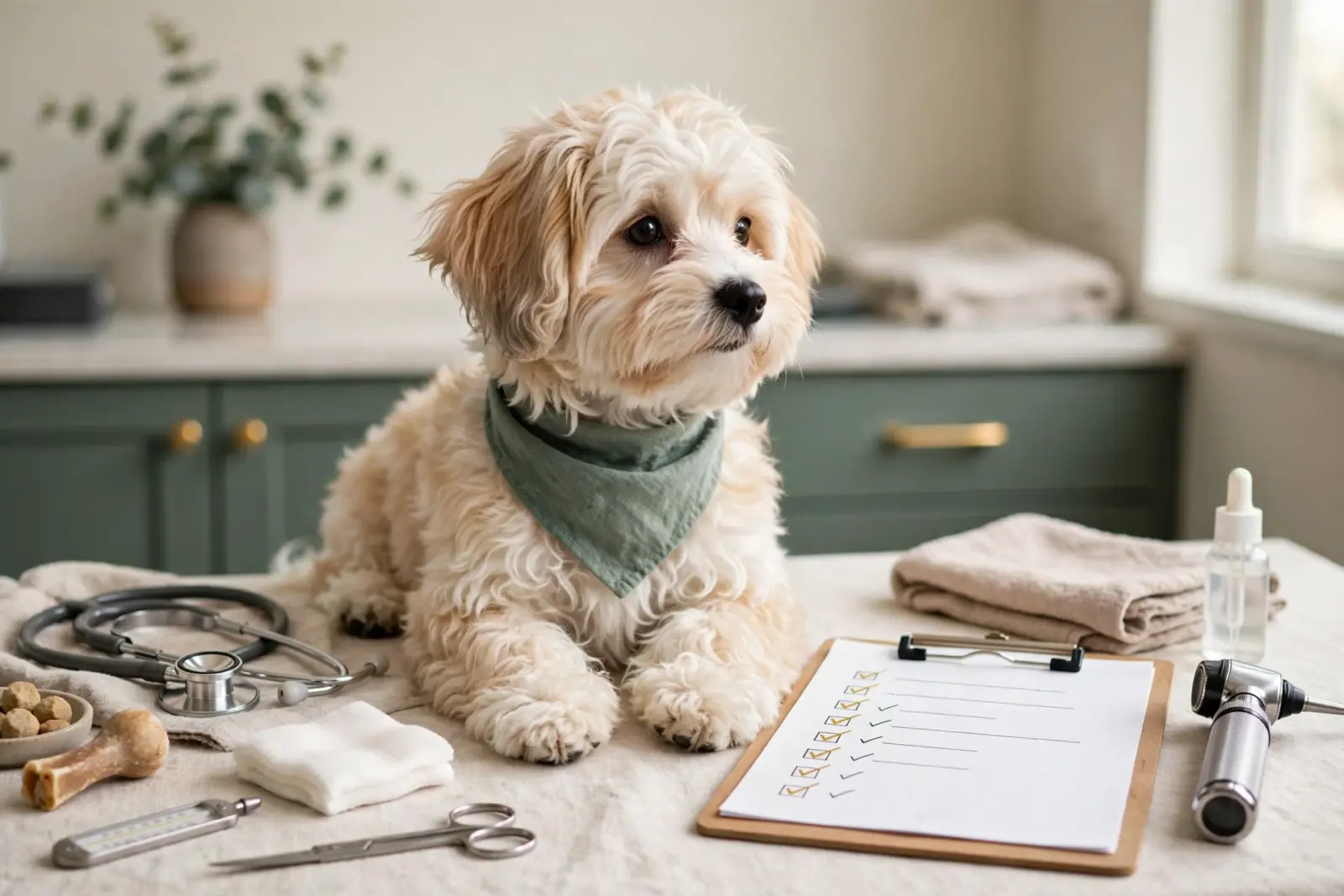
A well-run puppy class teaches your puppy to focus on you around other dogs, and it gives you a trainer who can watch your handling in person. Look for small classes, reward-based methods, and proof of current puppy vaccinations. Private sessions help if nipping spikes when guests arrive. If biting comes with limping, glazed eyes, or sudden behavior change, call your veterinarian first.
Common Mistakes to Avoid
Dominance Games and Alpha Rolling
Should I yell at my puppy for biting? No. Yelling, pinning, or alpha rolling scares your puppy and teaches nothing useful. She bites because she is a baby, not because she wants to rule the house. Fear can make biting worse. Stay calm, use your 30 to 60 second break, and reward every gentle choice instead.
Punishing the Nip or Bite
Yelling, nose taps, and muzzle grabs backfire. To a young puppy, almost any reaction is a win, so punishment becomes a game. Physical corrections can also break trust and teach her to hide. Puppy bite inhibition training works the other way: praise soft mouths, end play the instant teeth land too hard, and let the consequence do the teaching.
Waiting Too Long to Help
Nipping feels cute at 8 weeks and painful at 6 months. If mouthing keeps working, it becomes a habit that takes longer to fix. Start your plan the first week home.

Nipping feels cute at 8 weeks and painful at 6 months, so start tonight with the six steps above. If you’re still choosing a puppy, Sage Puppies raises well-socialized Havanese, Havapoo, and Cavapoo puppies in Utah, with delivery nationwide. Visit our site to see available puppies and apply.
Frequently Asked Questions
Q1: How do I stop my small breed puppy from biting my hands?
Freeze your hand, then swap in a toy within a second. If the bite was hard, yelp and end play for 30 to 60 seconds. Repeat every time, and have everyone in the house follow the same plan.
Q2: How do I teach a small breed puppy bite inhibition?
Puppy bite inhibition training starts with feedback: yelp when teeth press too hard, then pause the fun. As mouthing softens, raise the bar and yelp for lighter pressure. Most puppies improve within two weeks.
Q3: Why do small breed puppies bite so hard?
Sharp baby teeth, teething pain, excitement, and a small, fast head. Their needle teeth land close to your skin, so even gentle nips sting more than similar bites from larger puppies.
Q4: When should I worry that biting is a real problem?
Watch for sustained pressure with a stiff body or growl, sudden behavior change, or biting alongside limping or glazed eyes. Call your veterinarian first in those cases.
Q5: Do puppy biting control methods work for a Cavapoo puppy mouthing at guests?
Yes. Settle your puppy in a pen before guests arrive, since overtired, overstimulated puppies mouth hardest, then practice short, calm greetings.
Wrapping Up: Bite Inhibition Is a Skill You Practice, Not a Phase You Wait Out
Stopping puppy biting comes down to a few moves repeated with patience: teach puppy bite inhibition with feedback and brief breaks, redirect puppy biting to a toy before teeth land on skin, and cut off the tiredness and overstimulation that fuel the worst nipping. Small breed mouths make every nip sting more, so start the week your puppy comes home rather than waiting for the phase to pass.
Progress looks like softer pressure and faster toy grabs, not a puppy who never tries. Reward-based puppy training wins here because your puppy learns what to do, not just what to avoid. Practice the six steps daily and most Havanese, Havapoo, and Cavapoo puppies soften their mouths within a couple of weeks.