Compare puppy programs with the same questions about the individual animal, readable evidence, written terms and a feasible homecoming. Location can affect access and travel arrangements; the records and the actual care plan still need to support the decision.
Sage Puppies is Cassie Milar’s program in South Jordan, Utah, offering Havanese, Havapoo and Cavapoo puppies. Start with current listings and pricing and reservation information. General puppy purchase pricing is $3,500–$4,500; confirm the individual puppy’s price, timing and any supported travel arrangements with Cassie.
The live listings below can change. Open the individual profile for current details and discuss the puppy and supported homecoming arrangements with Cassie.
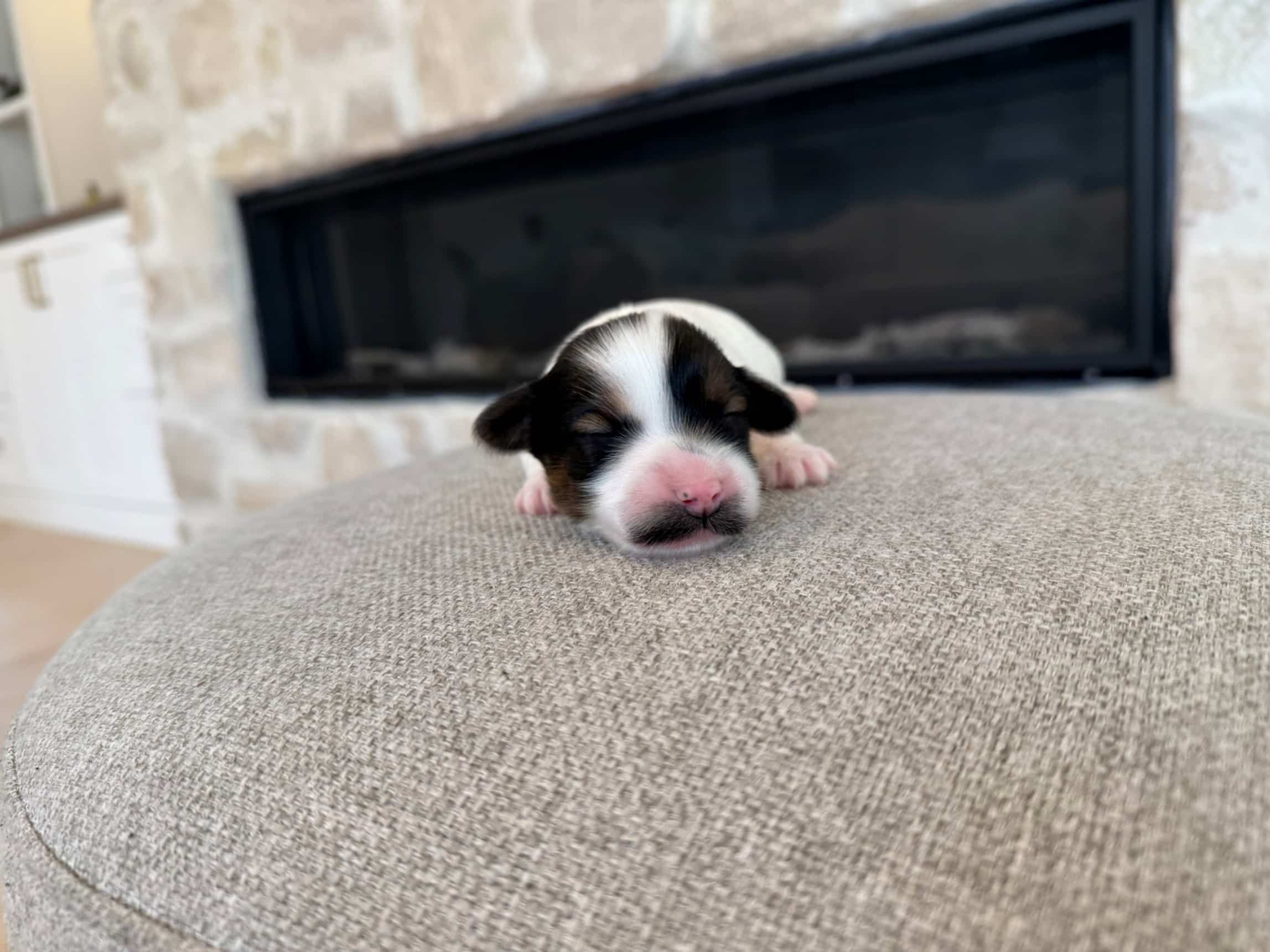

Big Fudge
Big Fudge is a cuddle bug! This boy is a happy tail wagging ball of fluffy minky soft fur. He is pee pad trained…

Chai
Chai is a tiny boy, he will be small boy closer to 6-8lbs. He is very playful and just a mega sweetheart.

Rolo
This sweet boy is a beautiful milk chocolate coat and so much love to give. He loves to chase a ball and explore new…

Mocha
Mocha is a beautiful deep brown coat, has the perfect chocolate nose! She is bigger than the other pups and definitely a chill girl.…

Rocky
Rocky is a rockstar! This boy is very affectionate, playful and curious. He loves to smell new places and things. He’s got tail that…

Ralphy
This boy is lighted hearted, snuggly and very smart! Per pad trained, kennel exposure. Passed all his temperament evaluations with high records.

Sugar
Sugar lives up to her name: a sweet little sprinkle of playful charm, dressed in a red-sable tuxedo and always happy for affection.
Compare the same evidence for every program
Create a separate notes column for each program you are considering. Record the responsible person and actual location, the individual puppy, care records, parent reports, written terms, costs, timing and supported handoff. Give unanswered questions their own space so they stay visible.
Compare documents that address the same issue. A description of daily care is different from a screening result, and a proposed travel option is different from an agreed arrangement. Record what each program actually provides rather than filling a gap with an assumption.
For a household comparison, ask what you could explain to a backup caregiver today: which puppy you are discussing, who is responsible for it, what information you have and which decisions remain open. The buyer guide connects that exercise to household fit.
Separate the puppy’s care history from parent screening
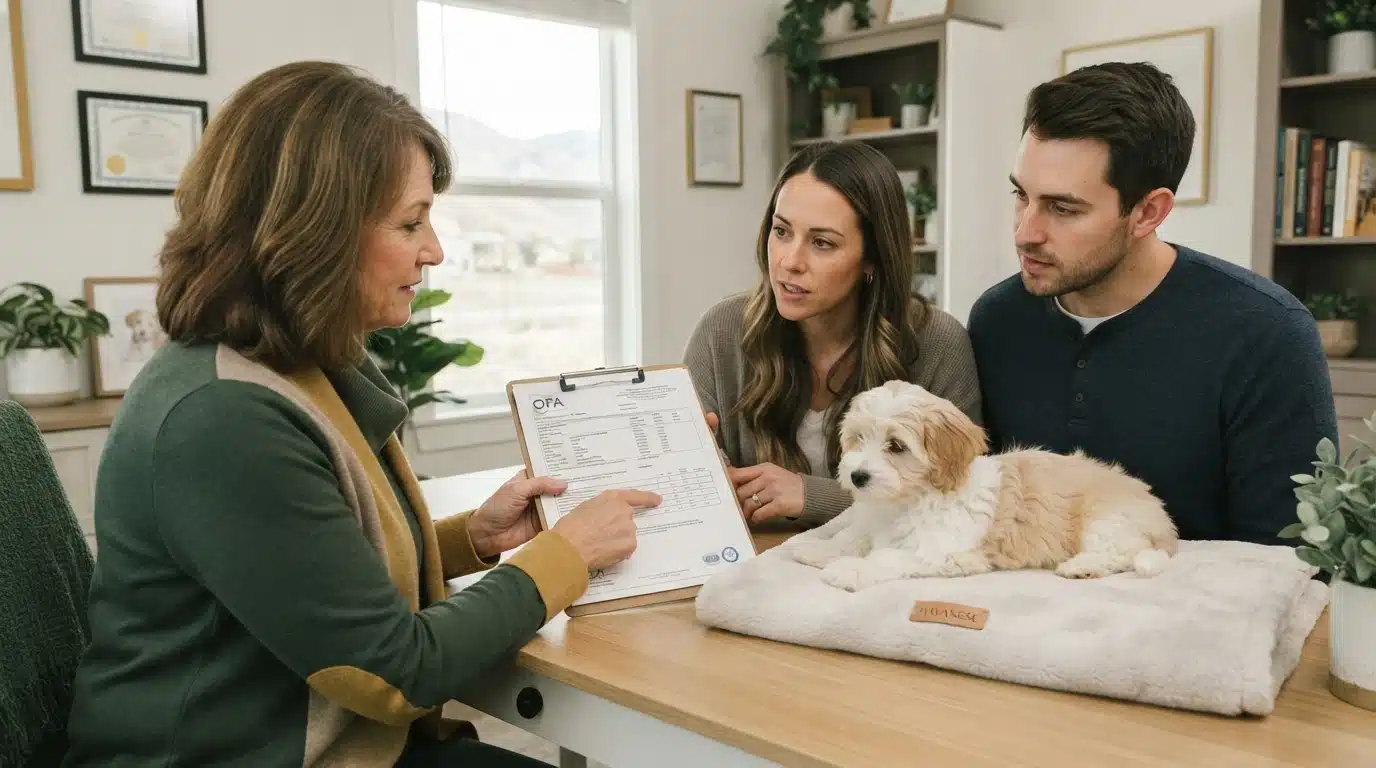
Ask which records describe the puppy’s own care and which concern its actual named parents. Connect the names or identification, dates, results and purpose of each report. Request an explanation or an appropriate verification route when something is difficult to read or understand.
The OFA CHIC program illustrates an important distinction: a number records completion of required breed-specific screenings and public results at that time. It does not establish normal results or guarantee health, and protocols can change. Read the individual results and discuss their meaning with the veterinarian.
Ask which screening is relevant to the actual parent pairing rather than assuming a single panel applies to every breed or cross. A missing database entry is a question to investigate. It does not independently establish a diagnosis or wrongdoing.
Read purchase terms and travel responsibilities together
Read the individual price and the written reservation, deposit and change terms before committing. Ask who handles care during the journey, who receives the puppy, how the records transfer and what happens if timing changes. Confirm which options and costs can actually be supported.
Keep purchase, travel and ongoing care separate in your notes. Review pricing and reservation information, delivery and pickup and the program process. Discuss the actual written terms with Cassie rather than relying on a general description.
The receiving plan needs a responsible adult and a backup who understand the arrangements. A local program and an out-of-state program may require different coordination; compare those practical responsibilities using the same care questions.
Ask which Vermont entry category applies
Checked October 16, 2026: Vermont’s companion-animal guidance distinguishes sale, exchange, resale and adoption imports from relocating or vacationing with an existing pet. Have the agency confirm the category for a new purchase; an existing-pet exception should not be assumed from a pickup or payment plan.
20 V.S.A. § 3915 addresses an official health or similar inspection certificate from an origin-licensed veterinarian for sale, resale, exchange or donation. It covers inspection and visible disease signs, with age-specific rabies certification language for animals more than three months old. Have the veterinarian and agency confirm the actual puppy’s age, purpose, origin and required documents before arranging travel.
Recheck Vermont’s currently posted NWS restrictions
The agency’s current companion-animal page links its New World screwworm restriction document. For dogs and cats originating in a U.S. state containing an infested or adjacent surveillance zone, the document describes accredited-veterinarian treatment with an authorized systemic product and a CVI issued within five days before entry, treatment documentation and entry within the product’s labeled duration of action. Transit through an infested zone also matters.
Have the veterinarian and VAAFM confirm the current version and requirements for the actual origin, transit and travel date, including inspection, wounds, disease and quarantined-premises questions. The posted PDF states that it takes effect upon adoption without showing a dated adoption or expiry. Confirm its current application before booking; this summary does not establish an individual puppy’s eligibility.
Use clear answers to make a household decision
Keep an unanswered question distinct from proof of disease or misconduct. Request readable records and a plain explanation, and ask the receiving veterinarian to interpret clinical information. If a material issue remains unresolved, pause the commitment while you seek an answer.
Return to the buyer guide for household fit and the availability and homecoming guide for receiving preparation. Sage’s health-testing information and a current individual profile can help frame a specific conversation.
When you understand the evidence, terms and care responsibilities, use the application to describe your household accurately. Make the choice around the particular puppy and the documented arrangements you can carry out.