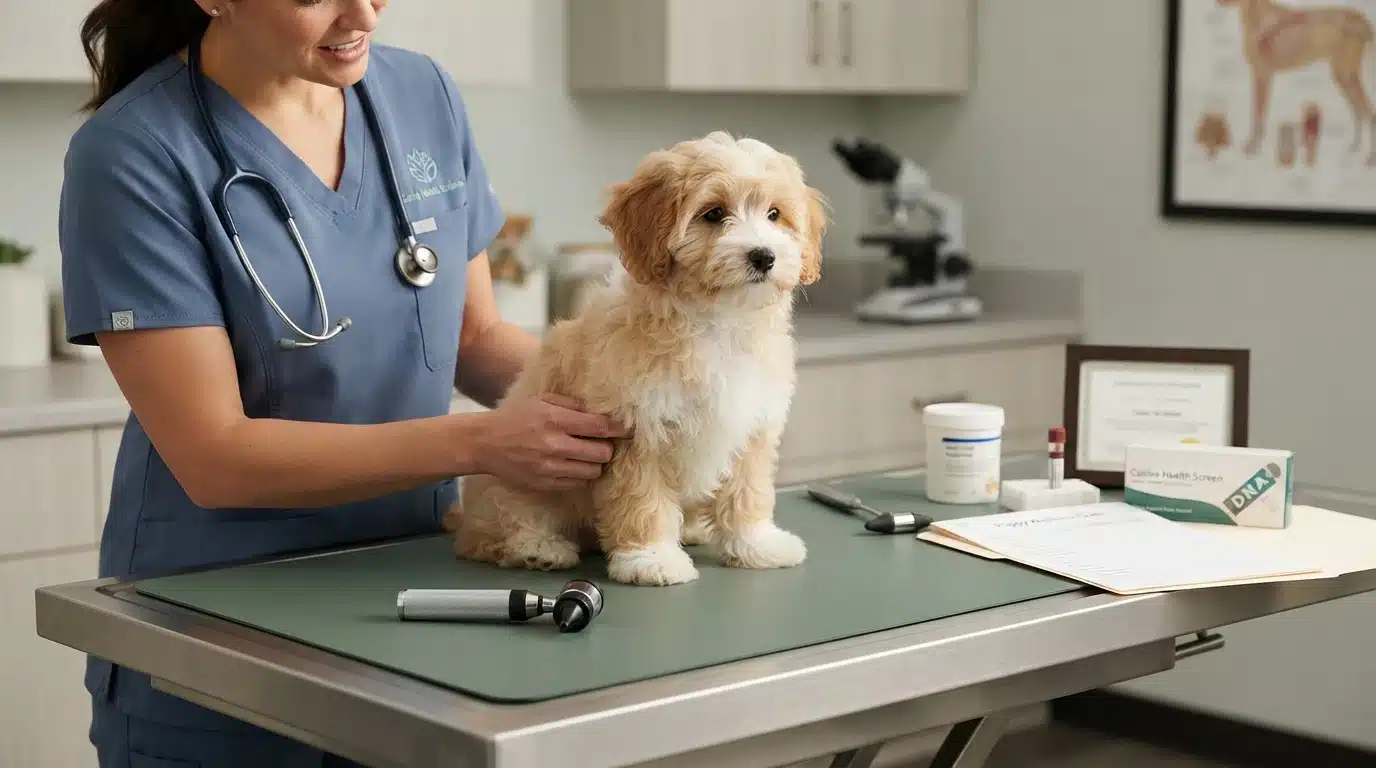
Quick Summary: Choosing a healthy Havanese puppy depends on verifiable records, not photos or promises. Confirm both parents’ OFA hip and patella results and yearly eye exams in the public database, then review the puppy’s DNA tests, health history, contract, socialization, and in-person condition. Walk away from pressure to pay, missing records, refusal to meet, or photo-only sales; Sage Puppies supports this approach by documenting parent screening and raising Havanese puppies in the home.
Two Havanese litters can look identical in a listing photo. Yet one breeder can show you a parent dog with a dated hip evaluation, a current eye certificate, and a patella record you can pull up yourself, while the other can only promise the puppy is healthy. That gap is the whole challenge of evaluating a Havanese breeder: glossy photos and friendly messages tell you nothing about what actually protects your puppy’s health. This guide shows you how to verify screening records for yourself, which tests matter for this breed, what signs of a healthy Havanese look like at pickup, and the red flags that should end a conversation fast. We raise and document Havanese, Havapoo and Cavapoo litters at our South Jordan, Utah program, so everything here reflects the records we believe every good Havanese breeder should share.
How Do You Know If a Havanese Breeder Is Reputable?
Evaluating a Havanese breeder comes down to proof, not promises. A reputable breeder shows three things, and each one has a way to check it yourself:
- Health testing. Parents should have OFA records for hips, patellas, and eyes, part of the Havanese CHIC requirements.
- Public records. You can confirm those results in the OFA database, not just take a screenshot on trust.
- Transparency. A good breeder answers questions, shares the contract before deposit, and lets you visit or video call.
What Makes a Breeder Reputable in Practice
Good Havanese breeder traits look ordinary on the surface: they raise puppies in the home, keep litters with the mother past eight weeks, and start early socialization. What separates them is documentation. They know each parent’s test results from memory, explain what passed and what did not, and put care terms in writing.
Where to Verify a Breeder Independently
Look up both parents by registered name at orthopedic screening records and check the Havanese Club of America’s guidance on what to expect at pickup. If a breeder says testing is “in progress” for years, treat that as a red flag. Programs like ours post each puppy’s background openly so families can verify rather than guess.
Questions a Reputable Breeder Will Expect You to Ask
Ask which tests each parent has, whether results are public, how puppies are socialized, and what the contract says about returns or support. A confident breeder welcomes these questions because honest records answer them quickly.
Health Tests to Require From a Havanese Breeder
A responsible breeder screens every breeding dog through the Havanese CHIC requirements, which cover three checks: OFA hip evaluation, OFA patella (kneecap) evaluation, and an eye exam by a board-certified ophthalmologist. You can confirm all of it yourself in the public OFA database.
| Test | Body Part | Method | Where to Verify |
|---|---|---|---|
| OFA Hips | Hip joints | X-rays at age 2+ | OFA database |
| OFA Patellas | Kneecaps | Vet exam at age 1+ | OFA database |
| CAER Eye Exam | Eyes | Specialist exam, repeated yearly | OFA database |
The Havanese CHIC Requirements Explained
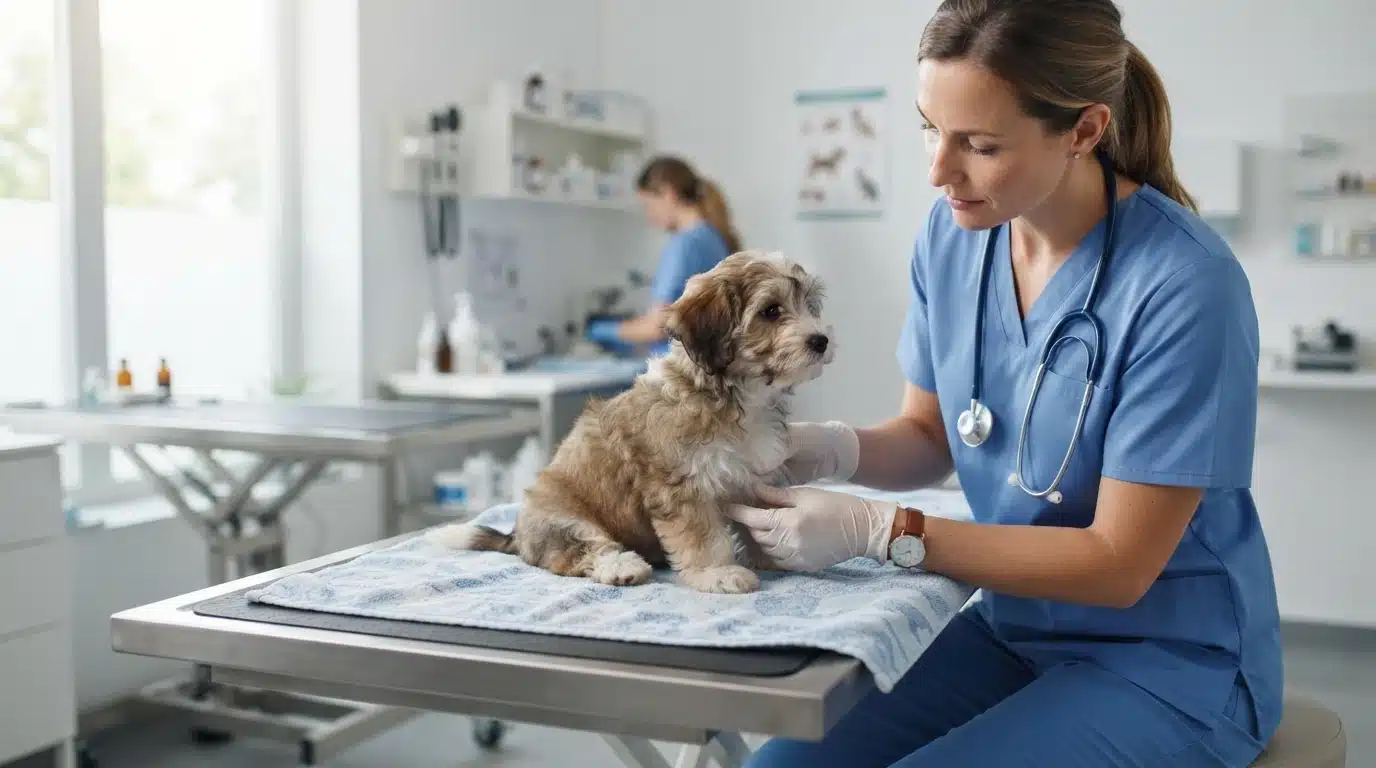
CHIC is a health database run by the Orthopedic Foundation for Animals. A CHIC number means a dog completed the required tests and the results were posted publicly. It does not mean the dog passed everything, because the program rewards testing and open reporting, not clean scores. Good breeders publish results either way.
Three Different Kinds of Health Information
Keep three records separate when you are evaluating a Havanese breeder. Parent screening covers hips, knees, and eyes. DNA tests check for inherited gene variants. Puppy care history covers vet visits, deworming, and vaccines. Each answers a different question, and no single one replaces the others. Ask to see all three.
What a Screening Record Should Show
A real record lists the dog’s registered name or number, the test date, the result, and the certifying body. Every entry should be searchable on the OFA site. Ask for the parents’ full names so you can look them up, and note the eye exam should be recent, since it must be repeated yearly.
Health Testing and What It Cannot Promise
Screening lowers risk; it cannot erase it. Even clear parents can produce a health issue, and some conditions have no test yet. Treat records as strong evidence, then pair them with a written contract. Sage Puppies shares each parent’s screening details during matching, so you can verify independently before you commit.
Signs of a Healthy Havanese Puppy in Person
A healthy Havanese puppy looks bright, moves easily, and arrives with paperwork that matches what the breeder told you. Check the puppy and the records as a pair, grouped by body system and by paperwork.
What to Look for in Coat, Eyes, and Ears
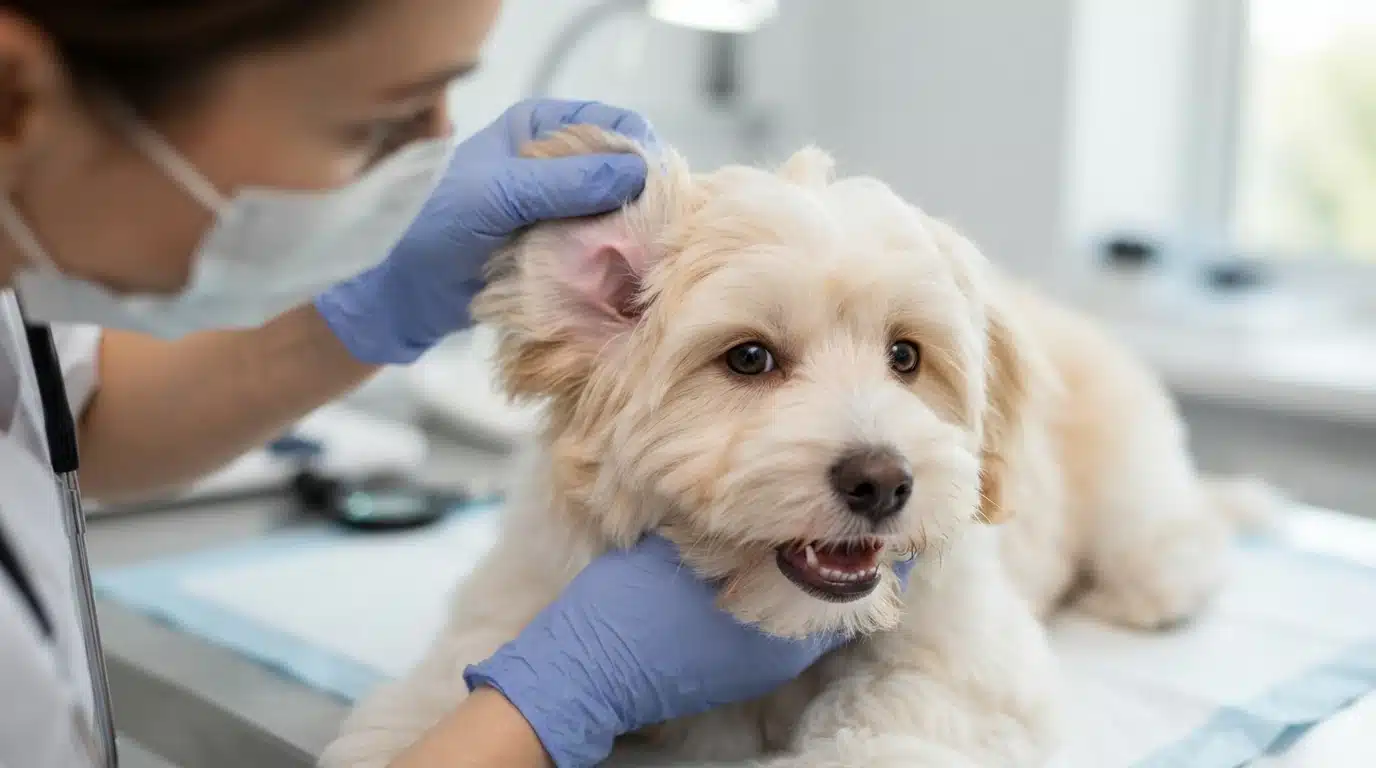
The Havanese double coat should feel soft, not brittle, with no bald patches or heavy flakes. Eyes stay clear and bright, with no discharge or cloudiness. Ears should smell mild and look clean inside, since Havanese ears trap hair and wax. Gums sit pink, and the nose is moist without thick crusting.
Movement, Appetite, and Behavior
Watch the puppy walk toward you, then trot back. The gait should look even, with no hopping or skipped steps. A healthy pup eats eagerly, gains weight steadily, and drinks normally. Behavior matters just as much: expect curiosity, quick recovery after a startle, and interest in people. Constant scratching, a swollen belly, or a cough warrants a vet visit.
A puppy that hides for the whole visit is not always sick, but ask why the breeder thinks so.
Records That Should Come With the Puppy
Ask for the vaccination record with dates and vaccine types, deworming dates, and the microchip number. You should also get a written puppy contract, a recent vet check note, and feeding instructions. Good breeders keep these papers organized and hand them over without prompting, and our Havanese vet checklist covers what each document should show.
Evaluating the Parent Dogs and Pedigree
Meeting the Parents or Asking Detailed Questions About Them
A good breeder lets you meet at least the mother, in person or on video. Watch how she moves, how she responds to strangers, and how she lives in the home. If only the father is off-site, ask for photos and his registration details. A breeder who refuses all access or makes excuses about every parent deserves your caution.

Connecting Each Parent to Their Records
Meeting a dog means little without paperwork to match it. Ask for each parent’s registered name and number, then look that dog up in the OFA public health records yourself. Confirm the hip and patellar results, eye exams, and any cardiac testing you read about. The names on the certificates should match the dogs in front of you. If the breeder cannot produce records for one parent, treat it as missing information, not a small detail.
Why Breed Specialization Matters
Breeders who focus on one or two breeds know their health risks deeply. They can explain Havanese-specific screening, including the Havanese CHIC requirements, and why patellar luxation and hip evaluation matter so much in this breed. A program spread across many breeds often learns from the same mistakes repeatedly. Specialist breeders, including small programs like Sage Puppies that work only with Havanese and a couple of mixes, tend to track bloodlines across generations and answer pedigree questions without guessing.
Havanese CHIC requirements, OFA public health records, and patellar luxation and hip evaluation all tell you whether a breeder understands the breed’s real risks.
Red Flags That Should Make You Walk Away
Some warning signs are serious enough that no price or cute photo is worth pushing past them. Walk away when you see:
- Pressure to pay fast or “someone else is waiting”
- Wire transfers, gift cards, or peer-to-peer payment apps
- No verifiable parent health records in OFA’s public database
- No contract or health guarantee
- Refusal to meet on video or in person
- Photos that never match the puppy you’re promised
Each one breaks the same promise: transparency. A good breeder has nothing to hide, so their answers come quickly and in writing.
Pressure Tactics and Unsuitable Sales Practices
Scarcity talk is the biggest red flag in online puppy sales. “Three families are interested” and “deposit needed today” are designed to stop you from verifying anything. Real breeders accept questions, hold pets with written deposit terms, and let you think. If a seller demands payment apps or pushes shipping before you’ve seen the puppy alive on video, the listing may not even be a real litter.
Unverifiable or Overstated Health Claims
“Vet checked” means one exam, not screened parents. Ask for registration numbers you can look up yourself on the OFA database. A breeder who says tests were done but can’t name the registry, or who claims hip and patella results exist without paperwork, is asking you to take a lot on faith. Health claims should be confirmable, or they’re worthless. A responsible program such as Sage Puppies publishes which tests to request before you commit.
Breed-Specific Misstatements and Photo-Only Selling
Havanese knowledge runs shallow among casual resellers, so listen for breed errors. The breed carries a long double coat that sheds very little, not a short single coat. Adults stay small, roughly 7 to 13 pounds. A seller who calls Havanese hypoallergenic in absolutes, mixes up breed standards, or can’t explain patellar luxation testing probably hasn’t raised the breed. Also, refuse photo-only purchases. If you cannot see the puppy moving, playing, and eating on live video, you’re buying a picture, not a pet.
Where Puppies Are Raised and How They Are Socialized
Inside the Environment Where Puppies Live
A good Havanese breeder raises puppies inside the home, not in a kennel or outdoor run. Ask where litters sleep, eat, and play, and whether they hear everyday household sounds like dishwashers, doorbells, and children. A clean, warm space with soft bedding and room to move tells you the litter is treated as future family pets, not stock.
Early Handling, Noise Exposure, and Daily Routine
Puppies should be picked up, turned over, and touched daily from the first week. Breeders often follow simple protocols such as Early Neurological Stimulation, brief exercises done days three through sixteen. Ask what a normal day looks like: feeding times, play sessions, short crate naps, and quiet rest. Routine builds the steady temperament the breed is known for.
Signs of Adequate Socialization
By eight weeks, a well-socialized Havanese puppy approaches people willingly, recovers quickly when startled, and tolerates brief handling of paws, ears, and mouth. Watch the litter together: curious, wiggly puppies that follow you are a good sign. For what comes next, a week-by-week socialization plan helps you continue this work at home. Fear of every new sound or freezing when touched signals missed early work.
Contracts, Deposits, and What Support Comes After Pickup
Clauses to Read Before You Sign
A solid Havanese puppy contract should name the buyer and breeder, list parent health screening, spell out a return clause, and explain any health guarantee terms in plain language. Watch for clauses that require breeding rights you never asked for, vague “replacement only” wording, or non-refundable terms buried in fine print. Ask for a copy before you pay anything.
What Support Should Continue After Pickup
Good breeders stay reachable after you leave with your puppy. Expect feeding instructions, vaccine records, and a breeder who answers questions during the first weeks. Many also ask for updates, which shows they care where their puppies land. If a breeder goes quiet the moment payment clears, treat that as a warning sign.
Pricing and Reservation Terms to Understand
Havanese puppy cost: expect roughly $2,500 to $5,000 from a careful program, so a labeled example like Sage Puppies’ range of $3,500 to $4,500 sits inside that band. Before you place a deposit, review the reservation terms, refund conditions, and what happens if a litter changes. You can see exactly how pricing and reservation terms work before committing.
Putting It Together: A Vetting Checklist Before You Commit
The Pre-Deposit Checklist
Before you send any deposit, work through this list:
- Confirm OFA hips and patella results for both parents in the public database
- Ask for DNA test results for breed-relevant conditions
- Check whether the parents hold or are working toward Havanese CHIC numbers
- Meet the mother and see where the puppies live
- Review the contract, health terms, and deposit and reservation terms in writing
- Confirm how puppies are socialized before they go home
How Sage Puppies Documents Its Havanese Program
A good breeder makes verification easy. Sage Puppies keeps each step documented, from parent testing to available puppies listings, so families can confirm details rather than take claims on faith. Ask any breeder for the same standard of proof before you pay.
Next Steps for Families
Choose two or three breeders, run the same checklist on each, and compare answers side by side. Slow down if records are missing or questions feel unwelcome. Then reserve your puppy with confidence.

Ready to meet a Havanese raised the careful way? Browse current litters and start the application at Sage Puppies. You will see each parent’s health screening, ask questions before you commit, and reserve your puppy with confidence, whether you pick up in Utah or arrange delivery.
Frequently Asked Questions
Q1: How do I know if a Havanese breeder is reputable?
Ask for each parent’s registered name, then confirm OFA hip, patella, and CAER eye results in the public database yourself. A reputable breeder also shares the contract before any deposit and lets you meet the mother in person or on video.
Q2: What health tests should a Havanese breeder have for their dogs?
The Havanese CHIC requirements cover three checks: OFA hip evaluation, OFA patella evaluation, and a yearly CAER eye exam by a board-certified ophthalmologist. Also request DNA results for inherited conditions, since parent screening and genetic testing answer different questions.
Q3: What red flags should make me walk away from a Havanese breeder or puppy listing?
Leave when you see pressure to pay fast, wire transfers or payment apps, missing parent records in OFA’s database, no contract, refusal to meet on video, or photo-only selling. Each one signals the seller is hiding something.
Q4: What paperwork should come home with my Havanese puppy?
Expect vaccination records with dates, deworming history, a microchip number, a recent vet check note, feeding instructions, and a written puppy contract spelling out health and return terms.
Q5: How long should puppies stay with their mother before going home?
Past eight weeks is the standard. Puppies leaving earlier often miss key socialization with littermates, which shows up later as fearfulness or poor bite inhibition.
Q6: What does a healthy Havanese puppy look like at pickup?
Bright eyes, a soft double coat, even gait with no skipped steps, pink gums, and steady appetite. Curious behavior and quick recovery after a startle matter just as much as physical signs.
Conclusion
Choosing a healthy Havanese puppy comes down to verification, not charm. Check both parents’ OFA hips, patellas, and yearly eye exams in the public database, ask for DNA results, and keep those records separate from the puppy’s own care history. Insist on a written puppy contract with clear health guarantee terms, and treat payment pressure, missing records, and photo-only selling as reasons to leave. Visit the home, watch how the litter is socialized, and confirm deposit and reservation terms before you pay. A breeder who welcomes every check, like our documented South Jordan program, gives you the strongest possible start with your new companion.