Quick Summary: An unreliable puppy breeder hides the puppy’s home, mother, health history, and testing results, while pressuring buyers to pay quickly through methods with little buyer protection. Walk away from hard red flags such as puppies leaving before eight weeks, refused visits, missing records, no written contract, or payment by wire, gift card, or cryptocurrency. Before paying, verify both parents’ health tests, see the living space and mother, confirm the vet and vaccination records, and make sure the seller welcomes every question.
A breeder can send you a health certificate, a vaccination chart, and a signed contract, and still be unreliable. Paperwork proves a transaction happened. It says nothing about whether your puppy came from a healthy, well-socialized litter.
That is the problem for first-time buyers: the documents look the same from a careful hobby breeder and an unreliable breeder. The real differences show up in how the puppies are raised, what questions the breeder asks you, and what the records actually trace back to.
This guide gives you a breeder red flags list you can act on. Each warning sign comes with a simple verification step, and we separate legal minimums from true quality signals. Sage Puppies raises Havanese, Havapoo, and Cavapoo puppies in South Jordan, Utah, so these checkpoints reflect the standards we hold ourselves to daily.
What Actually Makes a Breeder Unreliable
An unreliable breeder puts volume and speed ahead of the dogs. The clearest warning signs: they won’t let you see where puppies live, the mother is missing from the visit, puppies go home before eight weeks, there’s no contract, and no health testing or vet records come with the puppy. Each of these tells you the same thing: the breeder has something to hide.
How an Unreliable Breeder Differs from a Responsible One
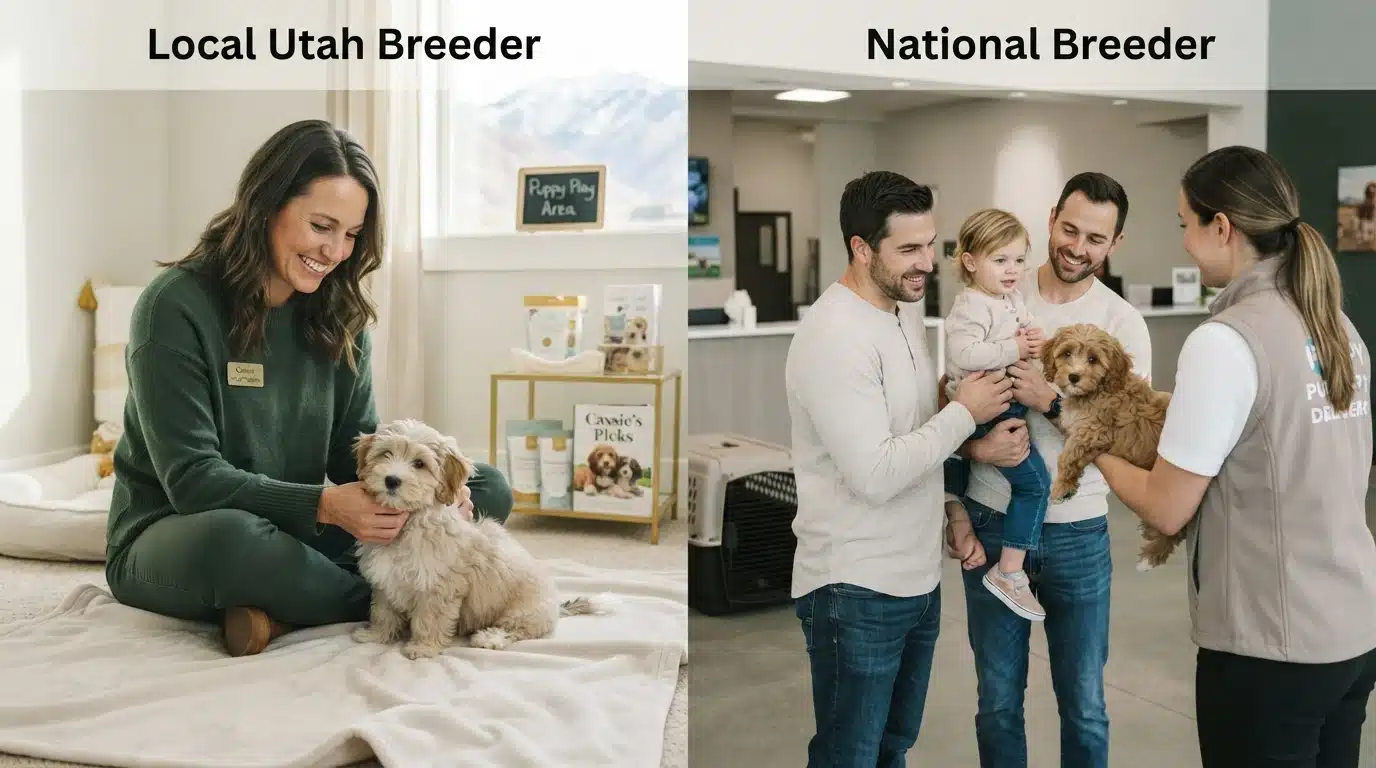
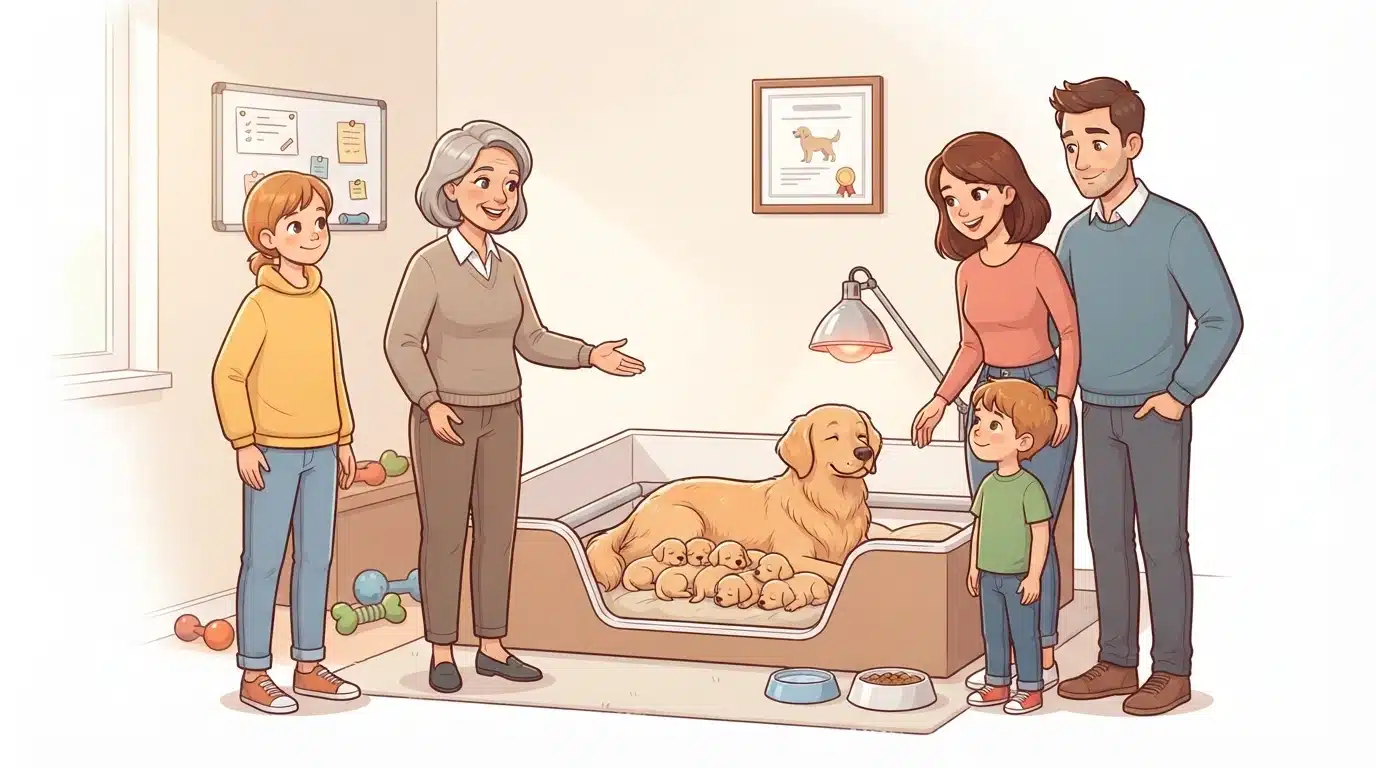
A responsible breeder invites questions, shows you the mother and the living space, and wants to know about you. An unreliable one pushes for a deposit, answers vaguely, and treats the sale like a transaction. Groups like the Humane World for Animals point to puppy health and openness as the dividing line between the two.
The Five Categories of Breeder Red Flags
Most problems fall into five buckets: transparency, health, housing, sales tactics, and paperwork. A bad answer in one category is a question. Problems in two or more usually mean walk away.
Hard Disqualifiers Versus Signals That Merely Need Explanation
Some things are instant no’s: shipping a puppy under eight weeks, refusing a visit, or no vaccination history. Others just need context, like a slow reply during a busy litter week. Program a few of your own checkpoints before you buy; at small programs like Sage Puppies, questions are part of matching, not an inconvenience.
Health and Testing Red Flags
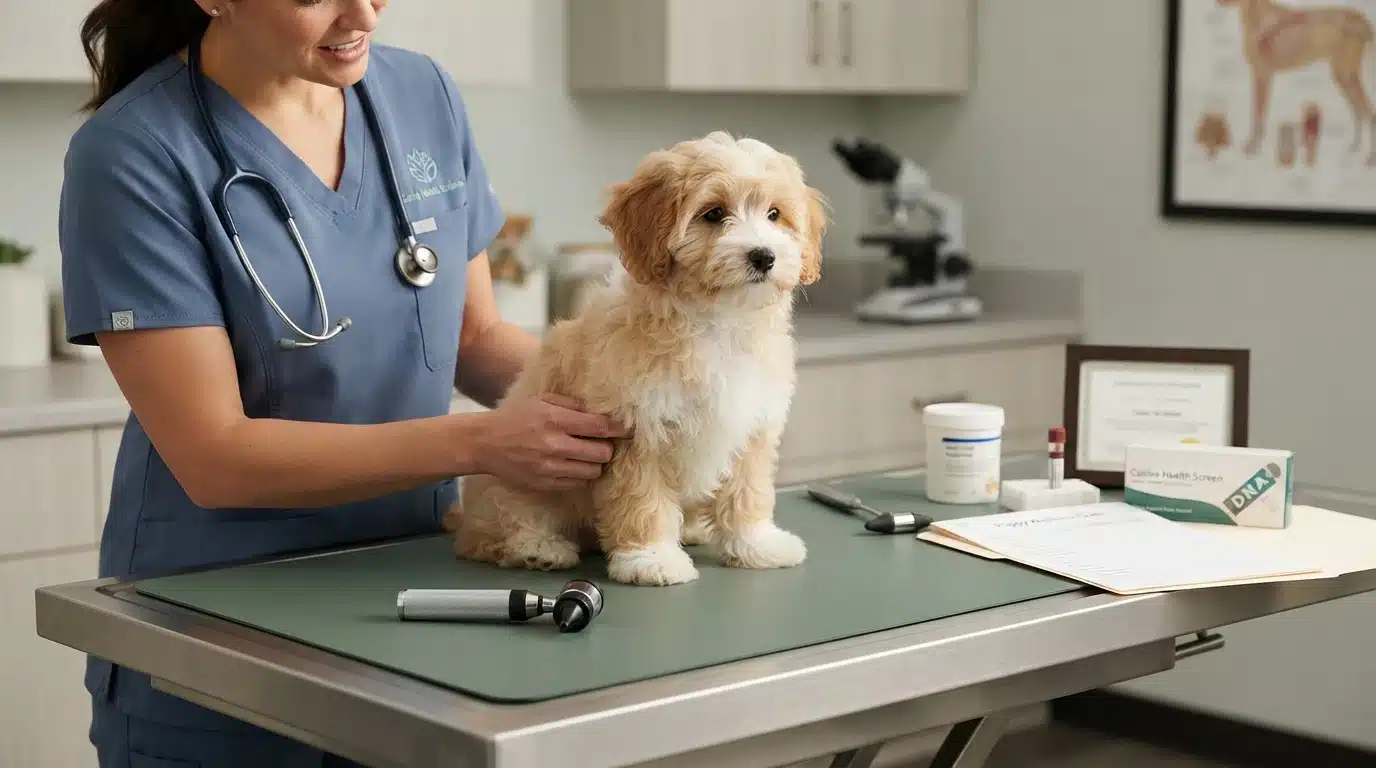
How do you verify a breeder’s health testing? Ask for three things: the parents’ OFA or CHIC numbers, DNA test results for breed-specific conditions, and a written puppy vet exam record. Then check the claims yourself. An OFA search lets you look up test results for a specific dog, so a breeder who balks at giving you registered names is waving one of the clearest unreliable breeder warning signs.
No Health Testing on the Parents
Responsible breeders test both parents before breeding, not after. For Havanese, that includes cardiac, hearing, patellar luxation, and eye exams, plus DNA tests for inherited conditions. A breeder who says the parents “look healthy” or “have never had problems” is guessing, not screening. Vague answers like “we do our own checks” or “the vet said they’re fine” without named tests and dates are red flags. Ask what testing was done, and ask early.
Vague, Missing, or Altered Veterinary Records

You should receive dated vaccination and deworming records from a licensed veterinarian. Watch for handwritten sheets with no clinic name, records that skip a scheduled vaccine, or a first shot given before six weeks of age. If the breeder emails photos of documents that look edited, ask for originals. A legitimate seller shares puppy health records and vaccination history without prompting.
Guaranteed Health Claims and Lifetime Promises
No breeder can promise a puppy will never get sick. Treat “completely health guaranteed for life,” “no genetic problems ever,” or “hypoallergenic and never sheds” as marketing, not fact. Note that a CHIC number means required tests were performed and published, not that every result was normal, so ask what the results actually said. Also be careful with allergy or health guarantees; a breeder can screen parents, but cannot promise outcomes for your family. Real testing, shared openly, beats big promises.
Sales and Payment Red Flags
How money changes hands tells you more about a breeder than any photo gallery. Watch how someone sells, not just what they sell.

Pressure Tactics and Manufactured Urgency
A legitimate breeder wants you to take your time. Suspicious ones rush you. “Three other families are ready to pay today” or “this price expires tomorrow” are pressure tactics, not information. The same goes for refusing a video call before a deposit. As the FTC warns, scammers need you to act before you think. Pause any seller who punishes your questions.
Refusing Visits and Shipping Sight Unseen as the Default
Reputable breeders expect buyers to meet them. A flat “no visitors” rule paired with a shipping-only model is one of the biggest puppy scam warning signs, because it hides the mother and the puppy’s living conditions. Some limits are fair, like keeping newborns disease-free. Fair still comes with proof: photos, video calls, or a third-party pickup. If the only option is a crate at the airport, walk away.
Deposit, Payment, and Refund Red Flags
Payment method is the clearest tell of all. Demands for wire transfers, gift cards, payment apps, or crypto mean no trail and no refund, which is exactly why the AKC flags them. Also be wary of deposits before any contract, vague refund terms, and surprise courier fees. A written policy matters; our deposit and refund terms show what one looks like. Get every fee in writing before you pay anything.
Housing, Volume, and Facility Red Flags
When you visit a breeder’s home, watch the puppies’ space, the size of the operation, and how the dogs react to people. Here is what to expect and what should worry you:
- Where puppies live: clean indoor area with soft bedding, fresh water, and room to play, not cages stacked in a garage or basement
- How many dogs: a small number of adult females with one or two litters a year each, not a rotating crowd of breeding stock
- How puppies act: curious, wiggly, and comfortable being held, not flinching, hiding, or trembling when you approach
Housing Conditions and Cleanliness
Puppies should live indoors, in a space you can see. Look for dry bedding, no strong urine smell, clean coats, and clear eyes and noses. Crates are fine for short rests, but puppies raised full-time in wire cages miss basic house training and social foundations. A barn, shed, or locked room you cannot enter is a classic warning sign. Check also that each puppy has water, shade-safe space, and toys, and that adult dogs look healthy and well groomed. The team at Sage Puppies keeps its litters inside the family home, which is the standard to expect from any small program.
Number of Litters and Adult Dogs On Site
Volume matters more than paperwork. Ask how many adult females the breeder keeps and how often each has a litter. A mother bred every heat cycle wears down fast, and her puppies often start life smaller and weaker. Legitimate small breeders keep one breed or mix, a handful of dogs, and a waiting list. If a breeder offers several litters across many breeds “ready this week,” treat that as a volume signal, not convenience. USDA-licensed commercial kennels can legally house large numbers, so a license alone does not prove good care.
Socialization and Handling of the Puppies
A puppy raised in a busy home meets vacuum cleaners, doorbells, kids, and car rides before it meets you. Ask where the litter sleeps and who handles the puppies daily. Watch the puppies’ response to strangers: brief caution is normal, but cowering or freezing suggests little human contact. Request video if you are buying sight unseen, and ask for clips taken inside the living space, not staged outdoor shots. Well-socialized Havanese and doodle puppies follow you, crawl into laps, and recover quickly from startles.
Communication and Contract Red Flags
How a breeder writes, talks, and puts things on paper tells you as much as any kennel visit. Slow, vague, or shifting answers early on usually predict problems later, so treat unclear communication as a warning sign worth acting on.

Red Flags in Emails, Texts, and Phone Calls
Watch for sellers who dodge questions about health testing, push you to pay fast, or only text from a new number each week. Scammers often refuse video calls, claim an “emergency shipping problem,” and demand gift cards, wire transfers, or payment apps, methods the FTC warns about. Ask for a live video tour. A real breeder says yes.
Contract Terms That Shift Risk to the Buyer
Read every contract before you send a deposit. Trouble signs include no written health terms, “all sales final” language that waives every protection, demands for cash-only payment, and clauses letting the breeder reclaim the dog while keeping your money. Legitimate programs put health, return, and replacement terms in writing. If a seller resists a written agreement, walk away.
Spay or Neuter and Registration Disputes
Most companion puppies from responsible breeders come with a spay or neuter requirement and limited AKC registration, so expect both. Red flags are vague answers about when surgery is due, promises of “full papers” for a price bump, or no registration paperwork at all. Get deadlines and registry details written into the contract, and confirm the litter is actually registered before you pay.
Online Listings, Scams, and Third-Party Sales
The fastest way to avoid puppy mills and online puppy scams is to trace every listing back to the person who raises the dog. Before you send money, verify three things:
- The seller’s name matches the breeder who will sign the health record
- You can see the puppy’s home, live or by video
- Payment goes to a real person with a traceable address, not a gift card or wire transfer
Marketplace and Classified Listings
Big marketplaces host both honest breeders and scams. A red flag is any seller who wants payment before you meet the puppy, refuses a video call, or claims to ship a puppy same-day from another state. The FTC warns that buyers who pay by wire or gift card usually cannot get money back, so insist on a payment method with buyer protection. Never send a deposit to someone you have not seen on video with the actual litter.
Copied Websites, Stolen Photos, and Fabricated Reviews
Scam sites often clone a real breeder’s page and swap in their own payment details. Check the photos: reverse-image search a few puppy pictures and see if they appear on older sites or multiple litters. Look at the site’s contact page too. A post office box, a free email address, and no phone number mean you cannot trace the seller later. Reviews posted in tight clusters with similar wording are often written, not earned.
Brokers, Resellers, and the Real Breeder Behind the Listing
Some listings are not breeders at all. A broker buys puppies from large operations, marks them up, and ships them to buyers, so the person answering your email has never met the mother. Ask directly: “Who owns the mother, and where does she live?” If the answer is a facility, a partner kennel, or “our network,” you are dealing with a middleman. Breeders who raise their own litters, like small programs that match each puppy to one family, can name the dam and describe her daily life without hesitation.
What Responsible Breeders Do Instead
Good breeders show their work. They want you to see records, meet dogs, and call their vet, because none of that worries them.
Documentation You Can Actually Inspect
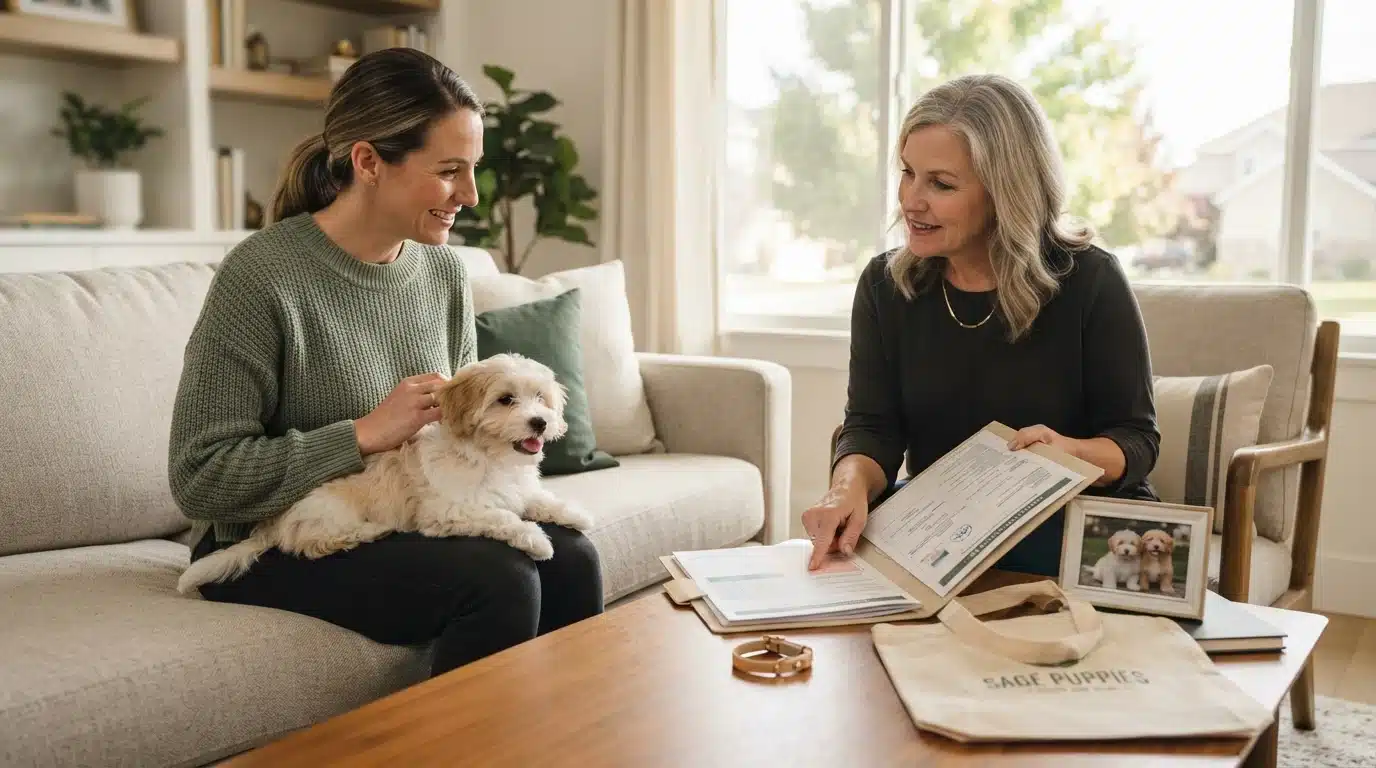
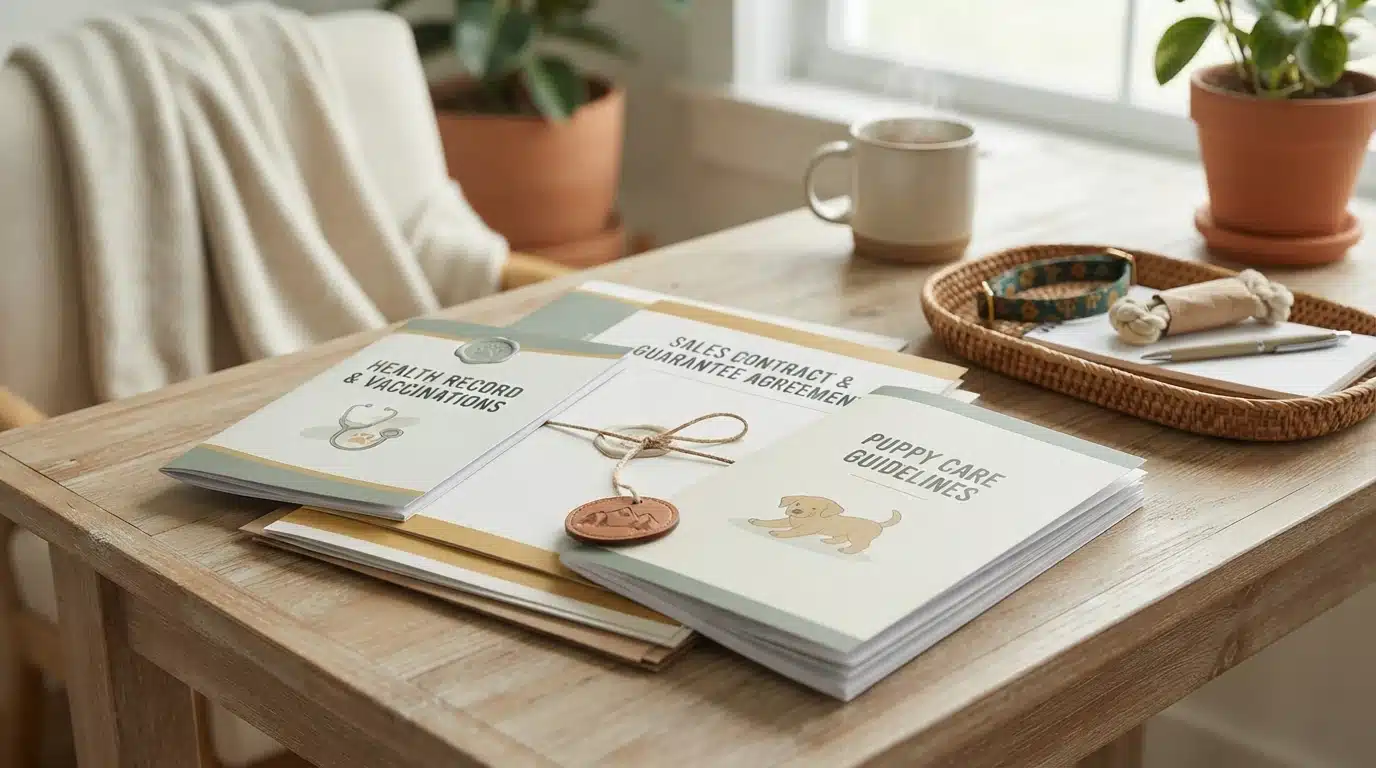
Ask for paperwork and a good breeder hands it over without hesitating. Expect vaccination and deworming dates, a vet exam record for each puppy, results from parent health testing, and a written contract. If a seller says the papers are “at the printer” or promises to email them later, treat that as a stall. Verify claims yourself: check the parent’s OFA health test results against what the breeder told you.
Ongoing Veterinary and Health Testing Relationships
Responsible breeders work with one or two veterinarians over years, not days. Their adult dogs get regular exams, and litters are checked before they go home. When you call the clinic, the staff can confirm the breeder is a real client. Ask which tests the parents had for breed-specific issues, such as hip and eye screenings in Havanese and poodle mixes, and request dates and results in writing.
Visits, Communication Rhythm, and After-Sale Support
Good breeders invite you to see where puppies live, or offer a live video call if distance is an issue. They answer questions before and after pickup, ask about your home, and stay reachable once the puppy settles in. Small programs like Sage Puppies build the whole process around that conversation, from application through matching. If a seller goes quiet the moment you pay, that tells you what support will look like later.
A Verification Checklist Before You Pay
What should you ask a breeder before paying a deposit? Ask which health tests both parents passed, request proof you can check yourself, and confirm where the puppy was raised. The three stages below turn those questions into an ordered checklist, so each answer gets verified before money moves.
Stage One: Research Before You Contact Anyone
Search the breeder’s name plus words like “scam,” “complaint,” or “review” and read what past buyers say. Check whether the breed fits the program: a litter listing five different breeds is a puppy mill sign. Then read the AKC’s guide to responsible breeders so you know what normal looks like. A small program such as Sage Puppies publishes its process openly, which makes this step easy.
Stage Two: During the Visit or Video Walkthrough
Ask to see the mother with her puppies in the space where they actually live. A good breeder screens you too, asking about your home and schedule, because that care cuts both ways. Request both parents’ registered names so you can look up their health screening on the OFA site later.
Stage Three: Before You Send Money or Sign
Verify every claim in writing. Ask for vaccination dates, vet exam records, and a written contract that states health terms clearly. Insist on a receipt for any deposit, and walk away from pressure to pay by gift card or wire, the classic puppy scam pattern.

Spotting red flags is half the job. The other half is finding a breeder who welcomes every check. At Sage Puppies, our application and owner-managed matching process is built for exactly that, so you can ask anything and see everything before you reserve.
Frequently Asked Questions
Q1: What are the red flags of an unreliable puppy breeder?
The big ones: no access to where puppies live, the mother missing from visits, puppies sent home before eight weeks, no contract, and no verifiable health testing. Payment by wire, gift card, or crypto is another major warning sign.
Q2: What should I look for when visiting a breeder’s home in person?
Ask to see the mother with her litter where they actually sleep. Check for clean bedding, no strong urine smell, and puppies that are curious and comfortable being held. Then get both parents’ registered names to verify testing later.
Q3: How do I avoid puppy mills and online puppy scams?
Trace every listing to the person who raises the dog. Ask who owns the mother, request a live video tour, reverse-image search puppy photos, and never pay before you have seen the litter.
Q4: What questions should I ask a puppy breeder before paying a deposit?
Ask which health tests both parents passed, where the puppies were raised, how many adult dogs live on site, and what the written refund terms say. Then confirm each answer with documents you can check yourself.
Q5: How many litters a year is too many for one breeding dog?
Responsible small programs breed one or two litters a year per female. A mother bred every heat cycle is a volume signal, not a coincidence, so ask the question directly and expect a direct answer.
Conclusion
An unreliable breeder hides. Reliable ones show you the mother, the living space, and records you can check yourself. That single difference separates a puppy mill from a responsible program.
The warning signs cluster in five areas: transparency, health, housing, sales tactics, and paperwork. One weak answer deserves a question. Problems in two or more deserve a walk away.
Remember the hard disqualifiers too: puppies shipped under eight weeks, refused visits, untraceable payments, and no written contract. Verify each claim with documents, ask your health testing questions early, and trust a breeder who welcomes the scrutiny.