Quick Summary: A reputable puppy breeder should provide verifiable health records, a real address, a written contract, and a live tour of the mother dog and litter before you pay. Walk away if a seller pressures you, hides records, refuses calls or video, uses suspicious payment methods, or shows a pattern of puppy mill and scam signs. Keep all communications in writing, use traceable payment, and report suspicious sellers to the FTC and your bank.
Real photos of the litter, a pickup address, and a health guarantee on the website tell you almost nothing. Scammers copy all three, and the questions that would expose them usually come up only after a deposit is sent. That is the trap this guide helps you avoid.
Here you will learn the puppy breeder red flags that show up in the listing, the website, and the search result itself, plus the exact proof to request for each one, such as health records and a chance to meet the mother dog. You will also get the next step to take when an answer falls short.
We run a small Havanese, Havapoo, and Cavapoo program in South Jordan, Utah, and we built this framework from the questions serious families ask before they commit, not after. Use it to sort a responsible dog breeder from puppy mill signs before money changes hands.
The Green Flag Baseline: What a Reputable Breeder Near You Should Show
Red flags are easier to spot once you know what good looks like. A responsible breeder proves each claim with paperwork, and most of the classic puppy breeder red flags are simply the absence of that proof.
Health testing they will show you on request
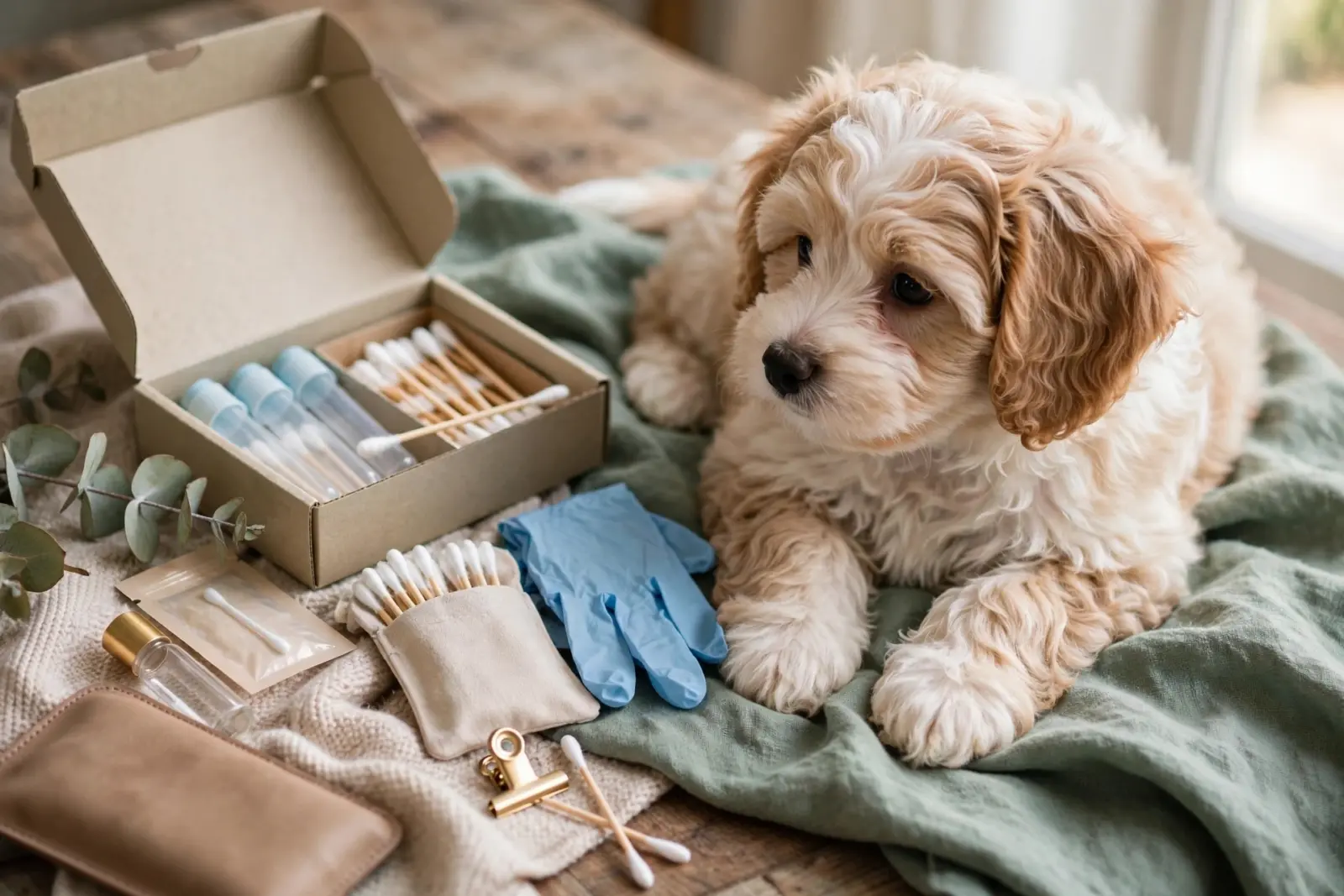
How can I verify health testing claimed by a breeder? Ask for the documents, not the promise. A trustworthy breeder shows parent health clearances from OFA for hips, patellas, eyes, and cardiac exams, plus genetic panels for known breed conditions. Verify the records match the parents’ registered names, and confirm registration numbers directly in the OFA database. If testing “wasn’t needed,” walk away.

Puppies raised in a home, with socialization you can see
Family raised puppies live in the house, hear daily noise, and meet new people. Ask for unedited video calls or photos from the actual whelping area, not staged stock images. The mother should be present, healthy, and friendly with visitors. Puppies that flinch at human touch or hide behind the couch have missed weeks of handling you cannot make up later.
A written contract, a waitlist, and a phone number that works
Expect a written agreement that covers health guarantees, spay or neuter terms, and a clear puppy deposit refund policy. Read it before you pay anything, and take a day to review it if you need to. A reputable breeder near me will also have a waitlist, because well-raised litters are usually spoken for before they arrive. Finally, call the phone number. Someone who avoids calls, texts only, and pressures a same-day deposit is hiding something. Our own key questions to ask a puppy breeder work well as a phone script.
Support that continues after pickup
The relationship should not end at handoff. Look for breeders who ask about your home setup, provide feeding and vaccine records, and answer questions weeks later. Many responsible programs, including ours in South Jordan, Utah, offer lifetime return terms: if the match fails, the puppy comes back, never to a shelter.
Red Flags in the Listing, the Website, and the Search Result
The most common puppy breeder red flags are easy to spot once you know what to look for:
- Puppies listed as available every week, with no waitlist
- Vague prices, discounts, or deals that shift with pressure
- Stock photos and videos that never show a real litter
- Sellers with no home address, or marketplaces that act like brokers
- “Health guaranteed” claims with no test records behind them
Each one pairs with a simple check, covered below.
Puppies available every single week, with no waitlist
Responsible breeders plan litters. A real program usually has a puppy breeder waitlist, a gap between litters, and homes reserved before birth. If a seller’s ad shows different available puppies every week, all year long, ask how many litters the dam has had in two years. No clear answer? Walk away.
Prices that dodge the details
Watch for listings with no price at all, prices far below the breed norm, or sellers who offer discounts if you pay today. Scam listings often use pressure tactics like sales or free puppies when you cover shipping, according to the FTC’s pet scam guidance. Ask what the price includes: vet exams, vaccines, microchip, and contract terms.
Photos and videos that cannot be verified
Stock and copycat photos are a core puppy mill sign and a scam tactic. The AKC recommends reverse image searching every listing photo and asking for a live video call where the seller pans the room on request, showing each puppy and at least one parent. A seller who can only send saved clips, or refuses video entirely, has given you your answer.
Third-party marketplaces, pet store counters, and no location at all
Puppies sold through classified sites, brokers, or store counters rarely come from a responsible dog breeder. They usually trace back to high-volume kennels. Ask for a street address you can verify, and plan a visit or at least a video tour of the home. No address means no puppy.
Health claims that are not claims at all
“Health guaranteed” means nothing without paperwork. A real claim comes with dates, vet names, and records you can call to confirm. Ask for the puppy’s exam, vaccine, and deworming records, plus parent health tests for the breed. Use this list to verify puppy breeder health records before any money moves, because deposit refunds are rare once a seller disappears.
Red Flags in Emails, Texts, and Phone Calls
A listing can look clean and still hide trouble. How the breeder communicates, usually by email, text, or phone, reveals the rest. Scammers rely on distance, urgency, and untraceable payment. Each warning sign below comes with the evidence to ask for and the next step to take.
Refusal to talk by phone or video
A real breeder wants to meet you, even virtually. If someone only texts and dodges every call, ask why. Evidence to request: a scheduled video call that shows the puppy moving around, not a single posed photo. Next step: propose two specific call times. If they keep postponing or claim their camera is broken, walk away. Text-only sellers are often running the same “puppies” in ten states at once.
Urgency, scarcity, and pressure to pay now
“Three other families are interested.” “This price ends tonight.” Pressure is a tactic, not a fact. Reputable programs expect questions, and a fair puppy breeder waitlist process gives you time to review terms before money moves. Evidence to request: the deposit terms in writing, including any refund policy. Next step: if you feel rushed, pause for a day. Honest sellers hold your spot for a real conversation, not a countdown timer.
Payment methods that make recovery difficult
The AKC warns that requests for wire transfers or gift cards are a classic scam marker, and the BBB notes these methods offer no way to get your money back (AKC, BBB). Evidence to request: an itemized invoice tied to a contract, and a traceable payment option like a card. Next step: refuse anything irreversible, and see how questions about deposits and contracts are answered before you commit.
Won’t let you meet the parents or see where the puppies live
If visits and video tours are “not possible,” treat it as a puppy mill sign. Evidence to request: a live video walkthrough showing the mother with her litter, plus vaccination and vet records naming the clinic. Next step: verify the vet directly by phone. A breeder who raises puppies in the home will show you, because that daily care is their pride.
Red Flags You Can Only See In Person or on Live Video
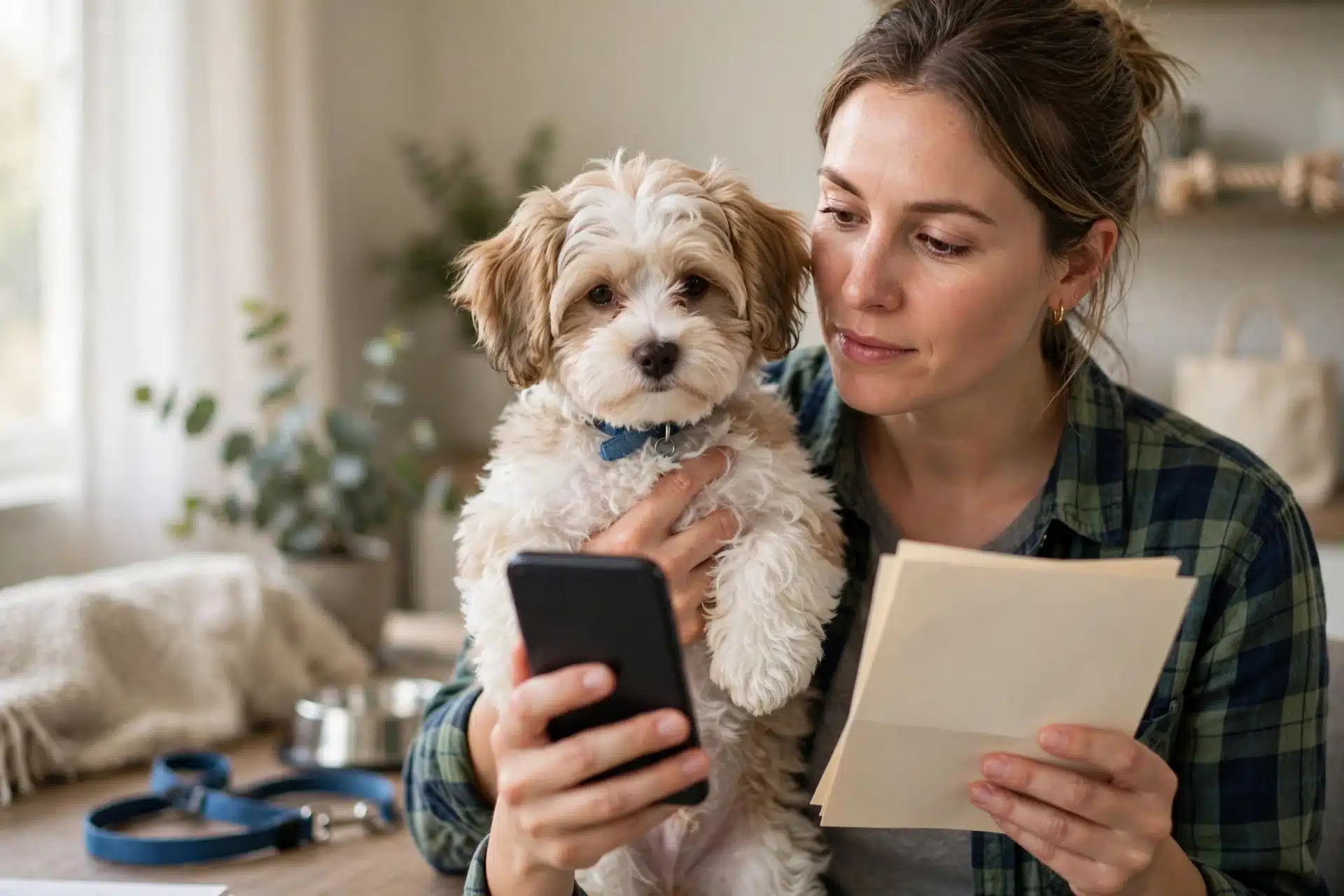
Photos and text listings hide the details that matter most. A video call or an on-site visit shows you the breeder’s real environment in minutes. Ask for a live walkthrough before you pay anything, and treat a refusal as an answer. Puppy mill sellers often won’t let you meet the puppy’s mom, so a breeder who dodges the request fails the visit before it starts.
Where the puppies actually are
Ask to see the exact room where the puppies sleep and play. A clean kennel run is not the same as a home, so watch for wires, strong ammonia smells, stacked cages, or more litters than one program can handle. Some sellers show only a parking lot or a drop-off spot. If they breed Havanese, Havapoo, or Cavapoo litters under one roof year-round, ask how many adult dogs they keep and where those dogs live.
How the puppies behave with the breeder
Watch the interaction, not the puppies alone. Well-raised pups run toward the person who feeds and handles them, so calm curiosity is a good sign. Flinching, cowering, or frantic barking suggests the dogs are kept in cages and rarely touched. Ask the breeder to pick each puppy up on camera and turn it over. Hesitation, rough handling, or a pup that goes rigid tells you socialization has not happened.
Records they bring out, and records they do not
On a video call, ask the breeder to hold documents up to the camera. You want the dam’s health test results, vaccination and deworming dates, and a vet’s name and clinic. A responsible breeder shows the mother dog and the paperwork together. Generic “vet checked” claims, blurred dates, or a promise to email everything after you pay are puppy mill signs, so verify puppy breeder health records before your deposit leaves your account.
The pressure you feel during the visit
Notice how the breeder responds to your questions. Defensiveness about the parents’ location is a warning sign. So is urgency: “three other families are coming today” is a sales tactic, not a waitlist. A good breeder asks you questions too, and accepts that you may need a day to decide.
How to Verify a Breeder Near You Before You Pay a Deposit
Finding a reputable breeder near you comes down to checking four things before any money moves:
- Confirm the breeder’s identity and physical address.
- Request health and genetic records in writing.
- Read the full contract and deposit refund terms.
- Walk away, or report the seller, if a flag cannot be cleared.
Check the identity before the money moves
Ask for the breeder’s full legal name, address, and license or registration number, then match them against the listing. A video call from inside the home works better than photos, which are often stolen. The FTC warns that many fake sellers disappear the moment payment clears, so never send money by gift card, wire, or payment app.
Request the health and genetic records in writing
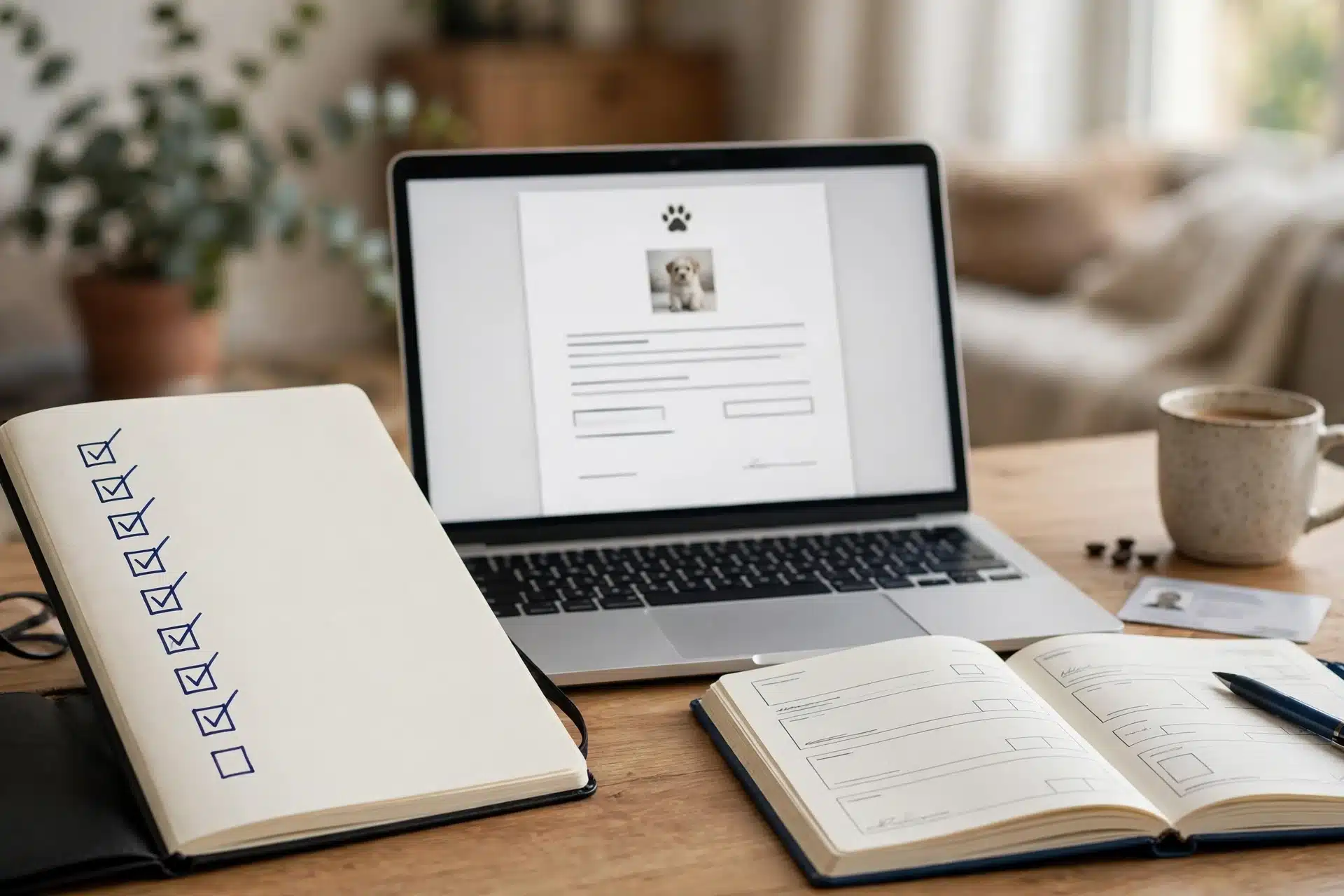
A responsible breeder shares parental health testing results without being asked twice. Ask for written proof of genetic screening for the breed, vaccinations, deworming dates, and the vet exam record for the puppy you would take home. Screenshots of “health tested parents” mean nothing. Documents with the clinic’s name on them do.
Read the contract and the deposit terms before paying
A solid puppy purchase contract states what your deposit covers, whether it transfers or refunds, when the balance is due, and what health guarantees apply. It should also cover your obligation to return the dog to the breeder if you cannot keep it. Get every promise in the contract itself, because a verbal promise protects no one.
Warning: If a breeder pressures you to pay same-day to “hold” a puppy, treat that urgency as a red flag, not a discount.
Know the next step when a flag cannot be cleared
When a breeder refuses records, dodges a video call, or changes the story about a puppy’s location, stop the deal. Keep your messages, screenshots, and payment records. Then report the puppy scam to the FTC at ReportFraud.ftc.gov and notify your bank about any payment already made. A cleared breeder, by contrast, answers every request calmly and puts each answer in writing, which is exactly what you should expect from the application and deposit refund terms you review before reserving a puppy anywhere.
Common Mistakes to Avoid
Treating one red flag as proof of fraud
No single warning sign ends the conversation. Stock photos, a thin website, or slow replies each have innocent explanations. Look for patterns instead. One red flag deserves a question; three together deserve a walk-away. Judge the breeder’s response, not just the flaw.
Paying a deposit before reading the paperwork
Deposits lock in your spot, so read the puppy purchase contract review materials before you send money. Ask for the health guarantee, the puppy deposit refund policy, and vaccination records in writing. A reputable breeder near you will share these freely. Hesitation here is your clearest signal to pause.

You now know which red flags matter and what proof to ask for at each step. Put that checklist to work when you browse Sage Puppies. Review our Havanese, Havapoo and Cavapoo litters, then start the application so Cassie can match you with a well-bred puppy raised in South Jordan, Utah, or delivered to your door.
Frequently Asked Questions
Q1: What are the top red flags when searching for a reputable puppy breeder near me?
Watch for constant availability with no waitlist, refused video calls, vague prices, and “health guaranteed” claims without records. One flag deserves a question; several together mean walk away.
Q2: How do I verify puppy breeder health records?
Ask for written OFA results and genetic panels matching the parents’ registered names. Confirm registration numbers in the OFA database and call the vet clinic named on the puppy’s exam records.
Q3: When should I pay a deposit?
Only after reading the full contract, including the health guarantee and puppy deposit refund policy. Never pay by wire, gift card, or payment app, and refuse same-day pressure.
Q4: Should I meet the mother and father dogs?
Yes, in person or on live video. The mother should be present, healthy, and friendly with visitors.
Q5: What if a breeder only communicates by text?
Propose two specific call times. Continued postponement is a red flag, since text-only sellers often run identical listings in several states.
Q6: How do I report a puppy scam?
Keep all messages and payment records, report the seller at ReportFraud.ftc.gov, and notify your bank immediately.
Conclusion
A reputable breeder near you proves every claim. Health testing results, a real address, a written contract, and a live look at the mother dog with her litter separate responsible dog breeder signs from puppy mill signs and scams. One warning sign deserves a question; a pattern of dodged calls, vague prices, and missing records deserves a walk-away. Keep evidence in writing, never pay by wire or gift card, and read the puppy deposit refund policy before any money moves. When a seller fails these checks, keep your records and report the puppy scam so the next family is protected.