Quick Summary: Buying a puppy in Utah typically takes two to four months from first message to go-home day, so start by picking your target date and counting backward. The process runs through six checkpoints: application review, temperament matching, deposit and written agreement, waiting for the litter to reach 8 to 10 weeks, a two-week prep countdown, and travel or pickup day. Sage Puppies walks each family through these steps for Havanese, Havapoo, and Cavapoo adoptions, handling matching directly and confirming go-home weeks in writing so local South Jordan pickup or out-of-state flight-nanny delivery stays on schedule.
You spot a Havapoo litter posted on a Tuesday in South Jordan. You send a message Wednesday. Then the real question appears: not which puppy, but how many Wednesdays, vet visits, and supply runs stand between that photo and a small warm body asleep on your kitchen floor.
That gap trips up most buyers. Lists of puppies for sale in Utah show you who has litters today, yet almost nothing explains when you can actually bring one home. Deposits, application review, health checks, and pickup or delivery all follow a schedule, and guessing wrong costs weeks.
This guide lays out a clear puppies for sale in Utah adoption timeline, week by week, from first contact to homecoming. It separates local South Jordan pickup from nationwide delivery, so you can plan with real dates instead of hunches. The timeline reflects how Cassie Milar’s Sage Puppies program, founded in 2025, runs its Havanese, Havapoo, and Cavapoo adoptions for families near and far.
Most families start looking when they want a puppy now. That instinct works against you. A real puppies for sale in Utah adoption timeline runs backward from one date: go-home day, when your puppy actually comes home. Pick that date first, then count backward through each step below.
Step 1: Map Your Timeline Before You Reach Out
Work Backward From Go-Home Day
Puppies leave for new homes around 8 to 10 weeks old, once they are weaned and vaccinated enough to travel. So a go-home date of, say, June 1 means you need a litter born in late March or early April.
Breeding does not follow a schedule you set. A litter may already be spoken for, or a mama may not have bred this cycle. That is why the search itself takes longer than most buyers guess: applying, matching, and waiting for the right litter can add weeks on its own. Mark your go-home day on the calendar first, then give yourself two to four months of lead time.
The Four Variables That Shift Every Week
Four factors move your timeline more than anything else:
| Variable | How It Shifts Your Date |
|---|---|
| Litter availability | No matching litter means waiting for the next breeding cycle |
| Puppy age at go-home | 8 weeks is the earliest; some breeders hold to 10 |
| Pickup vs. delivery | Local South Jordan pickup is same-day; nationwide delivery adds flight scheduling |
| Your preparation | Vet, supplies, and time off work need booking ahead |
Each one can push go-home day by a week or more. Plan for all four before you fill out any application.
If you want the fuller picture, our guide to finding puppies for sale in Utah covers what to ask before you commit.
Step 2: Submit the Application and Wait for a Real Response
Once you know the go-home window you’re aiming for, the application becomes the next real checkpoint in any puppies for sale in Utah adoption timeline. Good breeders don’t sell first come, first served. They screen first, then match.
What a Strong Utah Breeder Application Looks Like
Expect questions about your home, your schedule, and your experience with dogs. A serious breeder wants to know who lives in the household, whether you rent or own, if there’s a fenced yard, and how many hours a puppy would be alone each day. Some ask about other pets, your vet, and your plans for training and socialization.
Answer honestly, not with what sounds ideal. A breeder who places a Havanese or Cavapoo with a family that isn’t ready sets both up for heartbreak. Honesty helps her match you to the right litter, or tell you plainly to wait.
Small, owner-run programs usually ask more questions than large kennels, not fewer. That’s a feature. When Cassie reviews applications at Sage Puppies, she also reads for fit with her three breeds, since Havanese, Havapoos, and Cavapoos have different energy levels and coat care needs.

How Long the Response Window Actually Is
Here’s the uncomfortable truth: responses vary wildly. Well-run programs often reply within a few days, while some breeders take two weeks or longer, especially during busy litter seasons.
Use the wait as a signal. Silence past two weeks, with no acknowledgment at all, tells you something about how she’ll communicate once you’ve paid a deposit. A quick, human reply, even one that says “we’re reviewing, expect an answer by Friday,” tells you the opposite.
If she says no or suggests another litter, that’s not rejection. It’s matchmaking doing its job.
Step 3: Move Through the Matching and Reservation Phase
Once your application is approved, the process shifts from paperwork to people. This is the stretch where you and the breeder agree on a specific puppy, and where a deposit locks in your place. It usually happens while the litter is still too young to leave, so nothing here is rushed, and that is by design.
Why Matching Takes Longer Than You Expect
Families often assume matching means picking from photos on day one. In practice, good breeders wait until puppies are several weeks old before assessing temperament, because personality becomes clearer as they grow. Coat type, energy level, and how each puppy handles handling all matter more at week five than at birth.
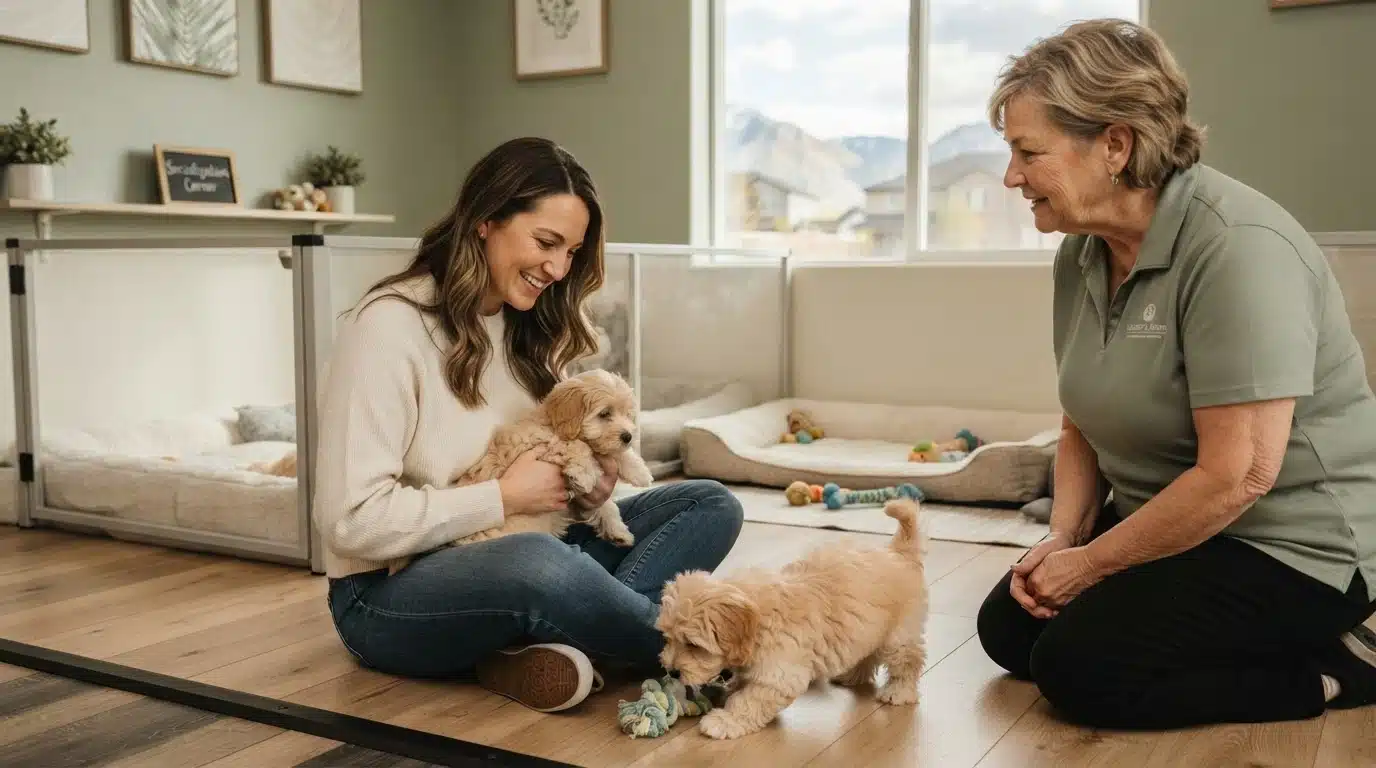
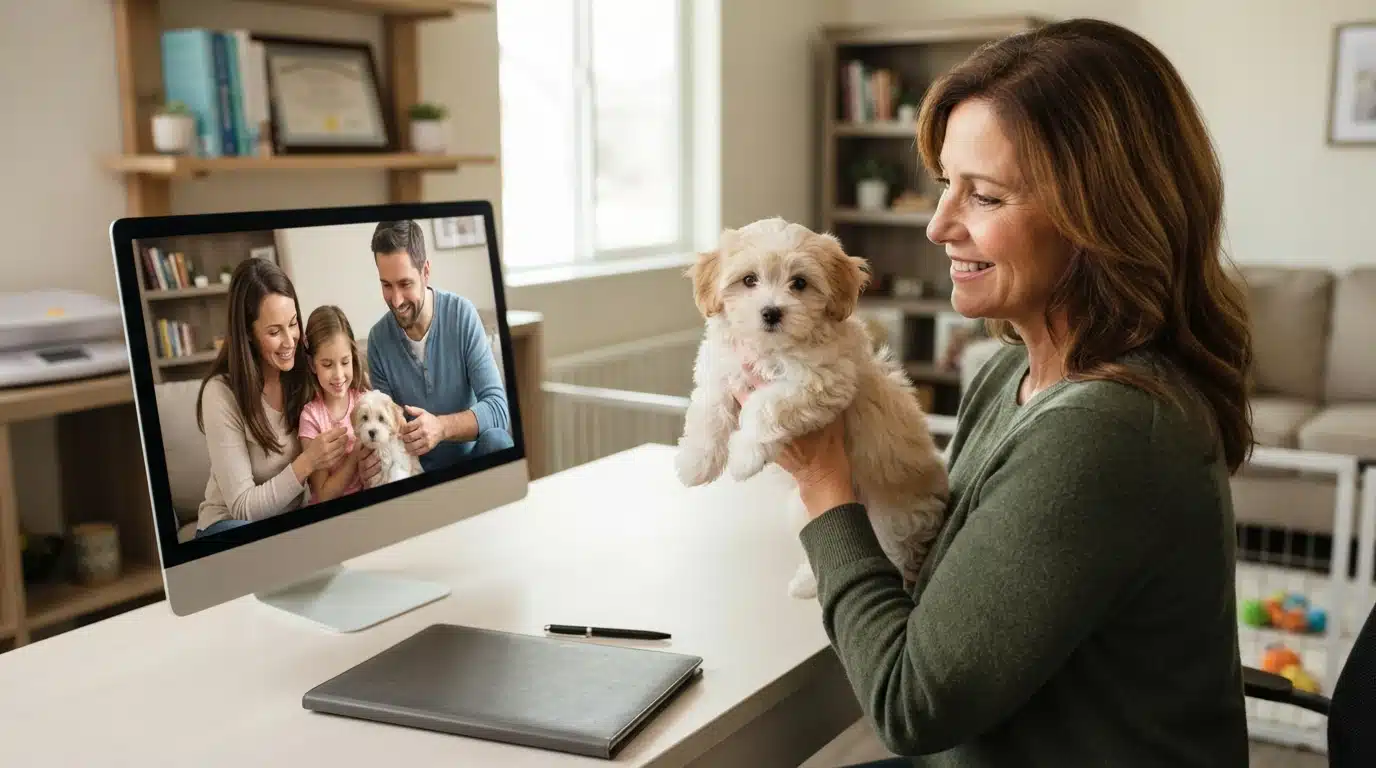
That means you may spend two or three weeks in conversation before a match is confirmed. Expect video calls, updated photos, and honest notes about which puppy suits a busy household versus a quieter one. Boutique programs take this slowly on purpose. Sage Puppies, for example, manages matching directly rather than handing families a first-come list, so the breeder’s read on each puppy shapes the pairing.
Ask for this time. A quick match can feel exciting, but a few extra weeks of questions usually produces a better fit.
Reservation Day: Deposit, Paperwork, and Promises
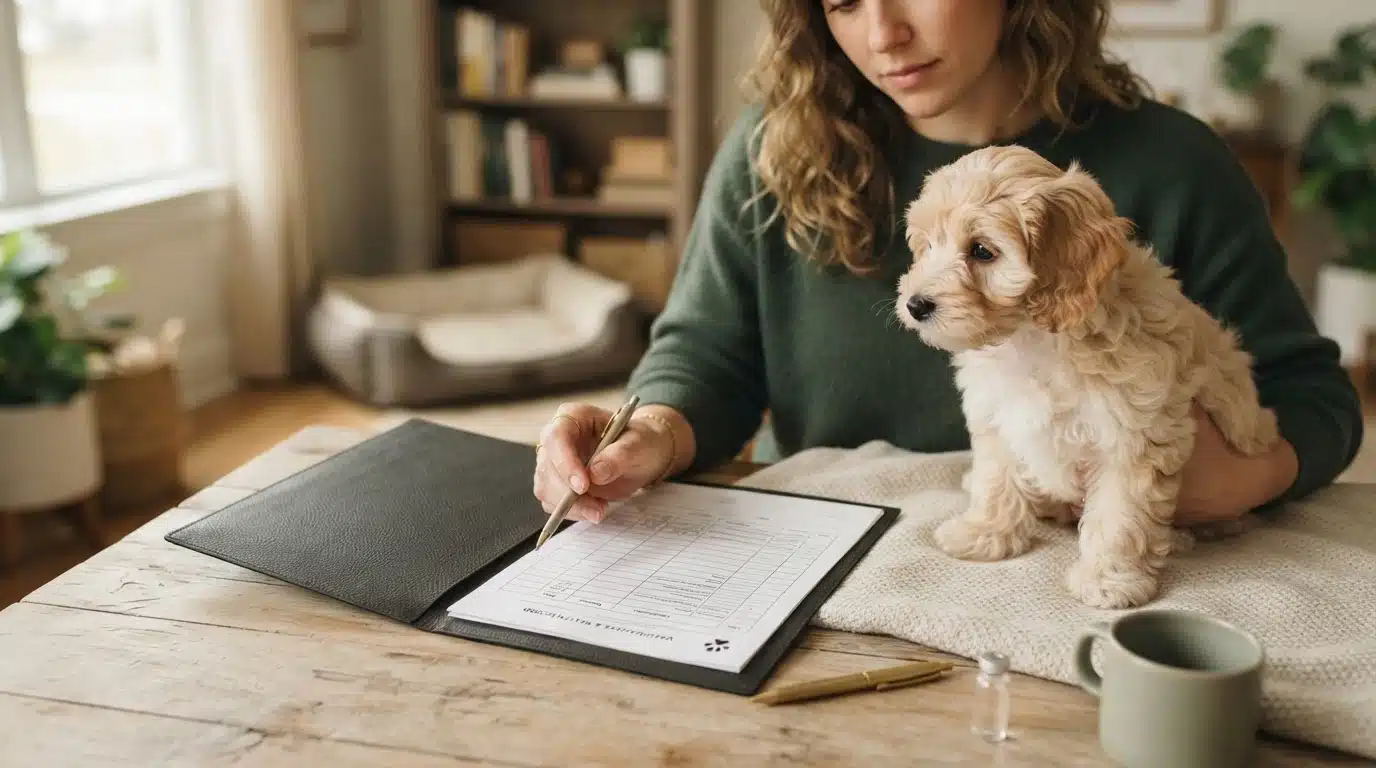
When a match is confirmed, you will place a deposit and sign a purchase agreement. The deposit applies toward the total price, which for a Havanese, Havapoo, or Cavapoo from a Utah boutique program typically runs $3,500 to $4,500.
Before you sign, read three things closely:
- What the deposit covers and whether it transfers to a later litter if your circumstances change.
- Refund terms, in plain language. Review the puppy deposit refund policy details so you know what happens if a health issue or life change intervenes.
- Spay or neuter clauses and health record promises, since these vary between programs.
Tip: Get every promise in writing before the deposit moves. A breeder who resists written terms is telling you something.
Payment itself should go through a trackable method, never gift cards or wire transfers to a stranger.
Local Pickup vs Nationwide Delivery at This Step
Decide now how the puppy will travel, because it shapes your go-home logistics. South Jordan pickup means a short drive and a face-to-face handoff with the breeder. Families outside Utah usually arrange flight-nanny delivery or similar ground transport, which needs booking once the go-home date firms up. Either way, confirm the plan in writing during the reservation phase so week eight does not arrive with travel unresolved.
Step 4: Live Through the Waitlist and Litter-Growth Weeks
Once your application clears and your deposit holds a spot, the hardest part starts. You wait for a litter, then you wait while that litter grows up. Here is what happens and how to keep your sanity through both.
Health and Development Milestones That Pace the Wait
Puppies cannot leave their mother just because they look ready. Breeders follow a fairly standard development track, and each stage gates the next one.
In the first two weeks, newborns are blind, deaf, and fully dependent on their dam. Eyes open around 10 to 14 days, and ears follow shortly after. By week three, they wobble around the whelping box. Weeks four through six bring weaning, first solid food, and early socialization with littermates and people.
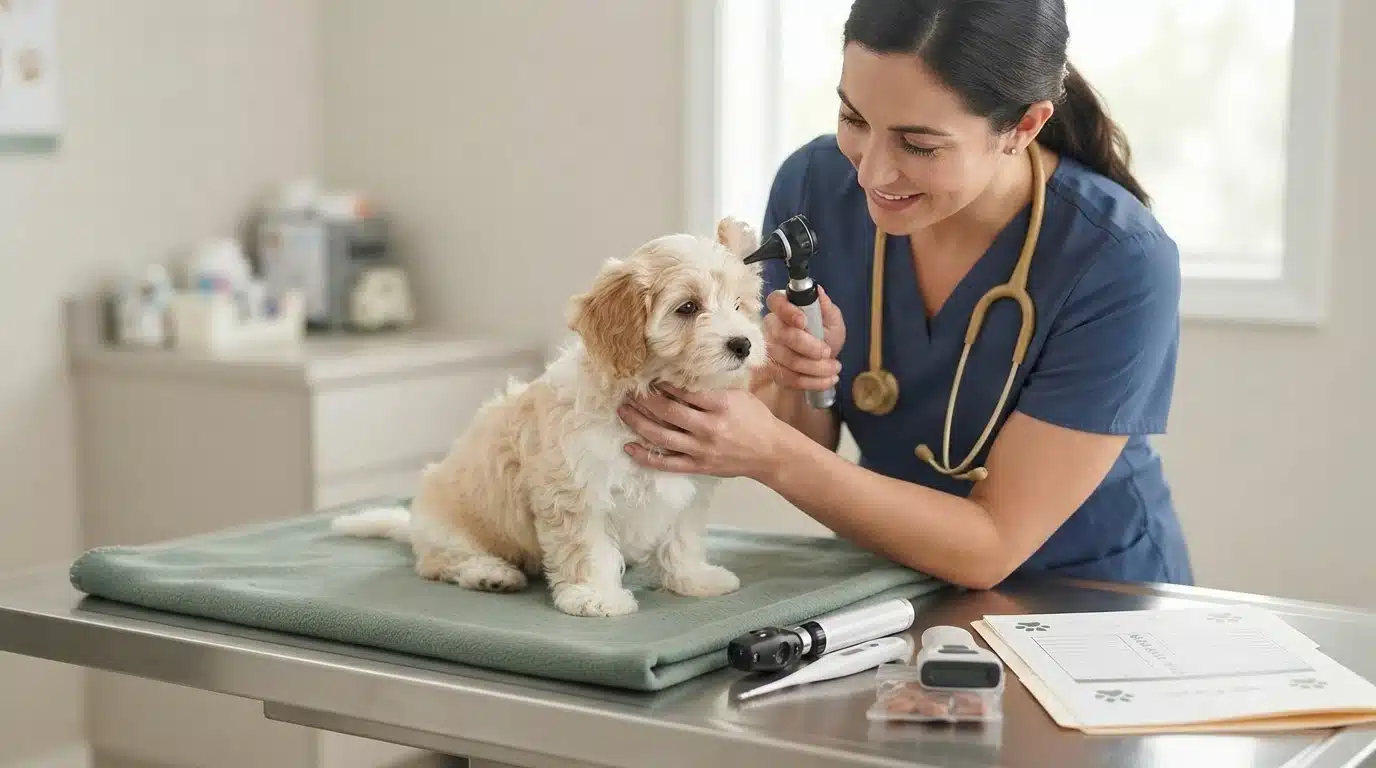
The final stretch matters most for you. First vaccinations typically happen around 6 to 8 weeks, and many veterinarians recommend a wellness exam before travel. Most puppies go home at 8 weeks; some breeders hold to 10. Ask your breeder for the expected go-home window as soon as the litter is born, then plan pickup or delivery around it.
Reading Breeder Updates Without Spiraling
Good breeders send photo and video updates, but they also have full-time jobs raising a litter. A gap of a week or so between updates is normal, not a red flag. If your breeder said weekly updates and you hear nothing for three weeks, a polite check-in is fair.
Do not read urgency into every message, either. A video of your puppy sleeping is just a video of your puppy sleeping. Doodle and Havanese litters change fast, so breeders often batch their photos rather than send daily clips. Trust the process you agreed to in writing, and save your questions for the scheduled update so they do not pile up.
When the Waitlist Order Actually Moves
Waitlists move in deposit order, and the trigger is simple: a litter is born and confirmed. Positions never shift mid-litter in a fair program.
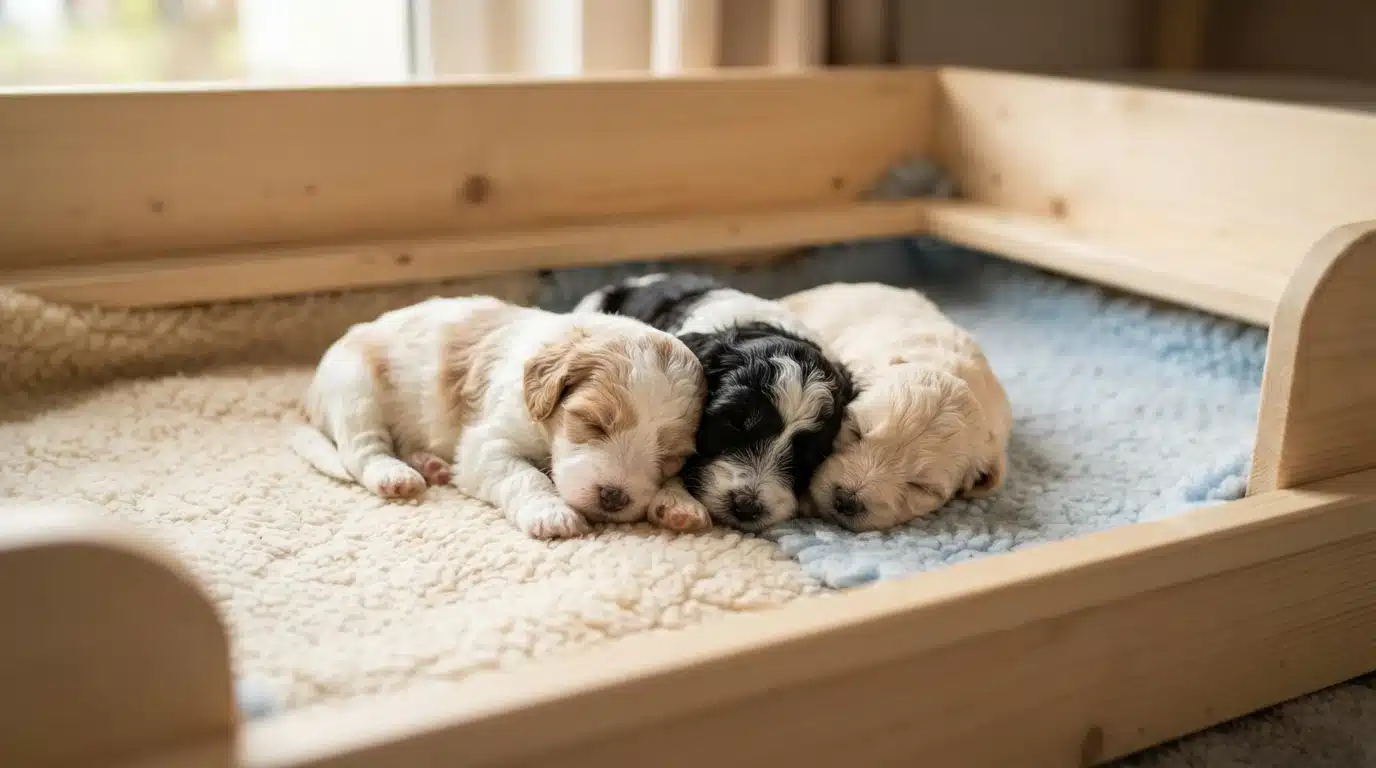
Your spot covers the order of picks within a litter, not a guaranteed puppy by a certain date. If a litter has fewer puppies than the list ahead of you, you roll to the next one. Some families pass on a litter to hold position for a better coat color or timing fit, which moves the line for everyone behind them. Knowing this upfront keeps expectations honest, and a program like Sage Puppies confirms the sequence in writing so families can plan pickup or delivery around real go-home weeks instead of guesses.
Step 5: Run the Go-Home Prep Countdown
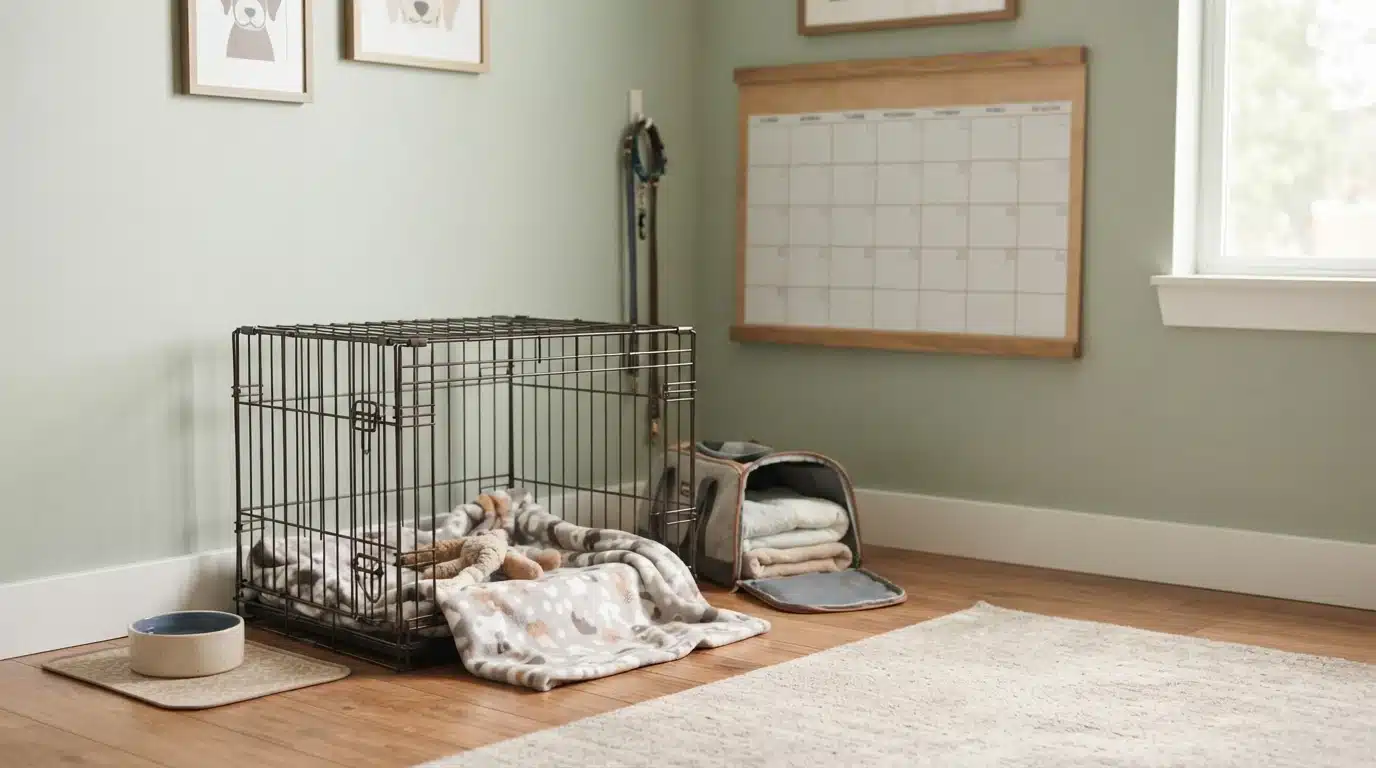
Once your go-home date is set, work backward. A two-week countdown keeps the pickup day calm instead of a scramble. Write the date on a calendar, then give each week one job.
Supplies, Crate, and Home Setup on a Calendar
Start with the big purchases two weeks out. Small breeds like a Havanese or Cavapoo need a small crate, a harness, food and water bowls, puppy food (ask the breeder what the puppy eats now), and a few toys. Buy these early so prices and sizing are not rushed.
The week before go-home, puppy-proof the house. Pick up cords, shoes, and small objects. Block stairs or off-limit rooms with a gate. Set up one quiet corner with the crate, a bed, and water, so your puppy learns where “home base” is from day one.
A few days out, plan the first ride. If you are driving to South Jordan for pickup, pack towels, water, and a chew for the trip home. Nationwide families should confirm the delivery day, flight or ground route, and who meets the puppy. A small pen and pee pads ready at home make the first hour easier.
Scheduling the First Utah Vet Visit
Book the wellness exam before your puppy arrives, not after. Many vets see new puppies within the first three days home. Call two or three weeks ahead, because good clinics book out.
Bring the breeder’s records, including vaccination dates, so your vet can plan the next shots. Boosters usually continue every three to four weeks until about 16 weeks old, according to Snellville Animal Hospital.
You can walk in prepared with our first vet visit checklist for new puppies, then just ask your vet anything that feels unclear. Ask about food, parasite prevention, and a vaccine schedule that fits Utah’s climate. A visit this early also gives your puppy a calm first impression of the clinic.
Step 6: Travel Day, Handover, and the First 10 Days
The go-home date is where months of waiting turn into an 8-week-old puppy in a travel crate. How that day unfolds depends on whether you drive to South Jordan or wait for a delivery.
Local South Jordan Pickup: What the Day Looks Like
Plan on spending 45 minutes to an hour at pickup, not five. You will settle the final balance, sign the purchase contract, and review the puppy’s vaccine and deworming record. Good breeders send you home with a small food sample, a familiar-smelling blanket, and written feeding instructions, so ask for those if they are not offered.
Bring a secured crate or a seatbelt-style harness setup for the ride home. A loose puppy in a car is a real risk, so this is not optional. Most families schedule pickup in the morning, which gives the puppy a full daylight stretch to explore your home before its first night.
Expect the puppy to sleep a lot and eat less the first two days. That is normal travel stress, not illness. A vet wellness exam within the first few days confirms everything is on track, and many contracts require one, so book it before pickup day.
Tip: Keep the first week boring. No dog parks, no visitors, one room of the house. Routine builds confidence faster than socializing does.
Out-of-State Delivery and Flight Nanny Options
If you live outside Utah, you have two main paths: ground transport or a flight nanny. A flight nanny is a person who flies with your puppy in an airline-approved carrier inside the cabin, never in cargo. Costs vary widely by distance and route, but most families pay somewhere between $600 and $1,800 depending on flight length and layovers, according to one 2026 pricing guide.
The breeder or the nanny sends photos and updates during the trip, and you meet the puppy at your airport. Confirm the health certificate is current before the flight, since airlines require it. Either way, the crate your puppy travels in becomes a familiar den, so set it up at home right away.

If the timeline above feels like a lot to track, you don’t have to map it alone. Sage Puppies walks you through every checkpoint, from application to go-home day. Start your application today and get a clear date on your calendar.
Frequently Asked Questions
Q1: puppies for sale in utah adoption timeline?
Most families need two to four months from first contact to go-home day. Expect a few days to two weeks for application review, two to three weeks for matching, then waiting until the litter reaches 8 to 10 weeks old.
Q2: When should I place a deposit?
After your application is approved and a specific puppy is matched, usually while the litter is still young.
Q3: Can I pick up my puppy the same day it turns 8 weeks?
Often yes, but some breeders hold puppies to 10 weeks. Confirm the go-home window early.
Q4: How does nationwide delivery change the timeline?
It adds flight-nanny booking and health certificate timing, so confirm travel plans during the reservation phase.
Q5: What does a Utah puppy cost?
Boutique Havanese, Havapoo, and Cavapoo programs typically run $3,500 to $4,500, with delivery fees extra.
Q6: When should I book the first vet visit?
Two to three weeks before go-home, aiming for an exam within the first three days home.
Conclusion
A realistic adoption timeline runs two to four months from first contact to go-home day. The checkpoints are predictable: application review within days to two weeks, matching over two to three weeks, a deposit and written agreement, then waiting until the litter turns 8 to 10 weeks old. Work backward from your go-home date, prepare your home and vet visit in the final two weeks, and decide early between South Jordan pickup and nationwide delivery, since travel plans affect your dates. Keep every promise in writing, and treat a slow or hesitant breeder response as useful information. Families who plan for the four shifting variables, litter availability, puppy age, transport, and preparation, bring home a well-matched puppy without last-minute scrambles.