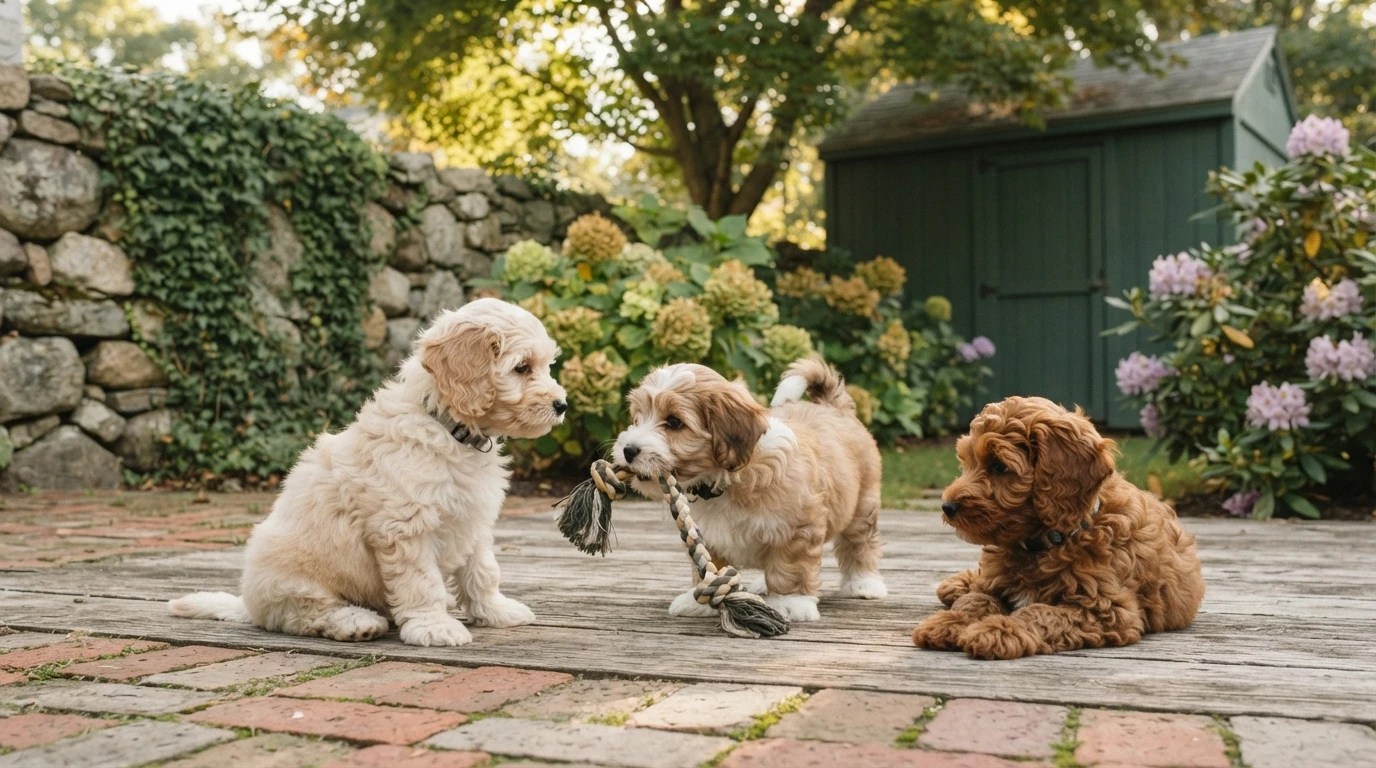
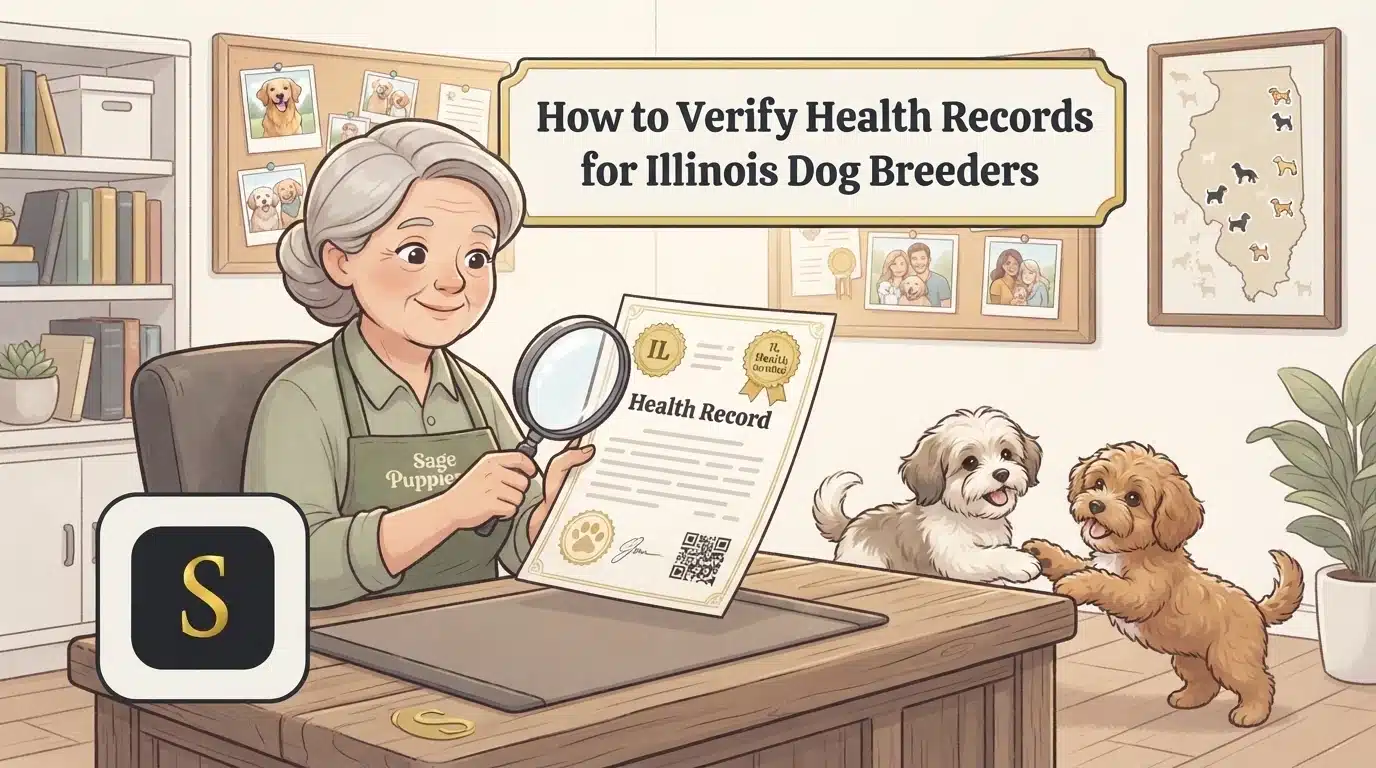
Quick Summary: Buying a puppy in Indiana requires careful screening of breeders, focusing on health testing, responsible care, and transparency. Laws set minimum standards, but buyers should verify parent health, socialization, and home conditions. Avoid low prices and vague answers, and prioritize breeders who provide clear records and honest communication. Programs like Sage Puppies exemplify responsible practices, ensuring a confident and ethical purchase.
If you’re looking at puppies for sale in Indiana, start with the breeder, not the price tag. A cheap puppy can cost far more later if the breeder hides health issues, skips testing, or raises puppies in poor conditions.
That is the hard part this guide helps you solve. Many buyers see cute photos, vague promises, and fast deposits, but they do not get a clear way to tell a responsible breeder from a puppy mill or broker.
This guide gives you that filter. You will learn what to ask, what records to review, how to spot red flags, and how to judge health, temperament, and breeder ethics before you commit.
The advice here is built for careful buyers who want to choose with confidence and avoid expensive mistakes.
How Indiana Puppy Sales Work
What the State Regulates
Indiana regulates parts of puppy sales, but not every seller the same way. The main rules focus on commercial breeders, brokers, and retail pet stores. Under Indiana law, a commercial dog breeder is generally someone with more than 19 unaltered female dogs age 12 months or older, and those businesses must register with the state Indiana Code Article 21. Since July 1, 2024, retail pet stores also must register with the Indiana State Board of Animal Health, post their registration, and follow sourcing rules BOAH retail pet store guidance.
Some sellers fall outside those rules, especially hobby breeders.
State registration is a baseline, not proof of great breeding.
If you buy from a store, ask for:
- breeder name and location
- health and vaccine records
- sale contract
- return policy
- proof of who raised the puppy
Why This Matters to Buyers
These rules help, but they do not guarantee a well-bred puppy. Indiana law sets minimum standards. A careful buyer should still screen the breeder, home setup, parent dog testing, and early socialization.
Use this simple check:
- Confirm whether the seller is a breeder, broker, or retail store.
- Ask where the puppy was born and raised.
- Request parent health testing, not just a vet note.
- Review the contract before paying a deposit.
If a seller avoids basic questions, walk away.
That matters even more if you want a family-raised puppy with known care from day one, which is the standard serious buyers often look for from boutique programs like Sage Puppies.
Also Read: Home
Step 1: Focus on the Right Breed and Fit
Match the Puppy to Your Lifestyle
Start with your real life, not the puppy photo. The right breed fit lowers stress, training problems, and rehoming risk. Purdue Extension notes that dogs are often surrendered because they do not match the family’s lifestyle and needs, so your first job is to be honest about time, space, budget, and activity level Purdue Extension guide.
Ask yourself:
- How many hours is someone home each day?
- Do you want a jogging buddy or a calm lap dog?
- Can you handle regular grooming and training?
- Do you rent, and are there size or breed rules?
The AKC also points out that apartment living does not automatically rule out larger dogs if exercise needs are met AKC breed guide.
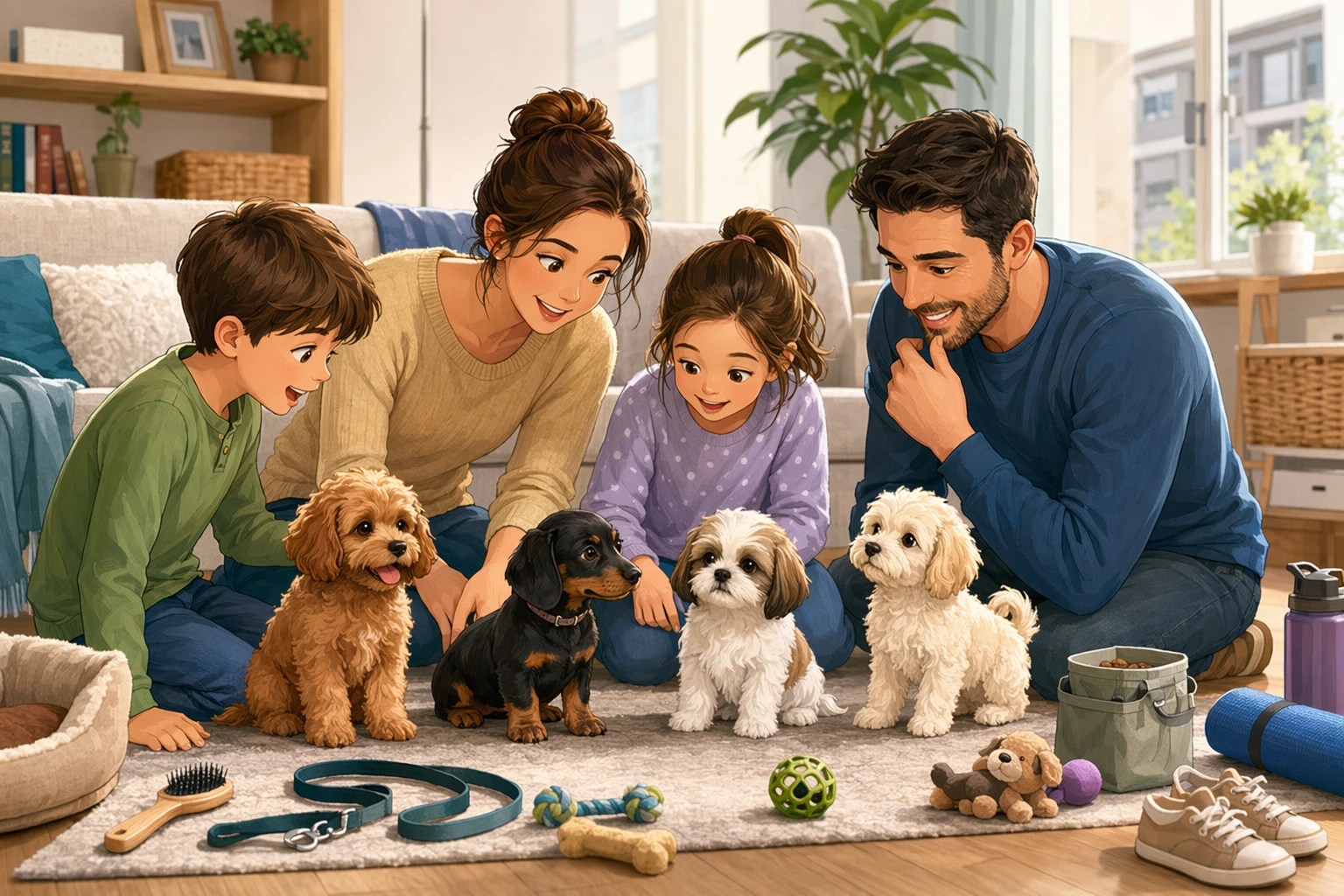
If your schedule is packed, choose a breed with moderate energy and easier grooming, not just a cute face.
Understand the Offered Breeds
Once you narrow your lifestyle, study the breeds breeders actually offer in Indiana. Breed matters because it gives you a more predictable size, coat, temperament, and exercise range. Cornell says that predictability is one of the main benefits of choosing a specific breed from a responsible breeder.
Use this quick check before joining any waitlist:
| Breed factor | What to check | Why it matters |
|---|---|---|
| Size | Adult weight and height | Affects housing and travel |
| Energy | Daily exercise needs | Shapes your routine |
| Coat | Shedding and grooming | Impacts time and cost |
| Temperament | Kid, pet, and stranger comfort | Helps long-term fit |
For many families, small companion breeds like Havanese, Havapoo, and Cavapoo fit well because they stay manageable, tend to be family-friendly, and suit many home types when socialized well.
Also Read: About
Step 2: Choose a Responsible Indiana Breeder
A responsible breeder makes your decision easier, not harder. In Indiana, larger commercial breeders must register with the state, and state standards are only the floor, not proof of quality, according to the Indiana State Board of Animal Health.
Signs of a Trustworthy Breeder
Look for clear, calm, open behavior from the first call.
- They let you meet the puppy where it was raised
- They show you the mother, and often the father’s records
- They explain health testing, vaccines, deworming, and early social work
- They ask you questions about your home, schedule, and goals
- They have a plan for pickup or delivery, not a rush sale
- They provide records without excuses
A breeder who only says “state licensed” is not telling you enough. Indiana law covers commercial registration and care rules, but that does not replace strong ethics or breed-specific health screening.
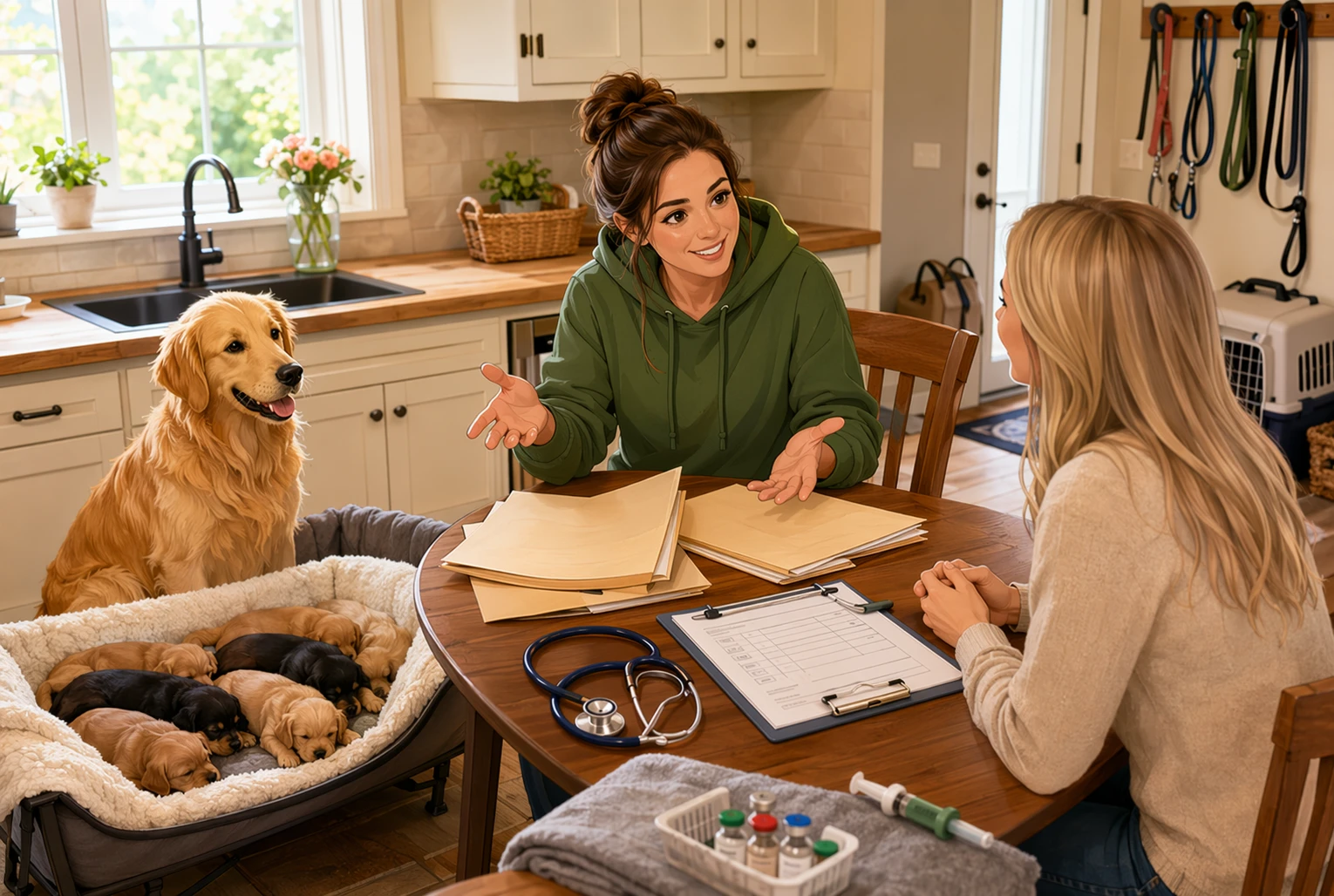
Questions That Should Be Easy to Answer
A good breeder should answer basic questions fast and clearly.
- What health tests were done on both parents?
- Can I see vaccine and deworming records?
- Where are the puppies raised each day?
- How do you handle socialization and crate exposure?
- What support do you offer after pickup?
- Why did you pair these two parents?
If answers sound vague, scripted, or defensive, step back. Indiana’s breeder registration form itself asks for kennel and veterinarian information, which shows how basic that level of transparency should be in the state form.
What Healthy Transparency Looks Like
Healthy transparency feels simple.
- Real photos of parent dogs
- Clear pricing and reservation terms
- Honest notes on temperament, size, and coat
- A full record packet before pickup
- No pressure to send money before a live conversation
The best breeders are proud to show their process. If a seller avoids visits, hides records, or keeps changing details, keep looking.
Step 3: Verify Health Testing and Veterinary Care
What Health Documentation to Request
Ask for proof, not promises. A good Indiana breeder should show you the puppy’s vet exam record, vaccination and deworming dates, and the parents’ health testing results.
Request:
- OFA or CHIC records for the sire and dam when the breed has recommended screenings
- A sample health record for the puppy
- Details on microchipping, if done
- The breeder’s vet name and when the litter was last seen
The OFA says the CHIC program tracks breed-specific screening results and requires public release of those results for certified dogs, which makes buyer checks easier through the CHIC database.
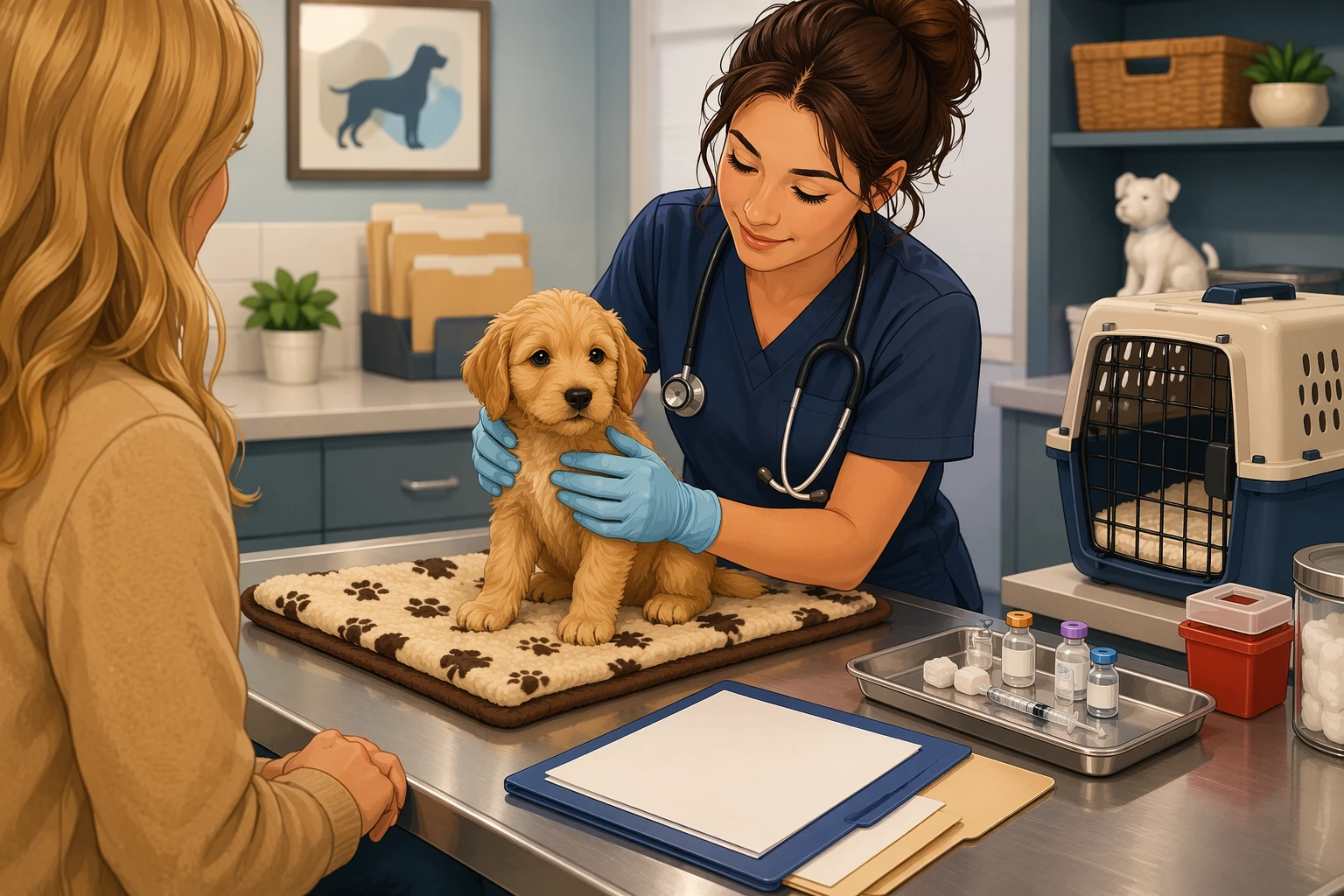
If a breeder says “vet checked” but will not share records, treat that as a red flag.
How to Read Health Testing Claims
Health testing is not the same as a basic vet visit. A vet exam checks the puppy’s current condition. Health testing looks for inherited risk in the parents.
Use this quick filter:
| Claim | What it usually means | What you should ask |
|---|---|---|
| Vet checked | Basic wellness visit | Can I see the exam record? |
| Genetic tested | One or more DNA tests | Which test, for which parent, and what result? |
| Health tested parents | Breed-specific screening may be done | Can you share OFA or CHIC links? |
“Clear” and “healthy line” are marketing words unless the breeder can back them up with records.
Why Temperament and Early Care Matter
A healthy puppy also needs good early handling. The first weeks shape confidence, stress response, and how a puppy handles new people and places. The AVMA review says puppies benefit from diverse, positive experiences by or before 3 weeks of age, with exposure continuing after they go home during the key socialization period.
Look for breeders who:
- Raise puppies in the home
- Use gentle handling and daily routines
- Start crate, sound, and people exposure
- Watch for shy or overly fearful behavior
Also Read: 12 Small Breed Puppies That Are Perfect For Kids 2026
Step 4: Check Indiana Rules and Anti-Puppy-Mill Signals
Know the Legal Baseline
Indiana law sets a floor, not a gold standard. Under Indiana Code Article 21, a commercial dog breeder is generally someone with more than 19 unaltered female dogs age 12 months or older, and those operations must register with the state. Indiana also requires standards for housing, care, records, and oversight for covered operations.
That matters, but it does not prove a breeder is excellent. A smaller breeder may fall outside commercial rules and still do things well – or badly. Use the law as your first filter, then ask for proof of health testing, home raising, and socialization.

Use Canine Care Certified as a Higher Standard
Indiana now recognizes Canine Care Certified as a Purdue-run program that sets standards for nutrition, veterinary care, housing, handling, and exercise under the state code definition. That makes it a useful extra signal, not just a marketing badge.
Ask breeders:
- Are you Canine Care Certified?
- If not, which written care standards do you follow?
- Can you show your vet protocol, exercise plan, and housing setup?
A responsible breeder will answer clearly and show documents without getting defensive.
Watch for Red Flags
Puppy-mill signals usually show up fast if you know where to look.
- No visit options, live video, or clear photos of where puppies live
- Many breeds for sale at once
- No parent health testing records
- Pushy deposits before screening you
- Meeting in parking lots or shipping with little contact
- Vague answers about who raises the litter
You can also check whether a larger operation appears in the USDA Animal Care public search tool for license and inspection records.
Also Read: 7 Best Small Breed Puppies for Apartment Living in 2026
Step 5: Understand Pricing, Reservation, and Next Steps
What a Premium Puppy Purchase Usually Includes
A higher puppy price should match real value, not just a cute breed mix. Ask what is included before you place a deposit. Indiana law requires commercial dog breeders to give buyers vaccination, medication, and treatment records at purchase under Indiana Code records rules.
A strong premium package often includes:
- Age-appropriate vaccines and deworming
- A recent vet exam
- Health records and feeding instructions
- Microchip details, if offered
- Pickup or delivery terms in writing
- Ongoing breeder support after go-home day
If the breeder cannot explain the price clearly, slow down.
Reservation and Application Flow
The best breeders use a simple, careful process. You apply first, talk through fit, then reserve a puppy or waitlist spot. Do not treat a deposit like a shortcut past screening.
Use this flow:
- Submit an application
- Review health testing and parent info
- Confirm total price, deposit, and refund terms
- Get your contract in writing
- Schedule pickup or delivery
- Ask what happens if the puppy is not a fit
If your puppy will cross state lines into Indiana, a certificate of veterinary inspection is generally required, and Indiana says it must be completed within 30 days before entry in most cases according to BOAH entry rules.
Prepare for the First 48 Hours
Keep the first two days quiet and simple. Your job is to lower stress, build routine, and watch closely.
- Book your vet visit
- Use the breeder’s food at first
- Limit visitors
- Start crate and potty routine
- Track eating, stool, and energy
A smooth first 48 hours often predicts a much easier first month.
Step 6: Plan Pickup or Delivery With Confidence
What to Clarify Before the Puppy Comes Home
Lock down the handoff details before you pay the final balance. Ask for the exact pickup date, time window, location, and who will release the puppy. If delivery is involved, confirm whether it is door-to-door, airport meetup, or a halfway point.
Use a simple checklist:
- the puppy’s vet record
- feeding schedule and current food
- microchip details, if placed
- pickup contact names and phone numbers
- what happens if weather or illness delays travel
If your puppy is crossing state lines, check your destination rules early. USDA APHIS says interstate pet requirements are set by the receiving state, not one national rule, so your vet and breeder should plan around that state-to-state travel guidance.
If a breeder gets vague about transport, pause the sale. Clear answers are a trust signal.
Why Clear Logistics Matter
Good logistics protect the puppy and lower your stress. You want fewer surprises on travel day and a smoother first 24 hours at home.
Clear plans also help if your puppy will travel internationally later. The CDC says all dogs entering or returning to the U.S. need a CDC Dog Import Form receipt, and some dogs need more paperwork depending on travel history CDC import FAQs.
A strong breeder will give you:
- a written handoff plan
- a backup contact
- care notes for the ride home
Also Read: Puppy Breeder Near Me vs Pet Store: Key Differences
Common Mistakes to Avoid
Buying on Price Alone
A cheap puppy can cost more later. Low prices often hide weak health testing, poor early care, or rushed breeding. Compare value, not just cost. Ask what is included, how the puppies are raised, and whether the breeder stands behind the match.
Skipping Documentation
Do not rely on promises in texts. Ask for vaccine records, deworming history, parent health testing, and a clear contract. Indiana law requires commercial dog breeders to give buyers vaccination, medication, and treatment records at sale under Indiana Code records rules, and animal movement paperwork may require an official certificate of veterinary inspection.
If a seller avoids paperwork, walk away.
Ignoring Temperament Fit
A cute puppy is not always the right puppy. Energy level, noise, grooming, and social needs matter every day. Ask which puppy fits your home, kids, work schedule, and experience level. Good breeders match families carefully instead of letting looks decide.
If you want a puppy from a program that makes health, temperament, and transparency easy to verify, take the next step with Sage Puppies. You can review available puppies, learn how their family-first process works, and choose local pickup or nationwide delivery with more confidence.
Frequently Asked Questions
Q1: What should I consider when choosing a responsible puppy breeder in Indiana?
Look for health-tested parents, clear records, home-raised care, and honest answers about temperament, price, and pickup. A good breeder screens buyers too, limits litters, and never rushes you.
Q2: What are the most popular dog breeds for sale in Indiana with reputable breeders?
Families often look for small companion breeds, doodle mixes, retrievers, and spaniels. Popular does not mean best, so match energy, grooming, size, and trainability to your home and schedule.
Q3: How can I verify the health and ethics of puppies for sale in Indiana?
Ask for parent health testing, vaccine and deworming records, a sample contract, and photos of living conditions. Watch for pressure, vague answers, broker-style listings, or many breeds at once.
Q4: Is it better to buy locally in Indiana or work with an out-of-state breeder?
Local can make visits easier, but breeder quality matters more than distance. Programs like Sage Puppies may offer strong transparency, early socialization, and clear delivery or pickup options.
Q5: What red flags should make me walk away from a puppy listing?
Leave if the seller avoids video calls, cannot show the mother, offers same-day sales, or asks for payment before basic proof. Low prices and urgent pressure often signal poor breeding.
Conclusion
Buying a puppy in Indiana gets easier when you slow down and check the right things. The big takeaway is simple: laws help, but your best protection is a careful screening process. Indiana requires commercial dog breeders to register if they keep more than nineteen unaltered adult females, according to the Indiana Code 2024. Dogs entering Indiana also need a recent health certificate in many cases, per BOAH entry rules.
Choose breeders who welcome questions, share health records, explain parent testing, and raise puppies with real daily care. A good puppy buy should feel clear, calm, and well-documented, not rushed.